
This 1.8-Mile Trail In Ohio Feels Like Stepping Into Another World
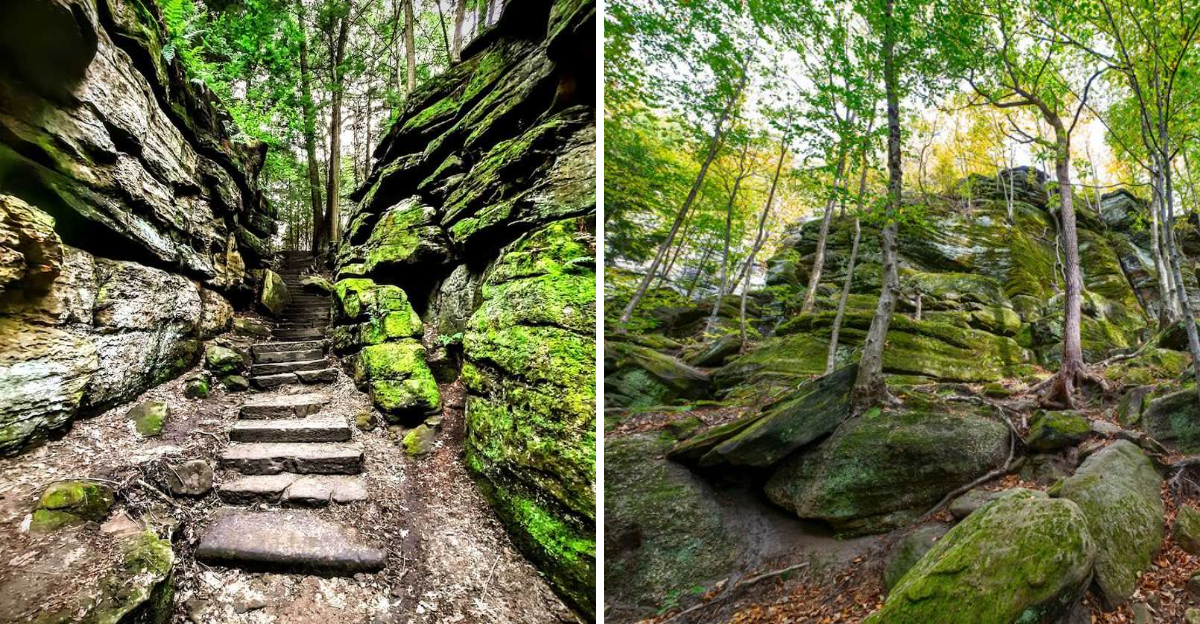
Some hikes are simply a way to stretch your legs. Others make you pause mid-trail and look around in disbelief at the scenery surrounding you.
In a quiet corner of northeastern Ohio, one short forest loop manages to feel far more dramatic than its modest distance suggests. Towering sandstone walls rise beside shaded paths, narrow passages wind through the woods, and a breathtaking overlook waits near the end of the walk.
At only 1.8 miles, this trail proves that one of the region’s most striking landscapes doesn’t require a long hike to experience.
A Scenic 1.8-Mile Loop In The Heart Of Cuyahoga Valley National Park
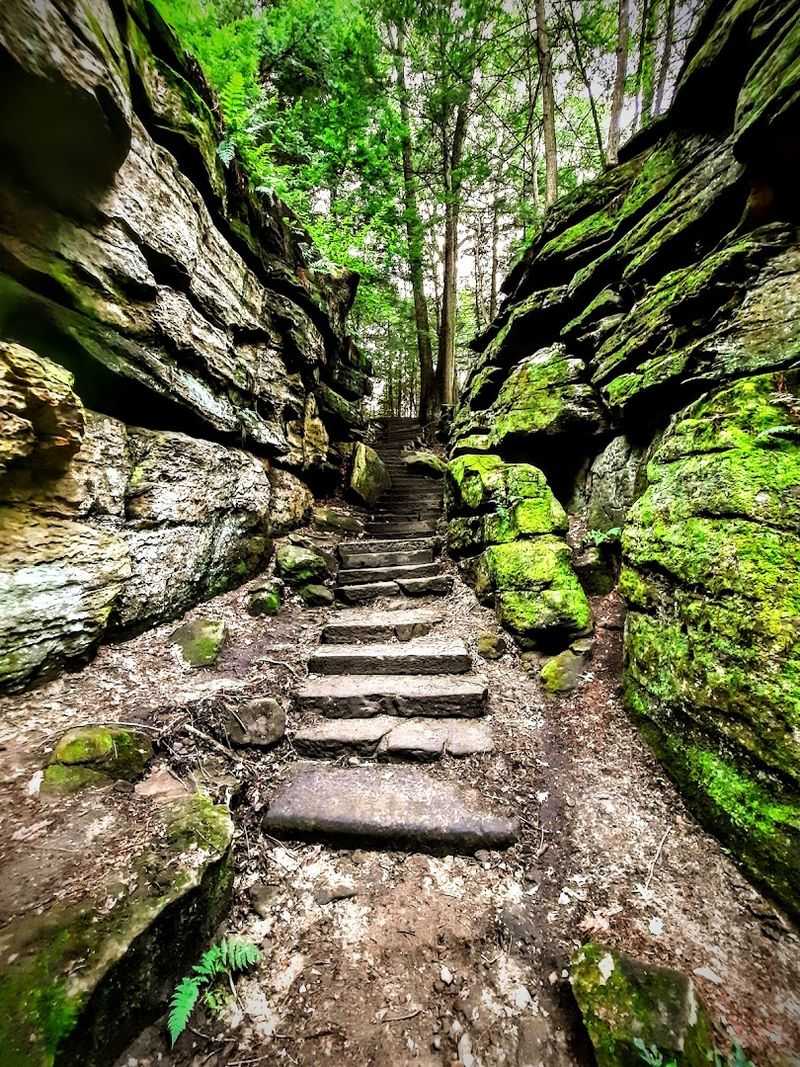
Few trails in Ohio manage to deliver so much character within such a manageable distance. The Ledges Trail at Cuyahoga Valley National Park covers a 1.8-mile loop that feels purposeful from the first step, guiding hikers through a sequence of natural features that shift and surprise as the terrain changes.
Located at 405 Truxell Rd, Peninsula, OH 44264, the trailhead sits within easy reach of the park’s central amenities, including open fields, pavilion shelters, and well-maintained restrooms. Parking is plentiful, and the trail signage is clear enough that first-time visitors rarely feel disoriented.
The loop is rated as easy to moderate, making it accessible for a broad range of hikers, from curious beginners to experienced walkers seeking a scenic afternoon outing. The trail opens daily from 7 AM to 7 PM, giving visitors a generous window to explore at their own pace without feeling rushed.
The Massive Sandstone Ledges That Give The Trail Its Name
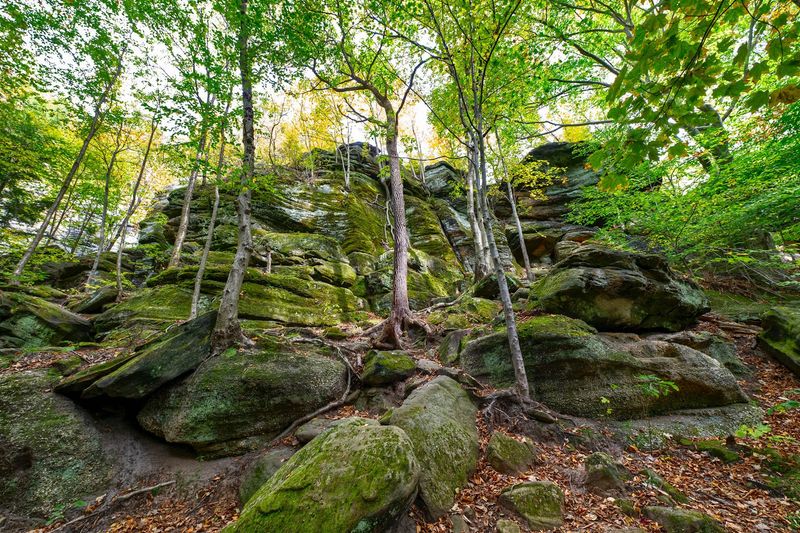
The trail earns its name honestly. Along the route, hikers encounter enormous walls of Sharon conglomerate sandstone that rise dramatically from the forest floor, their surfaces worn smooth in some places and deeply grooved in others by centuries of exposure to water and weather.
Sharon conglomerate is a distinctive rock type found throughout northeastern Ohio, formed roughly 320 million years ago during the Pennsylvanian period. The rounded quartz pebbles embedded within the stone give it a coarse, textured appearance that catches light in interesting ways at different times of day.
Running your hand along these formations feels like touching something genuinely ancient, which, of course, you are. The ledges vary considerably in height and shape as you move along the trail, so no two sections feel identical.
Moss, ferns, and small wildflowers take hold in the crevices, adding layers of color to the stone’s natural grey and tan tones.
A Forest Trail That Feels Surprisingly Wild And Quiet
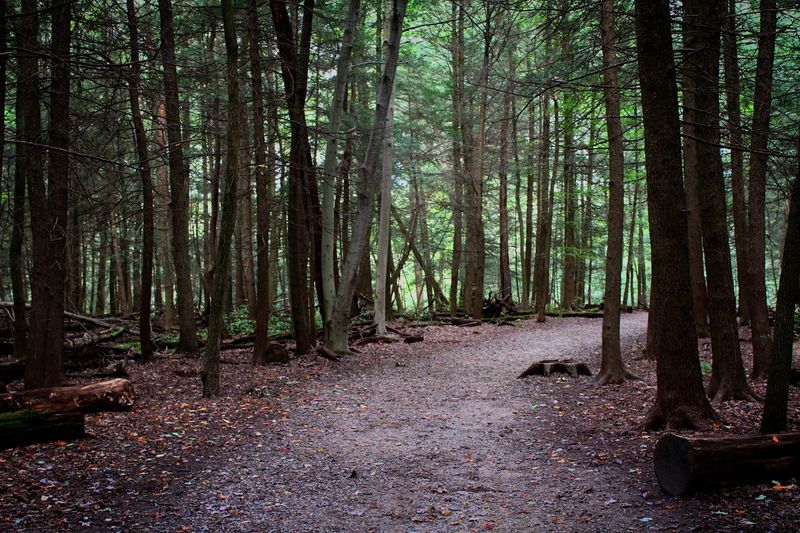
There is a particular quality of stillness on this trail that catches first-time visitors off guard. Despite the park’s popularity and the proximity of suburban communities, the Ledges Trail maintains an atmosphere of genuine seclusion once you move past the trailhead and into the forest interior.
Tall oaks, maples, and hemlocks form a dense canopy overhead, muffling outside noise and creating a hushed, enclosed feeling that encourages slower walking and closer observation. Birdsong fills the gaps where human sound recedes, and on weekday mornings especially, long stretches of the trail can feel entirely private.
The forest floor here is layered with leaf litter, exposed roots, and patches of ground cover that shift with the seasons. Spring brings wildflowers pushing through the soil, summer deepens the shade, autumn sets the canopy ablaze with color, and winter strips everything back to reveal the bones of the landscape in clear, spare detail.
The Famous Overlook With One Of The Best Views In The Park
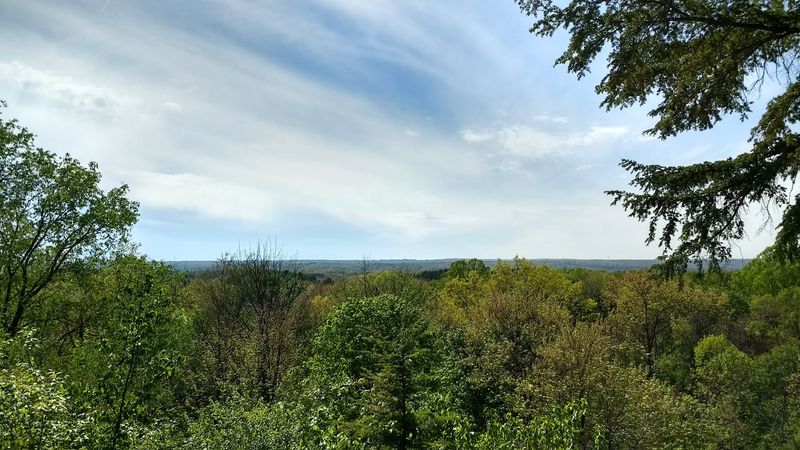
At the highest point of the loop, the trees give way to an open sandstone ledge that juts out above the surrounding forest, offering a broad, unobstructed view across the valley canopy below. This is the moment the trail has been building toward, and it delivers with quiet authority.
The view is primarily one of treetops stretching to the horizon, which sounds modest until you are actually standing there watching the light move across the leaves. In autumn, the scene becomes particularly vivid, with the forest below shifting through shades of amber, crimson, and gold.
Sunset visits here are especially rewarding, as the western sky behind the trees takes on colors that reflect warmly off the sandstone surface underfoot.
A few natural rock seats present themselves along the overlook edge, and it is common to find visitors sitting quietly, taking photographs, or simply absorbing the view without any particular agenda. The atmosphere is unhurried and genuinely pleasant.
Towering Rock Walls That Make The Trail Feel Almost Otherworldly
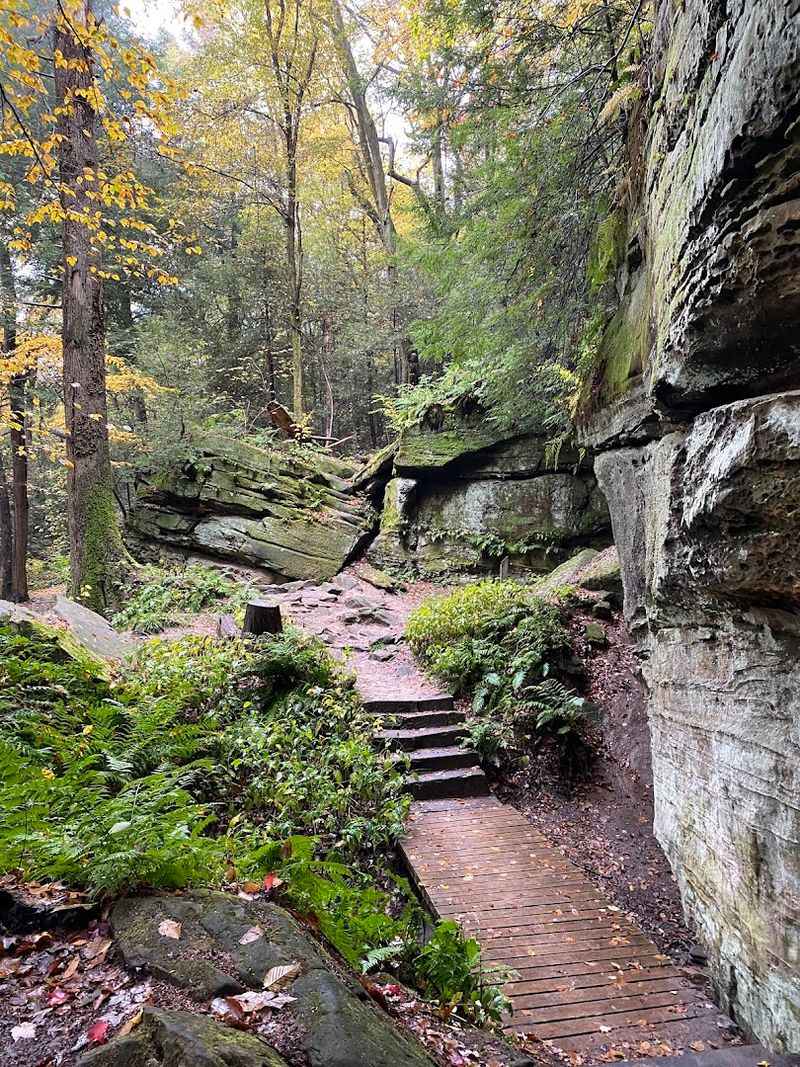
Certain sections of the Ledges Trail pass through narrow corridors formed between massive sandstone walls that rise well above head height on both sides. Walking through these passages produces a distinct shift in atmosphere, as the temperature drops slightly, sound changes, and the scale of the rock presses in with a kind of calm authority.
These corridor sections feel genuinely different from anything else in the Ohio landscape. The walls display horizontal banding from ancient sediment layers, and in several spots, erosion has carved shallow alcoves and recesses into the rock face.
Some of these small cavities are large enough to step into, offering a brief, enclosed shelter that feels surprisingly removed from the open trail just a few feet away.
The contrast between the open forest sections and these compressed rock passages gives the trail a varied rhythm that keeps the experience engaging from start to finish. Each new turn introduces a different texture or scale of landscape that rewards attentive observation.
Cool, Shaded Paths That Make This Hike Pleasant In Summer
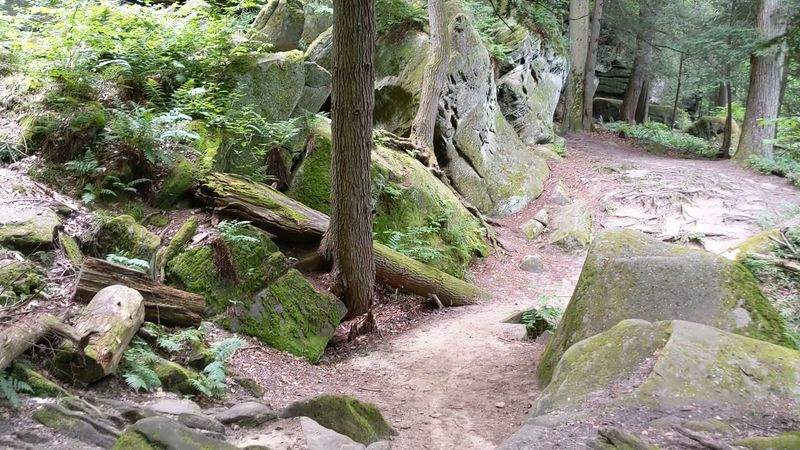
Summer hiking in Ohio can be a warm, humid affair, but the Ledges Trail handles the season better than most routes in the region. The forest canopy along much of the loop is thick enough to block direct sunlight for extended stretches, keeping trail temperatures noticeably lower than the surrounding open landscape.
The sandstone formations contribute to this effect in a meaningful way. Rock walls and overhangs retain cool air from the previous night, and narrow passages between the ledges can feel almost refrigerator-like on a hot afternoon.
One area of the trail, commonly known as Ice Box Cave, channels cold air from within a rock crevice in a way that draws hikers to linger longer than they might otherwise.
Carrying water is still advisable regardless of the season, but summer visitors are frequently surprised by how comfortable the hike remains even on warmer days. The shade is consistent, the breeze is reliable, and the overall experience stays pleasant without much effort on the hiker’s part.
Unique Rock Formations Shaped By Thousands Of Years Of Erosion
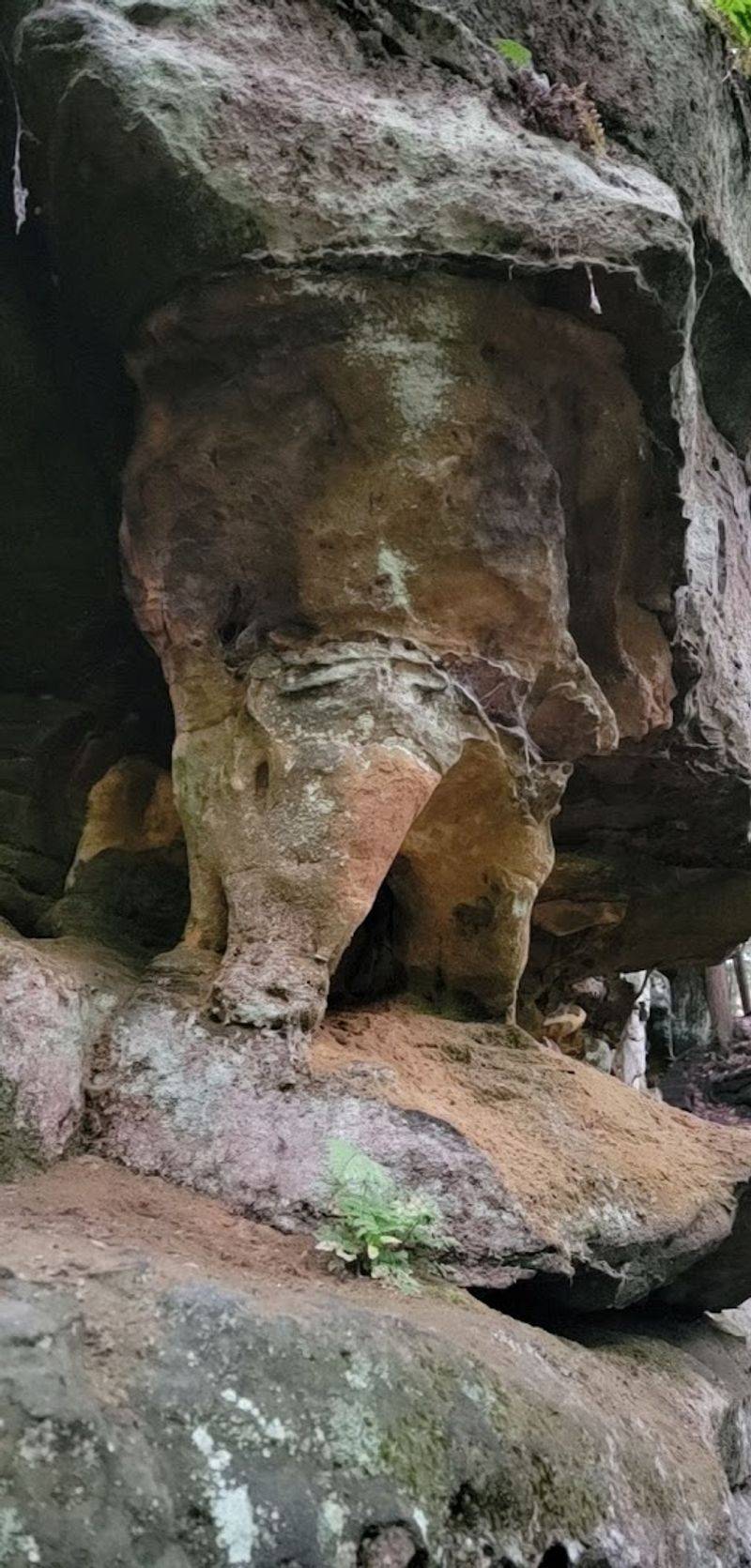
Geology tells its own kind of story at the Ledges, and the formations here are a particularly readable chapter. The Sharon conglomerate that makes up the ledges formed during the Pennsylvanian period when river sediment, pebbles, and sand were compressed over millions of years into the dense, layered rock visible today.
Subsequent glacial activity during the Pleistocene epoch further shaped the landscape, with ice sheets advancing and retreating across the region and leaving behind a dramatically altered terrain. The cracks, crevices, and overhanging shelves visible along the trail are largely the result of water working its way into fractures in the rock and slowly expanding them over thousands of freeze-thaw cycles.
What makes the formations visually interesting is their variety. Some sections display smooth, rounded profiles worn by long exposure to water flow, while others present sharp, angular breaks where large pieces of rock have separated cleanly from the main face.
Every formation carries a different profile, and no two sections of the trail look alike.
Why The Ledges Area Is One Of The Park’s Most Photographed Spots
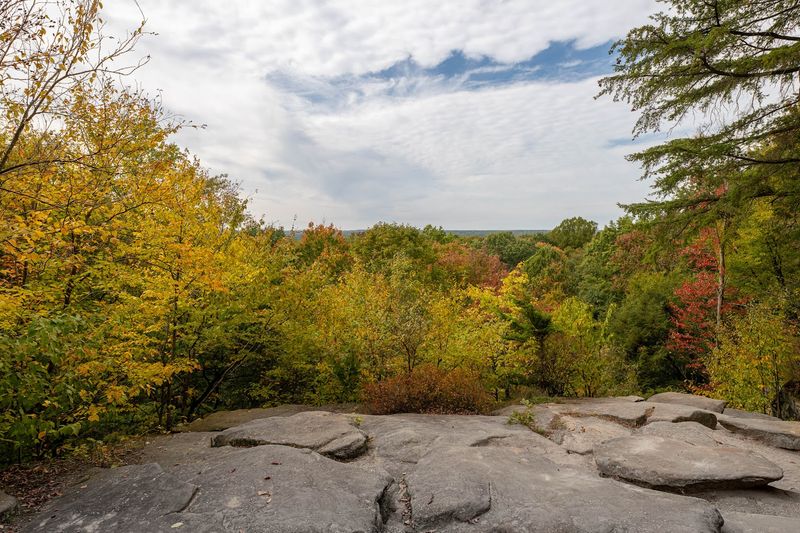
Photography at the Ledges area rewards patience and timing in equal measure. The combination of dramatic rock formations, layered forest light, and the open overlook creates a range of subjects that suit everything from wide landscape compositions to tight detail shots of rock texture and plant life.
Golden hour visits, particularly in the late afternoon, produce some of the most appealing light conditions on the trail. The low angle of the sun catches the rough surface of the sandstone and throws the horizontal banding of the rock into sharp relief, while the tree canopy below the overlook glows warmly in the diffused light.
Autumn weekends draw large numbers of photographers specifically for the foliage color paired with the stone backdrop.
Even visitors without dedicated camera equipment tend to leave with images worth keeping. The overlook platform, the narrow rock corridors, and the moss-covered wall sections all present naturally composed scenes that require minimal effort to photograph well.
The location is generous to anyone who points a lens at it.
A Short Hike That Feels Far More Dramatic Than Its Distance Suggests
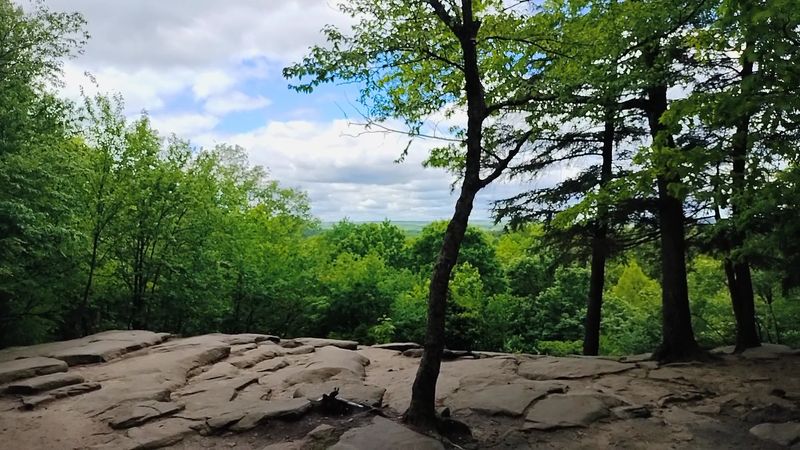
Distance on a trail can be a misleading measure of the experience it delivers. At 1.8 miles, the Ledges loop sits comfortably in the short-hike category, the kind of distance that most people complete in under an hour without breaking a serious sweat.
Yet the trail consistently produces a sense of having covered far more ground, both physically and experientially, than the numbers suggest. The variety of terrain, the height of the rock formations, the depth of the forest shade, and the elevation shift leading to the overlook all contribute to an experience that feels considerably more substantial than a simple walk around a marked loop.
Hikers who approach the trail expecting a quick, casual stroll often find themselves stopping repeatedly to examine a rock face, peer into a crevice, or simply stand still and absorb a particular view. The trail rewards attentiveness, and those who move slowly through it tend to come away with a richer sense of the place than the mileage alone would predict.
A Trail That Showcases Some Of Ohio’s Most Unusual Natural Scenery
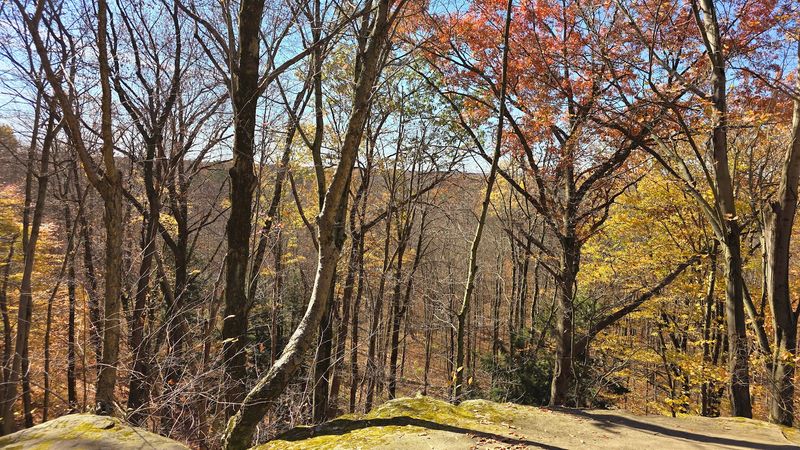
Ohio does not often appear on lists of states celebrated for dramatic natural scenery, which makes the Ledges area a genuinely pleasant correction to that assumption. The combination of ancient rock formations, mature forest, and elevated valley views produces a landscape that feels distinct from anything else the state has to offer.
Cuyahoga Valley National Park itself covers roughly 33,000 acres along the Cuyahoga River between Cleveland and Akron, and the park has been recognized as one of the most visited national parks in the country. Within that broad landscape, the Ledges area stands out as a concentrated showcase of the park’s geological character.
For visitors unfamiliar with the region, the trail offers an efficient and accessible introduction to a side of Ohio that tends to surprise people who arrive expecting flat farmland and unremarkable terrain. The Ledges deliver something considerably more interesting, and the 1.8-mile loop is short enough to fit comfortably into almost any travel itinerary without requiring significant advance planning.