
This Turquoise Montana Swimming Hole Looks Like It Belongs Somewhere Far Away
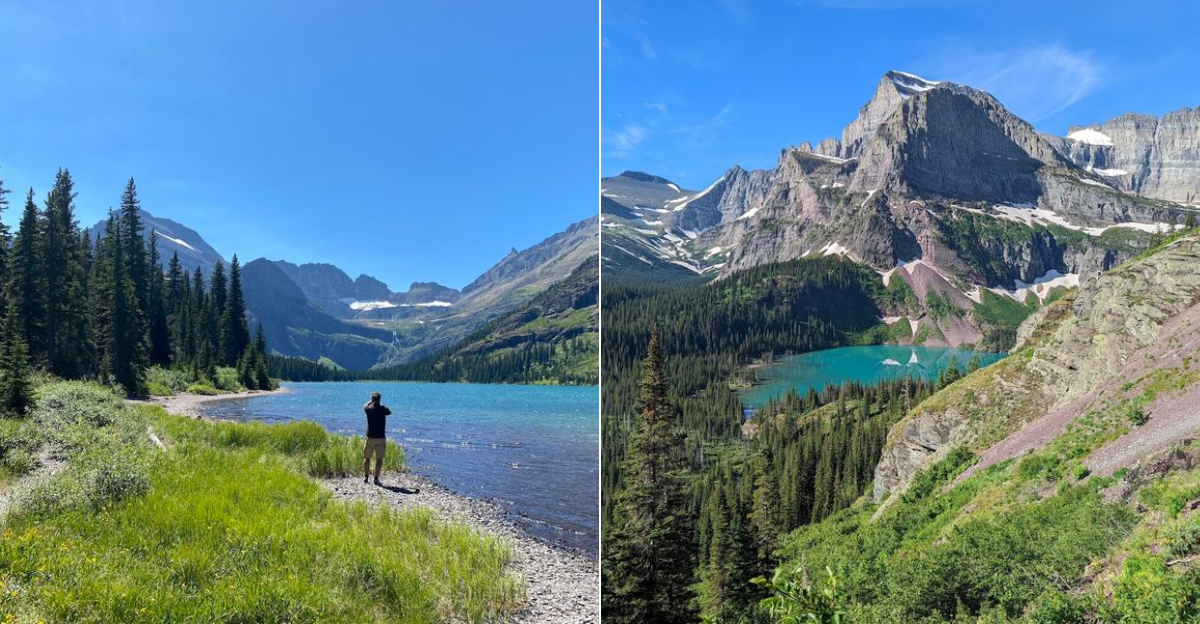
Turquoise water always feels more exciting when the trail makes you earn the view. This glacier-fed lake rewards hikers with cold blue water, mountain drama, and a color that seems to shift every time the light changes.
The journey is part of what makes the shoreline feel so special. Who could resist waterfalls, alpine scenery, boat shuttles, and the chance to reach a place that looks almost impossible?
This is not a casual splash-and-go stop. The water is icy, the wildlife is real, and the setting asks visitors to stay alert while enjoying every stunning second.
Plan ahead, book early, and treat the hike with respect. Montana turns this lake visit into a breathtaking adventure that feels far beyond ordinary.
The Color That Stops You Cold
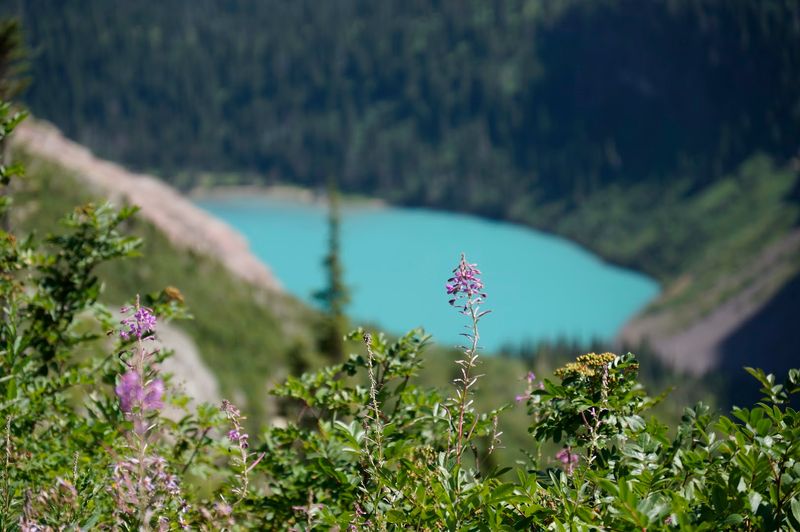
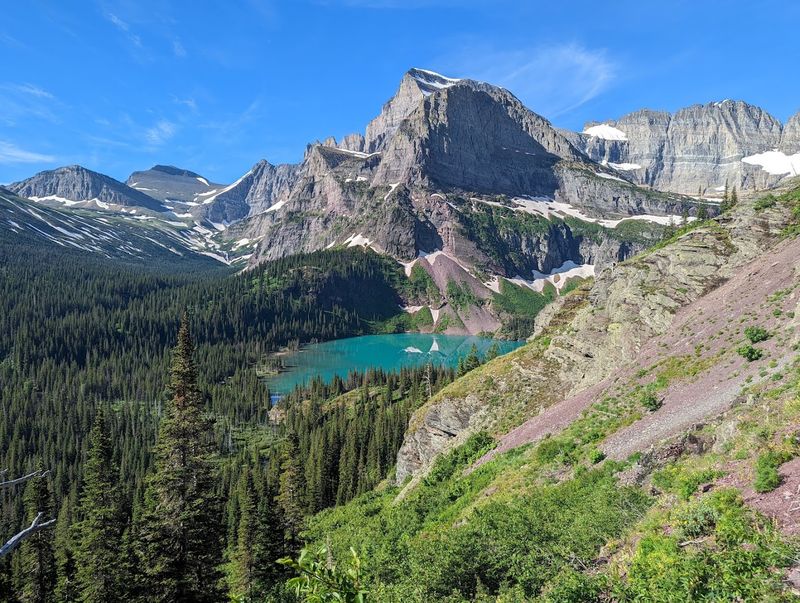
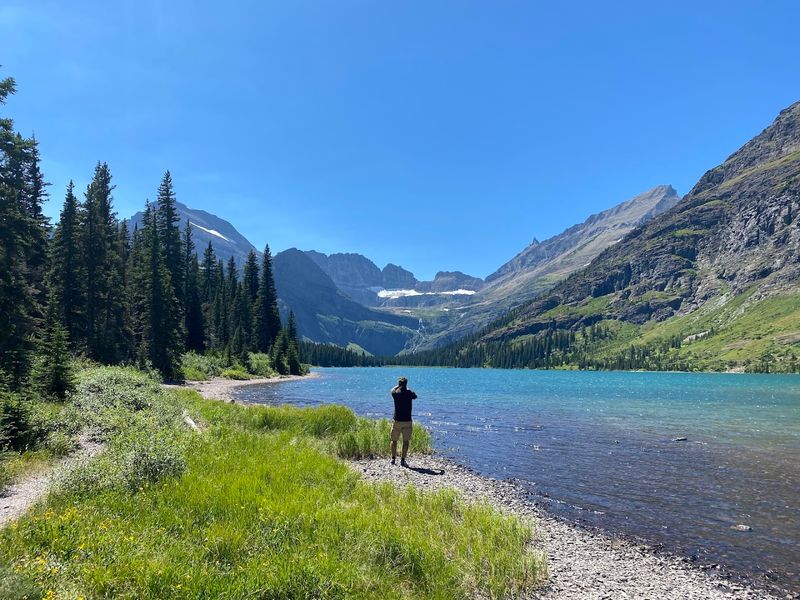
No filter needed. Grinnell Lake sits inside Glacier National Park, Montana 59417, and its water is a shade of turquoise that genuinely makes people stop mid-step on the trail.
The color comes from something called rock flour. Melting glacial ice grinds rock into ultra-fine silt, and that silt floats through the water, bending light in a way that creates that surreal blue-green glow.
Depending on the time of day, the lake can shift from milky blue to deep emerald. Morning light hits differently than afternoon sun.
The color never looks exactly the same twice.
Hikers who arrive expecting a pretty lake often leave with their jaws still dropped. The contrast between the rocky shoreline, the snow-capped peaks, and that electric water is almost hard to process.
Is this really Montana? Yes, and that is exactly the point.
The lake sits at an elevation of approximately 5,050 feet, surrounded by scenery that feels borrowed from another continent entirely.
Grinnell Lake is proof that the most jaw-dropping places on earth do not always require a passport. Sometimes all it takes is a good pair of hiking boots and a willingness to be amazed.
How Rock Flour Makes Magic
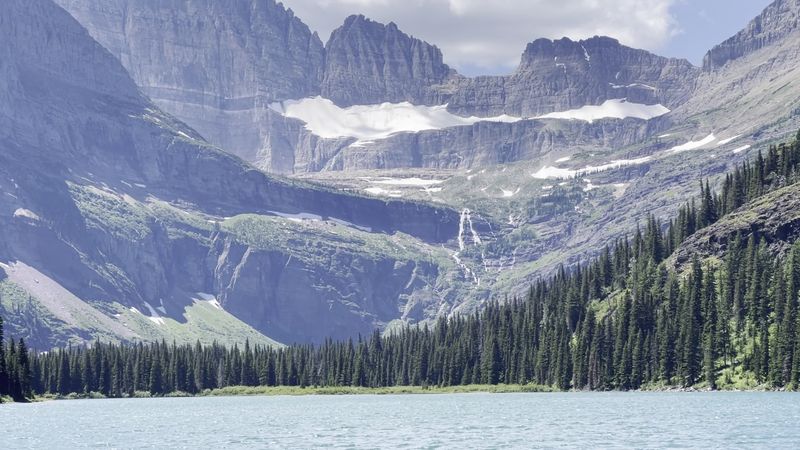
Here is a fun science moment that makes the whole experience even cooler. The Grinnell Glacier sits above the lake, slowly melting as seasons change and temperatures rise over time.
As the glacier moves, it grinds the rock beneath it into an incredibly fine powder called glacial silt, also known as rock flour. That powder gets carried into the lake through meltwater streams.
Once in the water, these microscopic particles stay suspended rather than sinking. They scatter sunlight in a very specific way, producing that vivid, almost artificial-looking turquoise color that makes every single photo look edited.
The opacity of the water is part of what makes it so striking. You cannot see through it clearly, which gives it that milky, dreamy quality that photographers absolutely love.
Want to know the best part? The color actually shifts with the seasons.
Early summer melt brings more silt, intensifying the hue. By late summer, the tone can soften slightly as flow slows down.
Nature basically runs its own color-mixing studio up here. Every visit to Grinnell Lake offers a slightly different shade of spectacular, which gives every traveler their own unique version of the experience.
The Hike That Rewards Big
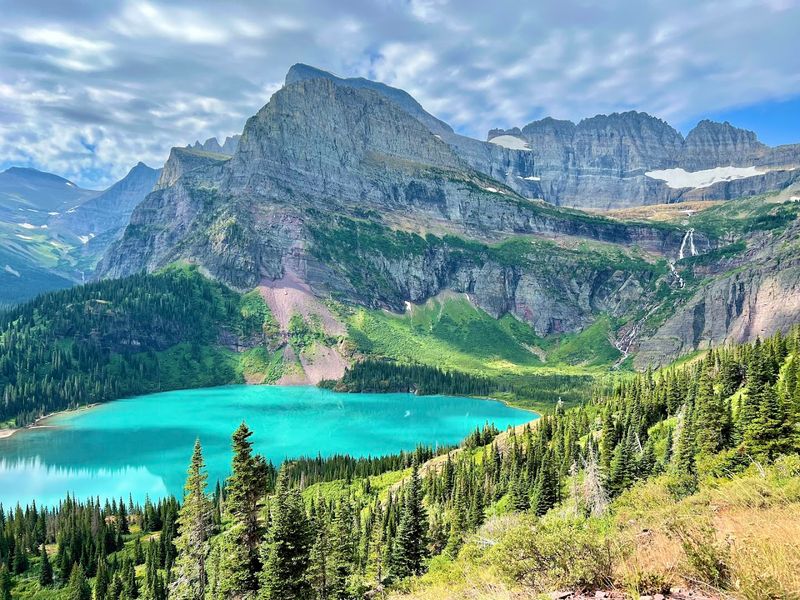
Getting to Grinnell Lake is part of the whole adventure.
The elevation change is relatively small, which means beginners and families with older kids can absolutely handle it. The trail stays mostly flat, which is a rare treat in a park as dramatic as Glacier.
Along the way, hikers cross small swinging bridges and walk through dense forest sections that feel genuinely wild. There is a point where the trees open up and the mountains just surround you on all sides.
Feather Plume Falls is a highlight along the route that many visitors rave about. It is easy to miss if you rush, so slow down and pay attention to the sounds around you.
Ready to cut the mileage in half? Shuttle boats run across Swiftcurrent Lake and Lake Josephine, reducing the round trip to roughly 3 miles.
It is a smart move for anyone who wants to save energy for time at the lake.
The trail is also a wildlife corridor, so keep your eyes open. Deer, marmots, moose, bighorn sheep, and even grizzly bears have been spotted along this route on a regular basis.
Boat Rides And Shortcuts
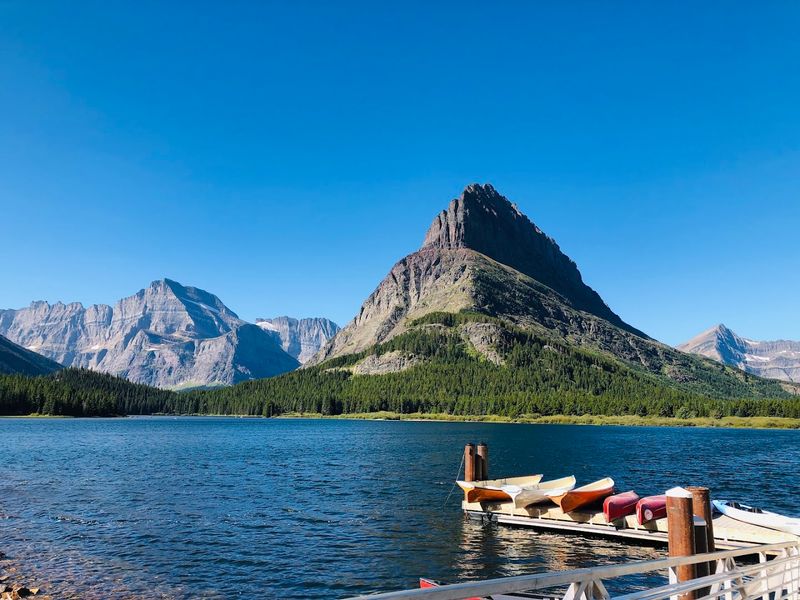
Not every adventure has to start on foot. One of the most charming ways to begin the Grinnell Lake journey is by hopping on the shuttle boat that crosses Swiftcurrent Lake from the Many Glacier area.
A second boat then carri es hikers across Lake Josephine, cutting the total walking distance down to a very manageable 3 miles round trip. That is a huge deal for families, older travelers, or anyone who just wants more time relaxing at the lake.
The boat rides themselves are scenic and genuinely fun. Gliding across calm mountain water with peaks rising on every side is an experience worth having even before you reach the main destination.
Boat reservations can fill up quickly, especially in peak summer months. Checking availability early and planning ahead is strongly recommended.
Waiting lists do exist, so arriving with a backup plan is always smart.
For those who choose to skip the boats entirely and walk the full trail, the added miles are scenic and not punishing. The path around Swiftcurrent Lake is flat, beautiful, and well-maintained throughout.
Either way, the journey to Grinnell Lake is a highlight in itself. Why rush to the finish line when the whole trail feels like a reward?
Wildlife Around Every Corner
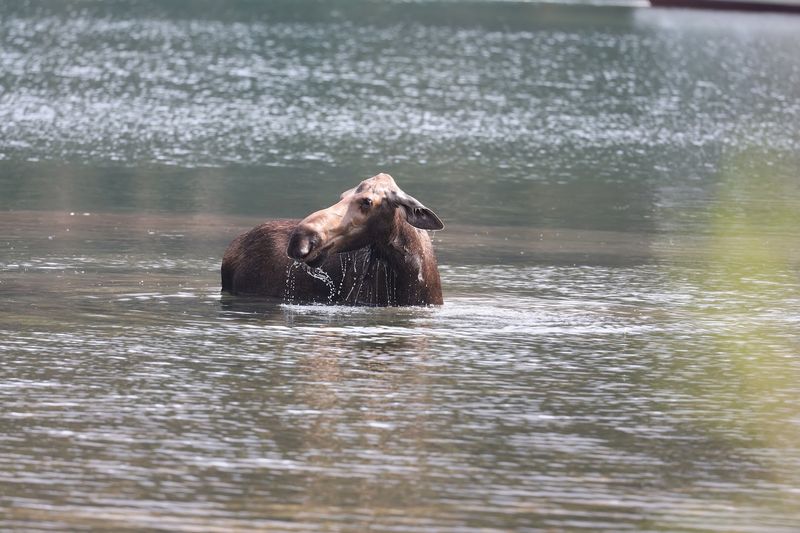
Glacier National Park is not a zoo, and that is exactly what makes it thrilling. The trail to Grinnell Lake passes through active wildlife habitat, and encounters with animals are genuinely common here.
Grizzly bears are the most talked-about residents of the park. Sightings near the Grinnell Lake trail do happen, and carrying bear spray is considered essential, not optional.
Know how to use it before you go.
Deer frequently wander close to the trail and near the lakeshore. Marmots pop up from rocky areas and will happily pose for photos.
Moose have been spotted in the wetter sections along the route as well.
Bighorn sheep sometimes appear on the rocky slopes above the trail. Spotting one feels like a personal gift from the mountains.
Keep your binoculars handy for a closer look without disturbing them.
The key to wildlife watching here is patience and quiet movement. Loud groups tend to send animals retreating before most people even notice them.
Walking calmly and staying alert pays off in unforgettable sightings.
How often do you get to hike through real wilderness with real wild animals roaming freely around you? Grinnell Lake delivers that feeling every single time, and it never gets old for those lucky enough to experience it.
Cool Water After A Long Walk
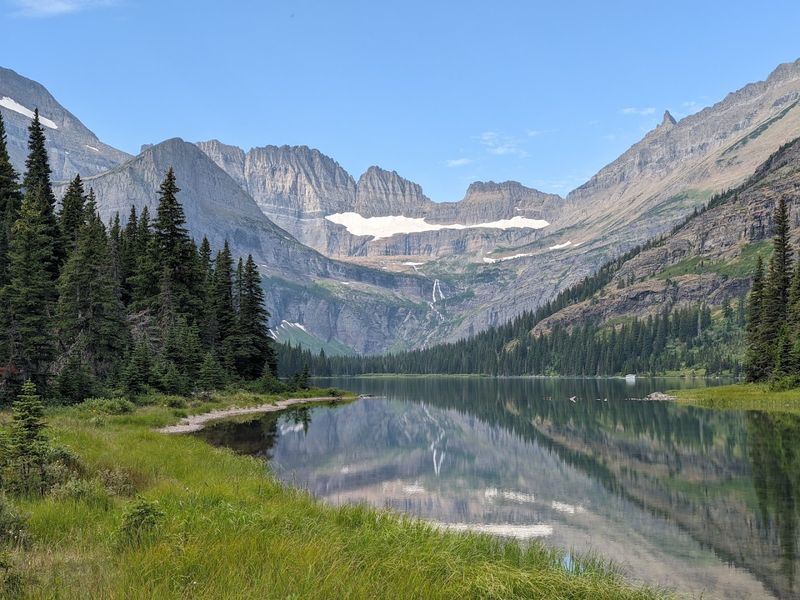
After a few miles of hiking, the sight of that turquoise water does something powerful to tired legs. Grinnell Lake is glacier-fed, which means the water stays bracingly cold even at the height of summer.
Swimming is permitted at the lake, and plenty of visitors do wade in from the rocky beaches along the shore. The cold hits fast and hard, but after a warm hike, it feels absolutely incredible.
The shoreline is made up of smooth, colorful rocks that are beautiful to look at and comfortable to sit on. Many visitors spend an hour or more just relaxing by the water, soaking in the scenery without rushing anywhere.
The sound of nearby waterfalls drifts across the lake. The cold mountain air keeps things refreshing even on the warmest days.
Sitting there, it is genuinely hard to believe this place is real.
Do not expect tropical warmth when you step in. This is glacial meltwater, and it is cold by any standard.
But that is also what makes it feel so alive and so raw and so completely worth it.
Treat yourself to a moment of pure mountain bliss. Kick off your boots, dip your feet in, and let the cold water remind you that the best things in life still require a little effort to reach.
The Man Behind The Name
Every great place has a story behind it. Grinnell Lake, along with Grinnell Glacier and Mount Grinnell, is named after George Bird Grinnell, a naturalist, conservationist, and co-founder of the Audubon Society.
Grinnell first visited this part of Montana in the late 1800s and was so moved by its beauty that he spent nearly two decades campaigning for its protection. His persistence paid off on May 11, 1910, when the area officially became Glacier National Park.
He called this region the Crown of the Continent, a name that has stuck for over a century. Standing at the edge of the lake that bears his name, it is easy to understand why he fought so hard for it.
Without his advocacy, this turquoise lake and the wilderness surrounding it might look very different today. The fact that it remains so wild and unspoiled is a direct result of his dedication and vision.
Visitors often feel a quiet sense of gratitude when they learn this history. Someone loved this place enough to dedicate decades of their life to protecting it for future generations to enjoy freely.
That kind of legacy deserves to be acknowledged. Next time you stand at the shore of Grinnell Lake, take a second to appreciate the people who made sure you could be there at all.
Best Time To Show Up
Timing your visit to Grinnell Lake can make a big difference in what you experience. The park is generally most accessible from late June through early September, when trails are clear of snow and boats are running.
July and August bring the most vibrant turquoise color to the lake as glacial melt is at its peak. Wildflowers bloom along the trail during this window, adding splashes of purple, yellow, and red to an already stunning landscape.
Early mornings are magical here. The light is softer, the crowds are smaller, and the lake surface sits perfectly still before afternoon breezes pick up.
Getting to the trailhead early is a move that pays off every time.
Late August and early September offer a quieter experience with slightly fewer visitors. The air is crisp, the colors begin to shift, and wildlife activity tends to increase as animals prepare for the coming cold months.
Weekends during peak season can get busy, especially if the weather is clear and sunny. Weekday visits are generally more relaxed and give you more space to enjoy the lake without the crowds pressing in.
Always check current trail and boat conditions before heading out. The National Park Service updates information regularly, and conditions in Glacier can change faster than you might expect from the forecast.