
This Unassuming New York Farm Has Been Quietly Leading A Revolution In American Agriculture For Over 50 Years
Farming conversations usually sound practical, full of soil, weather, crops, animals, and the price of getting food to a table. But one New York farm has spent more than 50 years pushing that conversation into bigger territory.
On 900 acres of Hudson Valley land, it has connected organic agriculture, education, community programs, biodynamic ideas, and respect for the land into one working model. This is not a novelty farm built for quick weekend photos.
It is a place where growing food also means teaching children, supporting local families, caring for animals, restoring soil, and asking harder questions about how Americans eat. That quiet influence is exactly what makes it remarkable.
People may drive past without realizing it, but this farm helped shape ideas that now feel more urgent than ever. Its story deserves a much bigger place in New York’s food and farming conversation.
The Farm That Refuses To Be Ordinary
Every so often, a place comes along that makes you rethink everything you thought you knew. Hawthorne Valley Farm is exactly that kind of place.
It does not shout about its achievements, yet its influence stretches far beyond its pastures in Ghent, New York.
Founded in the early 1970s by a bold group of educators, farmers, and artisans, the farm was built on a vision that felt radical at the time. The goal was simple but profound: heal the earth, educate children, and strengthen the cultural fabric of the community around it.
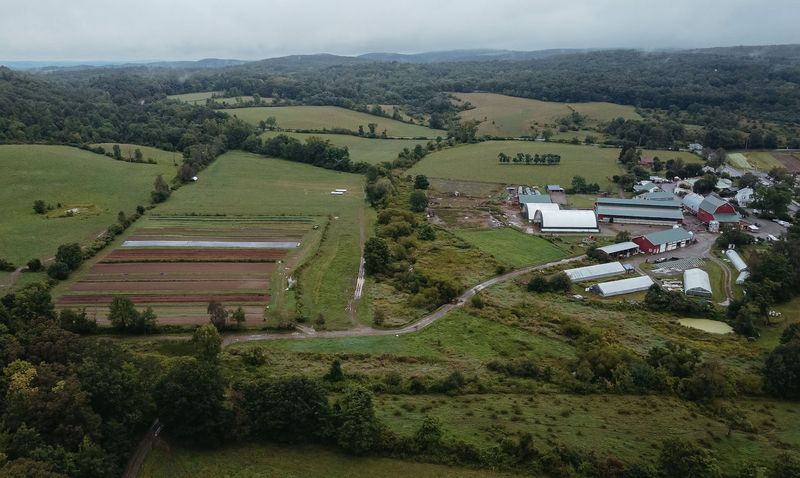
What grew from that vision is extraordinary. Today the farm spans 900 acres of certified Biodynamic and organic land.
It operates a creamery, a bakery, a sauerkraut cellar, a natural foods store, and a K-12 Waldorf school, all on the same property.
Biodynamic farming treats the entire farm as one living organism. Soil, animals, water, and plants are managed together in a closed loop.
Nothing is wasted. Everything feeds everything else.
That philosophy, practiced here for decades, is now considered the gold standard of regenerative agriculture worldwide.
Hawthorne Valley Farm: Where The Revolution Actually Lives
Pull up to 327 County Rte 21C in Ghent, NY 12075, and the first thing you notice is the quiet. There are no flashing signs or grand entrances.
Just land, air, and the kind of stillness that feels earned rather than manufactured.
Hawthorne Valley Farm sits in Columbia County, about two hours north of New York City. The Hudson Valley has always attracted dreamers, but few have built something as enduring as what exists here.
The farm store alone is a 4,500 square foot natural foods grocery packed with products made right on the property.
Raw milk, aged cheese, hand-crafted yogurt, fresh-baked bread, and house-made sauerkraut line the shelves alongside local produce and pantry staples. The store is open seven days a week from 7:30 AM to 7 PM, making it genuinely accessible rather than a weekend-only novelty.
You can reach the farm by phone at (518) 672-4465 or explore their offerings at farm.hawthornevalley.org. Whether you are a curious day-tripper or a committed locavore, this place has something real to offer.
It is not performing sustainability. It is living it, every single day.
Biodynamic Farming Before It Was Cool
Back in the early 1970s, the word biodynamic made most people’s eyes glaze over. Hawthorne Valley Farm adopted it anyway and never looked back.
The farm became one of the first certified Biodynamic operations in all of North America, years before the concept gained mainstream traction.
Biodynamic agriculture goes further than organic farming. It treats the farm as a self-sustaining ecosystem where every element supports the others.
Soil health, animal welfare, crop rotation, and composting are all managed as parts of one interconnected whole.
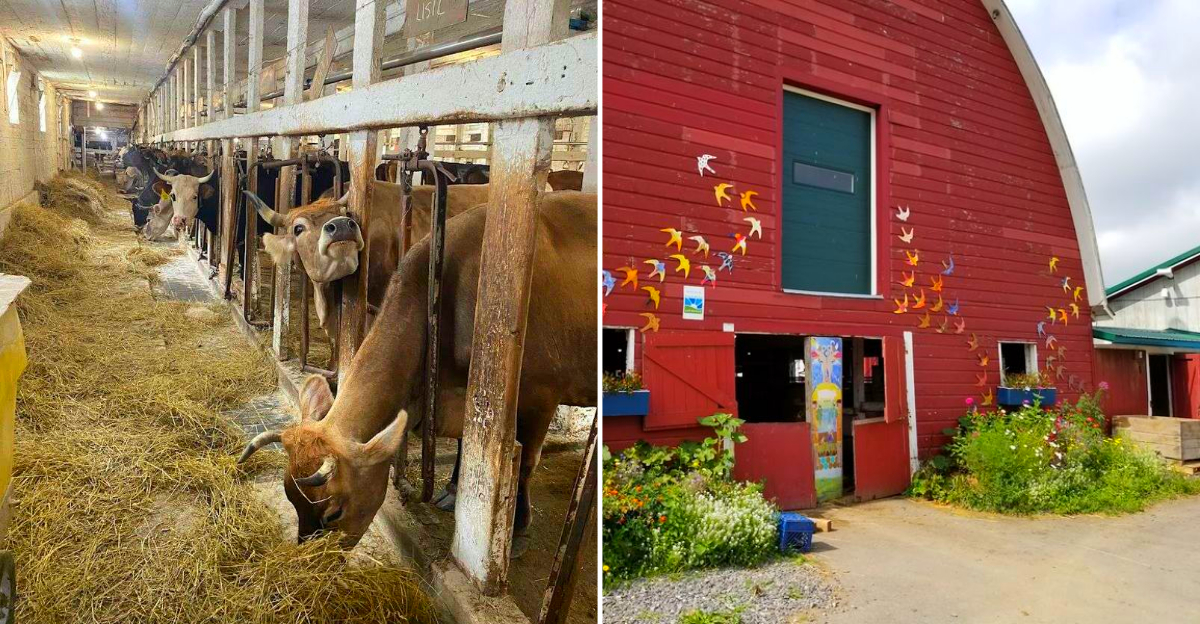
At Hawthorne Valley, the cattle are central to that system. The cows are not just milk producers.
They are composters, soil builders, and landscape managers. Their manure feeds the fields, their grazing patterns shape the pasture, and their presence keeps the land alive in ways that synthetic inputs simply cannot replicate.
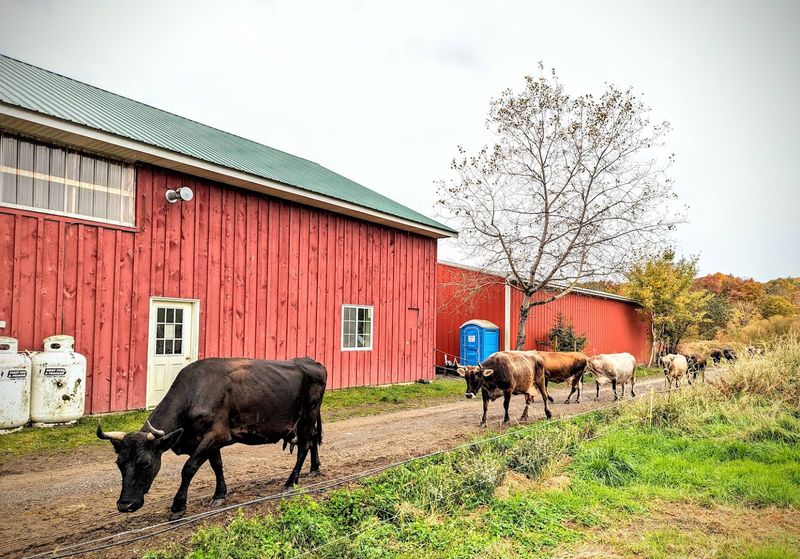
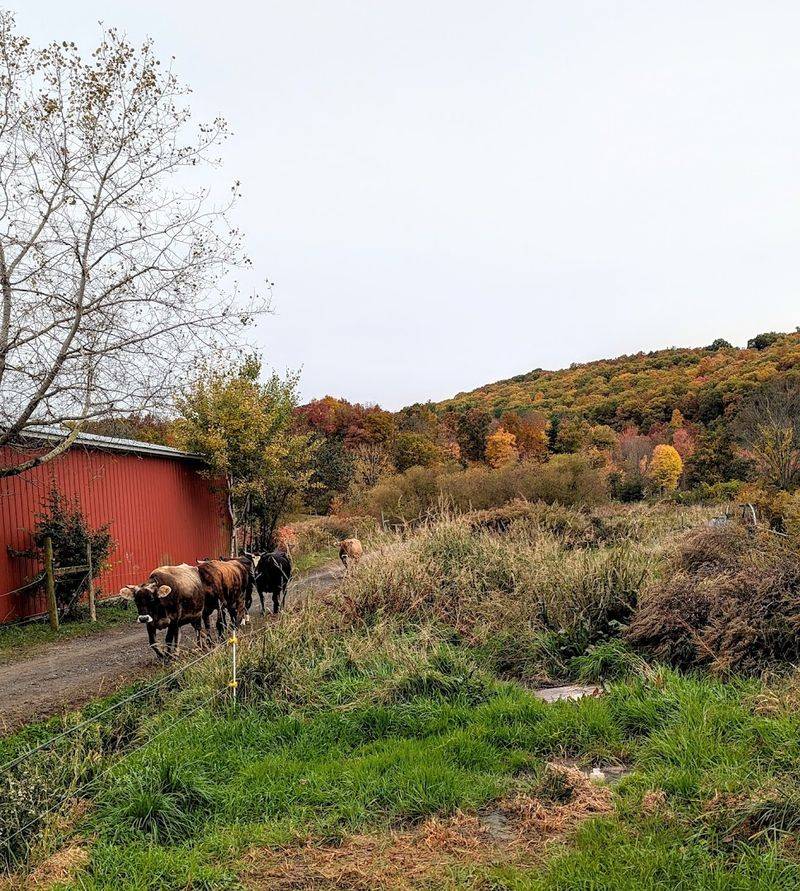
The farm raises its herd using rotational grazing, which gives pastures time to recover between grazing cycles. Calves are raised on their mothers, a practice almost unheard of in commercial dairy.
That choice prioritizes animal wellbeing over production efficiency. It is the kind of decision that costs something in the short term but pays dividends in the long run.
Community Supported Agriculture Before Anyone Knew The Term
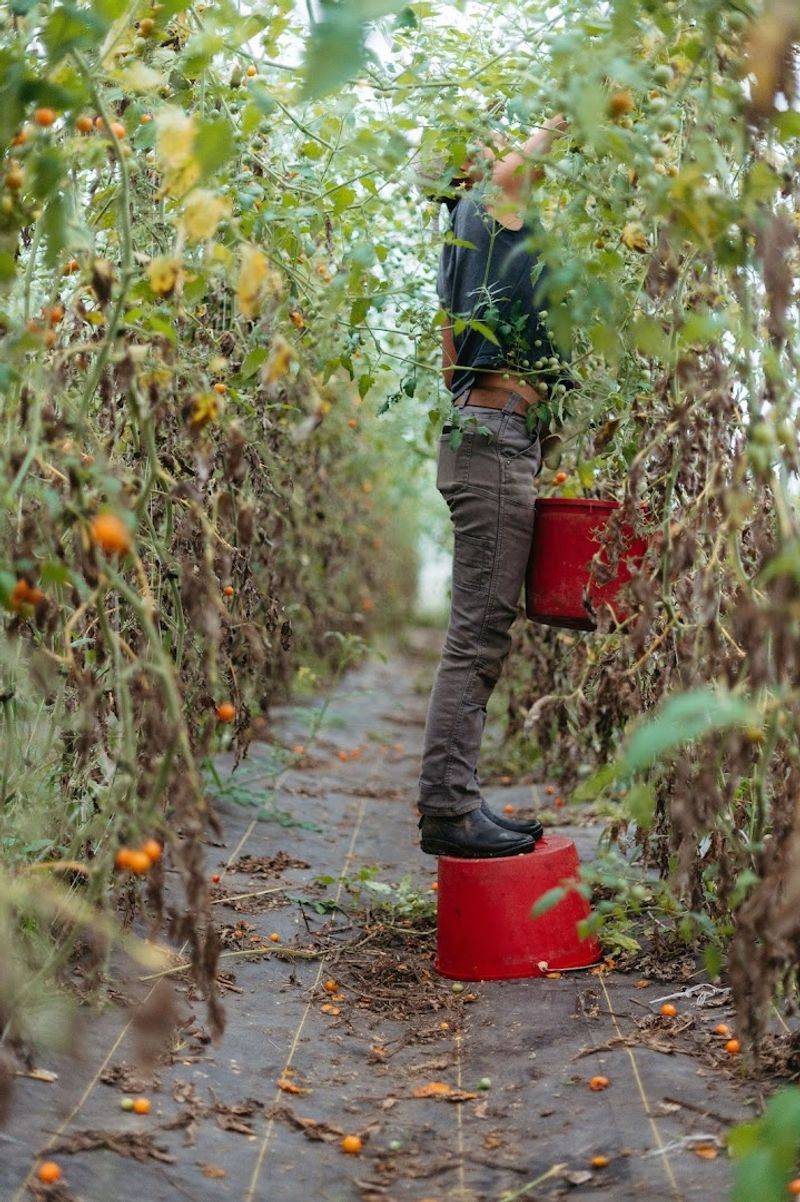
Most people credit Community Supported Agriculture, or CSA, as a modern invention. Hawthorne Valley Farm helped pioneer it in the United States before it had a name.
Members paid upfront at the start of the season and received fresh produce throughout the growing period, sharing both the harvest and the risk with the farmers.
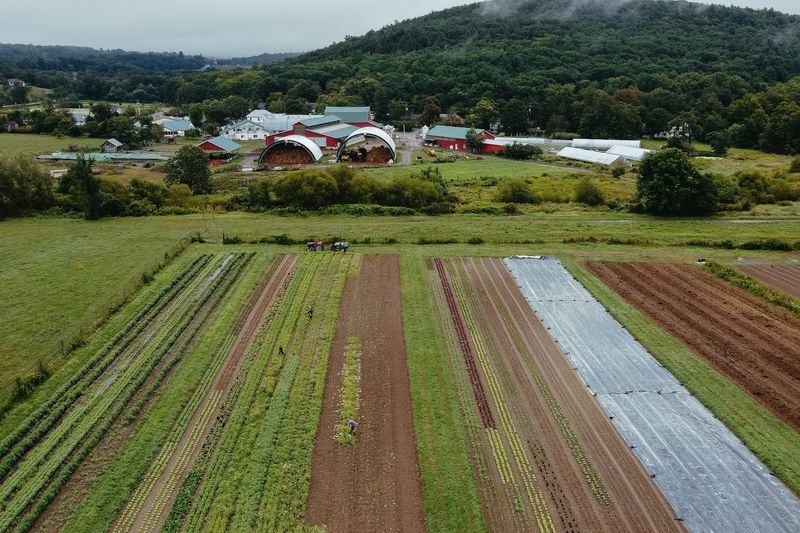
Today the farm runs a CSA with 300 to 350 members. Participants receive shares of whatever the farm grows across 15 to 16 acres of certified organic vegetable fields.
More than 40 varieties of produce are grown each season, from leafy greens to root vegetables to heirloom tomatoes.
The model is built on trust. Members do not pick from a menu.
They receive what the season provides, which teaches a kind of patience and seasonal awareness that grocery store shopping rarely demands. It reconnects people to the rhythm of real food.
For urban families and nearby residents alike, the CSA at Hawthorne Valley is more than a food subscription. It is a relationship with a specific piece of land.
Knowing where your food comes from, who grew it, and how the soil was treated changes the way you eat. That shift is exactly what the farm has always aimed to create.
The Union Square Greenmarket Connection
Few New Yorkers realize that one of the city’s most beloved institutions has deep roots in a quiet farm upstate. Hawthorne Valley Farm played a founding role in establishing the Union Square Greenmarket in New York City in the mid-1970s.
That farmers market is now one of the most recognized in the country.
The farm still maintains a presence at the market today, bringing its cheeses, fermented foods, and produce directly to city residents. That connection between rural producer and urban consumer was radical when it started.
Now it feels like common sense, which is a sign of how much the farm has shaped the broader food conversation.
Selling at a greenmarket in Manhattan is not just a business strategy. For Hawthorne Valley, it has always been part of the mission to connect city people with the land that feeds them.
The farm was founded in part to give urban children a relationship with nature, and the greenmarket extends that purpose to adults.
Standing at a stall in Union Square and tasting raw milk yogurt made from a herd grazing in Columbia County is a genuinely moving experience. That distance between farm and fork, once invisible, becomes something you can almost taste.
That is the point entirely.
A Creamery That Earns Its Shelf Space
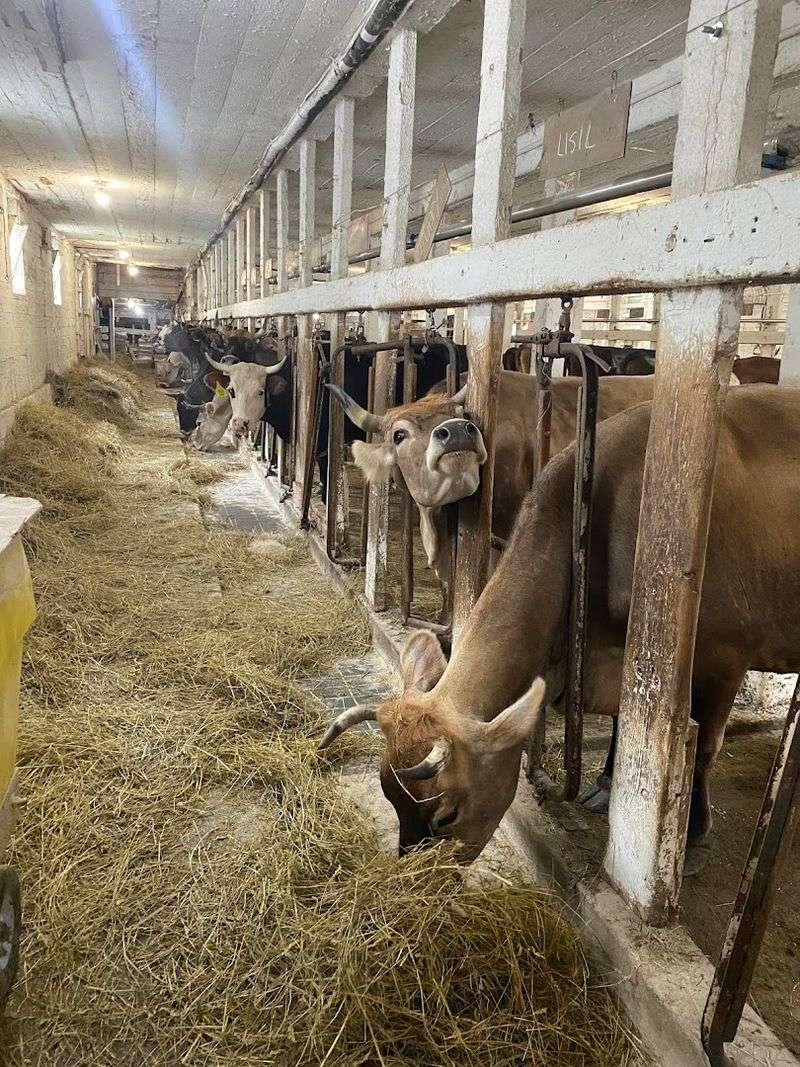
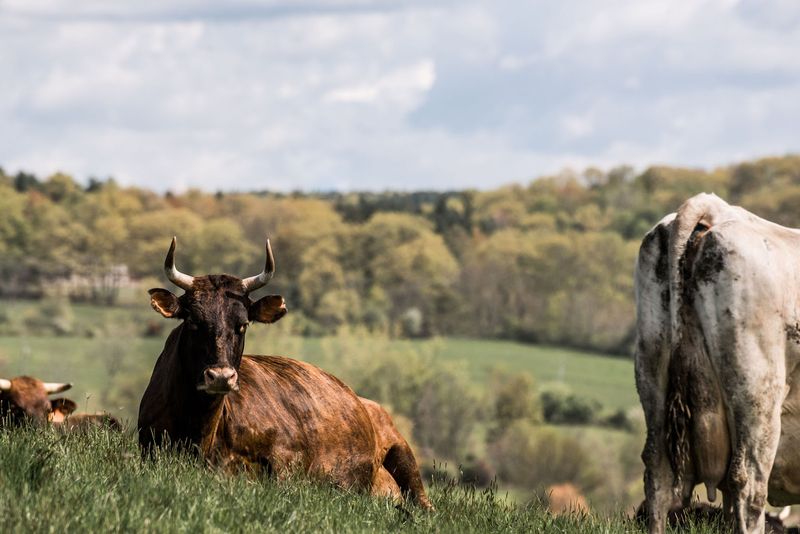
Raw milk gets a lot of debate in food circles, but at Hawthorne Valley Farm, the conversation starts with the cows. The dairy herd numbers between 60 and 65 head, all raised on pasture, all part of a closed herd that has been carefully managed for decades.
The milk they produce is genuinely different from what you find in a standard grocery store.
The farm’s creamery turns that milk into a range of products that have earned loyal followings far beyond the Hudson Valley. The yogurt is thick and tangy with a flavor that reflects the pasture rather than a factory.
The cheeses are aged with care and carry the kind of complexity that only comes from real craftsmanship.
Raw milk itself is sold at the farm store, subject to New York State regulations. For those who have only ever tasted pasteurized milk, the flavor difference is striking.
It tastes alive, which in a very real biological sense it is.
The creamery operates as part of the farm’s circular philosophy. Cows eat grass, produce milk, generate manure, and that manure feeds the soil that grows the grass.
Nothing leaves the system without purpose. Every jar of yogurt on the shelf is the end result of that complete and deliberate cycle.
Bread, Ferment, And The Art Of Slow Food
Not every farm runs a bakery and a fermentation cellar alongside its fields and creamery. Hawthorne Valley Farm does, and both operations reflect the same unhurried philosophy that runs through everything here.
Good food, made properly, takes time. That is not a slogan.
It is a practice.
The organic bakery produces breads, pastries, and baked goods using ingredients sourced as close to home as possible. The sauerkraut cellar is equally serious.
Hawthorne Valley’s fermented cabbage has become something of a cult item among food lovers in the Northeast, known for its clean sourness and satisfying crunch.
Fermentation fits naturally into the farm’s Biodynamic worldview. It is a process of transformation, of letting microbes do work that machines cannot.
The same respect for natural processes that shapes how the farm grows food also shapes how it preserves and prepares it.
Picking up a loaf of bread and a jar of sauerkraut from the farm store is a small act with a surprisingly long story behind it. The grain, the culture, the hands that shaped the dough, and the land that fed the whole process are all part of what you carry home.
Few food experiences are that complete, or that satisfying.
Supporting Farmers Beyond Its Own Fence Line
A farm that keeps its knowledge to itself is a farm thinking small. Hawthorne Valley has consistently thought bigger than its own acreage.
Over the decades, the farm has actively supported neighboring conventional farmers in transitioning to organic and Biodynamic practices, sharing hard-won knowledge rather than hoarding it.
That generosity reflects the farm’s founding philosophy. The goal was never just to run a successful operation.
It was to shift the culture of agriculture itself, one farm at a time. Helping a neighbor convert from chemical inputs to regenerative practices multiplies the impact far beyond what any single farm can accomplish alone.
In 2024, Hawthorne Valley Farm became an ambassador for the Real Organic Project, a national initiative that advocates for genuine soil-based organic farming.
The certification distinguishes farms that grow food in living soil from those using hydroponic or container-based methods that technically qualify as organic under current federal standards.
That distinction matters enormously to the people behind Hawthorne Valley. Authenticity is not a marketing angle here.
It is a deeply held conviction that runs through every decision the farm makes. Being an ambassador for the Real Organic Project is a natural extension of a mission that has never wavered since the farm first broke ground in the early 1970s.
Why This Place Is Worth Your Time And The Drive
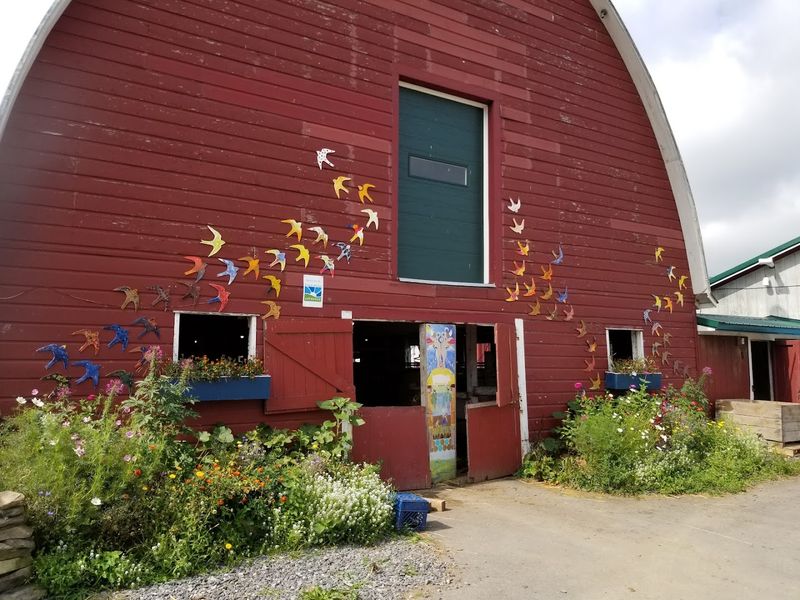
Some destinations earn their reputation over time through quiet, consistent excellence. Hawthorne Valley Farm has been doing exactly that since before most of its current visitors were born.
A trip here is not a tourist attraction. It is an encounter with a fully realized idea about how humans and land can work together well.
The farm store is reason enough to visit. Open daily from 7:30 AM to 7 PM, it carries everything from fresh produce and raw dairy to fermented foods and house-baked goods.
The quality is genuine and the selection reflects the seasons rather than a corporate inventory plan.
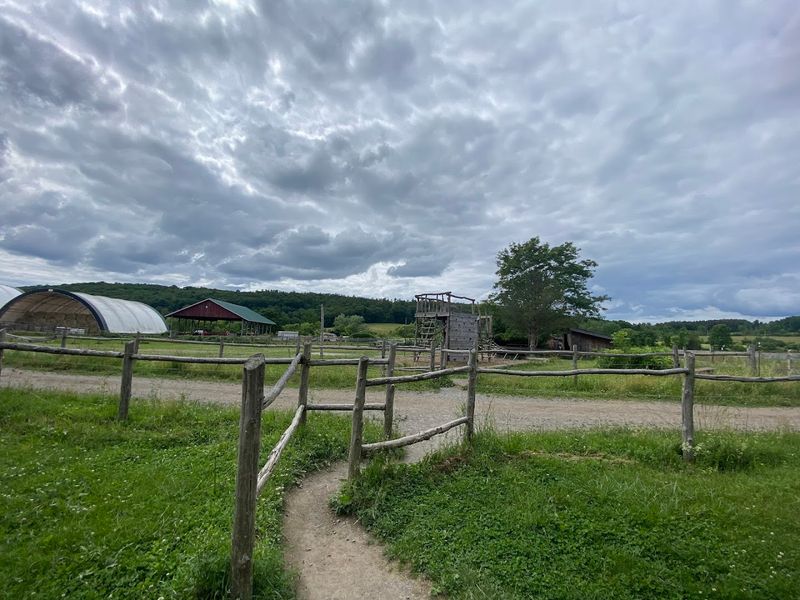
Beyond the store, the land itself is worth experiencing. The pastures, the gardens, the animals moving through rotational grazing patterns, all of it tells a story that no label or website can fully capture.
You feel the coherence of the place when you are standing in it.
Families, food lovers, students, and anyone curious about where American agriculture might be heading will find something meaningful here.
Hawthorne Valley Farm has been leading quietly for over 50 years, and the road it has been walking all along is finally the one everyone else is trying to find.
Getting there first, as always, makes all the difference.