
This Underground Kentucky Factory Tour Is A Hidden Attraction Most Visitors Miss
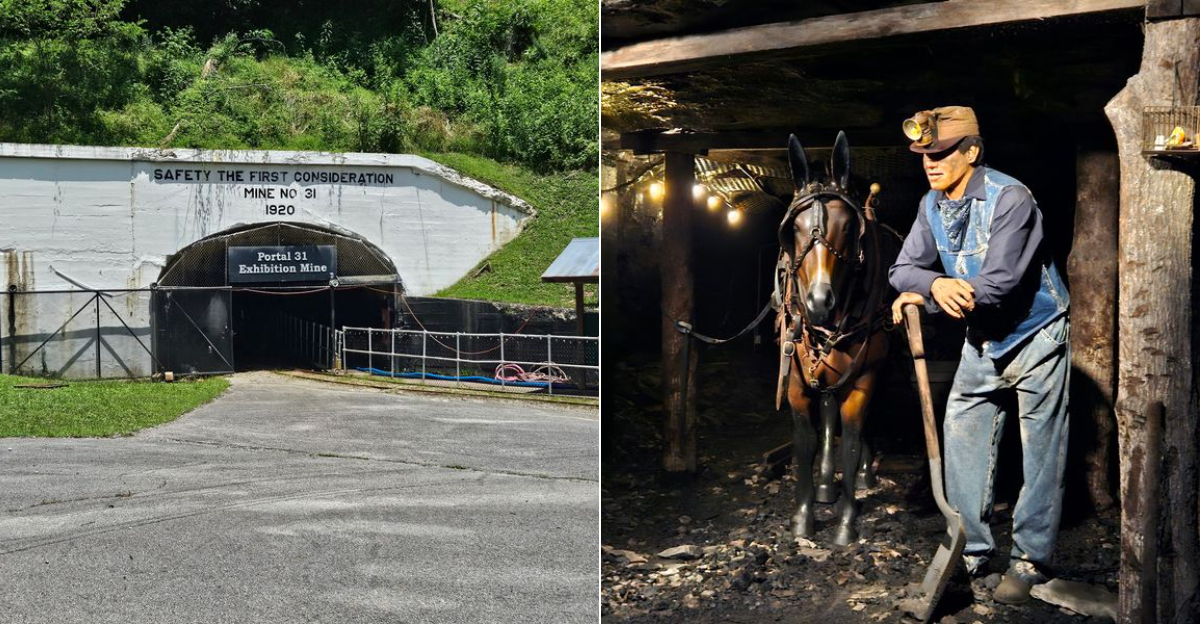
Deep in the mountains of eastern Kentucky, a doorway leads straight into the side of a mountain. Behind it sits a real coal mine, once one of the busiest in the world, now open for visitors who want to ride a rail car into the dark.
Helmets go on, lights click, and the car rolls forward while robotic miners tell stories that once echoed through these tunnels. Most travelers zip past on the highway and never know it exists, which makes finding it feel like a small victory.
Families come out talking nonstop, kids ask a hundred questions, and grown-ups leave with real respect for the people who worked underground for decades. Cool air, dripping water, and vintage machinery make the whole thing feel wonderfully real.
If a road trip through Kentucky needs one unforgettable stop, this mountain tunnel deserves the spot.
Ride Into The Mountain
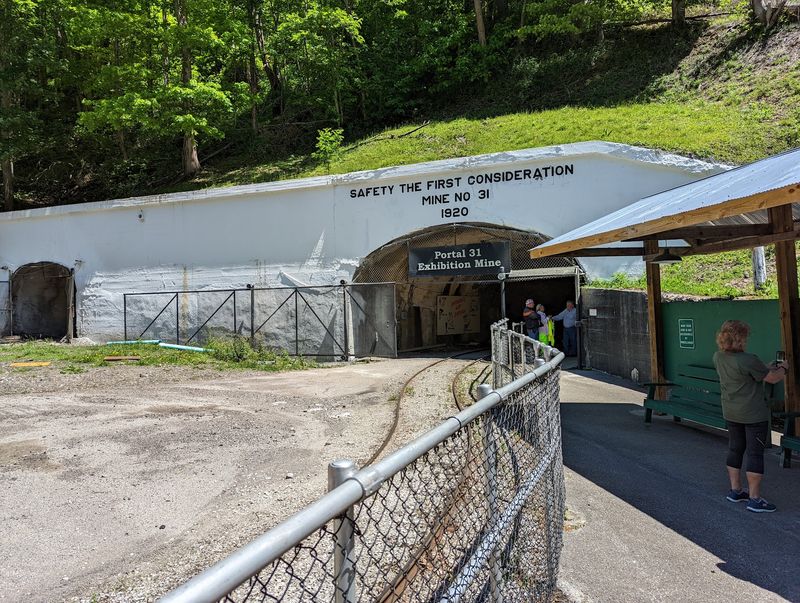
The rail car does not glide. It rattles, bumps, and squeaks, which is exactly what makes the first minute so much fun.
Portal 31 sends guests straight into the mountain aboard an authentic mine car, the same kind of ride miners once took to work. Helmets and lights are handed out before boarding, so everyone looks the part.
Daylight shrinks behind you as the tunnel swallows the car. Cool air rolls past, and the walls close in just enough to make your eyes go wide.
The trip lasts around 45 minutes, with stops along the way for stories and exhibits. Nobody rushes, and questions get answered as they come up.
Kids usually stop talking for about ten seconds, then start pointing at everything. Adults tend to be just as impressed, especially when the lights reveal old equipment sitting where it was left.
Ever ridden into a mountain instead of over one? This is your chance to check that off the list.
Kentucky has plenty of scenic drives, but very few attractions put you inside the earth like this one. The experience sticks with people long after the car rolls back into sunlight.
Hold the handrail, keep your hands inside, and let the tunnel do the rest. It is bumpy, breezy, and honestly one of the best rides in the state.
Robot Miners Tell Stories
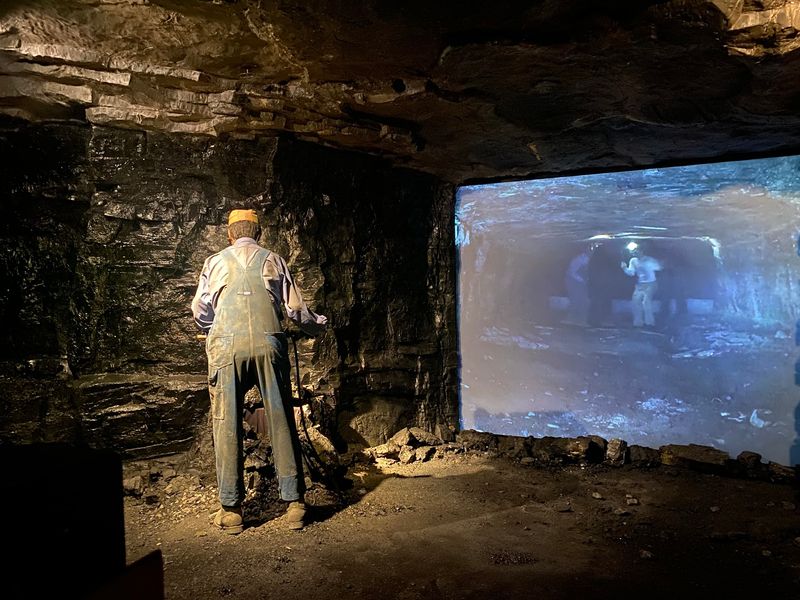
Somewhere in the dark, a figure turns its head and starts talking. It is an animatronic miner, and it has stories to share.
These lifelike figures appear at stops along the route, each one representing a different era of mining. One shows early hand-loading work, another shows machines taking over the job.
Computer-simulated exhibits add sound and motion to the tunnel walls. Blasting, loading, and the daily check-in at the lamphouse all come alive around the rail car.
The effect is part theater, part history lesson, and completely memorable. Younger visitors especially love spotting the next figure before the guide points it out.
Would you believe robots could make a history lesson this entertaining? Plenty of skeptics have walked out grinning.
Guides fill in the gaps between exhibits with details you will not find on a plaque. Many have real connections to mining families in the area, which adds weight to every word.
Technology here does not replace the past. It simply helps visitors picture what these tunnels sounded like when thousands of workers filled them every single day.
Few places in Kentucky mix high-tech displays with an actual working mine setting. That combination is why word about this place keeps spreading among curious travelers.
World Record Coal Shift
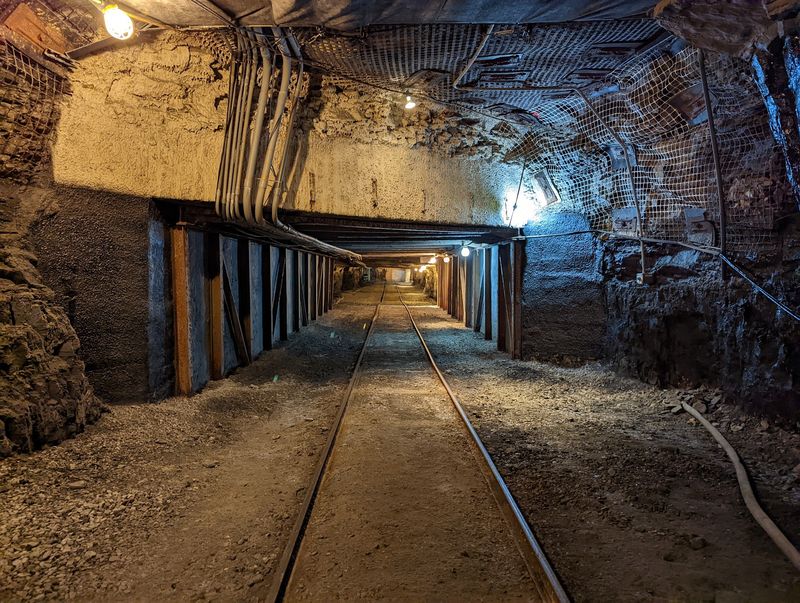
On February 12, 1923, miners here loaded 12,820 tons of coal in a single nine-hour shift. That set a world record, and it happened in these very tunnels.
Numbers like that are hard to picture until you see the size of the mine map on display. The tunnels stretch for miles, far beyond where the rail car travels.
Some workers rode carts for hours just to reach their spot for the day. Then they worked a full shift and rode all the way back out.
Guides explain how crews organized themselves to hit that record, and the teamwork involved still sounds impressive today. It was muscle, timing, and pure determination.
Could you handle a three-hour commute that ends underground? Most visitors admit the answer is no.
The mine opened in 1917, built by the United States Coal and Coke Company, part of U.S. Steel.
Coal from these tunnels fueled American factories and helped build the country.
During World War II, miners were not drafted because their work mattered that much to the war effort. That detail alone changes how people see the place.
Kentucky history books cover coal, but standing inside the tunnel makes it real. Records feel different when the walls around you helped set one.
World’s Largest Coal Camp
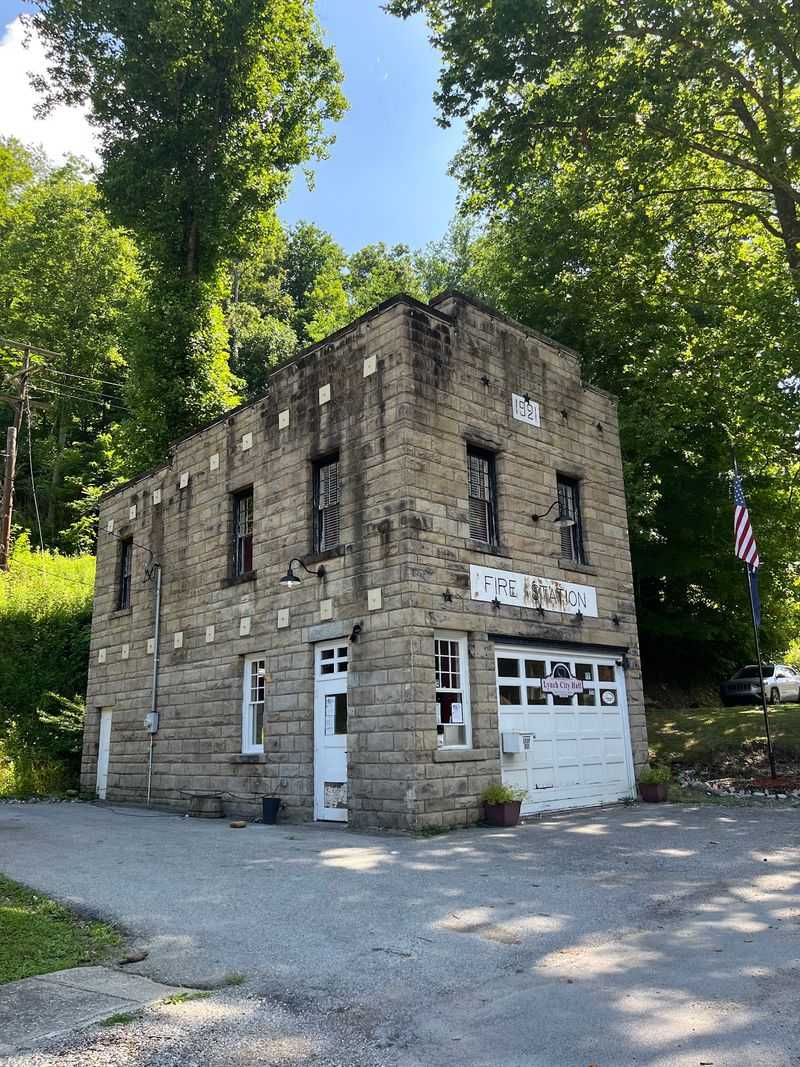
Nearly 10,000 people once lived in this mountain town. Workers arrived from 38 different nations, all drawn by the mine at the end of the valley.
The company designed the entire community from scratch, earning it the title of the world’s largest coal camp. Houses, stores, schools, and a train depot all appeared because of the coal.
Tour stories cover the neighborhoods, the languages spoken on the streets, and the large population of Black miners who helped build the place. It was a mix of cultures rarely seen in the mountains at that time.
Above ground, restored 1920s buildings still stand, including the lamphouse, the bathhouse, and the old L&N depot. Walking among them gives the numbers a face.
How many towns can say they hosted people from nearly 40 countries at once? This one can, and the proof sits in the records.
The valley is quieter now, which makes the history hit harder. Visitors often linger, imagining the noise of shift changes and train whistles.
Guides share cultural details too, from food traditions to community celebrations. Those small pieces turn statistics into real families.
Kentucky holds many small towns with big pasts, and few match this one for scale. Come see how a mountain valley once held a small city.
Suit Up Like Miners
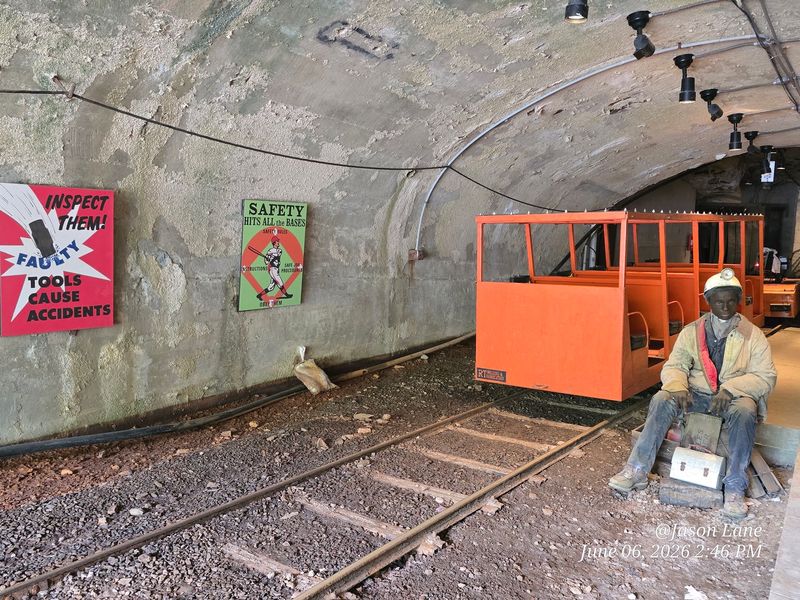
Gear comes first. Before anyone boards the rail car, hard hats and lights get handed out, and suddenly everybody looks ready for work.
Kids love this part most. Adults secretly do too, judging by the number of photos taken before the tour even begins.
The mine stays cool year-round because it is ventilated the same way it was during operation. A steady breeze moves through the tunnel, so a light jacket is a smart move even in summer.
Water drips from the roof in spots, which means closed-toe shoes beat sandals every time. Long pants keep things comfortable as well.
Think you can resist snapping a selfie in a hard hat? Almost nobody manages it.
Once the lamp switches on, the tunnel takes shape ahead. That small beam makes you appreciate how miners worked with far less.
The gear is not a costume. It is part of understanding what the job actually felt like day after day.
Guides explain how the lamphouse check-in system tracked every worker underground. Simple metal tags decided who was in and who was out.
Kentucky mornings can be warm and sunny outside while the tunnel stays chilly. Pack accordingly, then enjoy the coolest 45 minutes of your trip.
Walk The Outdoor Museum
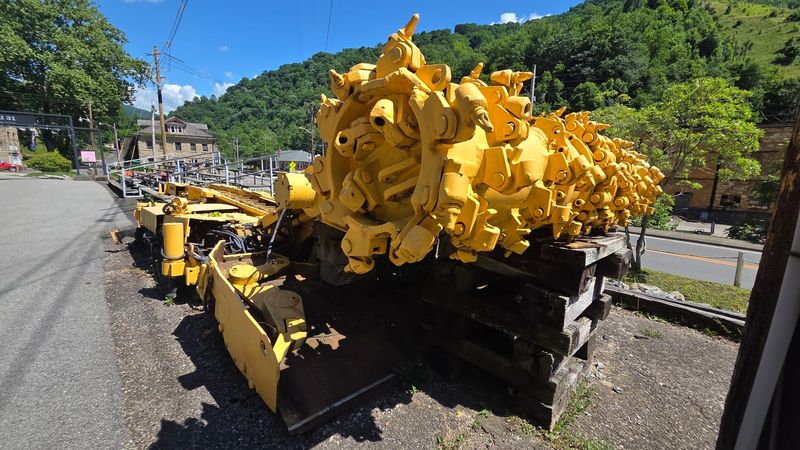
The mine is only half the visit. Outside, a walking route winds past restored buildings with 35 signs explaining what each one did.
The lamphouse, bathhouse, and old train depot all sit within easy strolling distance. Each structure played a role in getting workers underground and back home again.
A black granite monument honors John L. Lewis, longtime president of the United Mine Workers.
Nearby, a memorial remembers the miners of U.S. Steel District #1.
Reading the signs takes time, and it is time well spent. Visitors who skip them miss half the story.
Ready to stretch your legs after sitting in a rail car? The path is flat, shady in spots, and full of photo opportunities.
Original mining equipment sits outdoors too, big and rusted and impressive up close. Machines this size make the scale of the operation obvious.
Fall turns the surrounding mountains into a wall of color, which makes the walk even better. Spring brings green ridges and comfortable temperatures.
Plan on two to three hours total for the mine ride, the museum, and the walking route. Rushing would be a shame.
Kentucky does outdoor history well, and this complex proves it. Bring a camera and a bit of patience.
Guides Who Know Everything
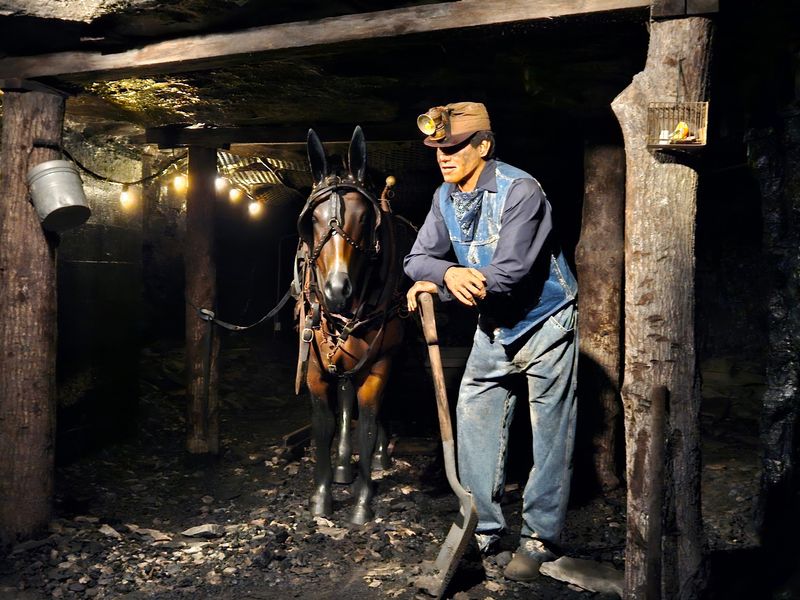
Ask a question here and you get a real answer, often with a story attached. Guides at this site know the tunnels, the machines, and the families who worked them.
Some have mining experience themselves, which means details come from memory rather than a script. Those personal touches turn a tour into a conversation.
Groups stay small, so nobody stands at the back straining to hear. Kids get their questions answered too, and no question seems too silly.
Many visitors stick around afterward just to keep talking. That says plenty about how welcoming the place feels.
Got a question about how coal was blasted loose or how miners breathed down there? Ask away, the answer will be worth it.
Guides also explain how unions changed working conditions and how machines reshaped the job over the decades. Big topics get broken down into plain language.
Families with mining relatives often find the tour especially moving. Hearing familiar stories inside a real tunnel hits differently than reading them.
Reservations are strongly encouraged, since tours depart at the top of each hour and fill up faster than people expect. Booking ahead locks in your preferred time.
Kentucky hospitality shows up in full force at this stop. Come with curiosity and leave with new appreciation.
Plan Your Mountain Visit
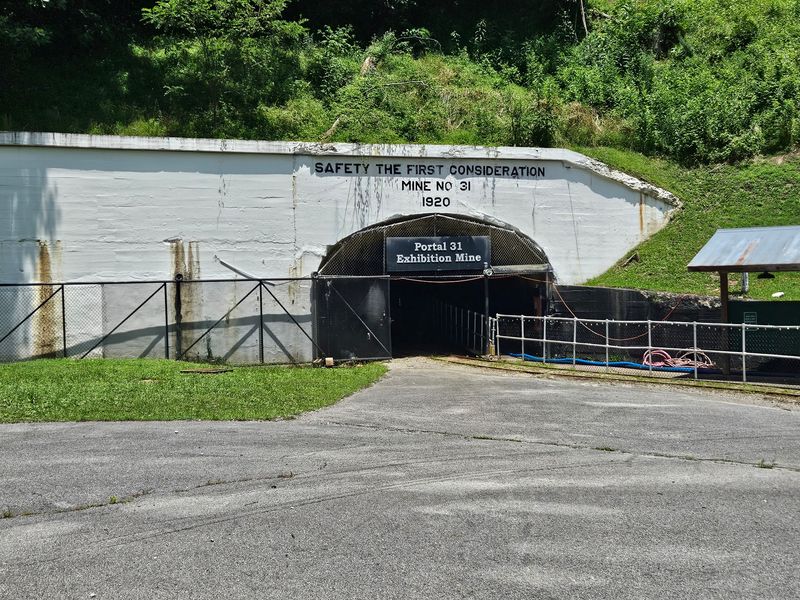
Getting here is part of the adventure. Winding mountain roads climb through Harlan County, and the views alone justify the drive.
You will find this experience at 1 Portal 31 Circle, Lynch, KY 40855, right at the end of the valley where the mountain opens up. Parking sits close to the entrance, so no long hikes are needed.
Tours generally run from early spring through mid-December. Operating days change with the seasons, so check the schedule before setting out.
A gift shop on site carries souvenirs worth taking home. The Lamphouse Coffee Shop nearby makes a cozy stop after the tour, especially on chilly days.
Traveling with an RV? The Portal 31 RV Park sits directly across from the mine and stays open year-round.
That makes it easy to turn a quick stop into a full weekend of exploring the surrounding mountains and trails. Plenty of visitors do exactly that.
Set aside two to three hours minimum, longer if you like reading every sign. Nobody has ever complained about staying too long.
Kentucky road trips deserve at least one stop that surprises everyone in the car. Book a tour, grab a helmet, and treat yourself to a ride most travelers never even hear about.