
This Underrated Arizona State Park Still Offers A Full Day Of Adventure For Just $10 In 2026
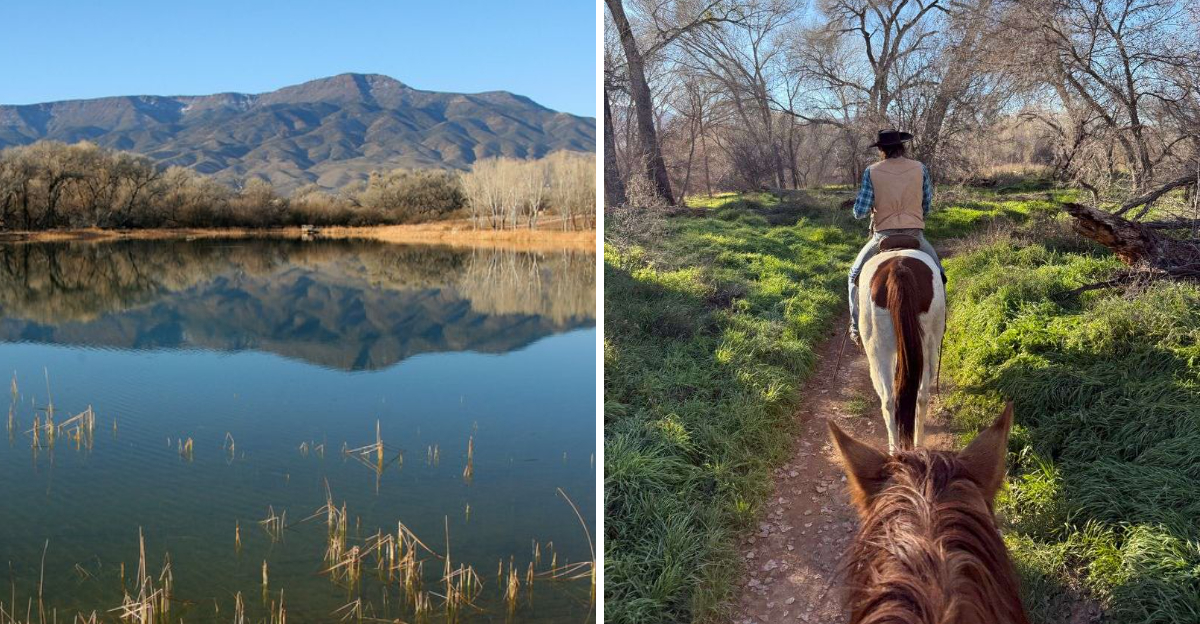
Most drivers heading for Sedona barely glance at the sign, and that might be Arizona’s best-kept outdoor secret. Dead Horse Ranch State Park stretches along the Verde River in Cottonwood, offering a surprisingly peaceful escape just minutes from the busy red rock corridors.
For a modest day-use fee, visitors can explore scenic hiking trails, cast a line in stocked lagoons, watch for herons along the water, or relax beneath shady cottonwood trees. Desert terrain blends seamlessly with lush river habitat here, creating a landscape where calm water, red rock backdrops and wide Arizona skies come together in one quietly impressive setting.
A Budget-Friendly Outdoor Escape Just Off Route 89A
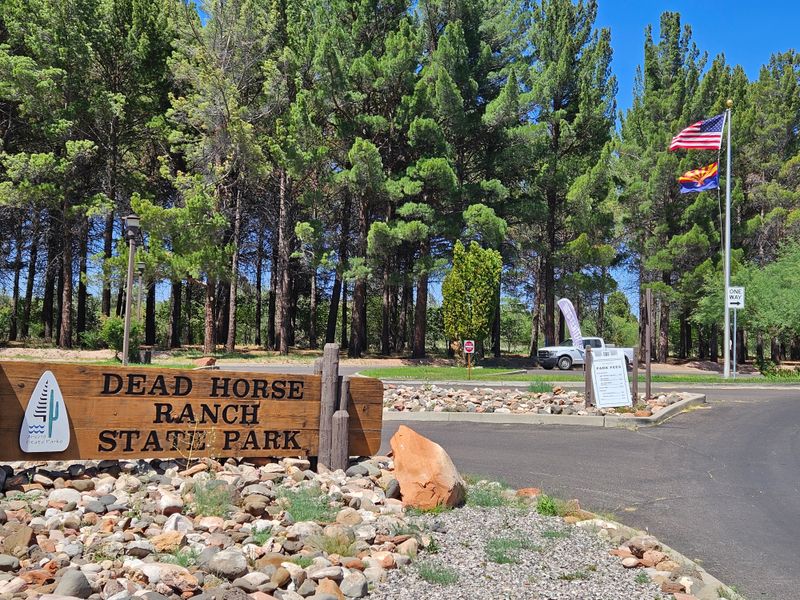
Located at 675 Dead Horse Ranch Road in Cottonwood, this state park charges seven dollars for day use in 2026, making it one of the most affordable outdoor destinations in Arizona. The entrance sits just off Route 89A, about twenty-two miles from Sedona, and the park opens at seven in the morning during most seasons.
Visitors arriving before noon typically find ample parking near trailheads and lagoon access points.
The pricing structure remains consistent throughout the year, with no seasonal increases or weekend surcharges that complicate planning. Families traveling through the Verde Valley can stop for a full day of activities without the financial commitment required at more commercialized recreation areas.
The park accepts both cash and card payments at the entrance station.
Annual passes for Arizona State Parks cover admission here, and camping rates start at twenty-five dollars for rustic sites. The combination of low entry fees and diverse activities makes this location particularly appealing for budget-conscious travelers who want genuine outdoor experiences without tourist markups.
Trails Through Cottonwood’s Verde Valley Offer All-Day Hikes
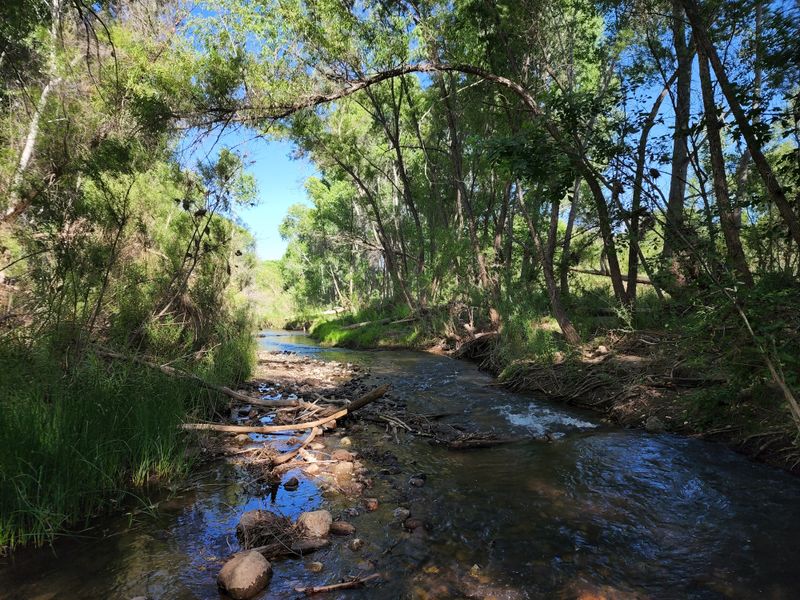
Multiple trail systems wind through the park, offering routes that range from easy riverside walks to longer desert loops requiring several hours to complete. The trail network connects different ecosystems within the park boundaries, allowing hikers to experience both riparian corridors and classic Arizona upland terrain during a single visit.
Most paths maintain moderate grades suitable for families with older children.
Trail conditions vary by season, with spring and fall providing the most comfortable temperatures for extended hiking. Summer mornings work best for longer routes, as afternoon heat can become intense in exposed sections.
Winter hiking remains pleasant, though some shaded areas stay cool throughout the day.
Signage at major intersections helps hikers navigate the system, and trail maps are available at the entrance station. The longest continuous routes extend several miles, providing enough distance for serious hikers while shorter options accommodate those seeking brief nature walks.
Dogs accompany hikers on leash, and the park maintains several waste stations along popular routes to support responsible pet ownership.
Llama Loop Trail Is A Favourite For Wildlife Watching

This particular trail earned its reputation among birdwatchers and wildlife enthusiasts who appreciate the concentration of animal activity along its route. The path follows terrain where desert and riparian habitats meet, creating conditions that attract diverse species throughout the day.
Early morning hikers often encounter deer, rabbits, and various bird species that become less active as temperatures rise.
The trail maintains relatively flat grades, making it accessible for visitors who prefer easier walking while still wanting quality wildlife viewing opportunities. Benches placed at strategic points allow quiet observation without requiring constant movement.
Binoculars enhance the experience, as many interesting species maintain distance from the trail itself.
Local residents frequently mention this loop when discussing favorite spots within the park, and reviews consistently highlight successful wildlife sightings here. The trail length accommodates leisurely walks that last about an hour, though serious photographers and birders often spend considerably longer exploring side paths and observation points.
Spring migration periods bring particularly impressive variety to the area.
Bloody Basin Trail Serves Up Classic Arizona Desert Views
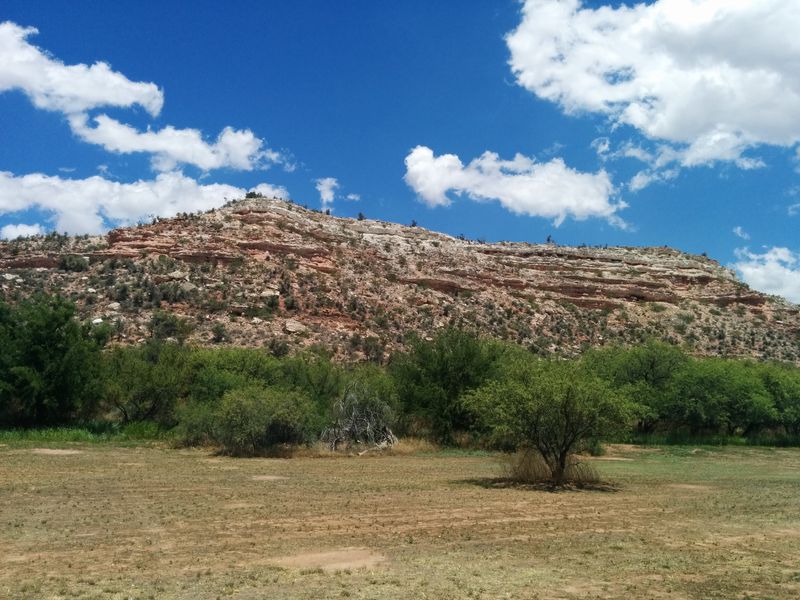
Expansive desert vistas define this trail, which climbs gradually toward viewpoints overlooking Cottonwood and the distant red rocks near Jerome. The path travels through terrain dominated by desert vegetation, offering a stark contrast to the park’s river-adjacent areas.
Hikers gain elevation slowly, and the effort rewards them with perspectives that capture the full scope of Verde Valley geography.
Morning light creates particularly striking conditions for photography, as shadows emphasize the texture of surrounding hills and distant formations. The trail surface consists primarily of packed earth and occasional rocky sections that require attention during descent.
Heat exposure becomes significant during summer months, and carrying adequate water proves essential for comfort and safety.
The trail’s name references geological features and historical associations with the broader Bloody Basin area north of the park. Views from higher points include glimpses of Jerome perched on Cleopatra Hill and the agricultural lands spreading across the valley floor.
This route attracts hikers seeking classic Arizona scenery without the crowds that gather at more famous locations nearby.
The Verde River Brings Scenic Water Access And Cool Riparian Shade
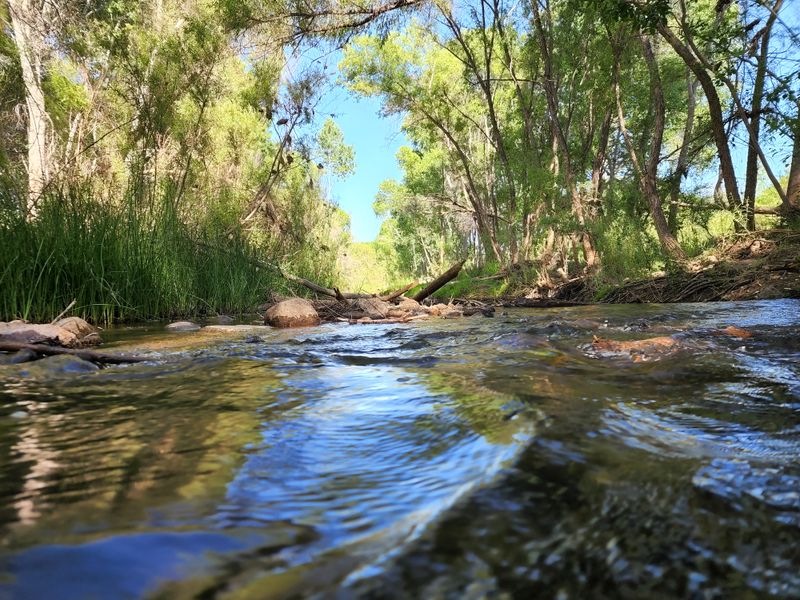
The Verde River forms the park’s eastern boundary, creating a ribbon of green that contrasts dramatically with surrounding desert. Cottonwood trees line the banks, their canopy providing relief from Arizona sun and supporting ecosystems that depend on consistent moisture.
Several trails lead directly to river access points where visitors can observe flowing water and the life it sustains.
River levels fluctuate seasonally, with spring runoff creating higher flows that later diminish during summer and fall. The riparian corridor supports plant communities rarely seen in drier portions of the park, and the temperature difference between riverside areas and exposed trails becomes noticeable even during moderate weather.
Shaded benches and informal resting spots appear frequently along river trails.
Swimming is not officially designated in most areas, though wading in shallow sections remains popular during hot months. The river’s presence influences wildlife patterns throughout the park, and patient observers near the water often spot species that avoid drier habitats.
River access adds significant recreational value to the park’s offerings.
Birdwatchers Flock Here For Diverse Species And Quiet Vantage Points
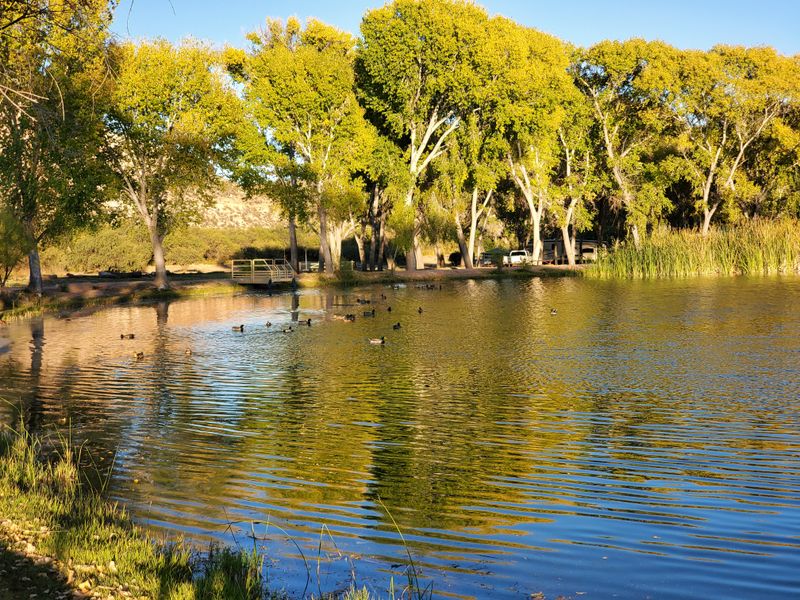
Over 130 bird species have been documented within park boundaries, making this location a significant destination for ornithologists and casual birdwatchers throughout the year. The combination of water, trees, and desert creates habitat diversity that supports resident populations and migratory species moving through the Verde Valley.
Serious birders arrive during spring and fall migration windows when species variety peaks dramatically.
The park’s lagoons attract waterfowl, while cottonwood groves shelter songbirds and woodpeckers throughout the year. Raptors hunt over open areas, and patient observers frequently spot hawks, kites, and occasional eagles.
Several trails offer quiet vantage points where birdwatchers can set up scopes and cameras without disturbing other visitors.
Park staff maintain a bird checklist available at the entrance station, and local Audubon Society members lead occasional walks that help newcomers identify common species. The relatively undeveloped nature of much of the park means birds behave more naturally here than in heavily visited areas.
Early morning hours produce the most activity and the best light for photography.
Picnicking Areas Nestle Beneath Cottonwood Oaks And Cottonwood Trees
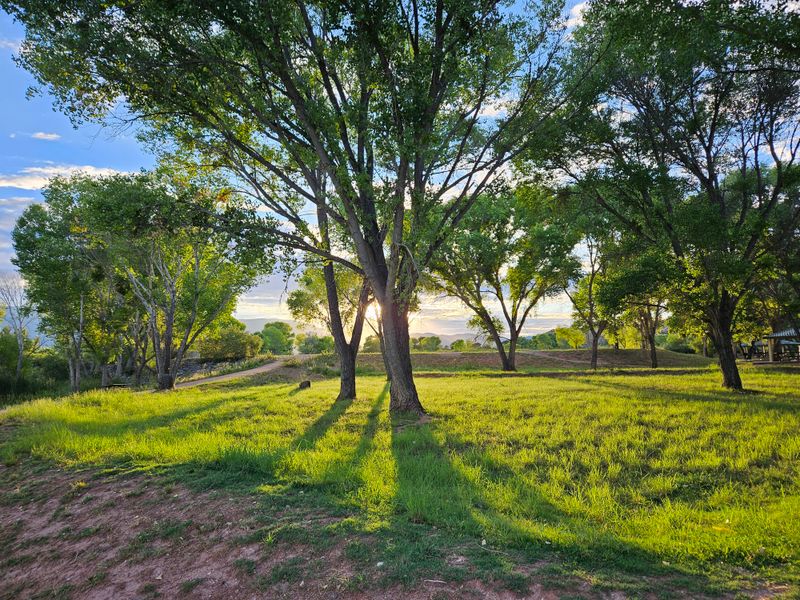
Multiple picnic areas throughout the park offer tables, grills, and shade structures positioned beneath mature trees. These spaces provide comfortable settings for meals and gatherings without requiring camping reservations or extended hiking.
The largest picnic grounds sit near the main parking areas, while smaller clusters appear along trails and near lagoon access points.
Cottonwood and oak trees create natural canopies that make picnicking pleasant even during warmer months. Tables are spaced to provide reasonable privacy between groups, and most areas include nearby restroom facilities.
Grills allow visitors to prepare hot meals, and the park permits charcoal use in designated fire rings with proper supervision.
Families often combine picnicking with fishing at nearby lagoons or short nature walks that keep children engaged throughout the visit. The picnic areas require no additional fees beyond park admission, and reservations are not necessary for most sites.
Weekend use increases significantly, particularly during spring and fall when weather conditions are most favorable.
Arriving before noon typically ensures table availability even on busy days.
Mountain Bikers Can Explore Miles Of Well-Maintained Singletrack
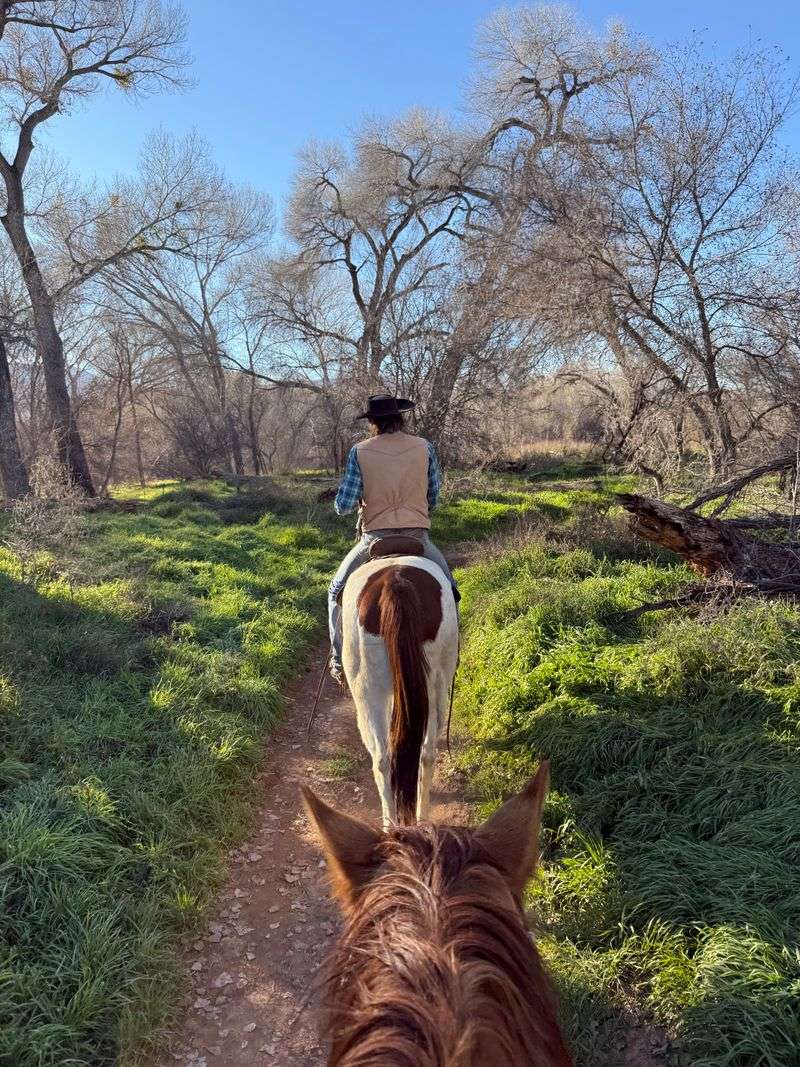
The park’s trail system welcomes mountain bikes on designated routes, offering singletrack that ranges from beginner-friendly paths to more technical sections requiring intermediate skills. Trails wind through varied terrain, and the network connects to regional routes that extend beyond park boundaries for riders seeking longer adventures.
Most park trails feature packed dirt surfaces with occasional rocky sections and moderate elevation changes.
Regular maintenance keeps trails rideable throughout most of the year, though heavy rain can temporarily create muddy conditions that damage trail surfaces when ridden. Spring and fall provide ideal riding temperatures, while summer mornings work best for avoiding afternoon heat.
The park’s proximity to Cottonwood allows riders to complete morning sessions and reach town for lunch.
Several reviews mention the quality of singletrack and the convenience of having multiple loop options that prevent repetitive riding. Cyclists share trails with hikers, and courteous passing remains important for maintaining positive relationships between user groups.
The combination of scenic riding and low admission fees makes this park particularly attractive to local mountain biking communities.
Calm Lakes Inside The Park Are Great For Fishing And Leisurely Walks
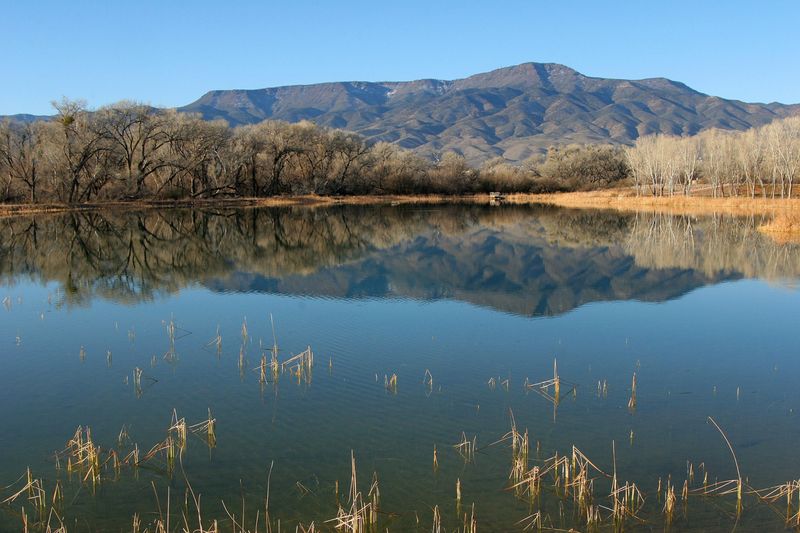
Three lagoons within the park provide fishing opportunities stocked with species including catfish, bass, and rainbow trout during appropriate seasons. These calm water bodies create peaceful settings for anglers who prefer lake fishing to river techniques, and the lagoons attract families introducing children to fishing in controlled environments.
Paths circle the lagoons, allowing easy access to multiple fishing spots and pleasant walks for non-anglers.
Arizona fishing licenses are required for anyone over age restrictions, and park regulations specify catch limits and permitted methods. The lagoons receive regular stocking, and fishing success rates remain reasonably consistent throughout open seasons.
Benches and shaded areas near the water provide comfortable spots for extended fishing sessions.
Walking paths around the lagoons offer flat, easy routes suitable for all fitness levels, and the loops work well for morning exercise or evening strolls. Wildlife activity around the lagoons includes waterfowl, wading birds, and occasional mammals coming to drink.
The combination of fishing access and walking paths makes the lagoon area one of the park’s most utilized sections.
The Park’s Campgrounds Make It Easy To Turn A Day Trip Into Overnight Adventure
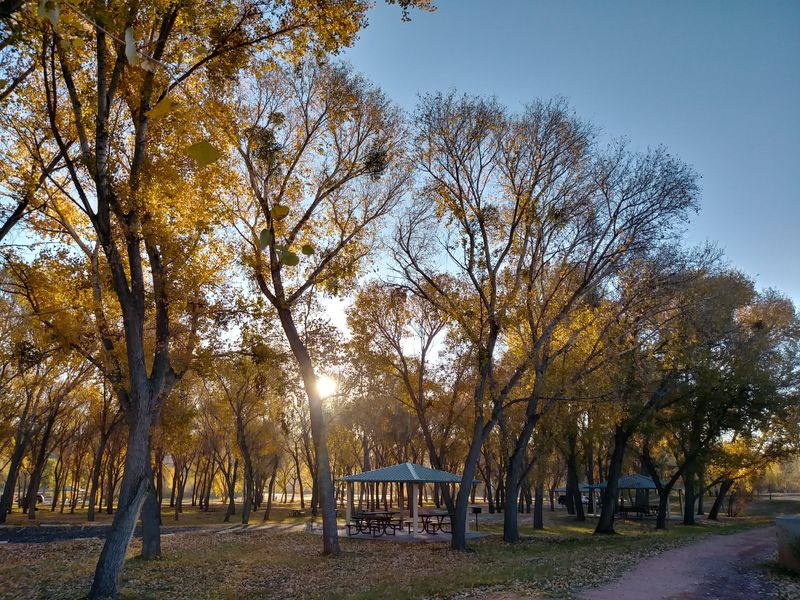
Three main camping loops provide sites ranging from rustic tent areas to full-hookup RV spots with electric and water connections. The campgrounds feature clean restroom facilities with showers, and camp hosts maintain a presence in each loop to assist visitors and ensure regulations are followed.
Sites vary in size and privacy, with some offering views toward Cottonwood or Jerome in the distance.
Rustic tent sites start at twenty-five dollars per night, while RV sites with hookups cost fifty dollars, making overnight stays affordable for various camping styles. Reservations can be made online through the Arizona State Parks system, and same-day availability sometimes exists during off-peak periods.
The campgrounds include amenities like dump stations, firewood sales, and playgrounds for children.
Many visitors initially plan day trips but decide to extend their stay after exploring the park’s offerings. The combination of camping facilities and diverse activities creates a destination where families can spend multiple days without exhausting available recreation options.
Proximity to Old Town Cottonwood allows campers to access restaurants and supplies easily.