
This Underrated Car Museum In New York Is A Dream Come True For Automobile Fans
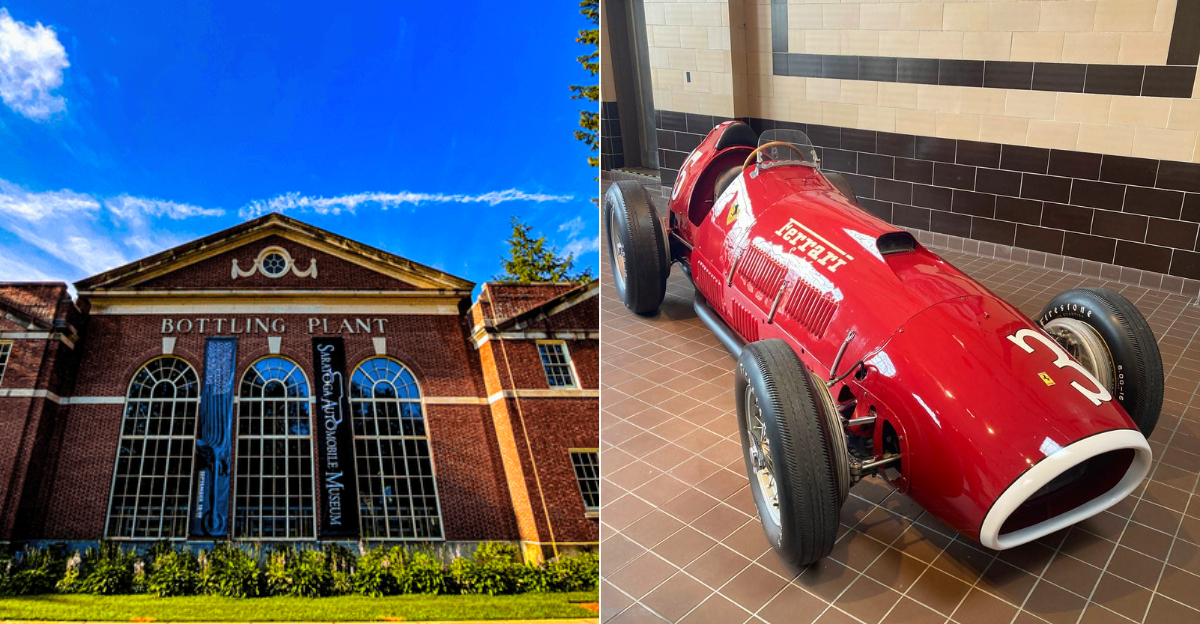
There’s a particular kind of pleasure in places that invite you to slow your pace and shift down a gear, where curiosity replaces hurry and details suddenly matter more than deadlines. Museums like this reward lingering glances and unhurried wandering, letting stories unfold at their own speed rather than rushing you toward the next stop.
Arriving in Saratoga Springs already feels like easing into a calmer frame of mind, and the museum rewards that pace the moment you step inside. Housed in a dignified former bottling plant, it treats automotive history with the same precision you’d expect from a trusted archive, polished without feeling over-restored.
Stay a while and the museum opens up with calm confidence, letting each gallery reveal its personality at a comfortable rhythm, proof that sometimes the best journeys aren’t about speed at all, but about enjoying every carefully tuned detail along the way.
A Graceful Arrival Through Saratoga Spa State Park
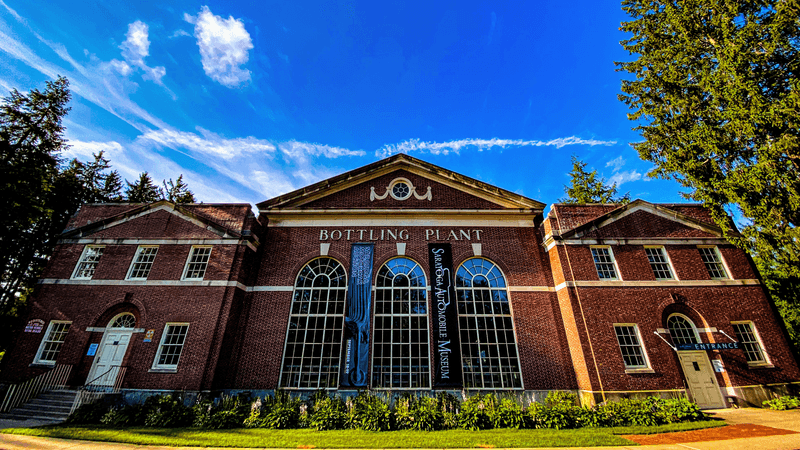
First impressions count, and the museum’s approach sets a respectful tone before you even touch the door. Pine needles soften the path, birdsong carries lightly, and the limestone facade appears with a composure that needs no fanfare.
You feel welcome without being directed, and that restraint suits the institution’s character.
Stepping closer, you notice careful masonry and tall windows that promise daylight inside. The building’s 1930s origins remain visible in precise lines and thoughtful proportions.
Nothing shouts for attention, which somehow makes you pay more attention to everything.
The surrounding park encourages you to slow down, breathe, and leave a hurried mindset behind. That reset primes you for exhibits that reward patience and curiosity.
By the time you enter, you are already in the right rhythm for discovery.
It is a quiet overture rather than a trumpet blast, and it works beautifully. The museum feels like part of the park’s fabric, not an insertion.
Even before a single car, you sense the day will unfold on humane terms.
The Bottling Plant That Became A Museum
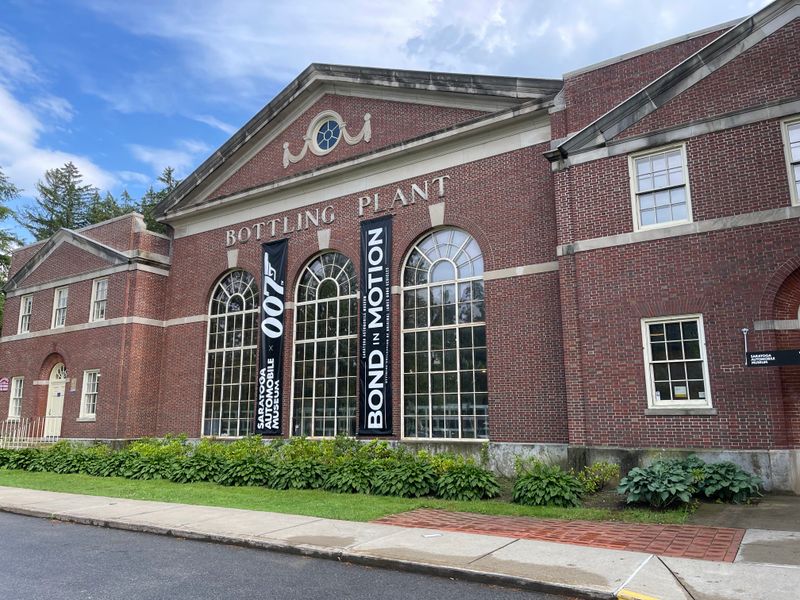
History lingers in the bones of this building, originally a mineral water bottling plant from the 1930s. The conversion is respectful, preserving height, symmetry, and workmanship that give the exhibits breathing room.
You read the structure as part of the story, not just a container.
Light drifts in from generous windows and settles across fenders and grilles. Subtle stone details frame sightlines so your gaze moves naturally from chassis to coachwork.
The atmosphere favors observation over spectacle, and that balance suits both enthusiasts and newcomers.
It is useful to remember that public works once prioritized elegance alongside utility. This place embodies that value, and the cars gain stature within it.
Materials speak quietly, allowing design to carry the conversation.
Walking the floor, you notice how acoustics keep voices mild and footsteps soft. There is no echo of cavernous halls, only measured space for focus.
The building teaches by example, showing how context changes what you see.
Permanent Collection With A Clear Point Of View
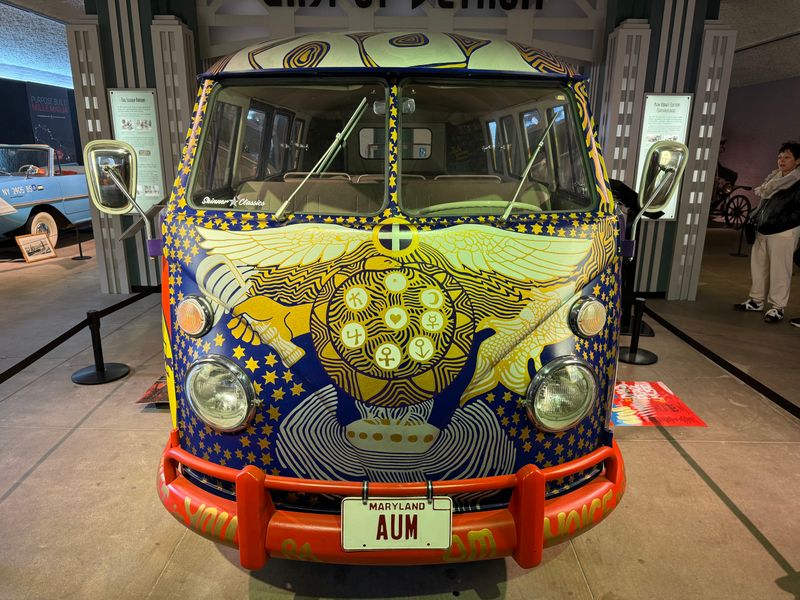
The permanent collection does not chase volume, it pursues coherence. You meet American sedans, early European sports cars, and purposeful utility vehicles arranged to reveal how ideas evolve.
Each car holds its space, and the story threads are easy to follow.
Interpretive panels go beyond dates and horsepower to explain engineering choices and cultural conditions. You learn why a design mattered in its moment, not just how fast it went.
That context makes even unfamiliar marques feel approachable.
Nothing about the layout feels accidental. Sightlines allow you to study proportions, then circle back to catch a detail you nearly missed.
The result is depth without fatigue.
For first time visitors, the anchors are reassuring. For returning guests, the interpretive framework makes new discoveries visible.
You leave with a sense that the collection is sized to be understood rather than conquered.
Rotating Exhibitions That Keep You Curious
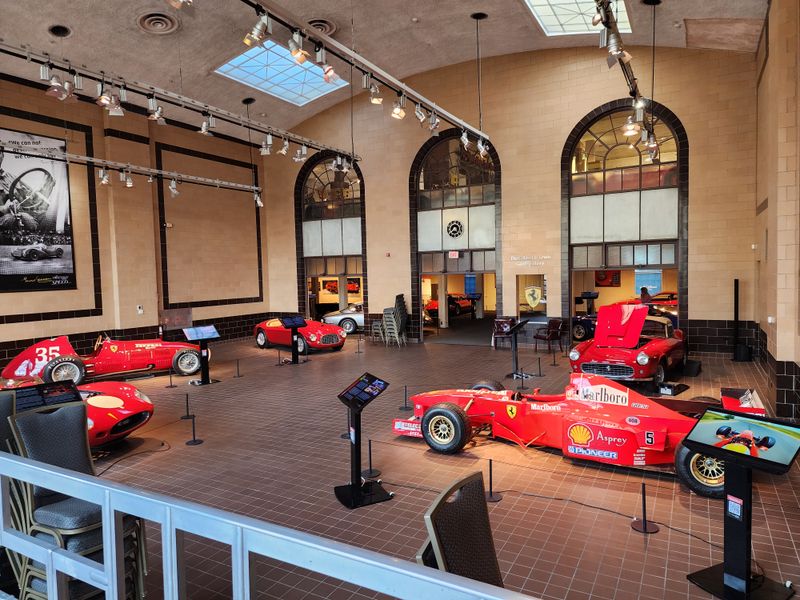
Rotating exhibitions supply the spark that brings regulars back through the doors. Themes range from coachbuilt artistry to racing technology and marque anniversaries, each treated with the same careful editorial hand.
You feel the curators selecting rather than stockpiling.
Seasonal change energizes the calendar without rushing the content. The materials are thorough enough to justify a trip, yet light enough to fit a relaxed afternoon.
You find yourself planning a return before you have even finished the current show.
Because topics shift, conversations in the gallery shift with them. People compare memories, make small discoveries, and share notes about details on a dashboard or an unusual intake.
The tone stays friendly and informed.
It is refreshing to see a museum trust its audience’s patience. Exhibitions close, others open, and the institution never feels static.
Curiosity becomes a habit rather than a one time impulse.
Racing Heritage Woven Into The Narrative
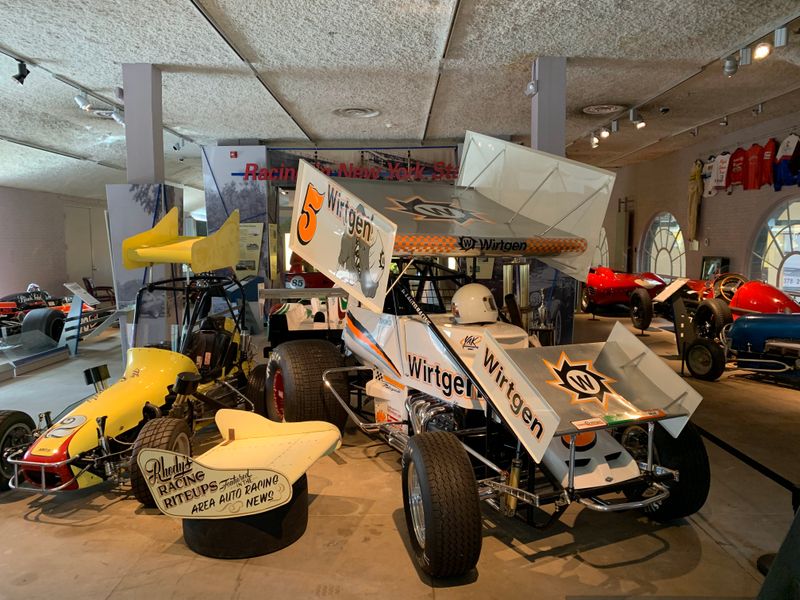
Motorsport history appears here not as noise but as structure. You discover how competition sharpened brakes, refined suspensions, and disciplined aerodynamics.
The cars look fast even at rest, yet the lesson is as much about safety as speed.
Panel notes link track solutions to showroom practice, making the lineage easy to trace. A steering innovation that saved seconds at Watkins Glen later improved stability on public roads.
That lineage makes performance feel relevant rather than remote.
What stands out is the museum’s restraint. It avoids the thunder of highlight reels, choosing instead measured storytelling that honors the engineers and drivers together.
You learn, then you look again with better eyes.
By the end of the section, the romance of racing has gained perspective. You appreciate both the risks taken and the standards raised.
It is a tidy bridge between adrenaline and everyday design.
Lighting And Space That Serve The Cars
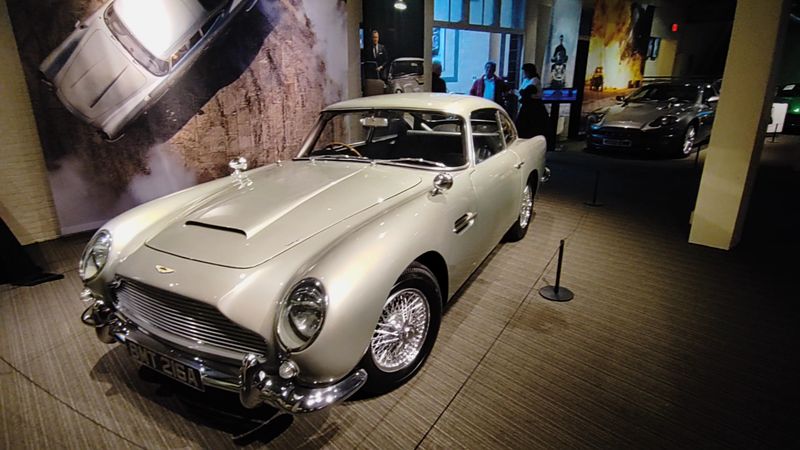
Good lighting makes better museums, and here it is handled with rare care. Daylight filters through high windows, and reflections stay controlled so contours read cleanly.
You can photograph without fighting glare or distorted highlights.
Generous spacing means a coupe can breathe and a touring car can sit comfortably within its wheelbase. You never feel squeezed into corners or pushed along by a crowd wave.
The cars receive the dignity granted by simple distance.
Visitors unconsciously adopt the pace set by the room. Steps slow, voices lower, and attention sharpens around door gaps and stitching.
It is a lesson in how environment shapes focus.
By preserving this clarity, the museum quietly elevates even humble models. When proportions are visible, admiration follows naturally.
The space becomes an ally to the objects, not a competitor.
Interpreting New York’s Automotive Legacy
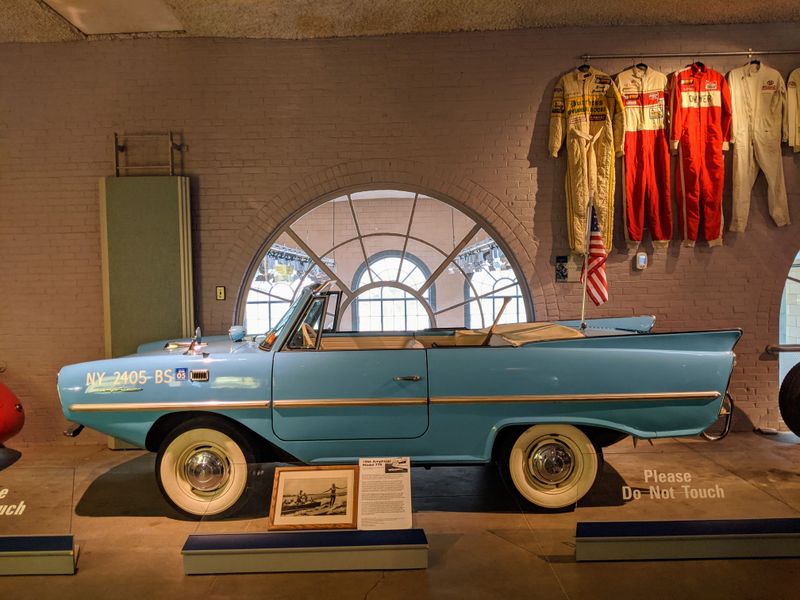
Regional history gets thoughtful attention, and it strengthens the whole visit. New York’s manufacturers, coachbuilders, and dealers shaped patterns of travel and industry well beyond state lines.
The museum connects those dots with maps, ephemera, and well chosen artifacts.
Engines sit alongside advertisements and union notices, grounding technology in daily life. You see how innovation intersects with labor, logistics, and the roads themselves.
That breadth gives the collection a civic dimension.
Archival photographs lend texture to names that might otherwise feel abstract. An image of a factory shift or a race paddock brings human scale back into view.
The effect is quietly moving rather than sentimental.
By treating the state’s legacy as a living thread, the museum avoids nostalgia traps. It shows how design and policy continue to shape mobility.
You leave with timelines stitched into memory.
Hours, Rhythm, And The Gift Of Time
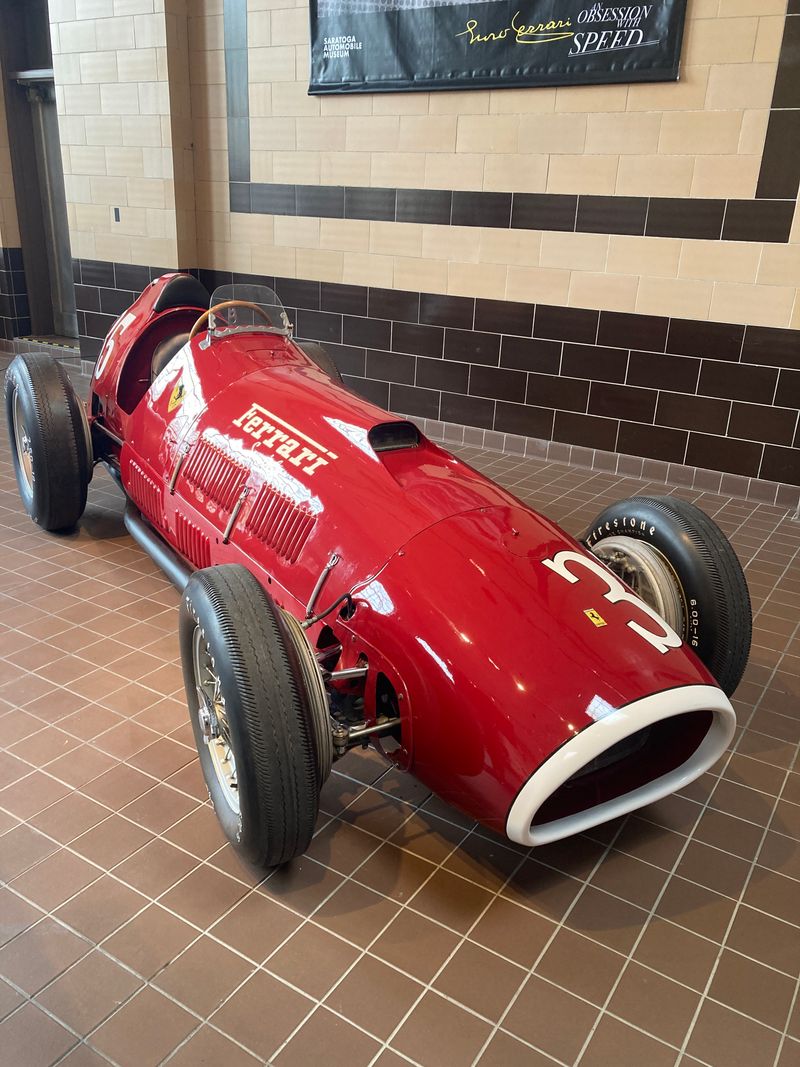
The museum keeps reliable hours, opening midweek through Sunday in a span that suits day trips and careful pacing. You benefit from arriving near opening when galleries are quietest and light is gentle.
The experience feels uncompressed at that hour.
Tickets are straightforward, and lines rarely stretch beyond a few moments. Staff at the desk offer a concise orientation and let you chart your own route.
That autonomy builds a more personal visit.
One to two hours suits most guests, though deeper readers take longer. Rotating exhibitions may add pleasant detours, so leave a cushion if you can.
Time, after all, is part of the pleasure here.
Gifting yourself an unhurried window changes everything. You notice seat stitching, pedal placement, and the quiet depth of paint.
The museum rewards those small investments many times over.
The Park As Companion To The Galleries
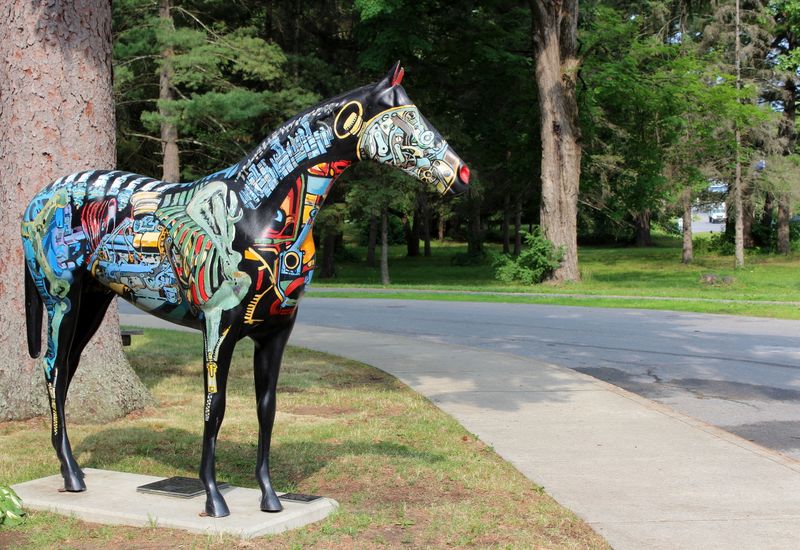
Saratoga Spa State Park serves as a gracious companion to the collection inside. After viewing the galleries, a walk among pines resets your senses without diluting what you just learned.
The outdoors becomes a reflective pause.
Historic bathhouses and classical lines echo the museum’s architectural poise. You notice how the area values design at a civic scale, not just in automobiles.
That dialogue makes the visit feel integrated rather than piecemeal.
Benches appear where you might naturally pause. Paths invite conversation or quiet, depending on the day you are having.
It is generous public space, carefully maintained.
Returning to the museum after a loop, you see different things on second pass. Light has shifted, details stand out, and your patience deepens.
The park turns a good visit into a complete one.
Why It Remains Underrated Yet Memorable
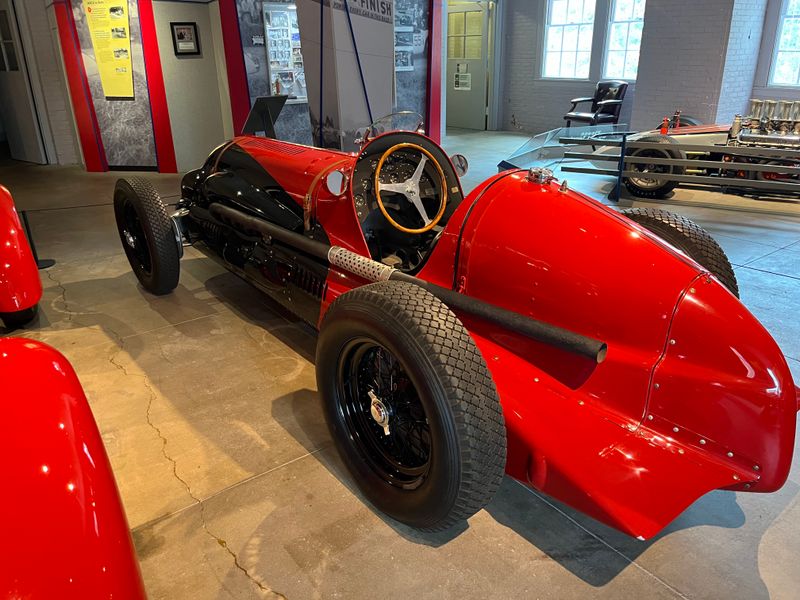
Understated places sometimes slip beneath guidebook radar, and this museum seems content with that. Its virtue lies in care rather than spectacle, which suits travelers who value substance.
You are not herded, you are invited.
The quieter profile means galleries breathe, staff have time, and conversations feel unforced. Exhibitions read clearly without competing for attention.
The memory that lingers is clarity, not noise.
Friends recommend it to friends, which is the most trustworthy publicity. You hear about a Bond display, a coachbuilt gem, or a regional story handled well.
The museum earns those remarks by consistency.
In a state known for scale, this is a place that prizes proportion. The result is an experience you can hold.
You leave with details that stay bright long after the drive home.
A Final Reflection On Craft And Calm
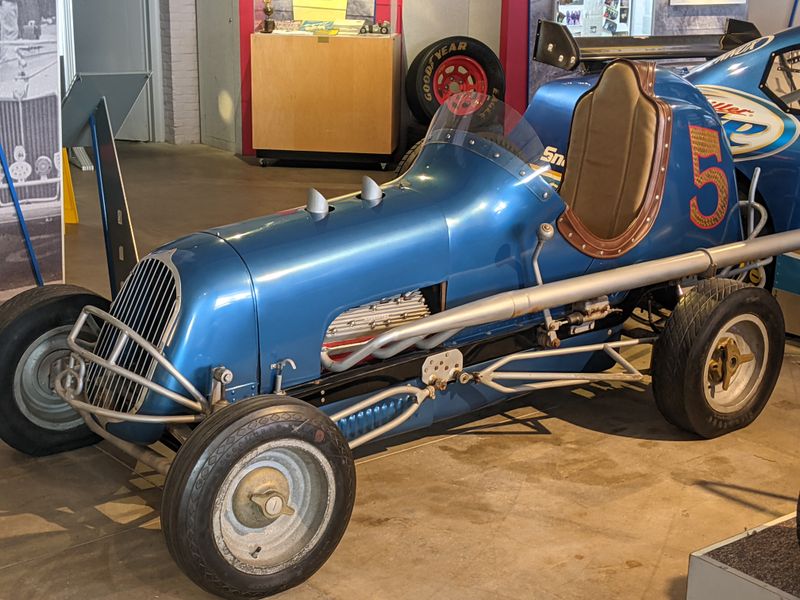
Some institutions change how you gauge a subject, and this one does so with quiet assurance. The building, the park, and the collection align around patience and clarity.
You feel the difference in how long you stand beside a car.
Craftsmanship becomes visible when time slows. You study hardware, glass, and paint with a sharper eye, then carry that attention outside.
The museum has calibrated your focus without telling you how to feel.
Leaving, you pass pines that seem to echo the measured tone inside. The day feels well proportioned, free of clamor and rush.
That balance is the souvenir you keep.
If you love automobiles, it feels like a dream granted in sensible terms. If you are simply curious, it offers a primer in looking closely.
Either way, the road out of the park feels a touch wider.