
This Underrated Car Museum In Tennessee Is A Dream Destination For Automobile Fans
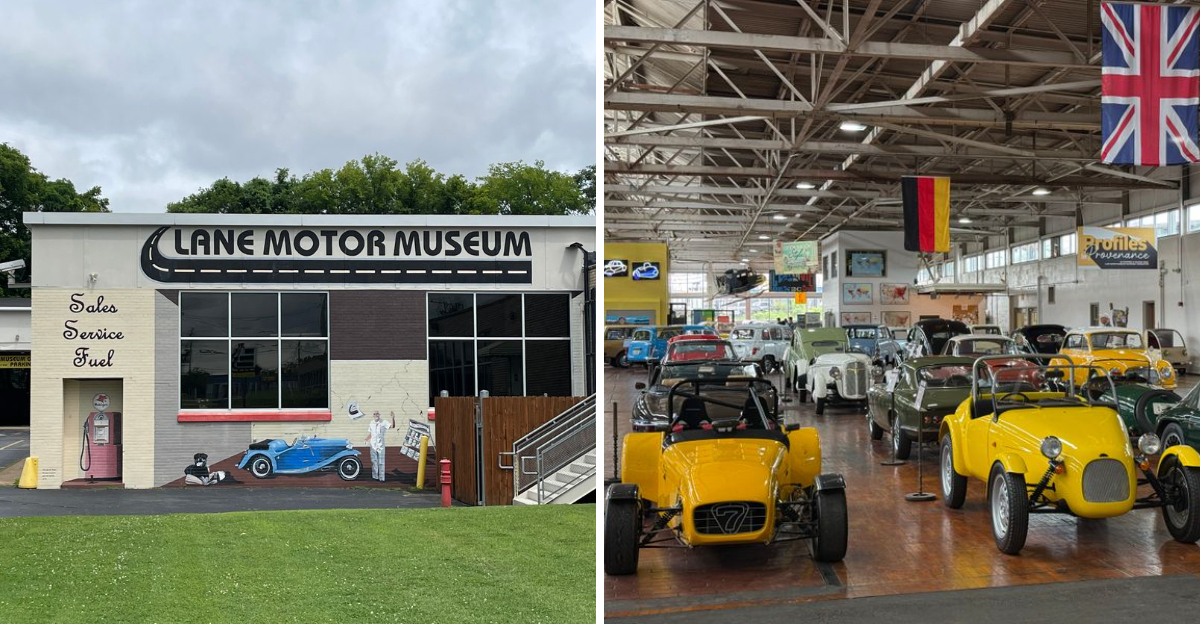
Not every Tennessee attraction comes with flashing billboards or long queues, and that’s exactly what makes this one special. The Lane Motor Museum feels like a well-kept secret among serious automobile enthusiasts, offering something far more intriguing than rows of predictable classics.
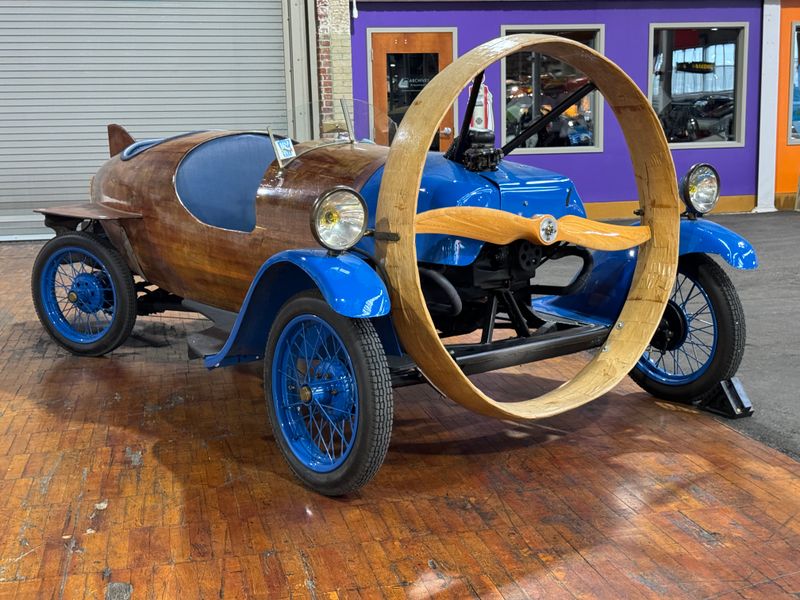
Inside, visitors find rare microcars, quirky European models, experimental vehicles, and designs that challenge everything you thought you knew about automotive history. Each exhibit tells a story of innovation, ambition, and sometimes wonderfully odd engineering choices.
It’s not just about horsepower or chrome; it’s about creativity on wheels. A few hours here turn into an unexpected deep dive into global car culture, leaving true fans wide-eyed and already planning a return visit.
A Former Bakery Transformed Into An Automotive Wonder
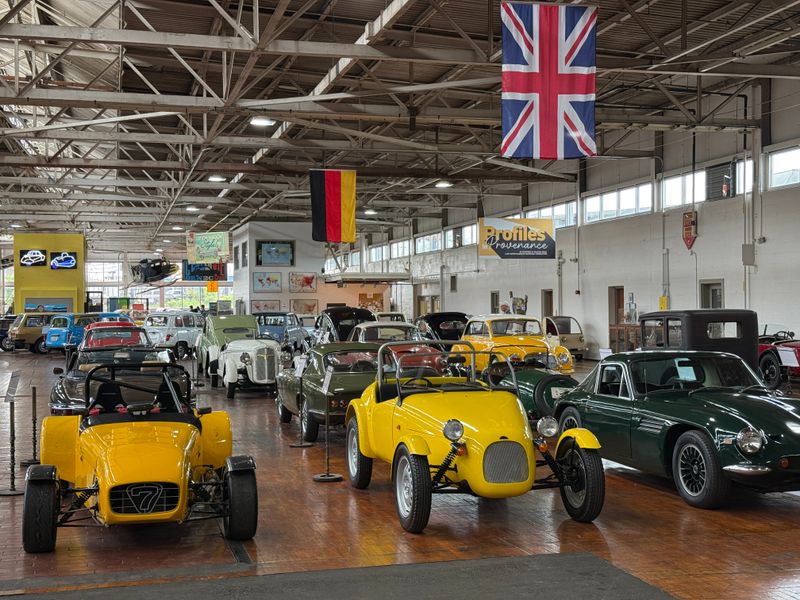
The building itself carries a story worth telling. Before becoming home to hundreds of vintage vehicles, this structure served Nashville as a commercial bakery for decades.
The high ceilings and open floor plan that once accommodated industrial ovens now provide perfect space for displaying everything from tiny microcars to full-sized amphibious vehicles.
Walking through the entrance, visitors immediately sense the contrast between the industrial past and automotive present. The concrete floors and exposed beams create an atmosphere that feels authentic rather than overly polished.
This setting allows the cars themselves to command attention without competing against elaborate displays or flashy presentations.
Jeff Lane, the founder, chose this location deliberately. The space offers room for both the main exhibition floor and the famous vault, where additional vehicles await their turn in the spotlight.
The layout encourages exploration, with vehicles arranged in ways that highlight their unique characteristics rather than following strict chronological order.
Located at 702 Murfreesboro Pike, the museum sits just minutes from downtown Nashville. The building’s transformation from bakery to museum mirrors the evolution of the neighborhood itself, which continues to develop while maintaining its industrial character.
European Engineering Takes Center Stage
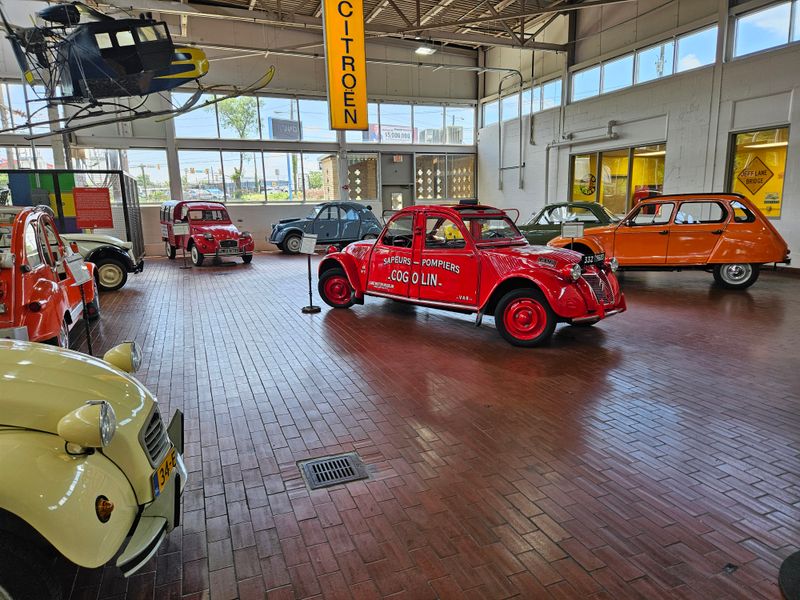
Most American car museums focus heavily on domestic brands, but Lane Motor Museum takes a different approach entirely. The collection emphasizes European manufacturers, many of which never established strong footholds in the United States market.
This focus creates opportunities to see vehicles that remain virtually unknown to most American automobile enthusiasts.
French cars occupy significant floor space, representing brands that once competed seriously in their home market but faded from international prominence. Citroen models demonstrate the innovative suspension systems that made French engineering legendary.
Renault vehicles showcase attempts to balance practicality with distinctive styling that challenged conventional automotive design.
Italian microcars reveal a fascinating response to postwar economic conditions. These tiny vehicles, barely larger than motorcycles with enclosures, provided affordable transportation when fuel and materials remained scarce.
Their compact dimensions and efficient engines solved real problems for European families rebuilding after conflict.
German manufacturers appear throughout the collection as well, though not always the brands visitors expect. Beyond the familiar names, the museum displays vehicles from companies that experimented with unusual configurations, alternative fuels, and unconventional body designs.
Each example demonstrates how European engineers approached automotive challenges differently than their American counterparts, prioritizing efficiency and innovation over size and power.
The Vault Holds Even More Surprises
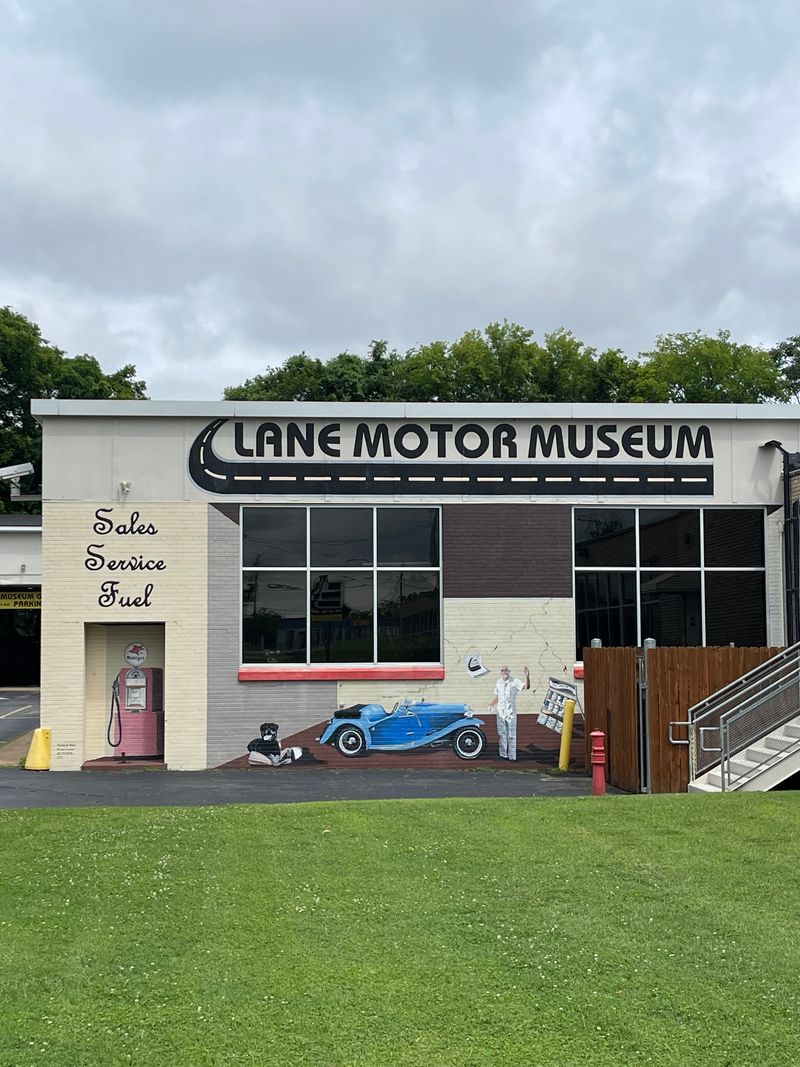
The main exhibition floor represents only a portion of the museum’s holdings. Below the primary display area, an extensive vault contains hundreds of additional vehicles awaiting restoration, research, or rotation into the public galleries.
Access to this space operates on a limited schedule, making vault tours particularly popular among serious automotive enthusiasts.
During vault tours, visitors walk among densely packed rows of vehicles in various conditions. Some appear ready for immediate display, while others await mechanical attention or historical research.
The proximity to so many rare automobiles creates an almost overwhelming experience for car lovers accustomed to seeing such vehicles only in photographs.
Staff members leading vault tours share information about acquisition stories, restoration challenges, and future exhibition plans. These guides possess deep knowledge about automotive history and speak with genuine enthusiasm about even the most obscure vehicles.
Their passion becomes contagious, helping visitors appreciate technical details they might otherwise overlook.
The vault tour requires advance planning, as it operates only on weekends when staffing permits. Visitors interested in this deeper experience should check the museum schedule before arriving.
The additional time investment rewards those willing to make it, offering access to vehicles that may not appear in the main galleries for months or years.
Microcars Reveal Postwar Resourcefulness
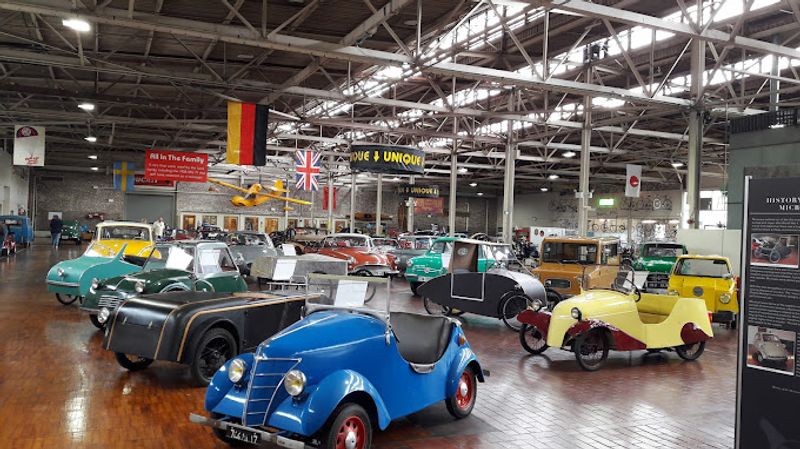
Perhaps no vehicles in the collection better illustrate creative problem-solving than the microcars clustered in one section of the museum. These diminutive automobiles emerged across Europe during the years following World War II, when materials remained scarce and economic recovery proceeded slowly.
Manufacturers created vehicles that provided basic transportation using minimal resources, resulting in machines that seem almost comical by modern standards.
Some microcars used motorcycle engines, keeping costs low while providing sufficient power for vehicles weighing only a few hundred pounds. Others employed even smaller engines, accepting limited performance in exchange for extreme fuel efficiency.
Body designs varied wildly, from conventional miniature car shapes to bubble-topped configurations that maximized interior space within tiny footprints.
The most successful microcars sold in substantial numbers, providing transportation for families who otherwise might have relied on bicycles or public transit. As European economies recovered and prosperity increased, demand for these minimal vehicles declined.
Buyers who could afford larger, more capable automobiles generally chose them, relegating microcars to historical curiosity status.
Standing beside these tiny vehicles, visitors gain perspective on how dramatically automotive expectations have changed. Modern compact cars dwarf these microcars, yet the older vehicles served their purpose adequately during their era.
They represent pragmatic responses to specific historical circumstances, reminding us that automotive development responds to social and economic conditions as much as technological capability.
Knowledgeable Staff Enhance The Experience
Collections mean little without people who can explain their significance. The staff at Lane Motor Museum consistently earn praise from visitors for their knowledge, enthusiasm, and willingness to engage in detailed discussions about the vehicles on display.
These individuals understand both the technical aspects of automotive engineering and the historical context that makes certain vehicles significant.
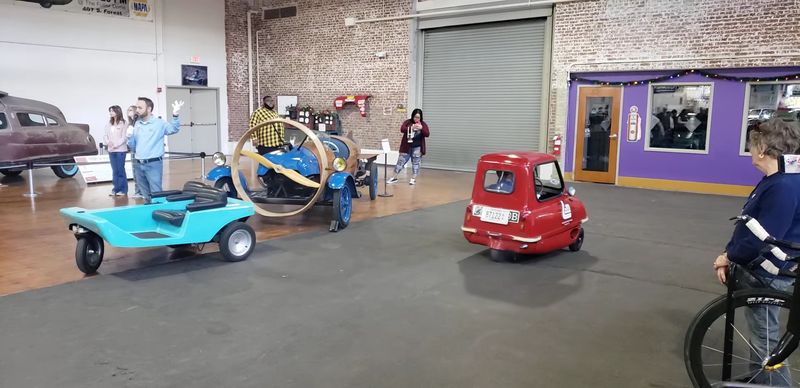
Regular demonstrations occur throughout the day, with staff members starting engines, explaining mechanical features, and answering questions from curious visitors. One particularly popular demonstration involves starting a vehicle using a hand crank, showing how drivers once initiated engine operation before electric starters became standard.
The sounds and smells of vintage engines running bring static displays to life in memorable ways.
Staff members named in visitor reviews, like Rich, represent the museum’s commitment to personal interaction rather than passive observation. These guides share stories about individual vehicles, explain restoration processes, and help visitors understand why certain obscure automobiles deserve preservation and study.
Their genuine passion for the subject matter creates infectious enthusiasm that enhances even casual visits.
The museum’s approach to staffing reflects founder Jeff Lane’s vision for creating an accessible, educational institution rather than simply warehousing vehicles. Visitors leave with greater appreciation not just for specific cars but for automotive history more broadly.
This educational mission distinguishes the museum from collections that prioritize rarity and value over context and understanding.
Rotating Exhibits Keep Repeat Visits Fresh
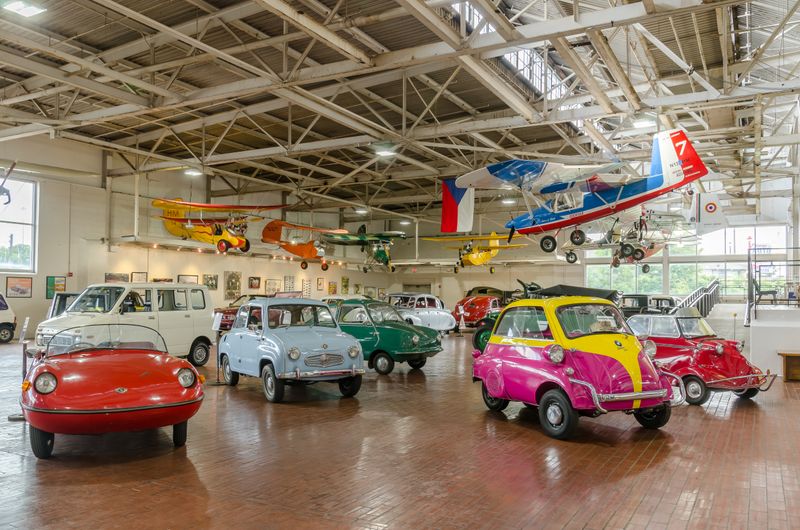
The museum’s substantial vault collection enables regular rotation of vehicles on the main exhibition floor. This practice ensures that repeat visitors encounter different automobiles during subsequent visits, while also allowing staff to feature vehicles relevant to specific themes or anniversaries.
The rotating approach keeps the museum dynamic rather than static, encouraging locals to return periodically rather than treating it as a one-time destination.
Seasonal changes sometimes bring vehicles out of storage for limited exhibition periods. Special displays might focus on particular manufacturers, specific countries of origin, or vehicles sharing unusual technical features.
These themed presentations provide deeper context than permanent displays typically allow, helping visitors understand connections between different vehicles and broader automotive trends.
The rotation schedule also serves practical purposes related to vehicle maintenance and conservation. Automobiles benefit from occasional operation, and moving vehicles in and out of display positions provides opportunities for mechanical attention.
This active approach to collection management helps preserve vehicles for future generations while making them accessible to current visitors.
Checking the museum’s website before visiting can reveal which special exhibits or featured vehicles currently occupy the exhibition floor. However, the core collection always includes representative examples of the European automobiles and motorcycles that define the museum’s character.
Even without advance research, visitors encounter sufficient variety and unusual vehicles to justify the admission price, particularly given the museum’s reasonable rates compared to similar institutions.
Accessible Location Near Downtown Nashville
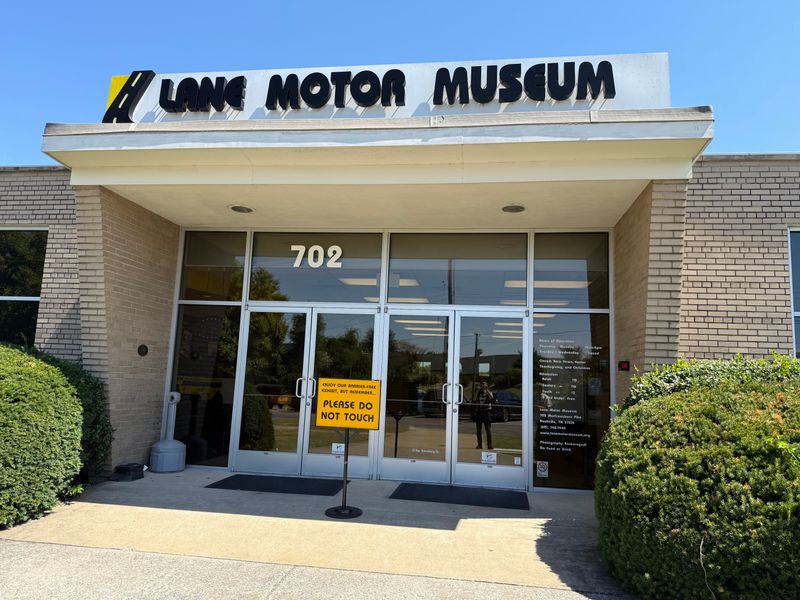
Geography matters for cultural institutions, and the Lane Motor Museum benefits from its position just southeast of downtown Nashville. The Murfreesboro Pike corridor has experienced significant development in recent years, though it retains an unpretentious character distinct from more tourist-focused areas of the city.
Visitors can reach the museum easily from downtown hotels or attractions, making it convenient to incorporate into broader Nashville itineraries.
Parking presents no challenges, with a dedicated lot adjacent to the building. Some reviews mention that the walk from the back parking area involves a slight uphill grade, suggesting that visitors with mobility concerns might prefer being dropped at the entrance.
This minor consideration aside, the museum offers straightforward access without the parking difficulties or entrance confusion that plague some urban cultural institutions.
The surrounding Tennessee neighborhood includes restaurants and other businesses, though visitors should not expect the concentrated tourist infrastructure found in downtown Nashville or near the Gulch. This relative isolation contributes to the museum’s underrated status, as casual tourists may not stumble upon it during typical sightseeing activities.
Those who make the deliberate trip, however, find the journey worthwhile.
Operating hours require attention, as the museum closes certain days each week. Tuesday closings might surprise visitors accustomed to museums that operate daily or close Mondays.
Checking the schedule before planning a visit prevents disappointment and ensures adequate time to explore both the main galleries and, if timing permits, the vault tours offered on weekends.
Reasonable Admission Supports Nonprofit Mission
Museums face constant tension between accessibility and financial sustainability. Lane Motor Museum addresses this challenge through reasonable admission pricing that makes the collection available to broad audiences while generating revenue to support operations.
The museum also offers military discounts, demonstrating appreciation for service members even when such discounts may not be prominently advertised.
The value proposition becomes clear shortly after entering, as visitors realize the scope and quality of the collection far exceeds what modest admission fees might suggest. Many comparable automotive museums charge significantly higher prices while offering less diverse or extensive collections.
This affordability reflects the institution’s nonprofit status and educational mission rather than any deficiency in the vehicles or facilities.
Family visits remain economically feasible, allowing parents to introduce children to automotive history without substantial financial burden. The museum’s approach recognizes that building future enthusiasts and supporters requires making current access affordable.
Young visitors who develop interests in automotive engineering or industrial history may become the collectors, restorers, and historians who preserve these vehicles for subsequent generations.
A well-stocked gift shop provides opportunities to support the museum beyond admission fees while taking home mementos of the visit. Merchandise includes books about automotive history, scale models, and other items appealing to enthusiasts of various ages.
These purchases contribute to the museum’s sustainability while giving visitors tangible reminders of their experience among these remarkable vehicles.
A Museum That Rewards Curiosity And Patience
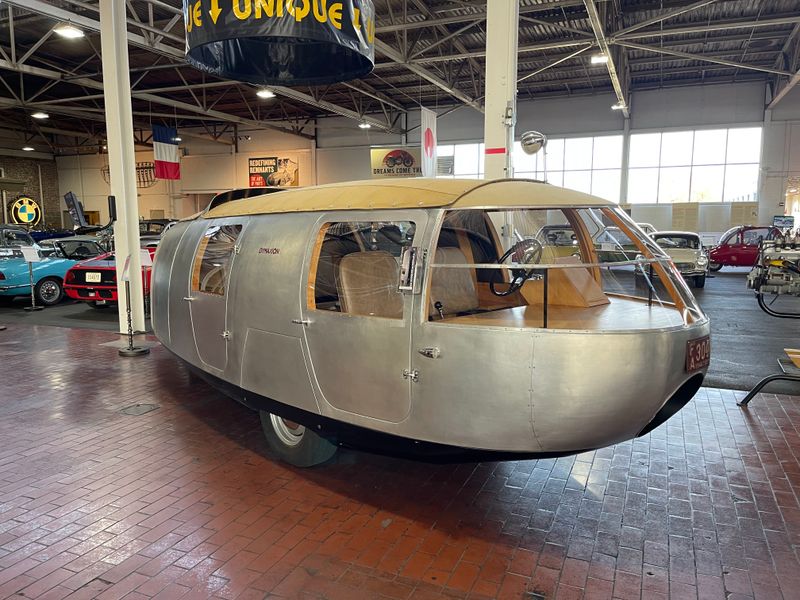
Some museums offer passive entertainment, presenting information in easily digestible formats that require minimal engagement. Lane Motor Museum takes a different approach, rewarding visitors who bring curiosity and willingness to read detailed information about each vehicle.
Plaques throughout the galleries provide historical context, technical specifications, and stories about how particular automobiles came to join the collection.
Visitors who rush through the galleries miss much of what makes the museum special. The real value emerges through careful observation of design details, mechanical features, and the evolution of automotive thinking across different eras and national traditions.
Comparing vehicles side by side reveals how manufacturers approached similar challenges with varying solutions, some successful and others less so.
The museum’s relatively uncrowded atmosphere, noted in several reviews, enhances this contemplative experience. Unlike major tourist attractions where crowds limit viewing time and create pressure to keep moving, this Tennessee place typically allows visitors to linger beside vehicles that particularly interest them.
This unhurried environment suits the collection, which includes many automobiles whose significance requires explanation rather than immediate visual impact.
Photography enthusiasts appreciate the ability to capture images without fighting crowds or dealing with restrictive policies. The lighting, while adequate for viewing, presents some challenges for photography, but patient visitors can document their favorite vehicles.
These photographs serve as valuable records of a collection that continues evolving through acquisitions and rotations, meaning today’s display may differ significantly from future visits.