
This Underrated Lake In Northern Idaho Is One Of The State’s Best Kept Secrets
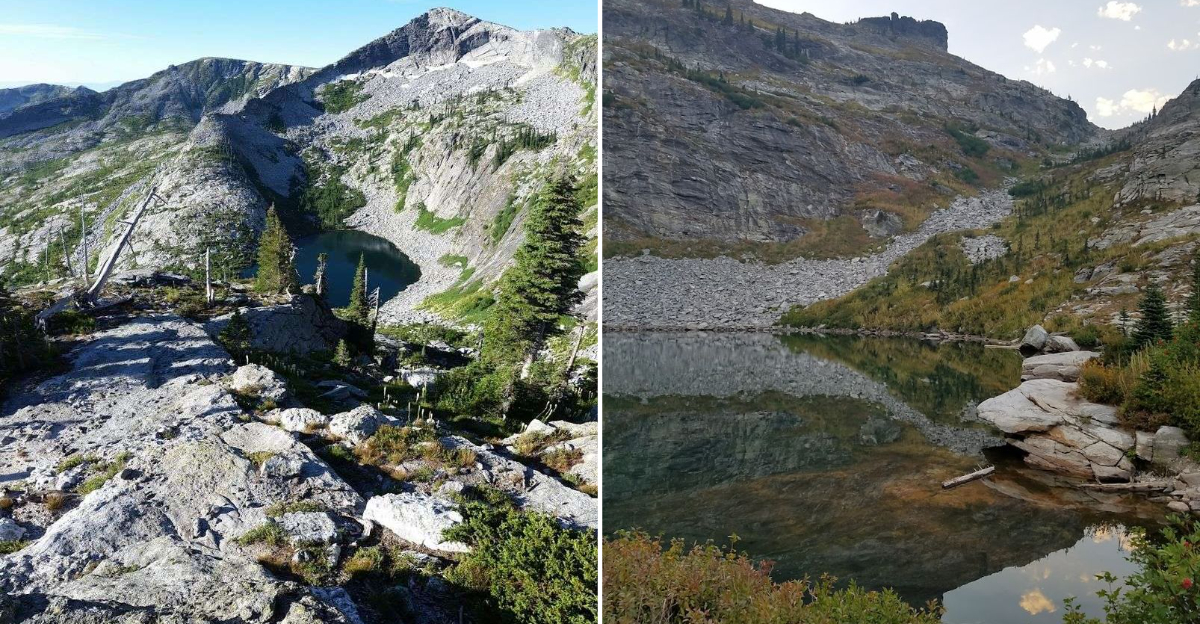
A lake weekend has its own grammar. Coffee on the dock while the water is still flat. An afternoon that disappears somewhere between a swim and a nap. Dinner that nobody planned but somehow came together.
This corner of northern Idaho still does all of that without the crowds that usually come with it. Which is the part that is hard to explain.
The lake is not difficult to reach. The scenery is not subtle.
The water is the kind of clear that makes you want to describe it to people and then realize no description quite lands. By every measure, this should be a place that everyone already knows about.
Idaho has lakes that got famous and stayed famous and now require planning, patience and the willingness to share a shoreline with several hundred strangers. This one never followed that path.
The mornings here are still quiet enough that you can hear the water move. The weekends still feel like weekends used to feel before weekends became something you had to recover from.
Flora And Fauna Surrounding The Lake
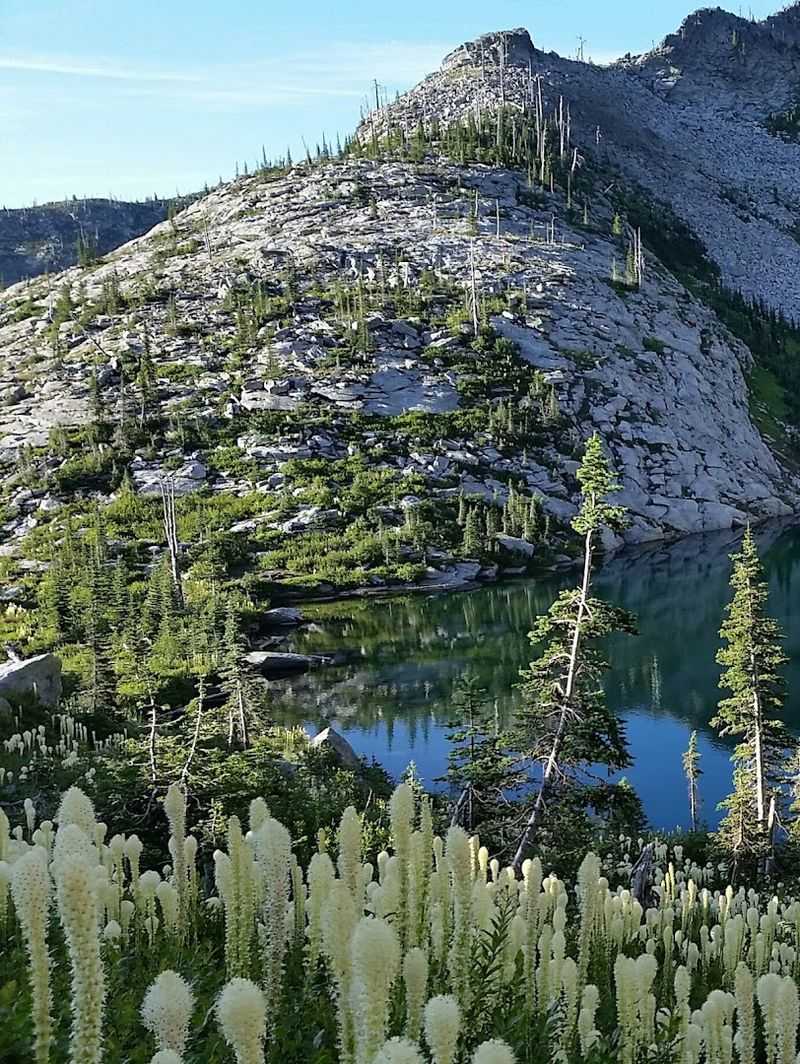
Huckleberries grow in wild abundance around Fault Lake, especially in late summer. Walking the trail feels like hiking through a natural snack bar.
You will want to slow down and graze.
The forest surrounding the lake is dense with conifers that tower over the rocky terrain. Fire scars from the 1967 Sundance Fire are still visible on the landscape.
Those scars actually tell a fascinating story about how forests recover over decades.
Wildlife here is not shy. Elk roam the forested slopes regularly, and wolverines have been spotted near Gunsight Peak and Hunt Peak close to the lake.
Seeing a wolverine in the wild is incredibly rare, so consider yourself lucky if one crosses your path.
Birds fill the tree canopy with sound on quiet mornings. Wildflowers push through rocky soil along the trail in early summer.
The ecosystem feels untouched and genuinely wild compared to more popular Idaho destinations.
Bears are active in the area too, especially when huckleberries ripen. Carrying bear spray is a smart move on any visit.
The wildlife density here is part of what makes Fault Lake so special and memorable.
Outdoor Activities Available Year-Round
Fault Lake packs a serious punch when it comes to outdoor options. Hiking and backpacking are the most popular activities, and the trail delivers both challenge and reward.
The 12.4-mile out-and-back route is no casual stroll.
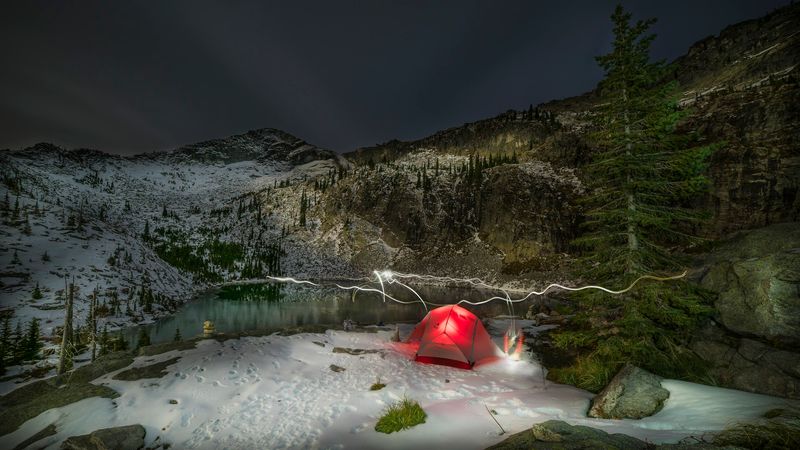
Backpackers can set up camp at designated sites around the lake. Spending a night under the stars at nearly 6,000 feet of elevation is hard to beat.
The silence alone is worth the effort of getting there.
Fishing keeps anglers busy throughout the warmer months. The cold, clear water is also popular for swimming when temperatures cooperate.
Jumping into a mountain lake after a long hike feels absolutely earned.
Some sections of the trail are suitable for mountain biking. That adds another layer of adventure for riders who want a serious challenge.
The rocky terrain makes it technical and exciting for experienced cyclists.
Winter visits are possible for those with the right gear and experience. Snowshoeing and backcountry travel open up the area in colder months.
The landscape transforms completely under snow, offering a totally different experience from summer visits. No matter the season, Fault Lake rewards anyone willing to put in the effort to reach it.
Best Times To Visit To Avoid Crowds
Late summer and early fall are the sweet spots for visiting Fault Lake. August and September bring the best trail conditions and the most comfortable temperatures.
The huckleberries are also ripe during this window, which is a major bonus.
Weekdays are far quieter than weekends at any time of year. If your schedule allows a Tuesday or Wednesday visit, take it.
You may have the entire lake to yourself, which feels surreal.
Spring visits can be tricky because snow lingers at higher elevations well into June. The trail can be muddy and difficult to follow in the early season.
Patience pays off if you wait for conditions to stabilize.
July brings more hikers as school lets out and families plan trips. The trail gets noticeably busier during peak summer weeks.
Arriving at the trailhead before 7 a.m. helps you stay ahead of the crowds.
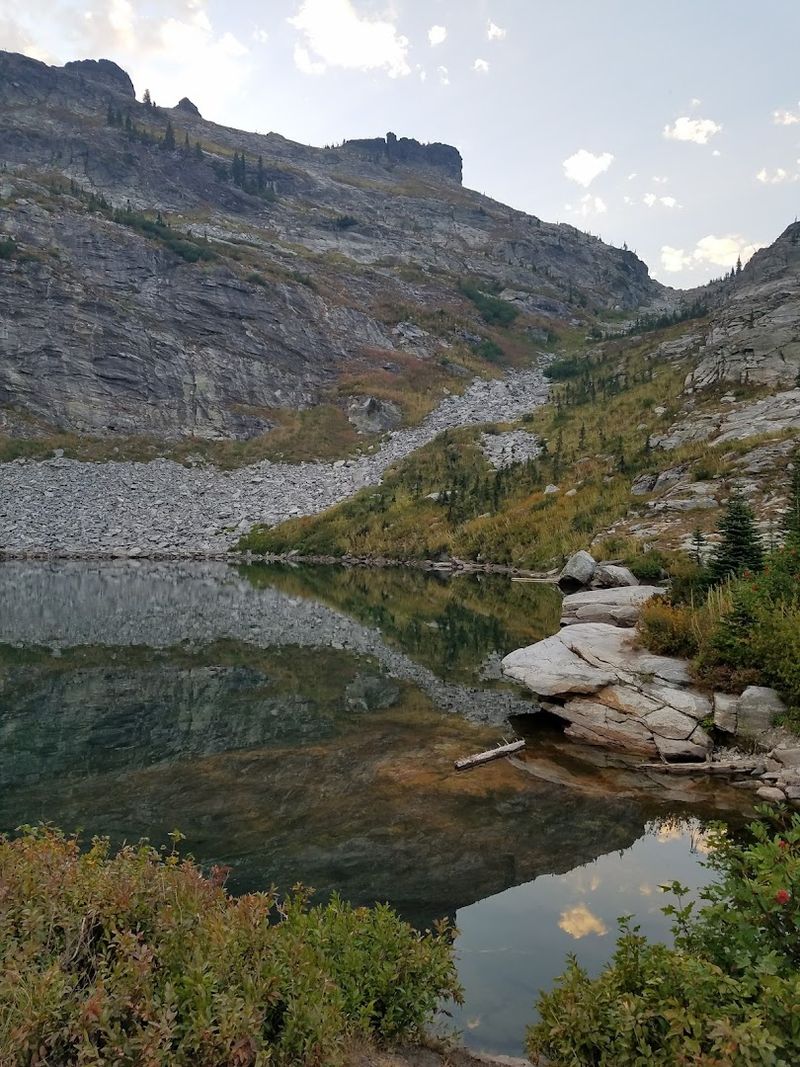
Early fall is genuinely the most rewarding time to visit. The air is crisp, the light is golden, and the crowds thin out fast after Labor Day.
Colors begin shifting in the surrounding forest, adding a whole new visual dimension to the hike. Plan your trip for a weekday in September, and you will likely have an experience that feels completely private.
Unique Geological Features Of The Area
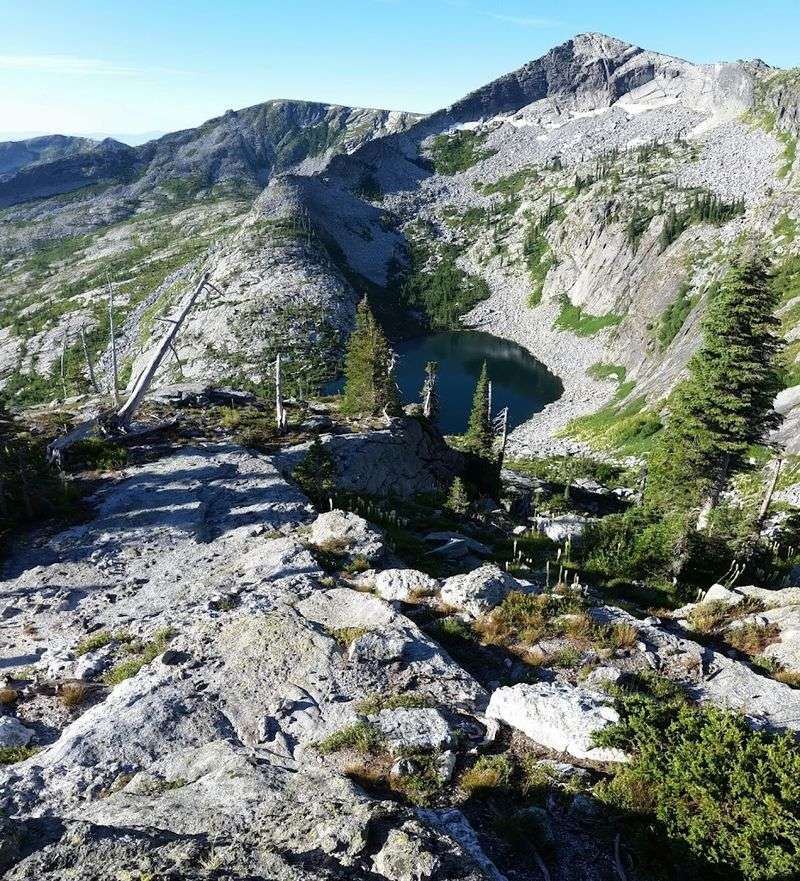
Fault Lake gets its name from a real geological fault visible from above the lake. That is not a marketing gimmick.
The fault is genuinely obvious when you gain enough elevation to look down at the basin.
The Selkirk Mountains surrounding the lake are ancient and dramatic. Cliff walls rise sharply around parts of the shoreline.
The rocky terrain gives the whole area a raw, carved-by-nature feel that is hard to describe until you see it.
The elevation sits at 5,980 feet, placing the lake firmly in subalpine territory. That elevation shapes everything from the plant life to the temperature of the water.
It also means the weather can change quickly, so always come prepared.
Waterfalls appear along the trail as you climb toward the lake. These falls are fed by snowmelt and seasonal streams cutting through the rock.
They add dramatic visual moments to an already impressive landscape.
The 1967 Sundance Fire left visible scars across the geology and forest. Charred snags still stand in certain sections, creating an eerie but striking backdrop.
Those burn areas also reveal the underlying rock structure more clearly than an untouched forest would. Geologically speaking, Fault Lake is one of the most interesting alpine destinations in the entire state of Idaho.
Fishing Opportunities And Species Present
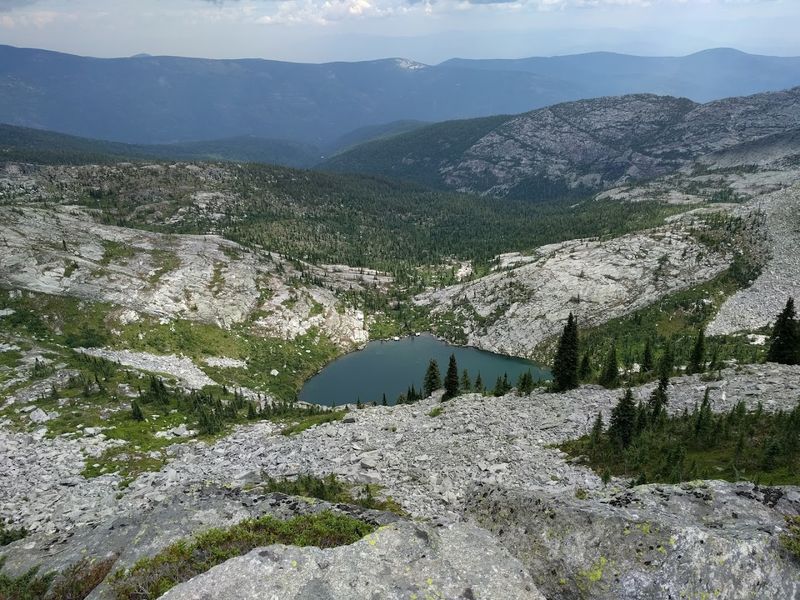
Fault Lake is a legitimate fishing destination. The cold, clear water supports multiple trout species that keep anglers coming back season after season.
Brook Trout and Cutthroat Trout are the main targets here.
Westslope Cutthroat and Yellowstone Cutthroat are both present in the lake. Rainbow Trout rounds out the species list nicely.
Having that variety in one mountain lake is genuinely impressive for such a remote location.
The water visibility is exceptional, which makes for exciting sight fishing opportunities. Watching a trout rise to a fly in clear alpine water is one of fishing’s best moments.
It never gets old, no matter how many times you experience it.
Fly fishing works well here, given the clear water and active fish. Lightweight spinning gear also produces results for anglers who prefer that approach.
Pack light since you are carrying everything in on a 12-plus-mile trail.
Always check current Idaho fishing regulations before heading out. Catch-and-release practices help preserve the fish population in this fragile alpine ecosystem.
The lake does not see heavy fishing pressure due to its remote location, which keeps the fish healthy and plentiful. A successful day of fishing at Fault Lake feels like discovering a secret that most anglers will never find.
Hiking Trails With Scenic Lake Views
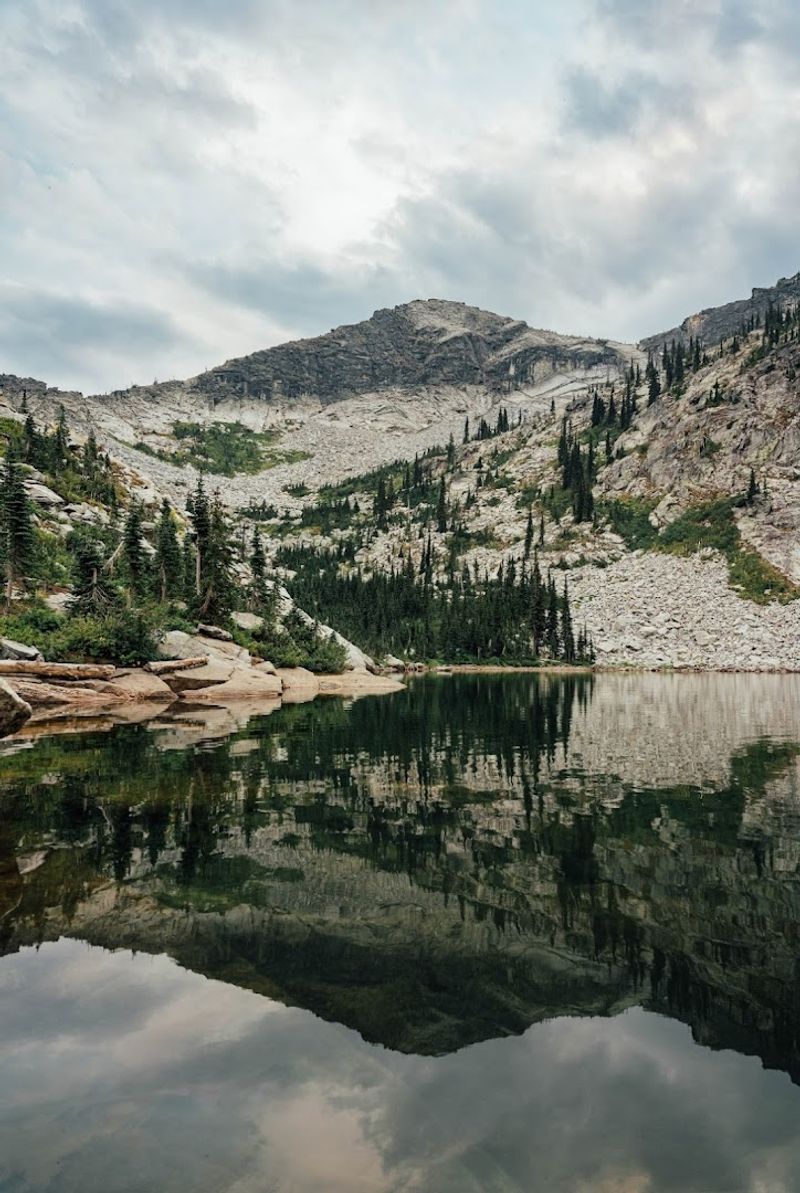
Fault Lake Trail number 59 is the main route to the lake. The trail covers 12.4 miles out and back with about 2,900 feet of elevation gain.
That combination earns it a well-deserved difficult rating.
The lower sections of the trail are relatively gradual and forest-lined. Then the final mile or so kicks up sharply and gets rocky.
Your legs will know about it the next morning, guaranteed.
Views open up dramatically as you gain elevation on the upper trail. Mountain peaks appear in every direction.
Seeing the lake for the first time from above is a genuine jaw-dropping moment.
Waterfalls appear along the route, offering natural rest stops with great photo opportunities. The cliff walls near the lake add vertical drama to the scenery.
The combination of water, rock, and forest makes every step feel purposeful.
The trailhead sits about 14 miles north of Sandpoint on Pack River Road. The final half-mile of Forest Service Road NF-293 requires a high-clearance vehicle.
Online map directions can be unreliable for the last stretch, so double-check your route before leaving. Starting early gives you the best light, the coolest temperatures, and the quietest trail conditions of the day.
Camping Facilities And Nearby Amenities
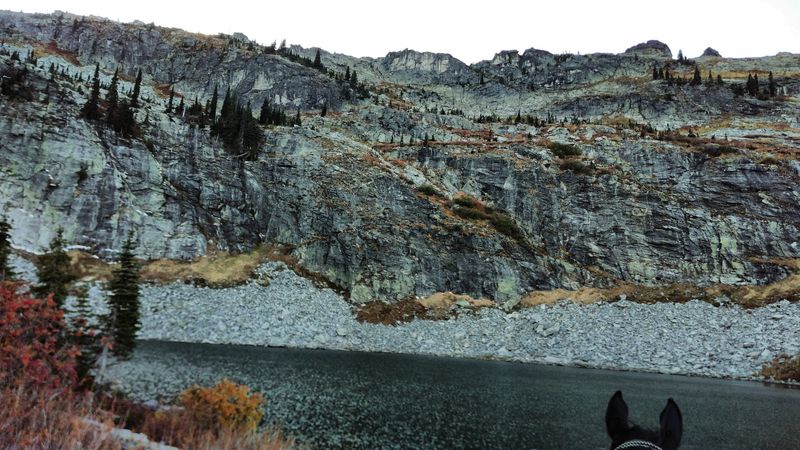
Camping at Fault Lake means a true backcountry experience. Dedicated campsites are available around the lake for overnight backpackers.
These spots fill up on summer weekends, so arriving early or visiting midweek is smart planning.
There are no developed facilities at the lake itself. No running water, no toilets, no trash cans.
Pack everything in and pack everything out, full stop.
Water from the lake and nearby streams needs to be filtered or treated. A reliable water filter is an essential piece of gear for any overnight trip here.
Never skip water treatment at a backcountry site, regardless of how clean the source looks.
Sandpoint, Idaho, is the nearest town with full amenities. It sits about 14 miles south of the trailhead on Pack River Road.
You can stock up on food, fuel, and gear before heading into the forest.
Kaniksu National Forest manages the land surrounding Fault Lake. Dispersed camping rules apply in most of the surrounding forest as well.
Follow Leave No Trace principles to help keep this place as pristine as it currently is. The remoteness of the camping experience here is exactly what makes it so rewarding for people who love getting genuinely far from civilization.
Photographing The Landscape And Wildlife
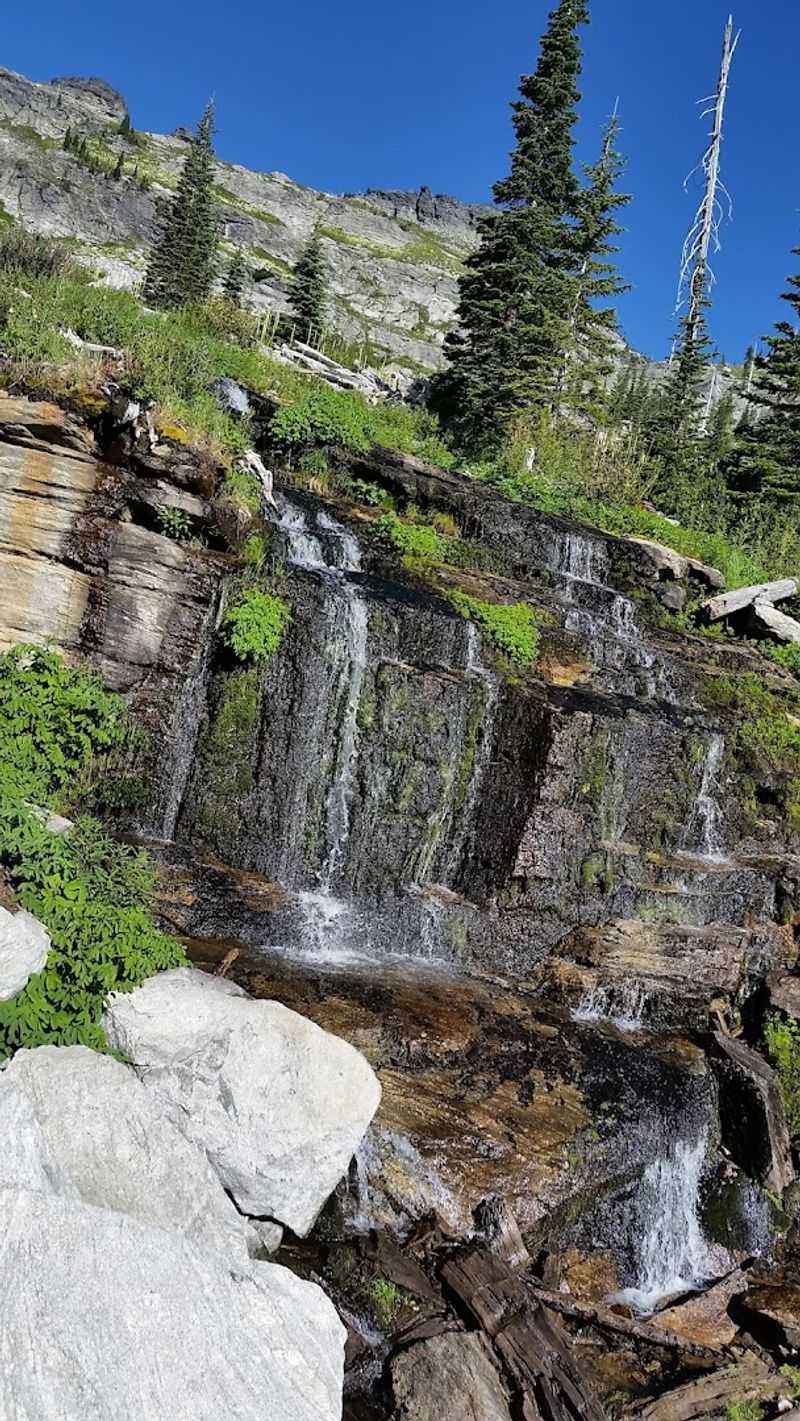
Fault Lake is a photographer’s dream location. The combination of clear water, rugged cliffs, and dense forest creates layered compositions that work beautifully in any format.
Wide-angle lenses capture the full drama of the setting.
Golden hour light at nearly 6,000 feet is genuinely spectacular. The low angle of morning or evening sun hits the cliff walls and water in ways that make images pop.
Plan your shots around sunrise or the hour before sunset for the best results.
Wildlife photography opportunities are real here. Elk, birds, and the occasional rare wolverine sighting near the surrounding peaks give wildlife photographers serious motivation.
Patience and quiet movement are your best tools in the field.
The fire scars from 1967 create moody, textured backgrounds in forest shots. Charred snags framing the lake add an unexpected artistic element.
Do not overlook those burned sections as photographic subjects.
Waterfalls along the trail offer excellent long-exposure opportunities during high water season. A lightweight tripod is worth carrying on the full 12-mile round trip for those shots.
Macro photographers will also find plenty to work with in the huckleberry patches and wildflowers lining the trail. Every season offers a completely different visual story at Fault Lake, making repeat visits just as rewarding as the first.