
This Underrated Nevada Town Offers Fresh Air, Quiet Streets, And Easy Living
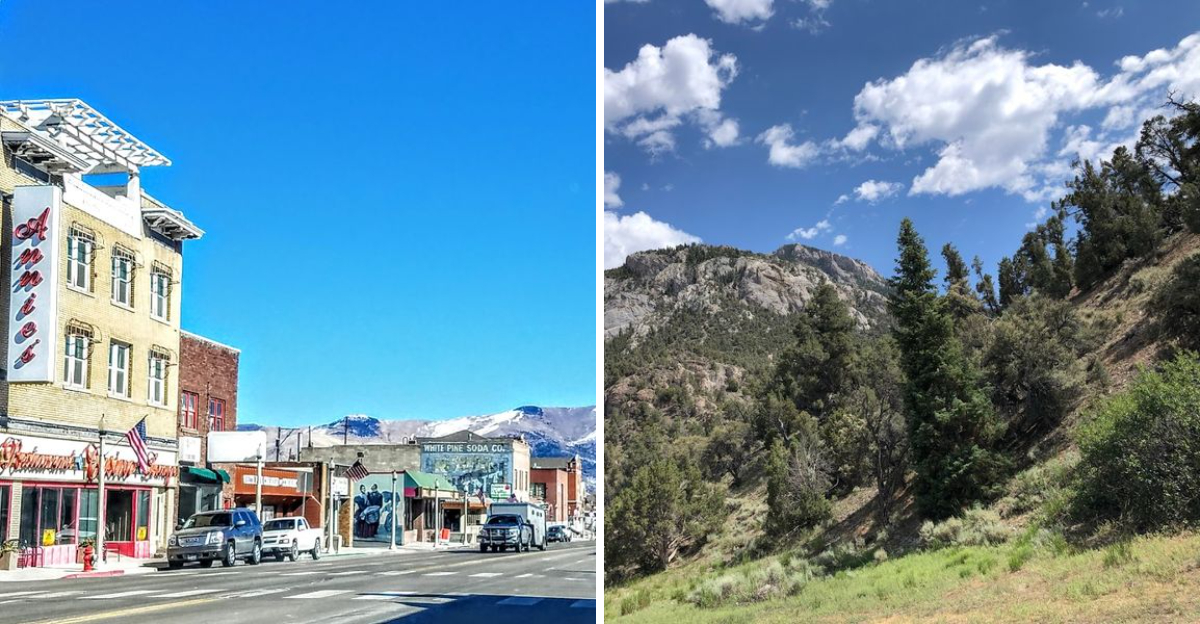
Some towns make you lower your shoulders before you even park the car. High in eastern Nevada, at 6,437 feet, this small White Pine County city offers crisp air, quiet streets, and wide-open high desert views that make life feel less crowded.
Once a stagecoach stop and later a copper mining town, it still carries that old Nevada character without feeling stuck in the past. The pace is slower here.
The sky feels bigger. And with mountain scenery, open roads, and a calm downtown, everyday life starts to feel a little lighter.
Ely Has Fresh Mountain Air Without The Crowds
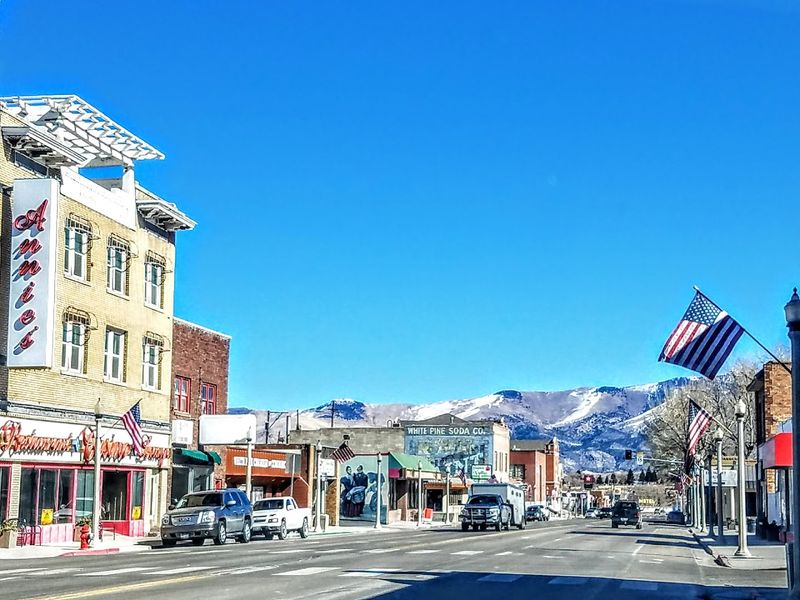
Standing anywhere in Ely, you notice the quality of the air before anything else. The elevation pushes the town above much of the dust and haze that settles over lower valleys, and the lack of industrial activity means what you breathe feels genuinely clean.
Mornings arrive with a sharpness that clears your head, and even summer afternoons carry a dryness that makes the heat tolerable.
The surrounding mountains filter the breezes that move through town, and the sparse population keeps traffic fumes to a minimum. You can walk downtown without smelling exhaust or feeling closed in by buildings.
The openness of the landscape reinforces the sensation that nothing here feels stale or recycled.
Unlike mountain towns in Colorado or California, Ely attracts far fewer tourists, so the air quality stays consistent year-round. You get the benefits of altitude without the congestion that usually follows.
For anyone seeking a place where breathing deeply feels natural and unrestricted, Ely delivers without pretense or compromise.
Downtown Ely Still Feels Calm And Old-Fashioned
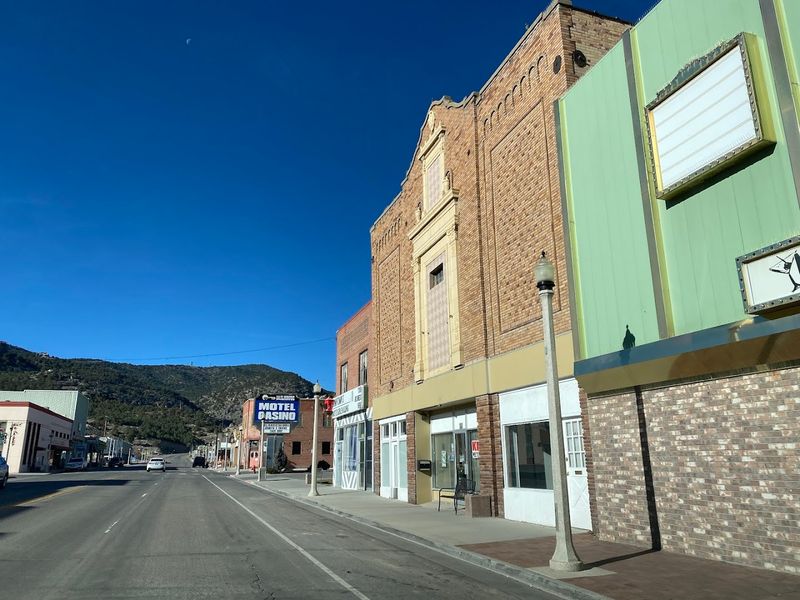
Aultman Street runs through the heart of downtown Ely, and walking along it feels like stepping into a decade that valued slower commerce and face-to-face interaction. The storefronts retain their original facades, the sidewalks stay wide and uncluttered, and the pace of foot traffic never rises above a leisurely stroll.
You find local businesses run by people who live in town, not corporate franchises staffed by rotating workers.
The buildings reflect the copper boom era, with brick construction and simple ornamentation that speaks to function over flash. Several shops sell practical goods rather than tourist trinkets, and the cafes serve straightforward meals without attempting to reinvent regional cuisine.
The absence of chain restaurants and big-box stores keeps the streetscape cohesive and authentic.
Parking remains abundant and free, another marker of a town that has not succumbed to urban pressures. You can spend an afternoon browsing without feeling rushed or overwhelmed by options.
Downtown Ely offers a retail experience that prioritizes ease and familiarity over constant stimulation.
The Nevada Northern Railway Adds Vintage Charm
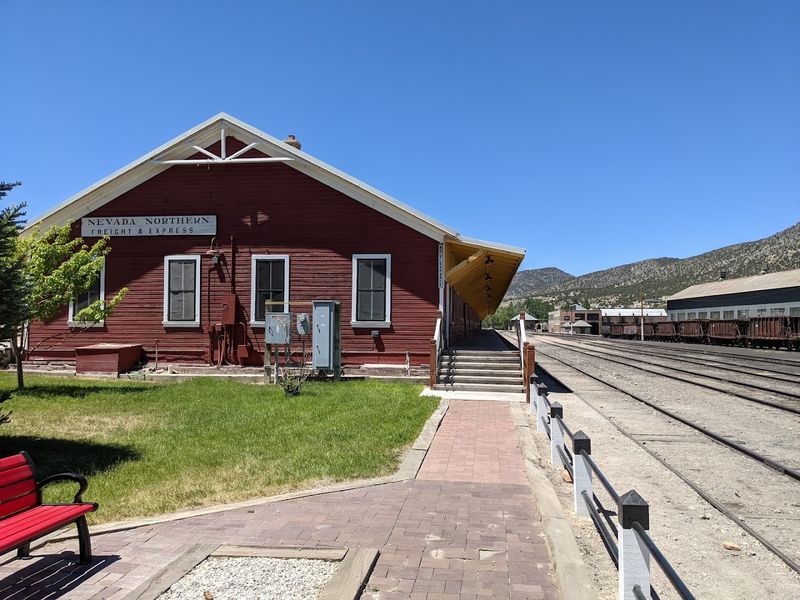
The Nevada Northern Railway Museum operates from its original depot at 1100 Avenue A, preserving one of the most complete historic railroad complexes in North America. Built to haul copper ore from the mines, the railway now runs tourist excursions behind restored steam locomotives that date back to the early 1900s.
The machine shops, roundhouse, and rolling stock remain intact, offering a tangible connection to the industrial past that shaped this region.
Riding the Ghost Train or attending one of the seasonal events puts you inside functional history rather than a static display. The engineers and conductors share stories about the railway’s operational years, and the equipment still works as it did a century ago.
The smell of coal smoke and the sound of steel wheels on rails create an immersive experience that photographs cannot replicate.
The railway grounds cover several acres, and exploring them reveals the scale of effort required to move ore across Nevada’s harsh terrain. For anyone interested in industrial heritage or simply seeking an activity that breaks from modern entertainment, this museum delivers substance and authenticity in equal measure.
Great Basin National Park Is An Easy Day Trip
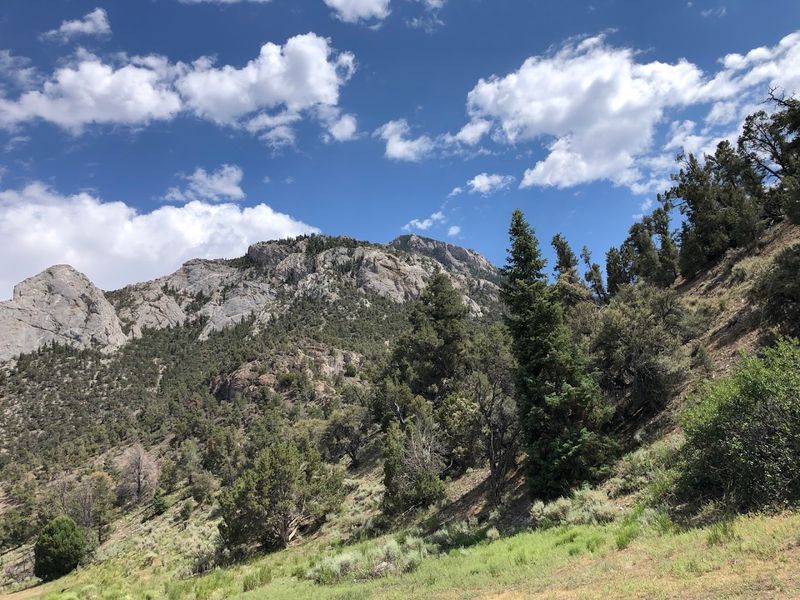
Great Basin National Park sits just 65 miles west of Ely, making it one of the least visited national parks and one of the most accessible from town. The drive takes about an hour through open rangeland and gradually rising terrain, with Wheeler Peak coming into view long before you reach the park boundary.
Inside, you find ancient bristlecone pines, limestone caves, alpine lakes, and trails that range from easy nature walks to strenuous summit climbs.
Lehman Caves offers guided tours through marble chambers decorated with rare shield formations, and the cool underground temperature provides relief during summer visits. The scenic drive up to the high-elevation trailheads passes through multiple life zones, each with distinct vegetation and wildlife.
Because the park receives relatively few visitors, you often have trails and viewpoints to yourself.
The dark skies above Great Basin rank among the clearest in the continental United States, and the park hosts astronomy programs throughout the year. Day trips from Ely allow you to explore this protected wilderness without committing to overnight camping, though backcountry sites remain available for those who prefer extended stays.
Cave Lake State Park Brings The Outdoors Close
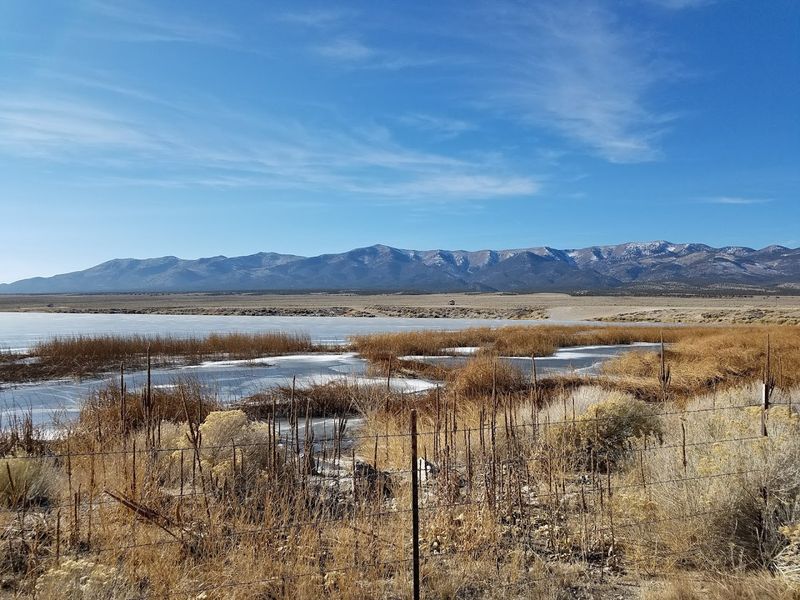
Cave Lake State Park lies just 15 minutes southeast of Ely, occupying a small reservoir surrounded by pinyon and juniper forests at 7,300 feet elevation. The lake covers 32 acres and stays stocked with rainbow and brown trout, drawing anglers who appreciate the combination of accessible fishing and scenic surroundings.
Several hiking trails loop through the park, offering views across the water and into the surrounding Schell Creek Range.
The campground provides basic facilities without the overcrowding common at parks near major cities. Sites come equipped with picnic tables and fire rings, and the cooler nighttime temperatures make summer camping comfortable.
Wildlife sightings include mule deer, wild turkeys, and various raptors that hunt along the water’s edge.
Winter transforms the park into a quiet retreat where ice fishing and snowshoeing replace warm-weather activities. The proximity to Ely makes Cave Lake ideal for short outdoor excursions that do not require extensive planning or long drives.
For residents and visitors seeking quick access to nature without sacrificing convenience, this state park serves as a reliable and unpretentious destination.
The Murals Give Downtown Ely Extra Character
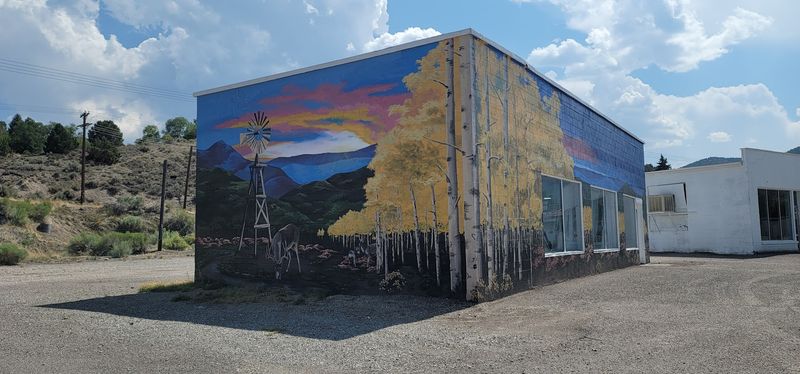
Walking through downtown Ely, you encounter large-scale murals that cover entire building facades with scenes from local history and regional wildlife. These paintings transform blank walls into visual narratives about copper mining, railroad operations, ranching, and the natural environment that surrounds the town.
The artists worked with historical photographs and community input to ensure accuracy, and the results feel informative rather than purely decorative.
One mural depicts the busy mining era with ore carts and workers, while another shows the pronghorn antelope and bighorn sheep that still inhabit nearby ranges. The colors remain vibrant despite the intense high-altitude sunlight, and the scale of the works makes them visible from blocks away.
They serve as landmarks for navigation and conversation starters for visitors trying to understand the town’s evolution.
The mural project began as a way to beautify aging structures and has grown into a defining feature of Ely’s downtown character. Unlike generic public art installations, these paintings reflect specific local knowledge and pride.
They add visual interest to the streetscape without overwhelming the historic architecture, striking a balance between preservation and contemporary expression.
Wide-Open Views Make The Drive Feel Special
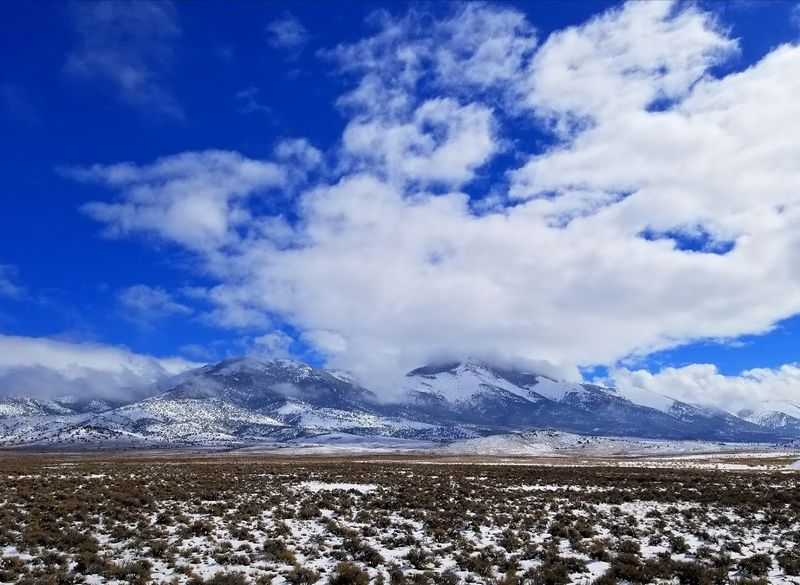
Approaching Ely from any direction means driving through landscape that stretches to the horizon with minimal interruption. US Highway 50, famously labeled the Loneliest Road in America, passes directly through town, and the sections east and west of Ely showcase the kind of emptiness that has become rare in the lower 48 states.
The views extend for dozens of miles across basin and range topography, with mountain chains rising abruptly from flat valleys in repeating patterns.
The lack of visual clutter allows you to notice subtle changes in terrain, vegetation, and light quality as you travel. Sunrises and sunsets paint the sky in layers of color that reflect off the distant peaks, and storm systems become visible long before they arrive.
The roads run straight for miles, with gentle curves that follow the natural contours rather than forcing geometric precision onto the land.
Driving here requires attention to distance and fuel levels, but the payoff comes in the form of unobstructed vistas that make you feel genuinely remote. The openness never turns monotonous because the scale and variation keep your eyes engaged throughout the journey.
Ely’s Mining History Still Shapes The Town
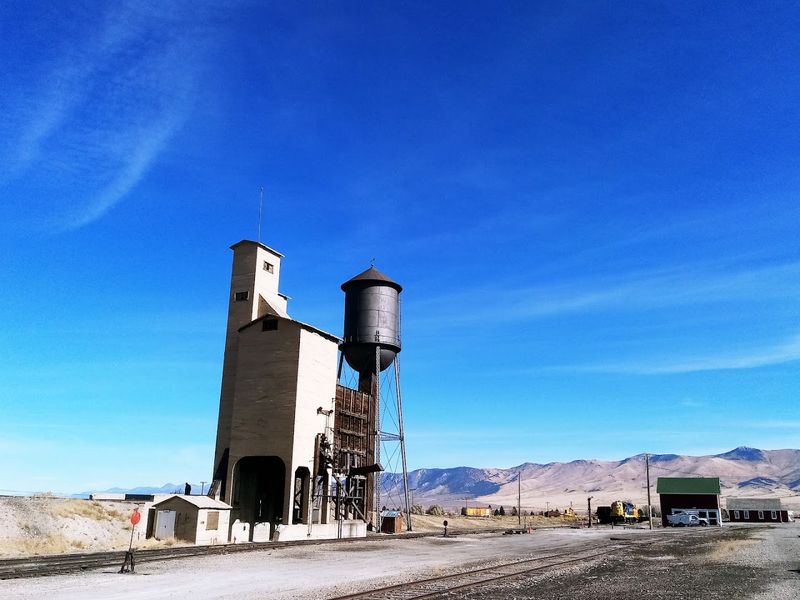
Copper mining defined Ely’s economy and physical layout for most of the 20th century, and evidence of that industrial past remains visible throughout the area. The open pit mines created dramatic scars in the landscape that still draw the eye, and several historic mining structures stand preserved as reminders of the operations that once employed thousands.
The town’s grid pattern and residential neighborhoods grew in direct response to mining company needs, creating a utilitarian layout that prioritized worker housing over aesthetic planning.
The White Pine Public Museum on Aultman Street houses extensive collections of mining equipment, photographs, and personal artifacts that document the boom years. Displays explain the extraction and refining processes, and oral histories capture the experiences of miners and their families.
The museum also covers the earlier stagecoach era and the transition periods when mining slowed.
Understanding this history helps explain why Ely developed where it did and why certain neighborhoods look the way they do. The mining legacy influences local identity and economic discussions even today, as the town works to diversify beyond its extractive roots while honoring the generations who built their lives around those industries.
Local Restaurants Keep The Small-Town Feel Alive
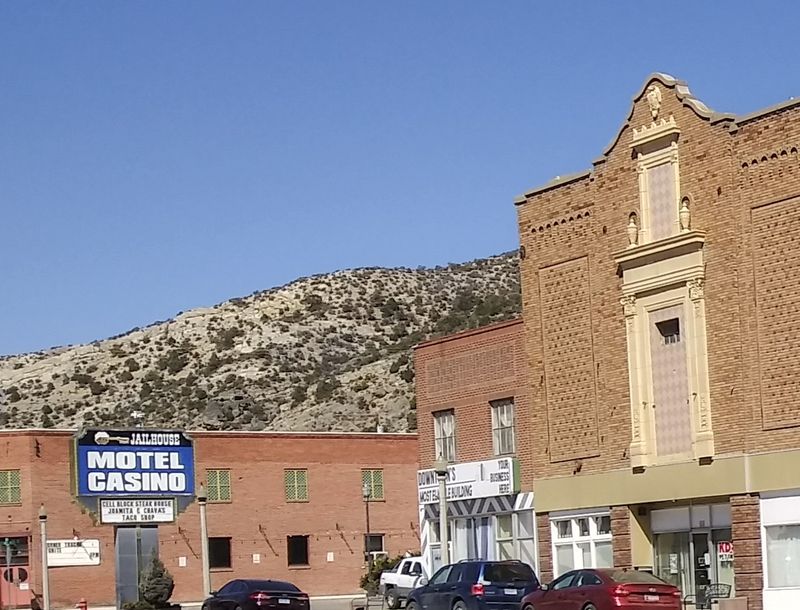
Ely’s dining scene consists primarily of family-run establishments that serve straightforward American fare without attempting culinary innovation or trendy presentations. The menus feature burgers, steaks, breakfast plates, and comfort foods prepared the way locals expect them, and the portions reflect a culture that values substance over style.
Prices remain reasonable by any standard, and the service comes from people who recognize regular customers and remember their preferences.
Several restaurants occupy buildings that have housed eateries for decades, maintaining continuity in locations where generations have shared meals. The decor tends toward functional simplicity, with booths, counter seating, and minimal decoration beyond local photographs or mining memorabilia.
You find coffee shops that open early for ranchers and mine workers, and diners that stay busy during lunch hours when downtown businesses break for the midday meal.
The absence of chain restaurants means each establishment develops its own character and reputation based on food quality and hospitality. Visitors seeking authentic small-town dining experiences will find them here, served without pretense or inflated expectations.
The restaurants function as community gathering spots where conversation matters as much as the food itself.
Quiet Streets Make Ely Feel Easy To Enjoy
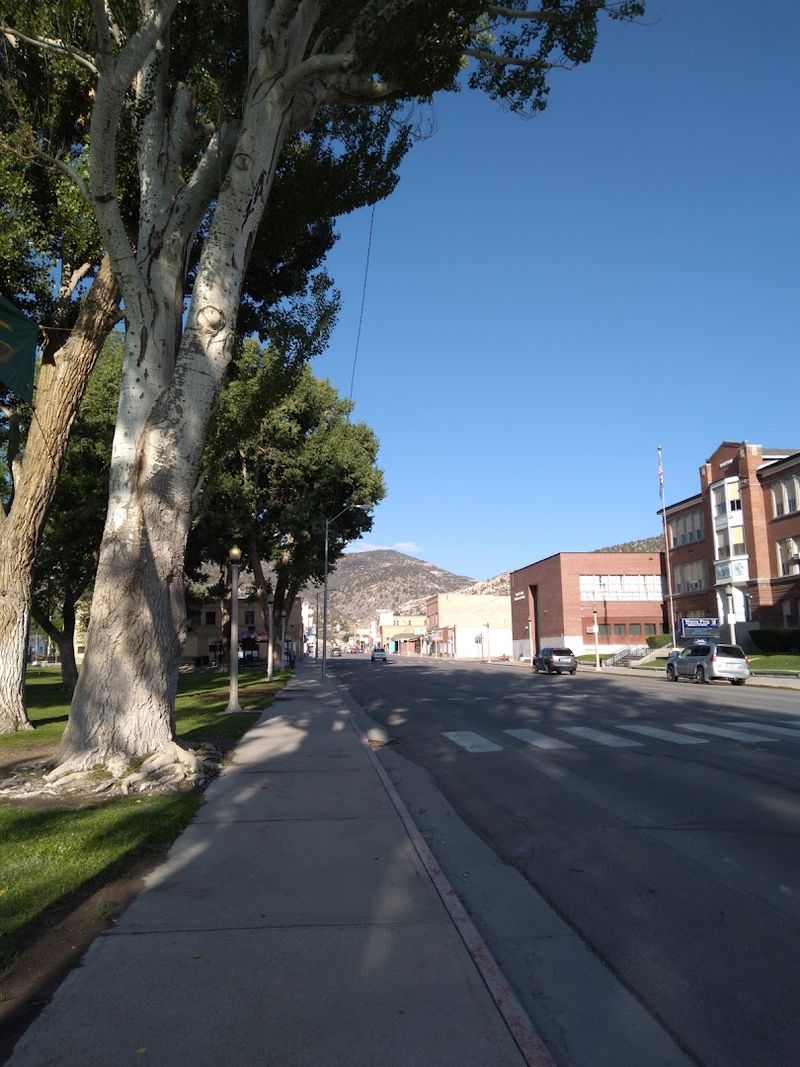
Traffic in Ely rarely exceeds a modest flow, even during peak hours, and the residential streets maintain a stillness that allows for comfortable walking and outdoor activity. The town covers enough area to accommodate its population without crowding, and the spacing between homes provides privacy and breathing room.
You can hear birds, wind, and occasional vehicles rather than the constant background noise that defines urban living.
Children ride bicycles on sidewalks and side streets without parents hovering over every movement, and neighbors greet each other during evening walks. The lack of through traffic on residential blocks means crossing streets requires minimal caution, and parking disputes or congestion never arise.
The pace of life adjusts downward naturally when the environment supports slower movement and unhurried routines.
This quietness extends beyond mere sound levels to encompass a general reduction in sensory demands. Streetlights remain dim enough to allow stars to shine clearly, and commercial signage stays modest in size and illumination.
For anyone accustomed to constant stimulation and activity, Ely’s quiet streets require an adjustment period, but most visitors find the change refreshing rather than dull.
Outdoor Trails Are Never Far Away
Ely’s location in the high desert basin provides immediate access to hiking, mountain biking, and off-road trails that range from easy nature walks to challenging backcountry routes. The surrounding Bureau of Land Management property allows dispersed recreation without fees or permits, and established trails lead into the Schell Creek, Egan, and Snake mountain ranges.
The terrain varies from sagebrush flats to alpine forests, offering different experiences based on elevation and exposure.
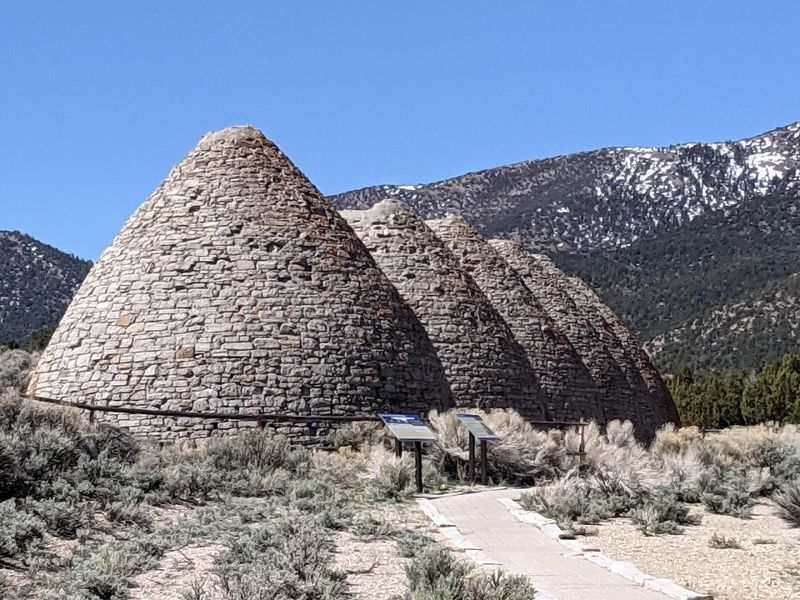
Several trails begin within minutes of downtown, eliminating the need for extensive drive time before reaching trailheads. The Ward Charcoal Ovens State Historic Park, located 18 miles south, combines industrial history with hiking opportunities among beehive-shaped stone structures built in the 1870s.
The ovens sit at the base of the Ward Mountain Wilderness Study Area, where unmarked routes climb toward higher elevations.
The dry climate means trails remain accessible most of the year, though winter snow closes higher routes until late spring. The low visitor numbers ensure solitude on most trails, and the clear air provides visibility that extends for miles.
Outdoor recreation in this region rewards self-sufficiency and basic navigation skills rather than relying on groomed paths and interpretive signs.