
This Underrated South Carolina Italian Restaurant Is Winning Locals Over With Authentic Recipes
Authentic Italian cooking does not announce itself loudly. The food here speaks first and the reputation followed naturally after that.
Handmade pasta, slow cooked sauces, and a kitchen that treats every recipe like something worth protecting rather than updating. Locals who stumbled across it early have been quietly returning ever since.
That is usually the most honest review a restaurant can receive. South Carolina has a dining scene built largely around its own regional traditions.
A genuinely authentic Italian kitchen stands out in ways it might not elsewhere. The recipes here did not come from a culinary trend or a franchise playbook.
They came from somewhere older and it shows on the plate. Word has spread steadily through the community without much outside help, filling tables the same way good food always has.
Newcomers arrive expecting something decent and leave recalibrating what authentic actually means.
Traditional Italian Cooking Techniques
Chef Mark Bolchoz trained under renowned Italian chef Gianni Scappin. He also spent real time cooking in Italy.
That background shows up on every plate.
The wood-fired oven is the heart of this kitchen. It is not just for show.
The oven produces wood-fired sourdough with a perfectly blistered crust. It also handles proteins like the roasted pork chop with deep, smoky precision.
Classic Italian technique means respecting the process. Sauces are built slowly, with layered flavor.
Pasta is cooked to a true al dente bite. Nothing is rushed, and nothing is overworked.
Bolchoz blends these methods with a Southern upbringing. That combination creates dishes that feel rooted in Italy but speak to the Lowcountry.
It is a balance that is genuinely hard to pull off. He makes it look easy.
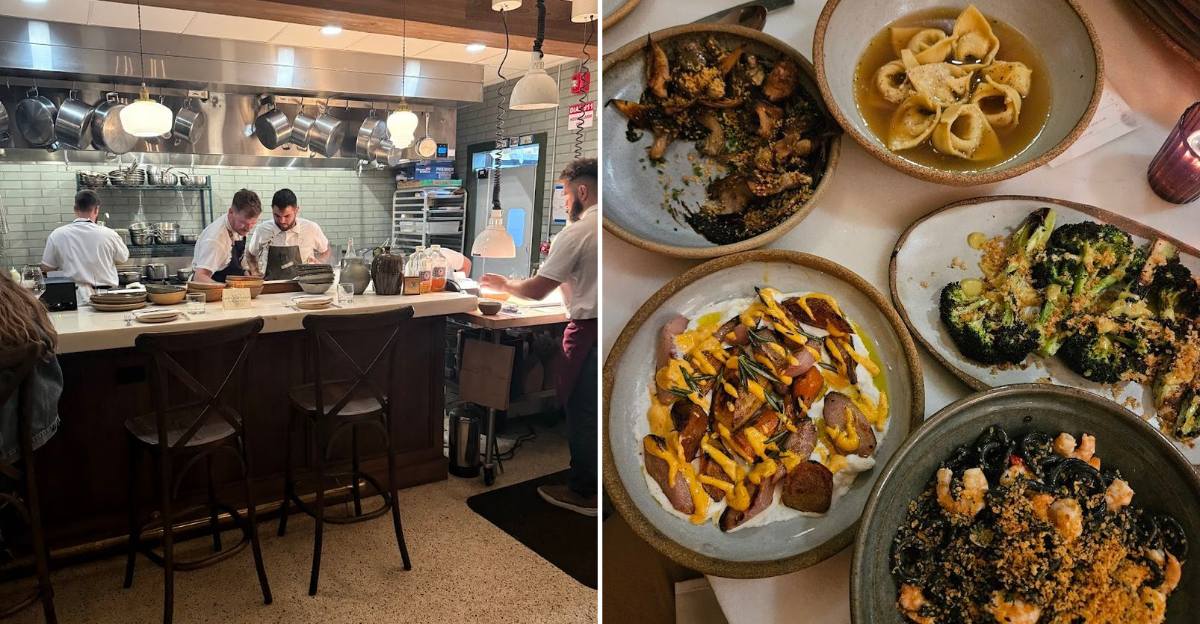
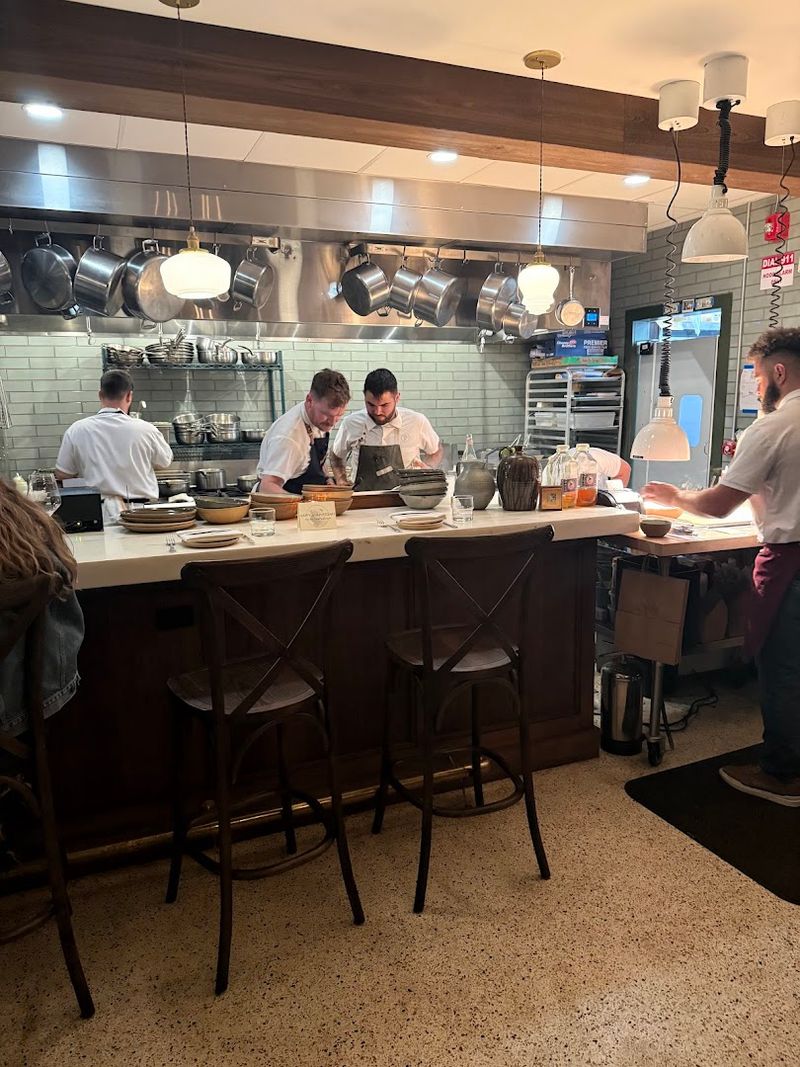
The kitchen operates with an open layout, so you can actually watch the craft happen. The chef’s counter puts you right in front of the action.
It is a front-row seat to real Italian cooking technique at work. You can find Cane Pazzo at 1276 Yeamans Hall Rd, Hanahan, SC 29410.
Regional Variations In Italian Cuisine
Italy is not one cuisine. It is dozens of regional traditions stitched together.
Cane Pazzo honors that complexity by drawing from multiple Italian culinary regions. The menu reflects that depth with real intention.
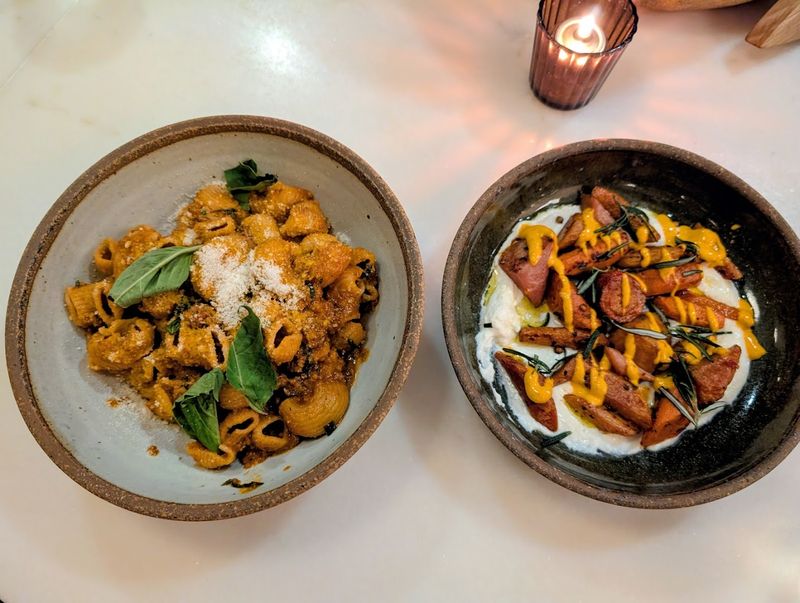
Dishes like lumache with bolognese nod to the hearty, meat-forward cooking of Emilia-Romagna. Risotto with saffron and pork ragu pulls from northern Italian tradition.
Each dish carries a regional identity that feels deliberate, not random.
Chef Bolchoz layers these regional influences with Lowcountry ingredients. The she-crab raviolo is a perfect example.
It merges a coastal South Carolina classic with the delicate structure of northern Italian pasta craft. The result is genuinely original.
The menu at Cane Pazzo rotates regularly. That keeps things fresh and tied to what is actually in season.
You might find something new every couple of weeks. That rotating approach mirrors how regional Italian kitchens actually operate.
Understanding regional Italian cuisine means knowing that simplicity is not laziness. It means trusting the ingredient.
Cane Pazzo operates with that philosophy at its core. Every dish has a clear regional story behind it, and you can taste exactly where it comes from.
Fresh Ingredient Selection And Preparation
About 95 percent of ingredients at Cane Pazzo are locally sourced. That is not a marketing claim.
It is the actual operating standard of this kitchen. Chef Bolchoz built the menu around what the Lowcountry produces seasonally.
Fresh ingredient selection starts before anything hits the stove. The team sources from local farms and regional suppliers.
That means produce arrives at peak ripeness. It also means the menu shifts to match what is genuinely available.
Preparation is where the care really shows. Oysters are fried with precision so the natural brine comes through.
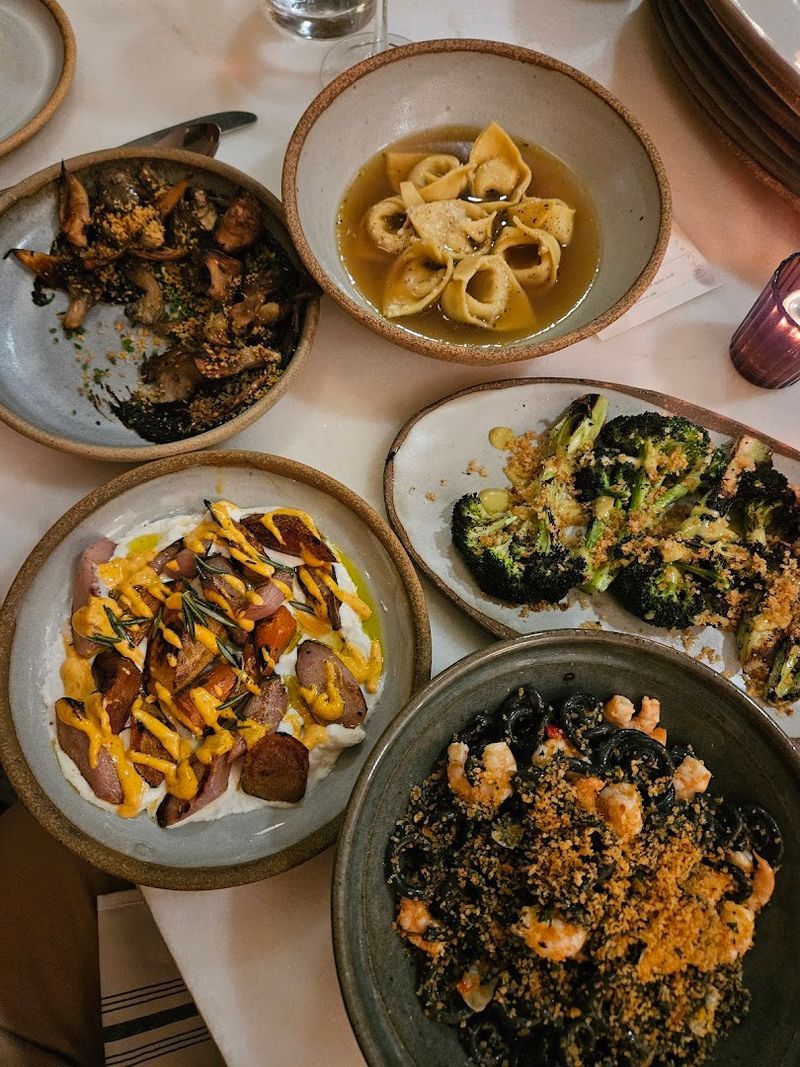
Vegetables like roasted carrots and mushrooms are cooked to bring out their natural sweetness. Nothing gets buried under heavy sauces or unnecessary seasoning.
The wood-fired oven plays a role in preparation too. It creates char, texture, and depth that a standard oven simply cannot replicate.
That fire-kissed quality is present in the bread, the proteins, and even some of the vegetable sides.
Freshness is not a trend at Cane Pazzo. It is the foundation.
When you eat here, you can actually taste the difference that quality ingredients make. The food is clean, bright, and deeply satisfying without feeling heavy or overdone.
Homemade Pasta And Sauce Recipes
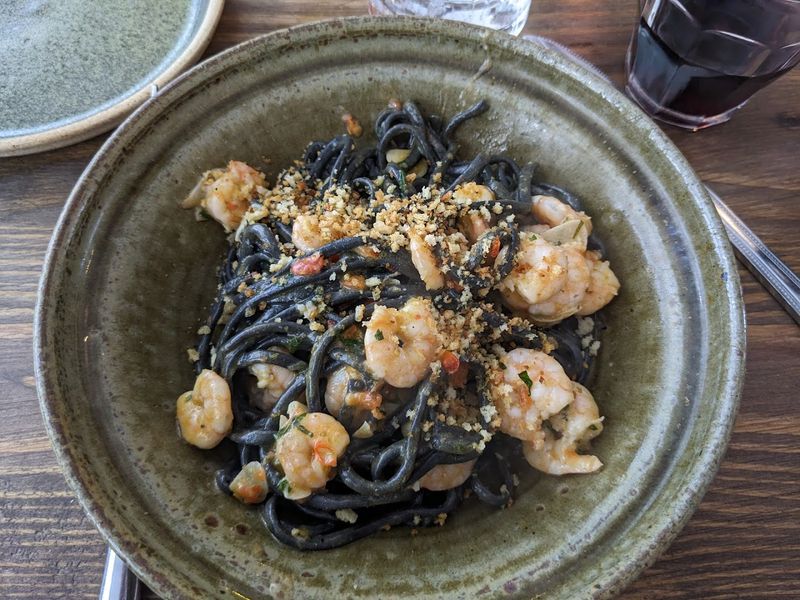
Pasta gets made fresh every single day at Cane Pazzo. That daily production is non-negotiable for this kitchen.
It is one of the clearest signals that this is not a shortcut kind of place.
The pasta lineup includes cavatelli, lumache, gramigna nero, mezzalune, and the standout she-crab raviolo. Each shape is chosen to hold a specific sauce.
That pairing logic is classic Italian thinking, and it matters more than most people realize.
The bolognese served with lumache is rich and slow-cooked. It clings to each pasta piece without overwhelming it.
The squid ink pasta is another highlight, with a briny depth that makes it genuinely memorable. These are not simple dishes dressed up to look fancy.
Sauces at Cane Pazzo are built from scratch using real technique. The bucatini sauce carries a perfect tang that balances the richness of the pasta.
The saffron risotto with pork ragu uses fragrant, quality saffron that actually perfumes the whole dish.
Homemade pasta is labor-intensive work. Most restaurants skip it entirely.
Cane Pazzo does it daily because the quality difference is undeniable. Once you taste pasta made fresh in-house, the boxed version feels like a completely different food category.
Classic Italian Desserts Explained
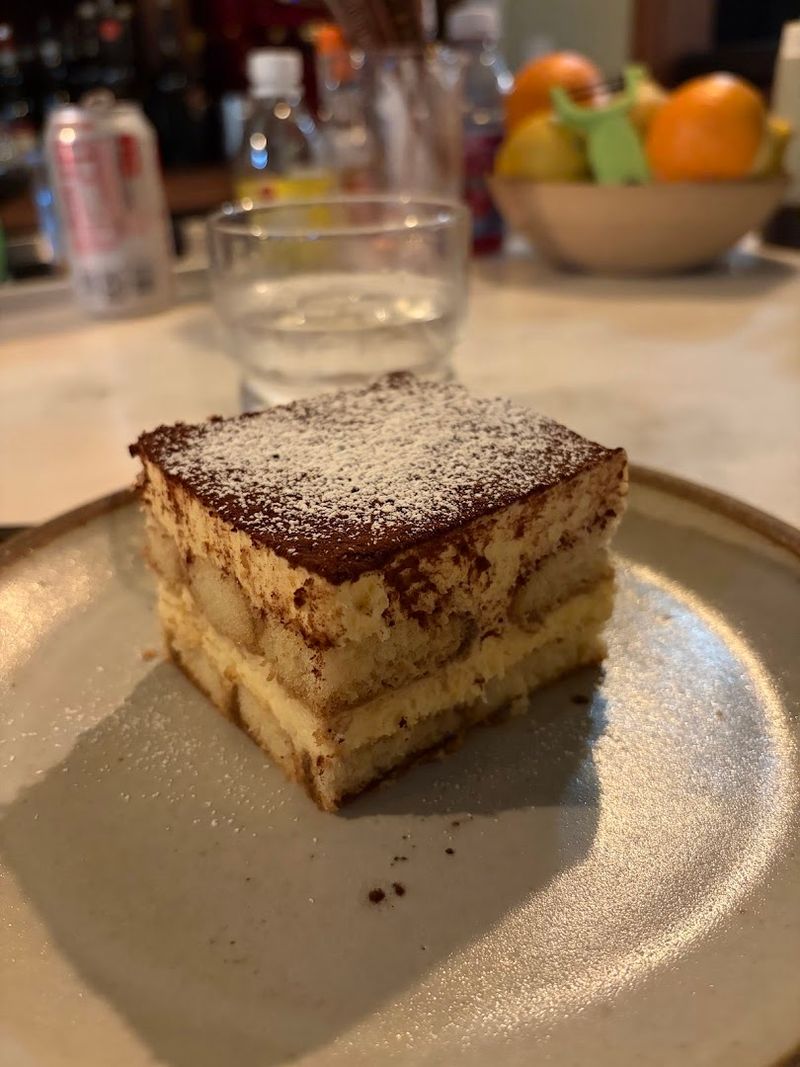
Italian desserts at Cane Pazzo are not afterthoughts. They are a real part of the meal.
The dessert menu includes tiramisu, cannoli, blood orange sorbet, and affogato. Each one is executed with care and confidence.
The tiramisu here stands out. It is light and airy rather than dense and heavy.
A subtle citrus note lifts the whole dessert in a way that feels unexpected but completely right. It is the kind of tiramisu that reminds you why this dessert became iconic in the first place.
Cannoli at Cane Pazzo are served fresh and crisp. The filling is smooth and balanced.
On special occasions, they arrive with a lit birthday candle, which is a small touch that lands bigger than you might expect.
Affogato is the simplest dessert on the menu and also one of the most satisfying. Hot espresso poured over cold gelato creates a temperature and texture contrast that is hard to beat.
It is the perfect finish to a rich Italian meal.
Blood orange sorbet brings brightness and acidity to close out the evening. It cleanses the palate without being tart or sharp.
Classic Italian desserts are built on contrast and balance. Cane Pazzo understands that completely, and every sweet course proves it.
Pairing Italian Dishes With Non-Alcoholic Options
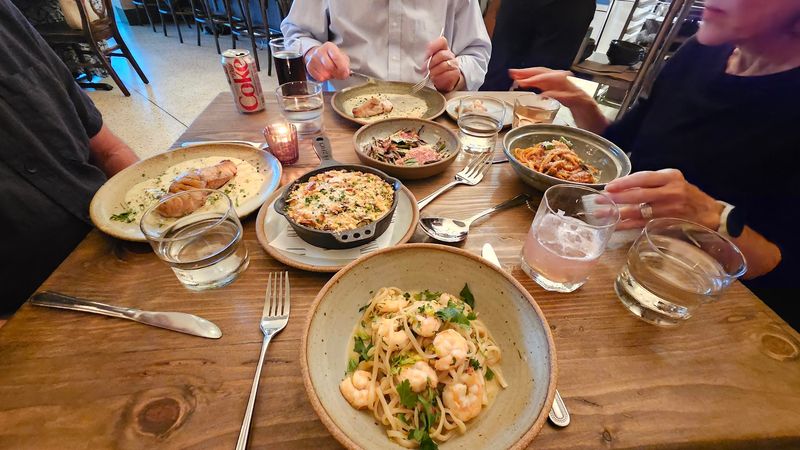
Cane Pazzo has non-alcoholic options that pair beautifully with the food. The key is matching flavors and intensity, just like you would with any other beverage.
Sparkling water is a classic Italian table choice. San Pellegrino and Acqua Panna both appear on the menu.
The carbonation in sparkling water cuts through rich, fatty dishes like bolognese or pork chop. It refreshes the palate between bites without competing with the food.
Espresso is another natural pairing option. A double espresso alongside the affogato dessert creates a full coffee experience.
Espresso also pairs well with lighter pasta dishes because its bitterness balances creamy or buttery sauces.
Fresh citrus drinks work especially well with seafood-forward dishes. The bright acidity complements fried oysters and the she-crab raviolo.
Lemon-forward flavors echo the Italian tradition of finishing dishes with a squeeze of citrus for lift and clarity.
Non-alcoholic pairing is an underrated skill. The goal is always balance.
Rich dishes need something bright or effervescent. Delicate dishes need something subtle that does not overpower.
Cane Pazzo’s menu is built with enough variety that finding the right non-alcoholic match for any dish is genuinely easy and rewarding.
Ambiance And Decor Reflecting Italian Culture
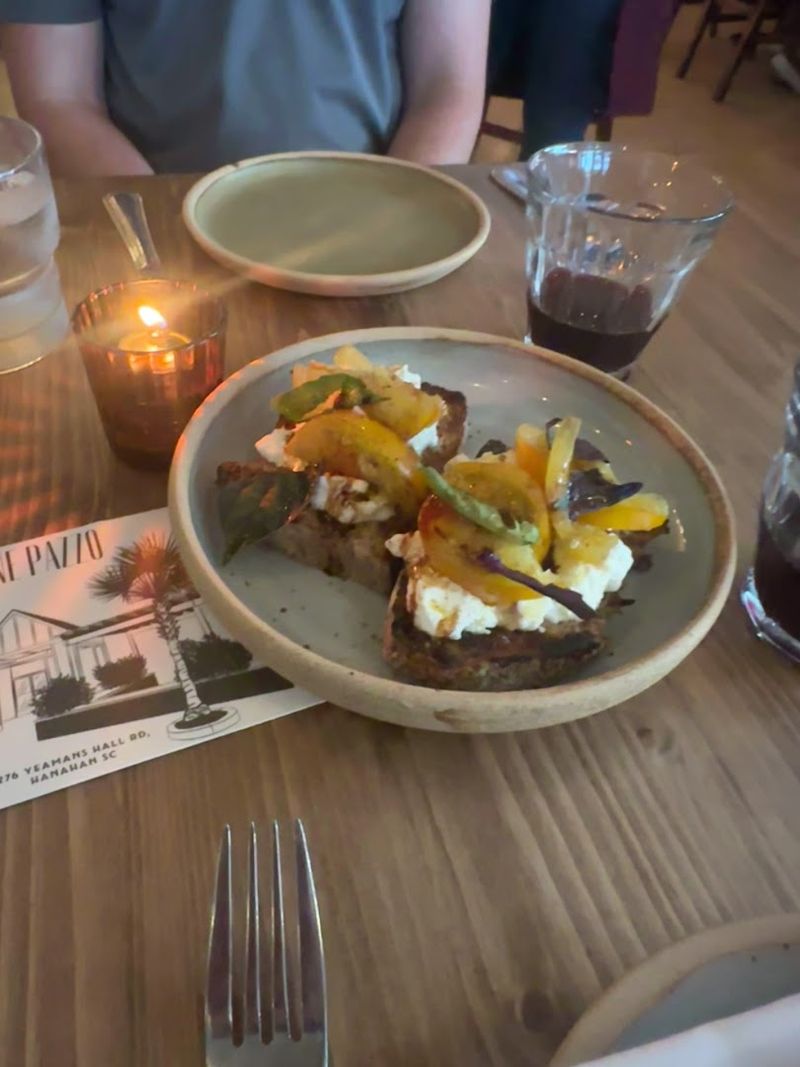
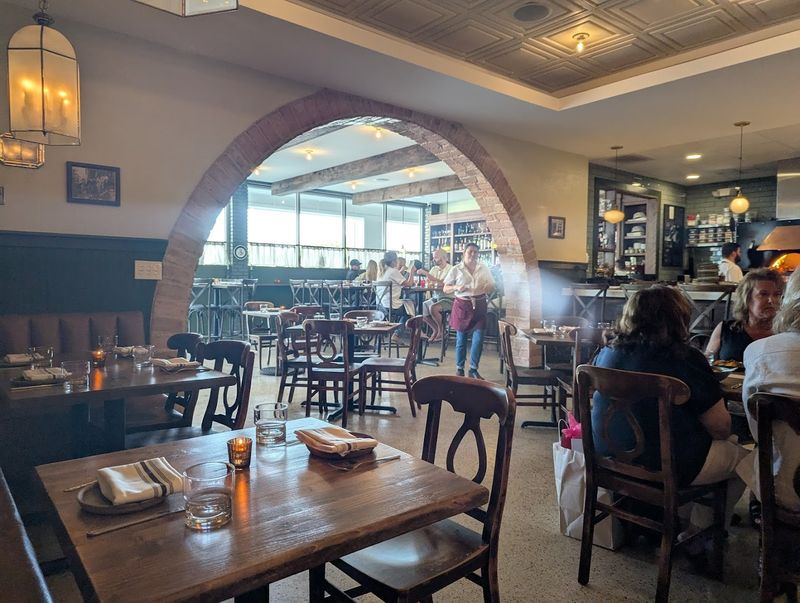
Entering Cane Pazzo feels like arriving somewhere that has its own personality. The decor is warm without being overdone.
It is the kind of space that feels lived-in and intentional at the same time.
The open kitchen is a major design feature. You can see the cooks working, the wood-fired oven glowing, and the pasta being plated in real time.
That transparency creates an energy that most restaurants work hard to manufacture. Here, it happens naturally.
The chef’s counter is one of the best seats in the house. Sitting there puts you directly in front of the kitchen action.
It is a popular choice for date nights and solo diners who want full immersion in the experience.
Outdoor seating is available on a patio with roomy picnic tables, lighting, and fans. That option works well on cooler South Carolina evenings.
It also brings a slightly more casual, neighborhood feel to the dining experience.
The music selection leans into Italian culture without being cliché. The overall vibe has been described as feeling like a trattoria in Italy, which is exactly the atmosphere Cane Pazzo aims to create.
The decor, layout, and sound all work together. Every detail contributes to a space that feels genuinely welcoming and rooted in Italian dining tradition.
Community Engagement And Local Ingredient Sourcing
Cane Pazzo is veteran-owned and deeply connected to the Hanahan community. Chef Mark Bolchoz is a Charleston native who wanted to bring downtown dining energy to a suburban neighborhood.
That mission is visible in how the restaurant operates every day.
Local ingredient sourcing is central to the whole operation. About 95 percent of what comes out of this kitchen originates from local farms and regional suppliers.
The menu changes every other week to reflect what is actually growing and available in the Lowcountry.
That commitment to local sourcing creates a direct link between the restaurant and the broader community. Farmers and producers who supply Cane Pazzo benefit from a steady, quality-focused partner.
The restaurant benefits from ingredients at their peak. It is a genuinely functional relationship.
The Mad Dog Monday menu is another example of community engagement. It brings a rotating, value-driven experience to regular locals.
It keeps the restaurant accessible and exciting for people who visit frequently throughout the week.
Cane Pazzo was included on Resy’s 2025 Best of the Hit List. That recognition reflects how a locally focused, community-engaged restaurant can draw regional and national attention.
It proves that building something real for your neighborhood is exactly the right strategy. The Hanahan community now has a restaurant that genuinely belongs to them.