
This Upstate New York Forest Is One Of The Best Places To Watch The Deer Rut This Autumn
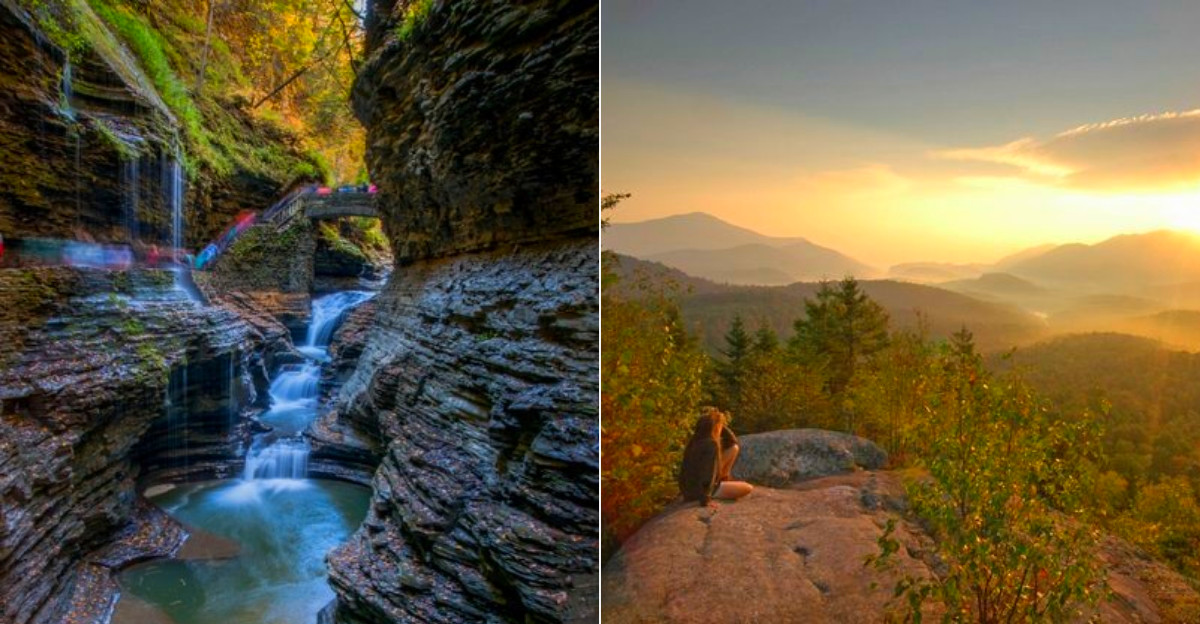
Every November the woods in New York get louder, busier, and considerably more interesting. White tailed bucks start roaming for mates, and a quiet forest turns into a stage for one of the wilder shows in nature.
Six million acres give you room to watch it happen. No ticket booth, no closing time, and no competition for a viewing spot, which is not something you can say about most wildlife worth traveling to see.
Deer behaving like deer is different from deer standing at the edge of a field. The season is short and the behavior is genuinely strange, which is the whole reason people plan around it.
A Six Million Acre Theater With No Curtain Call
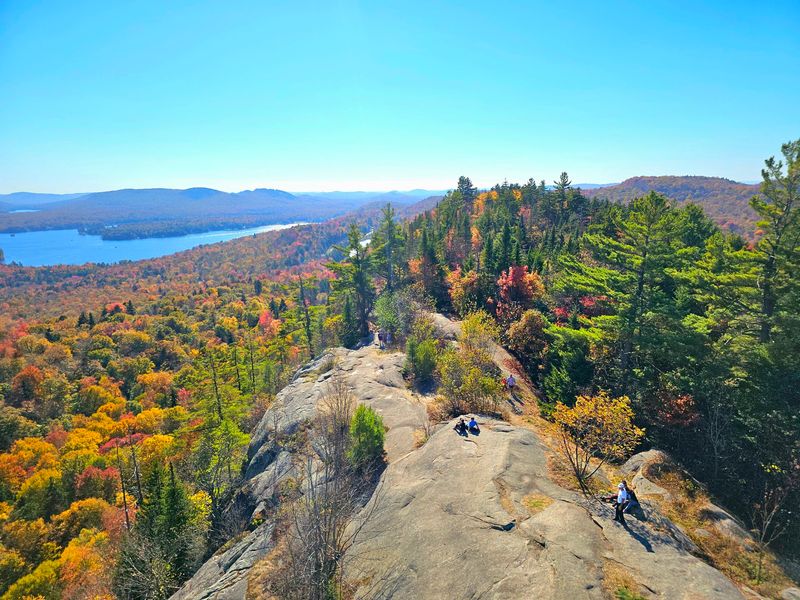
Few places in the eastern United States can hand you this much room to roam. The protected land here stretches across roughly six million acres, which is bigger than Yellowstone, Yosemite, Grand Canyon, and Glacier combined. That scale matters when you are looking for deer.
Half the park belongs to the state and stays open to the public. The rest is private land, woven between towns, farms, and forest roads. The mix creates edges where fields meet timber, and edges are exactly where bucks like to travel.
Over 3,000 lakes and ponds sit inside the boundary, along with 30,000 miles of rivers and streams. Around 200,000 acres of old growth forest still stand, untouched by saws. Deer move through all of it.
Access costs nothing. There is no gate, no fee, and the land is open around the clock. Arrive at four in the morning if that suits you.
Autumn adds the color. Maples flare orange, birches glow yellow, and the whole scene feels painted rather than photographed. Watching a buck step through that backdrop is a memory that sticks around for years.
Meet Adirondack Park, The Forever Wild Giant
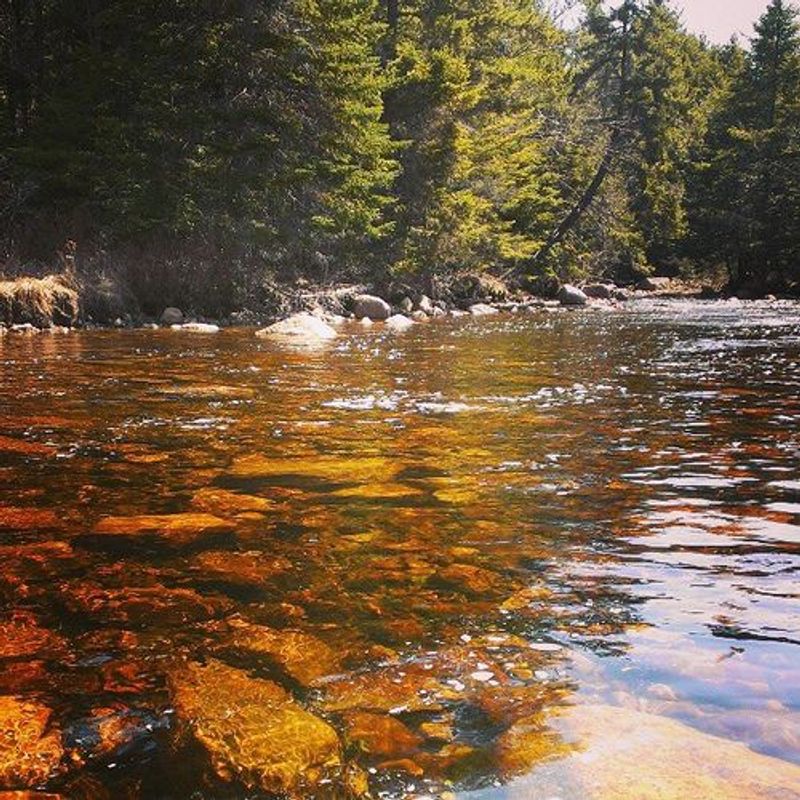
Established in 1892, Adirondack Park carries a title few landscapes can claim. It is the largest publicly protected area in the lower 48 states, and it holds National Historic Landmark status.
The park sits in northern New York, and the Google Maps listing simply reads New York, NY, since the boundary swallows entire counties.
The word Adirondack comes from an Iroquois term meaning bark eaters. Fitting, given how much browsing happens in these woods.
New York State’s Constitution has protected the Forest Preserve lands as forever wild since 1885. That language is short, strong, and still standing. It means the trees keep growing and the deer keep their home.
Forty six High Peaks rise above 4,000 feet inside the boundary, and small villages sit comfortably among them. Highway 87 runs straight through, which makes the drive alone worth the gas.
Deer show up nearly everywhere. They cross fields, drift along forest edges, and step onto shoulders of quiet back roads at first light. During the rut, those casual sightings turn into something far more dramatic.
Circle Mid November On Your Calendar
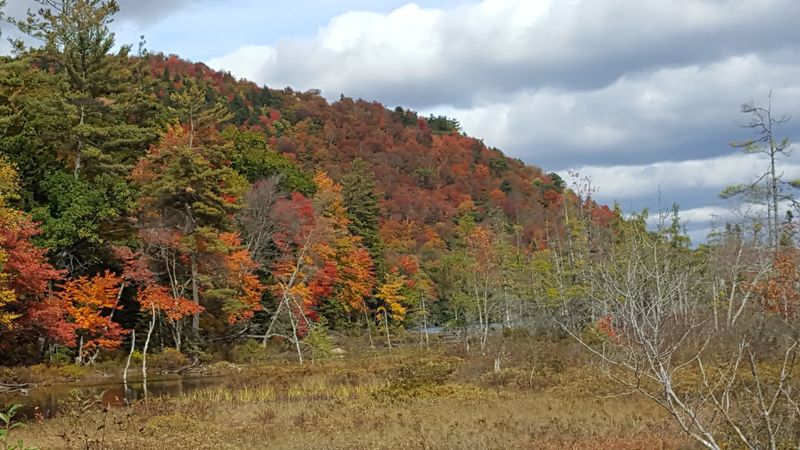
Timing separates a good outing from a great one. Breeding season for white-tailed deer in New York runs roughly October through January, but the fireworks happen in a narrower window. Mid November is the sweet spot.
In the northern part of the state, including the Adirondacks, the seeking and chasing phase peaks between about November 5 and November 20. Bucks cover serious ground during those two weeks. They stop being cautious and start being obvious.
Dawn and dusk remain the money hours. Deer move heavily in low light throughout the rut, and that habit gets stronger when the breeding urge takes over.
Weather plays a role too. Harsh storms usually slow movement down, but the hours right before and right after a front can be excellent. Smart watchers check the forecast and plan around pressure changes.
Cold snaps help as well. Frosty mornings tend to get deer up and traveling.
Plan a long weekend in that November window rather than a single rushed morning. Deer keep their own schedule, and patience usually pays better than luck.
Paul Smith’s VIC And Its Wetland Front Row Seats
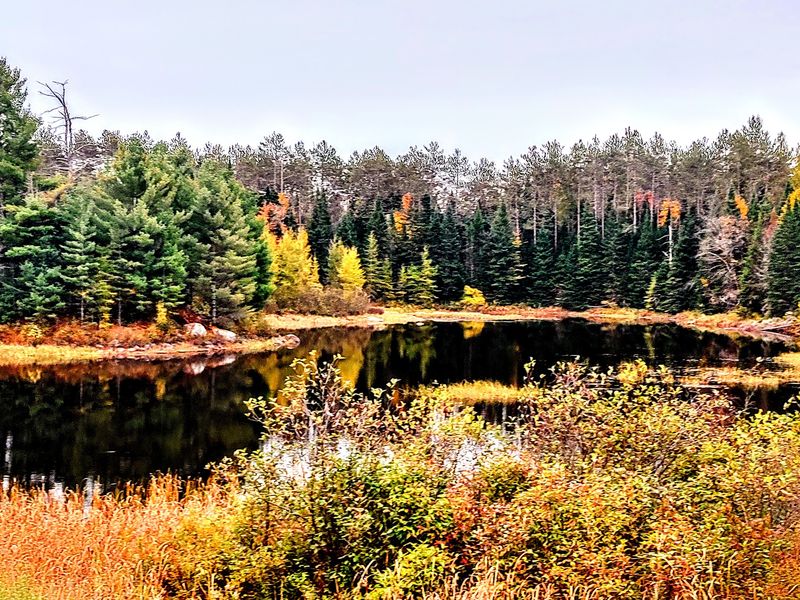
Trails at the Paul Smith’s College Visitor Interpretive Center wind through wetlands, forests, and pond shores, which happens to be a deer’s idea of a well stocked pantry. The center sits at 8023 NY-30 in Paul Smiths, New York.
Paul Smith’s College took over the site and began running it in 2010. It has served hikers, birders, and wildlife watchers ever since.
Trails here open from dawn until dusk, every day of the week. That schedule lines up beautifully with peak deer movement, so you can arrive with the first gray light and still be legal.
Boardwalks cross marshy ground, which keeps your boots dry and your steps quiet. Quiet is the whole game.
Varied habitat gives you options. If the forest feels empty, walk toward the water. Deer bed in thick cover and feed in open ground, and this property offers both within a short stroll.
Fall color along the pond edges makes even a deer free morning feel worthwhile. Bring a thermos, walk slow, and let the woods wake up around you.
Newcomb’s Old Growth Hideaway
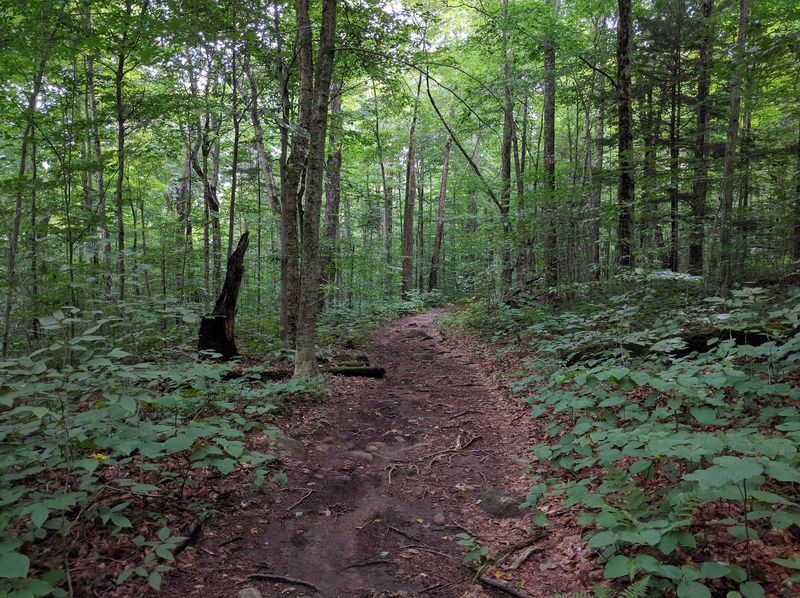
Deep shade, tall hemlocks, and a river running past make the Adirondack Interpretive Center a quieter kind of destination. You will find it at 5922 State Route 28N in Newcomb, New York.
The facility first opened on October 15, 1990, as the Newcomb VIC. SUNY College of Environmental Science and Forestry took it over in 2010 and has kept it open to the public since.
Trails lead through old growth hemlock, spruce, and northern hardwoods. They also follow a lake, a river, a stream, and wetland ground. White-tailed deer rank among the animals seen regularly here.
Hours run dawn to dusk, daily. Once again, the best watching happens right at the bookends.
Old growth forest feels different underfoot. The canopy closes overhead, the ground stays soft, and sound carries oddly. A buck can appear thirty yards away without a single warning crunch.
Newcomb also sits away from the busiest corners of the park. Fewer people means calmer deer, and calmer deer means better viewing. Bring a map and give yourself a full morning.
High Peaks Country And Its Big Game Reputation
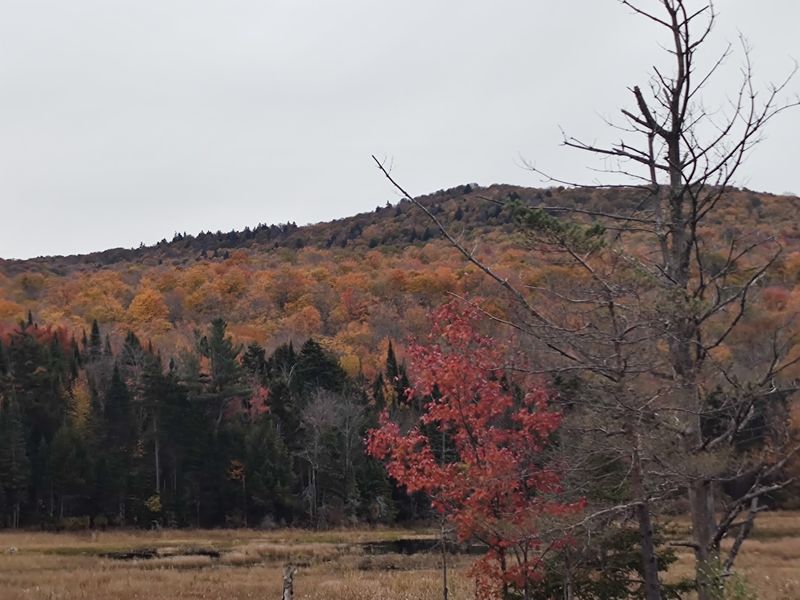
Rugged terrain, cold water, and thick timber define the High Peaks Wilderness Area. Spots like Lake Colden and Marcy Dam have long records of moose, deer, and black bear sightings.
Hiking here asks more of you. Trails climb, roots grab at boots, and weather shifts without asking permission. Reward comes in the form of solitude and wildlife that rarely sees a crowd.
Deer in this country tend to use lower elevation corridors, stream bottoms, and clearings. Water and browse pull them in. Scan those areas rather than staring uphill.
Layers are non negotiable in November. Mornings start near freezing and afternoons can feel almost mild.
Start early and keep noise down. Sound travels far across still water, and a slammed car door can clear a clearing before you even lace up.
Pair the hike with the scenery and you get double value. Forty six summits rise above 4,000 feet in this region, and the views from the shoulders are honest showstoppers. A rutting buck crossing the trail is simply the bonus round.
Water Routes, Chasms, And A Rail Trail Worth Walking
Paddling changes the whole equation. Lake Abanakee rewards kayakers and canoeists with chances at moose, black bear, and deer along the shoreline. A boat glides almost silently, so animals stay relaxed.
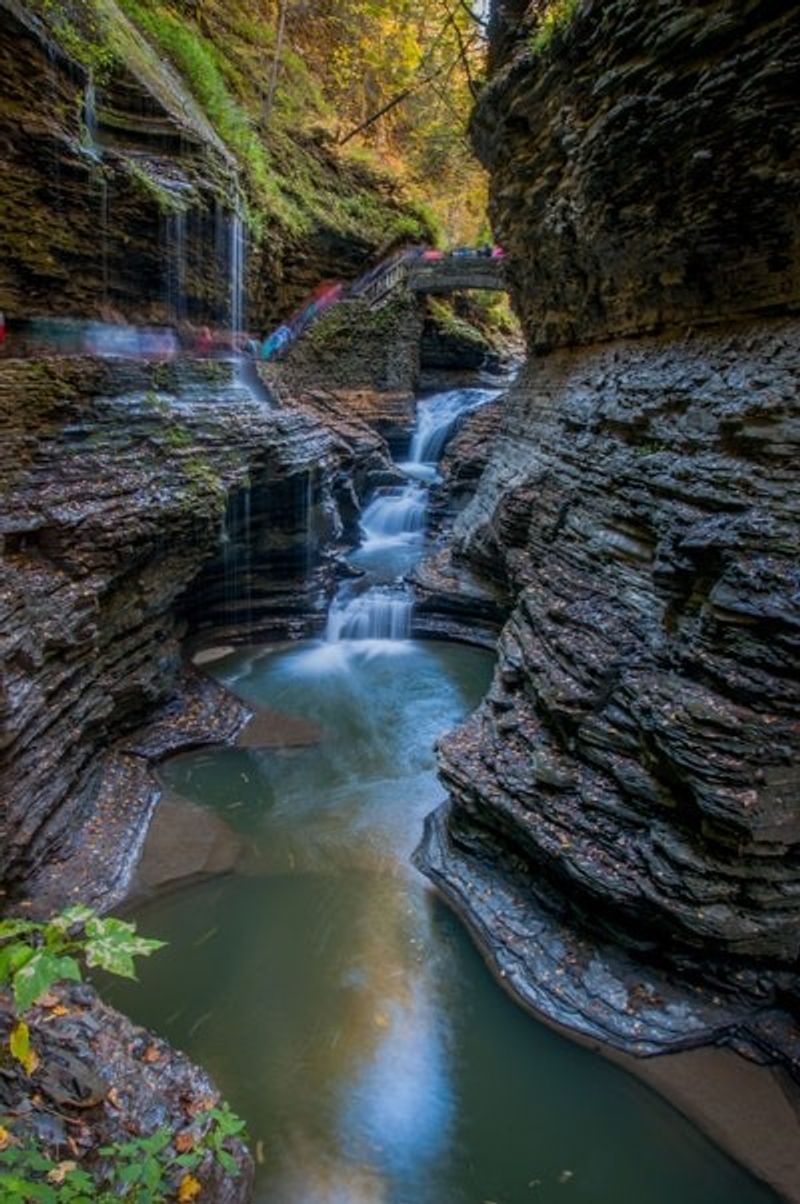
Ausable Chasm and the surrounding Ausable Chasm Wildlife Management Area offer walking and hiking trails where deer sightings come easily. Rock walls, river sound, and fall color make the setting memorable even between encounters.
The Adirondack Rail Trail gives you a flat, wide path through woods, marshes, and pond edges. Easy walking means you can focus on watching instead of on your footing.
Each option suits a different mood. Paddle when the water lies flat. Walk the rail trail when your legs want a break.
Shorelines deserve special attention during the rut. Bucks follow terrain features, and a lake edge acts like a natural hallway.
Morning mist rising off Adirondack water with a deer standing at the bank is the sort of scene photographers chase for years. Keep the camera ready and the paddle quiet, and you might just catch it.
Watch Smart, Tread Light, Go Home Happy
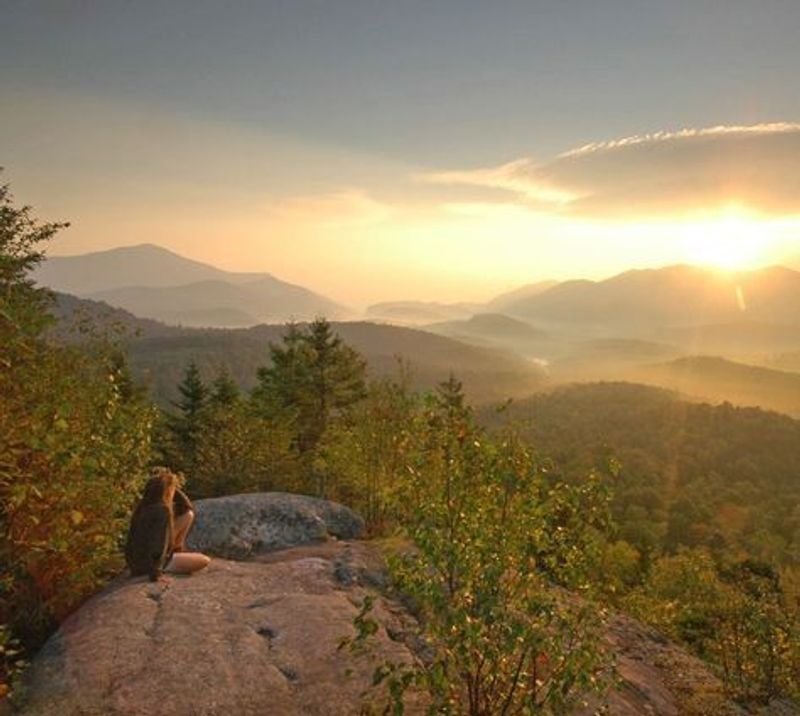
Good gear makes the difference between squinting and seeing. Binoculars belong around your neck, and a wildlife guidebook helps you sort tracks, rubs, and scrapes.
Dress in layers built for cold mornings. Wool and fleece beat cotton every time in November air.
Patience does most of the work. Early morning and late afternoon deliver the best odds, so plan to sit still longer than feels comfortable. Movement gives you away faster than scent in many cases.
Keep a respectful distance from every animal you meet. Rutting bucks act unpredictably, and closing the gap helps nobody.
Stay on marked trails and follow Leave No Trace habits. Pack out what you bring in, including apple cores and tissue.
Never feed wildlife. Not once, not a little, not even for a photo.
Park rules exist to protect both you and the deer, so read posted signs before you head out. Follow them and the forest keeps working the way it has for generations.
Do all that, and Upstate New York will hand you a November morning you will describe to people for years.