
This Utah State Park Is Hiding A Beach That Looks Almost Too Pretty To Be Real
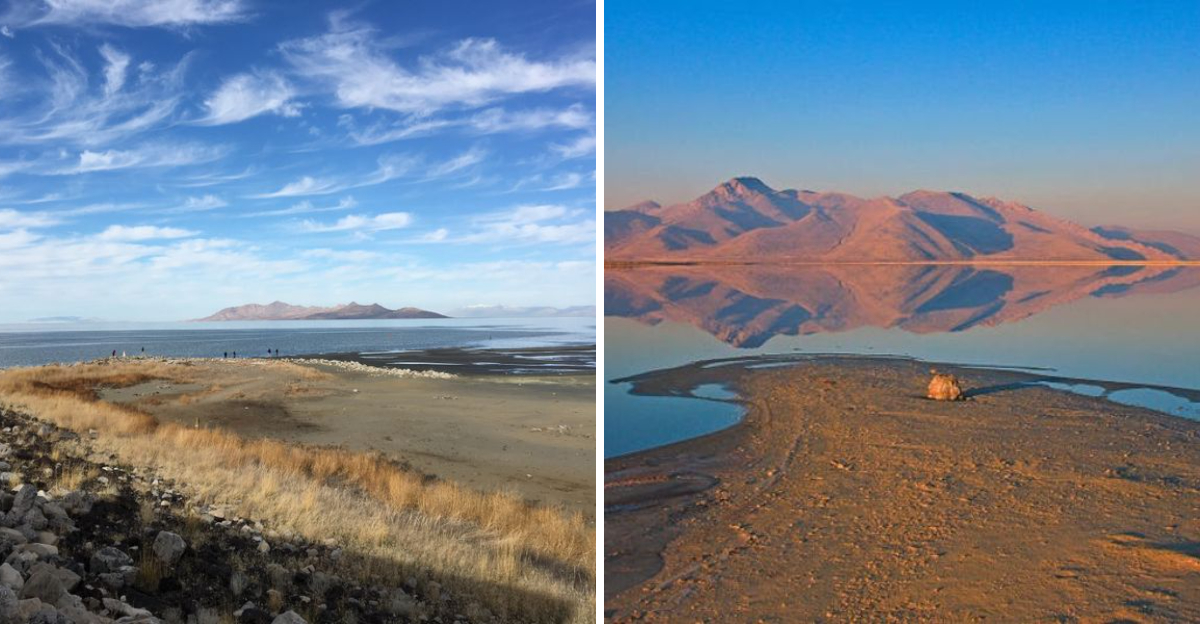
Great Salt Lake State Park stretches across 1,700 acres of Utah’s most surprising landscape, where saltwater beaches meet desert mountains in ways that seem impossible. Located just west of Salt Lake City, this park offers something you wouldn’t expect to find in a landlocked state: a genuine beach experience complete with buoyant swimming and endless horizons.
The shoreline here rivals coastal destinations with its dreamy sunsets, mirror-like reflections, and otherworldly atmosphere that photographers and nature lovers can’t stop talking about.
A Beach In Utah? The Great Salt Lake Delivers The Surprise
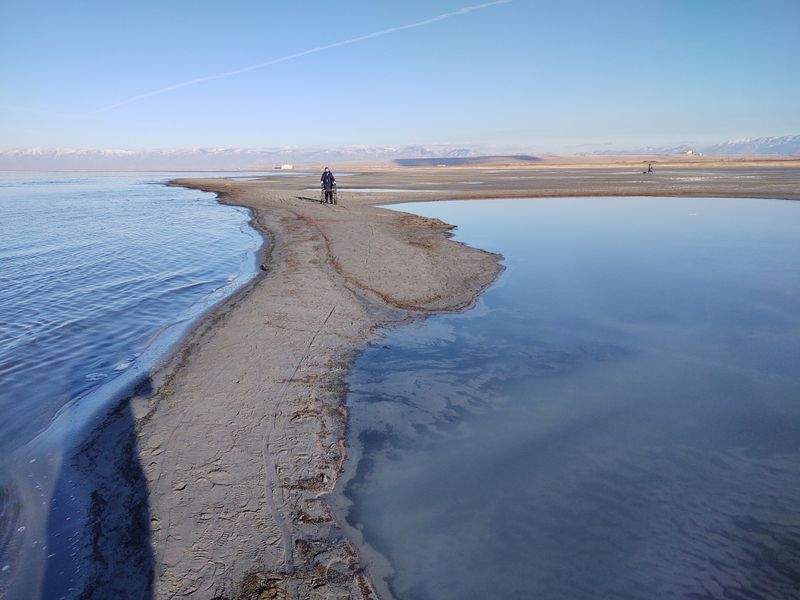
Most people associate beaches with ocean waves and salty sea breezes, but Utah has quietly been hiding its own version along the shores of the Great Salt Lake. Great Salt Lake State Park at 13312 W 1075 S, Magna, proves that landlocked states can deliver genuine beach experiences.
The sandy shoreline stretches wide enough for walking, relaxing, and wading into water that feels nothing like a typical freshwater lake.
What makes this beach so unexpected is how complete the experience feels. You get the horizon line where water meets sky, the texture of salt-crusted sand beneath your feet, and the sense of standing at the edge of something vast.
Visitors often arrive skeptical and leave converted, surprised that a state known for skiing and red rocks can also offer a beach day.
The park’s beach access points make it easy to explore different sections of shoreline. Whether you’re searching for solitude or a spot to spread out a towel, the lake’s edge provides plenty of room to claim your own patch of sand.
This State Park Sits On One Of The Saltiest Lakes On Earth
Great Salt Lake ranks among the world’s saltiest bodies of water, with salinity levels that fluctuate between 5 and 27 percent depending on location and season. For comparison, ocean water typically contains about 3.5 percent salt.
This extreme saltiness creates an environment so unique that only specialized organisms like brine shrimp and certain algae species can survive here.
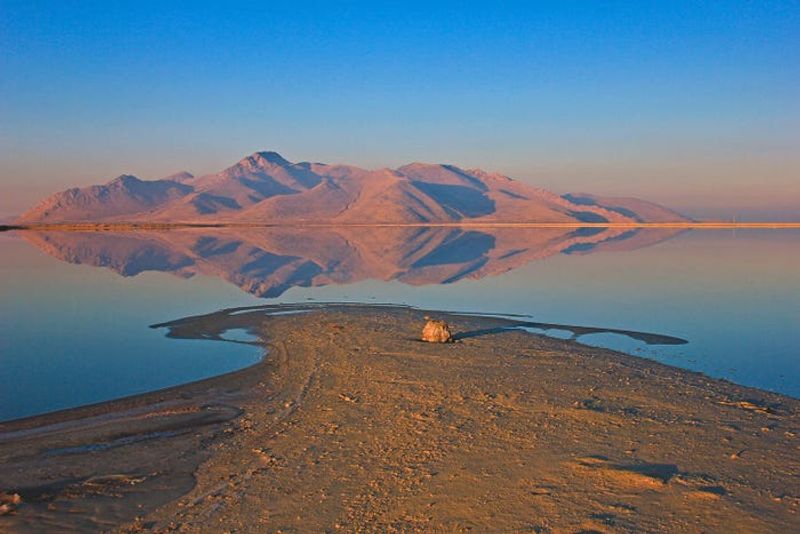
The high salt content transforms the entire ecosystem into something you won’t find anywhere else in North America. Mineral deposits form delicate crusts along the shoreline, creating patterns that look almost artistic.
The water itself feels different when you touch it—denser, silkier, and noticeably heavier than regular lake water.
Scientists and curious visitors alike find endless fascination in studying how this saline environment functions. The lake’s chemistry shifts with weather patterns, water levels, and seasonal changes, making each visit potentially different from the last.
Standing at the edge of such a mineral-rich body of water reminds you that Earth still holds plenty of extraordinary natural laboratories worth exploring.
The Shoreline Looks Dreamy—Especially At Sunset
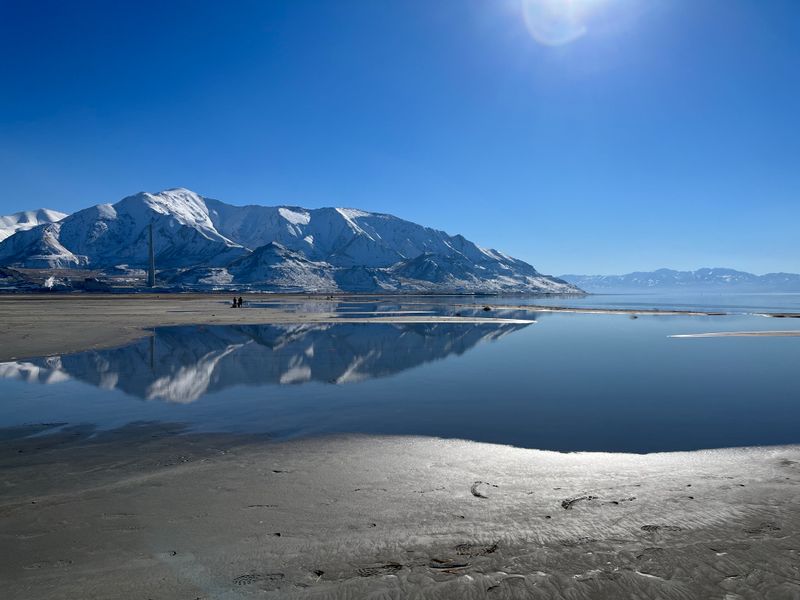
Sunset hours transform Great Salt Lake State Park into a photographer’s paradise, with colors that seem almost too vibrant to be real. The low angle of evening light catches the lake’s surface and turns it into a giant mirror, reflecting oranges, pinks, and purples across the water.
Mountains frame the scene in dark silhouettes, adding depth and drama to compositions that practically shoot themselves.
What makes these sunsets particularly special is how the salt flats and shallow water amplify the colors. Light bounces between sky and lake, creating double reflections that blur the line between what’s above and what’s below.
On calm evenings, the water becomes so still that it’s genuinely difficult to tell where the horizon actually sits.
Regular visitors often plan their trips specifically around golden hour, arriving an hour before sunset to claim their viewing spot. The park’s western-facing shoreline provides unobstructed views across miles of open water, with nothing to block the sun’s final descent.
Even if you’re not a serious photographer, these evening displays offer moments worth pausing for.
Floating Comes Easy Thanks To The Lake’s Natural Salinity
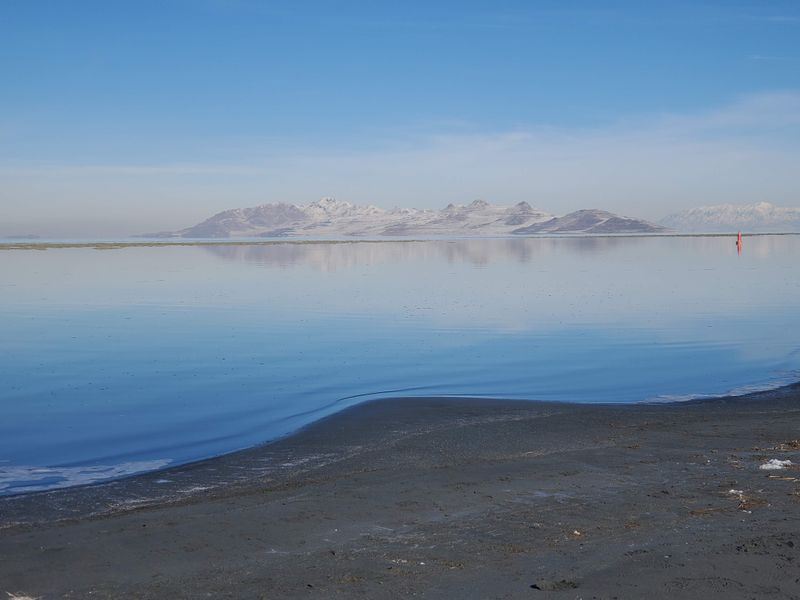
Swimming in the Great Salt Lake feels less like swimming and more like bobbing effortlessly on the surface like a cork. The extreme salt concentration creates buoyancy so strong that sinking becomes nearly impossible, even if you try.
First-time floaters often laugh at how strange it feels to sit upright in the water without any effort, legs dangling beneath them without touching bottom.
This natural buoyancy makes the lake accessible to swimmers of all skill levels. You don’t need to tread water or work to stay afloat—the lake does that job for you.
People who feel nervous in deep water often find the experience liberating, since staying on the surface requires zero energy or technique.
The park provides outdoor showers for rinsing off afterward, which you’ll definitely want to use. Salt dries on your skin quickly and leaves a noticeable residue that feels tight and crusty.
But the actual floating experience itself creates memories that stick with people long after the salt washes away, making it one of those must-try activities that lives up to its reputation.
The Water And Sky Blur Together In The Prettiest Way
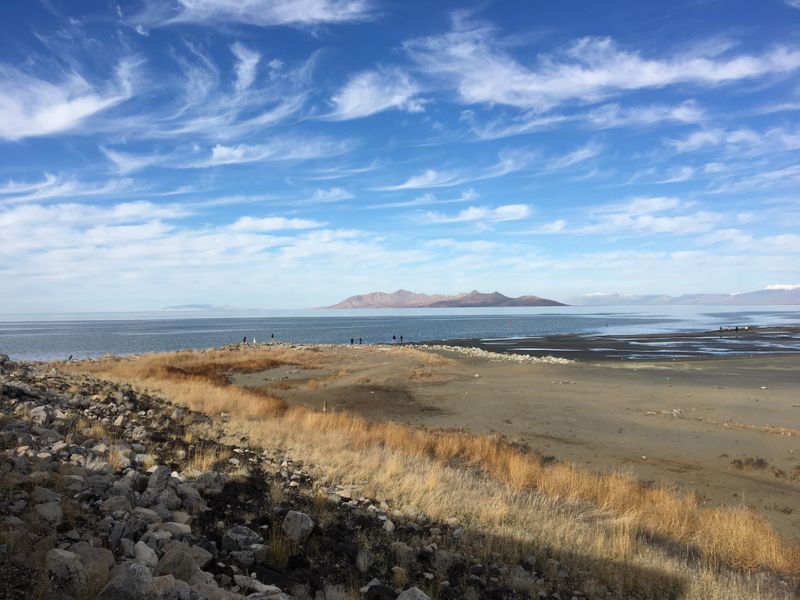
On perfectly still days, Great Salt Lake creates optical illusions that challenge your depth perception and sense of direction. The water’s reflective surface becomes indistinguishable from the sky, forming seamless transitions that photographers call “mirror effects.” Birds flying overhead appear to have twins flying beneath them, and distant mountains seem to float suspended in space rather than resting on solid ground.
These mirror moments happen most reliably during early morning and late evening hours when winds die down. The lake’s shallow depth near shore and high mineral content contribute to the exceptional clarity of reflections.
Even clouds reproduce themselves perfectly on the water’s surface, creating compositions that look digitally enhanced but are completely natural.
Artists and photographers travel specifically to capture these surreal conditions, though you don’t need professional equipment to appreciate the beauty. Simply standing at the shoreline and watching sky and water merge provides a meditative experience that feels both calming and slightly disorienting.
The effect reminds visitors that nature can create visual magic without any help from filters or editing software.
It’s One Of The Closest Beach Escapes To Salt Lake City
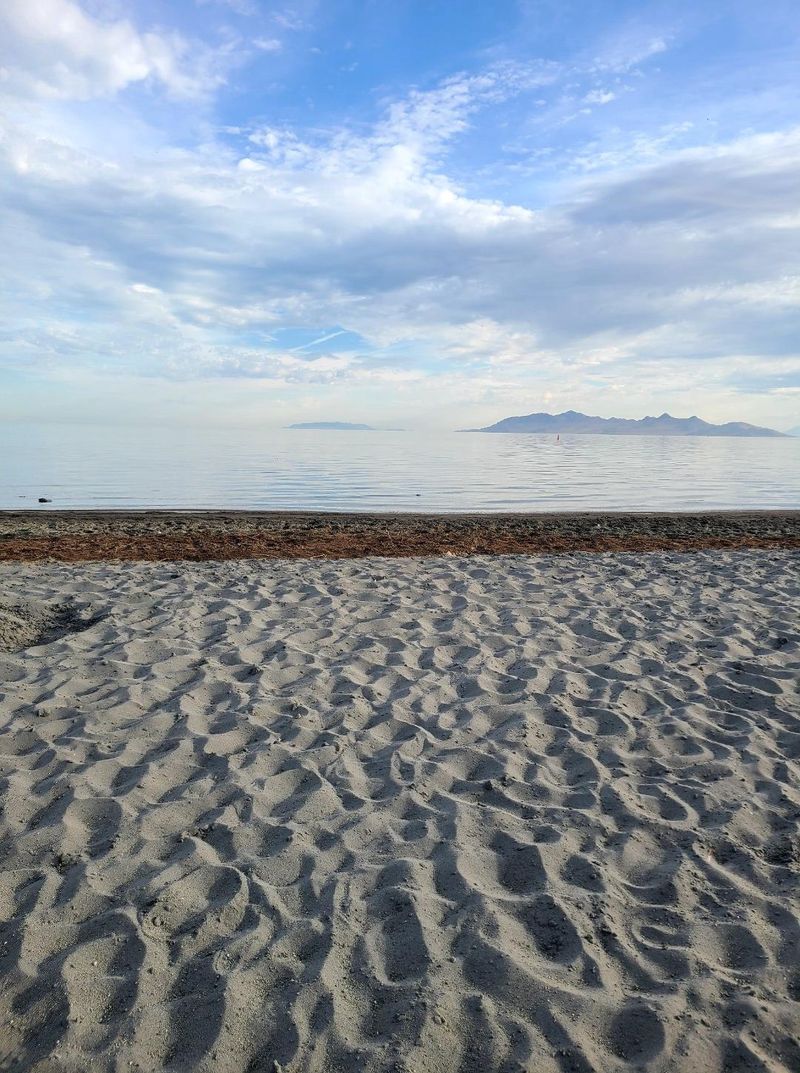
Great Salt Lake State Park sits just 20 miles west of downtown Salt Lake City, making it remarkably accessible for a quick beach escape. The drive takes roughly 30 minutes under normal traffic conditions, which means you can decide to visit on a whim rather than planning an elaborate day trip.
For urban residents craving water and open horizons, this proximity makes the park a valuable resource that gets overlooked too often.
Unlike coastal beach destinations that require hours of driving or expensive flights, this state park delivers a genuine shoreline experience within easy reach of Utah’s largest population center. Families can pack up after breakfast and arrive before mid-morning.
Office workers sometimes stop by after work to catch sunset, turning an ordinary weekday evening into something memorable.
The convenience factor shouldn’t be underestimated, especially for visitors exploring Salt Lake City who want to add natural diversity to their itinerary. You can tour Temple Square in the morning and float in saline water by afternoon, experiencing two completely different sides of Utah in a single day without excessive driving or complicated logistics.
Birdlife And Open Water Make It Feel Wild And Peaceful
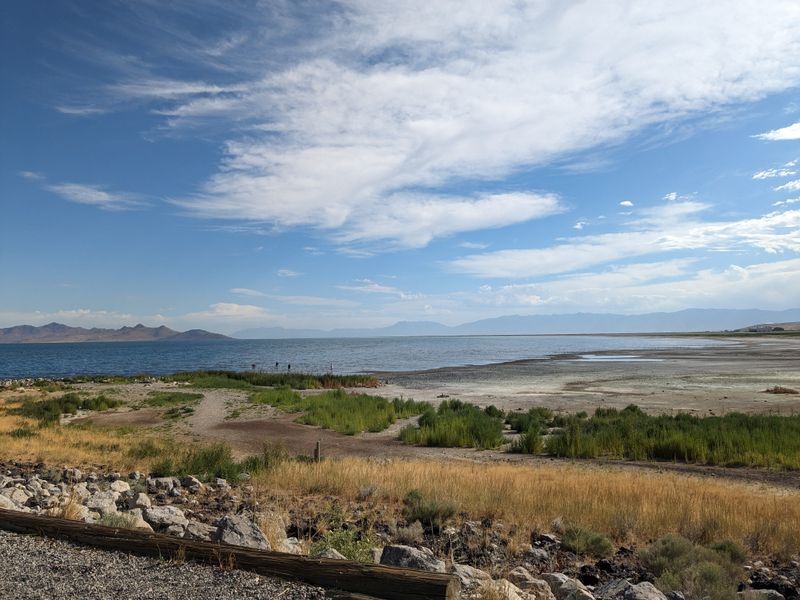
Great Salt Lake serves as a critical habitat for millions of migratory birds, and the state park provides front-row seats to this avian spectacle. Species like pelicans, gulls, avocets, and sandpipers gather along the shoreline and shallow waters, creating constant motion and sound.
Birdwatchers bring binoculars and field guides to identify species they might not encounter anywhere else in their travels.
The combination of abundant birdlife and vast open water creates an atmosphere that feels genuinely wild despite the park’s proximity to urban areas. Standing at the water’s edge, you can watch flocks wheel across the sky while waves lap gently at salt-crusted rocks.
The sounds of bird calls mix with wind and water, forming a natural soundtrack that drowns out any awareness of nearby civilization.
This peaceful wildness attracts visitors seeking mental breaks from busy schedules and crowded spaces. The park’s openness provides visual relief—nothing but sky, water, and distant mountains for miles.
Even during busier summer months, the shoreline offers enough space that you can find solitary spots to sit and simply observe nature doing what it does best.
You Don’t Need An Ocean For A Real Beach Day Here
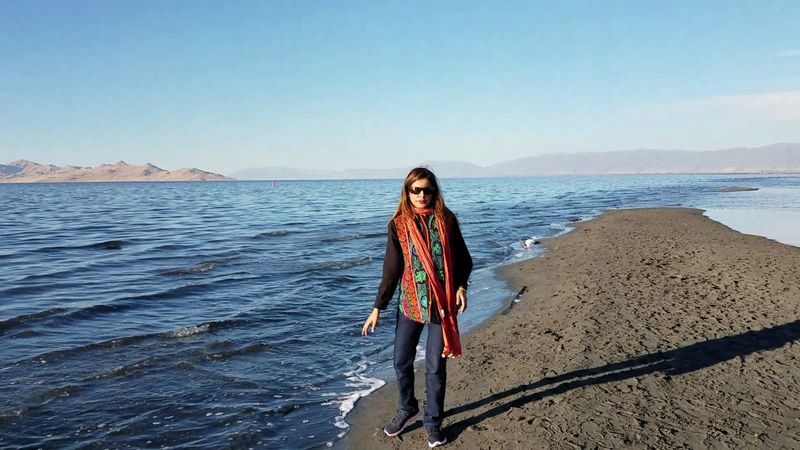
Beach experiences don’t require crashing waves or salty ocean breezes to feel authentic, and Great Salt Lake State Park proves this point convincingly. The park delivers all the essential beach elements: sand beneath your feet, water stretching to the horizon, sunshine warming your shoulders, and that particular sense of being at the edge of something vast.
What you’re missing in surf, you gain in novelty and uniqueness.
Families spread towels on the sand, wade into the shallows, and build memories that rival any coastal vacation. The absence of strong currents or large waves actually makes the experience more relaxing for parents with young children.
You can focus on floating, exploring the shoreline, or simply soaking up sun without worrying about undertow or rogue waves.
The lake’s beach experience also includes elements you won’t find at the ocean—the strange sensation of hyper-buoyant water, the stark beauty of salt formations, and the backdrop of desert mountains. These differences make the visit feel more like an adventure than a standard beach trip, offering something genuinely new even to well-traveled beach enthusiasts.
Warm Months Turn This Quiet Shoreline Into A Local Favorite
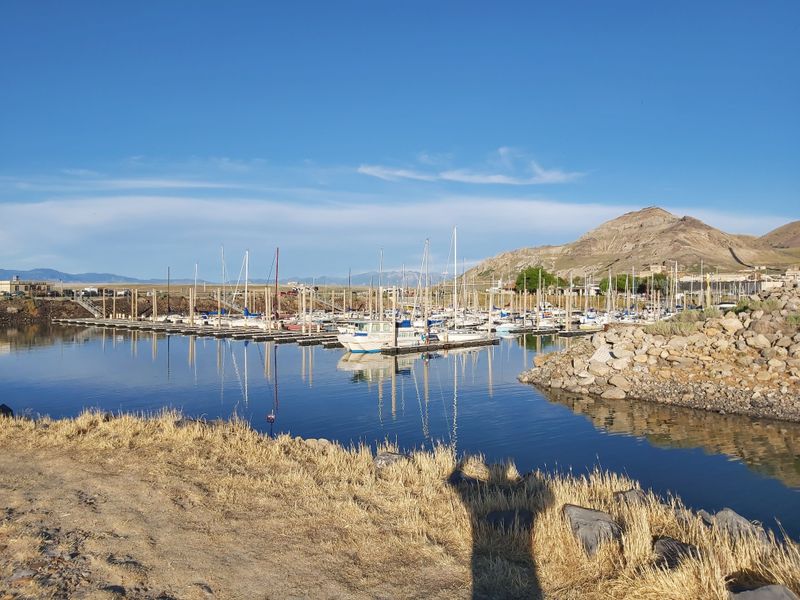
Summer brings Great Salt Lake State Park to life as temperatures climb and locals seek water-based relief from desert heat. Memorial Day through Labor Day marks the park’s busiest season, when campgrounds fill up and beach areas see steady traffic throughout weekends.
The warm months transform this relatively quiet location into a gathering spot where Utah residents come to swim, boat, and enjoy lakeside picnics.
Water temperatures rise comfortably during these months, making extended floating sessions pleasant rather than teeth-chattering. The longer daylight hours of summer also mean visitors can arrive late in the afternoon and still enjoy several hours of sunshine before those famous sunsets begin.
Campers appreciate the mild evening temperatures that make sleeping outdoors genuinely comfortable rather than an exercise in endurance.
Local knowledge spreads through word of mouth, with Utah residents sharing their favorite spots and ideal visiting times with friends and family. The park develops a neighborhood feel during summer, with repeat visitors recognizing familiar faces and claiming their preferred stretches of shoreline.
This seasonal transformation shows how the park functions as a genuine community resource, not just a tourist attraction.
Photography Lovers Swear By The Colors And Reflections
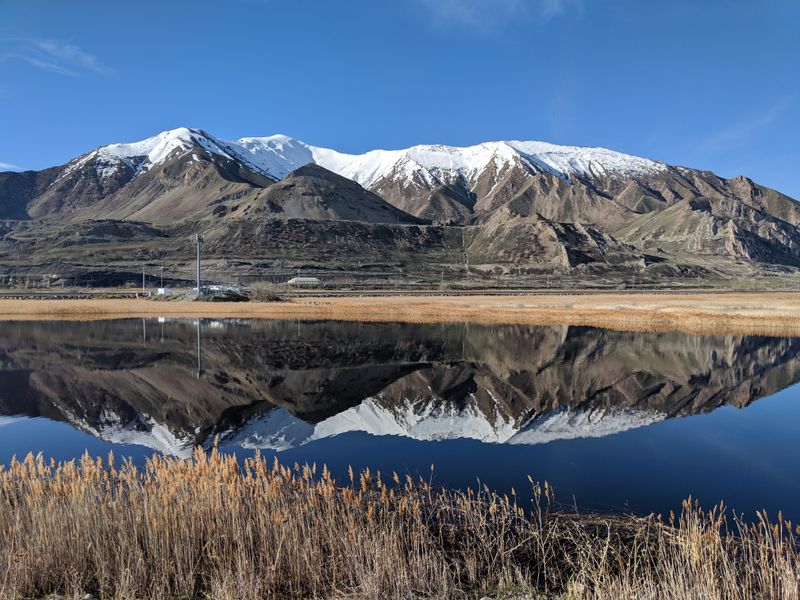
Photographers consider Great Salt Lake State Park a treasure trove of visual opportunities, from abstract salt patterns to sweeping landscape compositions. The unique color palette shifts throughout the day—turquoise water in midday sun, golden tones during magic hour, and sometimes pink or red hues created by algae blooms.
These natural colors require minimal editing to look spectacular, which appeals to both amateur smartphone photographers and serious professionals.
The reflections alone justify the trip for many shutterbugs, who return repeatedly trying to capture that perfect mirror moment. The lake’s surface can reflect mountains, clouds, and sky with such clarity that images require careful examination to determine which half shows reality and which shows reflection.
Salt formations along the shore provide textural foreground elements that add depth and interest to compositions.
Social media has amplified the park’s photographic reputation, with stunning images circulating widely and inspiring new visitors to see the scenery firsthand. But the photography community also appreciates that the park remains relatively uncrowded compared to Utah’s more famous landmarks, allowing time and space to work on compositions without competing for angles or waiting for crowds to clear.
This Park Proves Utah’s Landscapes Still Know How To Surprise
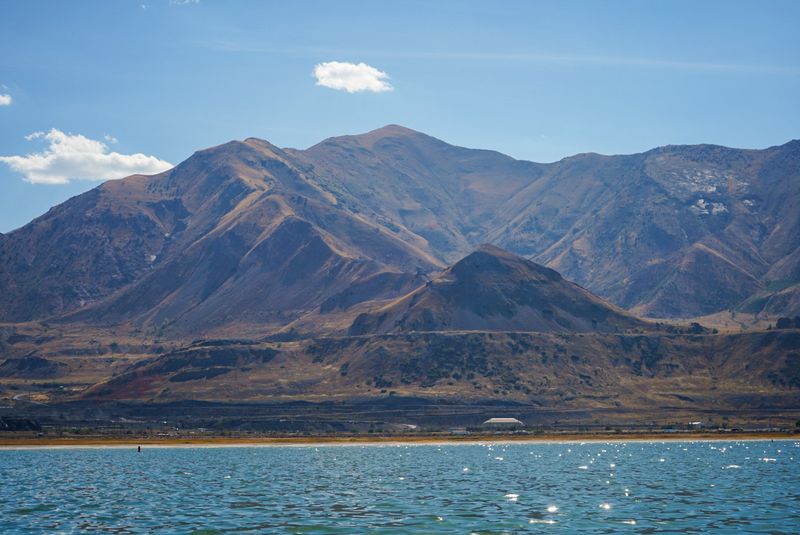
Utah has built its reputation on red rock arches, powder skiing, and slot canyons—landscapes that feel distinctly desert and mountain. Great Salt Lake State Park doesn’t fit that familiar narrative, which makes it all the more valuable for travelers seeking the unexpected.
The park demonstrates that Utah contains multitudes, offering experiences that challenge assumptions about what this state looks like and what adventures it can provide.
Even longtime Utah residents sometimes admit they’ve overlooked the Great Salt Lake in favor of more famous destinations. But those who finally visit often express surprise at how compelling and beautiful the experience turns out to be.
The park delivers scenery and activities that feel fresh and different, proving that familiar places can still hold secrets worth discovering.
This element of surprise enhances the overall experience, adding a layer of delight to the visual beauty and recreational opportunities. Visitors leave with stories about floating effortlessly in super-salty water and watching sunsets that rival anything they’ve seen at the ocean.
The park reminds us that sometimes the best adventures happen when we venture slightly off the well-worn tourist paths.