
This West Virginia Lake Is Known For Its Growing Snake Population And What Visitors Should Know
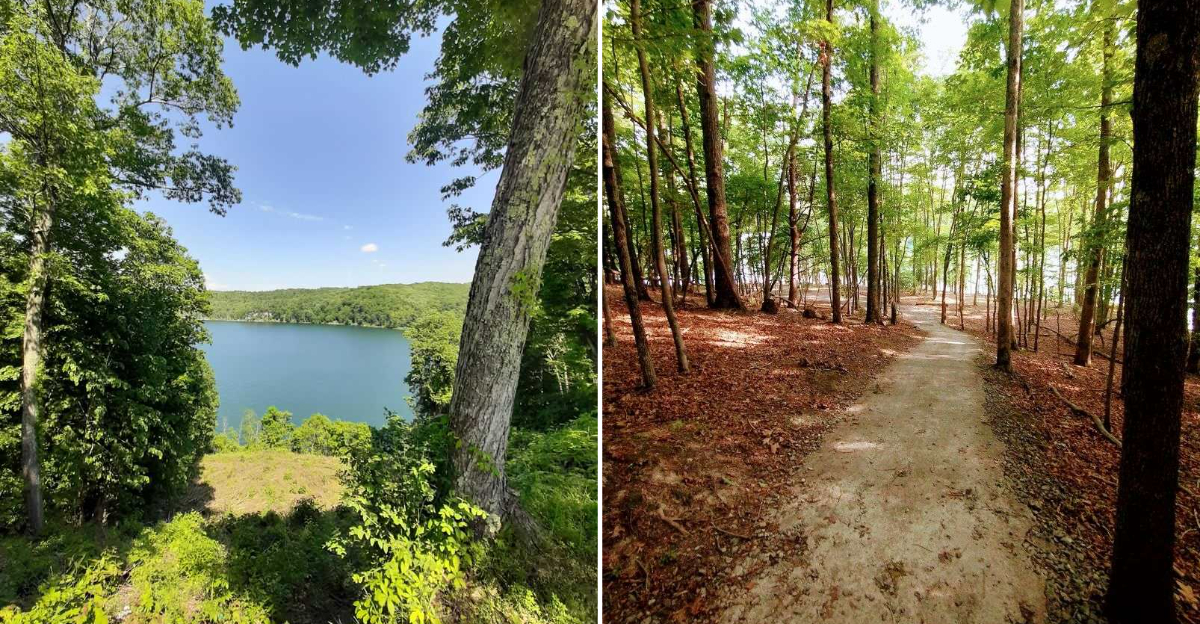
There’s no need to panic when it comes to a growing snake population, just a few important things worth knowing beforehand. This West Virginia lake has seen a noticeable rise in sightings over recent years.
Wildlife officials tracked the increase across the area compared to previous seasons. Warmer temperatures likely played a role, extending snake activity further into the year than usual.
Wooded shorelines and rocky areas tend to see the highest concentrations, especially near the water’s edge. Visitors report more frequent encounters lately, sometimes even along popular swimming and fishing spots.
Officials recommend basic precautions like watching where you step and avoiding tall grass near the shore. This lake remains worth visiting, provided guests stay aware of exactly what shares the water with them.
Common Snake Species In West Virginia Lakes
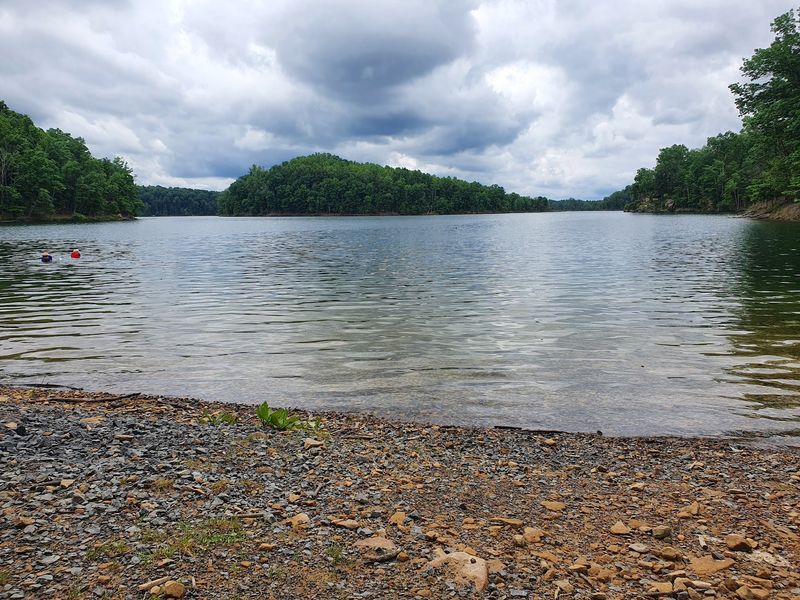
Twenty-three snake species call West Virginia home, and a good handful of them like being near water. The one people meet most often around this lake is the northern water snake, the state’s only true water snake.
Colors run from light grayish-brown to nearly black, with darker bands crossing the body. Older ones can look almost uniformly dark, which is exactly why they get misidentified so often.
Common garter snakes show up along grassy shorelines, sometimes gliding across shallow coves like tiny torpedoes. Eastern rat snakes climb, swim, and occasionally startle campers by draping themselves over a low branch.
Queen snakes are the specialists of the group. They hunt soft-shelled crayfish almost exclusively, which means they hang out where rocky stream margins meet the lake.
Eastern ribbon snakes are slim and striped, built for slipping through wet vegetation without a sound. Eastern milk snakes prefer drier cover nearby, tucking under logs and rock piles.
Every single one of those species is non-venomous. They are also all decent swimmers, which is precisely how rumors about mystery water snakes get started.
Learning two or three of these on sight changes the whole vibe of a shoreline walk. Suddenly a slither in the brush becomes wildlife watching instead of an emergency.
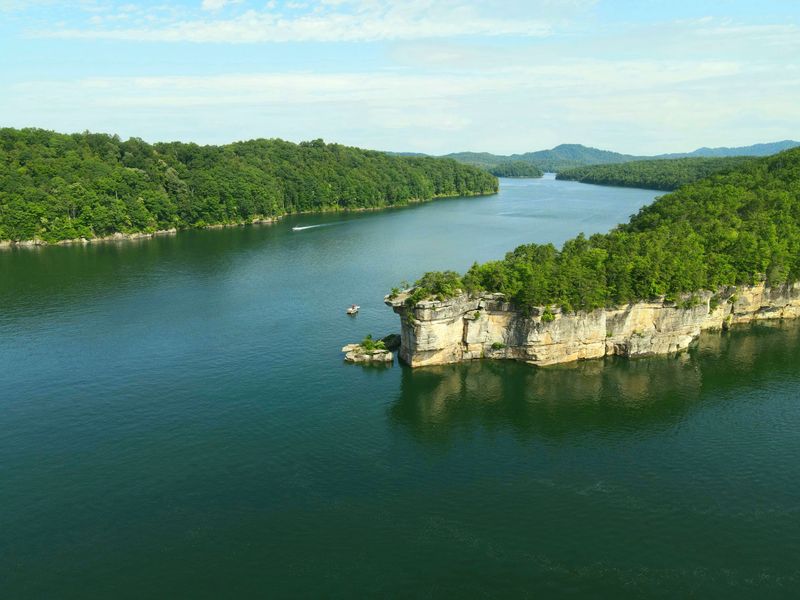
You can find these residents throughout Summersville Lake in West Virginia.
Snake Behavior Around Freshwater Environments
Freshwater is basically a snake buffet. Fish, frogs, tadpoles, salamanders, and aquatic bugs all crowd into the shallows, and predators follow the food.
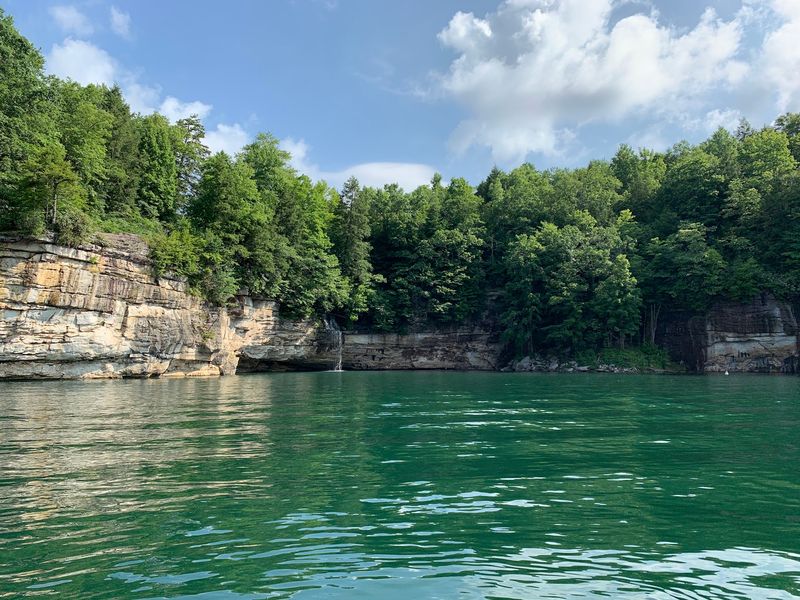
Most of the action happens along edges rather than out in open water. Rocky rims, shallow coves, marshy pockets, and shaded banks give snakes both hunting ground and escape routes.
Watching one swim is genuinely impressive. The head stays above the surface while the body ripples sideways, and the whole thing moves faster than it looks.
Northern water snakes will wander onto land, but rarely far. A few feet of shoreline is usually the limit before they slide back toward safety.
Basking is the other big activity. Flat rocks, fallen logs, and warm concrete near boat ramps all get used as reptile sunbeds through the middle of the day.
Sometimes several will pile together at a good basking spot, especially in spring. Outside of those moments, they mostly go about life alone.
Here is the part that surprises people: a snake in the water is usually trying to leave the situation, not join it. Splashing and shouting just confuses everyone involved.
Give it a clear path and the whole encounter ends in seconds. That is the entire secret, and it works nearly every time on a busy summer shoreline.
Seasonal Changes Influencing Snake Activity
Cold-blooded means the weather calls the shots. Snakes borrow warmth from rocks, sunlight, and air instead of making their own.
Activity really picks up from April through October. Temperatures near 85 degrees are close to ideal for moving, hunting, and digesting a meal.
Spring mornings are prime basking time. Snakes emerge from winter shelters skinny and hungry, and they park themselves on any sunlit surface they can find.
Midsummer flips the script. When the sun gets brutal, they retreat into shade under boulders, brush, and overhanging banks, which is exactly where a hand or foot might land carelessly.
Warm evenings bring another wave of movement. A flashlight around camp after dark is a small habit that pays off nicely.
Fall brings the last big push. Cooler nights push snakes toward rocky slopes and south-facing ledges where they soak up whatever heat remains.
Then winter arrives, and they essentially vanish. Hibernation in rock crevices and underground dens conserves energy until spring, so cold-weather campers rarely see one.
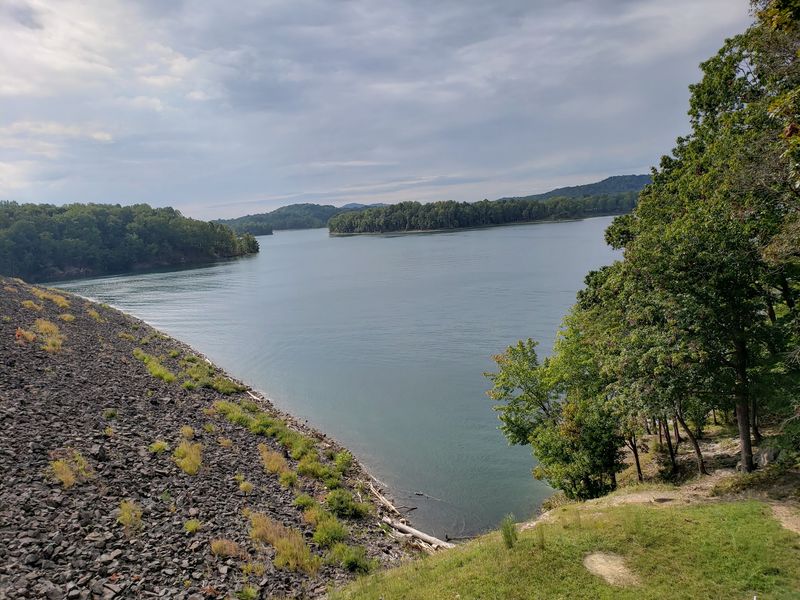
Fun timing note: the lake level drops in fall for whitewater releases, opening up gorge floors to explorers. That newly exposed rocky ground is the same terrain snakes love, so autumn hikers should still watch their step.
Safety Precautions For Lake Visitors
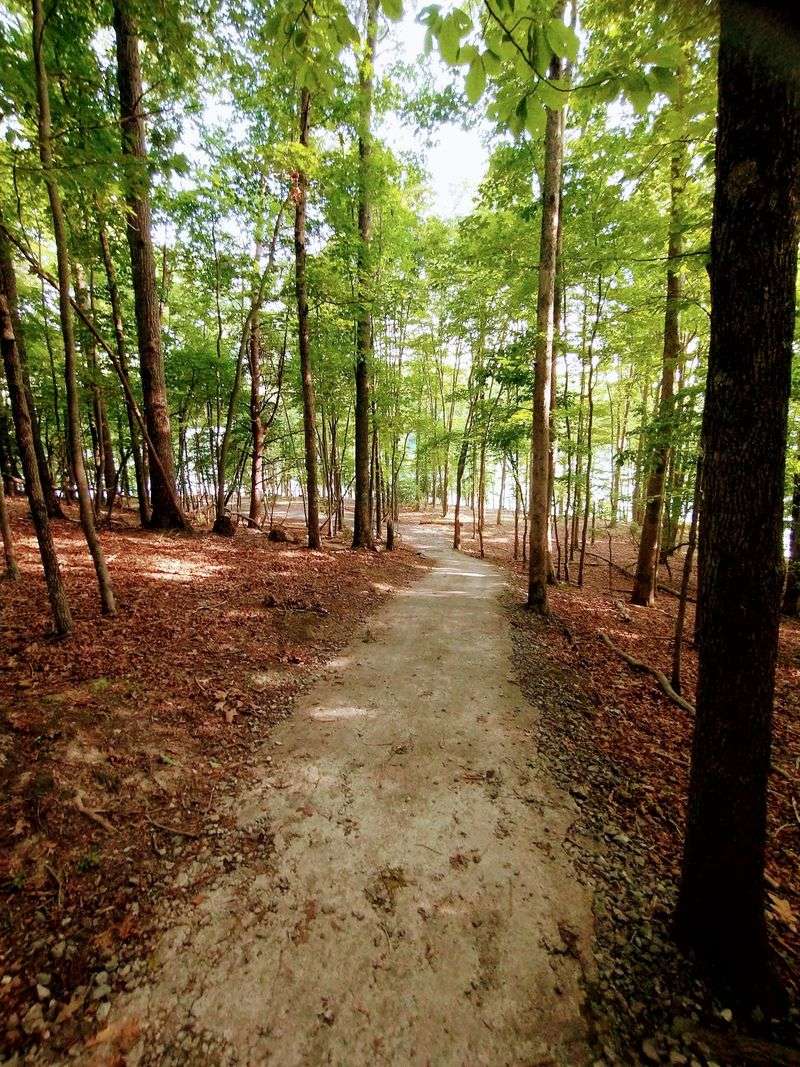
Nobody has ever been chased by a snake. That mental image comes from movies, not from reality on a West Virginia shoreline.
Snakes want distance. Freeze, spot where it is, then back away slowly and give it several yards of space.
Footwear matters more than most people think. Closed-toe shoes, thick socks, and long pants cover the exact areas that get bitten most often.
Hands and feet deserve attention too. Stepping over a log without looking on the far side is one of the classic mistakes on trails like Long Point.
Rock climbers and cliff scramblers should peek before grabbing a ledge. Warm crevices make excellent snake real estate.
Campers benefit from tidy sites. Firewood piles, gear left in the grass, and food scraps that attract mice all quietly invite reptile visitors.
Never grab or try to poke one. Bites happen most often to people who decide to be heroes.
Swimmers rarely have trouble, since boat traffic and splashing keep snakes away from busy beaches. Quiet coves are a different story, so scan sunny rocks before climbing out.
Simple awareness handles ninety-nine percent of it. Panic causes more injuries than fangs ever do.
Snake Habitat Preferences Near Water Bodies
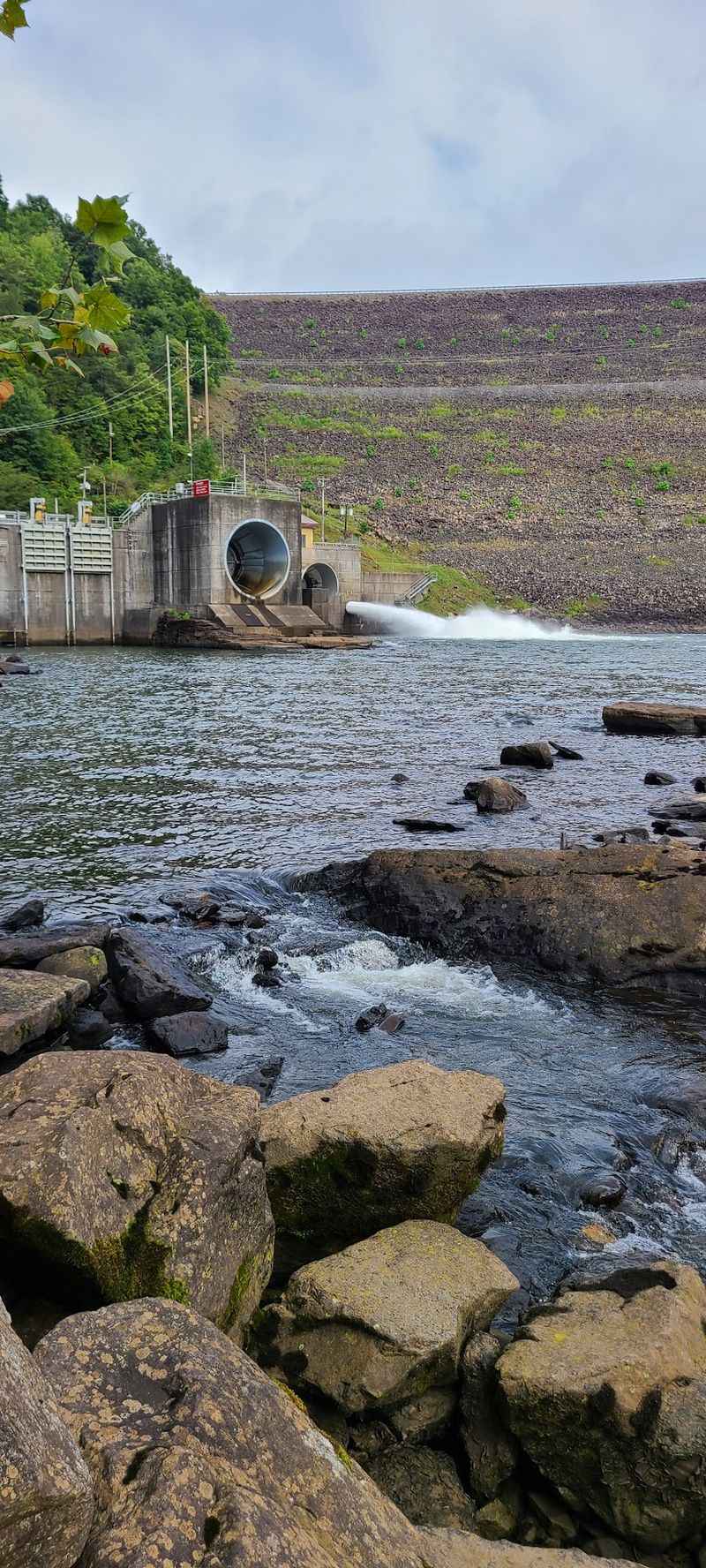
Sixty miles of shoreline is a lot of real estate, and snakes are picky tenants. They want three things close together: cover, sun, and dinner.
Riprap along dam structures and boat ramps checks every box. Loose stone creates cool tunnels below and hot flat surfaces above.
Fallen timber is another favorite. Those floating and submerged logs that boaters watch out for came from the forests flooded when the reservoir filled, and they double as reptile highways.
Thick aquatic plants in shallow coves hide small fish and frogs. Where prey gathers, predators settle in nearby.
Brushy banks and undercut ledges give snakes fast escape options. A creature with no legs really values a back door.
Queen snakes and small water snakes work the stream margins feeding into the lake. Flip a flat rock there and you might find one, though leaving rocks alone is the better plan.
Human-made habitat counts too. Mulched flowerbeds, stacked firewood, tarps left on the ground, and gaps under camp storage sheds all make cozy hideouts.
Recognizing these spots is oddly useful. Instead of scanning everywhere nervously, you can focus attention on the handful of places where a snake would actually choose to be.
Impact Of Snakes On Local Ecosystems
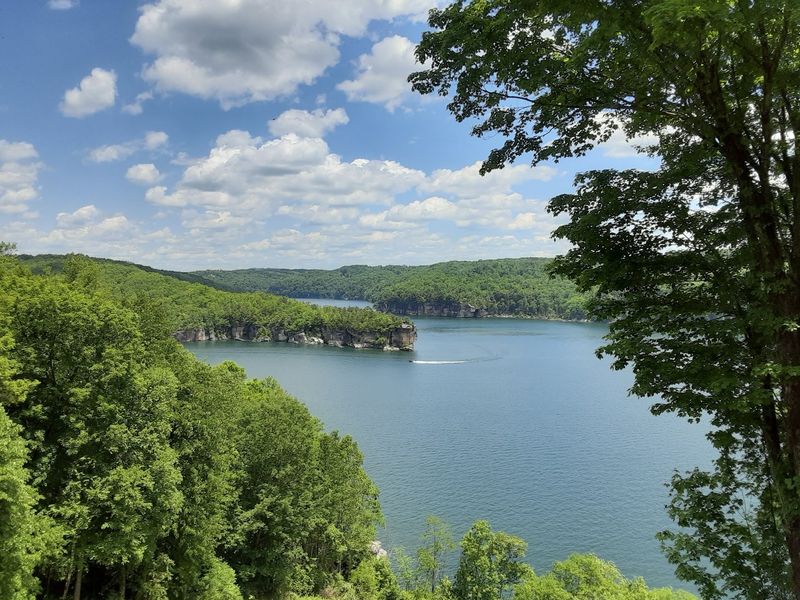
Here is a strange thought: snakes may be protecting your camping trip from disease. Rodents carry Hantavirus and host the ticks that spread Lyme disease, and snakes eat rodents relentlessly.
One rat snake can clear out a surprising number of mice over a season. No paycheck, no complaints, just steady pest control.
Water snakes handle the aquatic side. They target sick, slow, and overabundant fish, which quietly helps keep populations balanced.
Frogs, salamanders, crayfish, and insects all appear on the menu depending on the species. Nothing in an ecosystem goes unused for long.
Snakes are also prey themselves. Hawks, owls, herons, foxes, raccoons, and larger snakes all count on them as food.
Forests benefit indirectly. Fewer rodents means fewer seedlings chewed to the ground, which supports the woods lining these shores.
Remove snakes from the picture, and things get messy fast. Rodent booms lead to crop damage, more disease risk, and campgrounds overrun with unwelcome guests.
Which makes the whole fear reaction a little unfair. The animal most people want gone is one of the reasons the surrounding forest stays healthy, and the mice stay out of tents.
Respecting that role costs nothing. It also makes the wildlife around this reservoir far more interesting.
Identifying Venomous Snakes In The Region
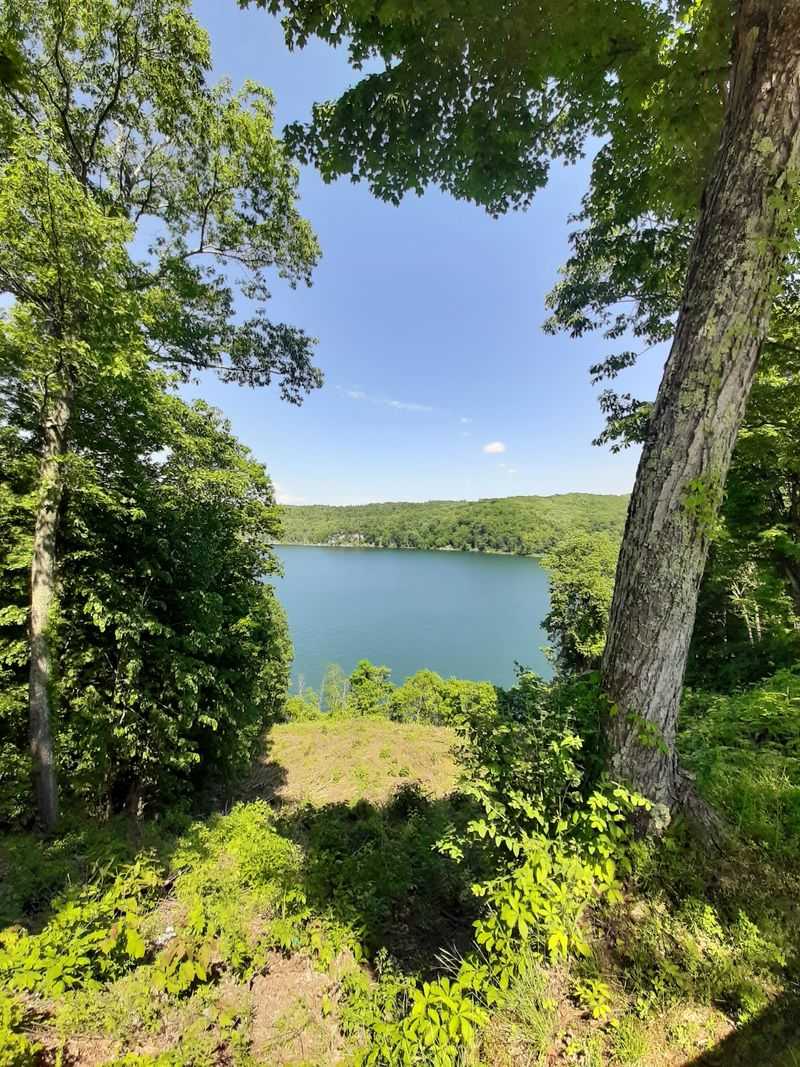
Only two of West Virginia’s twenty-three snake species are venomous. Those odds are worth remembering the next time something rustles in the leaves.
The northern copperhead is the more common of the pair. Copper-toned body, darker crossbands shaped like hourglasses or Hershey’s Kisses when viewed from the side.
Copperheads rely on camouflage instead of speed. Sitting motionless on fallen leaves is their whole strategy, which is why watching where you step matters.
Timber rattlesnakes are the state reptile and much less frequently seen. They favor rocky, mountainous ground, and their colors range from yellow to nearly black.
The rattle is the giveaway. Nothing else in the region has one, though a rattlesnake may sit silently rather than announce itself.
Pupil shape offers another clue. Venomous species here have vertical, catlike pupils, while harmless species have round ones, but that requires being far too close.
Water snakes get blamed constantly for being copperheads. Their banding is wider at the back and narrower along the belly, essentially the opposite pattern.
Honest advice beats amateur identification every time. Treat every unknown snake as one to admire from a comfortable distance, and the question stops mattering.
No cottonmouths live in West Virginia, by the way. That rumor circulates every summer and remains completely false.
How To Safely Observe Snakes In The Wild
Snake watching is a legitimate hobby, and honestly a pretty rewarding one. All it requires is patience and a healthy respect for personal space.
Distance is the entire game. Several yards keeps everyone relaxed, and a zoom lens or phone camera handles the close-up for you.
A walking stick tapped lightly ahead on brushy trails gives hidden snakes warning. Most will slip away before you ever notice them.
Sticking to established paths helps too. Orange Run and Long Point wind past exactly the rocky, sunny terrain where sightings happen.
Morning hours in spring and fall offer the best odds. Basking snakes stay put longer when the air is still cool.
Resist the urge to flip every rock. Cover objects are shelter, and repeatedly disturbing them stresses the animals that live underneath.
Never touch, capture, or relocate one. Handling attempts account for the majority of bites, and moving a snake usually just leaves it lost and vulnerable.
Kids do great with a clear rule: point, look, do not reach. Turning it into a spotting game beats teaching fear.
Then let it go on its way. Watching a banded snake ripple across clear green water toward a sunlit rock is one of the more underrated sights on this shoreline.