
This Western Massachusetts River Is A Must-Visit For Rockhounds Searching For Jasper And Agate
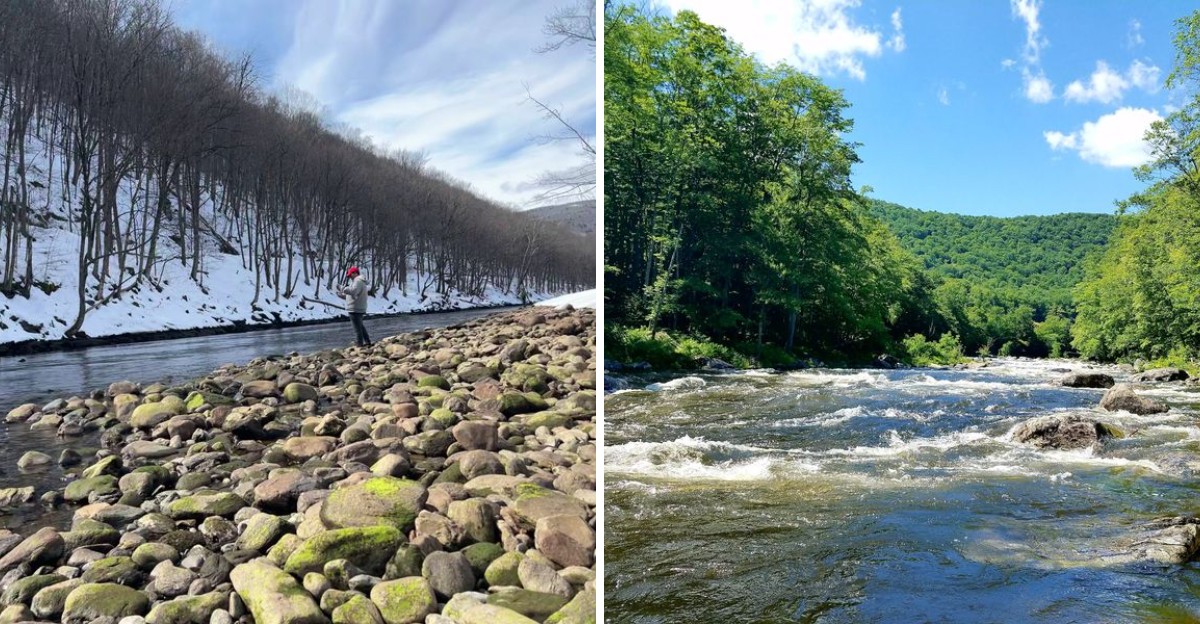
What if the prettiest souvenir from a day outdoors was sitting right under your feet?
Western Massachusetts gives rockhounds a good reason to slow down and study the riverbed. Among the smooth stones and gravel, sharp eyes may spot pieces of jasper, agate, chalcedony, and other colorful finds shaped by years of moving water.
The fun is in the search. One patch of gravel can look completely ordinary until a flash of red, orange, or milky white catches the light.
Then suddenly every stone deserves a second look.
Massachusetts rockhounding does not always require a deep quarry or specialized equipment. Here, patience and curiosity can be just as useful as a rock hammer.
A quiet stretch beside the water can turn into an afternoon of scanning, comparing, and wondering what the next handful of stones might reveal.
The River That Rockhounds Rank First In Massachusetts
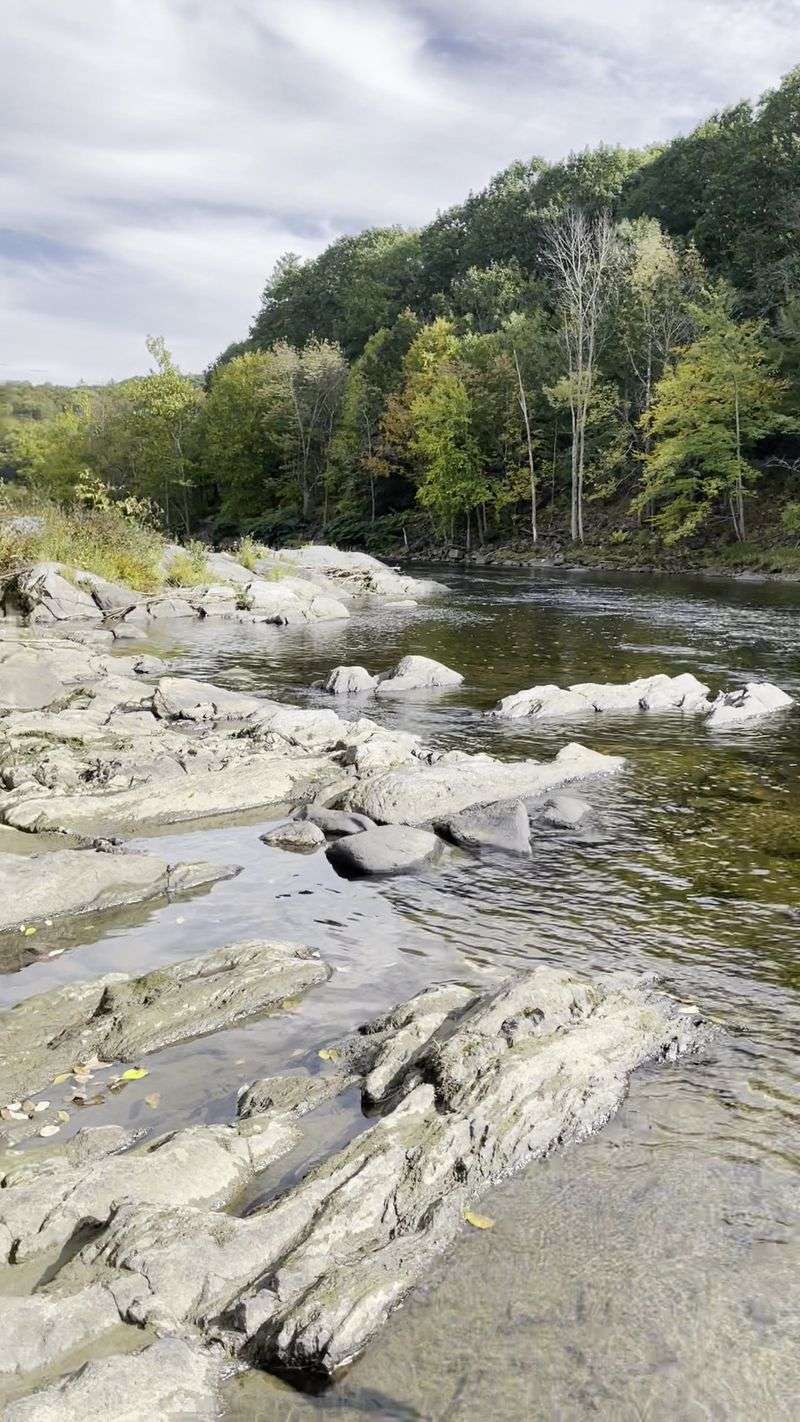
Ask around among stone collectors in New England, and the same name keeps surfacing. The Deerfield River is widely recognized as the top place in Massachusetts to find jasper, agate, and chalcedony.
That reputation was not built on hype. It comes from repeated finds along the river’s course, season after season, by people who know what they are looking at.
What makes the reputation stick is consistency. Gravel bars along accessible bends keep producing waterworn nodules and banded fragments, which is exactly what a collector hopes for.
The stones here are not buried in some secret vault. They sit loose among the cobbles, sorted and polished by moving water over long stretches of time.
For beginners, that accessibility matters more than anything. You do not need to interpret a geology map or haul in gear to have a decent chance at a real find.
Experienced hunters appreciate the variety instead. One handful of gravel might hold plain quartz, then the next reveals a flash of deep red or a ribbon of translucent banding.
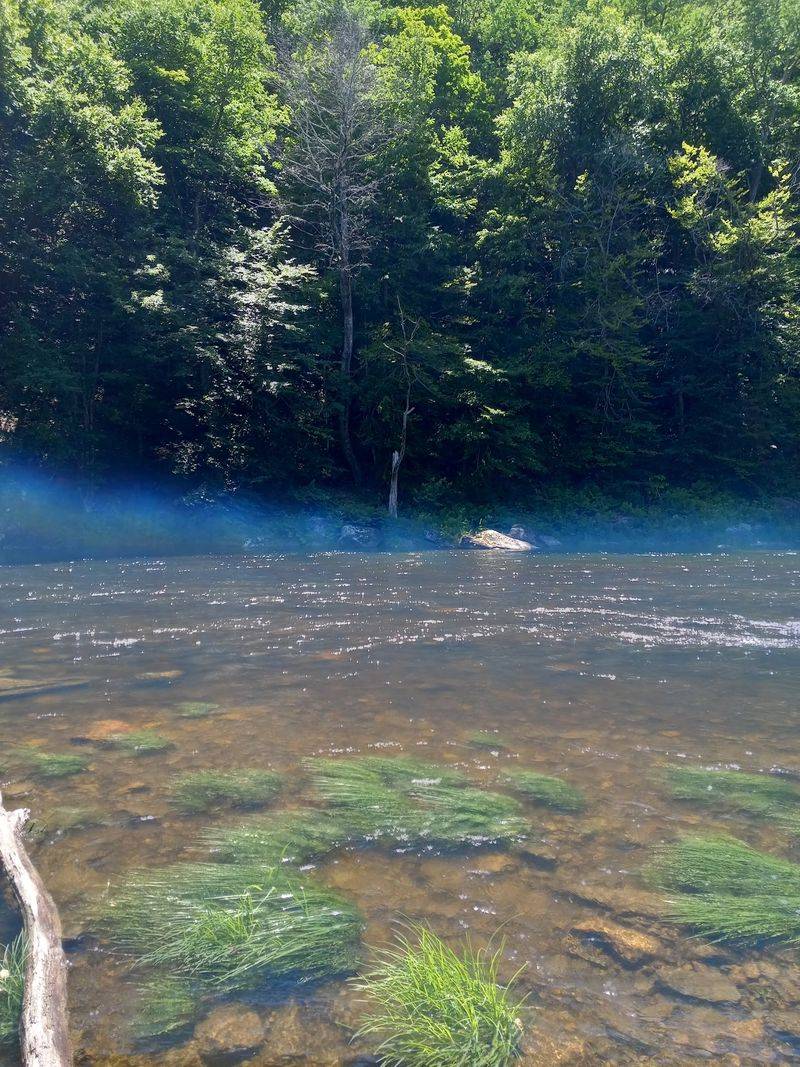
The river also happens to run through genuinely lovely country in Western Massachusetts. Even a slow day of searching comes with rushing water, forested slopes, and the kind of quiet that makes the drive worthwhile.
Ancient Volcanoes Left Behind The Good Stuff
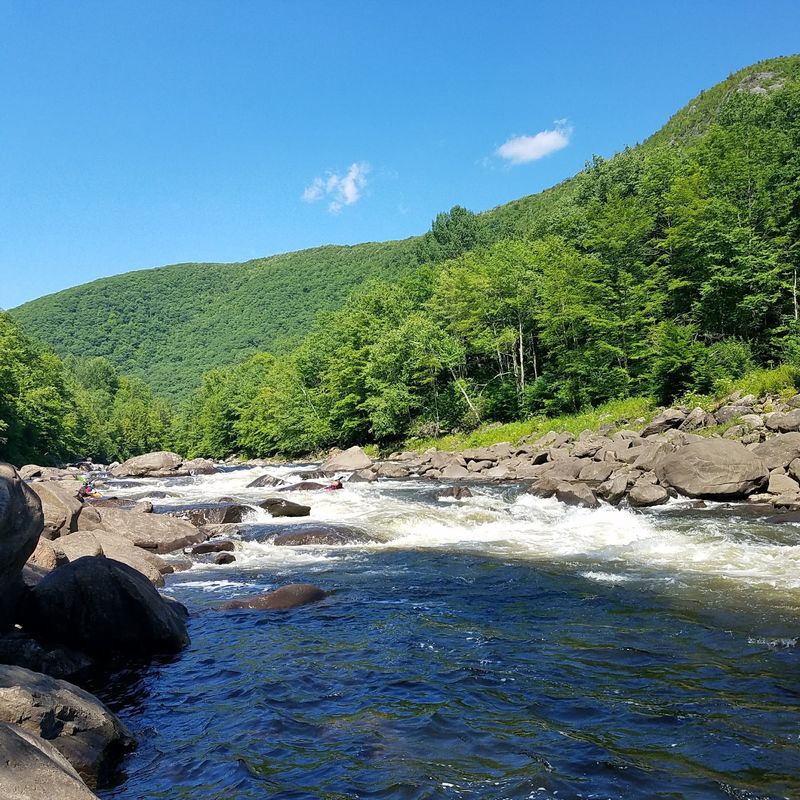
Every pretty stone here has a long backstory. The jasper and agate erode out of the Deerfield basalt and other Triassic-Jurassic volcanic rocks in the region.
Those rocks belong to the Connecticut Valley rift, a zone shaped by dramatic geological upheaval. Molten rock, cooling lava, and mineral-rich fluids all played a part.
Chalcedony forms when silica fills cavities and cracks inside volcanic rock. Slow deposits build layer upon layer, which is where agate gets its famous banding.
Erosion then does the delivery work. Water breaks the host rock apart, frees the harder silica nodules, and carries them downstream.
The river’s gravel bars act like natural sorting trays. Heavier and tougher pieces settle in predictable spots while softer material grinds away to sand.
There is even older rock in the mix. The Gile Mountain Formation, made of phyllite and schist, dates back roughly 420 to 395 million years.
Knowing this changes how the hunt feels. A palm-sized piece of red jasper is not just a pretty rock, it is a fragment of a landscape that no longer exists.
Understanding the source also sharpens your instincts. Once you recognize the dark basalt cobbles nearby, you start reading the gravel instead of just staring at it.
Telling Jasper And Agate Apart In Your Hand
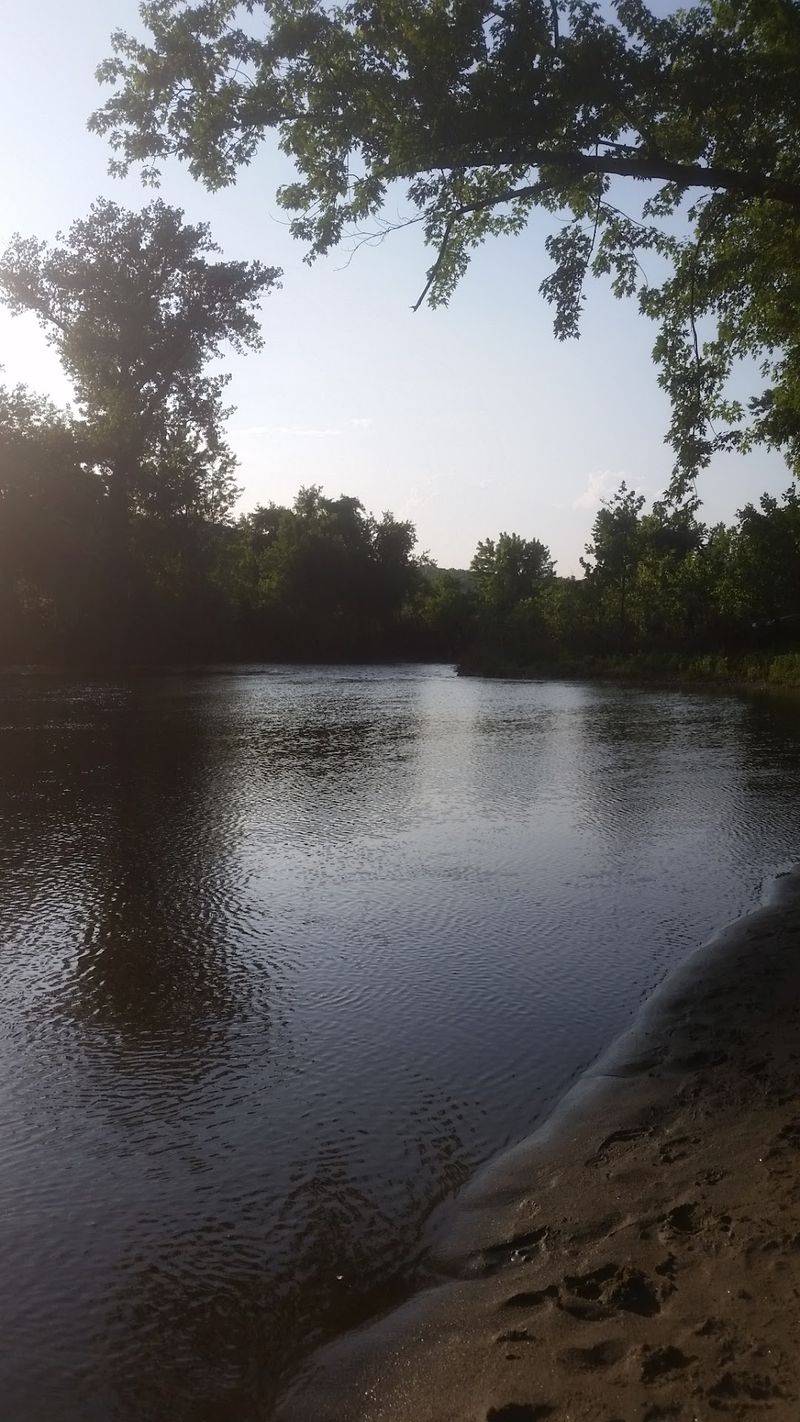
Two cousins, two very different personalities. Jasper and agate are both forms of chalcedony, but they announce themselves in opposite ways.
Jasper shows up bold and opaque, often in strong reds, yellows, or browns. Light does not pass through it, so the color reads solid and painterly.
Agate plays coy instead. It tends toward translucence, with bands of varying color that glow when held against the sun.
Along the Deerfield River, both arrive as waterworn nodules and banded fragments. Centuries of tumbling round off the edges and leave a smooth, soapy feel.
Dry stones can be deceiving. A dusty gray lump might look like ordinary river rock until moisture brings out the pattern underneath.
That is why water is a collector’s best friend here. Wet a promising piece and the intricate banding and translucence suddenly appear.
Look for a waxy shine rather than a dull, chalky surface. Chalcedony has a glassy quality that separates it from common quartzite.
Weight and hardness offer another clue. These silica stones resist scratching and feel dense for their size.
Once your eye adjusts, sorting becomes almost automatic. Collectors often describe the shift as a switch flipping, where the good pieces practically jump out of the gravel.
Timing Your Trip Around Water Levels
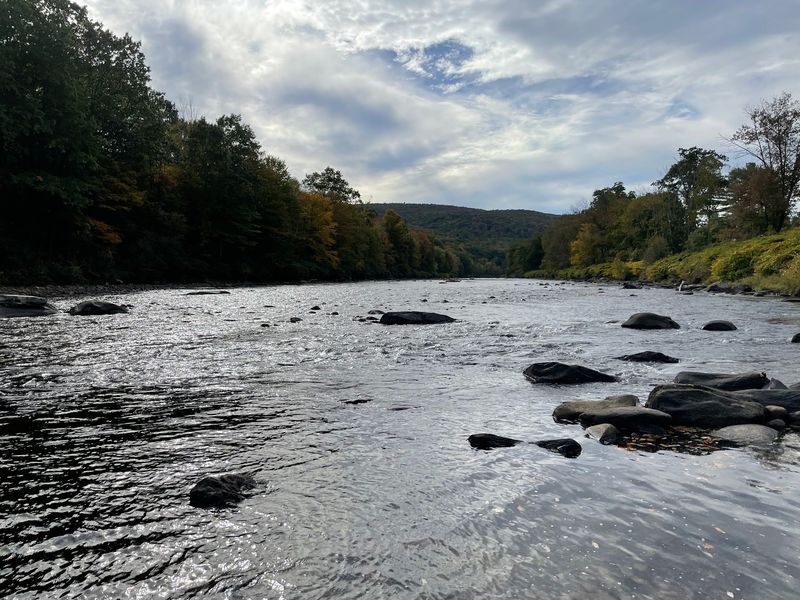
Water level decides your luck more than skill does. High water reshuffles everything, and that is genuinely good news for collectors.
Floods rework the river’s cobbles and gravels. Fresh material rises to the surface while picked-over patches get buried.
So the smart move is to search after periods of high water. New specimens appear where you found nothing the previous month.
Late summer brings the opposite advantage. Low-water conditions expose extensive gravel bars that are otherwise underwater and out of reach.
More exposed gravel means more ground to cover on foot. Broad bars let you work slowly and methodically without wading.
Rain during a hunt can be a bonus rather than a setback. Falling water rinses dust off the stones and reveals their natural color.
The collecting season generally runs from March through November. Spring melt often delivers the freshest material, while autumn offers cooler air and easier walking.
Always check flow conditions before heading out. The Deerfield River sees managed water releases, and levels can change during the day.
Plan for wet feet regardless of the forecast. Sturdy shoes with grip beat sandals on slick, rounded cobbles every single time.
Patience pays here. The best finds usually come on the second or third pass over the same stretch.
Why A Spray Bottle Beats A Shovel Here
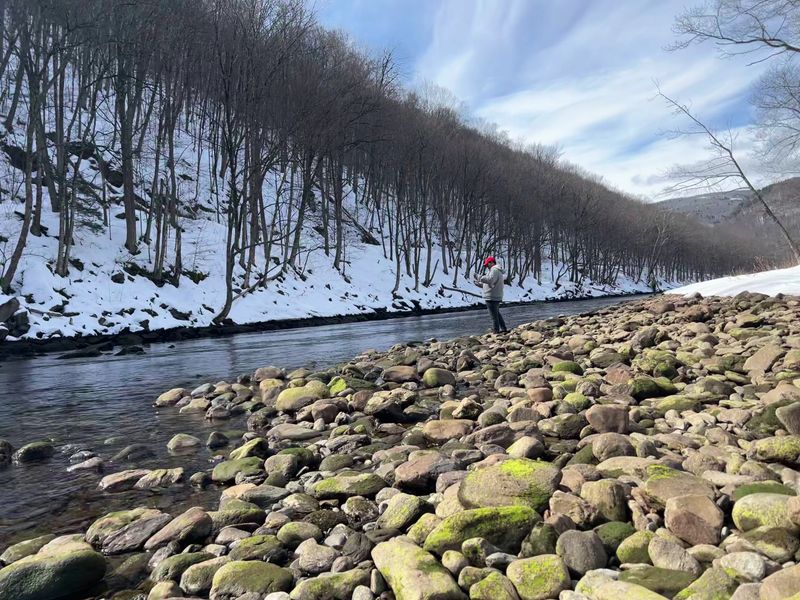
Here is the happy part: this is a surface hunt. No trenches, no sifting screens, no exhausting excavation required.
The stones scatter across accessible bends of the river’s gravel bars. They sit right there among the ordinary cobbles, waiting to be noticed.
That makes the search friendly for families and first-timers. Anyone who can walk a gravel bar can participate.
A spray bottle is the single most useful tool you can bring. Misting a stone highlights banding and translucence instantly.
Seasoned hunters use it constantly. Spray a few square feet, scan quickly, then move along to the next patch.
A small shovel or pick still earns its place in the pack. Moving surface gravel around exposes what settled just beneath.
Bring a sturdy bag too. Chalcedony is dense, and a modest haul gets heavy faster than expected.
Other handy extras include a hand lens and a rag for cleaning. Gloves protect your fingers from sharp broken edges.
Keep your load light overall. Long walks along the Deerfield River go better without a pack full of unnecessary equipment.
Work with the light as well. Low-angle morning or late afternoon sun makes translucent stones glow in a way midday glare simply flattens.
Rules, Access Points, And Simple Courtesy
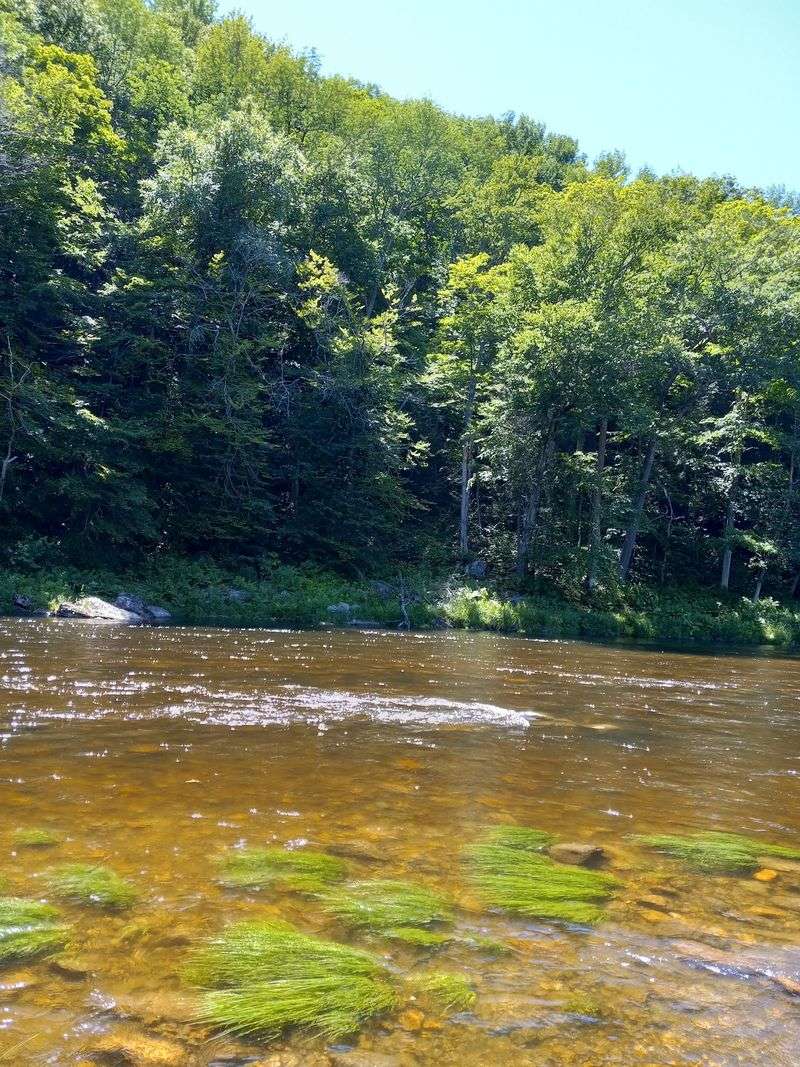
Good manners keep good spots open. Casual collecting happens across generally accessible public stretches, but land status varies along the way.
Confirm current rules before you start searching. Regulations and access can change, and a quick check saves trouble.
Private property always requires landowner permission. A polite conversation is far better than an awkward misunderstanding on the riverbank.
One area worth exploring sits in Franklin County, Massachusetts, near Hoosac Road, 01342, around coordinates 42.52623, -72.64521. Parking is limited in places, so choose pull-offs carefully.
Leave No Trace principles apply fully here. Pack out everything you bring in, including snack wrappers and bottle caps.
Refill any gravel you disturb. Smoothing the surface back keeps the bar stable and looking untouched.
Take only what you will genuinely use. Filling five buckets serves nobody, least of all the next person walking that bend.
Give anglers and paddlers plenty of room. The Deerfield River is popular for fishing and boating, and sharing space keeps everyone happy.
Watch your footing near moving water. Slick cobbles and unexpected drop-offs deserve respect, especially when flows rise.
Treat the place well and it keeps giving. That is the whole quiet agreement behind responsible rockhounding.
A Valley Of Two Very Different Faces
Drive the length of this valley and you get two landscapes for the price of one. The character shifts noticeably from downstream to upstream.
Around the town of Deerfield, the lower valley opens into wide, flat agricultural land. Broad fields stretch out beside slow, generous water.
Rich floodplain soil explains those farms. Centuries of sediment deposits built ground that growers still rely on today.
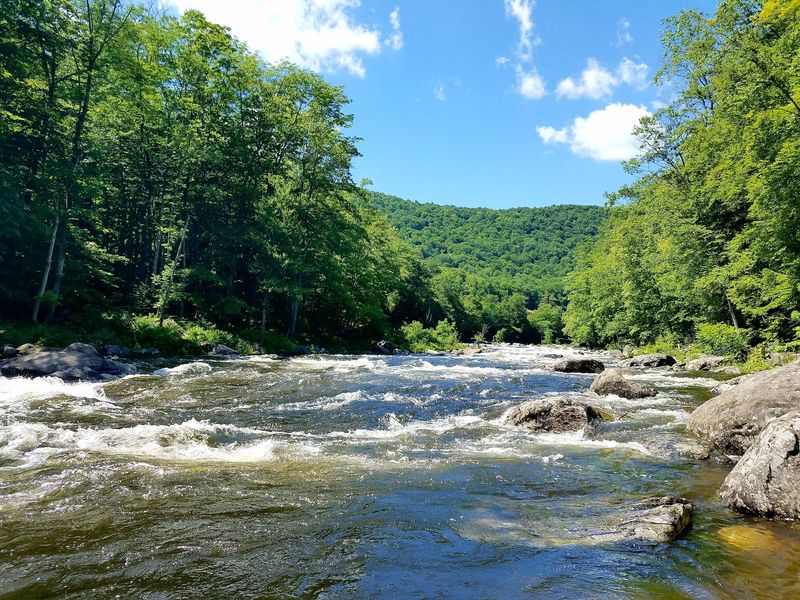
Head upstream and the mood tightens considerably. The upper reaches turn narrow and canyon-like as the river cuts through harder rock.
Metamorphic and igneous formations resist erosion stubbornly. The water responds by carving steep, dramatic passages instead of spreading out.
Those steeper sections are why the Deerfield River draws paddlers and rafters. Fast current and rocky channels create genuine whitewater.
For a collector, the geology contrast is useful information. Different rock types upstream mean different material tumbling down into the gravel below.
The scenic drive alone justifies a day trip. Portions of the route follow famously pretty roads through the hills of Western Massachusetts.
Fishing, hiking, and swimming spots dot the corridor as well. Plenty of people come for those and stumble into rock hunting by accident. Millions of years of geological events shaped all of it. The variety is the reward.
Putting Together A Day Worth Repeating
The best trips start with a little homework. Research current conditions and access points before loading the car.
Check the weather and river flow together. Both influence how much gravel you will actually be able to reach.
Pack simply and sensibly. Water, snacks, sun protection, sturdy footwear, a spray bottle, and a strong bag cover almost everything.
Give yourself several hours rather than a rushed stop. Surface hunting rewards slow, careful scanning far more than speed.
Try more than one gravel bar if you can. Different bends collect different material, and comparing them teaches you plenty.
Keep a small notebook for notes. Recording where and when you found each stone makes future trips smarter.
Bring the family along without hesitation. Kids often spot colorful pebbles that adults walk straight past.
Expect a mix of results. Some outings deliver a standout agate, others just a pocketful of pretty jasper chips.
Either way, you leave with a connection to the ancient forces that shaped Massachusetts. That is a solid souvenir.
A visit to the Deerfield River offers real adventure without complicated logistics. Jasper, agate, and chalcedony are waiting in the gravel, and the valley itself makes the trip worth repeating.