
This Western New York Wildlife Refuge Spans Over 10,000 Acres And Is Home To Hundreds Of Bird Species
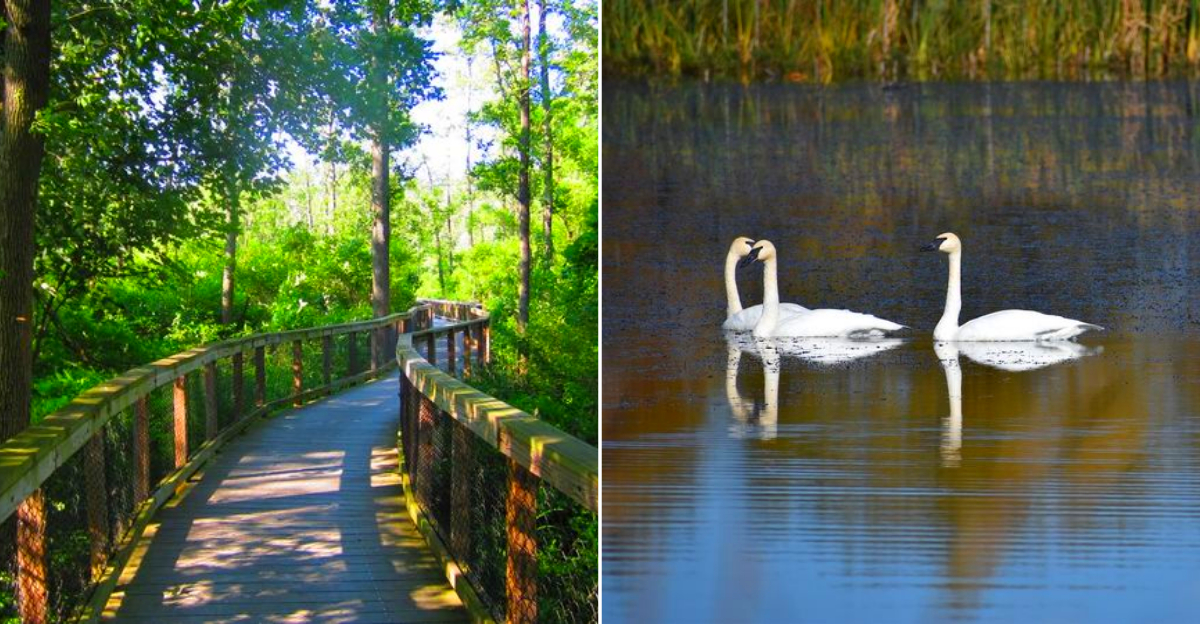
Between Buffalo and Rochester, a huge stretch of protected land has been doing quiet work while most travelers rush past on the Thruway.
New York’s wild side shows up here through wetlands, meadows, forest edges, marsh trails, and open water where birds seem to run the schedule.
More than 10,000 acres give wildlife room to move, nest, feed, and surprise anyone patient enough to look closely.
Over 266 bird species have been documented, making it rewarding for serious birders and casual walkers who just want a peaceful morning outside.
You might spot bald eagles, herons, waterfowl, songbirds, turtles, deer, or signs of animals you never actually see. The appeal is not loud or polished.
It is spacious, calm, and alive in every direction. Bring binoculars, comfortable shoes, and enough time to let this Western New York refuge reveal itself slowly as the trails shift from boardwalks to fields.
A Wild Place Like No Other
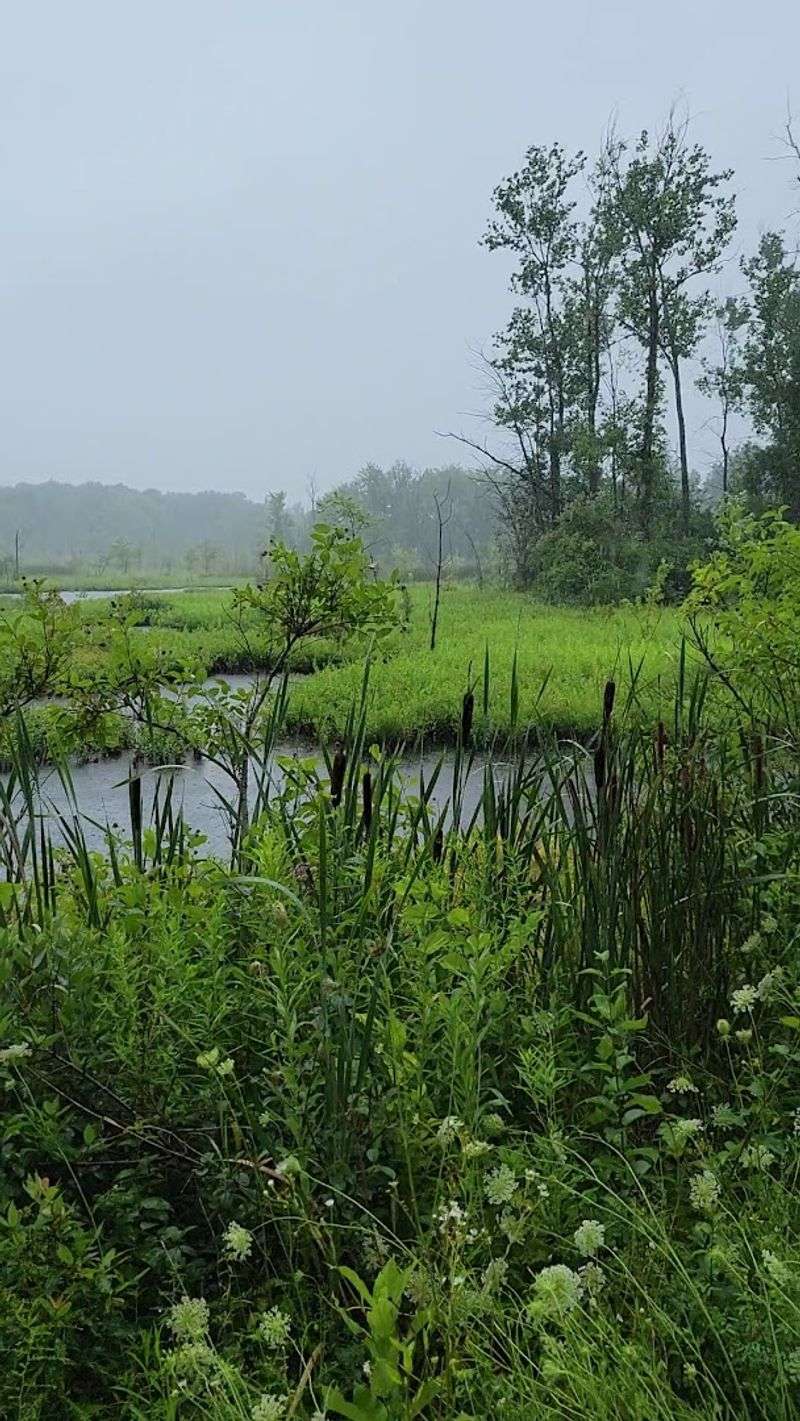
Few places in the northeastern United States can match the sheer scale and ecological richness found here. Spanning 10,828 acres across Genesee and Orleans counties in New York, the refuge is a living, breathing mosaic of wild habitats.
Wetlands, emergent marshes, hardwood swamps, grasslands, shrublands, and upland forests all exist side by side.
Each ecosystem supports a different community of animals, plants, and insects. That kind of variety is rare, and it makes every visit feel genuinely fresh.
You could walk the same trail twice and spot something completely different each time.
Managed by the U.S. Fish and Wildlife Service, the refuge was officially established in 1958.
It was originally called the Oak Orchard National Wildlife Refuge before the name was updated to avoid confusion with a nearby state-managed area. Today it holds the title of New York’s largest wildlife refuge, a distinction it has earned many times over.
Spring mornings here are especially spectacular. The air fills with bird calls, and the marshes shimmer with activity.
For anyone who loves the outdoors, this place is not just worth visiting. It is worth planning your whole weekend around.
Iroquois National Wildlife Refuge: The Address Of Adventure
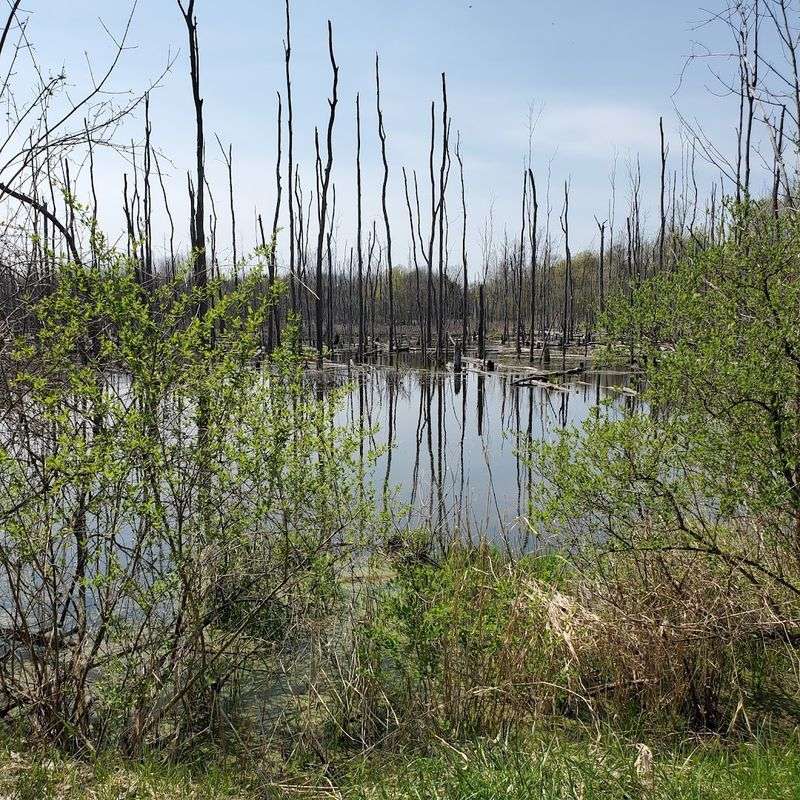
Right along Casey Road in Basom, New York, the Iroquois National Wildlife Refuge welcomes visitors with open trails and an impressive visitor center at 1101 Casey Road in Alabama, New York.
The headquarters building is a great first stop, offering interactive exhibits, staff assistance, and a small gift shop worth browsing.
The visitor center is open Tuesday through Saturday from 9 AM to 4 PM. Arriving early is always a smart move, especially if bird activity is your main goal.
Morning hours bring the most wildlife movement, and the trails feel quieter before midday.
Parking is available at multiple access points throughout the refuge. Signage is clear and well-placed, so finding your way around does not require a compass or a degree in cartography.
Trail entrances are marked at each section, making navigation straightforward for first-timers and regulars alike.
You can reach the refuge by phone at 585-948-5445, and the official website at fws.gov/refuge/iroquois offers updated trail maps and seasonal wildlife guides. Planning ahead pays off here, since certain trails and observation areas have limited capacity.
Give yourself enough time to truly absorb what this extraordinary New York landmark has to offer.
Over 266 Bird Species Call This Place Home
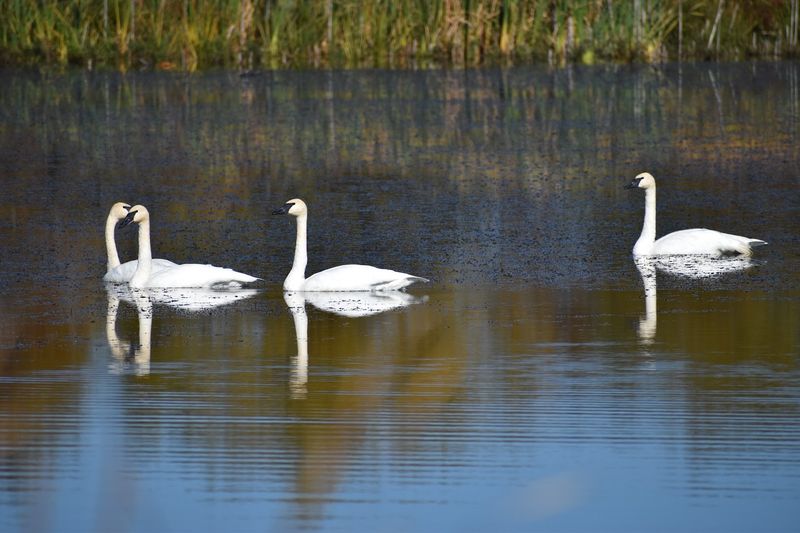
Bird lovers, get your binoculars ready. The refuge has documented over 266 species of birds, making it one of the most significant birding destinations along the entire Atlantic Flyway.
That migratory corridor runs along the eastern coast of North America, and Iroquois sits right in the thick of it.
During spring migration, thousands of waterfowl descend on the refuge’s pools and marshes. Ducks, geese, herons, egrets, and shorebirds arrive in waves, turning the wetlands into a spectacular natural show.
Bald eagles have also been spotted here regularly, which always earns a well-deserved reaction from visitors.
Reserving a wildlife observation blind is one of the smartest moves a birder can make before visiting. The blinds allow you to get close to the action without disturbing the birds.
Early morning sessions from a blind are genuinely unforgettable experiences.
The refuge also provides audio tours via QR codes along certain trails, which adds an educational layer to the experience. Kids especially enjoy the interactive element.
For anyone serious about birding, April through November is the prime window, though winter months bring their own surprising cast of feathered characters worth seeking out.
Mammals, Reptiles, And Fish Round Out The Wildlife Roster
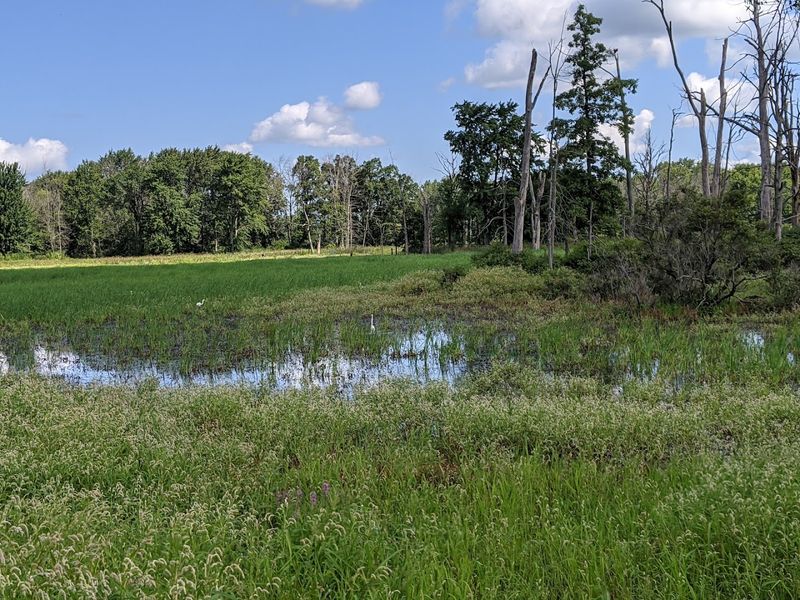
Birds tend to steal the spotlight here, but the supporting cast is equally impressive. The refuge is home to an estimated 42 species of mammals, ranging from white-tailed deer and red foxes to muskrats and river otters.
Spotting a deer grazing near the tree line at dusk is a moment that genuinely stops you in your tracks.
Reptile and amphibian diversity is also noteworthy, with 29 species documented across the refuge. Snapping turtles, painted turtles, and various frog species are commonly encountered along the trails and boardwalks.
The chorus of frogs in spring is loud enough to make you laugh out loud.
Anglers have 18 fish species to pursue in the refuge’s waterways. Oak Orchard Creek is open to non-motorized watercraft, making it a peaceful option for kayakers and canoe enthusiasts who want to explore from the water.
Fishing requires the appropriate permits, so checking regulations before your visit is always a good idea.
Hunting and trapping are also permitted with proper licensing, adding another dimension to how the refuge is used and managed. The biodiversity found across this single property is genuinely staggering, and it reflects decades of careful conservation work by the U.S.
Fish and Wildlife Service.
Trails That Take You Somewhere Real
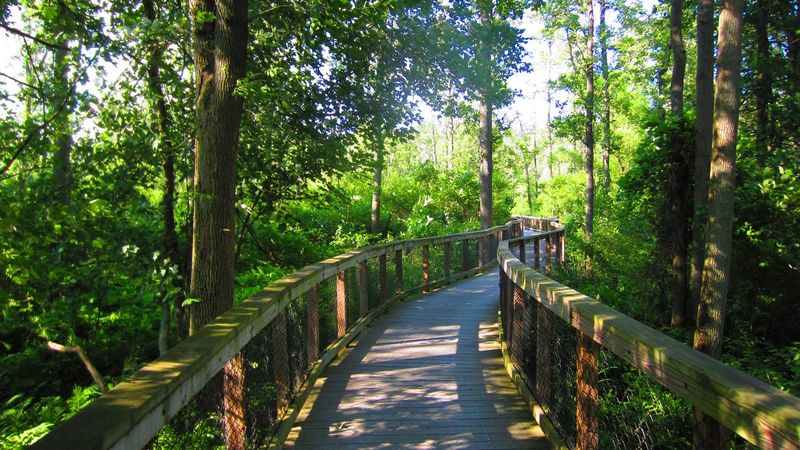
Hiking at the refuge is a genuinely satisfying experience. The trail network includes a range of options, from short loops to longer walks through diverse terrain.
The Kanyoo Trail is a crowd favorite, featuring a flat boardwalk that crosses through stunning marshland and is easy enough for all fitness levels.
The Swallow Hollow and Onondaga trails offer a different kind of adventure, passing through wooded areas and open fields. Educational exhibits are posted along the Swallow Hollow loop, turning the hike into an engaging outdoor classroom.
Kids tend to stay surprisingly focused when learning happens between trees instead of inside four walls.
The HQ loop near the visitor center is a great starting point for first-time visitors. It is short, well-marked, and gives you a solid taste of what the refuge offers.
Benches are placed along the route, which makes it an ideal option for anyone who wants to pause and absorb the surroundings.
Trails are open from sunrise to sunset, giving early risers a solid head start on the day’s wildlife activity. Wear sturdy shoes, bring bug spray during warmer months, and pack a water bottle.
The trails are well-maintained and clearly signed, so getting genuinely lost is not really part of the deal.
Photography And Observation Opportunities Are Endless
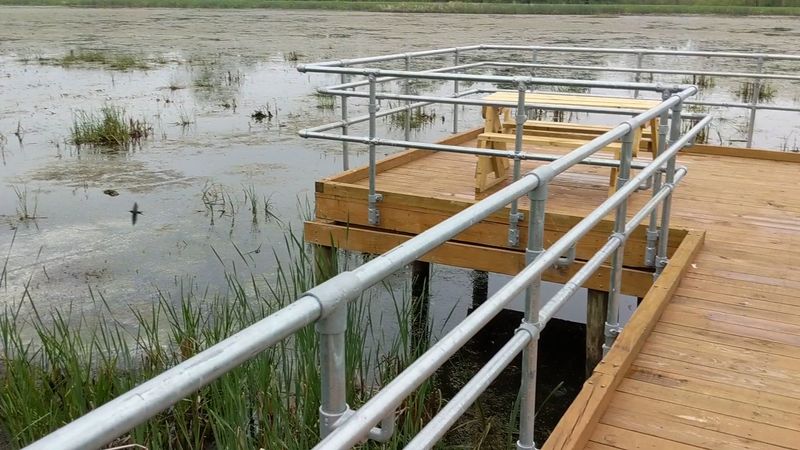
Photographers absolutely thrive at the refuge. The combination of open water, dense marsh vegetation, and active wildlife creates a nearly endless supply of compelling subjects.
Bald eagles, great blue herons, sandhill cranes, and colorful warblers have all made appearances in front of appreciative camera lenses here.
Observation overlooks and floating docks are positioned at key viewing points throughout the refuge. They provide clear sightlines over the pools without requiring you to wade through mud or disturb any habitat.
The overlooks are particularly useful during peak migration when hundreds of birds may be visible from a single vantage point.
The wildlife observation blinds are a photographer’s best friend. Reserving one in advance puts you at eye level with the marsh, close enough to capture detailed shots without spooking anything.
The blinds are available on a first-come, first-served basis for walk-ins, but calling ahead is strongly recommended during busy seasons.
Even without a fancy camera, the refuge rewards careful observation. Binoculars and a basic field guide to birds of the northeastern United States will enrich any visit considerably.
The QR code audio tours along certain trails add another layer of context that helps you understand exactly what you are seeing and why it matters.
Plan Your Visit And Make The Most Of It
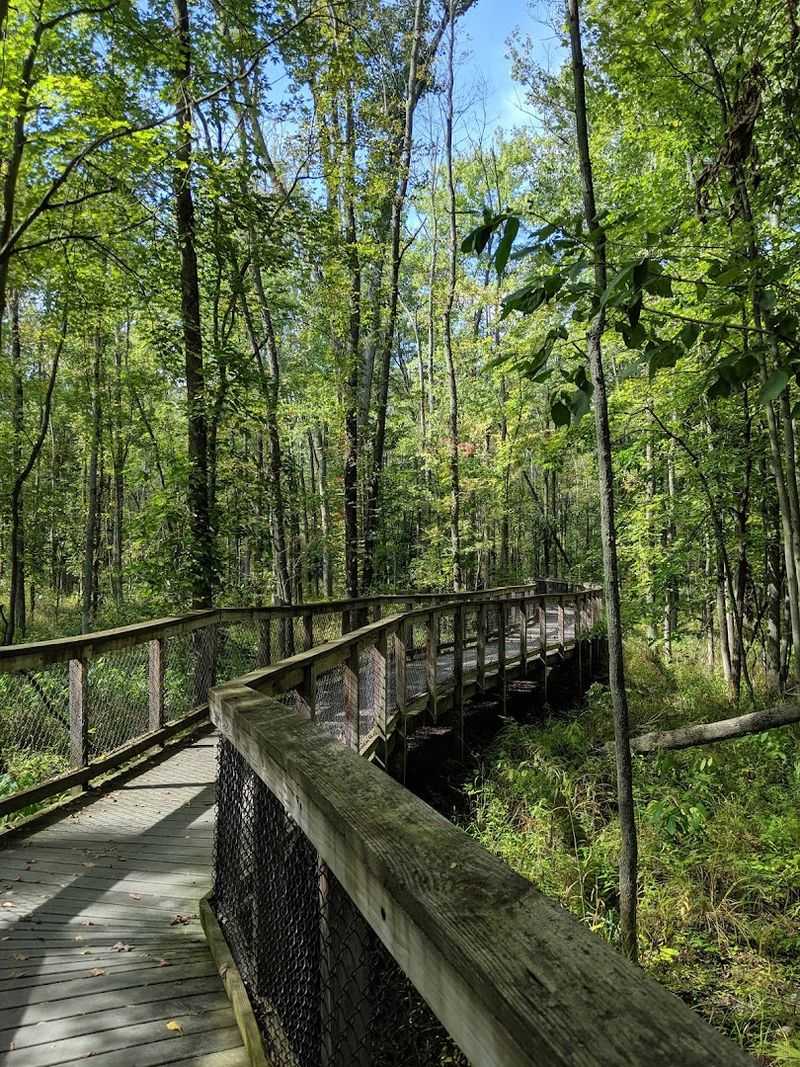
Getting the most out of a trip to the refuge starts with a little advance planning. The visitor center at 1101 Casey Road in Alabama, New York, is open Tuesday through Saturday from 9 AM to 4 PM.
Staff there are knowledgeable and genuinely happy to point you toward the best spots based on current wildlife activity.
Refuge lands are open from sunrise to sunset every day of the week, giving you flexibility in how you structure your visit. Morning arrivals almost always yield the best wildlife sightings, since animals are most active in the hours around dawn.
Arriving at first light with a thermos of something warm is a solid strategy.
Hunting, fishing, and trapping are all permitted with the appropriate state and federal licenses. Non-motorized boats are welcome on Oak Orchard Creek, so bringing a kayak or canoe opens up a whole different dimension of the refuge.
Hikers, skiers, snowshoers, and photographers are all equally well served by what the property has to offer.
No entry fee is required to visit, which makes the refuge one of the best free outdoor experiences in all of New York. Pack your patience along with your binoculars, because the wildlife here operates on its own schedule.
Respect the habitat, stay on marked trails, and leave the place exactly as you found it.