
This Wild Ohio Safari Park Lets You Feed Giraffes And Drive Among Exotic Animals
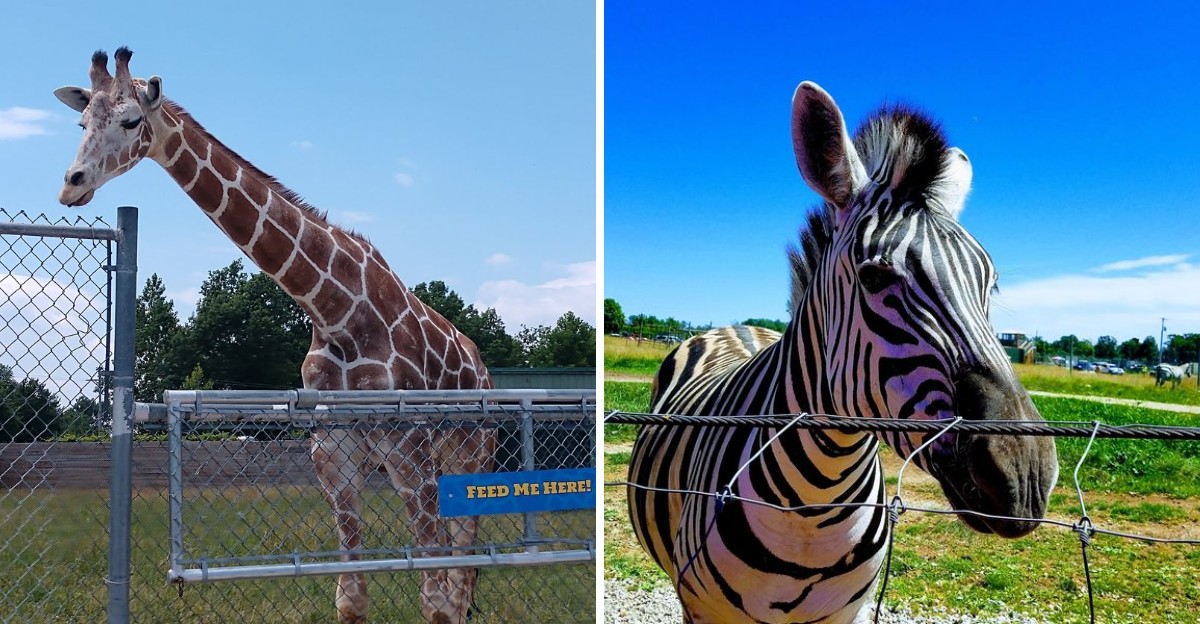
Feeding a giraffe through your car window is the kind of thing that makes an ordinary road trip feel very different.
Ohio has a safari park where the drive itself becomes the attraction. Exotic animals wander close to passing cars, giraffes lean in for snacks, and every slow turn can bring a completely different surprise. It feels less like watching animals and more like being dropped right into their world for a little while.
The state has plenty of family attractions, but this one comes with a little more unpredictability. One minute the road looks clear, and the next a curious animal is standing close enough to make everyone in the car laugh or reach for a camera.
Ohio knows how to make a day trip memorable, and the state gets especially fun when the wildlife comes to you. This is the sort of outing people keep talking about long after the car is cleaned out.
The Drive-Thru Safari That Turns Your Car Into A Snack Bar
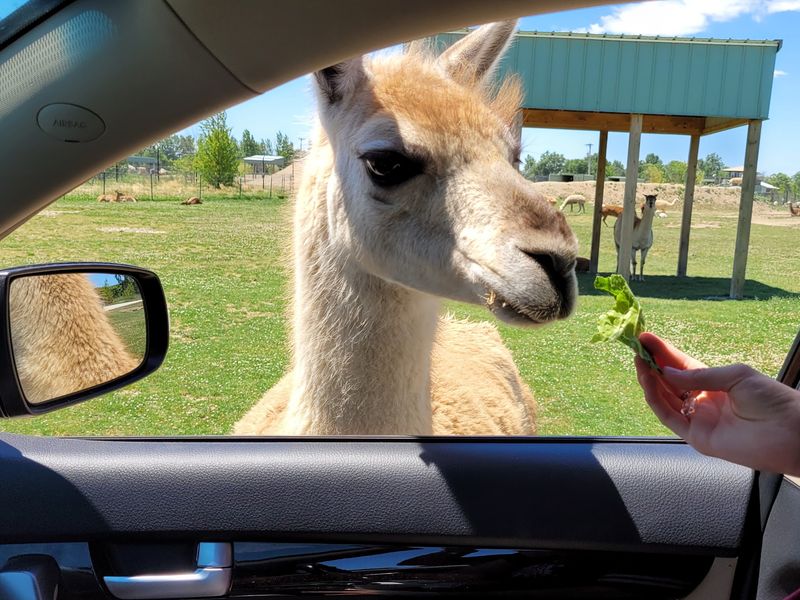
Your vehicle becomes the main attraction the moment you roll past the entrance gate. Animals recognize cars as rolling buffet lines, and they act accordingly.
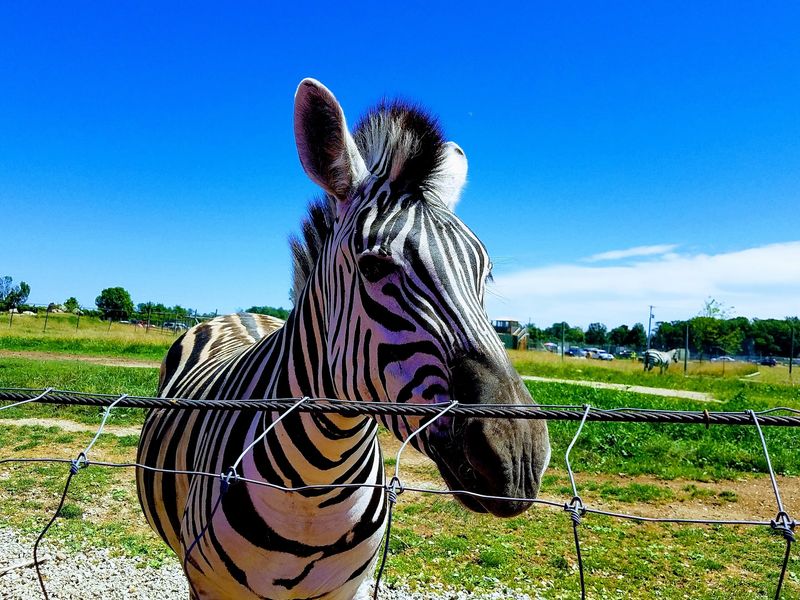
The Drive-Thru Safari winds through open pasture where llamas, zebras, elk, and bison roam freely. Each car receives feed at the start, and hungry residents figure that out fast.
Speed limits stay low, which is good news since traffic often stops for a stubborn alpaca. Nobody honks here, because everyone understands the delay.
Hold your feed cup firmly with both hands. Larger animals have mastered the art of grabbing an entire container in one smooth motion.
Expect drool on your windows and possibly on your sleeve. Regulars treat it as a badge of honor rather than a problem.
Convertibles and open truck beds are not permitted, for obvious reasons. Sedans, minivans, and SUVs all work perfectly well.
Admission covers unlimited trips through the route on the same day. Many families drive it twice, once to gawk and once to plan better.
Feeding Giraffes From An Eye-Level Platform
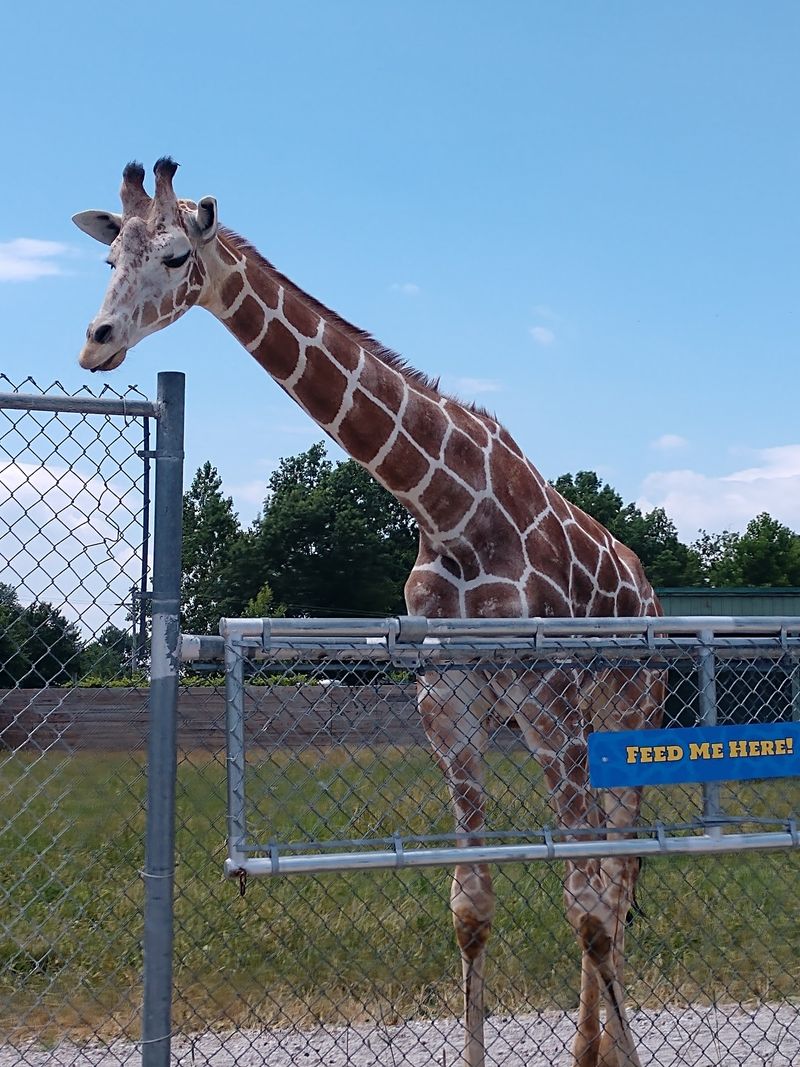
Few moments beat standing face to face with an animal taller than your house. Giraffes rank as the most talked-about residents here, and they earn it.
A raised feeding deck brings you level with those long necks and impossibly long tongues. Lettuce disappears in a single purple-tongued swipe.
Giraffe tongues stretch around eighteen inches and feel surprisingly rough. Children usually shriek first, then immediately ask for another handful.
Feeding happens seasonally and depends on weather, so check the schedule before making the trip. Warm months bring the most reliable access.
Photos come out best when someone else holds the camera. Trying to snap a selfie while a giraffe leans in rarely ends well.
Keep loose hats and sunglasses secured. Curious noses investigate anything that looks vaguely edible.
Staff members share facts about giraffe habits while you feed. You leave knowing how they sleep and why their necks work the way they do.
Walk-Thru Safari For Stretching Your Legs
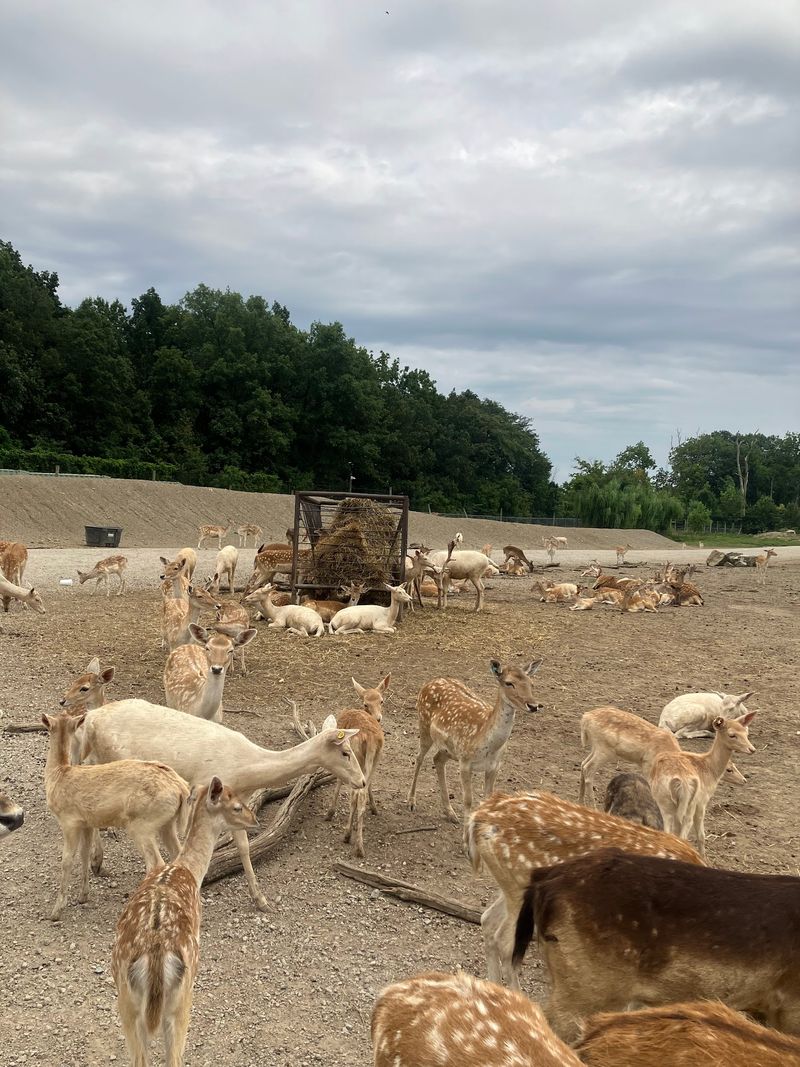
After an hour of sitting in the car, your legs will beg for pavement. The Walk-Thru Safari answers that request nicely.
Paved paths loop past habitats holding monkeys, ocelots, porcupines, and other smaller residents. Shade trees line much of the route.
Plan on two to three hours if you stop at every enclosure. Families with curious kids often stay longer.
Several stations along the way offer extra feeding chances for a small additional fee. Skipping them still leaves plenty to see.
Strollers roll easily on the flat surfaces, and benches appear at helpful intervals. Restrooms sit within reasonable walking distance.
Signs explain where each species comes from and how it lives. Reading a few turns a fun outing into a genuine learning trip.
Morning tends to be the liveliest stretch of the day. Animals move more before the afternoon warmth settles in.
Meeting Capybaras Up Close
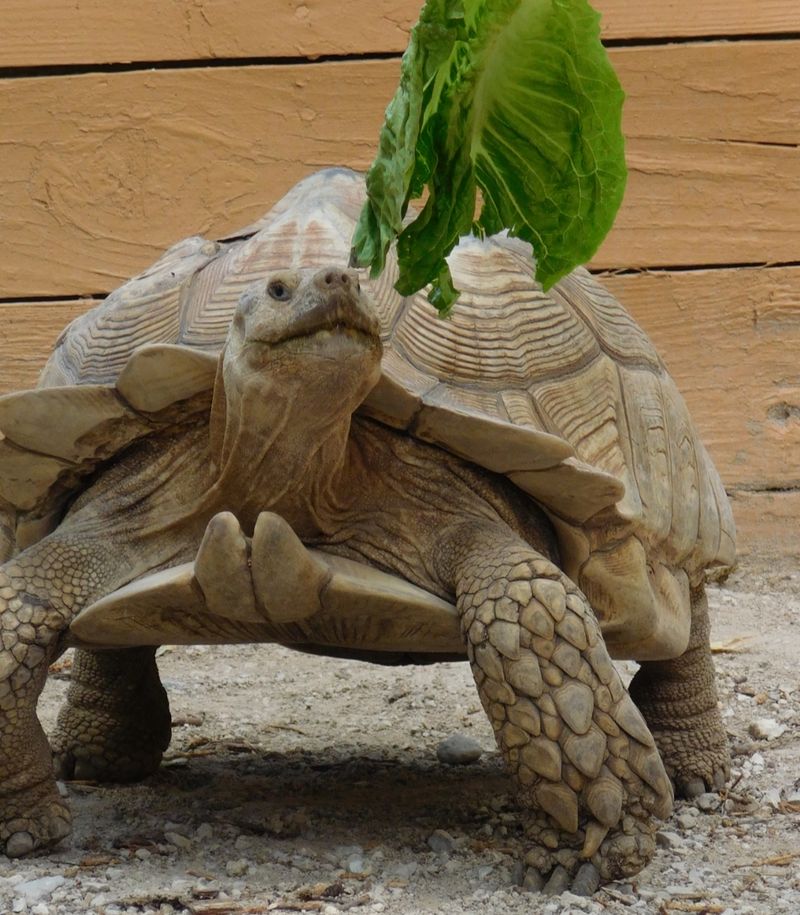
The world’s largest rodent has become an internet celebrity, and here you can actually meet one. Capybaras look like oversized guinea pigs with excellent manners.
Scheduled encounters run roughly thirty minutes with a guide who handles introductions. Guests feed the animals and hear plenty of odd facts along the way.
Capybaras are semi-aquatic and can hold their breath underwater for around five minutes. Their webbed feet make them surprisingly strong swimmers.
Encounters cost extra beyond general admission and require booking ahead. Spots fill quickly during summer weekends.
Kids tend to be amazed that such a large rodent stays so calm. Adults usually end up more charmed than the kids.
Bring a camera with a fast shutter. Capybaras move slowly, but their snack-time enthusiasm can blur a photo.
The experience pairs well with the porcupine feeding stop nearby. Both give you time with animals most people only see in videos.
The Aviary Where Birds Land On You
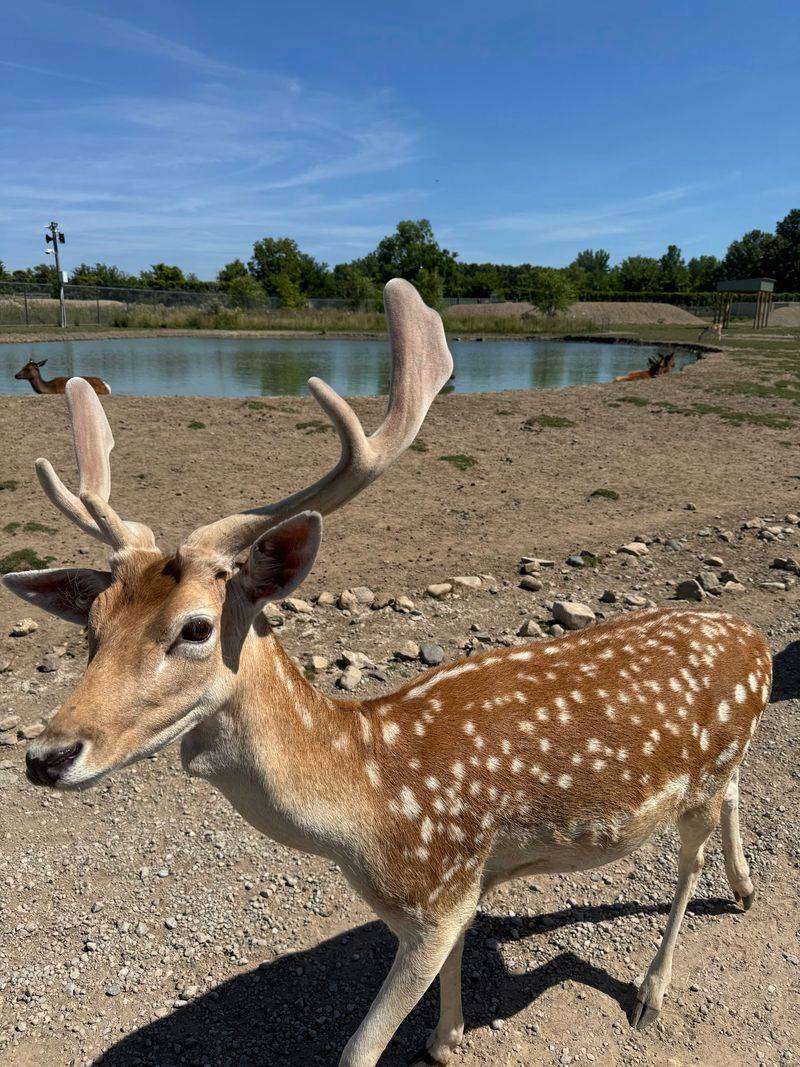
Walk in holding a seed stick and you become a human perch within seconds. Parakeets here have zero fear of people.
Dozens of brightly colored birds flutter through the mesh enclosure in shades of green, blue, and yellow. The noise level is cheerfully chaotic.
Seed sticks cost a small amount and dramatically improve your odds of a landing. Empty hands rarely attract attention.
Hold the stick flat and stay still. Sudden movements send the flock elsewhere.
Younger children sometimes get nervous when three birds land at once. Standing beside them helps a lot.
Parakeets weigh about an ounce each, so the landings feel lighter than expected. Their tiny feet grip firmly without pinching.
Photographers love this stop for obvious reasons. A bird perched on a small hand makes the trip’s best souvenir shot.
Hand sanitizer stations sit near the exit. Use them before heading to lunch.
Camel Rides And Other Add-On Adventures
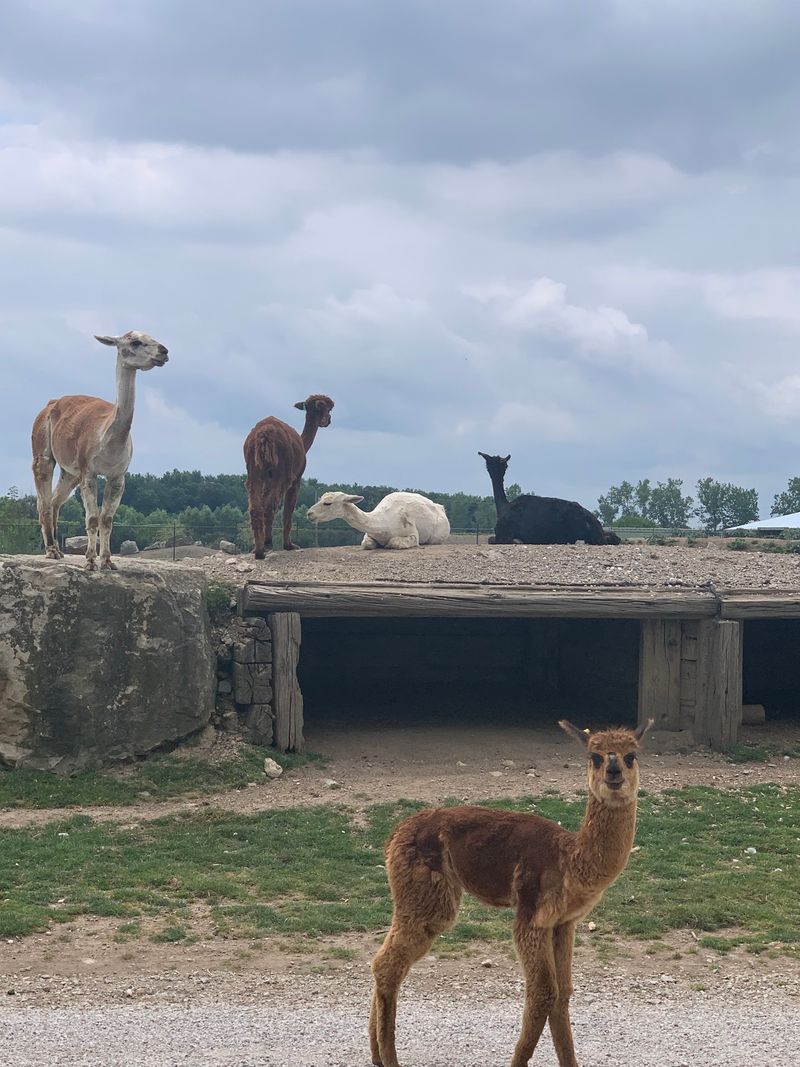
Riding a camel in the Midwest sounds unlikely until you actually do it. The park offers short rides during warmer months.
Handlers lead the camels along a set path while riders sit high above the ground. The standing-up motion surprises first-timers every single time.
Rides carry an extra charge and have height or weight guidelines. Check the posted rules before lining up.
Camels store fat in their humps, not water, which is a fact worth sharing at dinner. Their eyelashes also block blowing sand beautifully.
Lines move steadily, though weekend afternoons stretch longer. Going early keeps the wait short.
Other seasonal extras include pony rides and additional animal feedings. Availability shifts with the season and weather.
Hold onto the saddle handle with both hands. The gentle sway feels different from any other ride you have tried.
Where To Find It Along The Lake Erie Shore
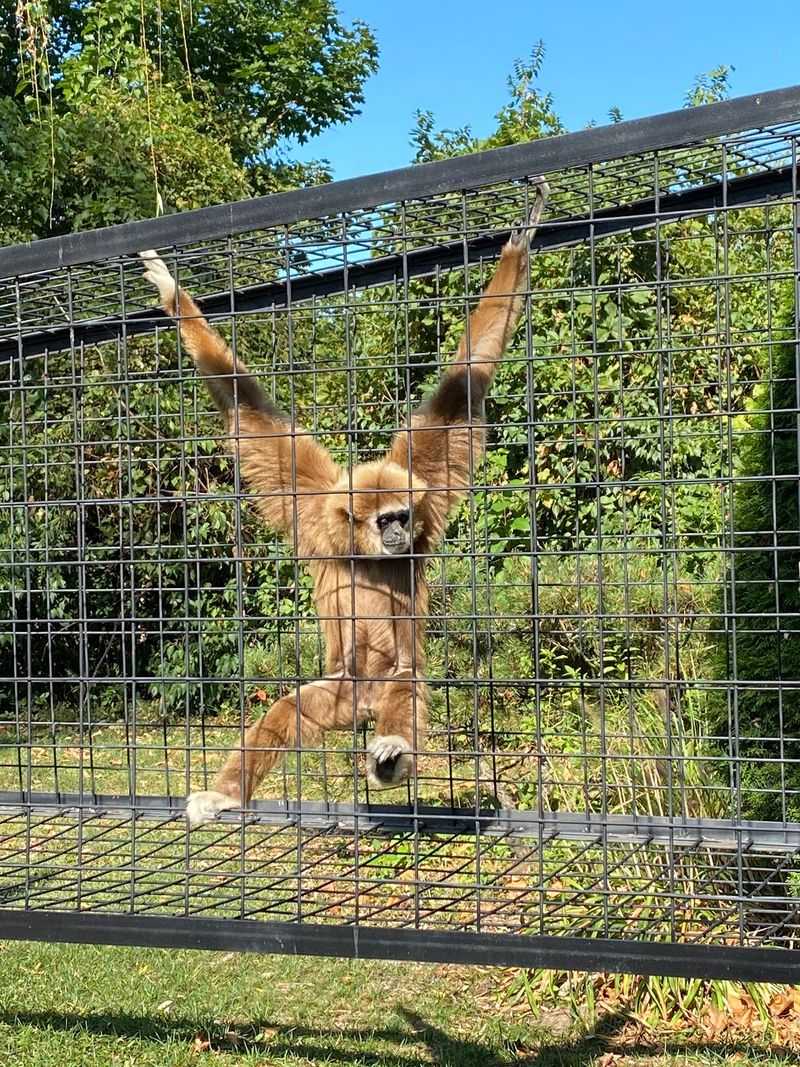
Lake Erie’s shoreline hides more than beaches and ferry docks. The park sits at 267 S Lightner Rd in Port Clinton, Ohio a short drive from the water.
The location puts you close to the Marblehead Peninsula and the Lake Erie Islands ferries. Many families build a full weekend around the area.
Parking is free and sits right beside the entrance. No shuttles or long hikes required.
Route access from State Route 2 keeps the drive simple. Signs along the way make the final turns easy.
Sandusky lies roughly twenty minutes east, which helps with lodging options. Port Clinton itself offers plenty of small-town charm.
Arriving right at opening pays off. Animals are hungriest then, and the drive-thru moves faster.
The surrounding countryside is flat and green, so the trip in feels relaxed. You will spot the entrance sign well before the turn.
Smart Timing And Ticket Tips
Timing changes everything at a park where animals set the pace. Gates open at 10 AM daily, and that first hour is golden.
Friday through Sunday the park stays open until 7 PM, while Monday through Thursday it closes at 5 PM. Later hours on weekends give you room to circle back.
Admission includes unlimited same-day trips through the drive-thru route. Doing it twice costs nothing extra and often reveals animals you missed.
Discount offers appear through third-party deal sites during the season. Checking before you go can trim the total noticeably.
Feed cups sell for a few dollars each near the entrance. One cup per car rarely satisfies a group.
Weekday mornings bring the shortest lines by a wide margin. Sunny Sundays create the longest waits.
Buying tickets online saves time at the booth. Print or screenshot them in case cell service dips.
Packing Lettuce And Other Insider Moves
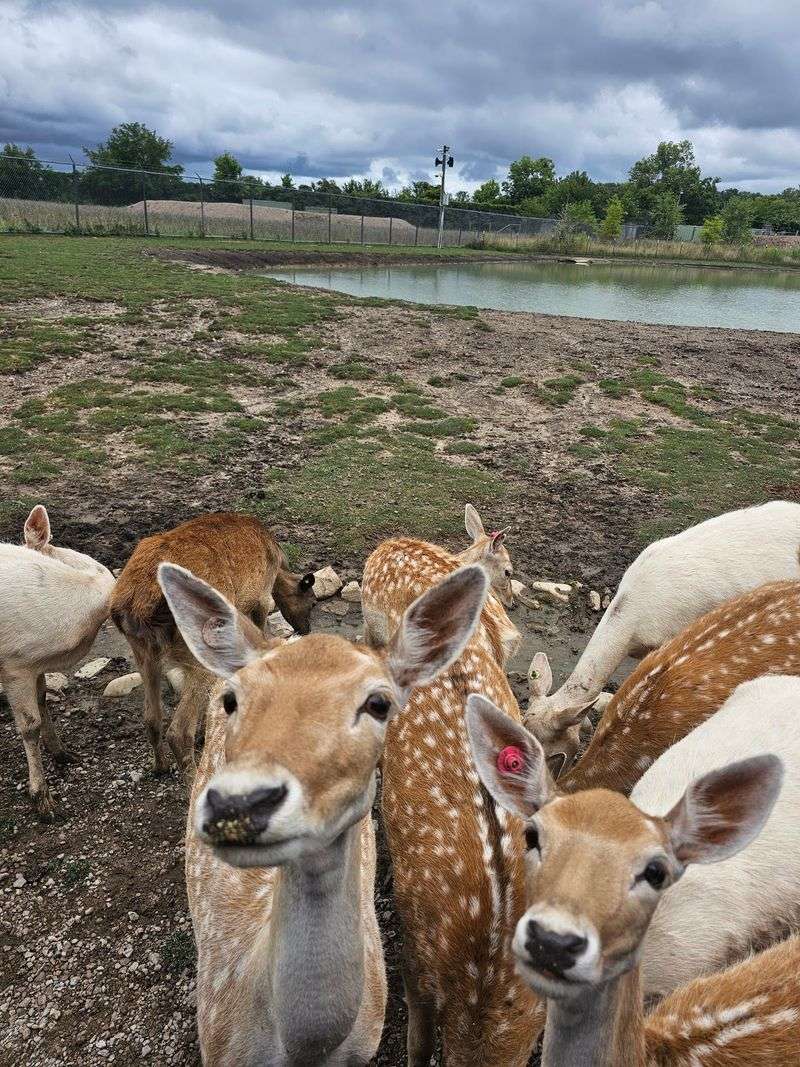
Seasoned guests arrive with a cooler full of romaine, and there is good reason for it. Animals here strongly prefer fresh greens over dry pellets.
A grocery store head of lettuce costs far less than repeated feed cups. Stash it in a cooler so it stays crisp.
Bring wet wipes and paper towels. Animal noses leave streaks that windshield wipers cannot fix.
Sunscreen matters on the walking portion, since shade comes and goes. Comfortable shoes help too.
Consider leaving valuables off the dashboard. Curious animals lean in farther than you expect.
Snacks and drinks for the humans are smart, though a cafe on site serves burgers, hot dogs, and vegetarian options. Prices run higher than a grocery run.
Keep small bills handy for feeding stations. Some stops move faster with cash.
A rear-window sunshade keeps back-seat kids comfortable during slow stretches. Small preparation makes the whole day smoother.
Seasonal Surprises Worth Planning Around
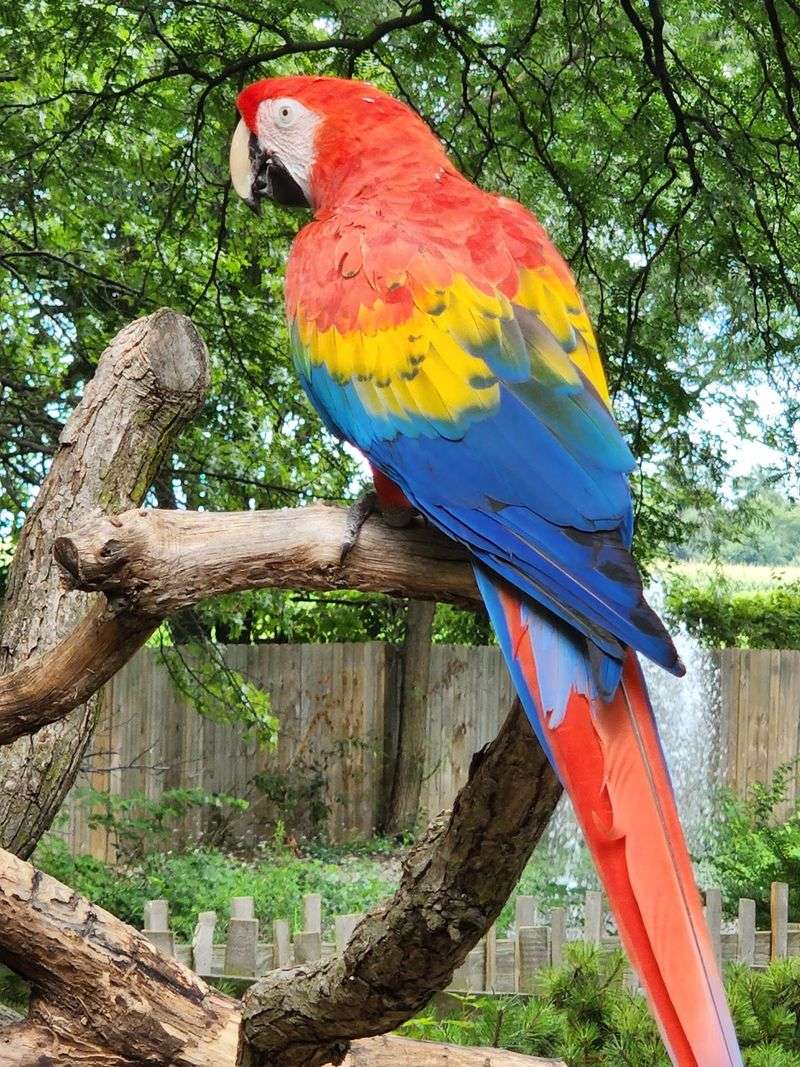
Not every animal is out every month, and knowing that shapes your trip. Spring openings sometimes feature a smaller lineup while temperatures climb.
By May the full roster is generally on display across both the driving and walking areas. Warm-weather species need consistent heat before heading outdoors.
Late fall trips can feel quieter, with fewer animals roaming the pasture. Cooler days do mean shorter lines, though.
Summer delivers the busiest crowds and the most complete experience. Weekday mornings balance both nicely.
The park has grown considerably over the decades, expanding its animal collection well beyond its early years. Returning guests notice the difference immediately.
Checking the official website before driving out saves disappointment. Schedules for encounters and rides shift with the calendar.
A rainy forecast tends to keep animals under shelter. Sunny, mild days bring everyone out to graze.
Plan for late spring or early summer if you want the fullest version of the park.