
This Wolf Sanctuary In New York Offers A Rare Chance To See Wolves Up Close Like Few Places Can
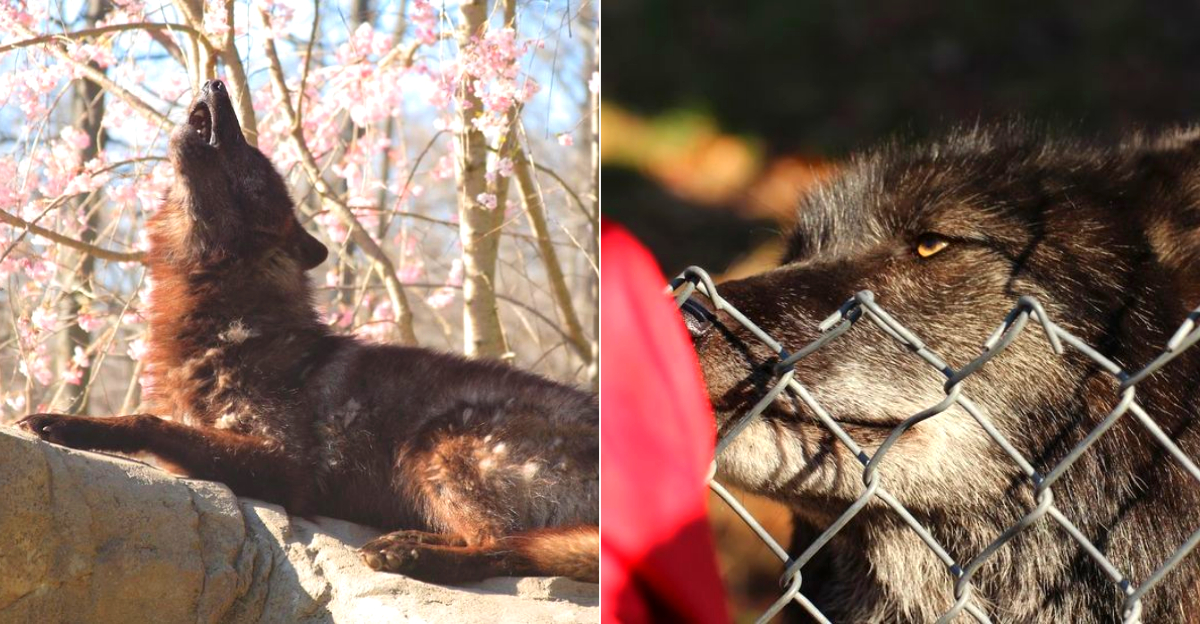
There’s this wolf sanctuary in New York that feels like a real hidden treasure if you love animals and nature. It’s quiet out there, surrounded by trees and open space, and you get to see wolves in a way that feels special, not like a zoo, more like a moment you actually remember.
This sanctuary offers a rare chance to see wolves up close like few places can, and once you’re there, you’ll understand why people rave about it.
If you’ve ever wanted to see wolves up close and learn about these amazing animals, this New York sanctuary might be the most unforgettable stop you make this season.
The Beauty Of Wolves
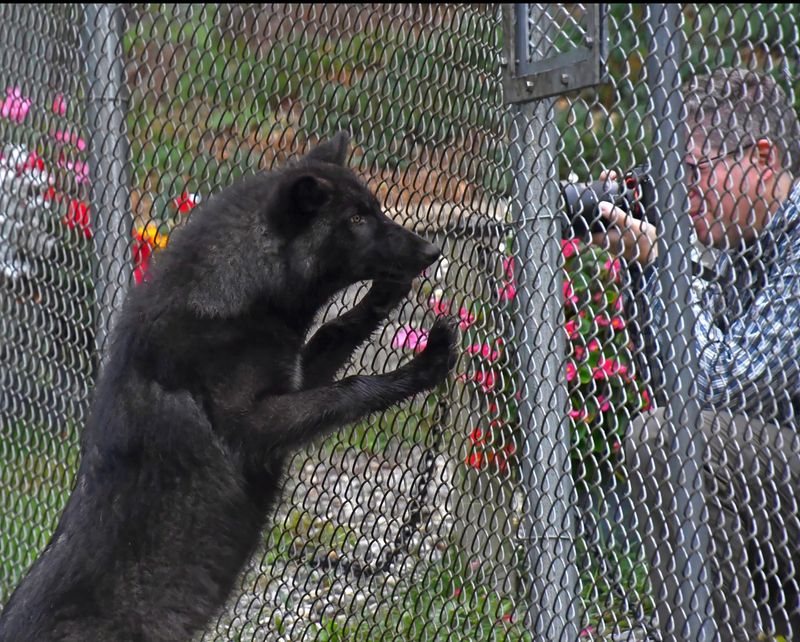
Imagine standing just feet away from a creature that most people only see in documentaries or fairy tales. Your heart’s racing a bit because you’re staring directly at an actual wolf, not through thick zoo glass but across a fence that feels almost too close for comfort.
The animal looks back at you with those piercing amber eyes, and suddenly every childhood story about wolves rushes back into your consciousness.
This isn’t some watered down petting zoo experience where everything’s been domesticated into submission. These are real wolves living their best lives in spacious enclosures designed to mimic their natural habitat.
You’ll hear them communicate with each other through howls that echo through the property, raising goosebumps on your arms in the best possible way.
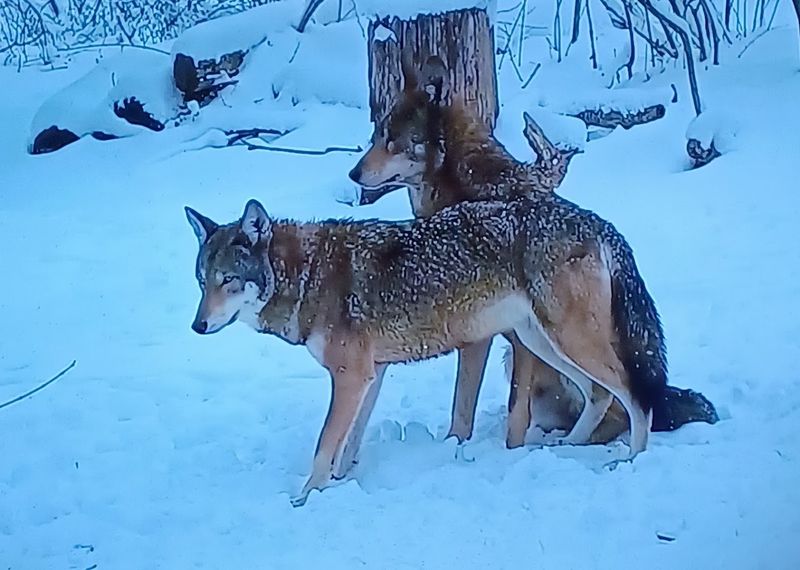
The center houses Mexican gray wolves and red wolves, both critically endangered species that desperately need our help. Their ambassador wolves have become comfortable enough around humans to participate in educational programs.
Visitors consistently report feeling transformed by the experience, describing it as moving beyond expectations and creating genuine connections with these misunderstood predators.
The Wolf Conservation Center Makes Conservation Actually Happen
Located at 7 Buck Run Street in South Salem, the Wolf Conservation Center operates as far more than just a tourist attraction. This nonprofit organization actively participates in Species Survival Plans for Mexican gray wolves and red wolves, working directly with federal agencies to prevent extinction.
Their breeding programs have contributed wolves to reintroduction efforts in the American Southwest, giving these animals a fighting chance at reclaiming their ancestral territories.
The facility opens Tuesday through Sunday from 9 AM to 5 PM, staying closed only on Mondays. Reservations are absolutely required since walk-ins cannot be accommodated, which helps maintain a quality experience for both visitors and wolves.
The center’s location in Westchester County makes it surprisingly accessible for New York City residents and tourists looking for an unusual day trip.
Staff members and volunteers bring incredible passion and knowledge to every program they lead. They’ll explain everything from the cross-fostering program that places captive-born pups with wild parents to the ethical considerations of keeping wolves in captivity for educational purposes.
The organization continues expanding its facilities and programs, with plans for construction beginning in April 2026 that promise even better experiences ahead.
Meeting The Ambassador Wolves
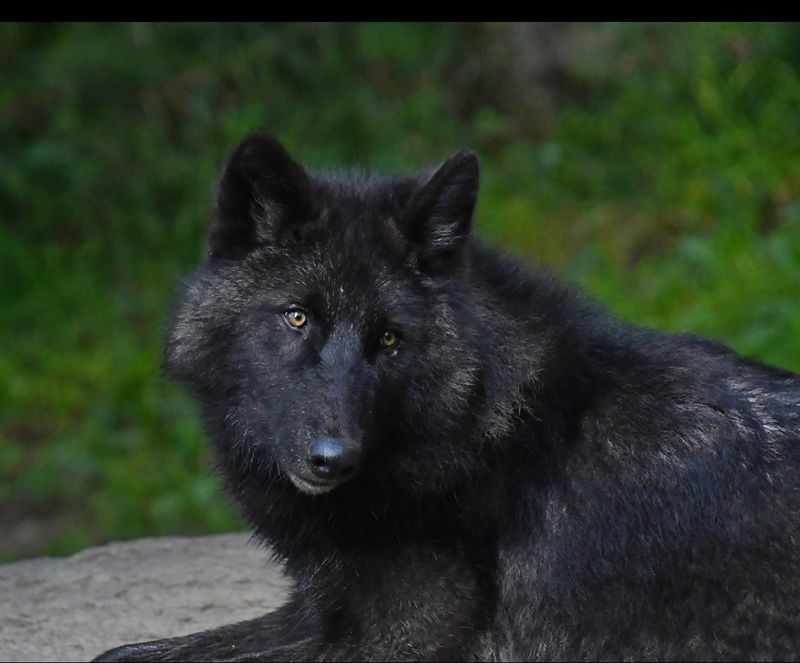
Nikai and Silas serve as the center’s ambassador wolves (at the time of writing this article), meaning they’ve been socialized to tolerate human presence during educational programs. Nikai, now around ten years old, carries herself with a calm dignity that commands respect.
Silas, the younger troublemaker at roughly one year old during recent visits, provides endless entertainment with his playful personality and curious nature.
These wolves haven’t been domesticated or turned into pets. They remain wild animals with all their natural instincts intact, but they’ve learned to coexist peacefully with their human caretakers.
Watching them interact reveals complex social behaviors and intelligence that shatter common misconceptions about wolves being mindless killing machines.
During programs, you’ll stand near their enclosure while guides share stories about each wolf’s unique personality traits and quirks. Silas might perform his signature antics, jumping for treats or investigating new objects with puppyish enthusiasm.
Nikai often demonstrates the patience and wisdom expected from an older, more experienced pack member.
The center strictly prohibits physical contact with any wolves to maintain their natural wariness of humans, which proves essential for conservation goals. This boundary actually enhances the experience rather than diminishing it, creating authentic wildlife observation that respects these animals as the wild creatures they are.
Programs That Let You Howl At The Moon Without Judgment
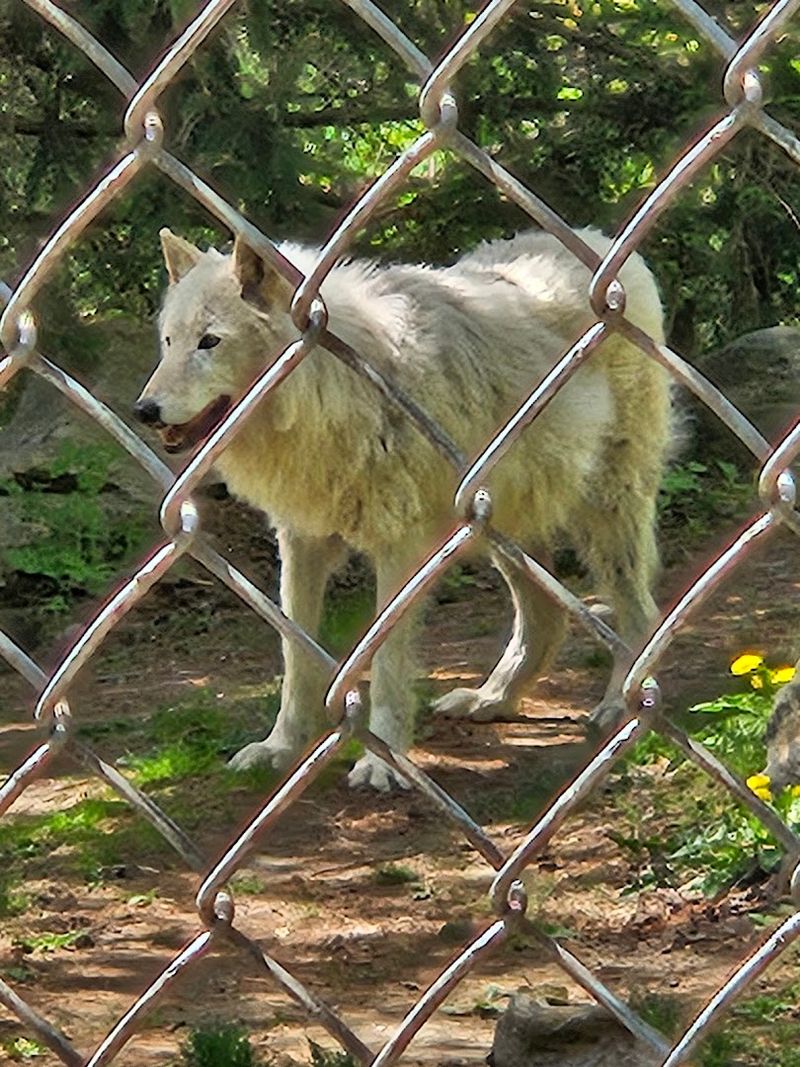
Before visiting the wolves, guides teach you the proper technique for howling, which feels absolutely ridiculous until you actually do it and hear the wolves respond. Standing there making these guttural sounds alongside complete strangers creates instant camaraderie through shared absurdity.
Then the wolves answer back, and suddenly you’re participating in ancient communication that predates human civilization.
The center offers various program options beyond standard tours. Their “Sleeping with Wolves” overnight camping experience lets guests pitch tents near wolf enclosures and fall asleep to the sound of howling.
Participants consistently rate this as transformative, describing how hearing wolves call to each other throughout the night and during early morning roll calls creates unforgettable memories.
Full moon walks provide another unique opportunity, combining nighttime hikes with wolf observation under lunar light. The “Howling Safari” includes hiking to specific locations where you’ll attempt to communicate with ambassador wolves through howling sessions.
Each program requires advance registration since spaces fill quickly, especially for overnight experiences.
Regular ninety-minute tours begin with thirty minutes of classroom education covering wolf biology, conservation challenges, and the center’s specific residents. You’ll learn fascinating details like how adult wolves never have blue eyes, which only occur in puppies.
Then comes the exciting part where you actually meet the wolves themselves.
The Hike That Separates Casual Visitors From True Wolf Enthusiasts
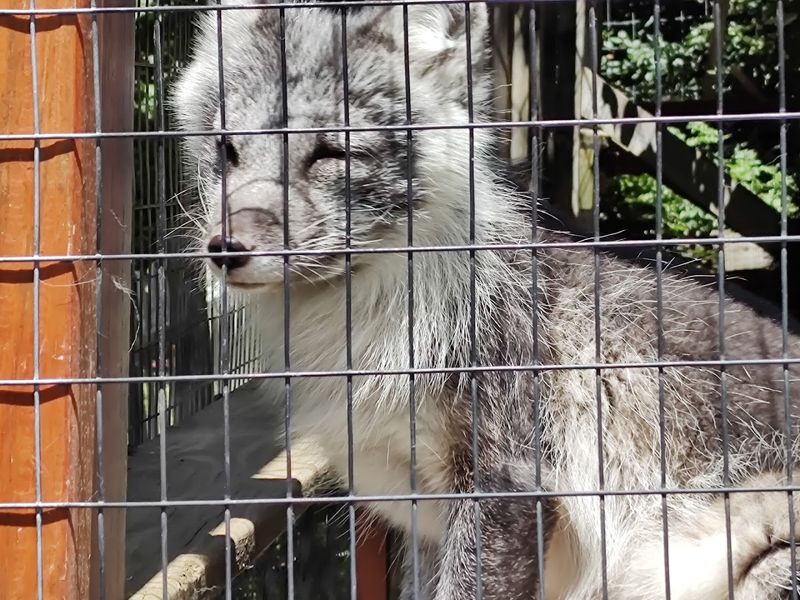
Fair warning arrives immediately upon parking: the walk from the small lot to the actual center involves a legitimately steep hill. The facility does provide an accessibility vehicle for those who need assistance, demonstrating their commitment to inclusive programming.
This uphill trek serves as an unintentional filter, ensuring that visitors arrive slightly winded and fully present rather than casually strolling through. Something about that physical effort makes the eventual wolf encounter feel more earned and meaningful.
You’re entering their territory, after all, not the other way around.
The main presentation happens in a small cabin near the top where seating can feel tight, especially during popular programs. During winter visits, the structure stays quite cold despite a small fireplace, so dressing appropriately becomes essential.
These minor discomforts fade into insignificance once you’re standing near the wolf enclosures.
The gift shop offers a modest but appropriate selection of wolf-themed merchandise, with proceeds supporting the center’s mission. Picnic areas allow visitors to extend their stay and process the experience while surrounded by the property’s natural beauty.
Educational Programs That Actually Teach Instead Of Just Entertaining
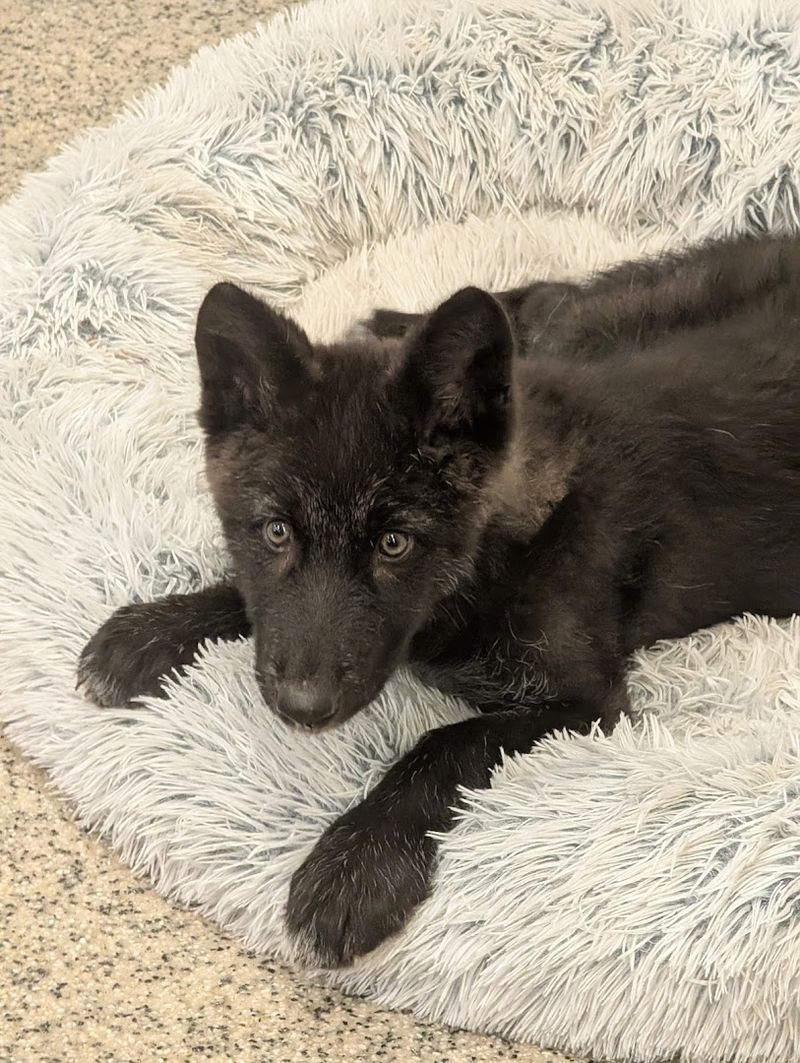
The center takes education seriously, structuring programs to deliver substantial knowledge rather than just providing photo opportunities. Guides address complex topics including habitat loss, human-wolf conflict, genetic diversity challenges, and the politics surrounding wolf reintroduction efforts.
They don’t shy away from discussing the ethical dilemmas inherent in keeping wild animals captive, even for conservation purposes.
Presentations cover the differences between Mexican gray wolves, red wolves, and other wolf species, explaining each subspecies’ unique characteristics and conservation status. You’ll learn about the center’s participation in cross-fostering programs where captive-born pups get placed with wild wolf parents, giving them a chance at life in natural settings.
This innovative approach helps maintain genetic diversity in critically small wild populations.
Staff members share research findings about wolf behavior, social structures, and ecological roles. They’ll explain how wolves shape entire ecosystems through their hunting patterns and territorial behaviors, demonstrating why these predators deserve protection despite livestock conflicts.
The information stays accessible for children while remaining substantive enough to engage adults with scientific backgrounds.
Interactive elements include howling sessions and opportunities to ask detailed questions throughout the program. Guides encourage critical thinking about conservation challenges rather than presenting simplistic solutions.
Seeing Endangered Species That Might Not Exist Without Places Like This
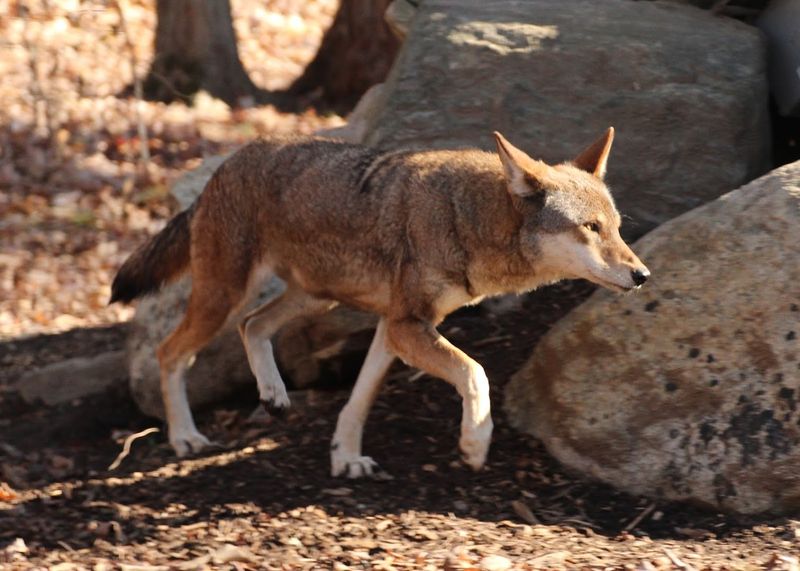
Mexican gray wolves once roamed throughout the southwestern United States and northern Mexico before being hunted to near extinction. By the 1970s, only a handful survived in captivity.
The Wolf Conservation Center houses several of these critically endangered animals, participating in breeding programs that have slowly rebuilt population numbers.
Red wolves faced similar devastation, declared extinct in the wild by 1980. Every red wolf alive today descends from just fourteen individuals captured before the species disappeared from natural habitats.
The center’s red wolf residents represent genetic lineages crucial for maintaining diversity within this tiny population.
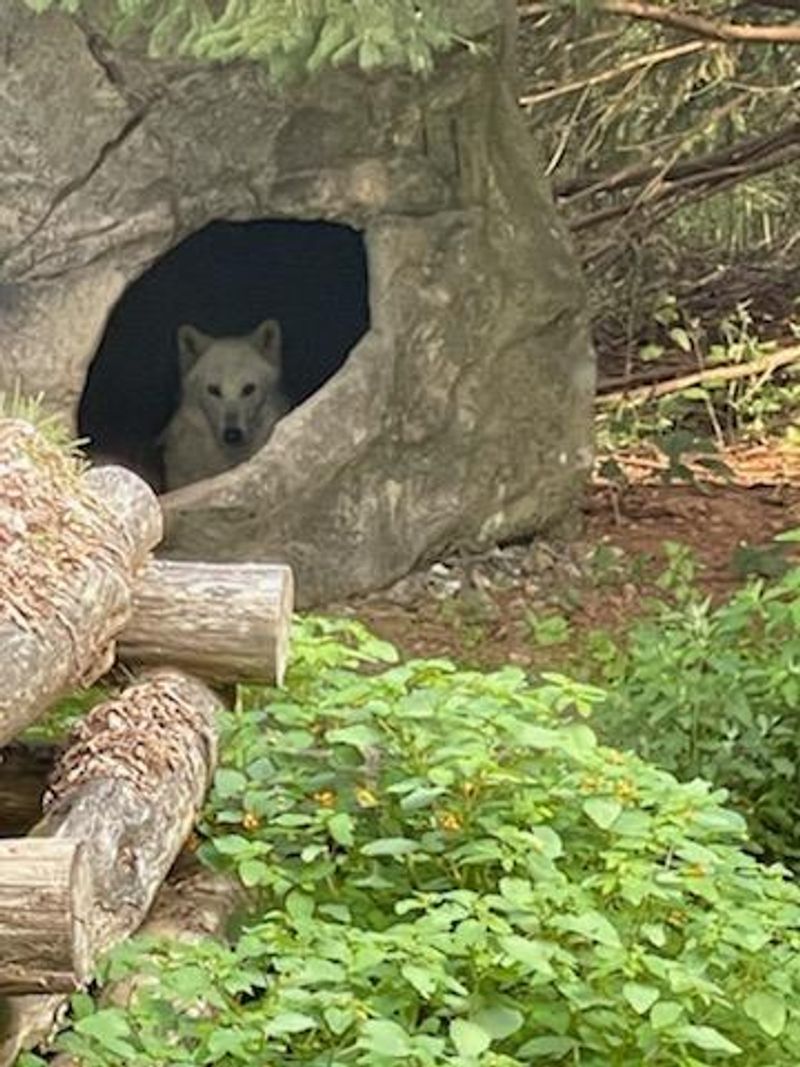
During tours, you’ll visit enclosures housing these endangered wolves, though sightings aren’t guaranteed since the animals aren’t required to perform for visitors. Some tours see wolves immediately while others wait patiently, rewarded eventually when a curious individual emerges from the den.
One review described watching Mexican gray wolves come out specifically to defecate and eat, which provided unexpected entertainment and authentic wildlife observation.
The center maintains twenty-four-hour trail cameras inside enclosures and dens, allowing staff to monitor wolf behavior without intrusive presence. Occasionally guides share footage captured by these cameras, offering glimpses into private moments that visitors wouldn’t otherwise witness.
Understanding that you’re observing animals whose entire species nearly vanished adds profound weight to every sighting.
Why You Cannot And Should Not Touch These Wolves
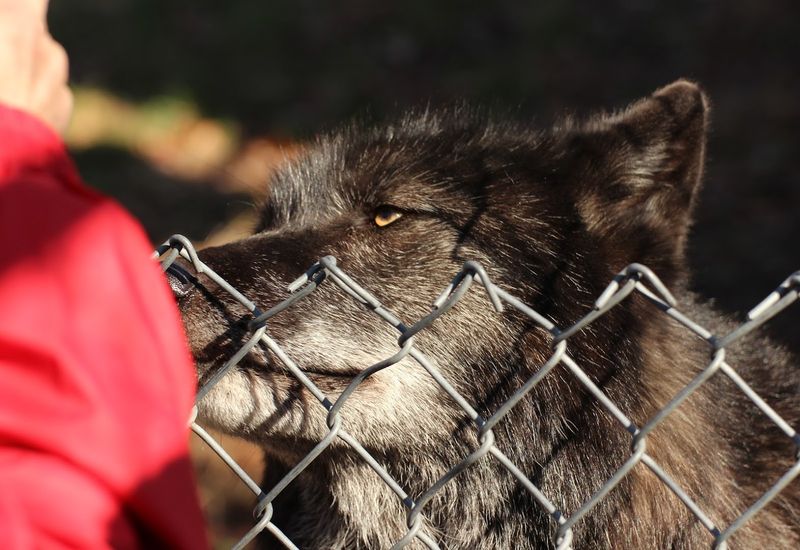
Every program emphasizes the strict no-contact policy, explaining that maintaining wolves’ natural wariness of humans serves essential conservation purposes. Wolves comfortable around people become dangerous to themselves and others, facing almost certain destruction if they lose their fear.
This boundary protects both species from potentially tragic outcomes.
The center’s ambassador wolves tolerate human presence during programs but haven’t been domesticated or turned into pets. They remain wild animals with unpredictable behaviors and natural predatory instincts.
Standing four feet from a wolf without barriers feels incredibly close, offering perspectives that rival or exceed what physical contact might provide.
Some visitors initially feel disappointed by the no-touch rule until they actually see the wolves and understand the reasoning. Observing these animals behaving naturally within their social structures provides far more valuable insights than petting would offer.
You’re witnessing authentic wolf behavior rather than trained performances or conditioned responses to human interaction.
The policy also protects visitors from potential injury and the center from liability issues. Wolf jaws exert tremendous crushing force, and even playful interactions could cause serious harm.
Guides explain that wolves sometimes approach fences out of curiosity, occasionally coming close enough that touching would be physically possible, but visitors must resist temptation for everyone’s wellbeing.
Programs Designed For Kids That Adults Secretly Enjoy More
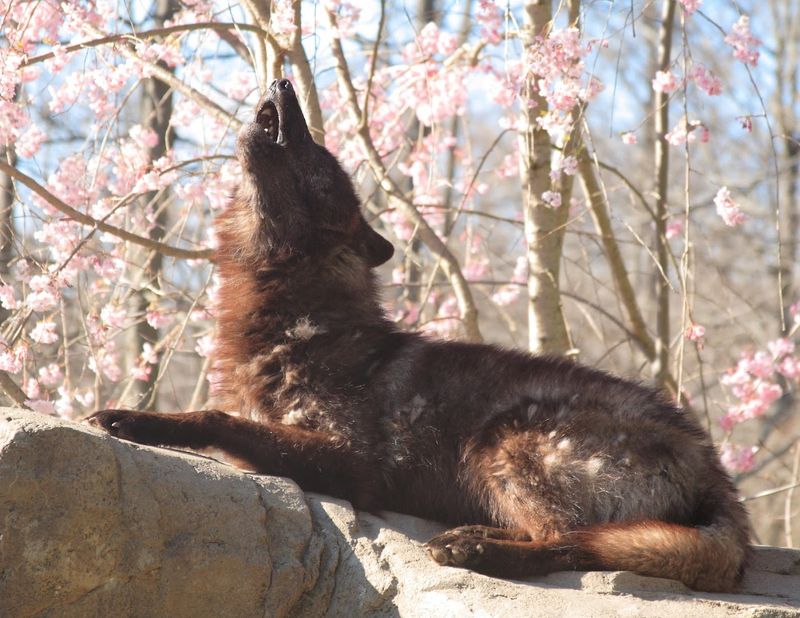
The center structures programs to engage children around five years and older, presenting complex information through accessible language and interactive elements. Kids absolutely love the howling sessions, throwing themselves into the activity with uninhibited enthusiasm that often inspires self-conscious adults to participate more fully.
Watching children’s faces when wolves howl back creates magical moments that families treasure.
Educational content covers topics appropriate for grade school students while remaining substantive enough to hold adult attention. Guides skillfully adjust their presentations based on audience composition, incorporating more playful elements for younger groups while offering deeper scientific discussions when appropriate.
This flexibility ensures that everyone leaves having learned something meaningful.
The combination of outdoor activity, wildlife observation, and educational content hits that sweet spot where learning happens naturally through engagement rather than feeling like forced instruction.
Parents appreciate that programs occupy a reasonable time frame without dragging on past children’s attention spans. The ninety-minute standard tours provide enough content to feel worthwhile while ending before younger visitors become restless.
Overnight camping programs work well for older children and teenagers, offering adventure and independence within supervised settings.
Supporting Conservation Through Tourism That Actually Matters
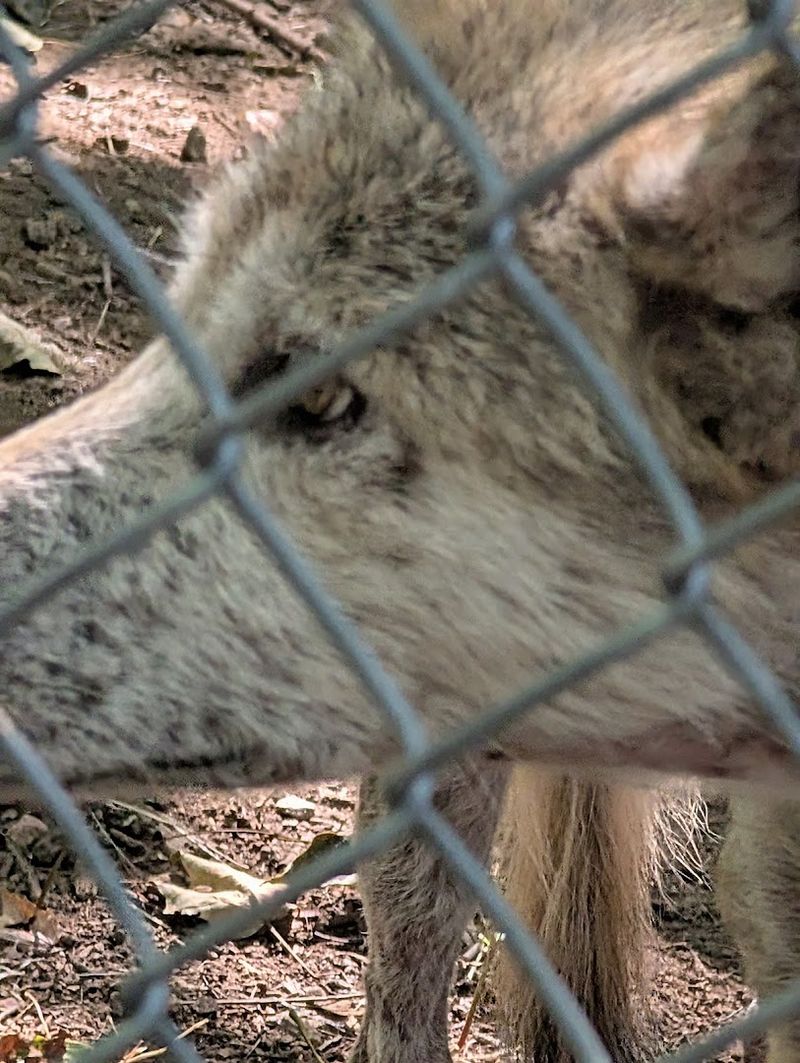
Every admission fee and gift shop purchase directly supports the center’s conservation work, including participation in Species Survival Plans and educational outreach. The organization operates as a nonprofit, meaning revenue funds wolf care, habitat maintenance, breeding programs, and advocacy efforts rather than generating profits for shareholders.
Visitors become part of the conservation story rather than just passive observers. Your presence helps justify the center’s existence to skeptics who question spending resources on predator protection.
Increased public awareness and support create political pressure that influences wildlife management decisions and funding allocations.
The center’s staff and volunteers work with genuine passion for their mission, evident in how they discuss wolves and conservation challenges. Their dedication stems from believing in the work rather than just collecting paychecks.
This authentic commitment creates infectious enthusiasm that transforms casual visitors into active supporters.
Beyond immediate financial contributions, the center hopes visitors leave as advocates who’ll support wolf conservation in their own communities. They encourage people to contact legislators, share information on social media, and challenge misconceptions when encountering anti-wolf rhetoric.
This ripple effect potentially creates more impact than the admission fees themselves.
The planned facility expansion beginning in April 2026 promises improved spaces for both wolves and visitors, demonstrating the organization’s growth and increasing capacity to serve its mission effectively.
The Overnight Camping Experience That Redefines Adventure
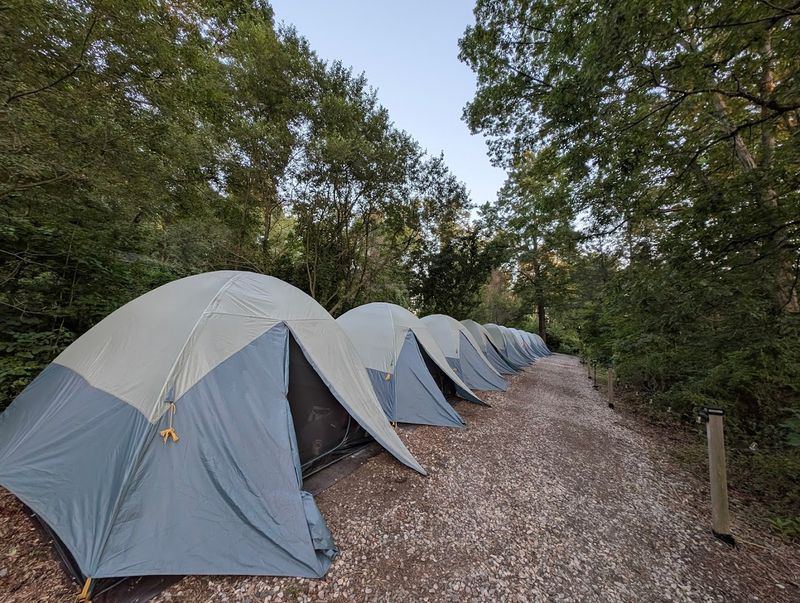
The “Sleeping with Wolves” program offers one of the center’s most distinctive experiences, allowing guests to camp overnight in proximity to wolf enclosures. Only six four-person tents are available per session, keeping group sizes manageable and maintaining an intimate atmosphere.
Programs frequently sell out, requiring advance planning for anyone interested in participating.
Campers arrive in late afternoon for extended programming that includes detailed educational sessions, wolf observations, and evening howling activities. As darkness falls, you’ll set up camp within earshot of the wolves, whose nighttime vocalizations create an unforgettable soundtrack.
The experience runs smoothly without rigid scheduling, allowing natural rhythms to guide activities. Staff members remain available and engaged without hovering, creating relaxed environments where learning happens organically.
Participants describe feeling connected to something primal and meaningful, far removed from typical tourist activities.
Despite rain or other weather challenges, overnight guests rate their experiences as phenomenal. The slight discomfort of camping in less-than-ideal conditions somehow enhances rather than diminishes the adventure.
You’re sharing the wolves’ world on their terms, which requires accepting nature’s unpredictability.
Morning programs often include additional wolf observations and farewell howling sessions before campers pack up and depart, typically around mid-morning.
Planning Your Visit To Maximize This Rare Opportunity
Reservations are absolutely mandatory since the center cannot accommodate walk-in visitors. This policy protects both program quality and wolf welfare by preventing overcrowding and unexpected disturbances.
Book well in advance, especially for popular programs like overnight camping or full moon walks, which fill quickly.
The center operates Tuesday through Sunday from 9 AM to 5 PM, remaining closed on Mondays. Specific programs run at scheduled times throughout each day, requiring you to select a particular session during booking.
Arriving fifteen minutes early allows time for parking, the uphill walk, and settling in before programs begin.
Dress appropriately for outdoor activity in whatever season you visit. Layers work best since you’ll move between the unheated cabin and outdoor areas.
Sturdy footwear with good traction helps navigate the hillside terrain safely. During winter, bring serious cold-weather gear since you’ll spend extended time standing outdoors.
The small parking lot can fill during popular programs, but staff members direct traffic efficiently to maximize space. Carpooling with your group saves space and simplifies logistics.
The facility’s location at 7 Buck Run Street in South Salem places it roughly an hour from New York City, making day trips feasible.
Contact the center at 914-763-2373 with questions or visit their website at nywolf.org for detailed program information, pricing, and booking options.