
This Wyoming Steakhouse Has Served Legendary T-Bones Since The 1950s
Some restaurants survive because they change with the times. This Wyoming steakhouse has lasted by knowing exactly what should never change.
Since the 1950s, its T-bones have given generations of diners the same reason to return. The anticipation begins before the plate reaches the table, then the first cut reveals why this steak has remained the main attraction for so long.
It is the sort of meal that can make an ordinary evening feel like an occasion without trying too hard. In a state where beef is taken seriously, decades of loyalty cannot be earned through nostalgia alone. The food still has to deliver, and diners clearly believe it does.
Wyoming may be a state filled with hearty dining traditions, but few restaurants can claim a signature steak that has held people’s attention for more than seventy years.
The T-Bone Has Been The Star For Generations
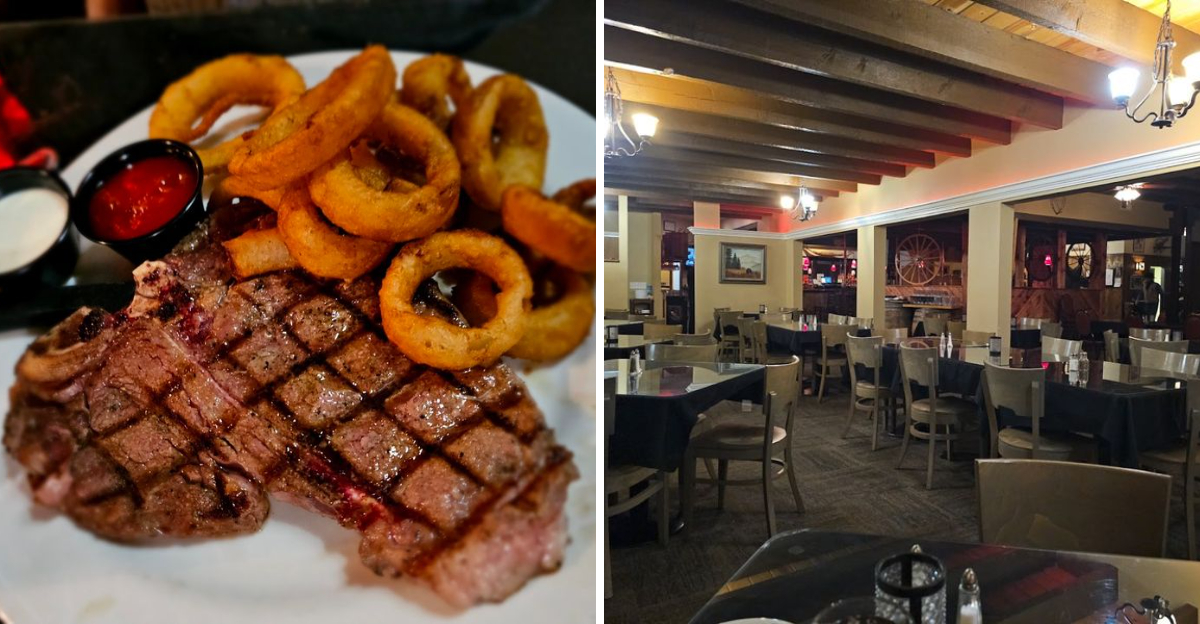
Since opening in 1958, Little Bear Inn has centered its menu around one undeniable truth: a properly prepared T-bone steak needs little introduction. Located at 1700 I-25, Cheyenne, WY 82009, the restaurant sits just outside the city limits where it’s been serving the same signature cut for over sixty years.
The T-bone combines two experiences in one, a strip steak on one side of the bone and a tenderloin on the other.
Diners who appreciate traditional steakhouse fare tend to appreciate this dual-texture approach. The cut arrives with char marks from the grill and enough heft to satisfy substantial appetites.
Regulars often request their preferred level of doneness, knowing the kitchen has decades of practice getting it right.
The simplicity of the preparation lets the beef speak for itself. No complicated sauces or trendy preparations distract from what made this place legendary in the first place, just good meat cooked over high heat.
You Can Still Order A Steak Worth Dressing Up For
Dinner at Little Bear Inn occupies a particular category, casual enough for locals stopping by after work, but special enough that some guests choose to dress up a bit. The restaurant opens at 4 PM on operating days, closed Sundays and Mondays, giving the kitchen time to prepare for evening service.
Candlelit tables create an atmosphere that feels more intentional than everyday dining.
The setting encourages guests to slow down and treat the meal as an occasion rather than just another weeknight dinner. Families celebrating milestones and couples marking anniversaries find the environment strikes a balance between approachable and memorable.
The dress code remains flexible, this is Wyoming, after all, but the experience itself carries a sense of formality.
Service tends to be attentive without hovering, allowing conversations to unfold naturally. The pacing between courses gives diners time to savor each part of the meal.
Whether someone arrives in boots or dress shoes, the focus stays on the quality of the food and the comfort of the experience.
Decades Of Tradition Shape Every Dinner Service
Operating continuously since the Eisenhower administration gives a restaurant certain advantages, namely, plenty of time to refine every detail of service. Little Bear Inn has watched dining trends come and go while maintaining its core approach to hospitality.
The staff follows rhythms established over decades, from the timing of bread service to the presentation of entrees.
New owners in recent years have updated some elements while preserving the essential character that longtime patrons expect. The kitchen still prepares dishes using methods that have proven reliable across generations.
Waitstaff often include younger servers learning the craft alongside more experienced colleagues, creating continuity in service standards.
This accumulation of institutional knowledge shows up in small ways, knowing when to refill water glasses, how to pace courses for different party sizes, and which questions guests typically ask. The restaurant functions like a well-rehearsed performance where everyone knows their role.
Tradition here isn’t about resistance to change, but about respecting what works and building on solid foundations.
The Rustic Dining Room Feels Made For Wyoming
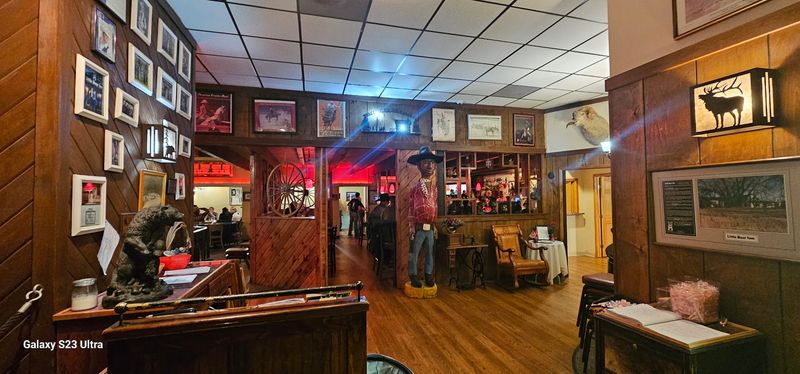
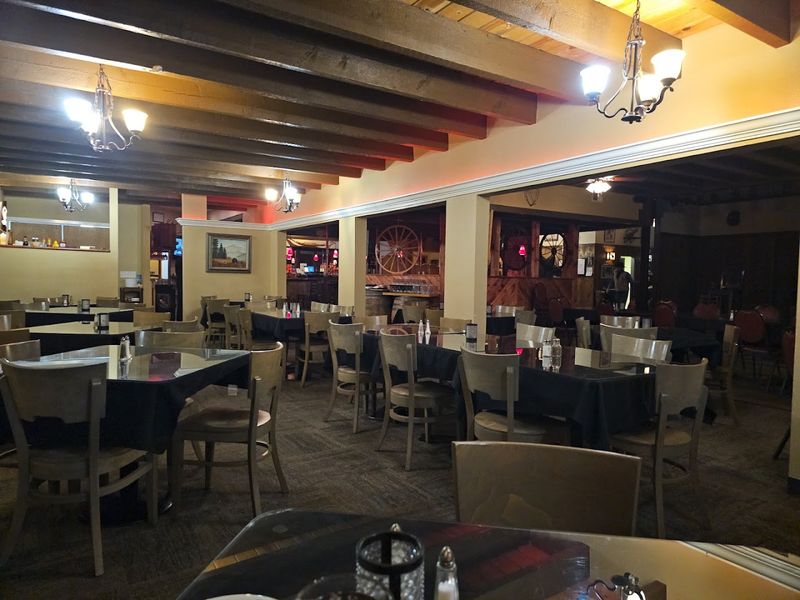
Walking into Little Bear Inn means stepping into a space designed to reflect its surroundings. The rustic decor doesn’t feel like a theme park version of the West but rather an authentic expression of regional character.
Wooden elements and straightforward furnishings create an environment where the focus stays on the food and company rather than elaborate design.
The dining room layout accommodates various party sizes, from couples seeking corner tables to larger family gatherings. Recent remodeling has modernized certain aspects while preserving the roadhouse vibe that defines the place.
Lighting levels stay comfortable, bright enough to see your meal clearly but dim enough to maintain intimacy.
Some guests appreciate that the space doesn’t try too hard to impress. There’s a certain honesty in the presentation that matches the straightforward menu.
The atmosphere encourages relaxation without demanding formality, making it accessible to both tourists curious about local dining and residents who’ve been coming here for years. Does your favorite restaurant feel this unpretentious?
Thick Cuts Arrive Ready For Serious Appetites
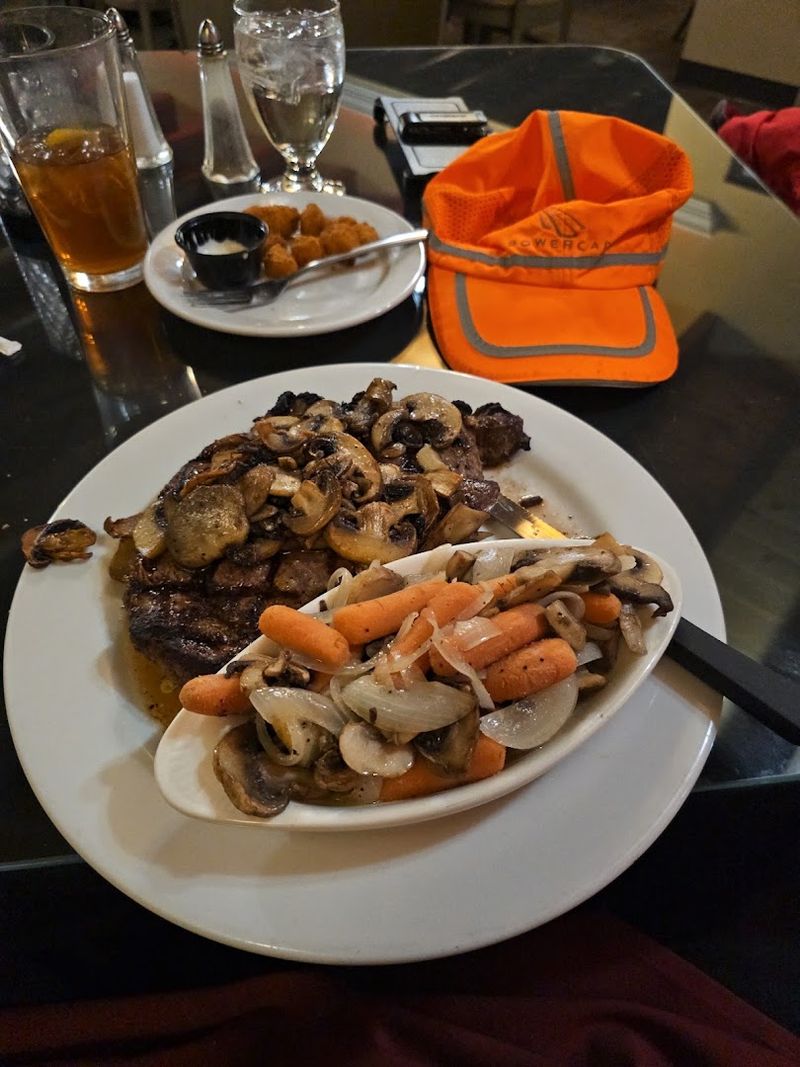
Portion sizes at Little Bear Inn acknowledge that people visiting a steakhouse generally aren’t looking for dainty servings. The cuts arriving from the kitchen carry substantial weight and thickness, prepared for diners who approach the meal with genuine hunger.
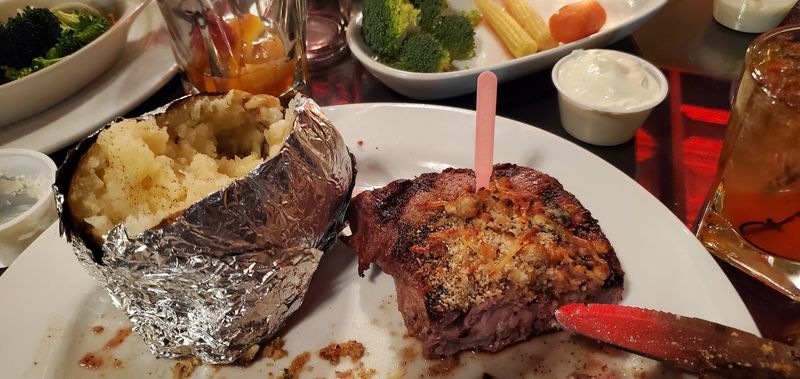
A sixteen-ounce ribeye or a hefty T-bone occupies most of the plate, leaving just enough room for accompaniments.
The kitchen doesn’t apologize for generous proportions, that’s part of the appeal for many guests. Steaks arrive still sizzling in some cases, with visible grill marks and a crust that suggests proper high-heat cooking.
The thickness of the cuts allows for better control over internal temperature, meaning the difference between medium-rare and medium becomes more forgiving.
First-time visitors sometimes underestimate the size of their order, though most servers will offer guidance on portion expectations. Sharing becomes a practical option for those with smaller appetites.
The restaurant’s approach reflects a particular philosophy: if someone travels specifically for steak, they should leave satisfied and possibly a bit stuffed.
Classic Sides Complete The Old-School Steakhouse Experience
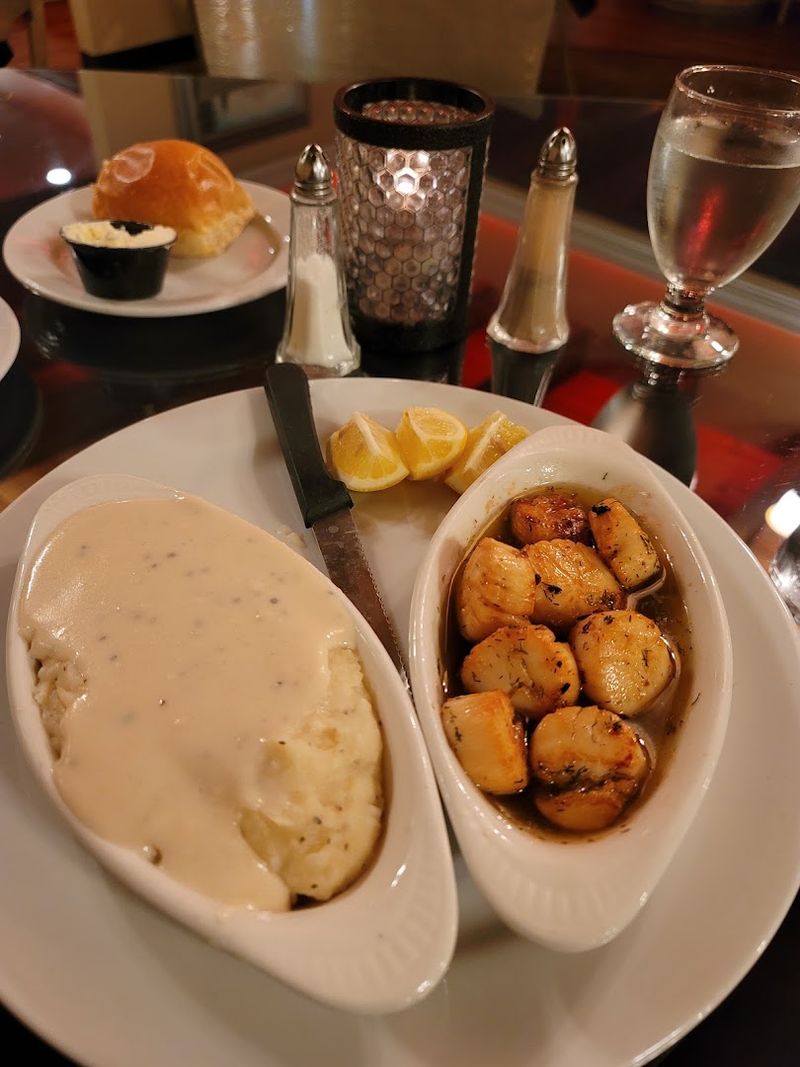
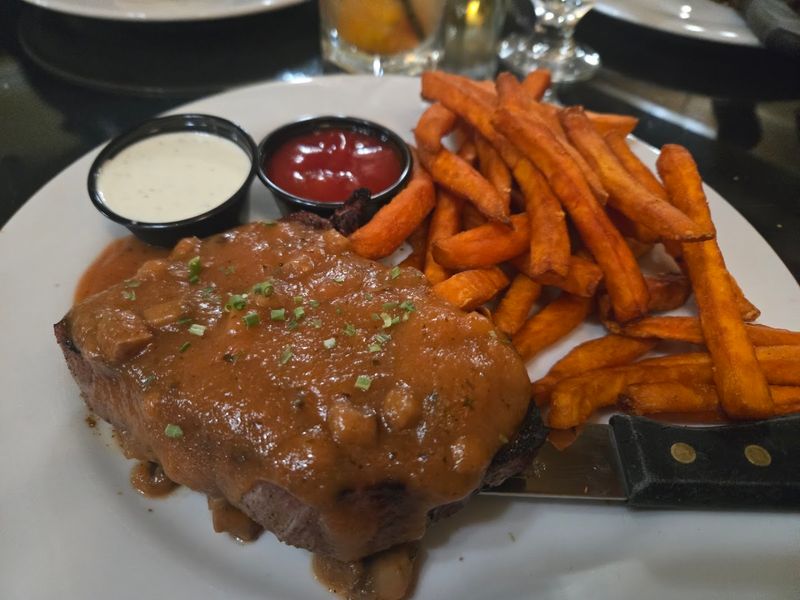
The supporting cast matters almost as much as the main attraction in traditional steakhouse dining. Little Bear Inn offers sides that complement rather than compete with the beef, baked potatoes, sautéed mushrooms and onions, and straightforward vegetable preparations that don’t require extensive explanation.
These accompaniments follow familiar patterns that regular steakhouse patrons recognize immediately.
Salads arrive before the main course, crisp and generously portioned, providing a lighter start to what becomes a substantial meal. Yeast rolls appear early in service, warm and suitable for butter.
The side dishes don’t attempt innovation but instead aim for consistent execution of established favorites.
Some guests particularly appreciate the French onion soup, which several reviews mention specifically as a standout. The kitchen seems to understand that people visiting a steakhouse often crave comfort and familiarity rather than culinary surprises.
Each element on the plate serves a purpose, whether providing contrast in texture or simply offering variety across the meal.
The Menu Gives Steak Lovers More Than One Temptation
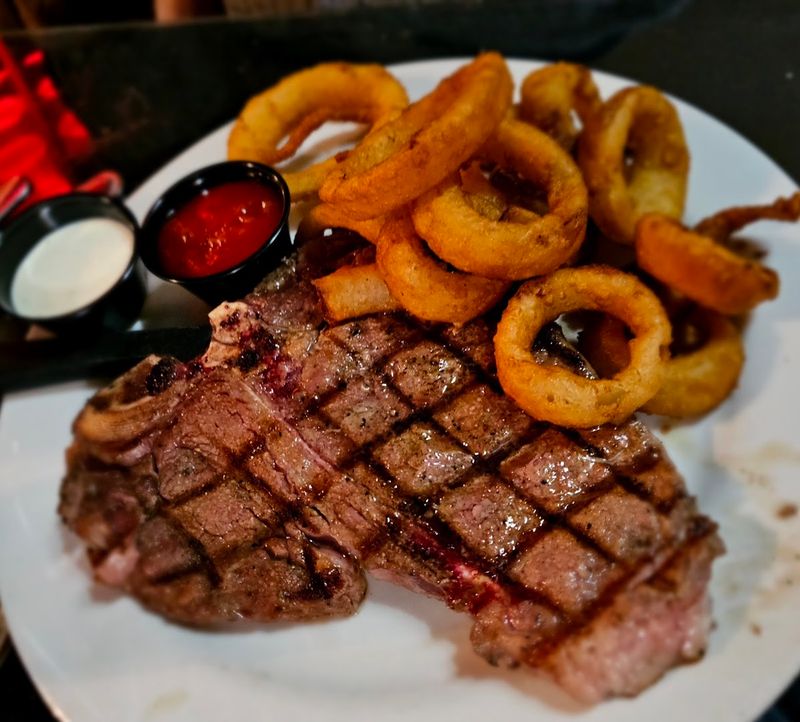
While the T-bone built the restaurant’s reputation, the menu extends beyond a single cut to accommodate different preferences. Ribeyes appeal to those who prioritize marbling and rich flavor, while filet mignon serves guests seeking tenderness above all.
The kitchen also prepares prime rib, offering another classic option for beef enthusiasts.
Beyond beef, the menu includes seafood options like scallops and walleye pike, providing alternatives for mixed parties where not everyone wants steak. Some adventurous items appear as well, frog legs and Rocky Mountain oysters make occasional appearances for curious diners.
The Tuesday T-Bone Special offers a price reduction on the signature cut, making that particular evening popular among value-conscious regulars.
The relatively compact menu suggests a kitchen focused on executing a manageable number of dishes well rather than attempting to be all things to all people. This approach tends to result in more consistent quality across offerings.
Specialization has its advantages, particularly when a restaurant has had decades to perfect its core preparations.
Longtime Regulars Keep Returning For Familiar Favorites
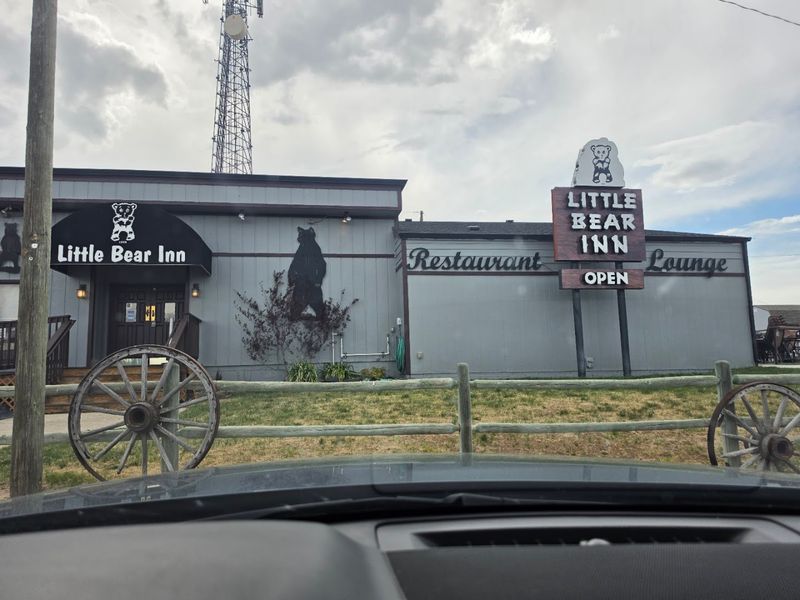
Restaurants that survive for over sixty years don’t achieve that longevity through constant reinvention, they earn it by giving people reliable reasons to return. Little Bear Inn benefits from a loyal customer base that spans generations, with grandparents bringing grandchildren to experience the same meals they enjoyed decades earlier.
This continuity creates a sense of shared history that newer establishments can’t replicate.
Phone number 307-634-3684 connects potential diners with a reservation system that sometimes fills quickly, particularly on Friday and Saturday evenings when hours extend to 10 PM. The restaurant’s willingness to call ahead and suggest alternative timing when they’re heavily booked shows consideration for guest experience.
Regulars often have preferred tables or familiar servers who remember their usual orders.
This kind of relationship-building happens slowly, meal by meal, visit by visit. The restaurant operates Wednesday through Saturday, giving the team time to maintain standards without the burnout that can come from seven-day operations.
Consistency matters more than novelty when building lasting customer loyalty.