
Timber Rattlesnakes Stay Active Into Fall At These Massachusetts Hiking Areas
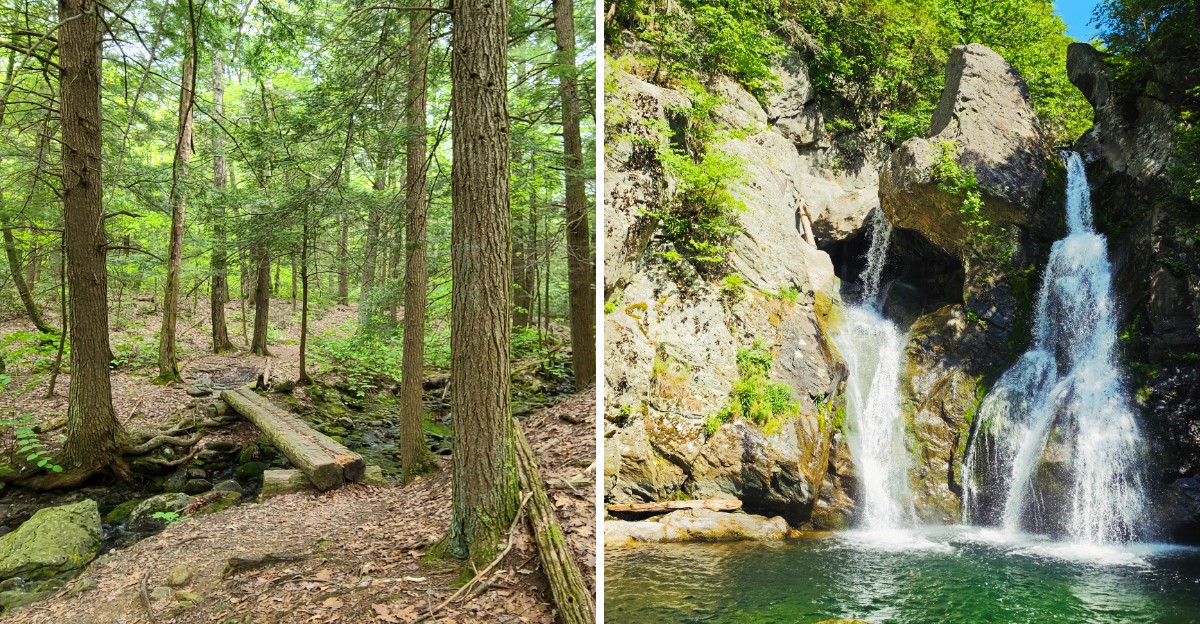
Cooler weather does not mean every snake has disappeared for the season. In Massachusetts, timber rattlesnakes can remain active into fall, especially during warmer stretches when rocky hillsides and wooded trails still hold enough heat.
That makes autumn hiking a little more interesting in areas where these rare snakes are known to live.
They are not common, and sightings are unusual, but knowing the habitat can help hikers stay more aware near rocky ledges, exposed slopes, and forested ridges.
Most people will never encounter one. Still, fall is not the time to assume the trail is completely snake free just because the leaves are changing and temperatures are dropping.
Massachusetts hiking season can be beautiful well into October, and a little awareness goes a long way. These areas are worth knowing about if you plan to spend time on the trails before winter finally settles in.
1. Blue Hills Reservation
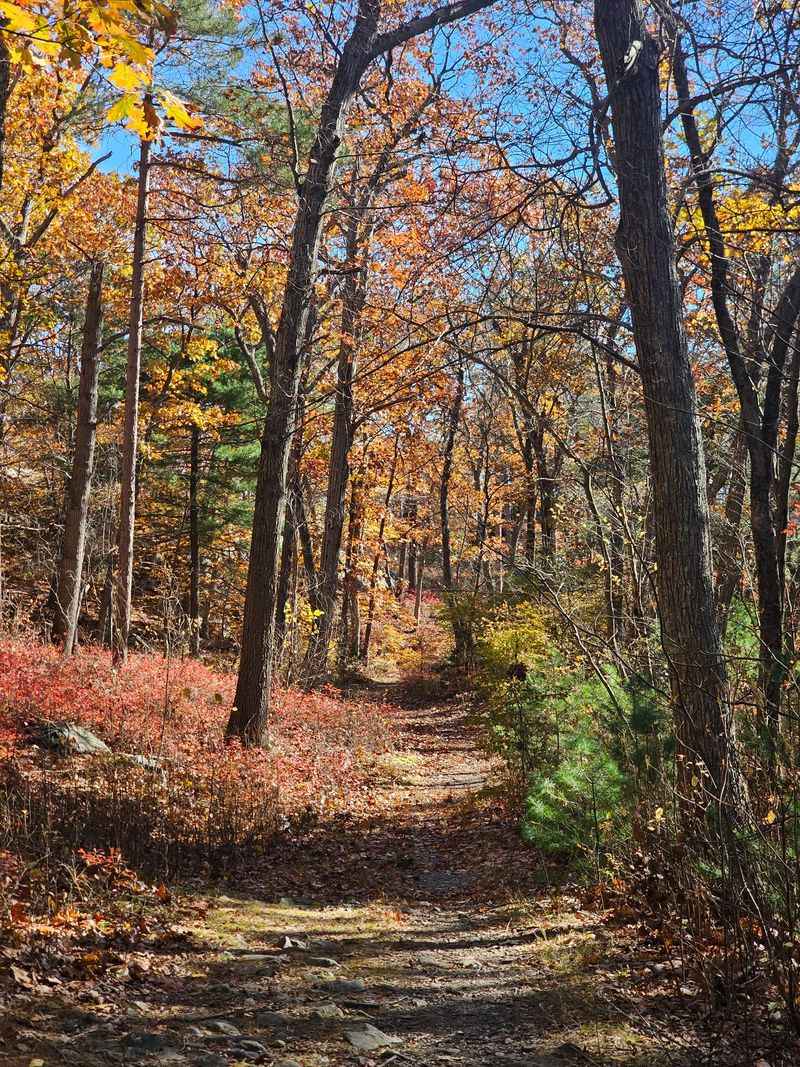
Few people expect a rattlesnake so close to Boston. Yet one of the state’s last small populations lives right here, just south of the city in Milton.
The park stretches across thousands of acres of rocky hills and leafy forest. Sightings are rare, so most hikers never see one. Still, they happen.
In September 2021, a five-foot timber rattlesnake was spotted crossing a trail, which surprised plenty of weekend walkers.
Fall is when these snakes look for sunny ledges to warm up. The rocky, less busy corners of the reservation are their favorite spots.
Park staff sometimes move snakes that wander toward nearby neighborhoods back into wilder areas.
The views, though, steal the show. Climb to the top of Great Blue Hill and you can see the Boston skyline on a clear day.
The historic stone weather observatory at the summit adds a fun bit of history to the hike.
Staying safe here is fairly simple. Stick to the wide, marked paths and keep an eye on the ground ahead, especially near sunny rock piles.
Leave the headphones in your pocket so you can hear any warning buzz. If you do hear a rattle, freeze and find the sound first. Then back away slowly. Consider it a lucky glimpse of a creature most people only read about.
2. Mount Tom State Reservation
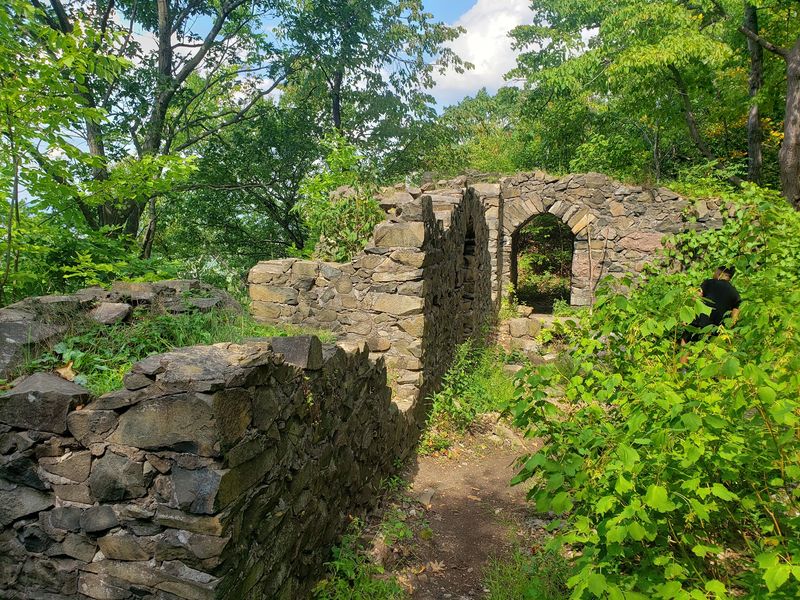
Picture a long ridge of dark basalt rising above the Connecticut River Valley. Out in Holyoke, that ridge is Mount Tom, and its cliffs give some of the best fall views in western Massachusetts.
Hawk watchers love this spot in autumn. Hundreds of migrating raptors can glide past the ridge on a good day. Down below, though, a quieter resident deserves attention too.
Timber rattlesnakes live on the sunny southwestern talus slopes here. Their numbers are low, but sightings do get reported, mostly in warm weather.
They are also known around East Mountain nearby. Spring and fall are their busiest travel times, since they move between dens and summer hunting grounds.
So what does a smart hiker do? Watch your step on loose rock, and never reach into gaps between boulders. Snakes love those warm cracks as much as you love a cozy blanket.
Dogs should stay on a leash the whole time. A curious pup sniffing around rocks is exactly the kind of surprise a snake wants to avoid. It keeps your pet safer and the snake calmer.
Sturdy boots that cover the ankle are a great choice on these rocky paths. Long pants help as well. With those simple steps, you can enjoy the cliffs, the hawks, and the valley views without worry.
3. Mount Holyoke Range State Park
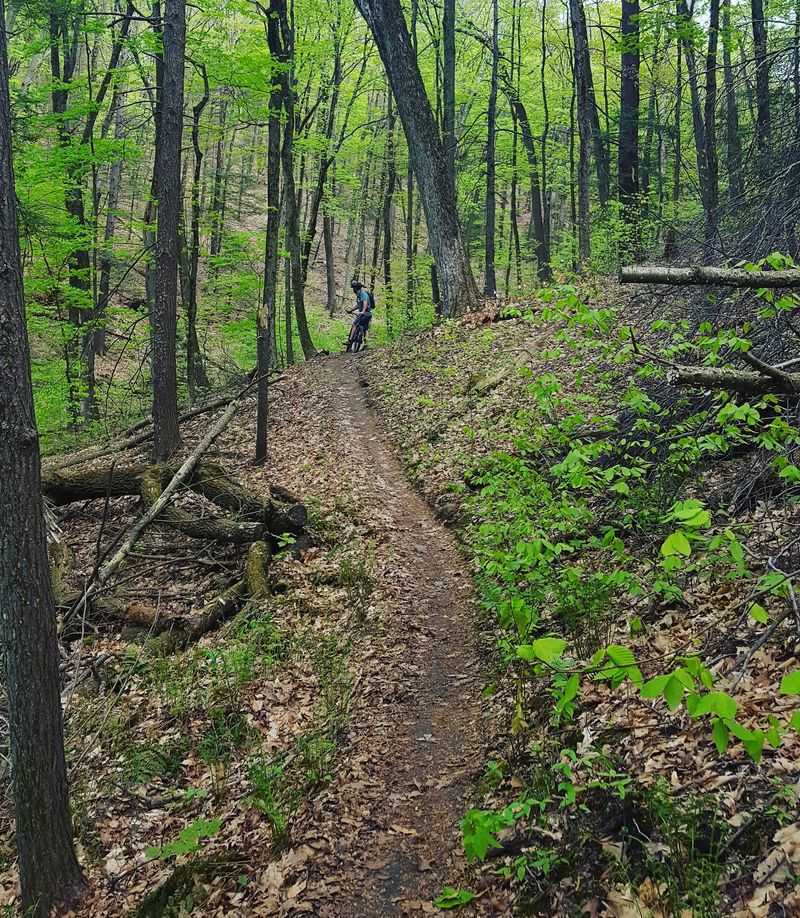
Most mountain ranges in New England run north to south. Here in Amherst, the Holyoke Range does something different and runs east to west.
That odd direction creates long, sunny south-facing slopes.
Those warm slopes matter a lot to snakes. The range is known as a rattlesnake hotspot, and timber rattlesnakes are considered common in its rocky habitat.
Compared to many parks, your odds of seeing one are higher.
Fall is a key season for them. As nights cool down, the snakes gather near their winter dens and bask on sun-warmed rocks.
By late October, most slip underground for a long winter rest called brumation.
The park itself is a nature lover’s playground. Dry upper ridges give way to oak and hickory forests full of wildlife.
The Notch Visitor Center area makes a handy starting point for many trails.
Here is a friendly rule to remember. Snakes are shy and would much rather hide than meet you. Give any snake plenty of space, at least several feet, and simply walk around it on the trail.
Look before you sit on a sunny rock for a snack break. Scan ledges and logs before stepping over them.
A few seconds of looking can save you a startling moment and keeps these endangered snakes safe too.
4. Skinner State Park
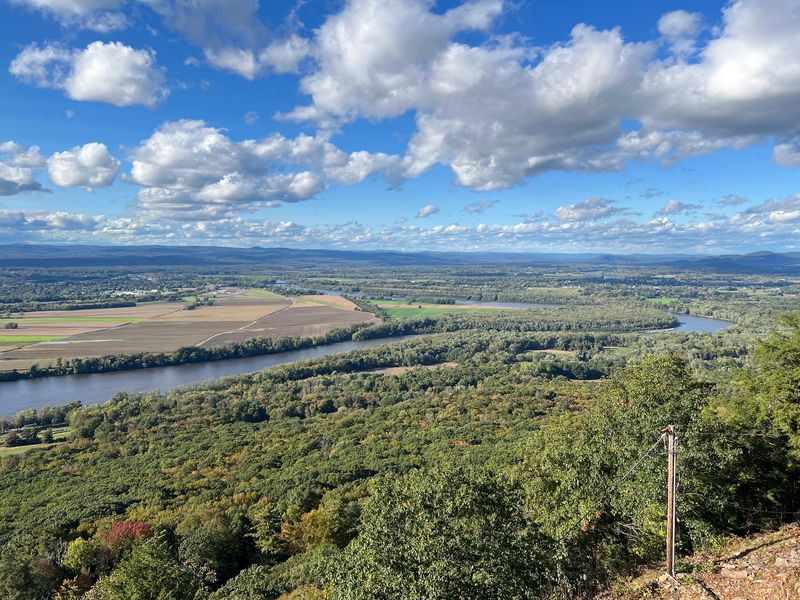
A white hotel sits on a mountaintop in Hadley, and it has been watching the valley since the 1800s. The historic Summit House crowns Mount Holyoke inside this park.
From its porch, the Connecticut River curves below like a giant blue ribbon.
Famous artist Thomas Cole painted this bend in the river, now called the Oxbow. Standing up here in October, you will see why he picked it. The fall colors look almost too bright to be real.
Timber rattlesnakes show up here only now and then. The park is part of the larger Holyoke Range, so it shares the same rocky snake habitat. In autumn, snakes look for south-facing ledges to catch the sun.
Many visitors drive up the summit road, which makes the park easy to enjoy. Hikers climbing the trails, though, pass more rocky spots. That is where a little extra care goes a long way.
Try walking with a steady, firm step. Snakes sense ground vibrations, so your footsteps often send them sliding away before you arrive. Think of it as knocking before entering their home.
Keep kids close on the rocky trails and teach them to look, not touch. Stay on marked paths and avoid thick brush. Then relax and enjoy one of the most famous views in the state.
5. Mt Washington State Forest
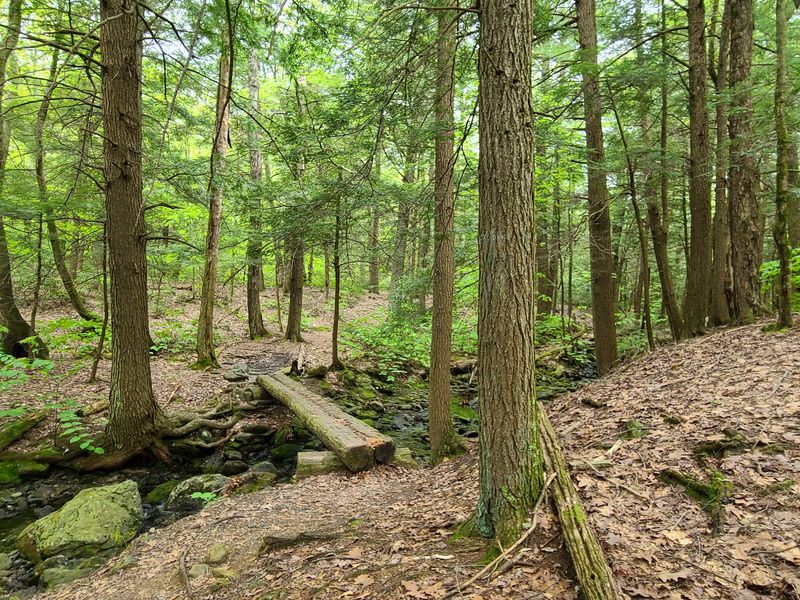
Out in the far southwestern corner of the state, cell service gets spotty and the trees take over. The small town of Mount Washington feels wonderfully remote.
This state forest offers more than 30 miles of trails to explore.
Berkshire County is a stronghold for timber rattlesnakes, and this forest fits right in. Hikers have reported and photographed them here many times.
The mix of rocky ground and leafy mountain woods is exactly what they like.
When autumn chills the air, the snakes start heading toward winter dens. On sunny afternoons, they may stretch out on open rocks to warm up.
That makes an encounter more likely on bright, crisp days.
Because the forest is so quiet, you may go hours without seeing another person. That is part of the charm. It also means you should be a bit more prepared than usual.
Pack water, a map, and a charged phone before you go. Wear boots with good ankle support for the uneven ground. Watch where you place your hands when scrambling over rocks.
If a snake is lying across the trail, do not try to move it. Wait patiently or carefully go around it at a wide distance.
Timber rattlesnakes are endangered and protected by law, so bothering one is never allowed.
6. Mount Everett State Reservation
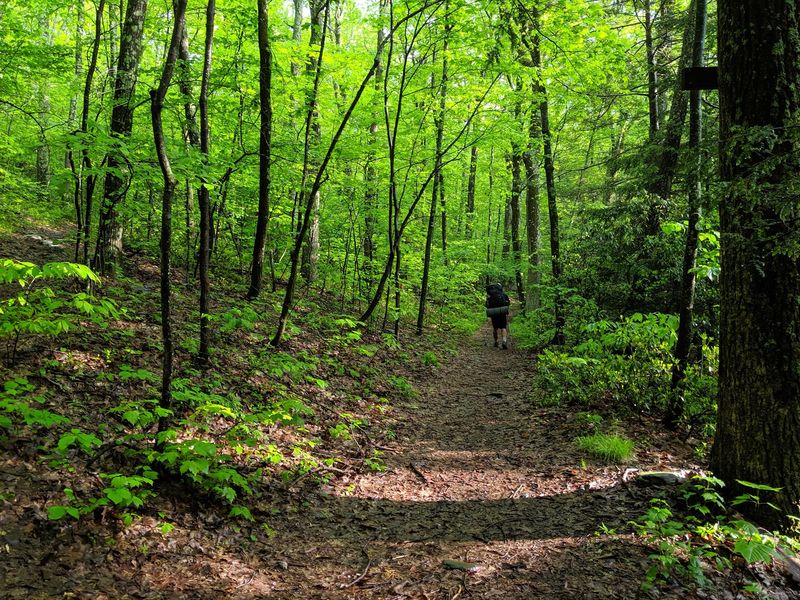
Standing at about 2,600 feet, Mount Everett ranks among the tallest peaks in Massachusetts. The Appalachian Trail runs right over its rocky summit.
Hikers heading from Georgia to Maine pass through this very spot.
Up top, the trees grow short and twisted from wind and thin soil. Pitch pines and scrub oak cover the ridge. On clear days, you can see into New York and Connecticut.
This mountain has a reputation among snake fans. It is often named one of the state’s busiest rattlesnake areas.
Appalachian Trail hikers have reported timber rattlesnakes hiding in the underbrush along the path.
In fall, snakes spend time on sun-baked rocky slopes before denning. Cool air can make them slower to move.
That means a snake might stay put instead of slipping away, so it is up to you to notice it.
A handy trick is to walk in the center of the trail. Brushy edges are where snakes like to rest out of sight.
Trekking poles can also help you tap the ground ahead on rocky stretches.
Hear that dry buzzing sound? Stop moving right away and look around to find the source. Once you spot it, back up slowly and give it lots of room before continuing.
7. Bash Bish Falls State Park
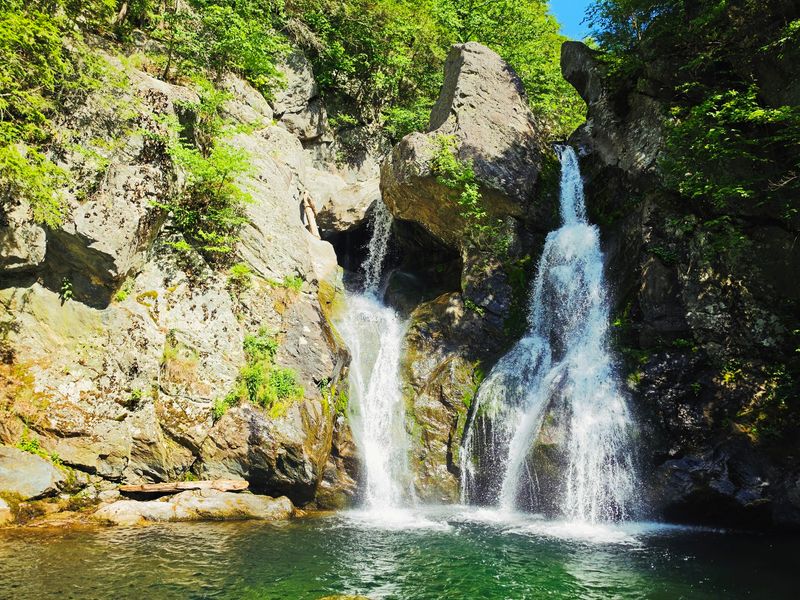
Water crashing down about 60 feet makes quite a racket. Bash Bish Falls is the highest single-drop waterfall in Massachusetts.
A big boulder splits the stream into two graceful ribbons before it lands in a deep pool.
The falls sit in a rocky gorge in the town of Mount Washington. Tall hemlock trees shade the ravine and keep it cool.
Even on warm fall days, the air near the water feels fresh.
Timber rattlesnakes are a documented part of the wildlife here. Most sightings happen in warmer months, usually in rocky, less-traveled areas. In autumn, they may bask on sunny rocks near their dens.
Here is the tricky part. The roar of the waterfall can drown out a rattle. You cannot always count on your ears, so your eyes need to do extra work.
Scan the trail ahead as you walk, especially on the rocky path down to the falls. Avoid climbing on boulders off the trail.
Swimming is not allowed at the falls, so enjoy the view from safe spots.
Stay on the official trail and hold the railings on steep sections. Keep pets leashed and close. With a little attention, this dramatic waterfall makes one of the best fall outings in the Berkshires.
8. Jug End State Reservation
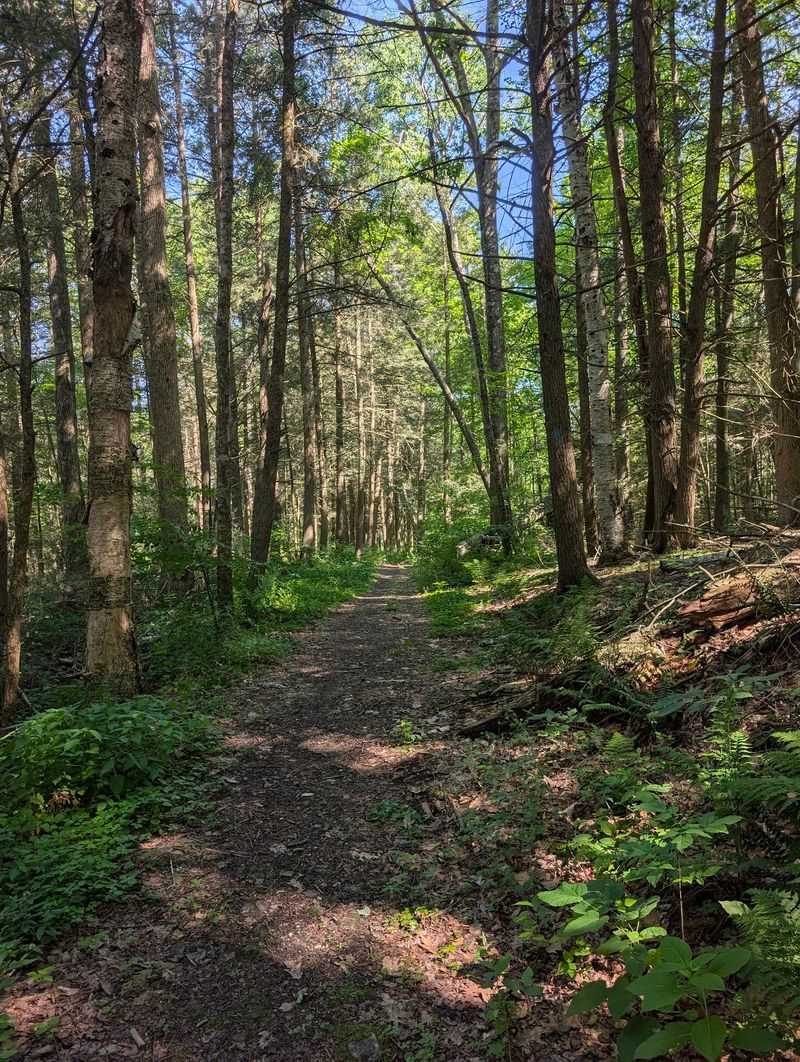
Funny name, right? Jug End is said to come from the German word for youth, jugend, though the story varies.
Either way, this Egremont reservation is full of character and big Berkshire views.
The land was once a popular resort. Today, open meadows sit at the base of a steep, wooded ridge. The Appalachian Trail climbs that ridge and rewards hikers with sweeping valley views.
Jug End is known as a rattlesnake hotspot. Timber rattlesnakes live in its rugged hills and rocky crevices. As fall winds down their active season, they head back to shared dens on south-facing slopes.
The mix of fields and forest gives snakes both hunting grounds and sunny basking spots. Mice and chipmunks are on their menu.
That makes them helpful neighbors for the local farms.
On quieter trails and rocky ledges, stay extra alert. Never poke at a snake with a stick or try to take a close selfie.
A zoom lens is your best friend for wildlife photos.
Leash your dog every step of the way. Wear long pants and closed shoes. When you respect the habitat, you help keep wild places like this healthy for a long time to come.
9. Beartown State Forest
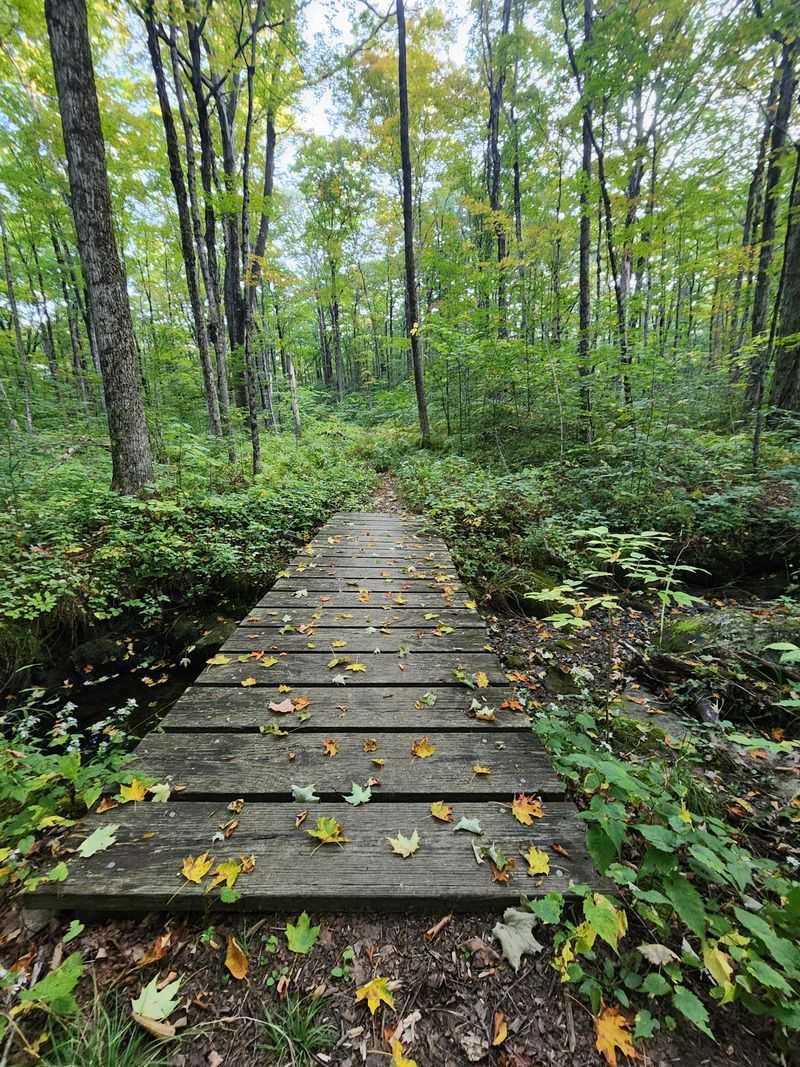
Despite the name, you are more likely to spot a black bear here than a rattlesnake. Beartown State Forest in Monterey covers more than 12,000 acres of Berkshire woods.
It is one of the larger forests in the region.
Benedict Pond is the star attraction. A pleasant loop trail circles the water, and the fall reflections look like a painting. Paddlers love its calm surface on crisp mornings.
Rattlesnake reports from Beartown are not widely shared. Still, the forest sits in Berkshire County, which is part of the timber rattlesnake’s range. Its rocky, mountainous woods match the kind of habitat they prefer.
So think of an encounter as possible but unlikely. On sunny autumn days, a snake could be warming up on rocks before winter.
Being aware simply makes you a better hiker. Good habits apply everywhere. Stay on established trails and watch where you step. Be careful near rock outcrops and fallen logs, since both make cozy hiding places.
Remember that timber rattlesnakes are endangered and protected in Massachusetts. Enjoy them only from a distance.
With a calm, respectful attitude, you can enjoy Beartown’s quiet trails, bright leaves, and peaceful pond all season long.