
Too Many Snakes Are Taking Over This South Carolina Lake Shore
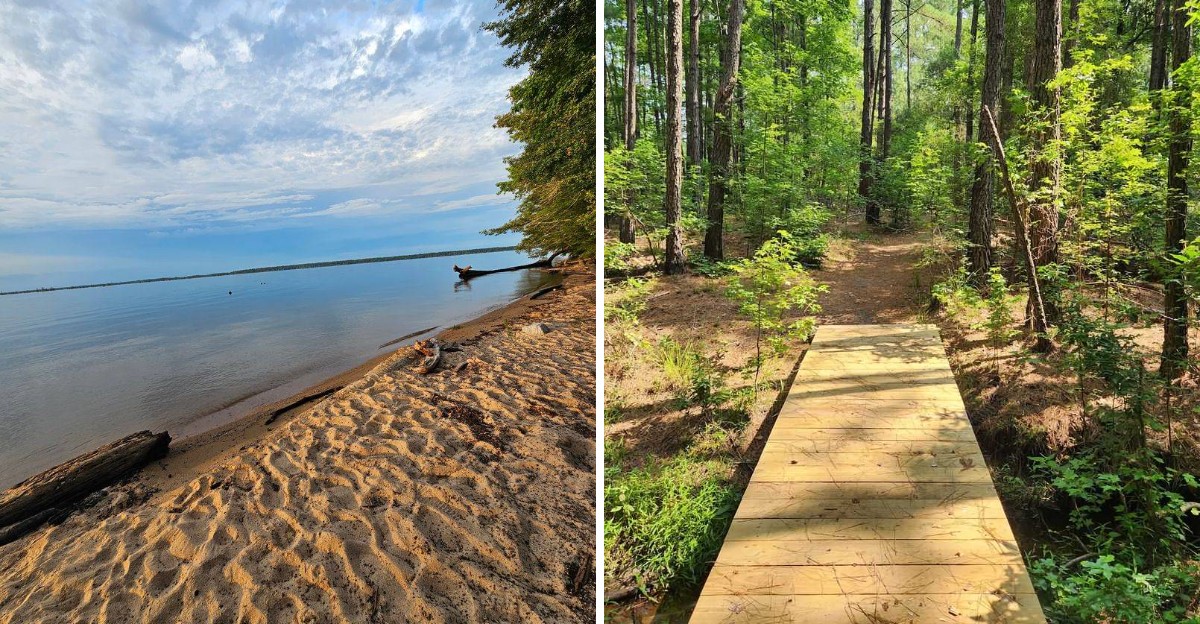
Snakes are quietly claiming an entire South Carolina shoreline, and the numbers keep climbing each season. One massive lake hides drowned forests, cypress shadows, and more reptiles than most visitors expect.
Warm water and thick cover turn this shoreline into prime real estate for cottonmouths, water snakes, and quiet ratsnakes climbing overhead.
Cypress trunks rise straight from shallow water while sunlight streaks through curtains of Spanish moss, painting the surface in deep, tea-colored shadows. Each log along the bank might be hiding something with scales.
This South Carolina shore mixes wildlife watching with real surprises around nearly each bend. Curious how many species actually call these waters home?
Locals already know, and the full story below explains exactly why they keep coming back anyway.
The Lake That Was Built, Not Born
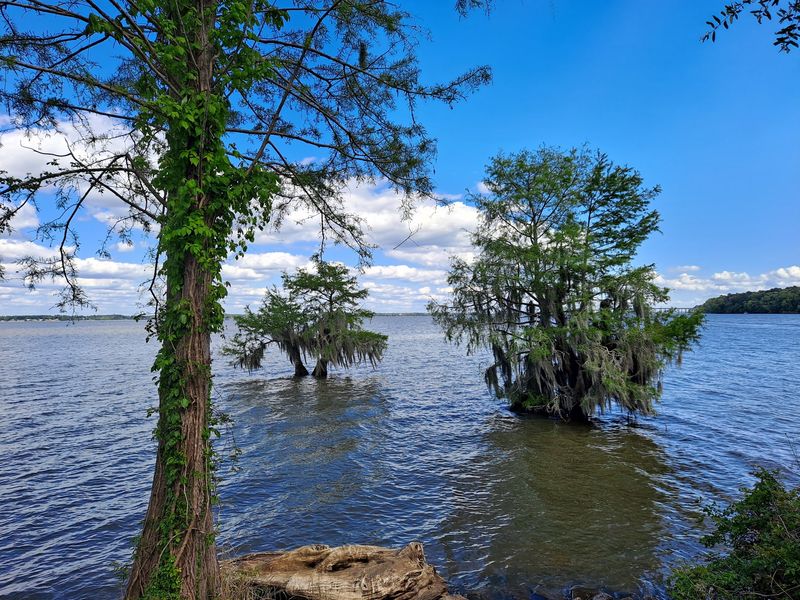
Big water with a backstory. Lake Marion did not carve itself out over centuries.
The lake formed as part of a hydroelectric project on the Santee River. Marshes, farmland, and river valleys slowly disappeared under rising water.
What remained above the surface became something unusual. Drowned forests left behind stumps, standing cypress trunks, and shallow flats full of hiding places.
That structure explains a lot about the wildlife here. Snakes, fish, turtles, and birds all found new real estate almost overnight.
Santee State Park sits along one stretch of the shoreline, at 251 State Park Rd, Santee, SC 29142. The park covers a small slice of a lake that spreads across five counties in South Carolina.
Visitors often expect a tidy reservoir. Instead they find something closer to a flooded woodland with roads and boat ramps attached.
The lake stretches wide enough that the far shore fades into haze. Locals sometimes call it an inland sea, and that description fits.
Understanding how Lake Marion came to be makes the snake population less surprising. Build a giant swampy habitat, and residents move in fast.
Cypress Trees, Spanish Moss, and Shadows
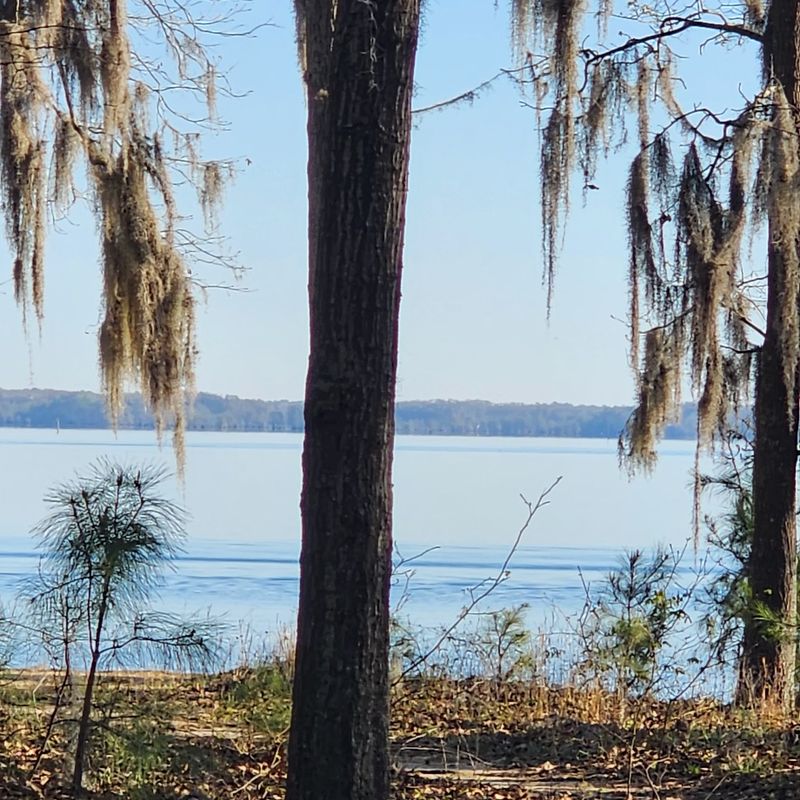
Scenery here does half the storytelling. Cypress trunks rise straight out of shallow water at Santee State Park, wrapped in curtains of Spanish moss.
Light filters through those branches in long stripes. The water below turns the color of strong tea.
That look draws photographers all year. It also creates ideal snake territory, because every root, log, and moss curtain doubles as cover.
The boardwalk and pier areas give the best views without any bushwhacking. Deer wander through the woods behind, sometimes pausing mid-chew to stare at hikers.
Landscapes shift quickly along the shore. Open water gives way to reeds, then dense foliage, then shaded pine forest.
Each of those zones supports different animals. A brown water snake near the lily pads might live a hundred feet from a ratsnake in the oaks.
Fall and winter thin out the leaves and reveal more of the water. Spring turns everything vividly green again.
Beautiful, yes, but never sterile. Lake Marion looks alive because it truly is, right down to the rustling underbrush.
Why So Many Snakes Call This Shore Home
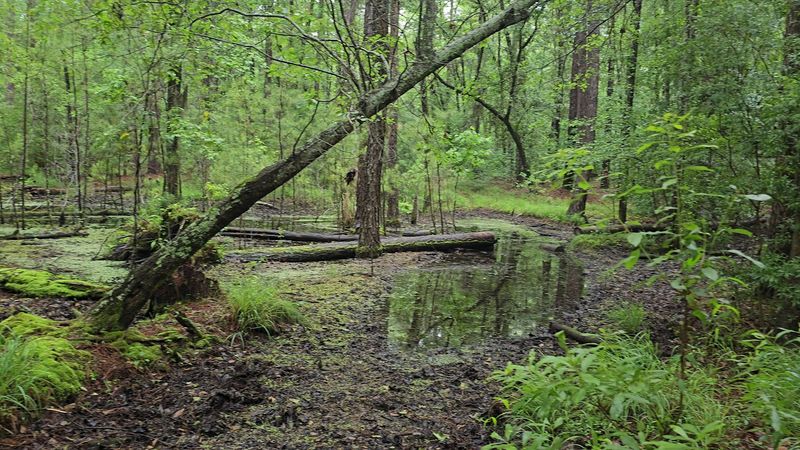
Warm water, thick cover, endless food. Snakes could hardly ask for a better address than the Lake Marion shoreline.
South Carolina summers stay hot and humid for months. Reptiles thrive in that kind of steady warmth.
Add wetlands, swampy pockets, and thousands of fallen logs, and the habitat becomes nearly perfect. Frogs, fish, and small rodents keep the buffet stocked.
Some sources describe Lake Marion as snake-infested, which sounds dramatic. A fairer description is snake-rich.
Sightings happen often, especially near the water’s edge in warm months. Boaters spot them swimming.
Anglers see them draped over branches.
Hikers occasionally watch one cross a sandy trail and vanish into the leaves. That frequency surprises first-time visitors more than the snakes themselves.
Population size also connects to the lake’s sheer scale. More shoreline means more hiding spots, and more hiding spots mean more snakes.
Most of those residents want nothing to do with people. They rely on camouflage and quick escapes rather than confrontation.
Seeing snakes here signals a healthy ecosystem, not a broken one.
Meet The Slithering Neighbors
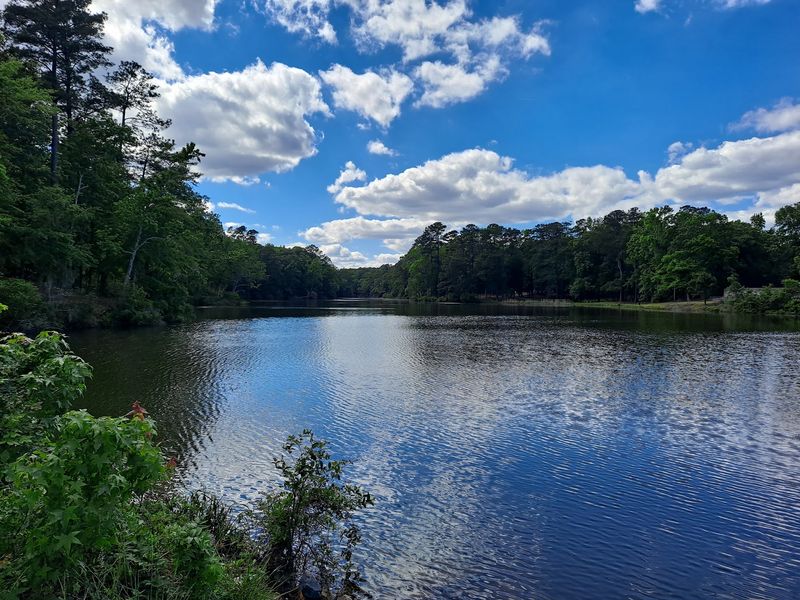
Thirty-eight snake species live in South Carolina. Only a small handful carry venom.
That statistic changes how the Lake Marion shoreline feels. Most encounters involve completely harmless animals going about their business.
Brown water snakes rank among the most common sightings. They stretch out on logs, bask in the sun, and slip into the shallows when disturbed.
Eastern ratsnakes show up too, often surprisingly high off the ground. Strong climbers, they patrol tree trunks and brush piles.
Both species help keep the ecosystem balanced. Ratsnakes especially cut down rodent numbers around campgrounds and picnic areas.
Identification trips up plenty of visitors. A thick-bodied water snake gets mistaken for something dangerous almost every summer.
Body shape, head shape, and behavior all offer clues, though distance remains the smartest tool. Zoom lenses beat close inspection every time.
The visitor center at Santee State Park displays interpretive exhibits about local wildlife, including snake skins. A few minutes there sharpens anyone’s eye.
Learning names turns nervous glances into genuine curiosity, which makes the whole shoreline more fun.
Water Snakes Own The Shallow Edges
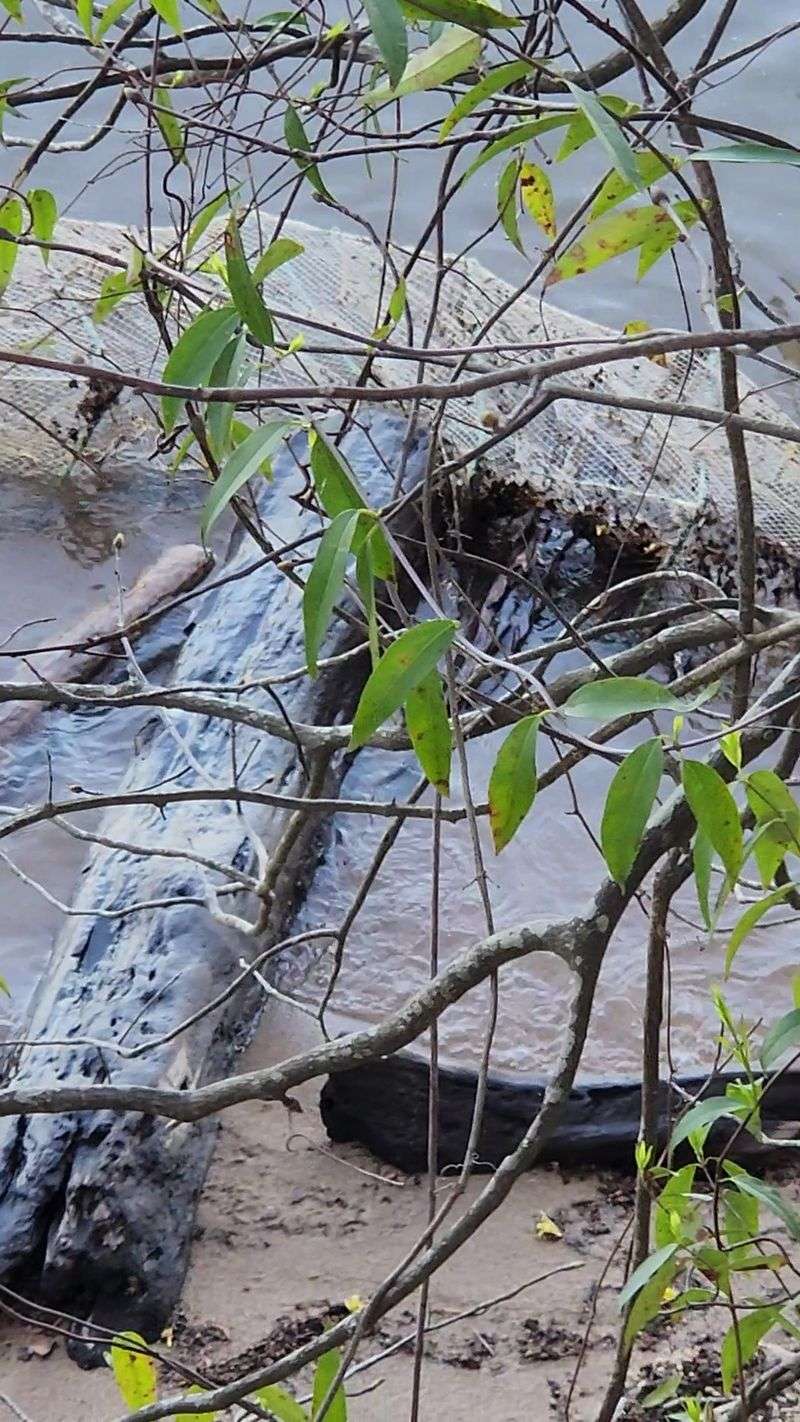
Look at any half-sunken log around midday. Odds are decent something is sunbathing on it.
Brown water snakes patrol the shallow fringes of Lake Marion with real confidence. They glide near lily pads, weave through reeds, and hunt fish in warm water.
Vegetation gives them cover. Sun-warmed shallows give them energy.
Visitors on the pier frequently watch one cut a slow S-shape across the surface. Kayakers get even closer views, sometimes closer than expected.
These snakes carry no venom. They also prefer retreat over drama, dropping off branches into the water at the first sign of footsteps.
That escape splash startles people constantly. A snake plopping into the lake near your kayak sounds much bigger than it is.
Fishing spots along the shoreline overlap with prime water snake territory. Keeping bait buckets closed and watching where hands go near brush solves most awkward moments.
Photographers love them because they hold still for long stretches. Patience pays off from a respectful distance.
Treat them as part of the scenery, and the shallow edges of Lake Marion become quietly fascinating.
Cottonmouths And The Muddy Pockets
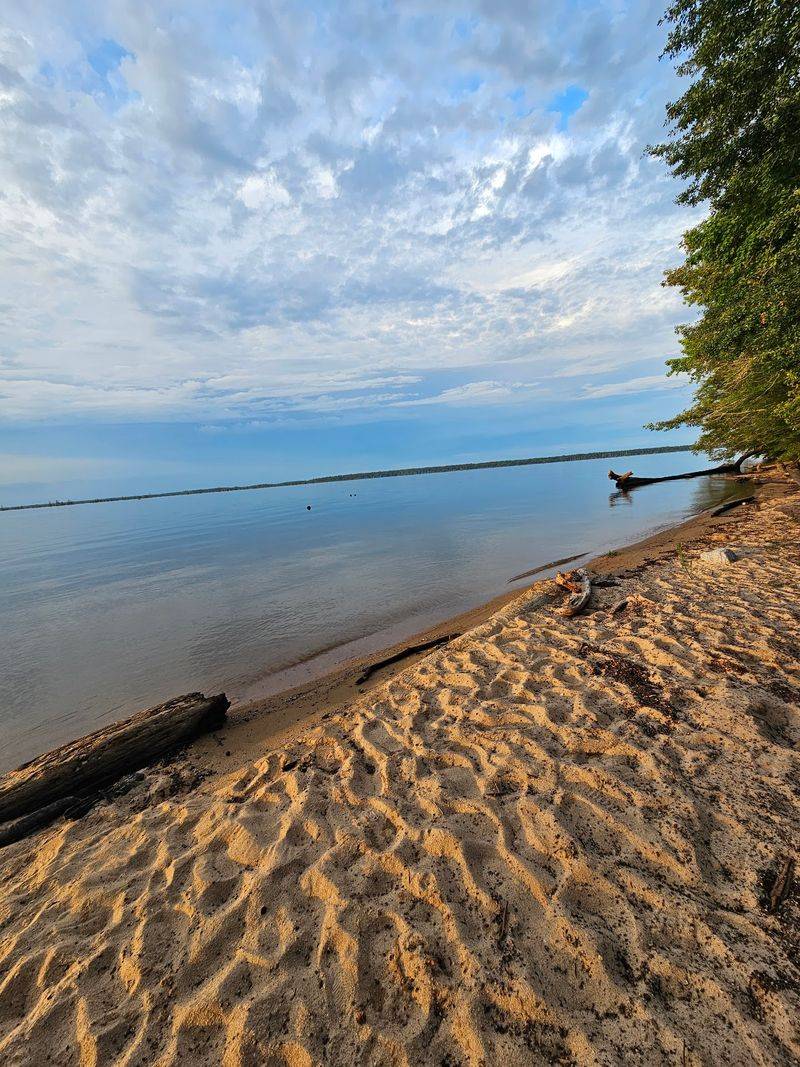
One snake here earns extra respect. The cottonmouth, also called the water moccasin, favors the muddier, swampier corners of the lake.
Semi-aquatic and a strong swimmer, it moves easily between land and shallow water. Dark, heavy-bodied, and well camouflaged, it blends into wet leaf litter.
Cottonmouths are venomous, so distance matters. The good news is their warning behavior leaves little room for confusion.
When threatened, one will gape its jaws wide and show a startling cotton-white mouth lining. That display means back up, slowly and without argument.
Most cottonmouths would rather leave than fight. Give them an exit and they usually take it.
Around Lake Marion, they turn up in boggy edges, drainage areas, and thick vegetation rather than busy beaches. Staying on cleared paths cuts encounters dramatically.
Never step over a log blindly in these areas. Step onto it, look, then step down.
Rangers at Santee State Park share current wildlife tips, which helps during warm months. A quick question at check-in beats guesswork.
Respect the cottonmouth’s space, and it will happily ignore you.
Snakes Away From The Waterline
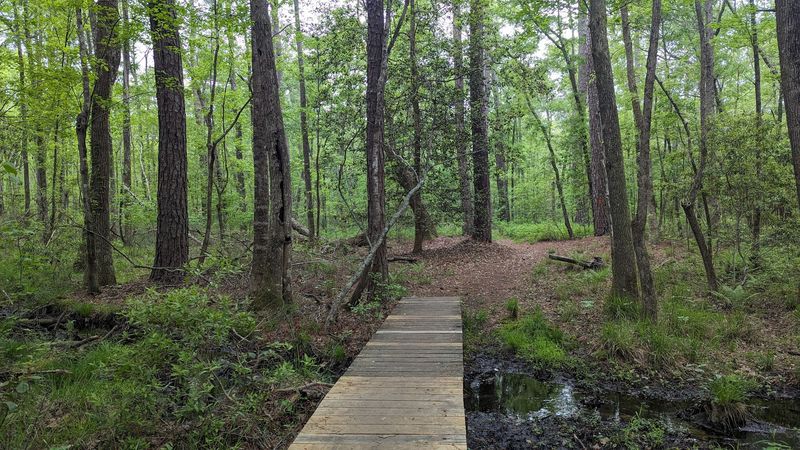
Not every snake here bothers with swimming. Plenty of species prefer the forests and fields behind the shoreline.
Eastern ratsnakes climb trees with almost show-off ease. Sharp-eyed hikers spot them looped over low branches near the trails.
Harmless to people, they are excellent rodent control. Campgrounds benefit more than most visitors realize.
Copperheads also live in the wooded areas and brushy slopes around Lake Marion. Their copper-toned heads and hourglass patterns disappear beautifully against fallen leaves.
Copperheads rank as the most common venomous snake across South Carolina. They rarely announce themselves, relying instead on stillness and camouflage.
Autumn leaf litter creates the trickiest conditions. Brown leaves and a patterned snake make a matching set.
Trails like the Oak Pinolly and Limestone routes wind through exactly that kind of terrain. Watching footfalls becomes second nature after the first mile.
Cooler months quiet things down considerably, since snakes spend more time sheltered. Spring and summer call for extra attention.
Land snakes deserve the same courtesy as the swimmers, which means looking, noting, and moving along.
Trails Where Wildlife Steals The Show
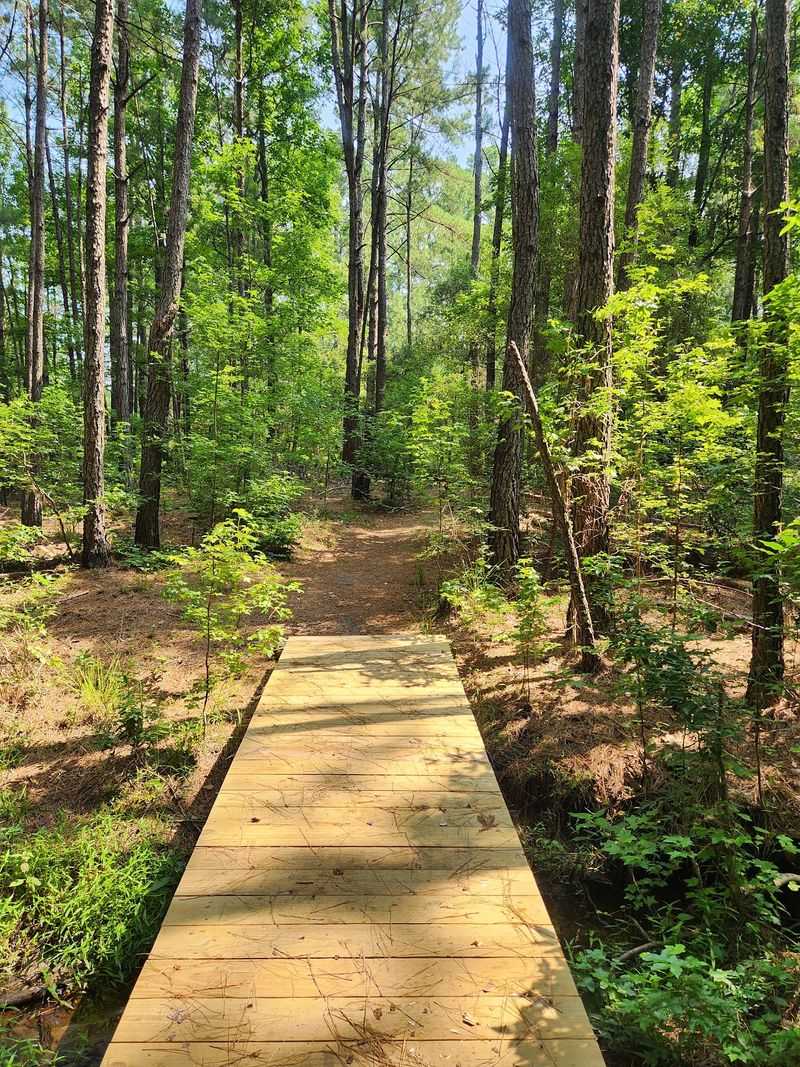
Hikers here rarely walk alone. Turtles stack on logs, fish jump, and eagles cruise overhead.
The Limestone Trail runs near the water and delivers steady wildlife sightings. Visitors have reported alligators, swimming snakes, and sunbathing turtles along the same stretch.
Shorter routes work well for quick visits. The Oak Pinolly Trail measures roughly three quarters of a mile and stays easy, aside from tangled roots underfoot.
Mountain bikers get options too. A longer loop cuts through pine forest, where soft needles muffle every tire.
Sand and roots dominate that terrain, so wider tires help. Riders on hardtails feel every bump.
Trail maps posted near the visitor center make planning simple. A photo of the map saves confusion later.
Snake sightings on trails happen most often in warm weather, usually as something crossing the path. Stopping and waiting solves it.
Root-covered ground demands attention anyway, which conveniently keeps eyes exactly where they should be.
Between the birds, the deer, and the reptiles, the trail network at Santee State Park never feels empty.
Fishing, Boating, and Life On The Water
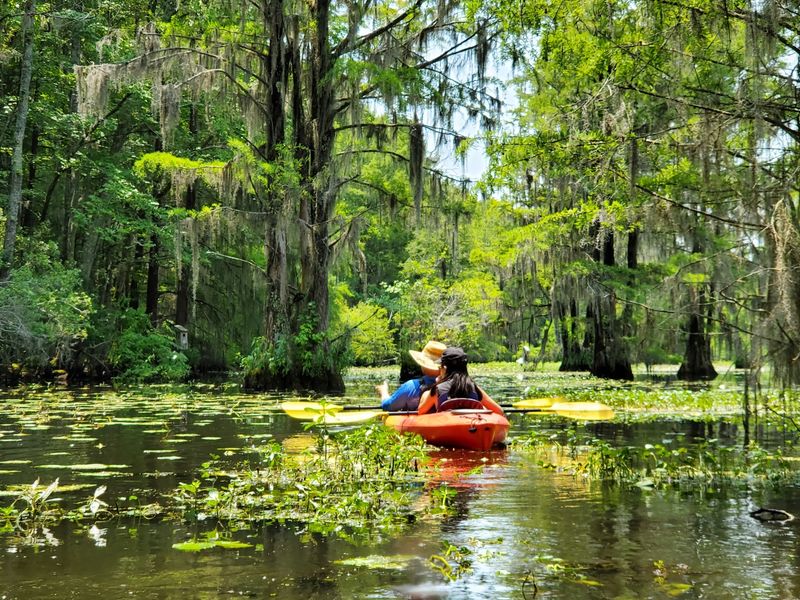
Rods come out early around here. The pier at Santee State Park fills with anglers hoping for catfish and whatever else bites.
Boat ramps give access to the wider lake. Kayak rentals suit anyone wanting a quieter paddle along the cypress edges.
Open water stretches so far that shorelines blur. That scale makes Lake Marion a serious fishing destination in South Carolina.
Paddlers see wildlife the boaters miss. Low seating puts eyes almost level with the surface, where snakes and turtles do their thing.
Anyone gliding past a brushy bank should scan the branches above. Water snakes drop into the lake when startled, and nobody enjoys that surprise landing nearby.
Keeping a paddle length of space from overhanging limbs solves the problem entirely. Simple habit, big payoff.
Morning light on the water beats midday heat, especially in summer. Mosquitoes near the shoreline also stay active, so repellent belongs in every bag.
A small camp store stocks snacks and basic tackle for forgotten items.
Time on the water reveals why this lake keeps pulling people back season after season.
The Refuge Next Door
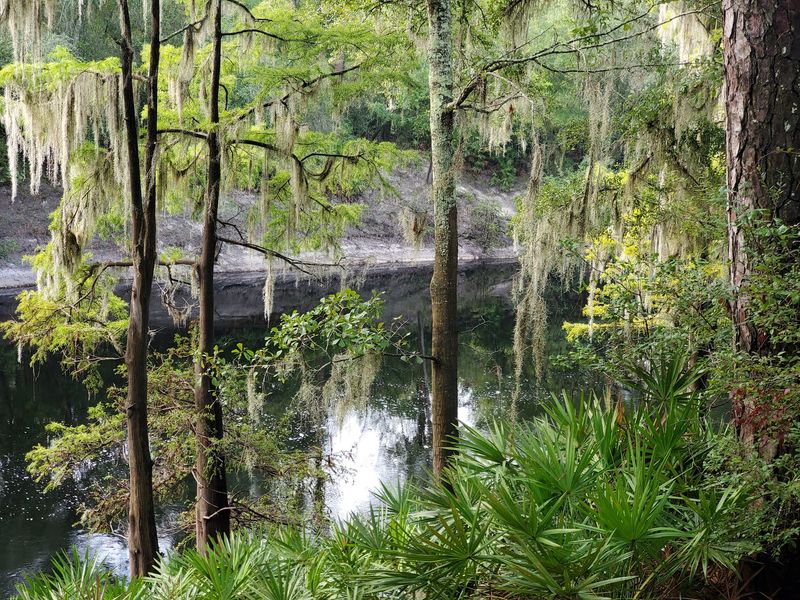
Wildlife lovers get a bonus nearby. The Santee National Wildlife Refuge sits adjacent to Lake Marion, spreading across roughly 15,000 acres layered over the reservoir.
Migratory waterfowl arrive in large numbers during cooler months. Birdwatchers bring scopes and lose track of time.
Deer move through the fields and tree lines. Alligators sun themselves along quieter banks.
History shares the space too. The Santee Indian Mound sits within the refuge, a reminder that people gathered along these waters long before the lake existed.
Snakes live here as well, naturally. Wetland impoundments and grassy dikes suit them perfectly.
Long pants and closed shoes make refuge walks more comfortable, particularly off the mowed paths. Binoculars handle the close-up work.
Combining a refuge morning with a Santee State Park afternoon builds a full day of wildlife watching. Both sit within easy driving distance of each other.
Seasons change the cast of characters completely. Winter belongs to the birds, while summer belongs to the reptiles.
Two protected areas side by side explain why this corner of the state feels so wonderfully overrun with living things.
Simple Habits That Keep Visits Bite-Free
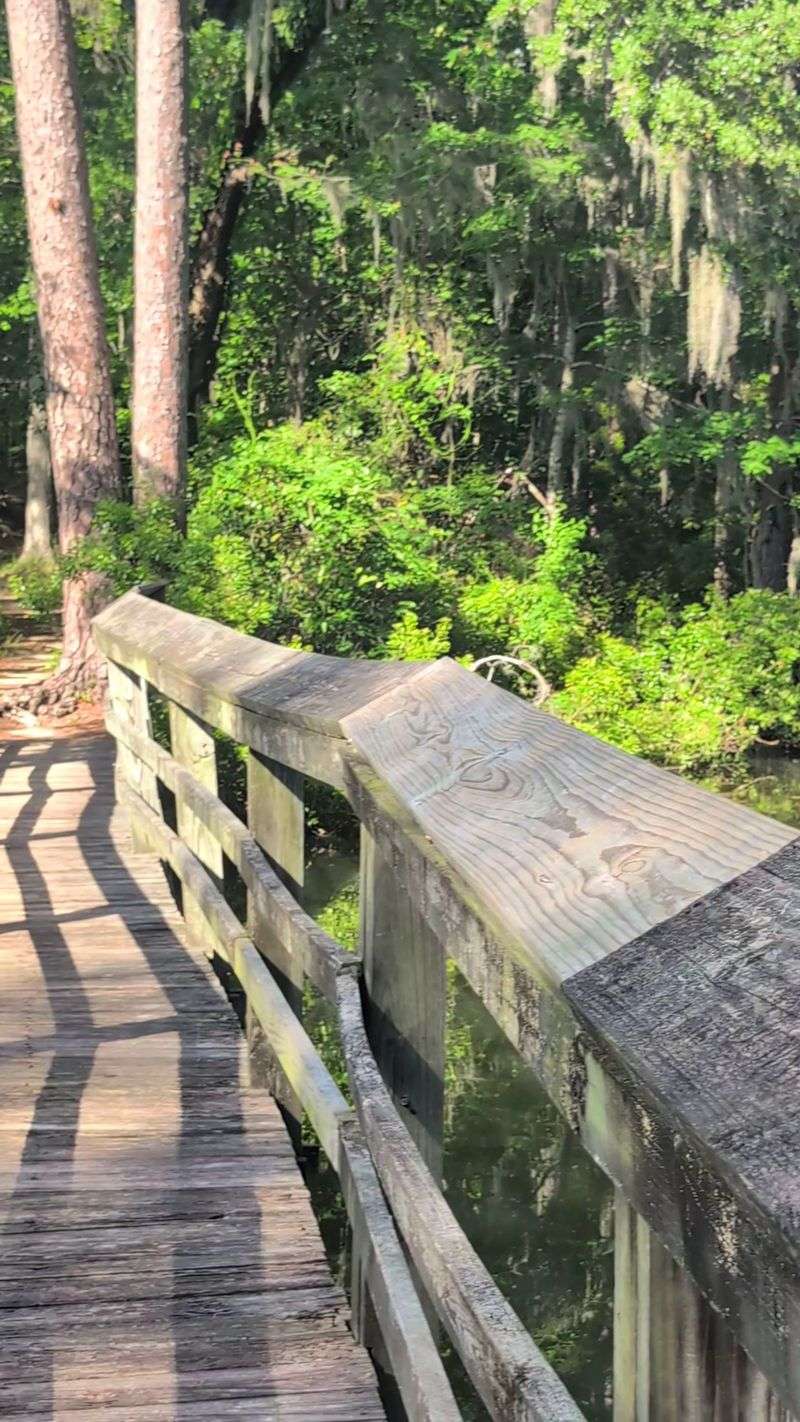
Almost every snake problem starts with a hand or foot in the wrong place. Fix that, and worries mostly disappear.
Distance is the golden rule. Never touch, corner, or pick up a snake, even one that appears motionless.
Closed-toe shoes beat sandals on any trail. Long pants add another layer in grassy or wooded stretches.
Marked paths reduce surprise encounters more than any gadget. Snakes prefer thick cover, and cleared trails offer none.
Watch where hands land near logs, rocks, and dense undergrowth. Reaching blindly ranks as the riskiest move in the woods.
Evening walks call for a flashlight. Beams reveal both the path and any creature using it.
Should a snake appear, calmly step back and give it room. Most head off within seconds.
Children benefit from a quick briefing before hitting the trails at Santee State Park. Look, point, and never poke.
Rangers stay friendly and informative, so questions are welcome at the visitor center.
Handled this way, the snakes of Lake Marion become a story to tell rather than a reason to stay home.
Camping Beside The Wild Residents
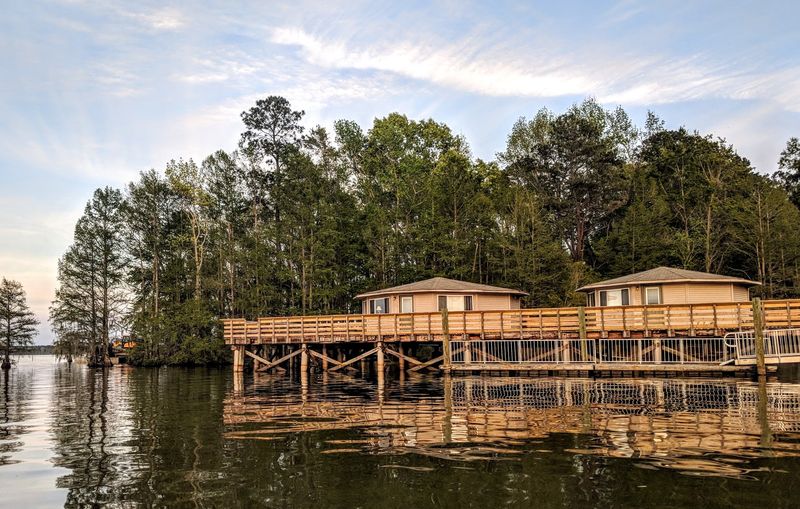
Overnight stays here come with neighbors of every kind. Campgrounds sit close to the water, which means wildlife wanders through regularly.
Tent campers do best with zippers fully closed. An open flap invites curious visitors, and not all of them have legs.
Food storage matters just as much. Sealed containers discourage rodents, and fewer rodents mean fewer snakes hunting nearby.
Shaking out shoes each morning takes three seconds. Campers who do it sleep better, plain and simple.
Sites at Santee State Park range from RV spots with hookups to tent pads and cabins, some right along the shoreline. Bath houses sit scattered throughout, so nobody walks far for a hot shower.
Mosquitoes stay busy near the lake, especially in summer evenings. Repellent belongs beside the flashlight.
Sunrise over Lake Marion from a lakefront cabin porch makes the early alarm worthwhile. Mist rises, birds start up, and the water sits like glass.
Sharing the campground with snakes, deer, and eagles is part of the deal. That arrangement, respected properly, turns a weekend outdoors into something people talk about for years.