
10 Top Bird-Watching Spots In Tennessee Every Local Should Visit At Least Once
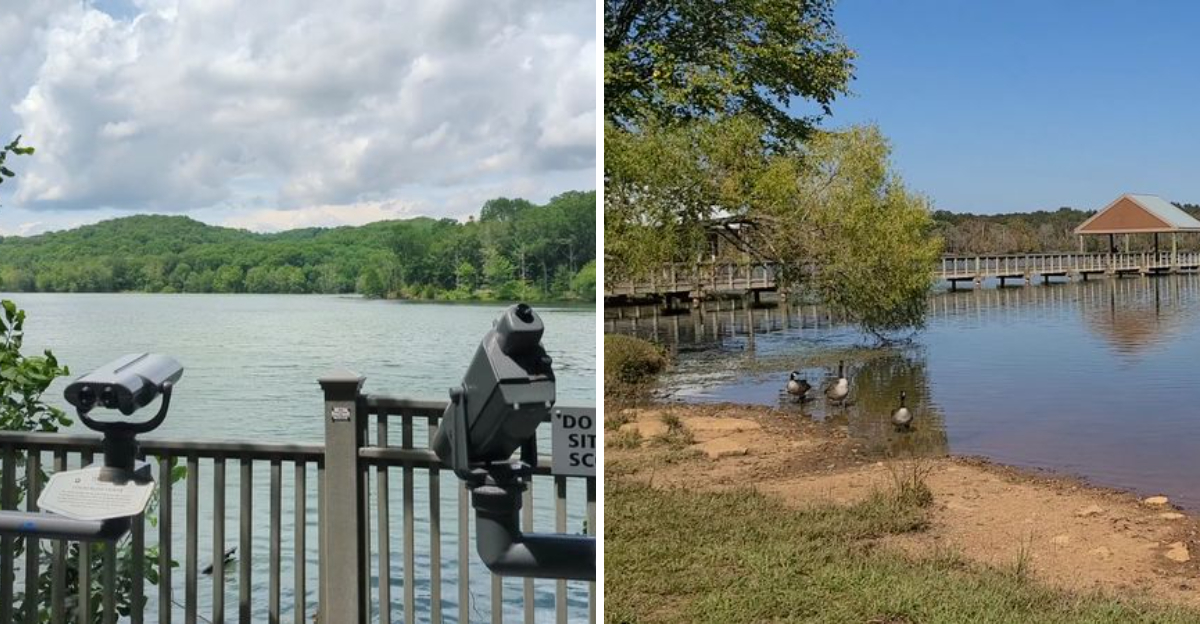
Early morning light, a quiet trail, and the sound of birds calling across the trees create a moment that’s hard to forget. Tennessee offers a surprising range of landscapes, and each one brings something different for birdwatchers.
Wetlands fill with waterfowl, forests echo with songbirds, and open fields attract species you might not expect to see so close. It’s not just about spotting birds, it’s about slowing down and paying attention to what’s around you.
These locations stand out for their variety, their scenery, and the way they make each visit feel a little different.
1. Reelfoot Lake State Park
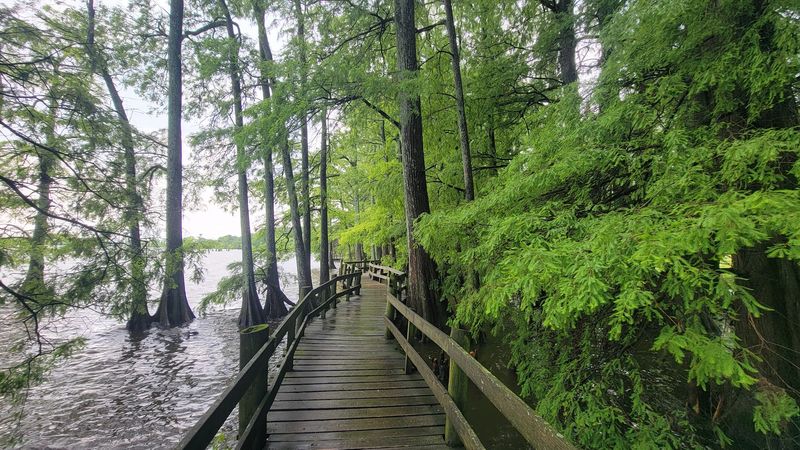
Picture standing at the edge of a cypress swamp as a bald eagle glides silently overhead, its white head catching the pale winter light. That is exactly the kind of moment Reelfoot Lake State Park in Tiptonville delivers on a regular basis.
Formed by a series of powerful earthquakes in 1811 and 1812, Reelfoot Lake is one of the most geologically fascinating places in the entire state. The lake’s cypress-lined waters create a moody, atmospheric backdrop that feels almost prehistoric, and the birds seem to know it.
Winter is peak season here, when bald eagles arrive in significant numbers to feed on the abundant fish. But herons, egrets, ospreys, and Mississippi kites make appearances throughout the year, so no visit ever feels like a slow day.
Guided eagle tours run during January and February, making it easy for beginners to get their bearings. For anyone serious about birding in Tennessee, Reelfoot Lake is the kind of place that earns a permanent spot on the must-visit list.
2. Great Smoky Mountains National Park
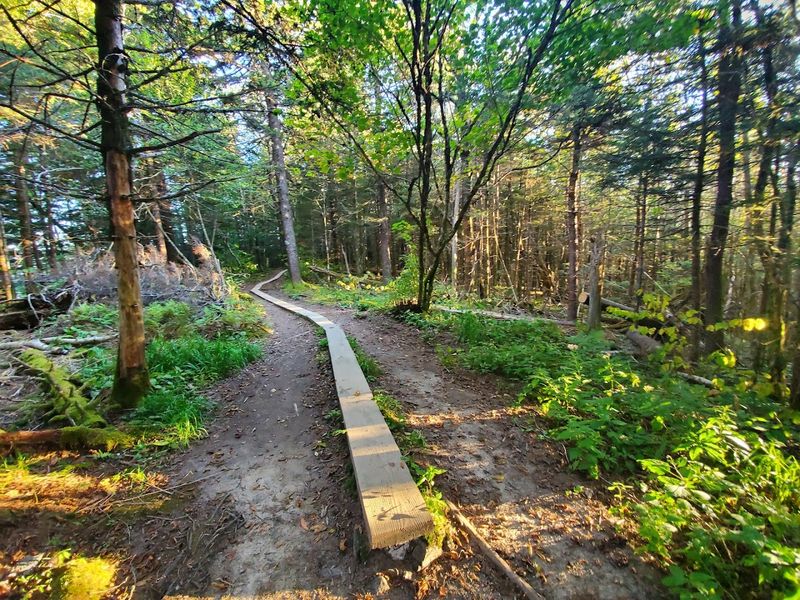
More than 200 bird species call Great Smoky Mountains National Park home, making it one of the most celebrated birding destinations in the entire United States. Spanning over 800 square miles across Tennessee and North Carolina, the park’s elevation changes create a remarkable range of habitats, each supporting its own unique community of birds.
Spring migration is the golden period here. Warblers of nearly every color pass through the forest canopy in waves, and patient observers can spot dozens of species in a single morning.
The black-capped chickadee, dark-eyed junco, and red-breasted nuthatch are reliable year-round residents at higher elevations.
Cades Cove is a particularly productive area, with open meadows that attract raptors and field birds alongside the forested ridges. Hiking trails like the Alum Cave Trail put you right in the middle of prime warbler territory.
The park is free to enter, which makes it one of the best bargains in American birding. Arriving early in the morning gives you the quietest trails and the most active birds, so set that alarm with confidence.
3. Shelby Bottoms Greenway And Nature Park
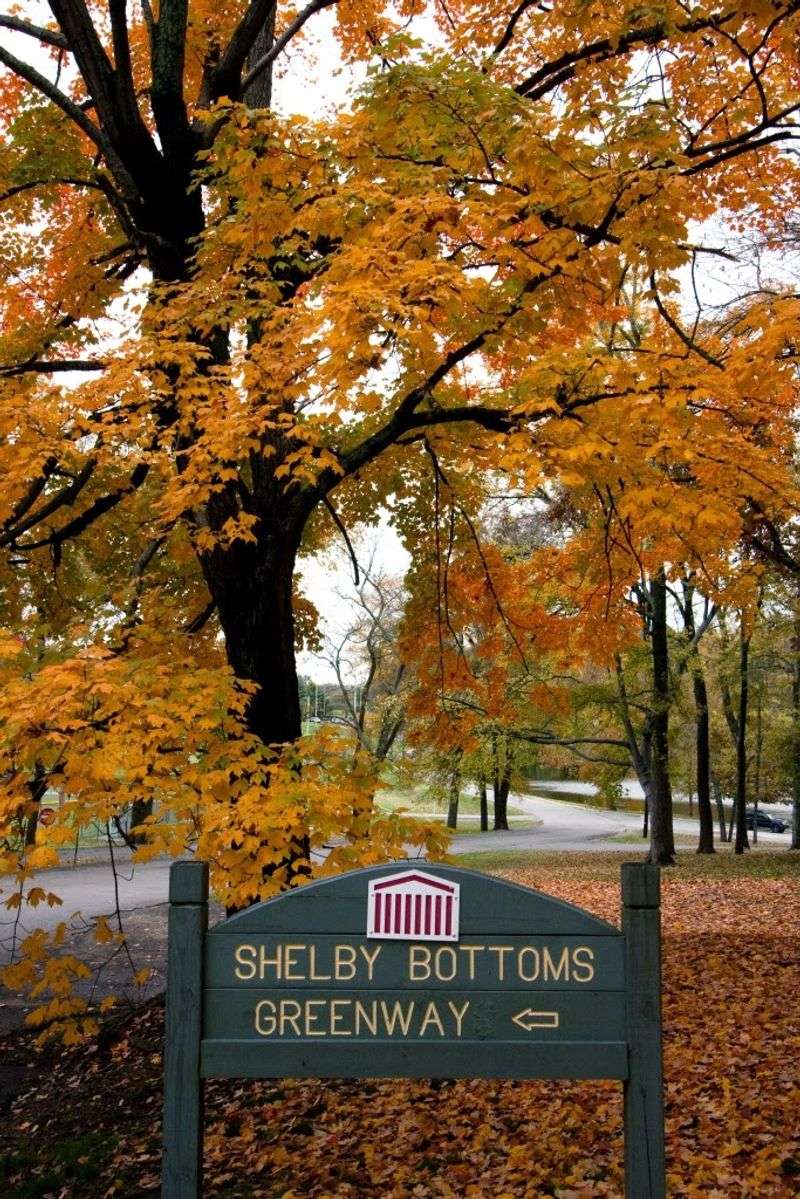
Right in the heart of Nashville, where most people expect traffic and skylines, Shelby Bottoms Greenway and Nature Park quietly delivers one of the most rewarding urban birding experiences in the South. Positioned along the Cumberland River, this green corridor packs a surprising variety of habitats into a city park setting.
Wetlands, riparian forests, and open meadows create layered environments that attract a broad mix of species throughout the year. Great blue herons wade along the riverbanks with their usual air of total indifference, while wood ducks, belted kingfishers, and yellow warblers add bursts of color to the landscape.
During spring and fall migration, the park becomes a temporary rest stop for dozens of species moving through the region. Birders have recorded well over 200 species here, which is an impressive tally for a location you can reach by bike from downtown.
The paved greenway makes navigating the park easy, and there are quieter dirt trails for those who want to get closer to the water’s edge. Shelby Bottoms proves that you do not need to travel far to find genuinely excellent birding.
4. Radnor Lake State Park
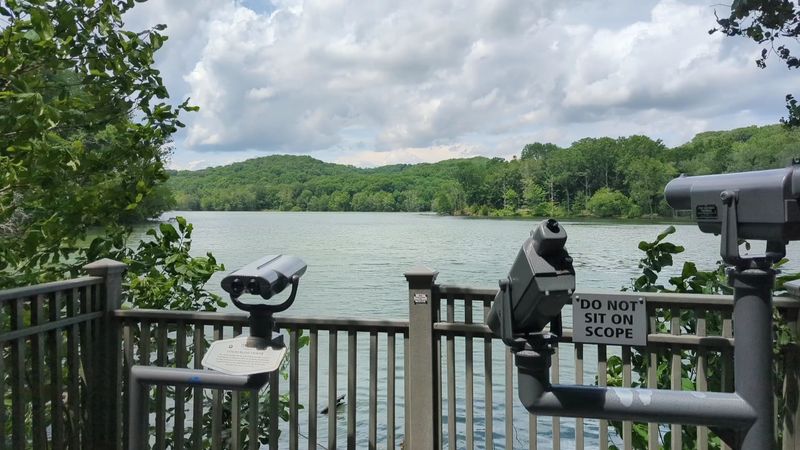
Just a short drive from downtown Nashville, Radnor Lake State Park has earned a devoted following among local birders, and it is not hard to understand why. The 1,368-acre park surrounds a calm, reflective lake with forested ridges on all sides, creating a sanctuary that feels worlds away from the city buzzing nearby.
Owls are one of the park’s biggest draws. Great horned owls and barred owls are regularly spotted along the quieter trails, especially during the early morning hours when the woods are still and sound travels far.
Songbirds thrive here too, with the scarlet tanager and yellow-billed cuckoo being among the more exciting spring sightings.
Waterbirds congregate along the lake’s edge, and the calm water often mirrors their reflections perfectly, giving photographers something genuinely beautiful to work with. The park limits motorized vehicles on its main road, which keeps noise levels low and wildlife encounters more frequent.
Radnor Lake is open year-round, and each season brings its own cast of characters to the tree line. Visiting in late April often rewards patient observers with some of the most colorful songbird sightings the park has to offer.
5. Seven Islands State Birding Park
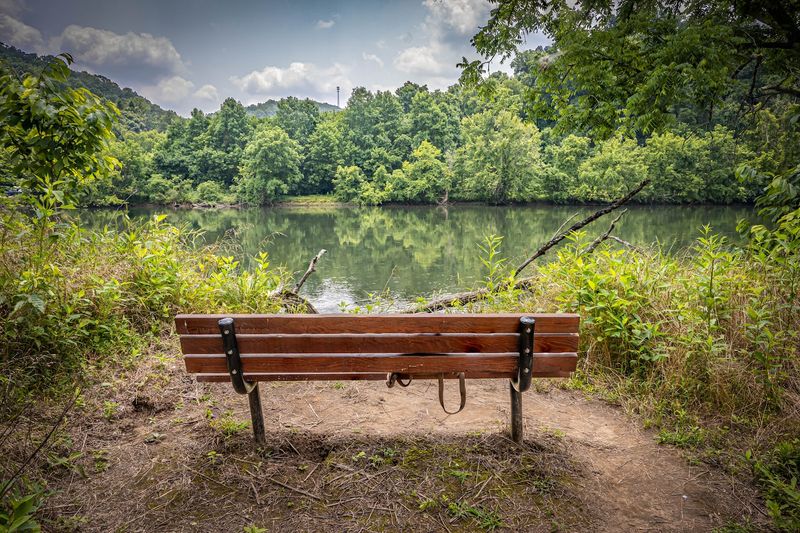
Tennessee takes birding seriously enough to have dedicated an entire state park to it, and Seven Islands State Birding Park near Knoxville is the proof. As the only state park in Tennessee designed specifically for birdwatching, it carries a certain prestige that draws both casual visitors and serious listers from across the region.
Spread across 425 acres along the French Broad River, the park combines open agricultural fields, riparian corridors, and wooded edges into a habitat mosaic that supports over 180 recorded bird species. The northern bobwhite, a species that has declined across much of its range, still calls this park home, which makes every sighting feel like a small victory.
Yellow-breasted chats, indigo buntings, and various sparrow species work the field edges during summer, while shorebirds and waterfowl use the river margins during migration. The park’s trail system is well-maintained and designed to move visitors through multiple habitat types in a single outing.
Guided birding walks are offered periodically, and the park’s staff are genuinely enthusiastic about helping visitors make the most of their time. Seven Islands rewards every level of birder with something worth adding to the checklist.
6. Hatchie National Wildlife Refuge
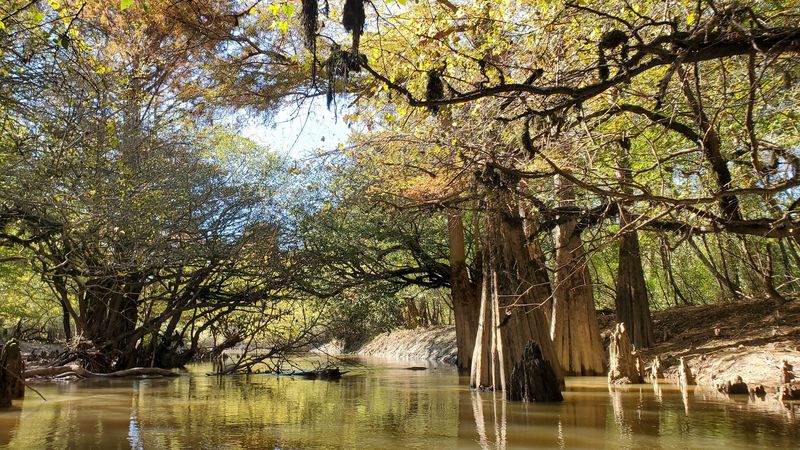
Bottomland hardwood forests are among the rarest and most ecologically rich habitats in North America, and Hatchie National Wildlife Refuge in western Tennessee protects one of the finest remaining examples. The Hatchie River winds through the refuge in long, unhurried curves, flooding the forest floor seasonally and creating conditions that migratory birds simply cannot resist.
Wood ducks are practically the mascots of this place, nesting in tree cavities above the water and leading their ducklings through flooded timber with impressive calm. Wading birds like great blue herons and great egrets stalk the shallows with methodical patience, while overhead, red-shouldered hawks and barred owls keep watch from the canopy.
During spring and fall migration, the refuge becomes a critical stopover for warblers, vireos, and shorebirds moving along the Mississippi Flyway. The number of species that pass through during peak migration weeks can be genuinely staggering for first-time visitors.
Access roads and wildlife viewing areas make it relatively easy to cover ground without disturbing nesting birds. Hatchie is the kind of place where you plan to spend an hour and end up staying most of the day, simply because there is always something new appearing around the next bend.
7. Meeman-Shelby Forest State Park
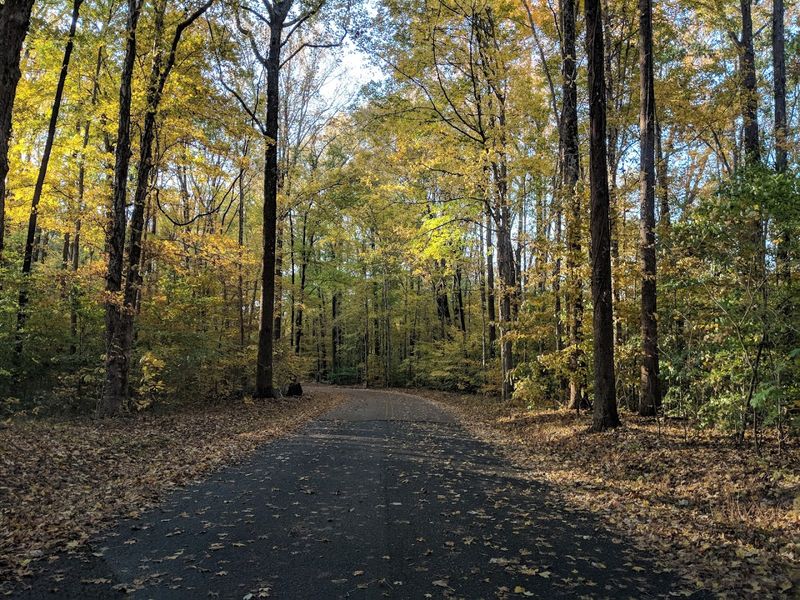
Bordering the Mississippi River just north of Memphis, Meeman-Shelby Forest State Park covers 12,539 acres of river bottomland and upland forest that together support a truly impressive bird list. The park has recorded over 250 species, a number that reflects just how varied its habitats are across the seasons.
The cerulean warbler and hooded warbler are two of the park’s most celebrated residents, drawing dedicated birders who are willing to walk the quieter trails in search of a glimpse of these striking birds. The cerulean warbler in particular, with its brilliant blue plumage, is a species that many birders travel long distances to find.
Spring mornings here are genuinely extraordinary. The forest fills with overlapping songs from dozens of species simultaneously, creating a wall of sound that feels almost surreal if you are standing still in the right spot.
The park’s two oxbow lakes attract waterfowl and wading birds throughout the year, adding another dimension to the birding experience.
Trails range from easy lakeside walks to longer forested loops, so visitors can choose their level of exertion. Meeman-Shelby is a birding destination that consistently punches above its weight, rewarding every visit with something unexpected.
8. Long Hunter State Park
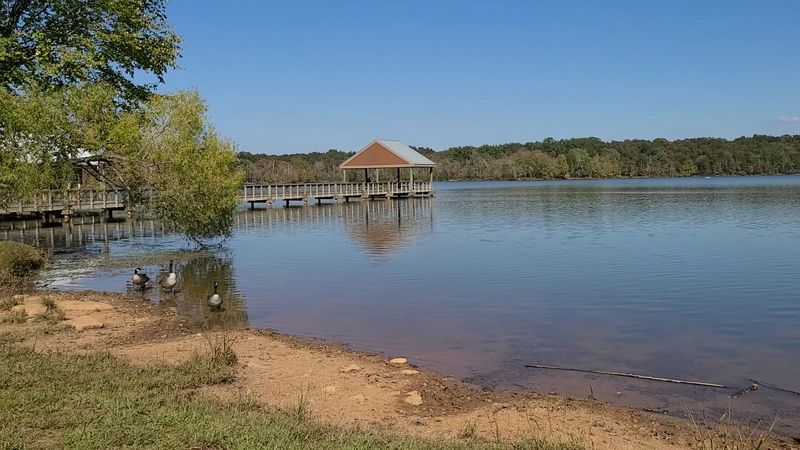
Named after the long hunters who explored middle Tennessee in the late 1700s, Long Hunter State Park carries a sense of history alongside its excellent birding reputation. Located east of Nashville along the shores of J.
Percy Priest Lake, the park offers a satisfying combination of open water, forested hillsides, and brushy shorelines that together attract a wide range of species.
Waterfowl are a consistent presence on the lake, especially during fall and winter when diving ducks and dabbling ducks gather in mixed flocks near the shoreline. Ospreys are frequent visitors during warmer months, making dramatic plunges into the water that never seem to get old no matter how many times you witness them.
The forested trails inland from the lake are productive territory for songbirds, particularly during spring migration when warblers and vireos move through in noticeable numbers. The park’s varied terrain means that a single morning walk can yield a surprisingly diverse checklist.
Long Hunter is open year-round and sees less foot traffic than some of Nashville’s more famous parks, which means quieter trails and more relaxed wildlife encounters. If you want solid birding without the crowds, this park consistently delivers the goods.
9. Fall Creek Falls State Park
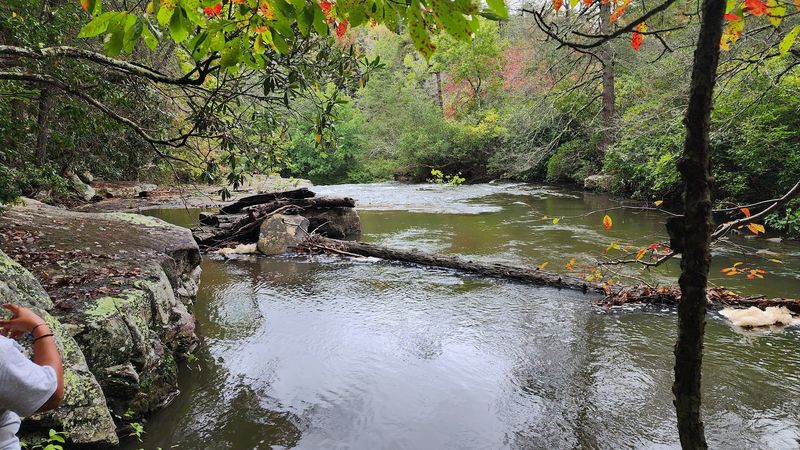
Most visitors arrive at Fall Creek Falls State Park in Van Buren County for the waterfalls, and the falls are genuinely spectacular. But the birding community knows that the park’s deep gorges, mixed hardwood forests, and open ridge tops make it one of the most rewarding places in the state to look for forest birds and raptors.
Broad-winged hawks are a highlight during fall migration, sometimes moving through in impressive numbers along the ridgelines. Wild turkeys strut through the forest understory with characteristic confidence, and pileated woodpeckers hammer away at dead trees with a volume that can stop a hiker in their tracks.
The park’s diverse elevation range supports species that prefer cooler, higher-altitude conditions alongside those that thrive in the warmer gorge environments below. That contrast makes the birding feel dynamic and unpredictable in the best possible way.
At over 26,000 acres, Fall Creek Falls is one of the largest state parks east of the Mississippi River, giving birders plenty of territory to explore across multiple visits. Pack sturdy footwear, because the best birding spots here often require a bit of a hike to reach, and every step is worth it.
10. Johnson City Winged Deer Park
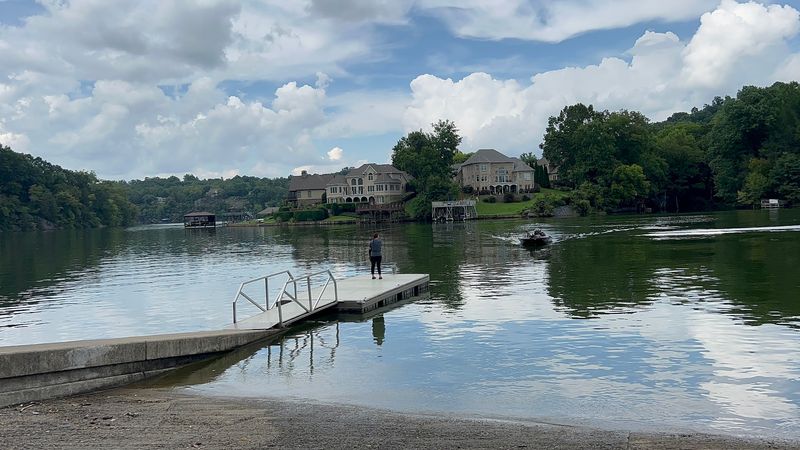
Not every great birding spot comes with national fame, and Winged Deer Park in Johnson City is a perfect example of a local treasure that quietly outperforms expectations. This community park combines open water, grassy areas, and wooded edges into a surprisingly productive birding environment.
The park’s pond is a reliable gathering point for waterfowl, including mallards, Canada geese, and occasional visiting diving ducks during migration. Wooded sections along the park’s perimeter attract a steady rotation of songbirds, particularly in spring when warblers pass through on their way north and fill the tree line with color and song.
Because it sits within a city park setting, Winged Deer is easily accessible and family-friendly, making it a comfortable introduction to birding for younger visitors or complete beginners. The relaxed atmosphere and open sightlines make spotting and identifying birds noticeably easier than in denser forested environments.
Birders who visit consistently report sightings that go well beyond the expected species list, which keeps the experience feeling fresh across repeat visits. Johnson City’s Winged Deer Park is the kind of place that reminds you great birding does not always require a long drive or a trail map.