
11 Undiscovered Caves In Kentucky That Adventure Seekers Miss
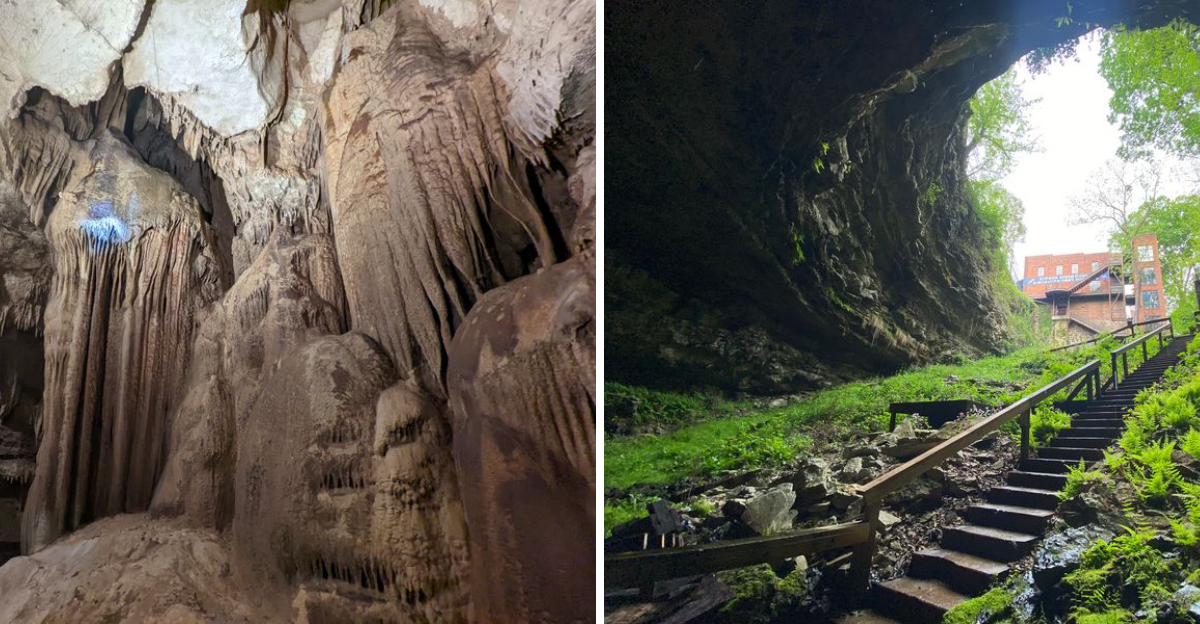
Kentucky’s underground world extends far beyond the famous Mammoth Cave system that tourists flock to every year.
Scattered across the Bluegrass State are lesser-known caverns waiting to reveal their secrets to those willing to venture off the beaten path.
Many of these hidden gems offer intimate experiences without the crowds, showcasing stunning formations and fascinating histories that rival their more popular counterparts.
1. X-Cave (Olive Hill)
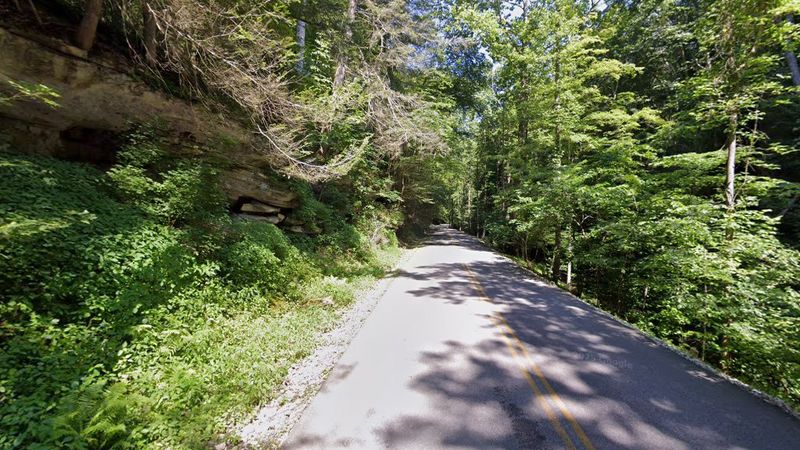
Tucked away in the hills near Olive Hill, this cavern earned its mysterious name from early explorers who marked it on maps with a simple X.
The entrance hides behind dense forest growth, making it a true treasure hunt for those who seek it out.
Inside, narrow passages wind through ancient limestone formations that glitter when your flashlight catches them just right.
Local cavers love this spot because you’ll rarely encounter another soul, giving you the feeling of being the first person to discover it.
2. Cascade Cave (Olive Hill)
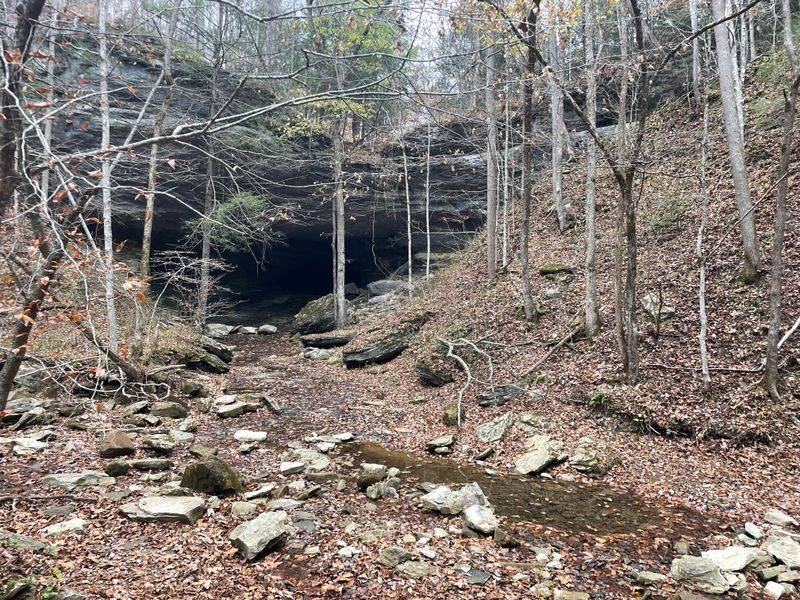
Water music fills the air the moment you step inside this enchanting cavern.
A small underground waterfall creates the namesake cascade, sending ripples of sound echoing through chambers that feel like nature’s own concert hall.
During spring, the flow increases dramatically, transforming quiet trickles into roaring streams.
The moisture keeps the walls covered in fascinating mineral deposits that shimmer with oranges, greens, and whites, creating a living canvas that changes with each season.
3. Saltpetre Cave (Olive Hill)
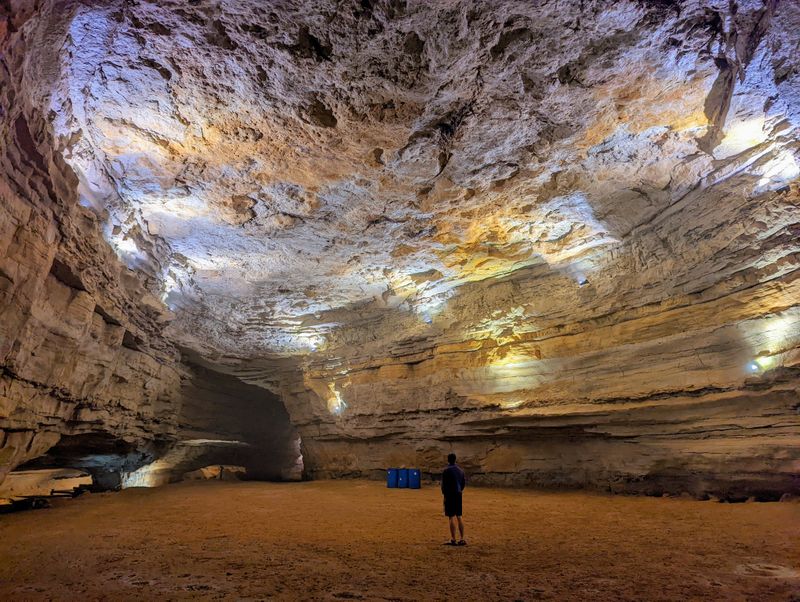
History practically seeps from the walls of this Civil War-era mining site.
Soldiers once harvested saltpeter here to manufacture gunpowder, leaving behind wooden vats and tools that still remain as ghostly reminders of wartime desperation.
Walking through these passages feels like stepping into a time capsule.
The cave stays remarkably dry compared to others in the region, which helped preserve both the mining equipment and the distinct scratches left by pickaxes over 150 years ago.
4. Bat Cave (Olive Hill)
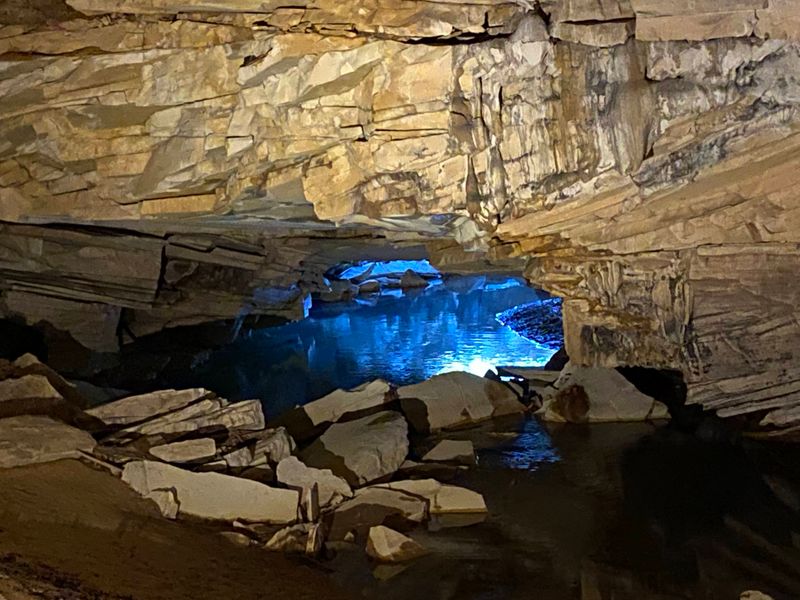
Don’t let the straightforward name fool you—this sanctuary hosts thousands of winged residents during certain seasons.
Evening exodus flights create spectacular displays as bats pour from the entrance like smoke, heading out for their nightly insect feast.
Visiting requires respect and timing since disturbing hibernating bats can be deadly for them.
Late summer offers the best viewing opportunities when young bats take their first flights, creating chaotic but thrilling aerial shows against the sunset.
5. Hidden River Cave & American Cave Museum (Horse Cave)
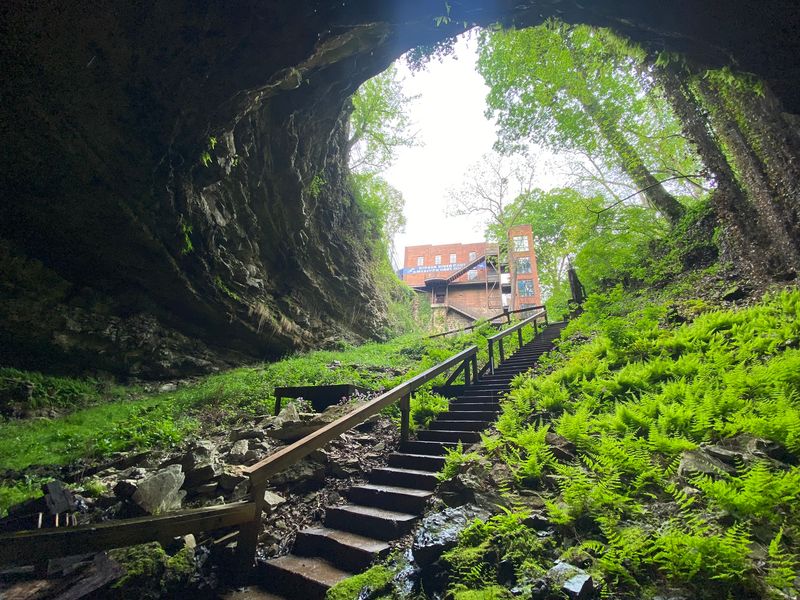
Once declared biologically dead from pollution, this cavern staged one of nature’s most remarkable comebacks.
An underground river now runs crystal clear through chambers that were abandoned and forgotten for decades, proving that restoration efforts can truly work miracles.
The attached museum tells the fascinating story of how communities used and abused this natural wonder before saving it.
Guided tours take you deep underground where the river’s constant flow carved out cathedral-sized rooms over millions of years.
6. Lost River Cave (Bowling Green)
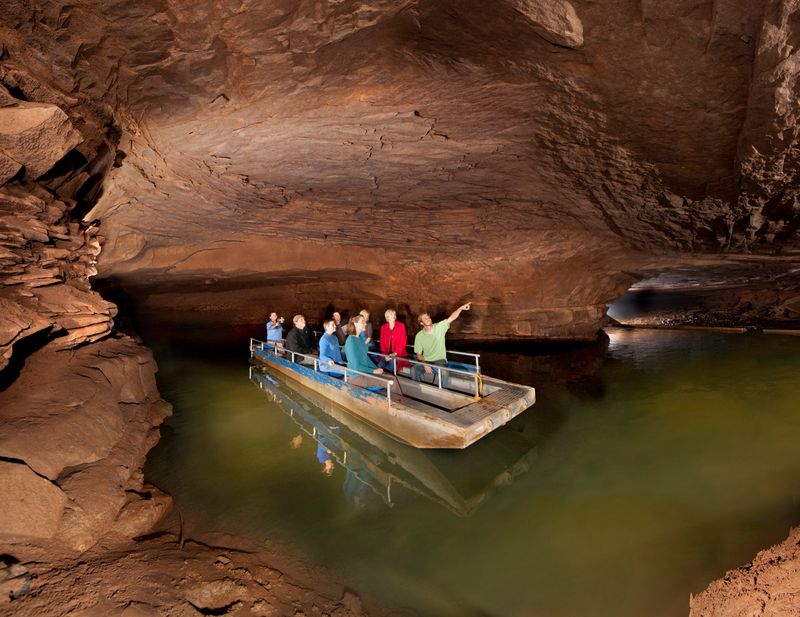
Boat tours glide you along America’s shortest and deepest river, disappearing into darkness beneath towering bluffs.
The entrance alone steals your breath—a massive stone archway where water vanishes into the earth like something from a fantasy novel.
Jesse James allegedly hid here during his outlaw days, and you can almost imagine bandits lurking in the shadows.
The cave maintains a constant cool temperature year-round, making it a perfect escape during Kentucky’s sweltering summers.
7. Diamond Caverns (Park City)
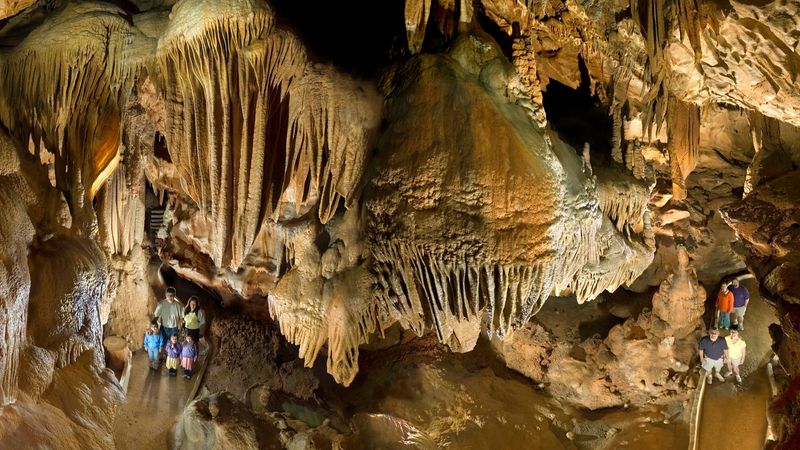
Calcite crystals coat every surface here, creating the diamond-like sparkle that inspired the name.
When lights hit the formations at certain angles, the entire chamber seems to explode with glittering reflections that justify every bit of the journey.
Discovered in 1859, this cave opened to tourists just as the Civil War began, serving as a cool refuge for locals fleeing the summer heat and wartime chaos.
Modern pathways make exploration easy while preserving the delicate formations that took thousands of years to develop.
8. Onyx Cave (Cave City)
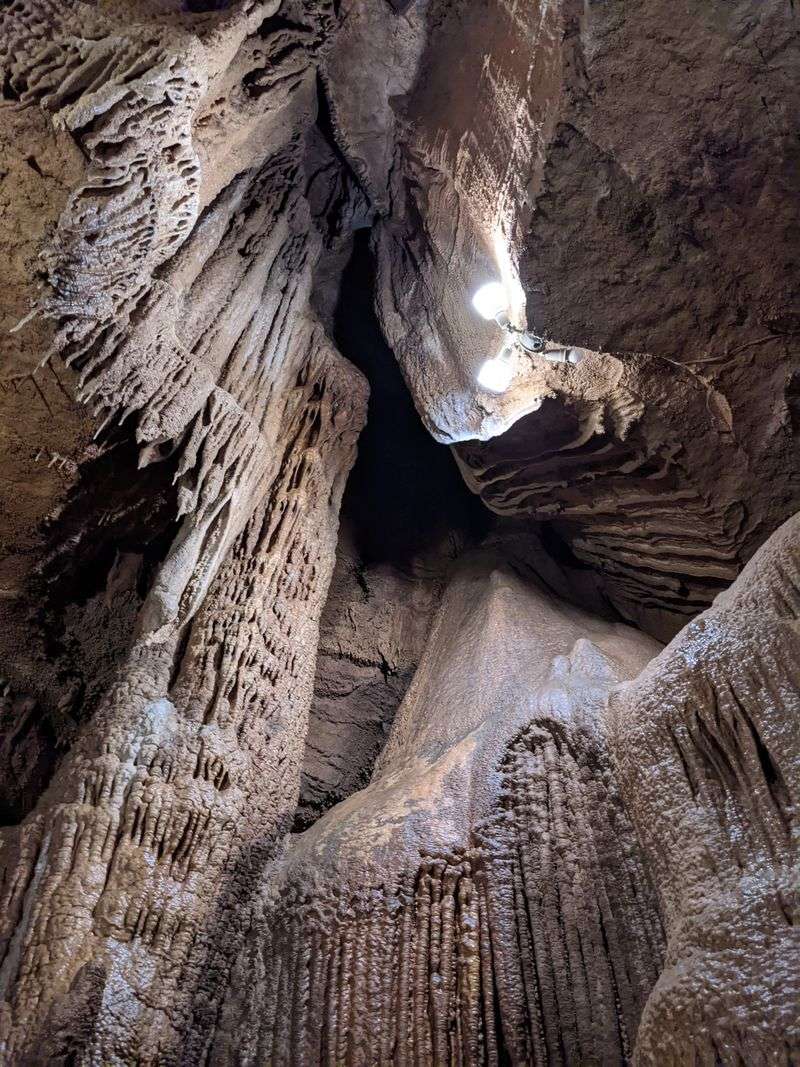
Bands of color stripe the walls like nature’s own abstract painting, with browns, oranges, and creams swirling together in flowstone formations.
This family-owned cave offers a more intimate experience than the mega-attractions nearby, with knowledgeable guides who actually remember your name.
The temperature stays locked at 56 degrees regardless of outside weather, and the formations grow so close to the walkways you can see every tiny detail.
Kids especially love the formations that resemble familiar objects—spotting shapes becomes an underground game.
9. Crystal Onyx Cave (Cave City)
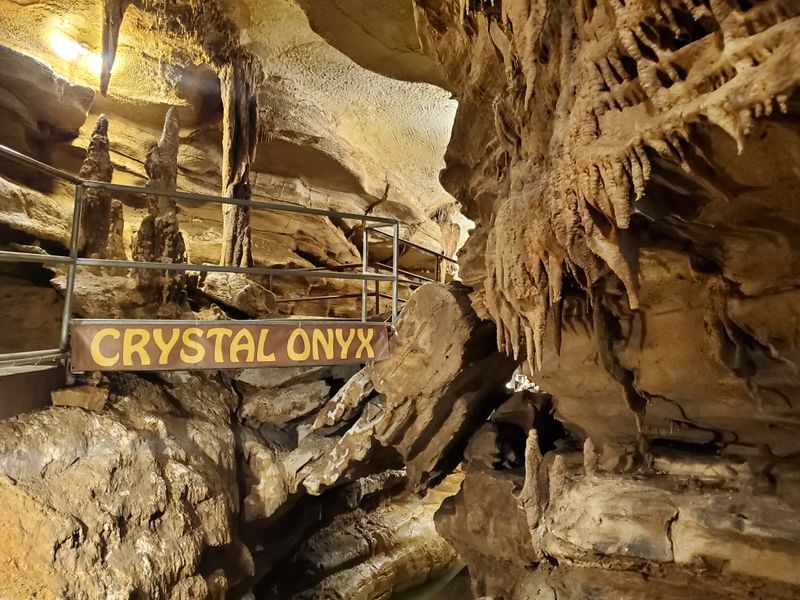
Delicate soda straw stalactites dangle from ceilings like nature’s chandeliers, some so thin you wonder how they don’t snap under their own weight.
The cave earned its name from the translucent quality of certain formations that seem to glow when light passes through them.
Electric lights were installed way back in 1922, making this one of Kentucky’s first electrified show caves.
The vintage lighting creates an old-timey atmosphere that modern LED systems can’t quite replicate, adding historical charm to natural beauty.
10. Outlaw Cave (Cave City)
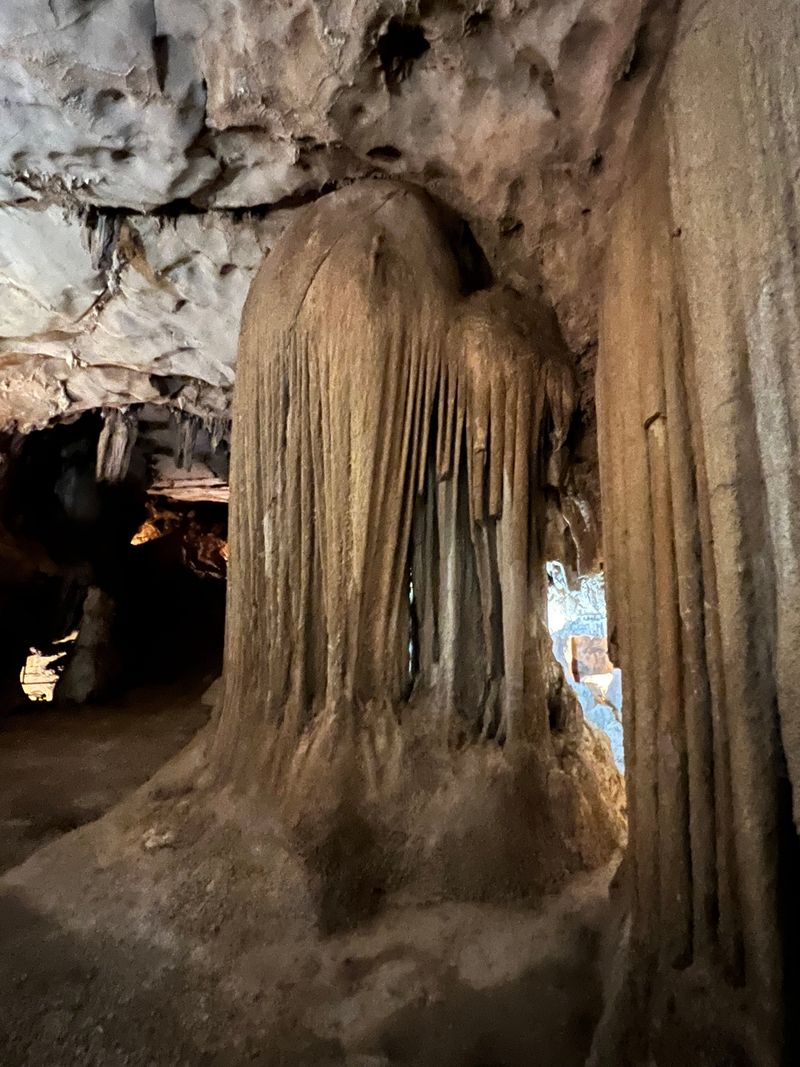
Legend claims this hideout sheltered bandits and bootleggers who needed quick disappearing acts.
Whether those stories hold truth or not, the cave certainly feels like the perfect spot for someone avoiding the law—multiple passages branch off in different directions, creating a natural maze.
Wild cave tours here mean crawling through tight spaces and getting genuinely dirty, unlike the sanitized experiences at commercial operations.
Adventure seekers appreciate the raw, unmodified nature of the passages that remain exactly as they’ve existed for millennia.
11. Mammoth Onyx Cave (Horse Cave)
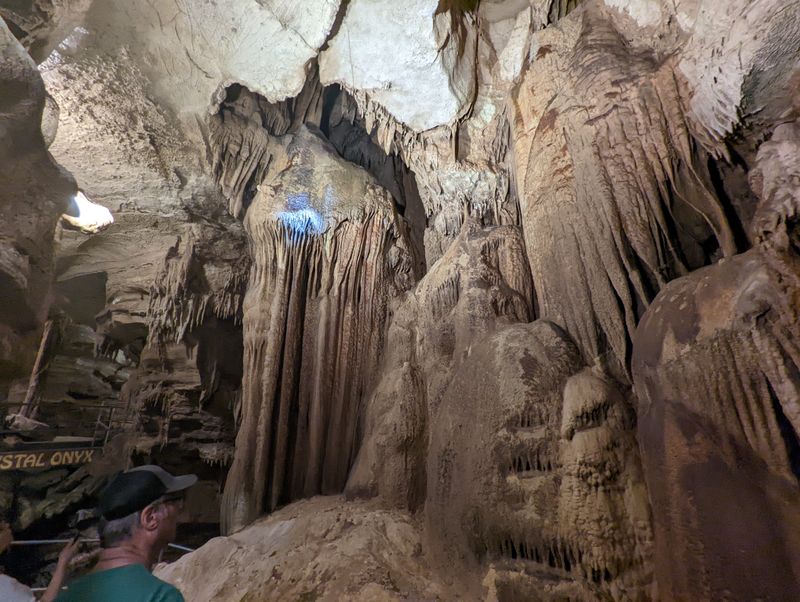
Despite sharing part of its name with the famous Mammoth Cave, this separate system offers its own spectacular displays.
Massive flowstone formations create frozen waterfalls of stone, colored by iron and other minerals into shades of rust, amber, and cream.
The cave stayed privately owned for generations, meaning it escaped some of the heavy tourism that impacted other systems.
Guides here share quirky local stories and geological facts with equal enthusiasm, making the tour educational without feeling like a classroom lecture.