
Utah Hides A Swimming Hole So Turquoise It Feels Like A Different Country
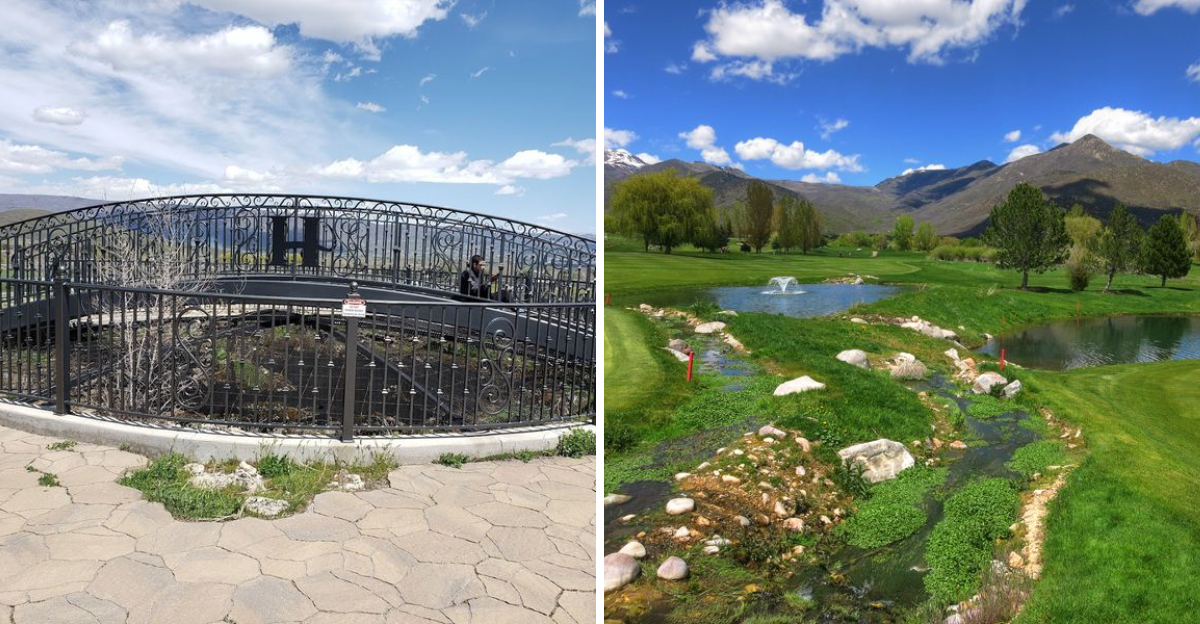
Water this turquoise should not exist inside a quiet mountain valley, yet here it glows in Utah like something pulled from a tropical postcard. Step inside and the air changes fast.
Warm mineral steam rises the moment daylight fades behind the rock. No chill greets your skin, only steady heat rising from deep beneath the ground.
Divers glide past ancient limestone walls. Swimmers float in near total silence, and almost everyone says the color alone feels like crossing into a different country.
Utah built its name on canyons and snowy peaks, but this quiet swimming hole outshines most postcard shots people already know by heart. A find this strange belongs on your next travel list, long before you pick the exact day you plan to go.
A Dome Born From Deep Within the Earth
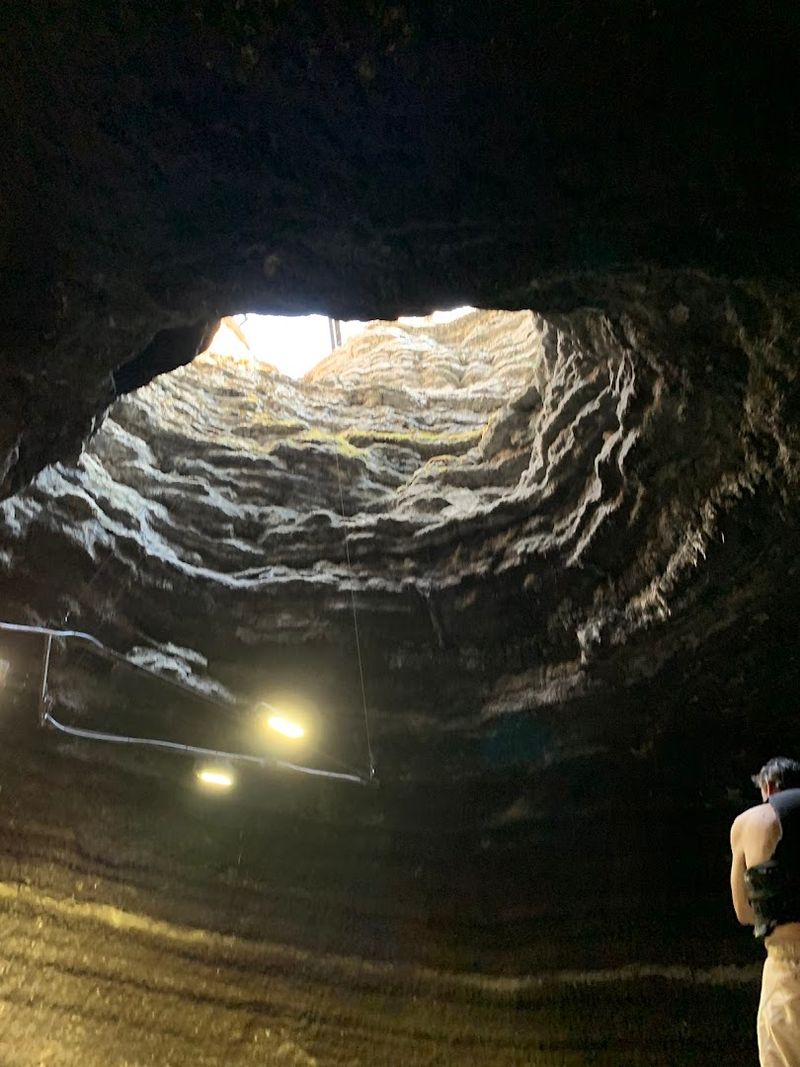
Over 10,000 years in the making, this geological marvel did not happen overnight. Snowmelt from the Wasatch Mountains seeped two miles underground, where geothermal heat took over.
That heated water then carried dissolved limestone back toward the surface, depositing it layer by layer until a dome formed.
The result is a beehive-shaped limestone structure that rises 55 feet high and stretches nearly 400 feet wide at its base. Standing inside it feels like being in a cathedral built by the earth itself.
The walls are rough, ancient, and streaked with mineral deposits that tell a story no museum exhibit could replicate.
Utah is full of geological surprises, but this one ranks among the most dramatic. The dome was not carved by human hands or shaped by erosion in the usual sense.
It grew, slowly and deliberately, from the inside out. That backstory alone makes the visit feel like more than just a swim.
The Tunnel That Changed Everything
For a long time, the only way to reach the water was by rappelling through a small opening at the very top of the dome. That made access exciting but limited.
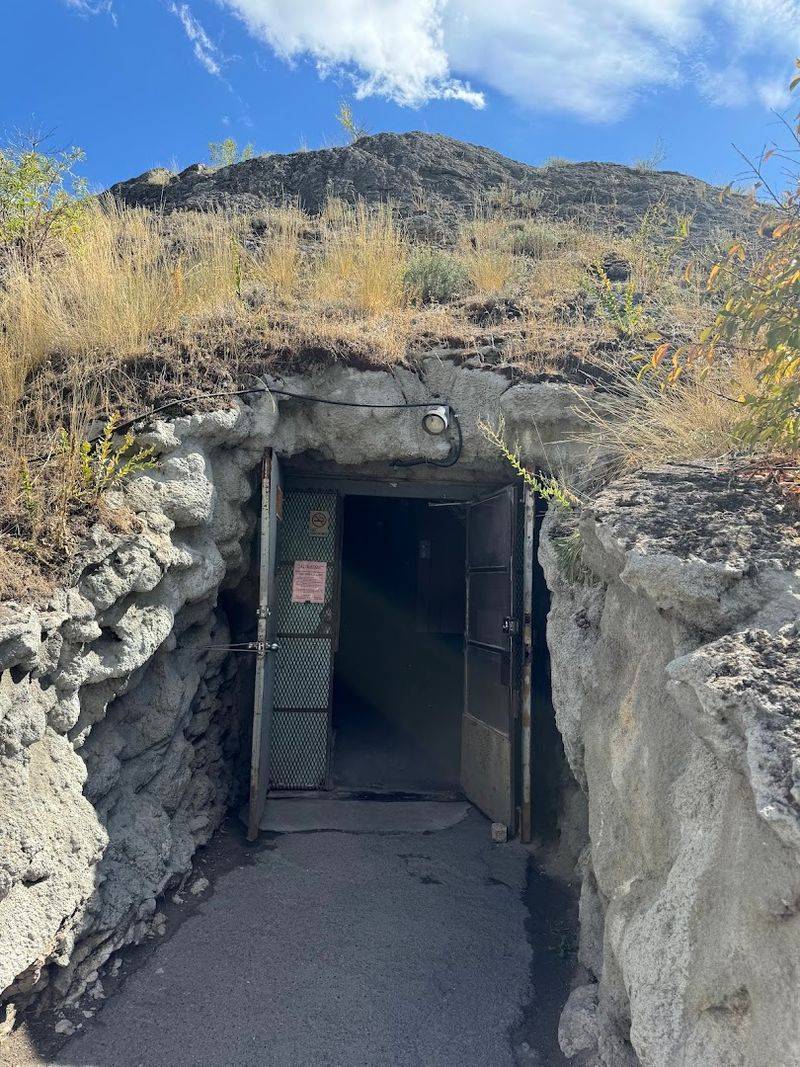
In the 1990s, a 110-foot tunnel was carefully excavated through the rock wall at ground level, and everything changed.
That tunnel, located at 700 Homestead Dr, Midway, UT 84049, is now the main entrance for visitors. Walking through it feels like crossing a threshold into another world.
The air shifts, the light changes, and then the turquoise water appears ahead like a reward for the short journey.
Custom-built decks and a soaking area were added after the tunnel was completed. These give guests a safe and comfortable way to enter the water without any climbing or gear.
The tunnel transformed The Crater from an adventure-only experience into something accessible for nearly everyone, while keeping its sense of mystery completely intact.
Water That Feels Like It Belongs in the Tropics
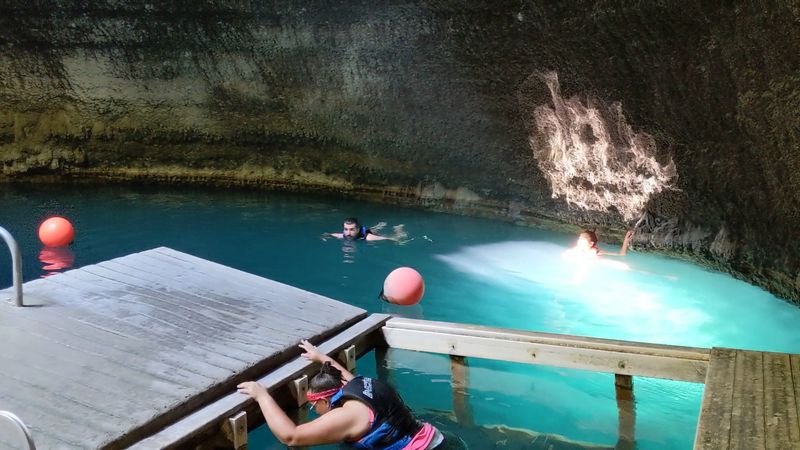
The color of the water inside The Crater is one of the first things that catches people off guard. It is a vivid, almost electric turquoise that looks digitally enhanced in photos but is completely real.
The clarity is remarkable too, with visibility reaching all the way to the bottom on a calm day.
The water stays consistently warm throughout the entire year, ranging from 90 to 96 degrees Fahrenheit. That warmth comes entirely from geothermal activity, not from any mechanical heating system.
Around 135,000 gallons of fresh mineral-rich water flow in from an underground aquifer daily, keeping conditions clean and stable.
Unlike many natural hot springs, there is no sulfur smell here. That alone makes the experience far more pleasant for people who are sensitive to strong odors.
The mineral content is high enough to feel therapeutic and buoyant, but the overall experience is clean, calm, and surprisingly refreshing for water that warm.
The Only Warm-Water Scuba Spot in the Continental US
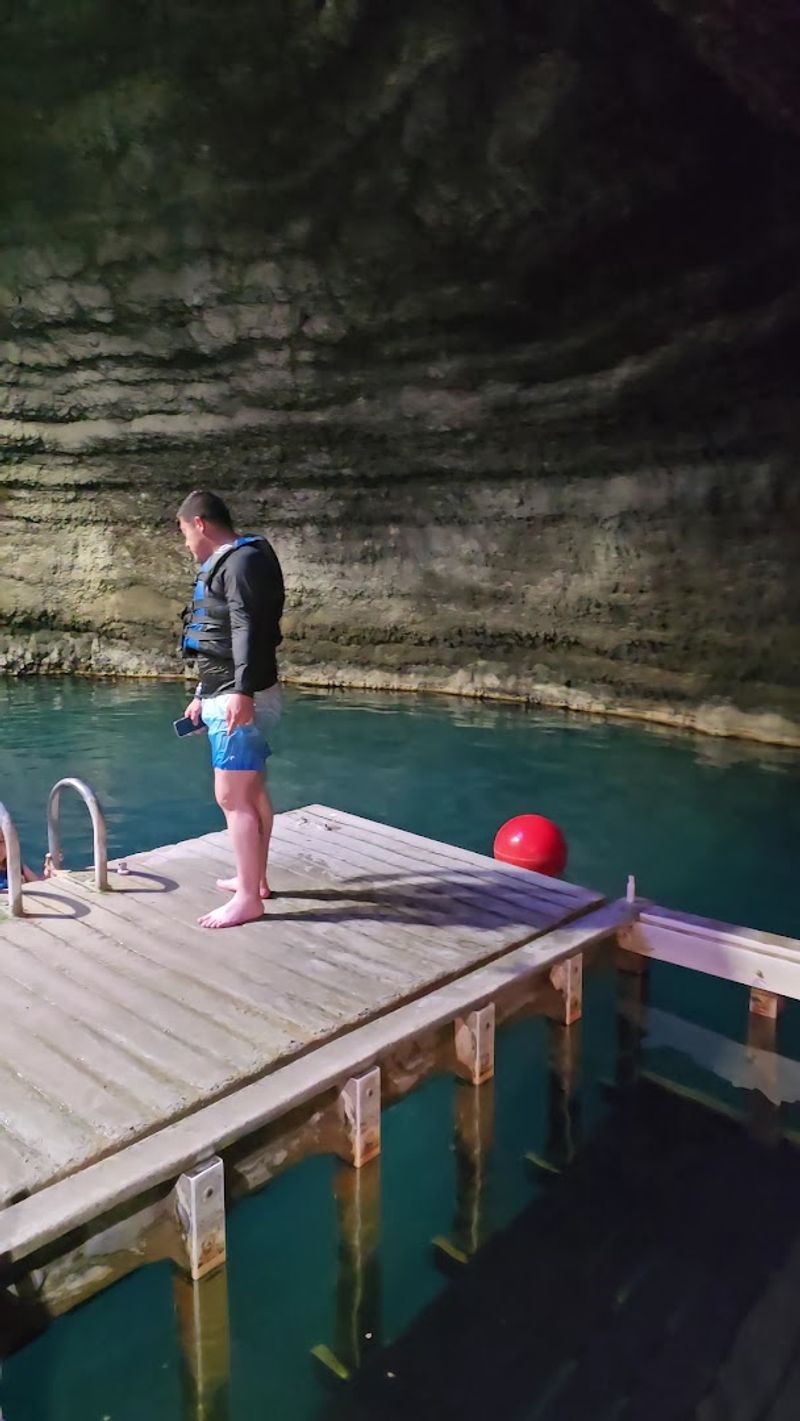
Utah is not exactly the first state that comes to mind for scuba diving. But The Crater holds a record that surprises nearly everyone who hears it.
It is the only warm-water scuba diving destination in the entire continental United States.
Certified divers can descend up to 65 feet through the hourglass-shaped interior. Mounted lights positioned along the walls illuminate the mineral formations below, creating an atmosphere that feels closer to outer space than a mountain town.
The geological details visible at depth are unlike anything found in a standard dive site.
Beginners are not left out either. Discover Scuba experiences are available for those who have never worn a tank before.
Full open-water scuba certifications can also be completed on-site, making this a practical destination for anyone looking to start their diving journey. The warm, still water makes learning conditions unusually forgiving and comfortable compared to open ocean training environments.
Floating, Snorkeling, and Yoga on the Water
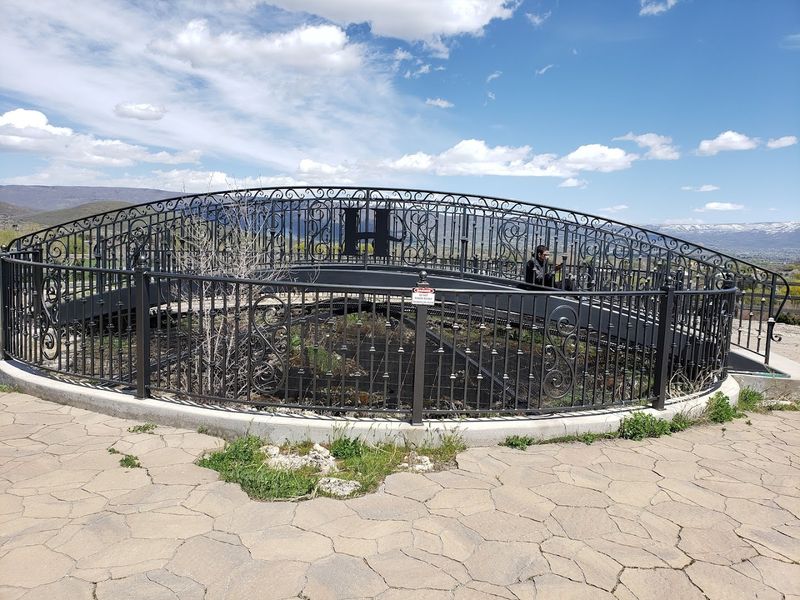
Not every visitor wants to strap on a tank and go deep. The Crater offers plenty of ways to enjoy the water without any certification or special equipment.
Simply floating in the mineral-rich warmth is an activity in itself, and many visitors say it is the most relaxing hour they have spent in a long time.
Snorkel masks are available for rent, giving swimmers a clear view of the crater floor without going far below the surface. The visibility is strong enough to make snorkeling genuinely rewarding, even for those who have never tried it before.
Life jackets are provided free with every reservation, making it easy to float effortlessly for the entire session.
Paddleboard yoga classes add an unexpected layer to the experience. Practicing balance poses on still, warm water inside an ancient dome is about as far from a regular yoga studio as possible.
It is the kind of activity that sounds unusual until someone tries it and immediately wants to come back.
What the Cowboys and the Earth Discovered Together
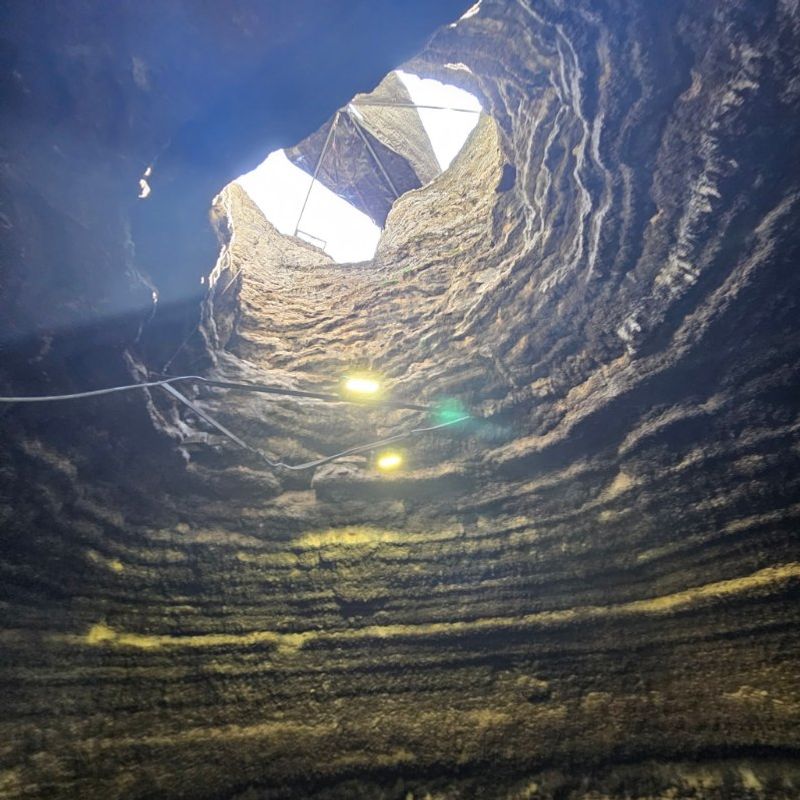
Long before reservations and rental gear, this place was known to those who lived close to the land. Cowboys and Native Americans used the warm waters of The Crater in the 1800s, drawn by the heat and the mineral-rich spring long before anyone understood the geology behind it.
The dome itself was not excavated or constructed. It formed naturally over thousands of years, completely independent of human activity.
The discovery of what lay inside came gradually, and the site evolved from a local curiosity into a recognized natural landmark over many decades.
That layered history adds something to the visit that purely modern attractions cannot replicate. The rock walls that surround swimmers today were forming before the United States existed as a country.
Utah has no shortage of ancient landscapes, but few places let visitors physically enter one, float in it, and feel the warmth of the earth beneath them at the same time.
A Film Location With a Story to Match Its Setting
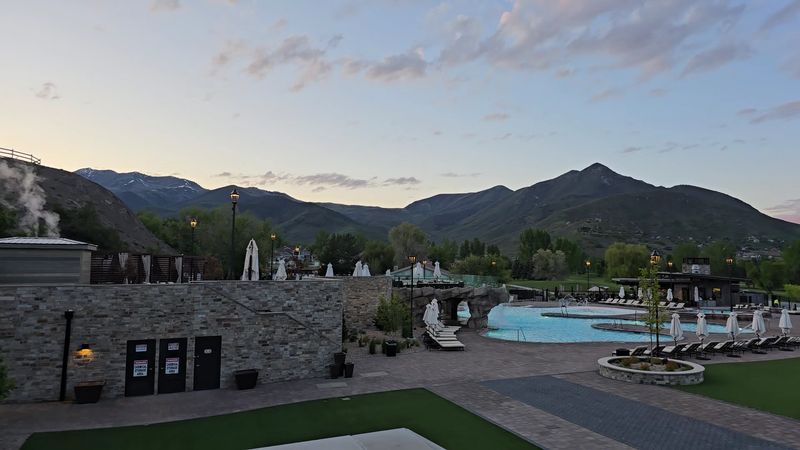
The visual drama of The Crater has attracted more than just tourists. Filmmakers have taken notice too.
The distinctive atmosphere inside the dome served as a filming location for the 2010 Danny Boyle film “127 Hours,” a production that leaned heavily on the raw, isolated beauty of Utah’s landscapes.
That cinematic connection is not just a fun footnote. It says something about how the space feels.
The dome has a natural tension to it, a sense of being enclosed by something ancient and indifferent to the outside world. Cameras pick that up just as strongly as human senses do.
Visitors who know the film often find themselves looking at the walls differently once they are inside. The same rock formations that appeared on screen are right there, touchable and real.
It is one of those rare cases where a destination lives up to its on-screen appearance rather than disappointing once seen in person.
Booking Smart and Arriving Ready
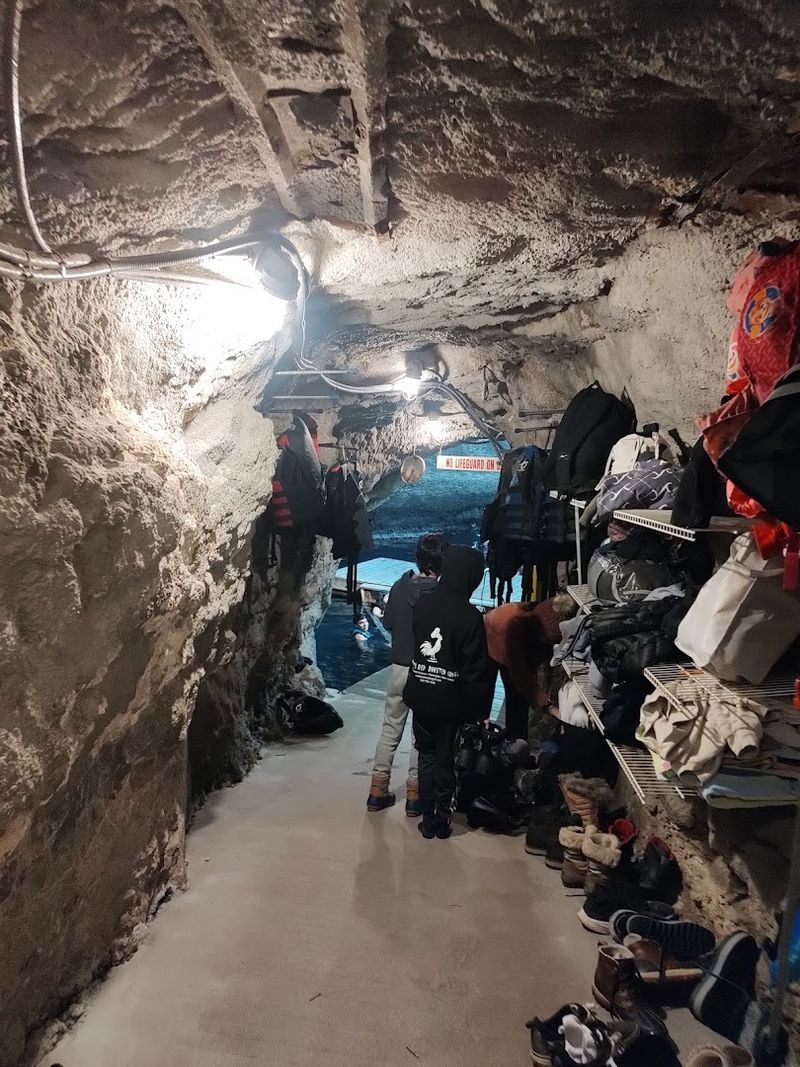
Showing up without a reservation is a risk that rarely pays off here.
The Crater limits the number of visitors per session, typically around 20 people at a time. That cap keeps the experience peaceful, but it also means time slots fill up well in advance, especially on weekends and during warmer months.
Booking early is the single most important piece of advice for anyone planning a visit. Arriving at least 15 minutes before the scheduled session allows time for check-in, signing a release form, and getting settled before the clock starts.
Every minute in the water counts, so arriving late cuts into the experience directly.
Guests should come prepared with their own towel, as they are not always provided. Wearing a swimsuit under regular clothes saves time in the changing stalls, which are compact and can get busy before a session.
Lockers near the entrance are available at no extra cost, making it easy to secure belongings while in the water.
The Heber Valley Setting That Surrounds It All
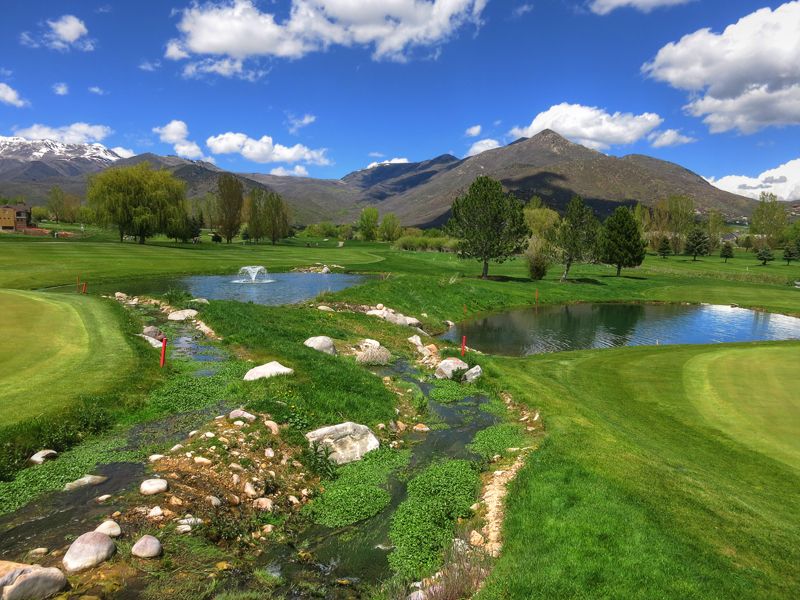
The Crater does not exist in isolation. It sits within the Heber Valley, one of the most scenic stretches of landscape in all of Utah.
Rolling green fields, mountain peaks still dusted with snow in spring, and a pace of life that feels genuinely unhurried make the surrounding area worth exploring beyond the dome itself.
Midway is a small town with a calm, welcoming character. It sits close enough to Park City and Salt Lake City to make a day trip practical, but far enough away to feel like an escape.
The drive in from either direction passes through mountain scenery that sets the mood long before the crater comes into view.
Combining a visit to The Crater with other outdoor activities in the Wasatch Mountains is easy and rewarding. Hiking trails, ski resorts, and scenic drives are all within reach.
Utah offers that kind of layered travel experience, where one destination naturally leads to the next without any forced planning.
What To Expect Once You Step Inside
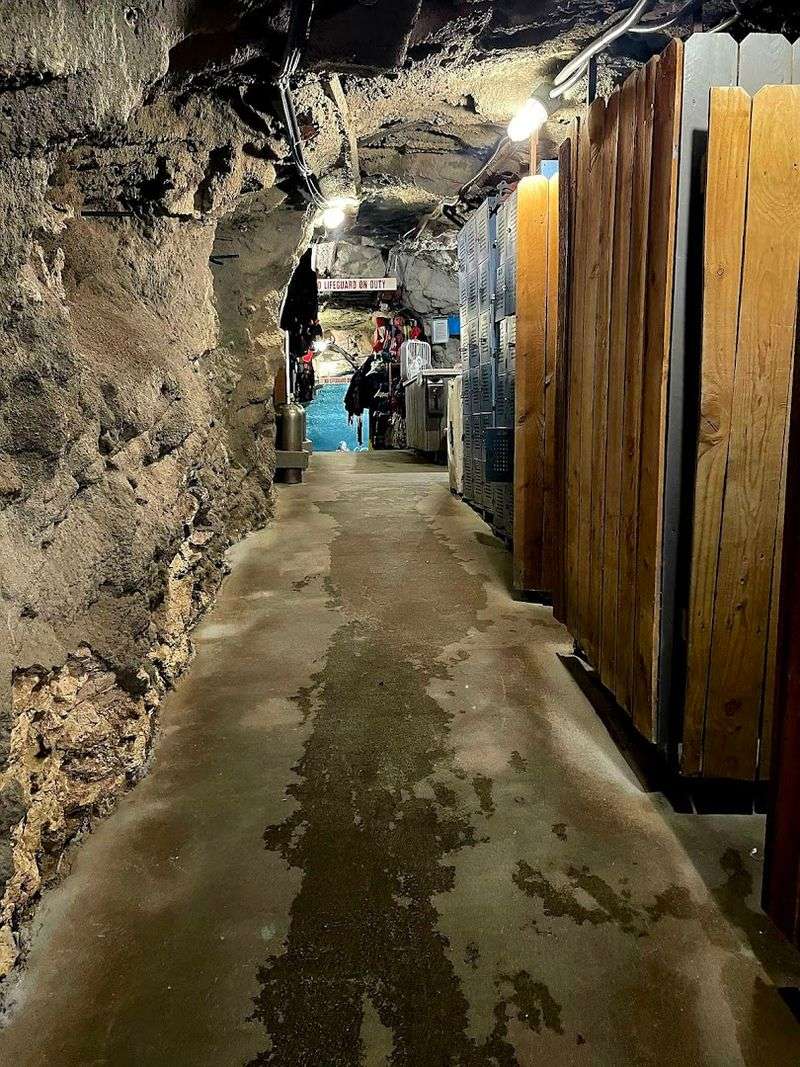
The atmosphere inside the dome is unlike any pool or hot spring experience. The ceiling curves overhead in rough limestone, the air is warm and slightly humid, and the water glows with that unmistakable turquoise tone.
It takes a moment to process that this is a real, natural place and not a themed attraction.
Life jackets are provided free of charge and are required for swimmers. Scuba divers use their own equipment or rent from staff on-site.
Swimmers are not permitted to free-dive or jump in, which keeps the environment safe and orderly for everyone sharing the water at the same time.
Sessions are booked in 60 minute time slots, with roughly 40 minutes of actual time in the water. Staff members come in partway through to share facts about the history and geology of the crater, which adds genuine educational value to what might otherwise just be a swim.
Most visitors leave saying the time passed faster than expected, which is usually the mark of an experience worth repeating.
Why This Place Stays With You Long After You Leave
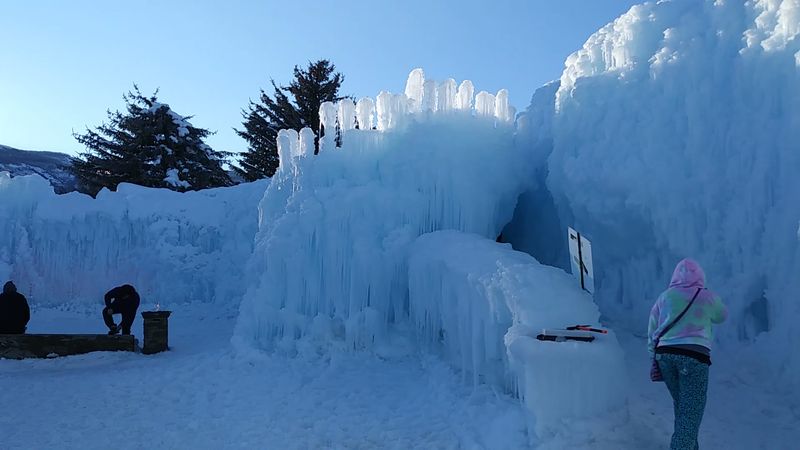
There are plenty of beautiful places to swim in Utah, but very few that feel genuinely one-of-a-kind on a global scale. The Crater earns that description without exaggeration.
It is the only structure of its kind in the world, a naturally formed geothermal dome with warm, clear water and a history measured in thousands of years.
What sticks with most visitors is not just the color of the water or the temperature. It is the combination of all of it together: the enclosed rock walls, the natural skylight at the top, the warmth rising from deep underground, and the quiet that settles in once everyone stops talking and just floats.
Utah keeps surprising people who think they already know what the state has to offer. The Crater at Homestead is the kind of place that resets expectations entirely.
It does not need dramatic marketing or elaborate amenities. The earth already did all the work, and the result speaks completely for itself.