
Utah’s Mountain Towns Tourists Often Miss But Locals Truly Love
Most people visiting Utah head straight for Zion, Bryce Canyon, or Park City, and honestly, who could blame them? But the locals know something the guidebooks barely mention: some of the most magical places in this state are hiding in plain sight, tucked along back roads and quiet valleys.
These twelve mountain towns carry a charm that no Instagram filter can fully capture. Pack your curiosity, roll down the windows, and get ready to discover the Utah that locals actually call home.
1. Midway
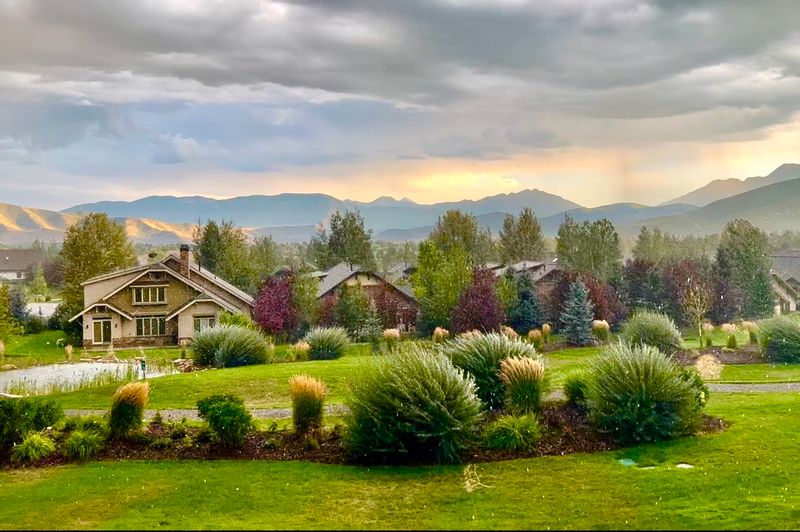
Picture a Swiss village magically transported to the Wasatch Mountains, and you have Midway in a nutshell. This small town of roughly 5,000 people sits in Heber Valley and somehow manages to feel like Europe without the flight across the Atlantic.
The Swiss heritage here is real, celebrated every year at the Swiss Days festival that draws crowds from across the state.
Midway’s crown jewel is Homestead Crater, a geothermal hot spring hidden inside a 55-foot limestone dome where you can actually scuba dive year-round. Yes, you read that right.
Locals know this spot well, and visiting it feels like discovering a secret the rest of the world forgot about.
Beyond the crater, the town offers world-class golf courses, horseback riding, and access to the Wasatch Mountain State Park. Winter brings snowshoeing and cross-country skiing right from town.
Midway rewards slow travelers who actually stop and look around instead of just passing through.
2. Kamas
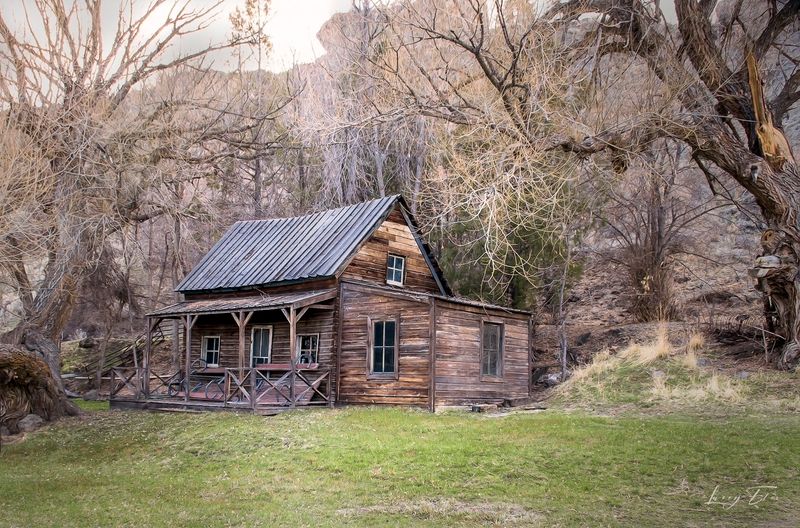
Gateway towns usually get overshadowed by whatever famous landmark sits beyond them, but Kamas refuses to play second fiddle. Sitting at the base of the Mirror Lake Scenic Byway, this small ranching community of about 2,000 people is where locals stock up before heading into the High Uintas Wilderness, one of the most spectacular roadless areas in the American West.
The Mirror Lake Highway itself begins right here, climbing through alpine meadows and past dozens of pristine lakes that see a fraction of the visitors Yellowstone or Zion receive. Summer wildflowers along this corridor are genuinely jaw-dropping.
You can fish, hike, or simply pull over and breathe air so clean it almost feels unfamiliar.
Kamas also sits just twenty minutes from Park City, making it a savvy base for travelers who want proximity to amenities without the resort-town price tag. The local vibe is warm, unpretentious, and refreshingly genuine.
Ranchers and hikers share the same coffee shop, and everyone waves.
3. Panguitch
There is something wonderfully stubborn about Panguitch. Founded in 1864 by Mormon pioneers who nearly starved during their first brutal winter, this town fought hard to survive and still carries that gritty, resilient energy today.
The name itself comes from a Paiute word meaning big fish, a nod to the trout-filled waters that helped early settlers stay alive.
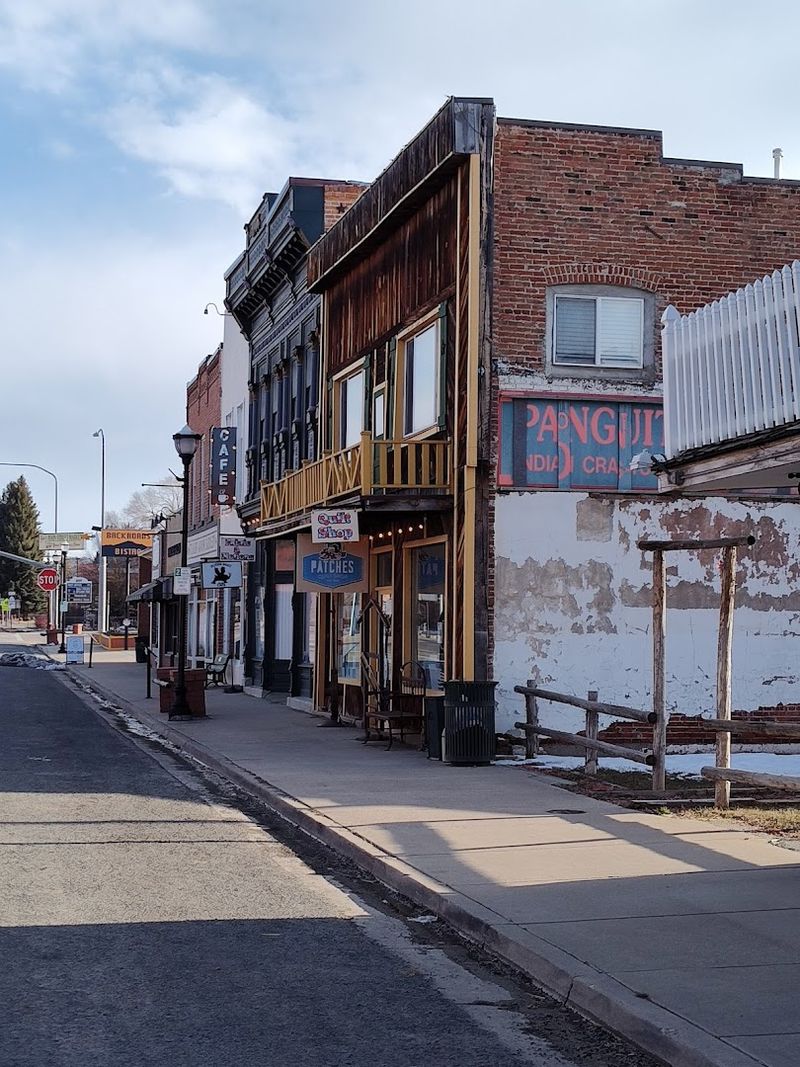
Walking down Main Street feels like stepping into a living history museum, except everything is actually open and functional. The red brick buildings date back to the late 1800s and have been lovingly maintained.
Panguitch is the seat of Garfield County and serves as a practical base for exploring Bryce Canyon, Red Canyon, and the surrounding canyon country.
Locals love the annual Panguitch Valley Balloon Rally, where hot air balloons drift over the red rock landscape in colors that seem almost too vivid to be real. The pace here is slow, the people are straightforward, and the scenery surrounding this valley is quietly extraordinary.
Authenticity is not performed here; it just exists.
4. Huntsville
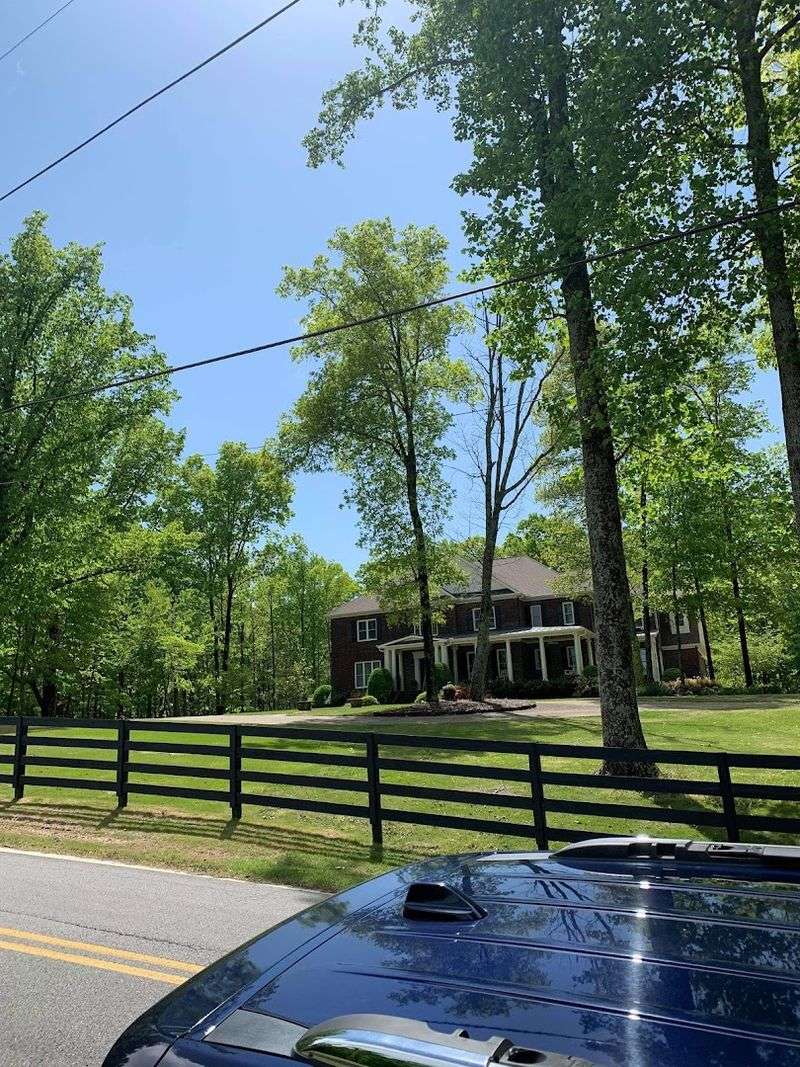
Huntsville holds a quiet kind of fame that most outsiders miss entirely. This tiny community of fewer than 700 people sits at the edge of Pineview Reservoir in Ogden Valley, and on a calm morning, the water reflects the surrounding peaks so perfectly it looks like a painting someone forgot to hang up.
Locals have been coming here for generations to boat, waterski, and simply exhale.
The town is also home to the Abbey of Our Lady of the Holy Trinity, a Trappist monastery where monks have been making honey and fruitcake since 1947. You can visit the grounds, buy their products, and experience a stillness that feels genuinely rare in today’s world.
It is one of those unexpected stops that ends up becoming the highlight of the whole trip.
Snowbasin Ski Resort is just minutes away, offering world-class skiing without the Park City crowds or price tags. After a powder day on the mountain, locals head to the Shooting Star Saloon, one of Utah’s oldest continuously operating bars, for a burger that has earned legendary status.
5. Torrey
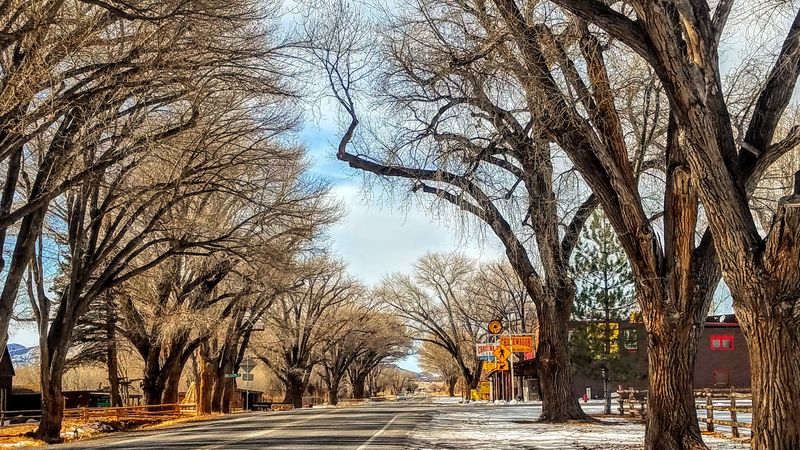
Standing in Torrey and looking south toward Capitol Reef National Park, you get the overwhelming sense that the landscape is showing off just for you. This tiny town of about 170 permanent residents sits at an elevation of nearly 6,800 feet and serves as the front door to one of Utah’s most underrated national parks.
Most tourists blow right through on their way somewhere else, which is exactly why locals appreciate it so much.
The town punches way above its weight when it comes to food and lodging. Torrey has developed a small but genuinely impressive culinary scene, with restaurants sourcing local ingredients and chefs who clearly care about their craft.
Staying at one of the small inns here feels personal in a way that chain hotels never manage to replicate.
Capitol Reef itself protects a 100-mile long wrinkle in the earth called the Waterpocket Fold, a geological feature so dramatic it once blocked westward travel entirely. Hiking the Navajo Knobs trail rewards you with panoramic views that stretch for what feels like forever.
Torrey is the kind of place that makes you want to cancel your return flight.
6. Garden City
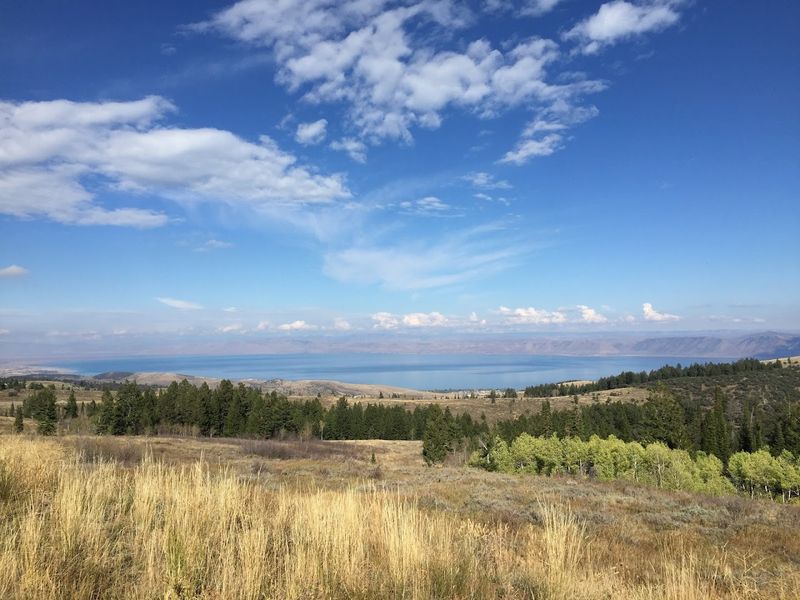
Bear Lake is sometimes called the Caribbean of the Rockies, and the first time you see that impossibly turquoise water shimmering against the mountain backdrop, you will completely understand why. Garden City sits right on the lake’s western shore in the far northeastern corner of Utah, and it is the kind of place that locals keep recommending to each other while hoping tourists never quite figure out the directions.
The lake’s striking blue-green color comes from calcium carbonate minerals suspended in the water, not from any filter or clever photography trick. Swimming, boating, and kayaking here feel like activities happening on a different planet entirely.
Raspberry shakes from the local stands are a summer tradition so beloved that people plan road trips around them.
Winter transforms Garden City into a quieter, snowier version of itself, with snowmobiling and ice fishing replacing the summer water sports. Bear Lake State Park keeps the area accessible year-round.
The community is small, welcoming, and genuinely proud of the natural wonder sitting right at its doorstep every single morning.
7. Mount Pleasant
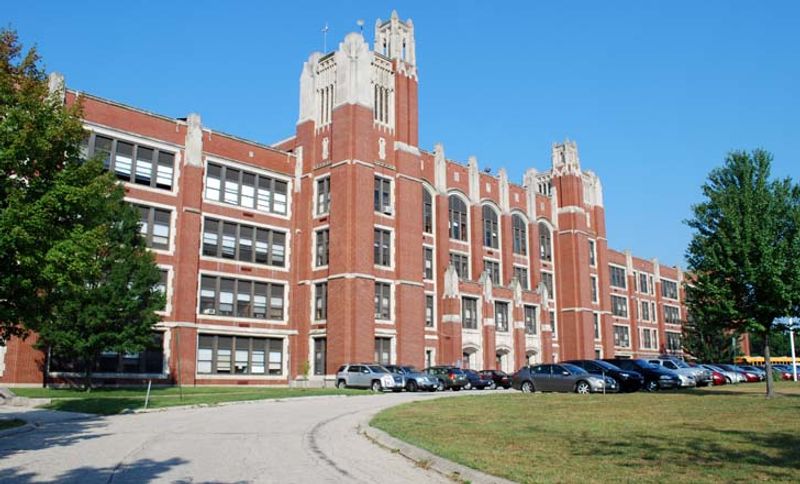
Sanpete County does not get nearly enough credit, and Mount Pleasant is a perfect example of what gets overlooked when travelers skip the middle of the state. Founded in 1852, this historic town of about 3,400 people sits in a broad valley surrounded by mountains on both sides, giving it a geography that feels almost theatrical.
The agricultural heritage here runs deep, and the landscape reflects it in every direction.
Scandinavian immigrants shaped much of the town’s early character, and their influence shows in the craftsmanship of the historic buildings still standing downtown. The Wasatch Academy, a private boarding school founded in 1875, gives the town an unexpected intellectual energy that surprises first-time visitors.
Walking the campus feels like wandering through a small New England college, dropped without explanation into central Utah.
The surrounding countryside offers incredible horseback riding, ATV trails, and access to the Manti-La Sal National Forest. Locals gather at the county fair each summer with the kind of community enthusiasm that feels genuinely wholesome.
Mount Pleasant is proof that Utah’s heartland has plenty of heart to spare.
8. Kanab
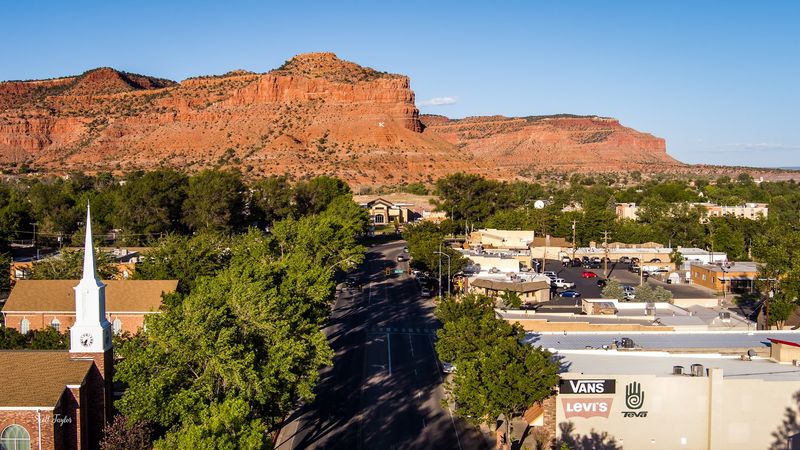
Hollywood discovered Kanab long before most travelers did. Between the 1930s and 1970s, this southern Utah town served as a filming location for hundreds of Westerns, earning the nickname Little Hollywood.
John Wayne, Ronald Reagan, and Clint Eastwood all spent time here, and the landscape that attracted filmmakers is every bit as dramatic today as it was back then.
Kanab sits at the crossroads of Grand Canyon North Rim, Zion, Bryce Canyon, and Glen Canyon, making it one of the most strategically located small towns in the entire American Southwest. Yet somehow it maintains a relaxed, unhurried atmosphere that the bigger gateway towns have long since abandoned.
The best sunsets you will ever witness in your life might happen right from the edge of town.
The local food scene has grown impressively in recent years, with plant-based restaurants earning national attention alongside traditional diners. Best Friends Animal Sanctuary, the largest no-kill animal shelter in America, operates just outside town and welcomes visitors daily.
Kanab manages to be simultaneously historic, wild, and surprisingly forward-thinking.
9. Boulder
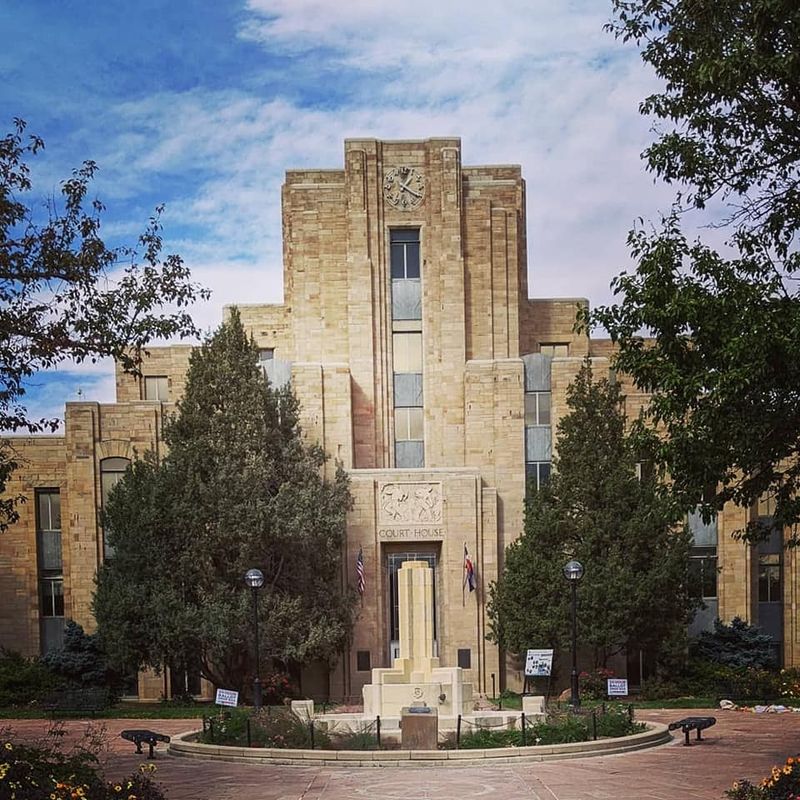
Getting to Boulder requires commitment, and that is precisely what keeps it wonderful. Situated along the scenic Highway 12 corridor in Garfield County, this remote community of fewer than 250 people sits at 6,700 feet elevation, surrounded by some of the most dramatic canyon country on the planet.
Until 1940, mail was delivered here by mule train because no road could reach it reliably.
Anasazi State Park Museum in the middle of town preserves the remains of a 1,000-year-old Native American village, one of the largest ancestral Puebloan communities west of the Colorado River. Standing among those ruins and considering the people who lived there centuries ago adds a weight and meaning to the visit that stays with you long after you leave.
Hells Backbone Grill, a farm-to-table restaurant that has been operating here since 2000, has earned national recognition and regularly appears on lists of the best restaurants in Utah. The irony of finding extraordinary food this far from anywhere is part of what makes Boulder so memorable.
Plan to stay at least two nights; one is never enough.
10. Heber City
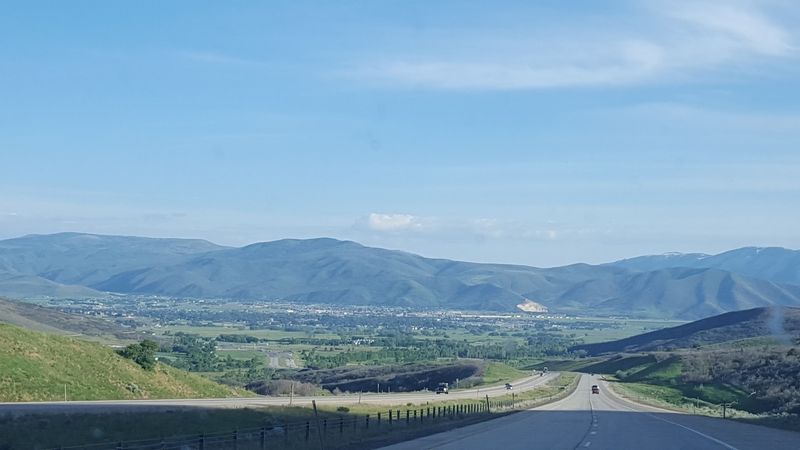
Heber City wears its agricultural roots proudly while quietly evolving into one of Utah’s most livable small cities. Sitting at 5,600 feet in the Heber Valley, this community of around 17,000 people enjoys a mountain setting so picturesque that real estate prices have climbed steadily as word has spread.
Locals have mixed feelings about the growth but remain fiercely proud of what makes the town special.
The Heber Valley Historic Railroad, affectionately called the Heber Creeper, has been running steam-powered excursions through the valley since 1899. Riding through the canyon while steam billows overhead is the kind of experience that feels genuinely old-fashioned in the best possible way.
Families with kids absolutely love it, and honestly, adults love it just as much.
Strawberry Reservoir, just thirty minutes away, offers some of the best trout fishing in the entire Intermountain West. Deer Creek State Park provides boating and paddleboarding within fifteen minutes of downtown.
Heber City also sits just twenty minutes from Park City, giving visitors two very different Utah experiences within a single short drive.
11. Scofield
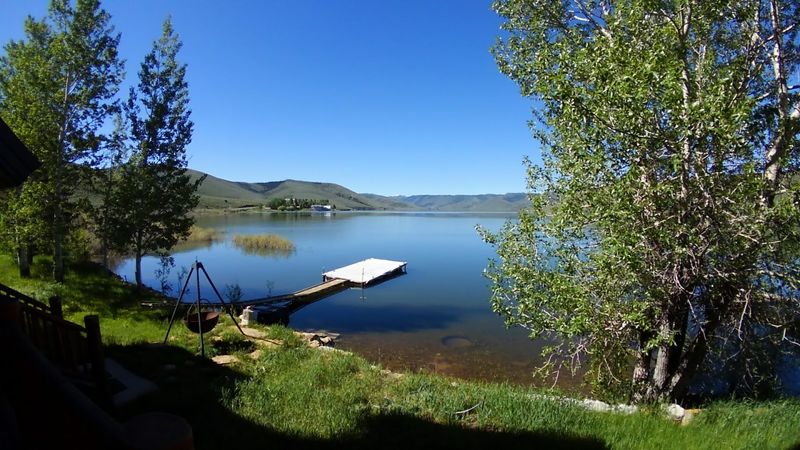
Scofield exists at a frequency most of the modern world has forgotten how to tune into. Perched at 7,600 feet on Utah’s high plateau, this tiny community of fewer than 30 year-round residents sits along the shores of Scofield Reservoir, a favorite among serious anglers who prefer their fishing holes without crowds or noise.
The drive up through Price Canyon alone is worth making the trip.
The town carries a complicated history. In 1900, a coal mine explosion killed 200 men in what became one of the deadliest mining disasters in American history.
A somber monument in the local cemetery honors the victims, and visiting it adds an unexpected layer of depth to what might otherwise feel like a simple fishing getaway. History has a way of making places feel more real.
Ice fishing in winter draws a devoted crowd willing to brave temperatures that would send most people straight back to the couch. Summer brings wildflowers, bird watching, and the kind of solitude that requires actual effort to find anywhere else in the state.
Scofield rewards visitors who appreciate silence as a feature rather than a flaw.
12. Tabiona
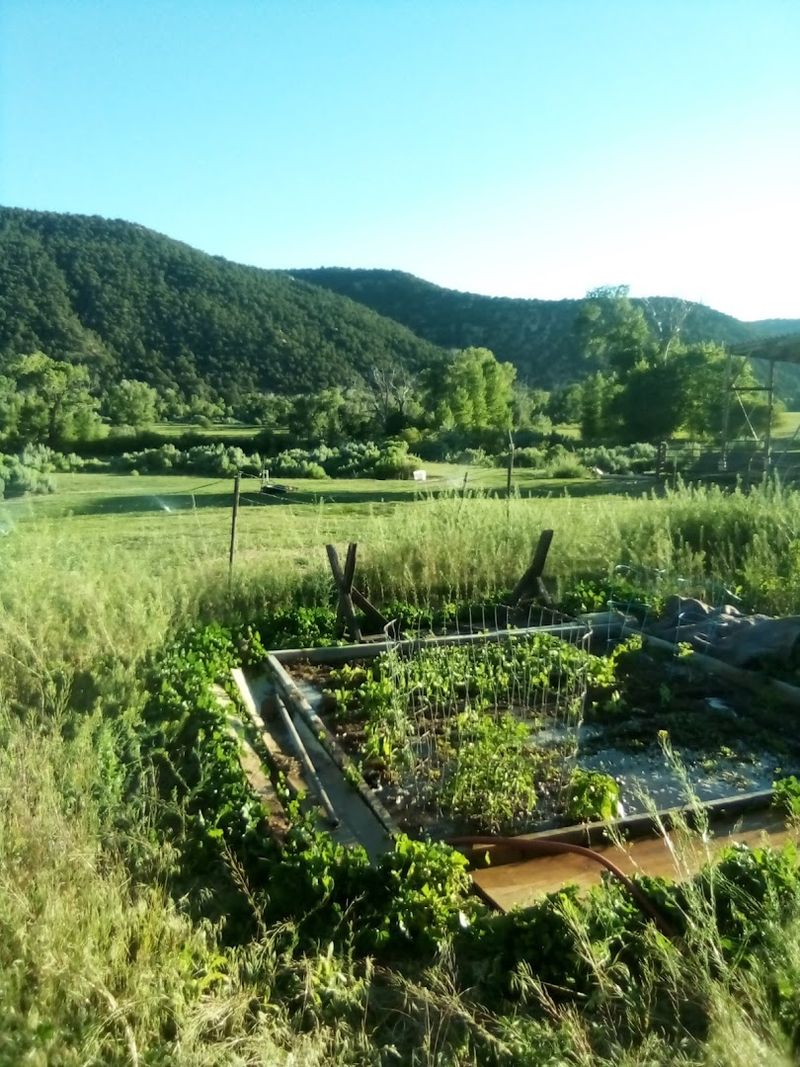
Tabiona might be the least-visited town on this entire list, and for adventurous travelers, that is basically a gold medal recommendation. Sitting in the Duchesne River Valley in the Uinta Basin at around 6,400 feet elevation, this ranching community of fewer than 200 people operates on a schedule that answers to seasons and livestock rather than algorithms or social media trends.
Life here moves differently, and spending even a day in that rhythm does something good to your nervous system.
The surrounding landscape offers access to the High Uintas Wilderness, where Kings Peak, the highest point in Utah at 13,528 feet, waits for ambitious hikers willing to put in the miles. Fishing in the Duchesne River right through town is genuinely excellent and rarely crowded.
You might share the bank with a great blue heron and nobody else for hours.
Tabiona has no chain restaurants, no traffic lights, and no pretense whatsoever. The people who live here chose this life deliberately, and they carry a quiet confidence that comes from knowing exactly where they belong.
Visiting feels less like tourism and more like being briefly trusted with something precious.