
10 Vermont Communities Grappling With Population Declines And Record High Property Taxes
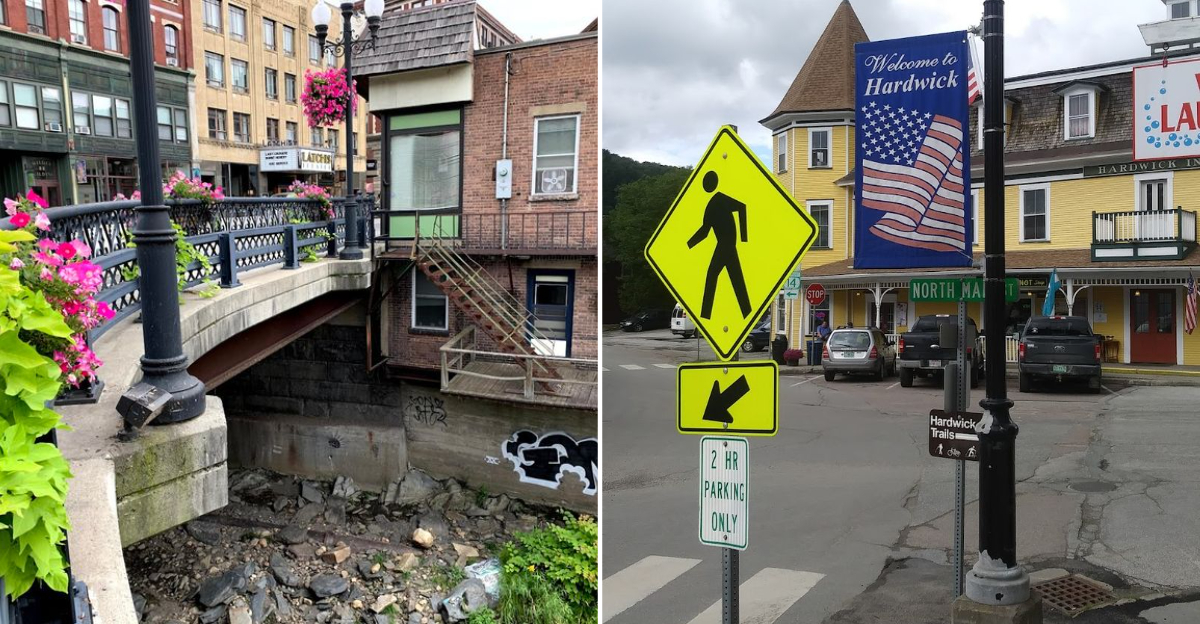
The for sale signs stay up longer than they used to. In some of these communities, that’s a new development, and not a welcome one.
Vermont built its appeal on a quality of life that justified the cost for decades. The calculation has shifted in ten communities where property tax bills now arrive at numbers that longtime residents describe as genuinely difficult to absorb.
Younger families ran the math first and left earliest. Retirees on fixed incomes followed, trading equity for lower-cost states and taking with them the kind of community investment that doesn’t show up in any budget line.
The villages still look the way Vermont is supposed to look. The people inside them are having conversations that the scenery doesn’t reflect.
1. Barre
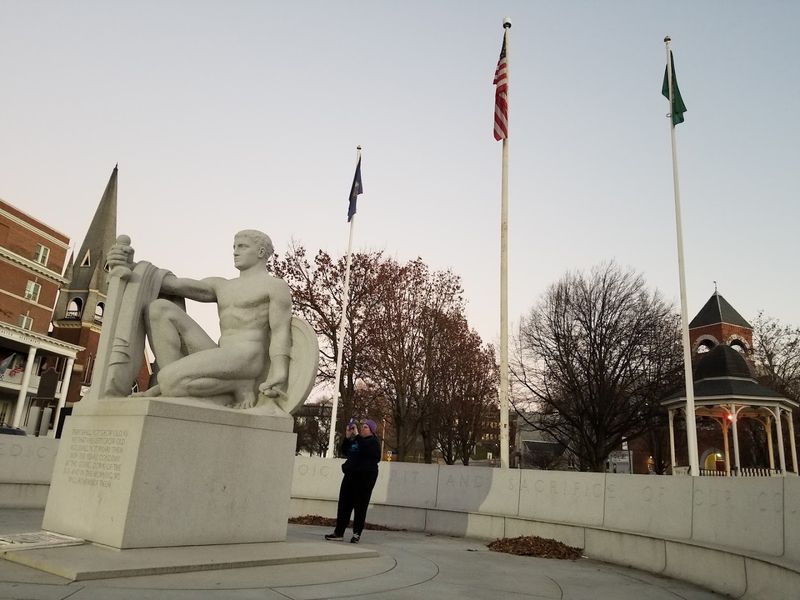
Barre calls itself the Granite Capital of the World, and honestly, that title fits. The city built its identity on stone quarrying, and that pride still runs deep in the streets.
But pride does not pay property taxes. Barre City carried the second-highest effective municipal tax rate in Vermont in 2023, clocking in at 1.6153.
That number hits hard when you realize wages have not kept pace with those bills. A lot of longtime residents are choosing to leave rather than fight the math every year.
The population has been shrinking steadily, and younger workers are not exactly rushing in to replace those who go. The job market tied to granite has never fully bounced back from decades of industrial shifts.
Walk through downtown Barre today, and you will see a mix of resilience and struggle side by side. Some storefronts are thriving.
Others have been empty for years.
The community has a real heart. Locals organize festivals, support local arts, and show up for each other.
But the heart alone cannot offset a tax burden that keeps climbing.
State funding formulas for education keep pushing costs onto property owners. Barre homeowners feel that pressure every single year without relief in sight.
2. Rutland
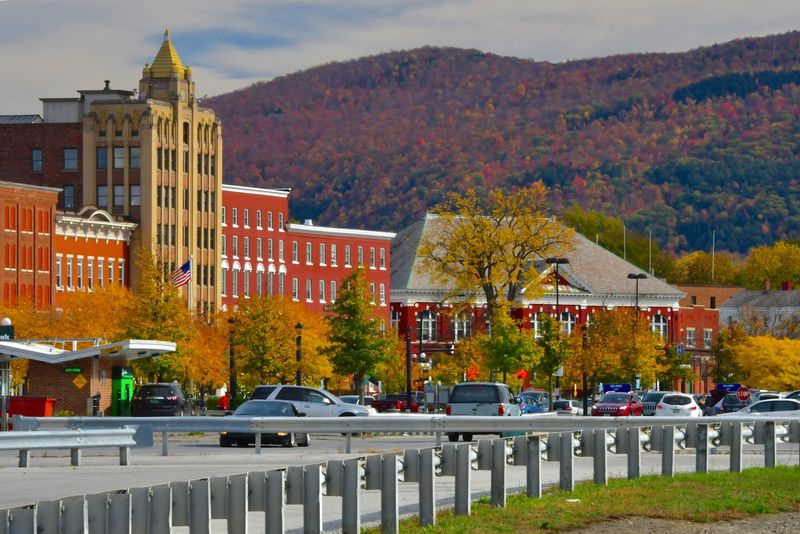
Rutland has seen better days, and locals will tell you that without flinching. The city once buzzed with marble industry jobs and railroad activity that made it one of Vermont’s busiest hubs.
Now Rutland County is watching its population shrink, losing over 1,200 residents in recent years. That kind of loss leaves visible gaps in a community.
The opioid crisis hit Rutland especially hard. Local leaders have been vocal and proactive about it, which deserves real credit.
But fighting addiction while also managing rising taxes is an exhausting combination.
Rutland City held the third-highest effective municipal tax rate in Vermont in 2023 at 1.4305. Homeowners here are paying a premium to live in a city still searching for its next economic chapter.
Downtown Rutland has pockets of genuine energy. Independent shops, a farmers market, and community events keep things lively.
The Paramount Theatre is a legitimate spot that draws crowds from across the region.
Still, the math is tough. Young families weighing housing costs elsewhere often choose to leave Vermont entirely rather than settle here.
The workforce shrinks, businesses struggle to staff up, and the cycle continues.
Rutland is fighting hard, and that spirit is worth recognizing. Change is slow, but the effort is real.
3. Springfield
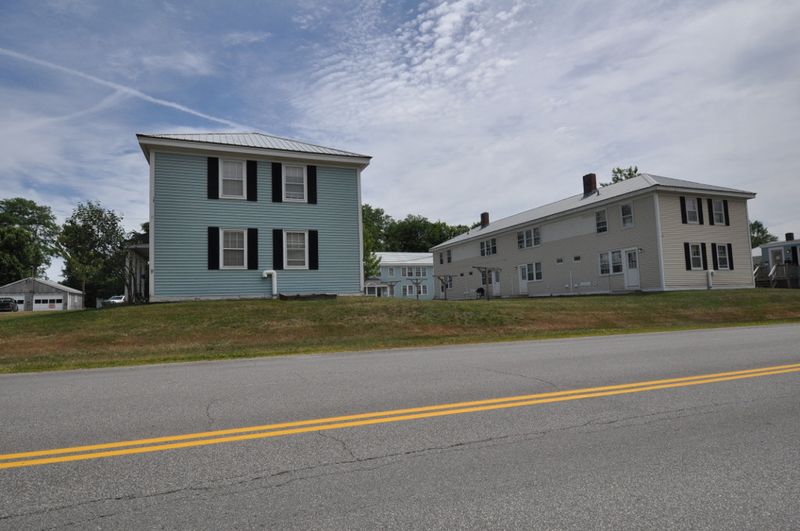
This place once had a nickname that made engineers proud: Precision Valley. The town was a manufacturing powerhouse, producing machine tools that were shipped across the country and beyond.
That era is long gone. The factories closed, the jobs left, and Springfield has been figuring out its identity ever since.
Recovery has been painfully slow.
Here is the number that stops people cold: Springfield recorded the highest effective municipal tax rate in all of Vermont in 2023 at 1.6721. Highest.
In the entire state.
That means homeowners here are carrying more tax weight per dollar of property value than anywhere else in Vermont. For a town already struggling economically, that is a brutal reality.
The population has been declining for years. Young people grow up here and then move somewhere with more job opportunities.
The ones who stay are often older residents on fixed incomes getting crushed by rising bills.
The Black River runs through town, and the landscape is genuinely beautiful. Springfield has natural assets that could attract visitors and new residents.
But infrastructure investment has lagged.
Local advocates keep pushing for economic development, and there are small wins worth celebrating. A few new businesses have opened, and community pride runs strong at local events.
But until the tax burden eases and jobs return, the struggle continues.
4. Bellows Falls
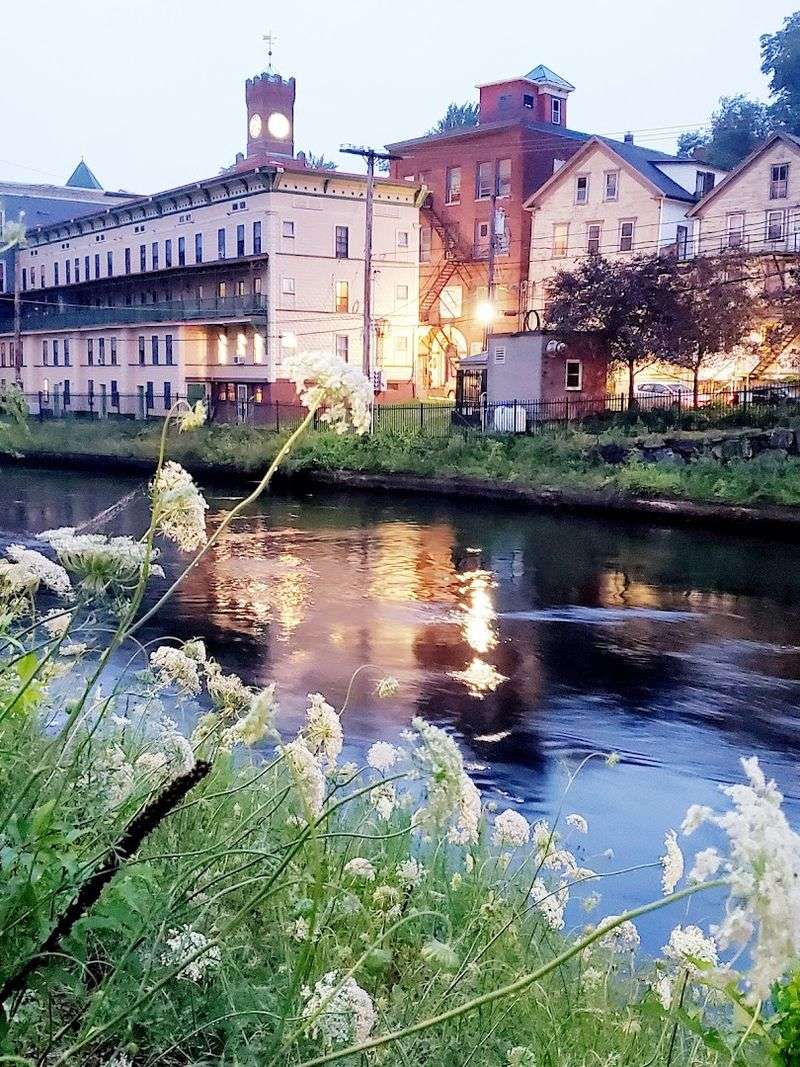
Bellows Falls is one of those places that surprises you. The village has real artistic energy, colorful murals covering building walls, and a quirky independent spirit that feels earned rather than manufactured.
It sits along the Connecticut River in Windham County, and the scenery alone is worth the drive. But scenery does not make property taxes affordable.
Windsor County historically ranks among Vermont’s highest for property tax burdens, and Bellows Falls residents feel that reality every year when bills arrive. The gap between home values and tax obligations is genuinely stressful for working families.
The population in this area has been drifting downward for years. Young people leave for Burlington or out of state entirely.
Older residents stay but increasingly struggle to afford it.
The village has made real efforts to reinvent itself. A thriving arts scene, a beloved independent bookstore, and a strong farmers’ market community give Bellows Falls genuine character.
The Rockingham Free Public Library is a community anchor. Local events draw visitors from neighboring towns.
There is authentic life here that deserves more recognition.
But charm and community spirit can only absorb so much financial pressure. When taxes keep rising, and wages stay flat, even the most dedicated residents start doing math they do not want to do.
Bellows Falls has grit. Whether that grit is enough remains an open question.
5. Brattleboro
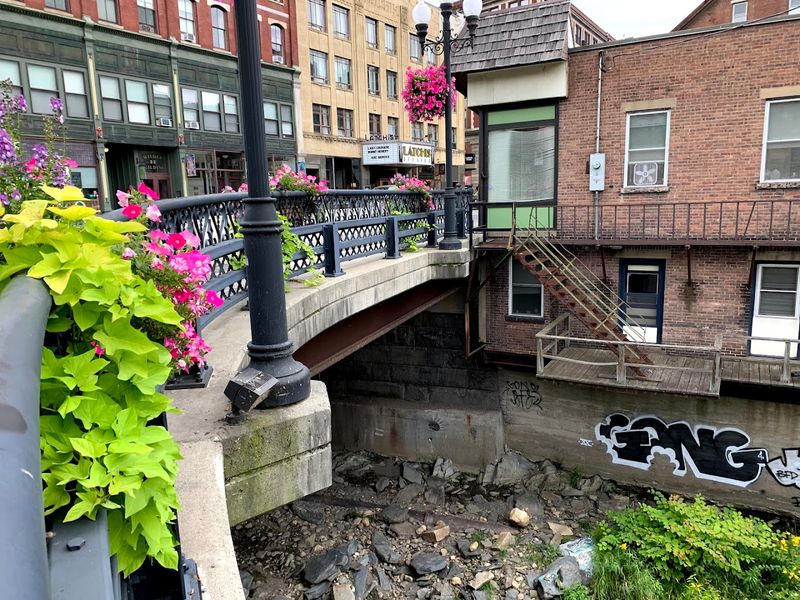
A spot like this has always been Vermont’s most unconventional town, and locals wear that distinction like a badge. It has bookstores, galleries, organic food co-ops, and a downtown that actually feels alive most days of the week.
But Brattleboro is not immune to Vermont’s larger problems. Windham County, where it sits, has been losing residents.
The statewide education tax increases hit here just like everywhere else.
What makes Brattleboro’s situation interesting is the tension between its progressive identity and the economic realities facing its residents. Many people here genuinely want to stay.
The taxes make that harder every year.
Small business owners downtown talk openly about the squeeze. Rent, taxes, and the cost of doing business in Vermont have forced some beloved spots to close in recent years.
That loss is felt deeply.
The Connecticut River waterfront is a real asset. Wantastiquet Mountain looms across the river in New Hampshire and frames the town beautifully.
Outdoor recreation is genuinely accessible here.
Brattleboro has a strong arts and music culture that punches well above its weight for a town its size. The Brattleboro Music Center and Latchis Theatre are genuine cultural institutions.
Still, population numbers trend downward. Young families doing the math on housing and taxes often decide to look elsewhere.
The energy is real, but the economics are complicated.
6. St. Johnsbury
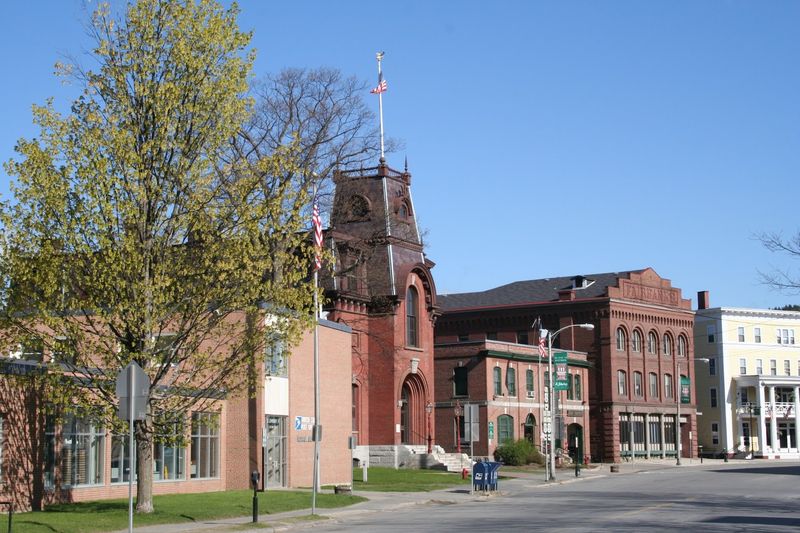
St. Johnsbury anchors Vermont’s Northeast Kingdom, a region known for its rugged beauty and stubborn independence. The town has genuine historical charm, with Victorian architecture and one of the best small-town museums in New England.
The Fairbanks Museum and Planetarium is a legitimate treasure. So is the St. Johnsbury Athenaeum, a stunning 19th-century library and art gallery that most people outside Vermont have never heard of.
But St. Johnsbury has been losing people for decades. The population declined by roughly 250 residents over a single ten-year stretch, and the trend has not reversed.
Poverty rates here are notably higher than the Vermont average.
Downtown has too many empty storefronts for a town with this much architectural beauty. Walking those streets, you feel the weight of what was here before and what has slowly disappeared.
Geographic isolation plays a real role. The Northeast Kingdom is stunning but far from major employment centers.
Young people who grow up here often leave for college and never return.
Property taxes add another layer of difficulty. Education funding through property levies hits harder in communities where incomes are lower, and home values do not justify the bills.
Local organizations keep fighting for the town’s future. Community events, local food systems, and small business support show real determination.
St. Johnsbury refuses to give up quietly.
7. Newport
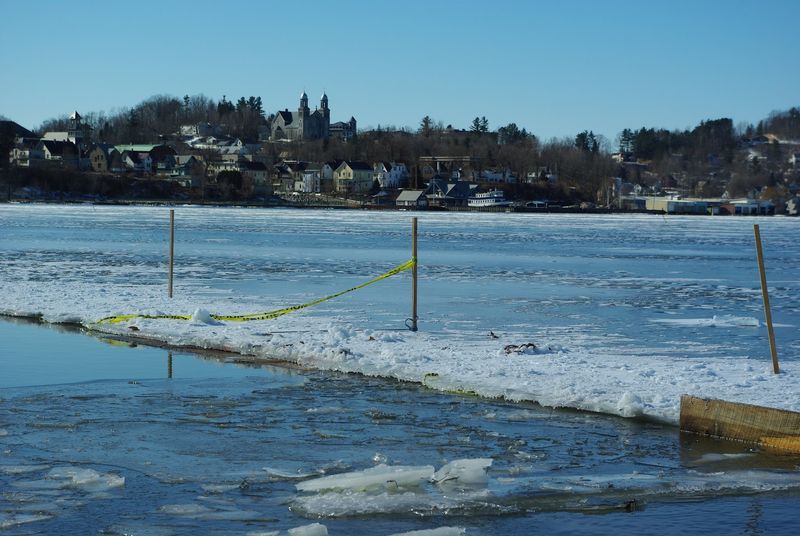
Newport sits on the southern shore of Lake Memphremagog, a massive lake that stretches all the way into Canada. The setting is genuinely spectacular.
Mountains, water, and sky all compete for your attention at once.
That natural beauty has not been enough to stop the population from sliding. Newport is isolated, sitting near the Canadian border in the Northeast Kingdom, far from Vermont’s economic centers.
Job options are limited. The largest employers in the area are healthcare, retail, and government.
Young professionals looking for career growth tend to leave and not come back.
Property taxes follow the statewide trend upward while local incomes struggle to keep pace. Homeowners here feel the gap between what they earn and what they owe growing wider each year.
The downtown has seen some revival efforts. The Memphremagog waterfront development drew attention and investment for a period.
But sustaining momentum in a geographically isolated community is genuinely difficult work.
Newport’s proximity to Canada once made it a minor hub for cross-border commerce. That relationship has shifted over the years, and the economic benefit is smaller than it once was.
Residents are proud of their lake and their landscape. Summer brings visitors who fall in love with the area.
Getting those visitors to stay year-round is the real challenge.
Newport’s geographic isolation is both its identity and its obstacle.
8. Derby
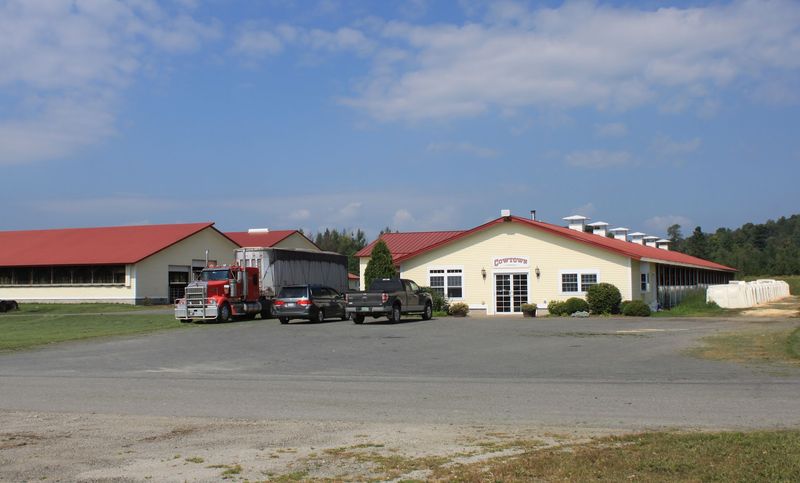
The border literally runs through the Haskell Free Library and Opera House, one of the most unusual buildings in North America.
Half the library is in Vermont. Half is in Quebec.
That quirky detail draws curious visitors, and rightfully so. It is the kind of story that makes Vermont feel wonderfully strange.
But outside that charming footnote, Derby faces the same grinding pressures as its Northeast Kingdom neighbors. Geographic isolation, limited employment, and a population that keeps trickling away define daily life here.
Young residents grow up with big ambitions and leave for cities where those ambitions have room to grow. The ones who stay often do so for family reasons, not economic opportunity.
Property taxes have risen steadily, matching Vermont’s statewide trend of education levy increases. For a border town with modest average incomes, those increases are hard on household budgets.
The Northeast Kingdom as a whole is dealing with demographic aging. Derby mirrors that pattern closely.
More deaths than births and more people leaving than arriving is a slow but relentless math problem.
Derby has natural beauty, a tight-knit community, and genuine local pride. The challenge is translating those assets into economic stability that keeps people around long-term.
Derby’s town offices are at 124 Main Street, Derby, VT 05829.
9. Hardwick
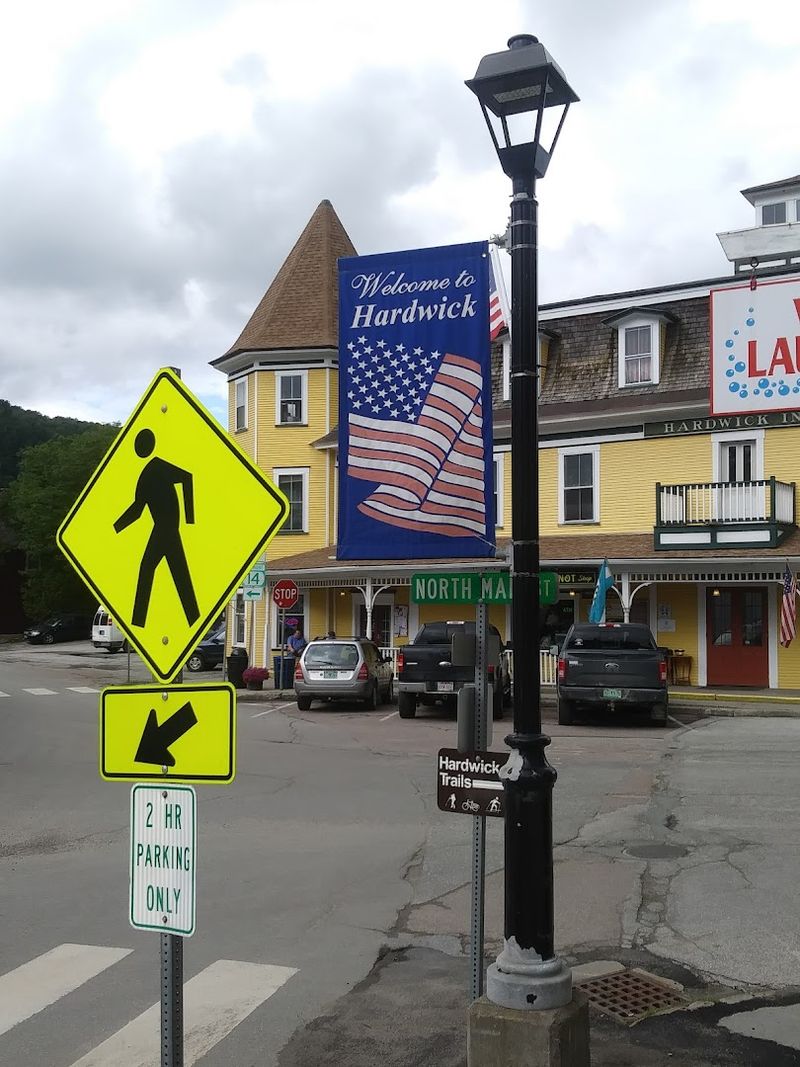
Hardwick made national headlines a while back for a different reason: it became a symbol of Vermont’s local food movement. Small farms, a food hub, and community-supported agriculture put this town on the map as a rural comeback story.
Then the floods came. Hardwick has been hit by serious flooding events that damaged homes, roads, and businesses.
Recovery has been uneven, and parts of the community are still working through the aftermath.
Economic challenges here run deep. Hardwick is one of Vermont’s lower-income communities, and rising property taxes hit disproportionately hard when household budgets are already stretched thin.
The town has seen its population shrink as residents weigh the cost of staying against opportunities elsewhere. Vermont’s statewide 40% education tax increase over five years is not an abstraction here.
It is a real monthly calculation.
What Hardwick has going for it is genuine community spirit. The Buffalo Mountain Food Co-op, local farms, and a tight social fabric give the town real character.
People here look out for each other.
The arts scene is surprisingly vibrant for a town this size. Craftsbury and the surrounding area attract outdoor enthusiasts and creative types who value the Northeast Kingdom’s slower pace.
But pace and spirit do not make the tax bill smaller. Hardwick needs investment, infrastructure, and economic diversification to reverse its population trend.
10. Lyndonville
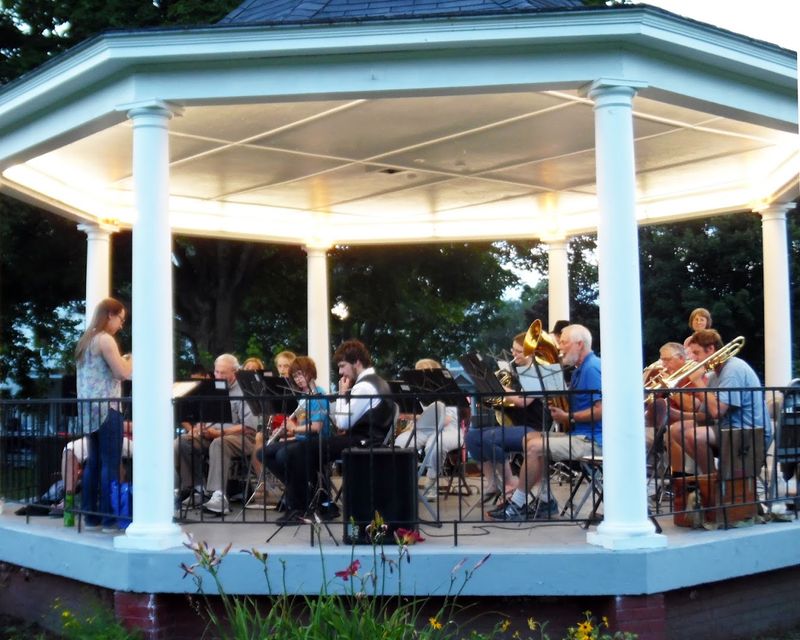
Lyndonville has a classic Vermont village feel that photographs beautifully. A white church steeple, a tidy village green, and hills rolling in every direction give it that postcard quality people associate with the state.
But postcard-pretty does not pay the bills or keep young people from leaving. Lyndonville sits in Caledonia County in the Northeast Kingdom, and the regional demographic story here is not encouraging.
Geographic isolation limits job options significantly. Lyndon State College, now Northern Vermont University Lyndon campus, is the town’s biggest institutional anchor.
But even that resource has not been enough to reverse population trends.
Property taxes have climbed steadily alongside Vermont’s statewide education funding increases. Homeowners in Lyndonville see those bills arrive and do the math on whether staying makes financial sense long-term.
The Northeast Kingdom’s aging population means more deaths than births year after year. Lyndonville mirrors that pattern.
New arrivals are not filling the gaps left by those who leave or pass away.
There is genuine outdoor recreation nearby. Burke Mountain offers skiing and mountain biking that draws visitors from across New England.
But visitor traffic does not automatically translate into year-round economic health.
Residents have real pride in their community. Lyndonville’s farmers market, community events, and school activities show a town that still believes in itself despite the headwinds.
That belief matters.