
10 Virginia Communities Where High Property Taxes Are Changing The Local Landscape
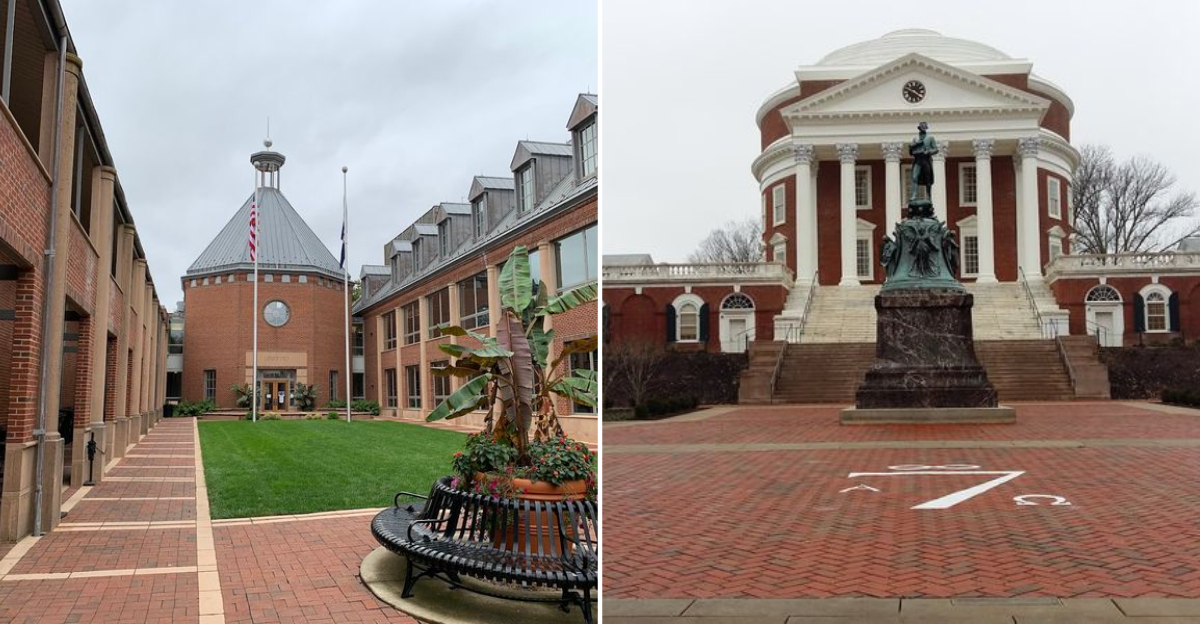
The bills arrive at the same time every year. In these communities, the reaction to opening them has been changing.
Long-term residents who watched their neighborhoods appreciate are now weighing whether that appreciation was worth what it brought with it.
Virginia has pockets of rapid growth that carried property assessments upward faster than incomes followed. Younger buyers calculated the monthly number and looked elsewhere.
Retirees on fixed incomes ran the same calculation and reached the same conclusion. The communities left behind are changing in ways that go beyond demographics, losing institutions and traditions that took generations to build.
1. Fairfax,
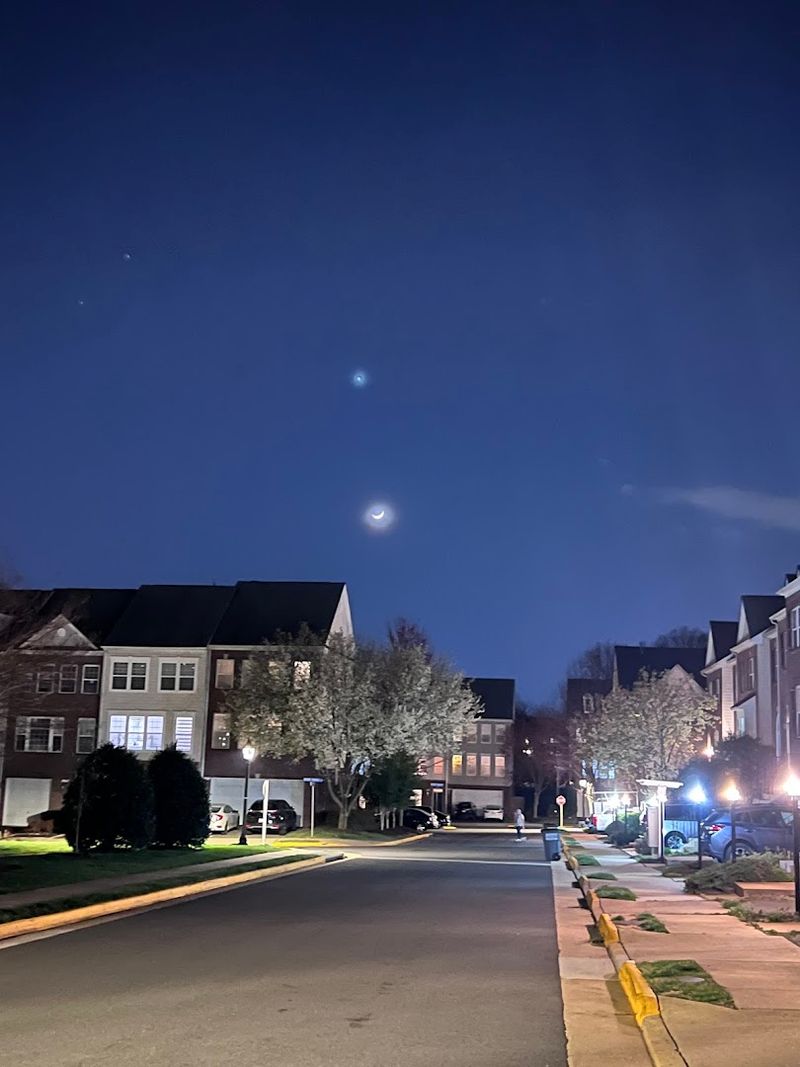
Fairfax has always worn its affluence like a badge of honor. Top-rated schools, well-kept parks, and proximity to D.C. make it one of Northern Virginia’s most sought-after addresses.
But that desirability comes at a serious cost.
Property assessments in Fairfax County rose significantly in 2025, and the tax rate reflects that growth. For many homeowners, the math adds up to a genuinely stressful annual bill.
Long-term residents who bought modestly priced homes decades ago now face tax bills that feel completely out of proportion to their income. Some retirees on fixed incomes are quietly selling and heading south or west.
That shift is slowly changing who actually lives here.
Younger buyers are also finding it harder to break in. The combination of high home prices and steep tax obligations makes budgeting a real challenge.
Many end up renting instead of owning.
Fairfax is still thriving, no question. But the community fabric is evolving.
Wealthier transplants are replacing middle-class families who simply cannot keep pace. The irony is that the very improvements making Fairfax so appealing are also pricing out the people who built it.
2. McLean
McLean is basically Northern Virginia’s version of a flex. Enormous homes, prestigious zip codes, and neighbors who may or may not work for three-letter government agencies.
Property values here are astronomical, full stop.
Because assessments are so high, even a relatively moderate tax rate produces eye-popping annual bills. Homeowners in McLean routinely pay among the highest property taxes in the entire state.
It is just the price of the address.
What is interesting is how this shapes the community. McLean has very little economic diversity.
The high cost of ownership ensures that only the wealthiest buyers can plant roots here. That creates a very particular kind of neighborhood dynamic.
Local businesses also feel the ripple effect. Commercial property taxes are high too, which means smaller shops and local restaurants struggle to compete with national chains that can absorb those costs more easily.
The retail landscape reflects that reality.
Longtime residents who inherited family homes sometimes face the toughest situation. Their properties have appreciated enormously, but their tax bills have followed right along.
Selling feels like the only option for some. McLean is glamorous, powerful, and undeniably expensive.
It is a community defined as much by its tax burden as by its prestige.
3. Herndon
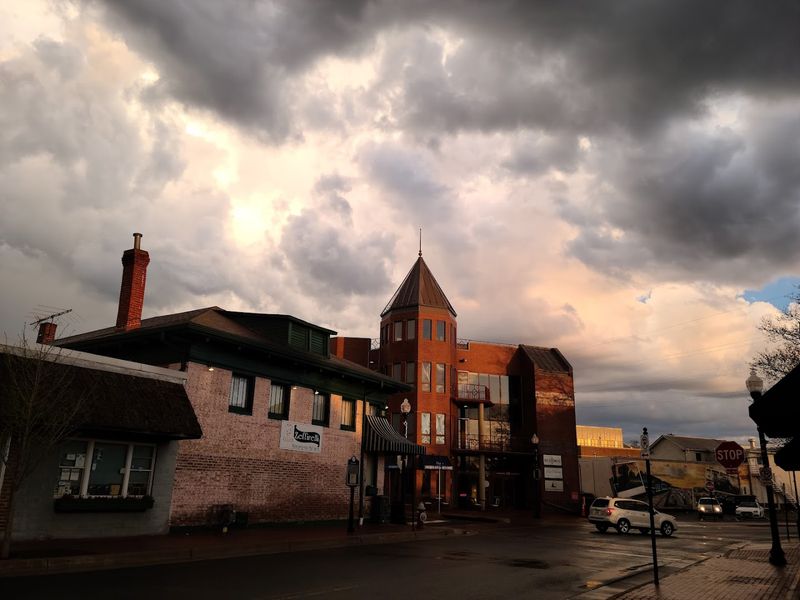
This place has a surprisingly interesting identity. It blends small-town charm with tech-corridor energy, sitting right in the heart of Fairfax County’s booming innovation corridor.
That combination sounds great until you see the tax bill.
As part of Fairfax County, Herndon residents pay the county real estate tax rate. With assessments climbing in 2025, that means noticeably higher bills landing in mailboxes across town.
People are feeling it.
The tech industry’s presence has driven up home values significantly. Workers at nearby data centers and government contractors can afford premium prices, which pushes the market upward for everyone.
That is wonderful if you are selling, painful if you are staying.
Working-class families and service workers who have lived in Herndon for years are finding themselves squeezed out. The town has a significant immigrant community, many of whom have built lives here over decades.
Rising taxes threaten that stability in very real ways.
Herndon is working to expand its affordable housing options, and the new Silver Line metro access has made redevelopment conversations louder. But for now, the gap between who can afford to stay and who cannot keeps widening.
It is a community in genuine transition.
4. Reston
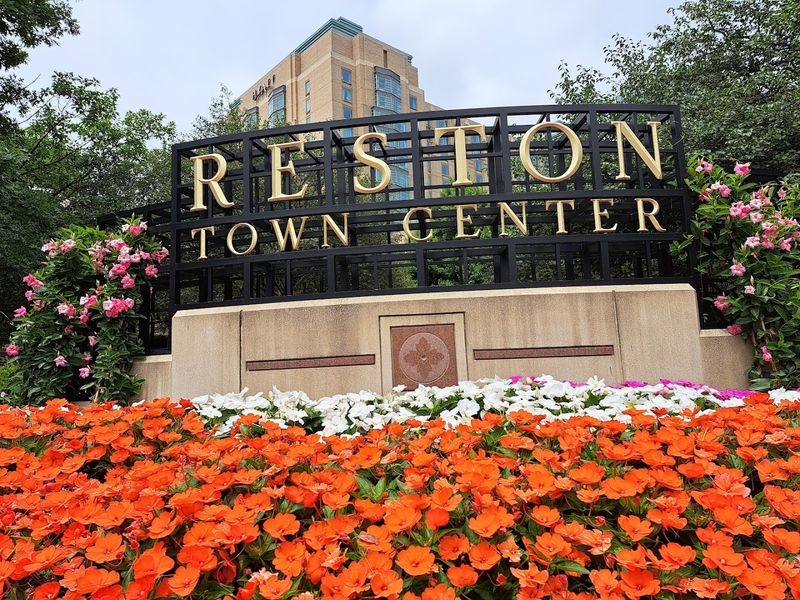
Reston was literally designed to be a utopian planned community back in the 1960s. Founder Robert Simon wanted a place where people of all incomes could live side by side.
Fast forward to today, and that original vision is under serious pressure from rising property taxes.
As part of Fairfax County, Reston carries the county real estate tax rate, with assessments rising sharply in recent years. The Silver Line metro expansion brought enormous investment and even more enormous property value increases.
That is great for sellers, rough for everyone else.
The town center area has transformed dramatically. Luxury condos and upscale retail have replaced more modest options.
Long-term renters and moderate-income homeowners are increasingly priced out of a community built specifically to include them. That stings a little historically.
Reston’s homeowner associations add another layer of cost on top of property taxes. Between HOA fees and tax bills, the monthly financial burden can feel relentless.
Many younger families are choosing neighboring communities with lower overall costs.
What makes Reston uniquely complicated is its idealistic origin story. The community was supposed to prove that economic diversity could thrive in a planned environment.
Rising property taxes are testing that premise harder than ever. The landscape is changing, and not quite in the spirit Simon envisioned.
5. Arlington
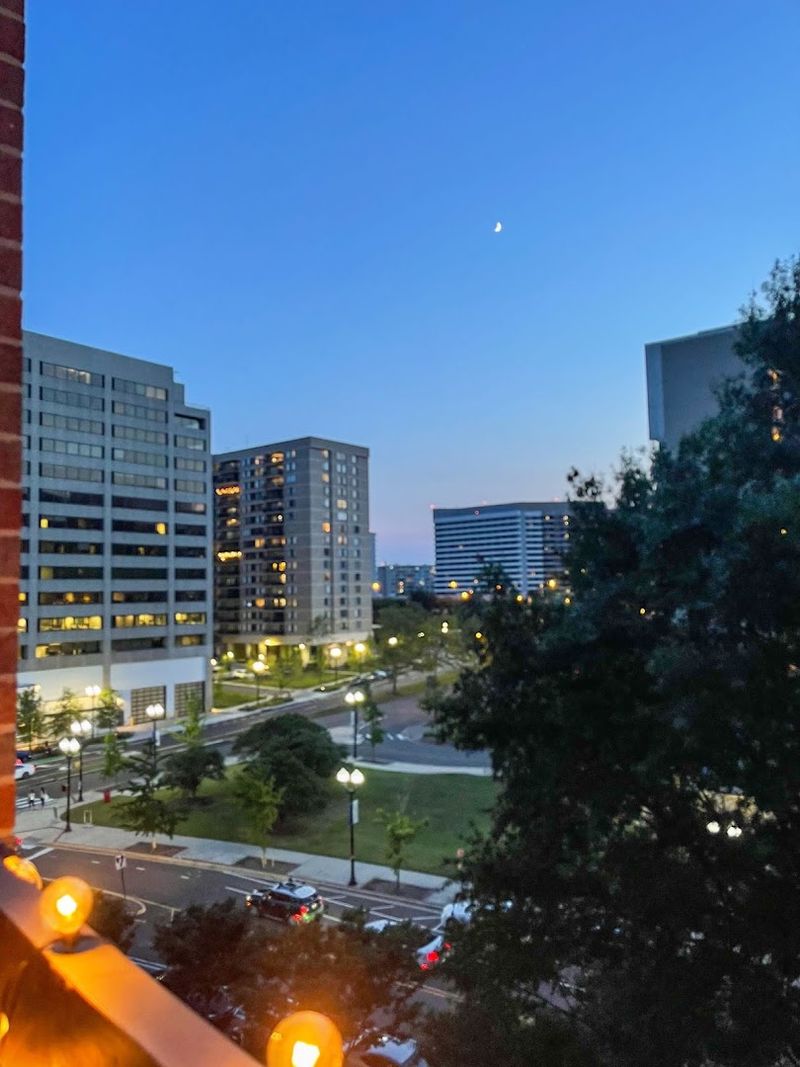
A place like this sits directly across the Potomac from Washington, D.C., and it acts like it knows exactly how valuable that location is. Property values here are among the highest in Virginia, and the tax burden reflects that reality without apology.
Arlington’s real estate tax rate is relatively low, but high home values often leave newcomers surprised by their annual tax bills. Veterans of the Arlington housing market just sigh and write the check.
Amazon’s HQ2 arrival in the Crystal City area changed everything. Property values spiked almost immediately after the announcement.
Longtime renters and modest homeowners found themselves in a very different market almost overnight. Displacement became a real and documented concern.
Arlington has invested heavily in affordable housing programs, dedicating tax revenue specifically to that cause. But demand far outpaces supply.
The community is increasingly populated by high-earning professionals, while service workers face brutal commutes from further away.
The irony of Arlington is beautiful and painful simultaneously. It is an incredibly well-run, progressive community that genuinely tries to address inequality.
Yet its very desirability keeps driving up the costs that create that inequality. Property taxes are both the symptom and part of the funding solution.
6. Alexandria
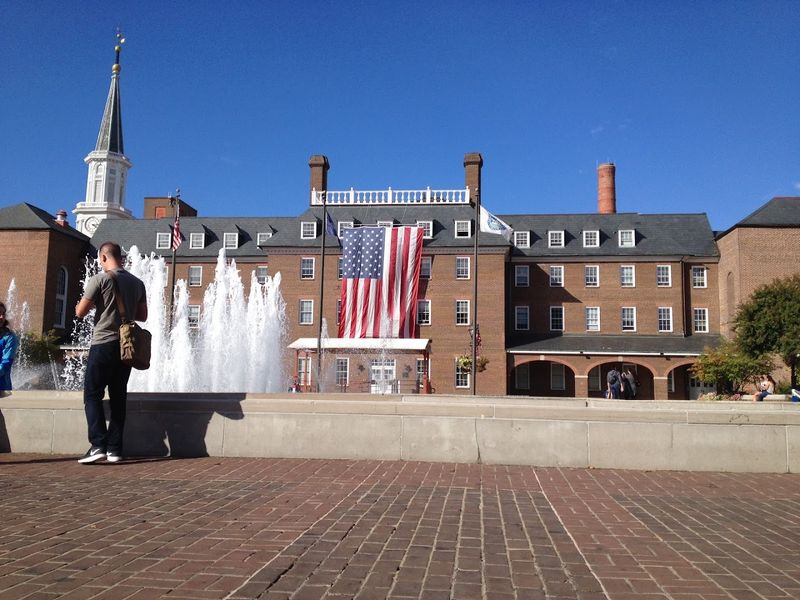
Old Town Alexandria is genuinely one of the most photogenic places in Virginia. Cobblestone streets, Federal-style rowhouses, and a waterfront that make people stop mid-sentence.
It is beautiful, historic, and increasingly expensive to actually live in.
Alexandria carries one of the steeper property tax rates in Northern Virginia. D.C. proximity drives demand from government workers, lobbyists, and contractors who push valuations higher every year.
Long-term residents describe their tax bills as eye-watering, and that is not an exaggeration.
Interestingly, Alexandria dedicates a portion of its tax rate specifically to affordable housing. That is a meaningful policy commitment.
But the scale of displacement pressure makes that contribution feel like a small umbrella in a pretty big storm.
Historic preservation requirements add another layer of complexity. Homeowners in protected districts cannot simply renovate cheaply.
Maintenance costs are higher, and tax assessments keep climbing regardless. The combination is financially brutal for middle-income owners of historic properties.
Alexandria’s character is genuinely at stake. The community that once housed a diverse mix of long-term residents, artists, and working families is tilting unmistakably toward the affluent.
The history remains beautifully preserved. The question is who gets to live surrounded by it.
7. Leesburg
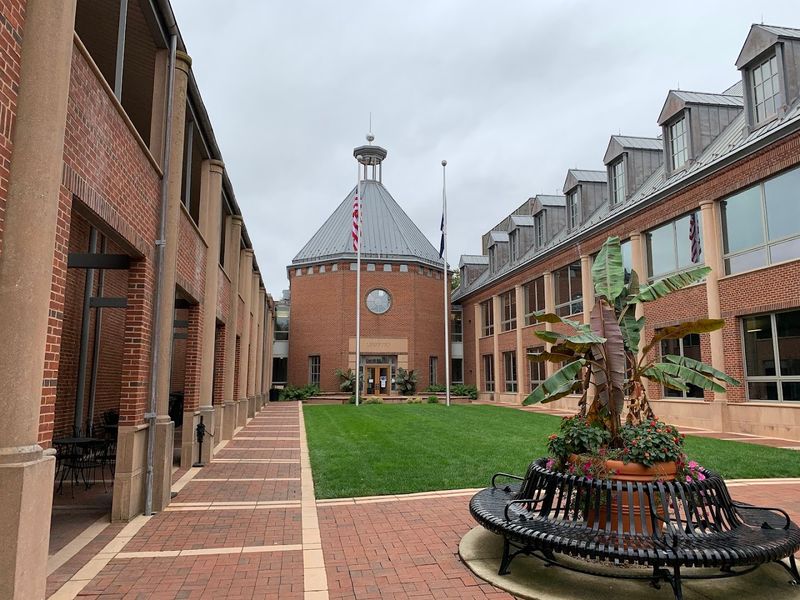
Leesburg is Loudoun County’s charming county seat, and it has been growing at a pace that would make your head spin. Wineries nearby, good schools, and commuter access to D.C. have made it enormously popular.
Popularity, as always, comes with a price tag.
Loudoun County’s property tax rate is among the lower rates in Northern Virginia, but assessed values have exploded in recent years.
The county’s overall taxable real estate value grew dramatically for 2025, and annual property tax payments reflect that growth in ways that surprise new homeowners.
Leesburg has seen rapid residential and commercial development that fundamentally changed its small-town feel. Neighborhoods that were farmland fifteen years ago are now dense subdivisions.
The growth brings revenue but also infrastructure pressure, which keeps spending and taxes elevated.
Longtime Loudoun County families, particularly those with agricultural roots, have faced tough choices. Farm assessments rise with surrounding residential development, making it financially difficult to keep working land in the family.
Some farms have simply sold to developers, accelerating the very cycle causing the problem.
Leesburg still has real charm. Weekend visitors love the historic downtown and the nearby countryside.
But the people who grew up here are watching their community transform faster than anyone anticipated. Property taxes are both a cause and a consequence of that transformation.
8. Manassas
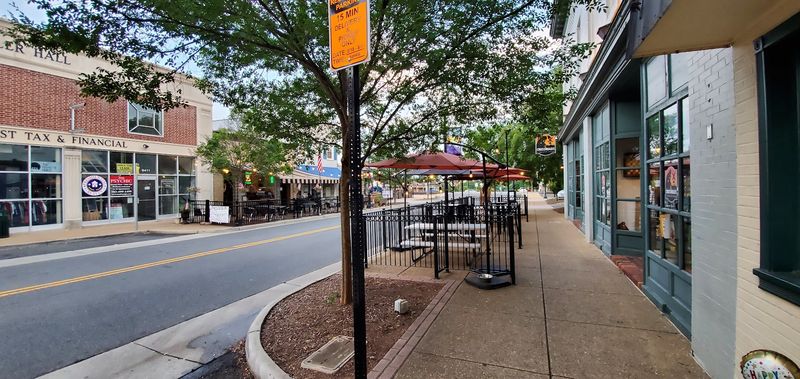
A city like this carries serious historical weight. Two major Civil War battles happened here, and the battlefield is right in town.
History buffs genuinely love this place. But modern Manassas is also dealing with a very present-day financial reality: property taxes are climbing steadily.
Prince William County, which surrounds Manassas, has seen consistent assessment increases driven by D.C. suburban growth.
The independent City of Manassas operates its own tax structure, and both city and county residents have watched bills rise alongside home values over recent years.
The community has a strong working-class and immigrant population that has built deep roots here. For these families, rising property taxes are not an abstract policy concern.
They represent real monthly budget pressure that forces difficult decisions about staying or leaving.
Manassas has been working to attract more commercial development to diversify its tax base. More businesses mean more revenue without solely relying on residential property owners.
That strategy is smart, but commercial growth also changes the community’s character in its own ways.
The battlefield itself is preserved, thankfully. But the neighborhoods surrounding it are in flux.
Longtime residents are being replaced by newer, higher-income arrivals who can absorb the tax burden more comfortably. The history is protected.
The community around it is evolving fast.
9. Fredericksburg
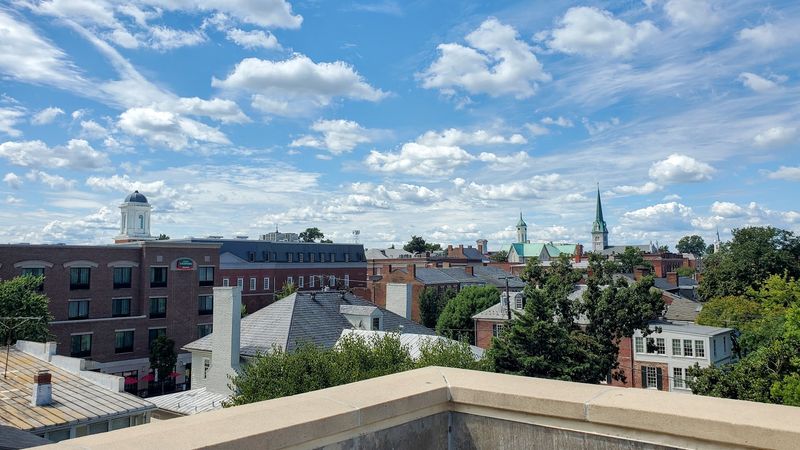
Fredericksburg sits almost perfectly halfway between Washington, D.C., and Richmond. That geography has made it a commuter magnet for people priced out of both metro areas.
The result is a city experiencing rapid growth and all the tax implications that come with it.
Property values in Fredericksburg have risen sharply as demand from D.C. and Richmond commuters floods the market. Assessments have climbed consistently, and city residents are feeling the cumulative effect of years of rising bills.
The historic downtown adds premium value to nearby properties.
The city has a genuinely fascinating mix of old and new. Civil War history is literally everywhere.
Antique shops sit next to craft coffee spots and new apartment buildings. That blend is appealing but also drives up values for everyone in the area, including long-term residents.
Working families who moved to Fredericksburg specifically to escape higher costs elsewhere are now finding that the affordability advantage has narrowed considerably. The city is no longer the budget-friendly alternative it once was.
That shift changes who moves here and who stays.
Local officials are navigating a tricky balance between funding growing infrastructure needs and keeping taxes manageable for existing residents. It is a conversation happening loudly at city council meetings.
Fredericksburg is growing fast, and not everyone is happy about the bill.
10. Charlottesville
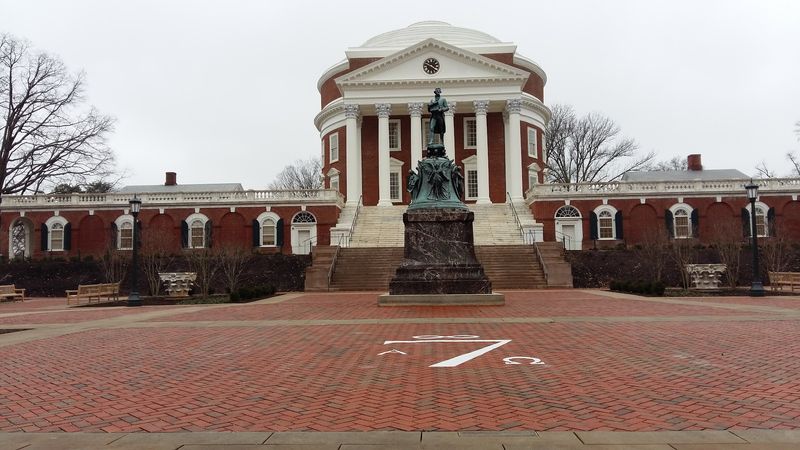
Charlottesville is a college town with serious ambitions and a serious housing problem. The University of Virginia anchors the local economy and culture.
But it also drives constant demand for housing that the city simply cannot keep pace with. Property values have responded accordingly.
The real estate tax rate in Charlottesville is moderate on paper, but assessed values have climbed dramatically. University-driven demand, remote worker migration, and limited buildable land have created a perfect storm of rising values and rising bills.
Working families and lower-income residents are being priced out at an alarming rate. Many are relocating to neighboring counties like Nelson, Greene, and Fluvanna, where costs remain more manageable.
That migration is reshaping not just Charlottesville but the surrounding region as well.
The city has tried various approaches to address affordability. Inclusionary zoning, affordable housing funds, and density incentives are all in play.
Progress is real but slow compared to the pace of market pressure. The gap between need and solution remains frustratingly wide.
Charlottesville is genuinely lovely. The pedestrian mall, the music scene, the mountain views, and the intellectual energy are all real.
But a community that prices out teachers, nurses, and longtime residents loses something essential about itself. The tax landscape here is changing who gets to call it home.