
Virginia’s Mountain Towns Tourists Don’t Know About (But Locals Adore)
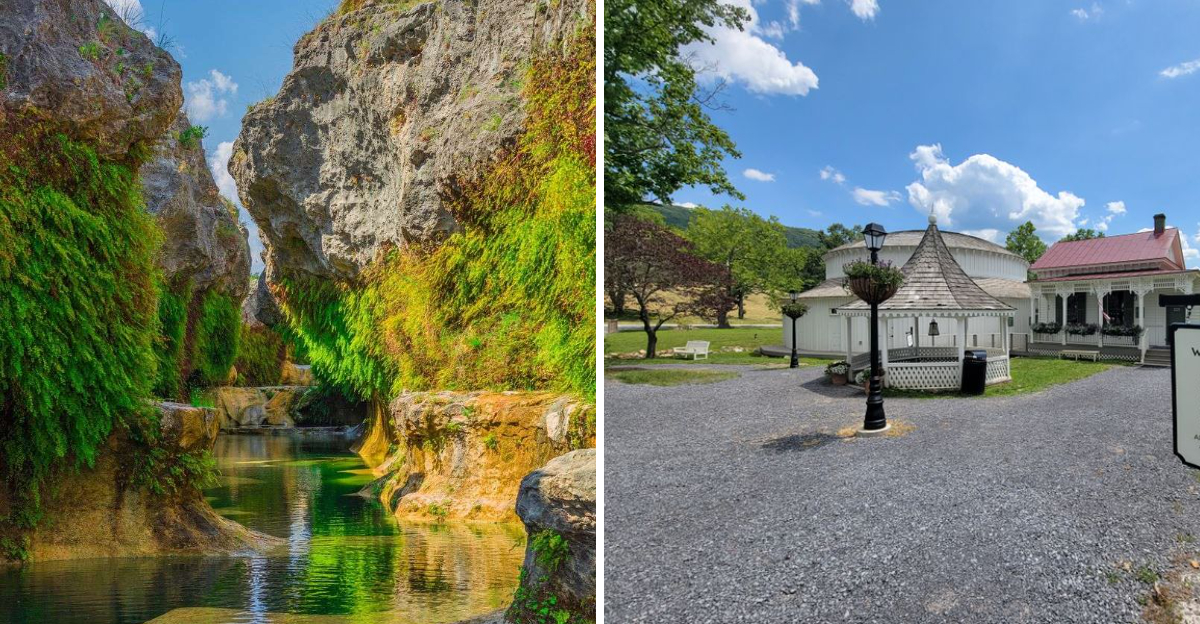
Virginia’s mountains hold secrets that most tourists rush past on their way to crowded national parks and busy ski resorts.
Tucked between ridges and valleys are small towns where locals gather at family diners, hike trails without crowds, and enjoy a slower pace of life that feels like stepping back in time.
These hidden gems offer authentic mountain culture, stunning scenery, and the kind of warm hospitality that makes you feel like a neighbor instead of a visitor.
Ready to explore the Virginia mountain towns that locals have been keeping to themselves?
1. Damascus
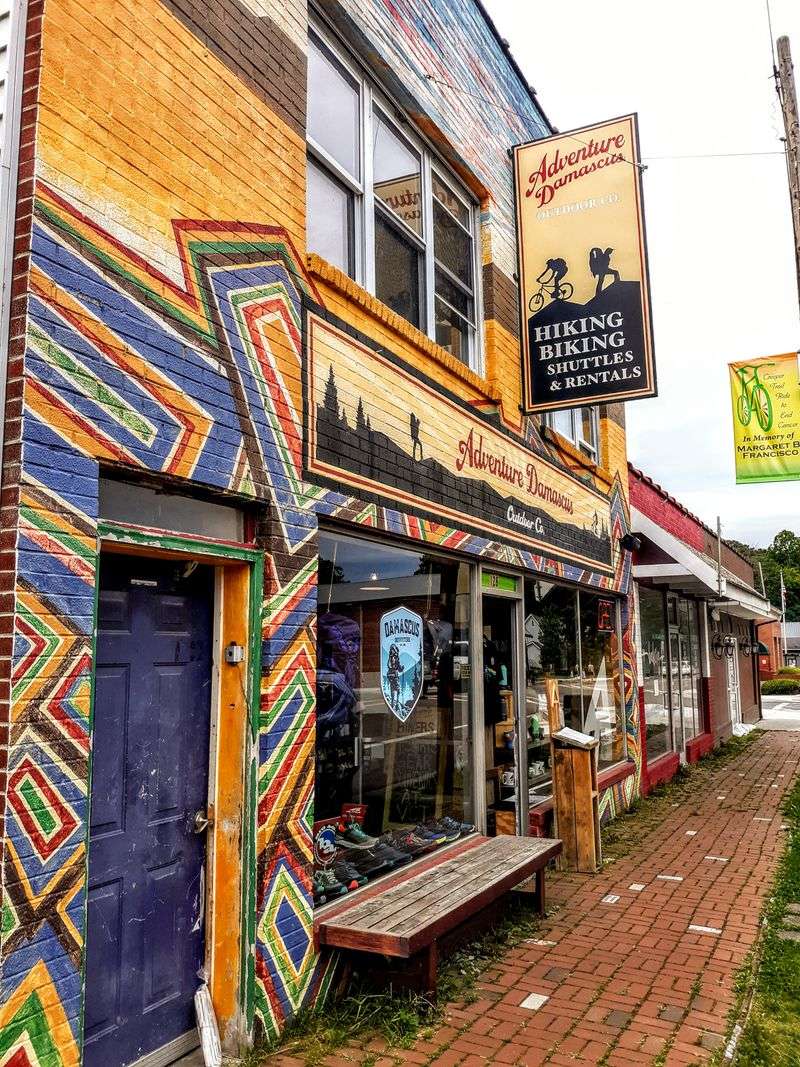
Imagine walking through a town where the Appalachian Trail literally runs down Main Street, and you’ll understand why Damascus feels like a hiker’s paradise wrapped in small-town charm.
Every spring, thousands of thru-hikers pass through during Trail Days, the biggest hiker festival in the country, turning this quiet community into a celebration of outdoor adventure.
But beyond the famous trail, Damascus sits at the crossroads of multiple bike paths, including the Virginia Creeper Trail, which winds 34 miles through forests and over historic trestles.
Local shops sell everything from handmade soap to hiking gear, and the restaurants serve hearty meals perfect for refueling after a day on the trails.
The town’s genuine friendliness makes strangers feel welcome within minutes.
Mountains rise on all sides, creating a natural amphitheater that protects this special place from the outside world’s hustle.
2. Floyd
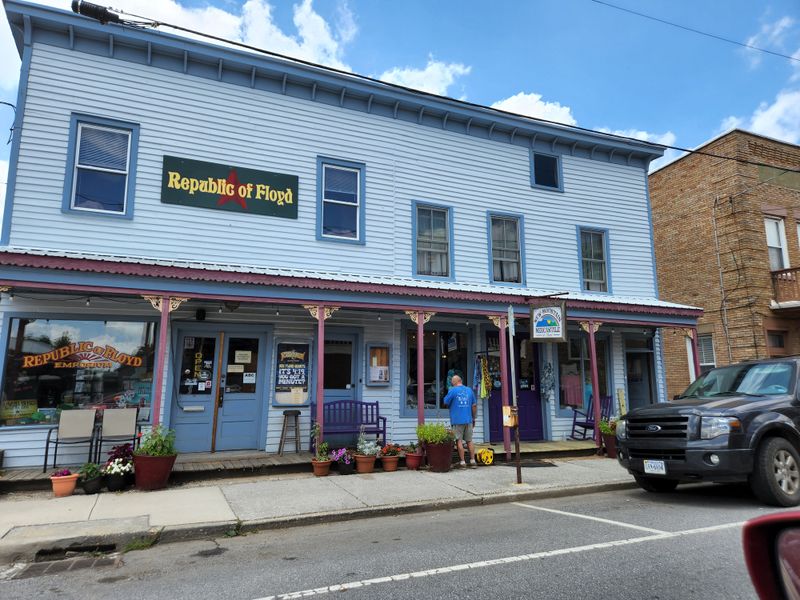
Friday nights in Floyd transform into something magical when musicians gather at the Floyd Country Store for the weekly jamboree, filling the air with bluegrass, old-time tunes, and the sound of dancing feet.
This artistic mountain community has attracted painters, potters, musicians, and dreamers who’ve created a thriving cultural scene in the middle of nowhere.
The main street stretches just a few blocks, but those blocks pack in art galleries, farm-to-table restaurants, and quirky shops selling handcrafted goods.
Locals take pride in their organic farms and sustainable living practices, making the farmer’s market a Saturday morning ritual.
The Blue Ridge Parkway runs nearby, offering endless hiking opportunities and stunning overlook views.
What really sets Floyd apart is how it balances preserving mountain traditions with welcoming new ideas and creative spirits.
You’ll leave feeling like you discovered a pocket of authenticity in an increasingly homogenized world.
3. Monterey
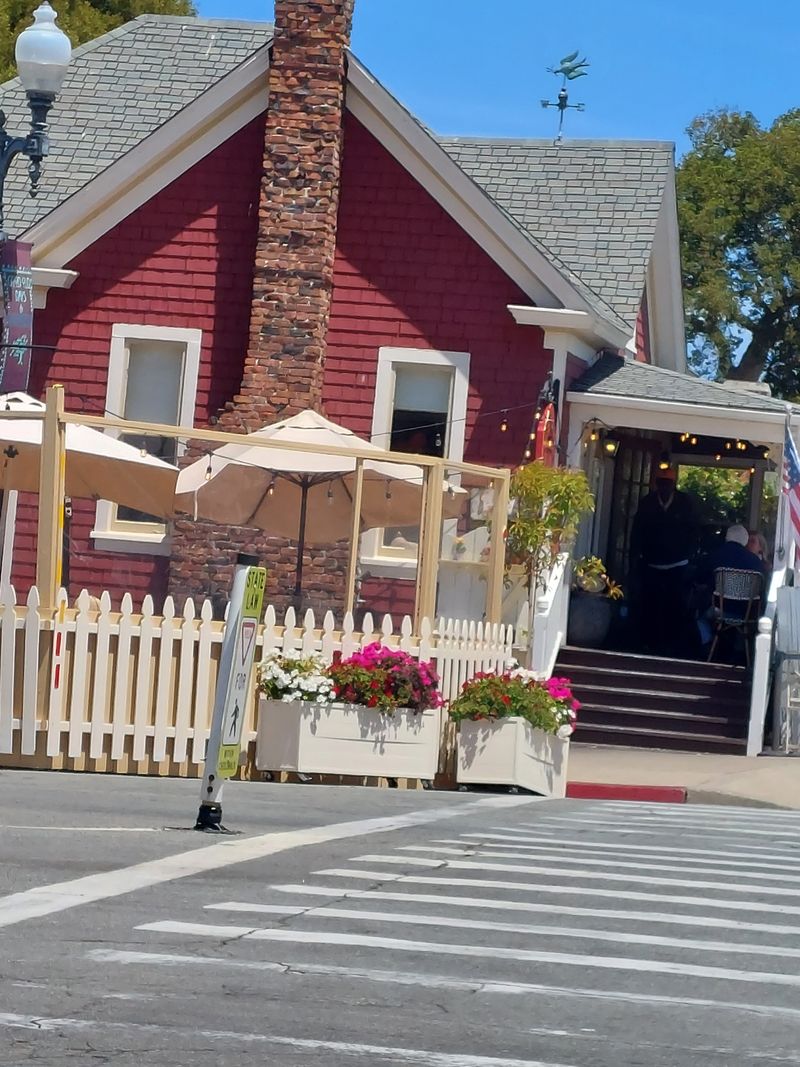
Highland County’s seat sits at such a high elevation that locals joke about needing a jacket in July, and Monterey embraces its reputation as Virginia’s Switzerland with genuine mountain pride.
The town square feels frozen in a gentler era, with a historic courthouse anchoring a collection of local businesses that have served the community for generations.
Spring brings the famous Maple Festival when sugar maples are tapped and the whole county celebrates with pancake breakfasts and syrup tastings.
Sheep outnumber people in Highland County, and you’ll spot them grazing on hillsides as you drive the winding mountain roads leading into town.
The surrounding national forest offers trout fishing in cold mountain streams and hiking trails that rarely see crowds.
Monterey’s remoteness is part of its appeal—no chain stores, no traffic lights, just authentic mountain living where neighbors still wave and help each other out.
4. Warm Springs
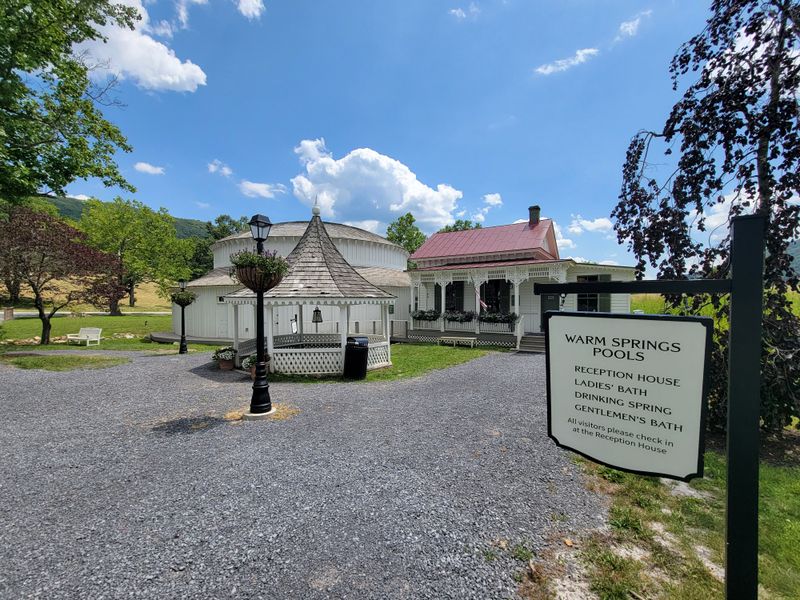
Natural warm springs bubble up from the earth at a constant 98 degrees, just as they did when Thomas Jefferson soaked in these healing waters over two centuries ago.
The Jefferson Pools remain virtually unchanged since the 1700s, with simple wooden bathhouses protecting the spring-fed pools where you can experience history while relaxing in nature’s hot tub.
Warm Springs exudes old-money elegance without pretension, a place where wealthy families built summer estates to escape the heat and enjoy the therapeutic waters.
The Omni Homestead Resort dominates the nearby landscape, but the town itself maintains a quiet dignity with historic homes and mountain views in every direction.
Locals know the best time to visit is fall when the surrounding Allegheny Mountains explode in autumn color.
Hiking trails lead to hidden waterfalls and scenic overlooks that tour buses never reach.
The pace here moves at hot spring temperature—slow, warm, and deeply restorative.
5. Buchanan
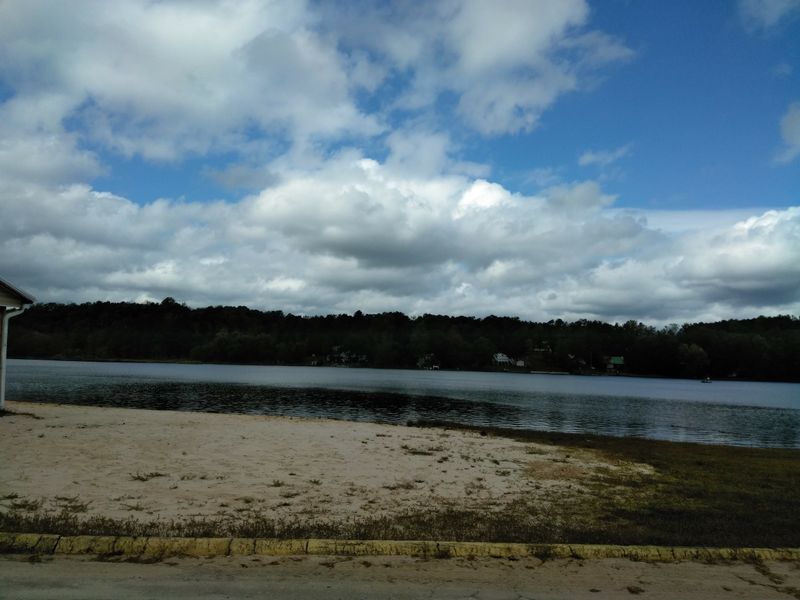
Where the James River cuts through the mountains, Buchanan sits like a postcard from Americana, complete with a Main Street that still serves as the community’s heart and gathering place.
The Appalachian Trail crosses right through town, bringing weary hikers who stock up on supplies before tackling the challenging sections ahead.
Local businesses have adapted to serve both residents and through-hikers, creating a unique blend of mountain town and trail town culture.
The James River provides endless recreation opportunities—kayaking, fishing, and simply sitting on the banks watching the water flow past ancient rock formations.
Historic buildings line the downtown, many beautifully restored and housing antique shops, cafes, and local businesses.
Mountains rise steeply on both sides of the valley, creating dramatic scenery that changes with every season. Swinging Bridge Park offers river access and picnic spots where families gather on summer weekends.
Buchanan proves that small towns can thrive by honoring their past while welcoming visitors with genuine mountain hospitality.
6. Clifton Forge
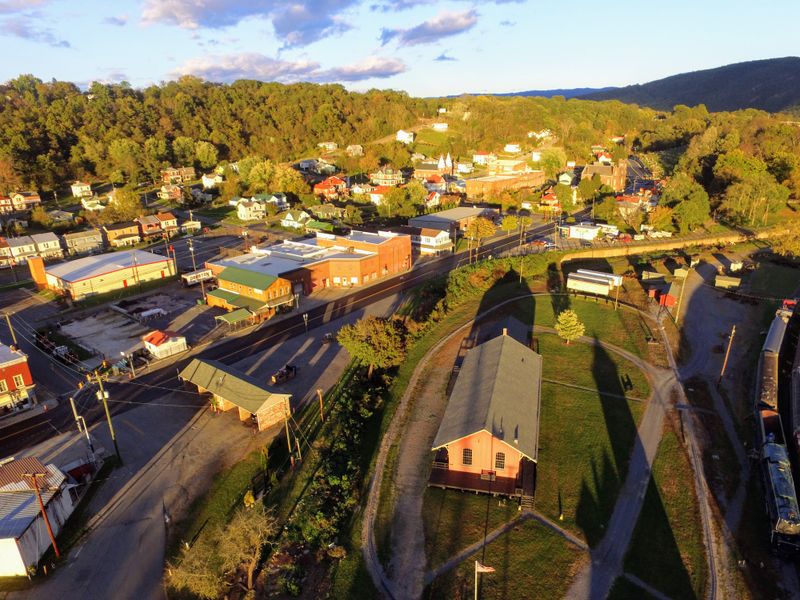
Railroad history runs deep in Clifton Forge, where the Chesapeake and Ohio Railway once employed most of the town and steam engines ruled the mountain passes.
The C&O Railway Heritage Center preserves this fascinating past with exhibits that transport visitors back to railroading’s golden age.
Downtown’s brick buildings and wide streets were designed to accommodate the boom times when trains brought prosperity and workers from around the country.
Though the railroad’s dominance faded, the town has reinvented itself as an outdoor recreation hub with access to the George Washington National Forest and the Jackson River.
Artists and entrepreneurs have moved in, opening studios and cafes in historic storefronts and bringing new energy to old spaces.
The surrounding Allegheny Mountains offer world-class trout fishing, hiking, and scenic drives that rival anything in more famous destinations.
Locals gather at family-owned restaurants where recipes haven’t changed in decades.
Clifton Forge shows how mountain towns can honor their heritage while building a vibrant future.
7. Tazewell
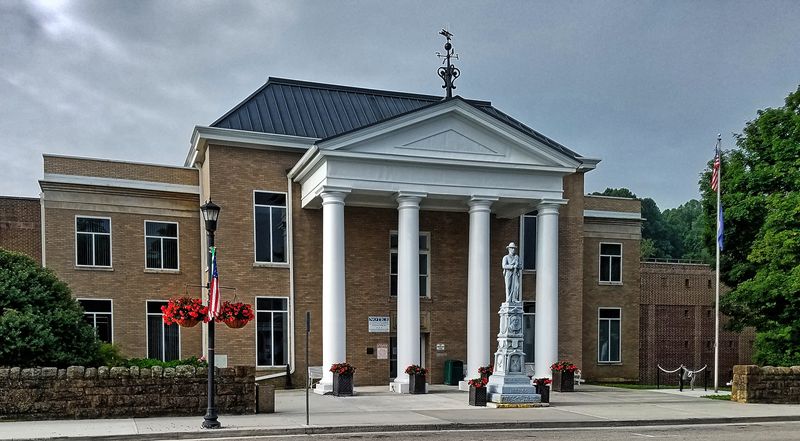
Nestled in a valley surrounded by dramatic ridgelines, Tazewell serves as Tazewell County’s seat with a dignified courthouse anchoring a downtown that locals still use for daily errands and social gatherings.
Coal mining heritage runs through the region’s veins, and the town’s history museum tells stories of families who worked underground and built communities in these mountain hollows.
The Historic Crab Orchard Museum and Pioneer Park preserves pioneer life with authentic log cabins and demonstrations of traditional crafts.
Main Street features locally-owned shops and restaurants where everyone knows everyone, and newcomers are welcomed with curiosity and kindness.
The surrounding mountains offer endless exploration opportunities, from Burkes Garden—a high mountain valley called God’s Thumbprint—to caves and natural areas rarely mentioned in guidebooks.
Fall brings spectacular foliage that transforms the ridges into waves of red and gold.
Tazewell maintains authentic mountain culture without trying to package it for tourists, making it feel genuine and refreshingly unpretentious.
8. Pearisburg
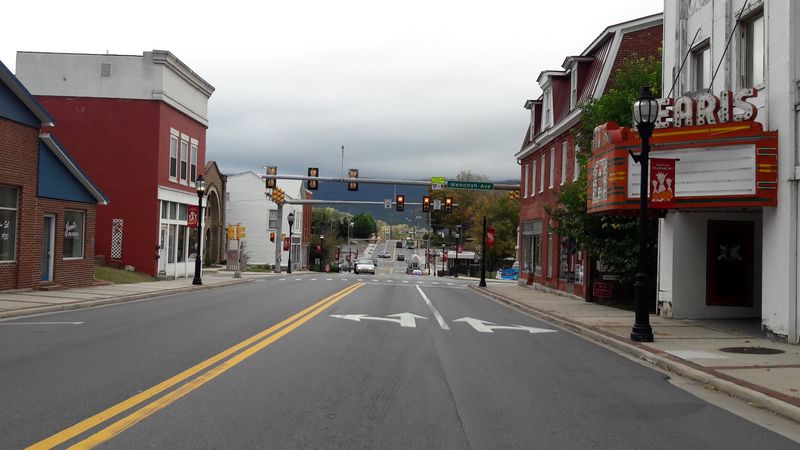
Perched above the New River, one of the oldest rivers on Earth, Pearisburg offers access to some of Virginia’s most dramatic water and mountain scenery without the crowds that pack other destinations.
The Appalachian Trail passes nearby, and the town has become a favorite resupply stop for hikers who appreciate the genuine welcome and trail angel generosity.
Downtown climbs a hillside with shops and cafes offering views across the valley to mountain ridges that seem to stretch forever.
The New River provides world-class smallmouth bass fishing, kayaking, and riverside camping that locals guard as their favorite weekend escapes.
Pearisburg’s history includes being a Civil War battleground, and historic markers throughout town tell stories of that turbulent period.
Family restaurants serve Southern comfort food in generous portions, and the local diner remains the place where town business gets discussed over coffee.
Mountain trails lead to waterfalls and overlooks where you can sit for hours without seeing another soul.
9. Narrows
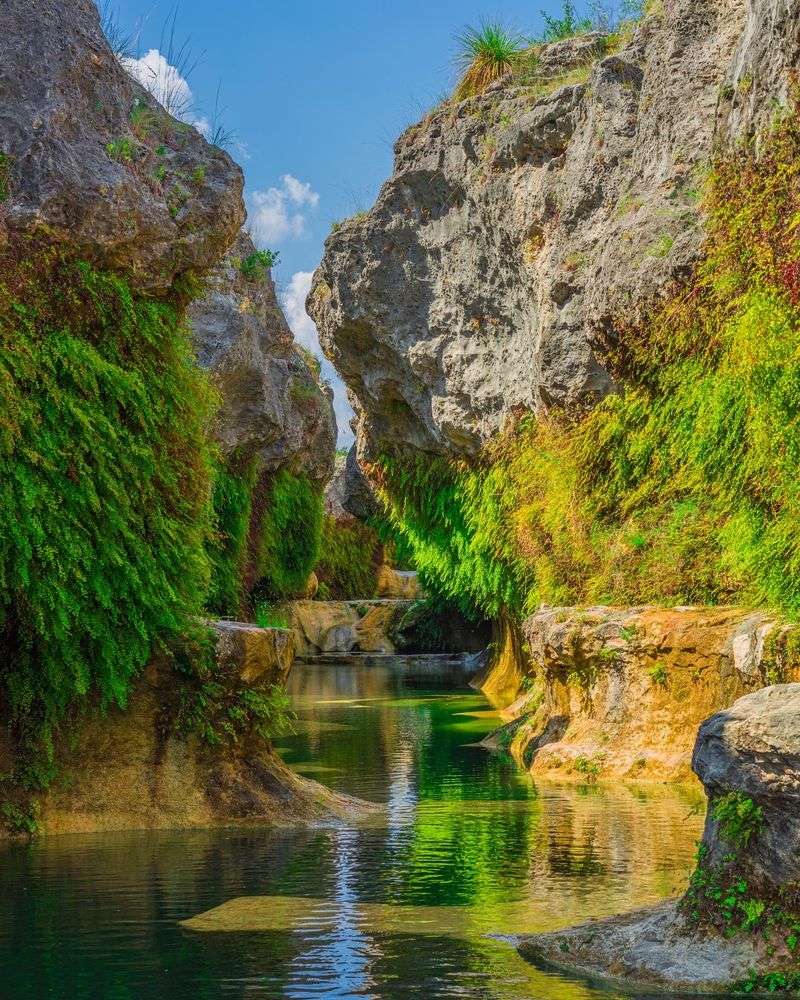
The town’s name tells its story—here the New River squeezes between towering mountain walls, creating a dramatic gorge that makes you feel tiny against nature’s massive architecture.
Railroad tracks and highway share this narrow passage with the river, following the only feasible route through the mountains for miles in either direction.
Locals take pride in their town’s strategic location and the stunning scenery that surrounds their everyday lives.
The New River Trail State Park runs right through town, offering 57 miles of rail-trail perfect for biking and horseback riding through some of Virginia’s most beautiful mountain country.
Fishing enthusiasts come for the excellent smallmouth bass and muskie opportunities in the river’s deep pools.
Downtown features historic buildings clinging to the available flat land between river and mountain, creating a compressed, intimate town center where neighbors can’t help but run into each other.
The surrounding mountains offer hiking and hunting that locals have enjoyed for generations.
Narrows proves that dramatic geography creates character in both landscapes and communities.
10. Independence
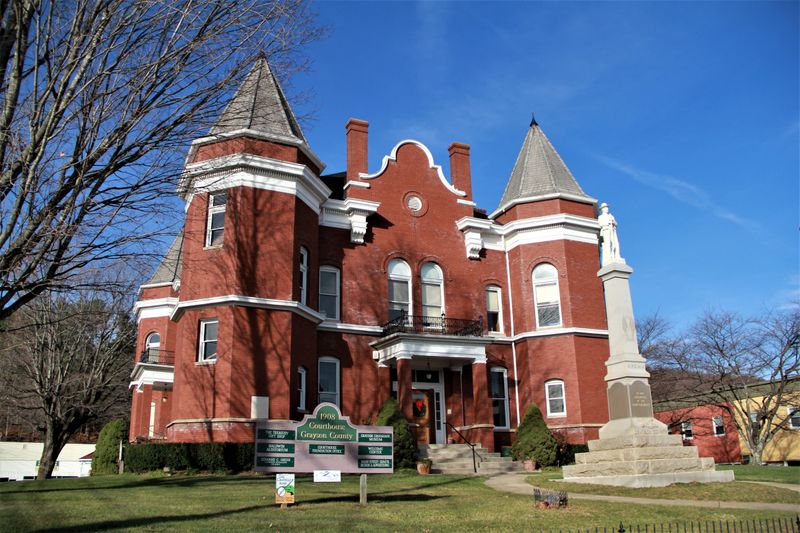
As Grayson County’s seat, Independence maintains a timeless quality where the courthouse still dominates the town square and locals still gather on benches to watch the world go by at mountain pace.
The surrounding countryside features some of Virginia’s most beautiful pastoral scenery—rolling meadows bordered by split-rail fences, red barns against mountain backdrops, and winding roads that beg to be explored without GPS.
The New River flows nearby, and Grayson Highlands State Park offers wild pony sightings and hiking that rivals anything in the Appalachians.
Independence celebrates its mountain heritage with old-time music, craft festivals, and a genuine agricultural economy that still matters to the community.
Local restaurants serve home-style cooking that tastes like Sunday dinner at grandma’s house.
The town’s name reflects the independent spirit of mountain people who’ve always done things their own way.
Fall color here is legendary, with entire mountainsides ablaze in October.
Independence reminds visitors that some places refuse to rush into the future, choosing instead to preserve what makes them special.
11. Bluefield
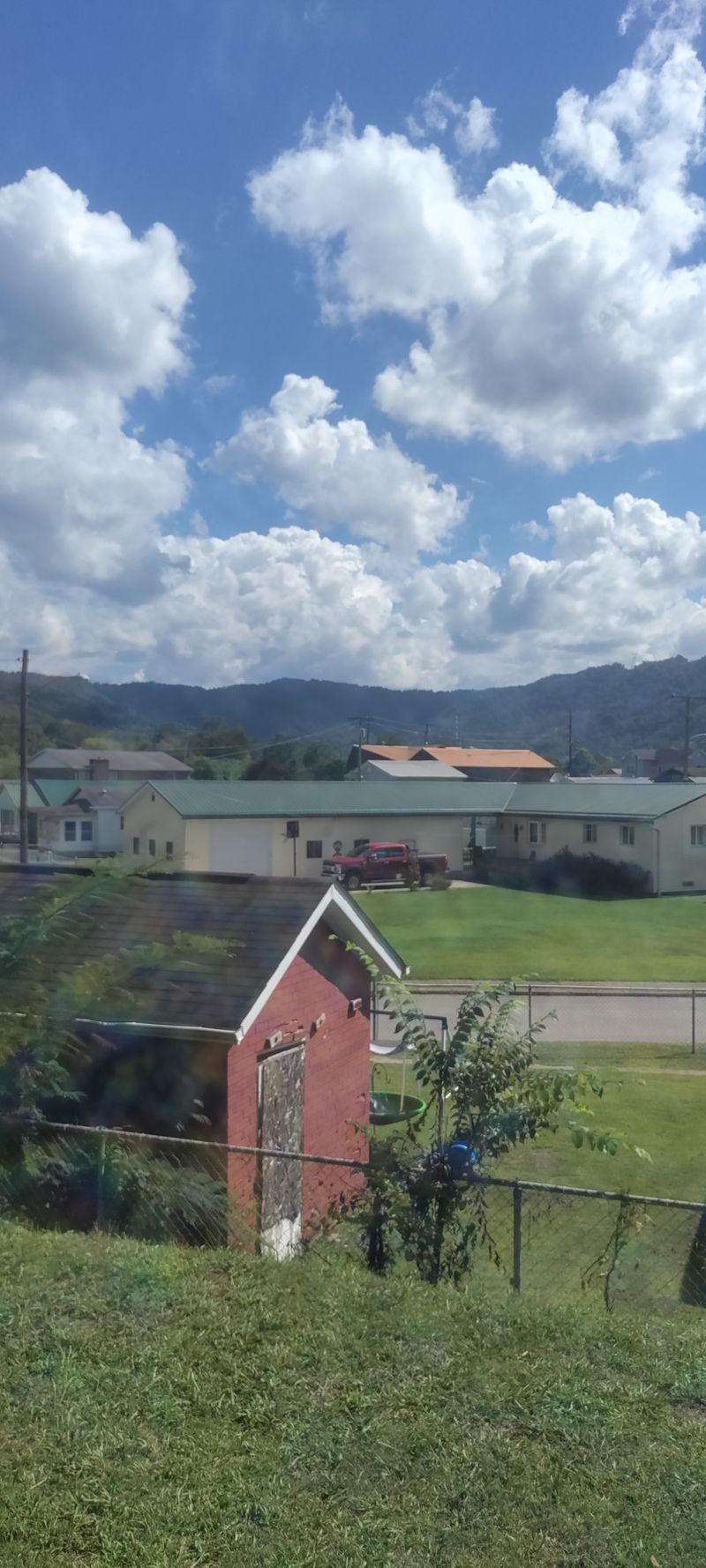
Sitting at over 2,300 feet elevation on the Virginia-West Virginia border, Bluefield earned its nickname as Nature’s Air-Conditioned City, and summer visitors immediately understand why locals rarely need AC.
Coal built this town, and the wealth from those boom years created stunning architecture—Victorian homes, grand public buildings, and a downtown that speaks to prosperity and civic pride.
The twin cities of Bluefield Virginia and Bluefield West Virginia share history, culture, and a love of their mountain setting.
East River Mountain towers above town, and the mountain tunnel beneath it connects the two states in dramatic fashion.
Local traditions include giving away free lemonade whenever the temperature hits 90 degrees, a rare occurrence at this elevation.
The surrounding mountains offer hiking, scenic drives, and small communities that time seems to have forgotten in the best possible way.
Bluefield’s location makes it a gateway to both Virginia and West Virginia’s mountain attractions.
Locals take pride in their town’s resilience through economic changes and their determination to preserve mountain heritage while building new opportunities.