
Visiting This Nevada Mountain Town Feels Like Wandering Into A European Village
A stone tower rises alone on a hillside, looking like it wandered in from Europe and got lost in the Nevada desert. Locals call this a living ghost town, and the label barely scratches the surface.
One quiet Main Street holds more stories than most visitors expect. Something here made travelers start comparing it to villages an ocean away.
Once you see why, it sticks with you. There is more waiting past the edge of town, in hills that most road trippers speed right by.
Whatever pulled the first prospectors here never left. The seasons change what you will find completely, so no two trips look the same.
Nevada rarely gets credit for subtlety, but this mountain corner earns it completely. That drive is worth planning sooner rather than later.
How A Horse And A Silver Kick Started It All
Legend says a Pony Express horse accidentally kicked over a rock and exposed rich silver ore. That single moment in 1862 launched one of Nevada’s most dramatic boom stories.
Within months, thousands of fortune-seekers flooded into the Toiyabe Range. The population reportedly surpassed 10,000 by the summer of 1863, transforming raw wilderness into a roaring mining district almost overnight.
William Talcott is also credited in some accounts with the initial discovery. The town was named after Alvah Austin, a partner of its mapper, David Buell.
Austin quickly became the county seat of Lander County, a title it held for over a century until 1979. Major silver production wound down around 1887, but mining never completely stopped.
High-quality turquoise is still extracted from the surrounding hills today. That stubborn, resourceful spirit is baked into the town’s identity, and visitors can feel it the moment they arrive on Main Street.
Stokes Castle Stands Alone And Proud
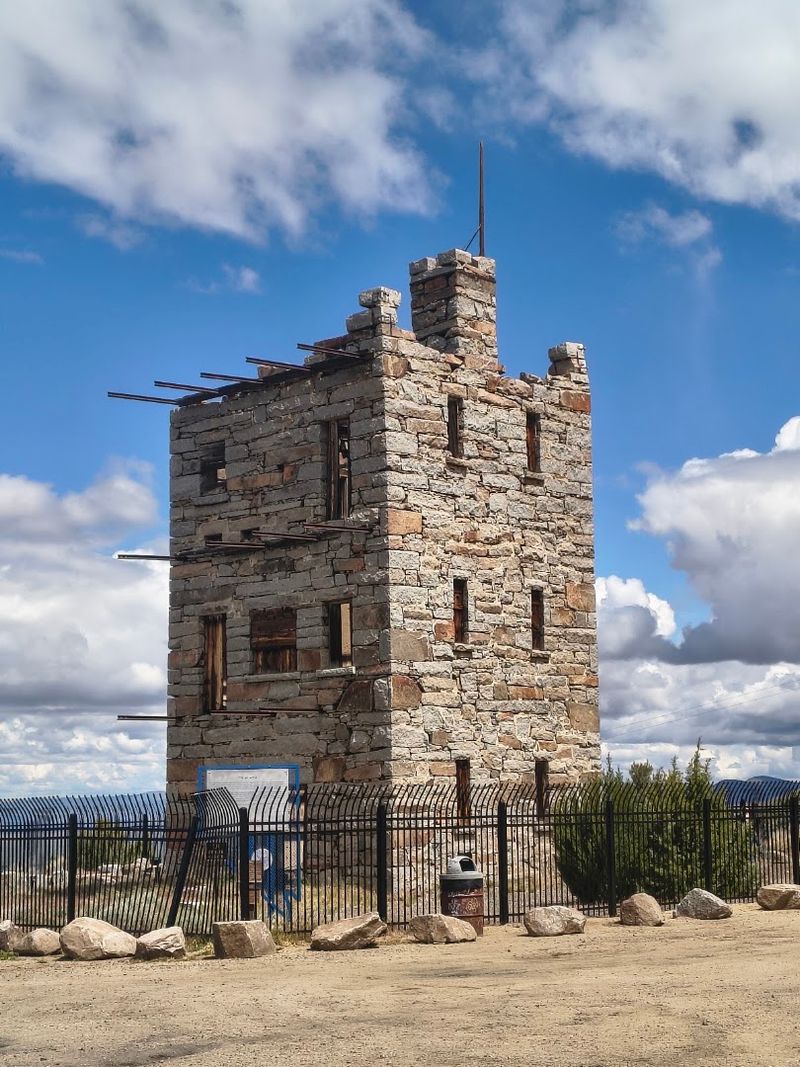
Few sights in rural Nevada stop drivers in their tracks quite like Stokes Castle. Rising from the rocky hillside just outside of town, this three-story granite tower looks completely out of place in the high desert.
Anson Phelps Stokes, a wealthy New York capitalist with mining interests in the region, built it in 1897. He modeled it after a Roman tower he had admired in Italy, and had it constructed entirely from hand-hewn native granite.
For all that effort, the castle was reportedly occupied for only about a month. It was never a permanent home, which somehow makes it even more fascinating.
Today, Stokes Castle stands as a prominent landmark listed on the National Register of Historic Places. It offers sweeping views of the Reese River Valley below, and the surrounding landscape frames it dramatically at sunset.
Reaching it requires a short drive on a dirt road west of town. The effort is absolutely worth every bumpy mile.
Three Churches That Earned A Town Its Nickname
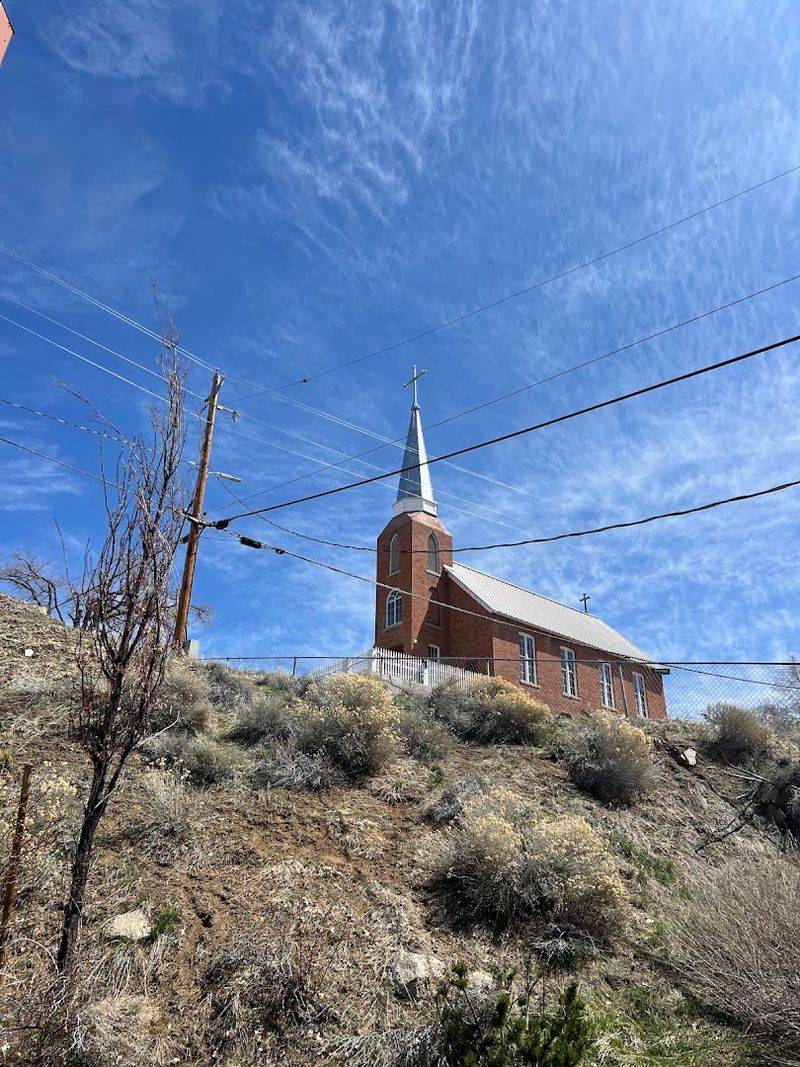
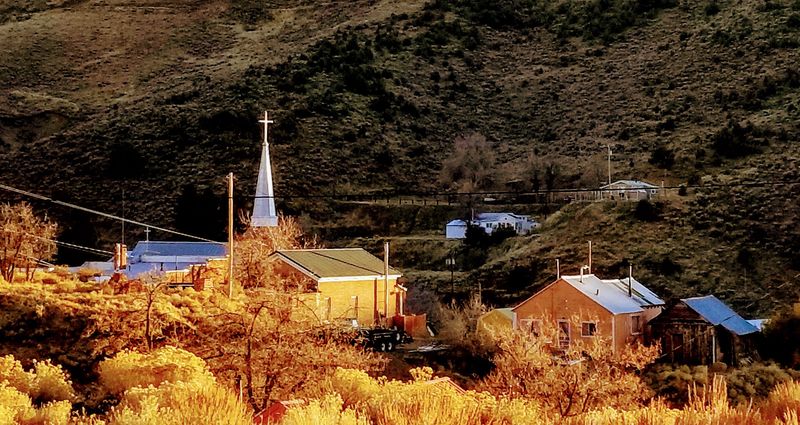
Austin carries the nickname “City of Churches,” and the title is well earned. Three remarkable 19th-century ecclesiastical buildings cling to the canyon walls above town, each one a quiet testament to frontier faith and craftsmanship.
St. Augustine’s Catholic Church went up in 1866 and is currently undergoing restoration to become a cultural center for Central Nevada. The Austin Methodist Church, also built in 1866, now serves the community as a town hall and gathering space.
St. George’s Episcopal Church, completed in 1878, remains in active use today. Together, these three structures are recognized as Nevada Historical Marker 67.
Their stone and brick construction gives the streetscape a solidity and texture that feels more European than American frontier. Standing below them on the canyon slope, looking up at their facades, the comparison to a hillside village in France or Italy feels genuinely earned.
These buildings are free to observe and photograph, making them an effortless highlight of any visit to Austin, NV.
The Loneliest Road Leads To The Right Place
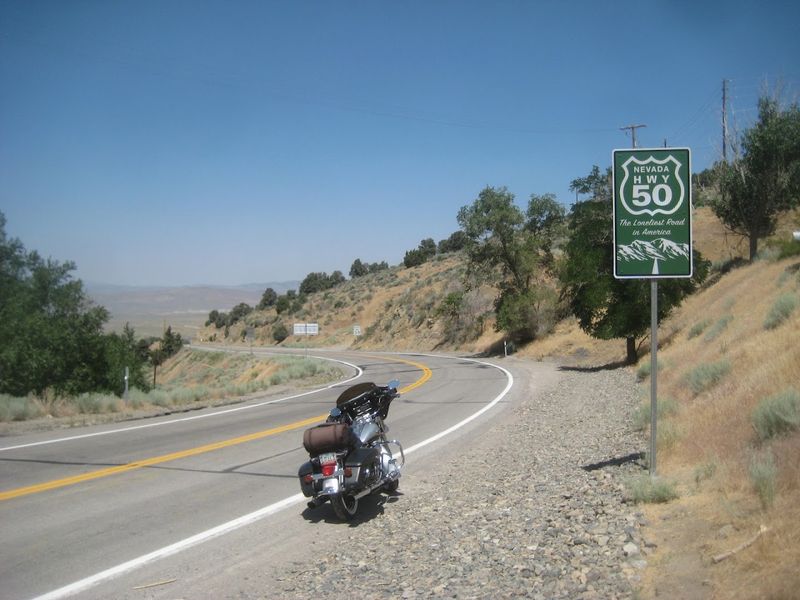
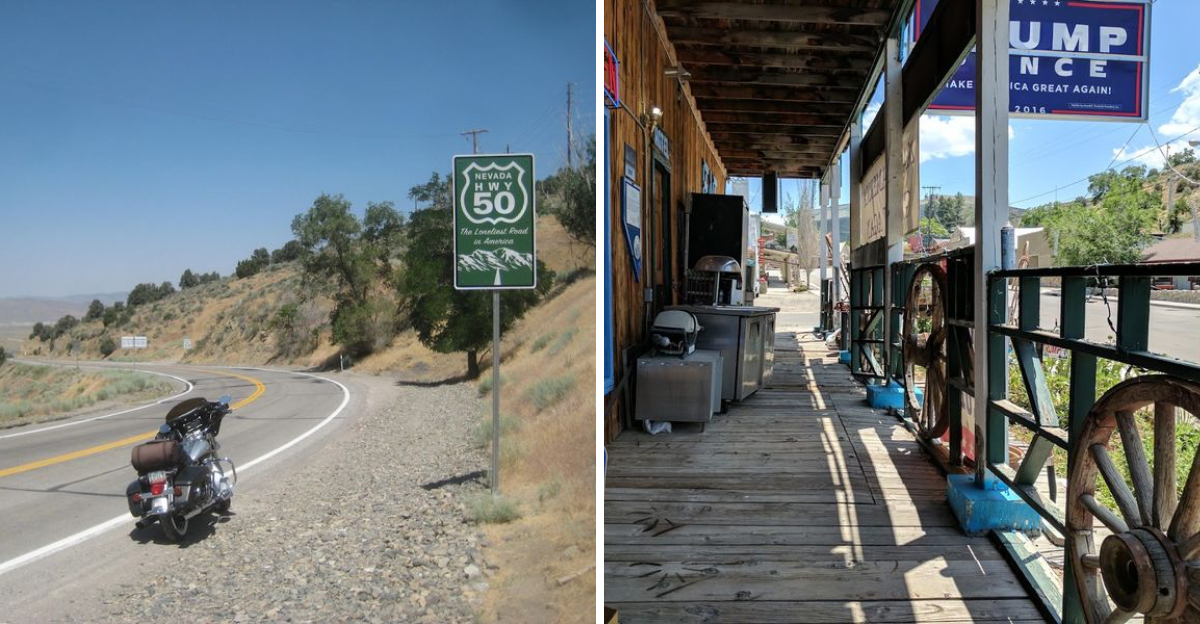
U.S. Route 50 earned its nickname honestly.
Stretching across central Nevada, it cuts through some of the most empty, wide-open terrain in the entire country.
Austin sits almost at the geographic heart of Nevada, making it a natural and welcome stopping point for anyone crossing the state. The town provides fuel, food, and far more history than most travelers expect from a roadside stop.
The elevation in the Toiyabe Range keeps temperatures noticeably cooler than the lower Nevada deserts. Four distinct seasons play out here, meaning spring wildflowers, summer thunderstorms, autumn gold, and quiet winter snow all take turns transforming the landscape.
That sense of remoteness is not a drawback. It is the entire point.
The stillness along this stretch of Nevada road creates space for a kind of reflection that busier destinations simply cannot offer.
Pulling off the highway and walking Austin’s Main Street after miles of open road feels like discovering a secret. The reward is proportional to the solitude that came before it.
Main Street Holds Nearly 160 Years Of Stories
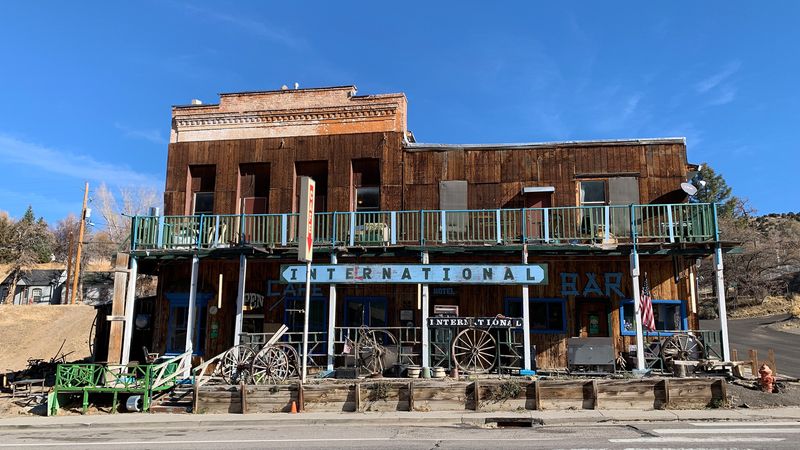
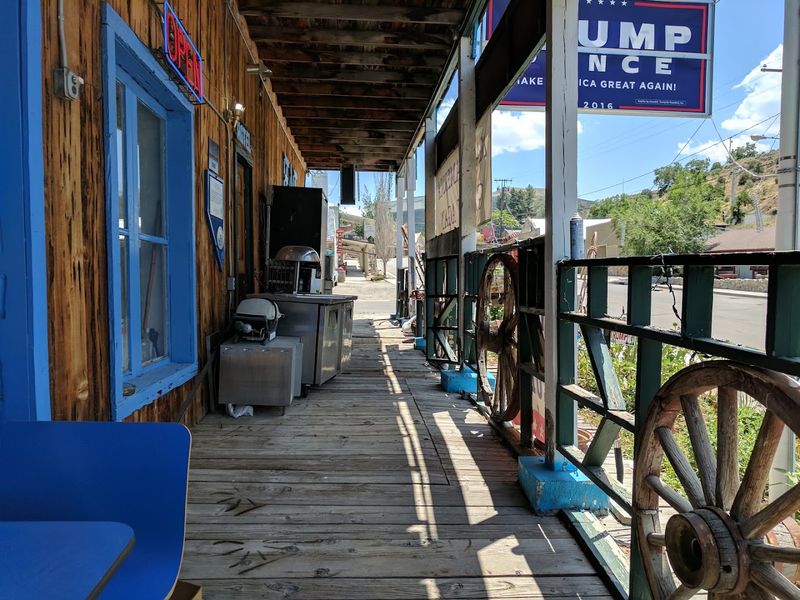
Main Street in Austin doubles as Highway 50, and every building along it has a story worth hearing. Stone facades, weathered brick, and original architectural details make it one of the most authentically preserved historic corridors in the entire state.
The International Hotel is the street’s crown jewel. Originally built in Virginia City in 1859, it was physically moved to Austin in 1863 and is recognized as the oldest surviving hotel building in Nevada, though it no longer offers overnight rooms today.
Other landmarks include the Old City Hall, the Lander County Courthouse, and the Austin Masonic and Odd Fellows Hall, built in 1867. The Gridley Store also stands as a notable piece of the town’s commercial past.
Together, these structures form the Austin Historic District, a collection that feels less like a museum and more like a neighborhood that simply refused to change. Many buildings still serve active purposes, which keeps the street alive rather than preserved behind glass.
Strolling this stretch on a quiet afternoon, the European village comparison becomes impossible to dismiss.
The Toiyabe Range Rewards Every Hiker
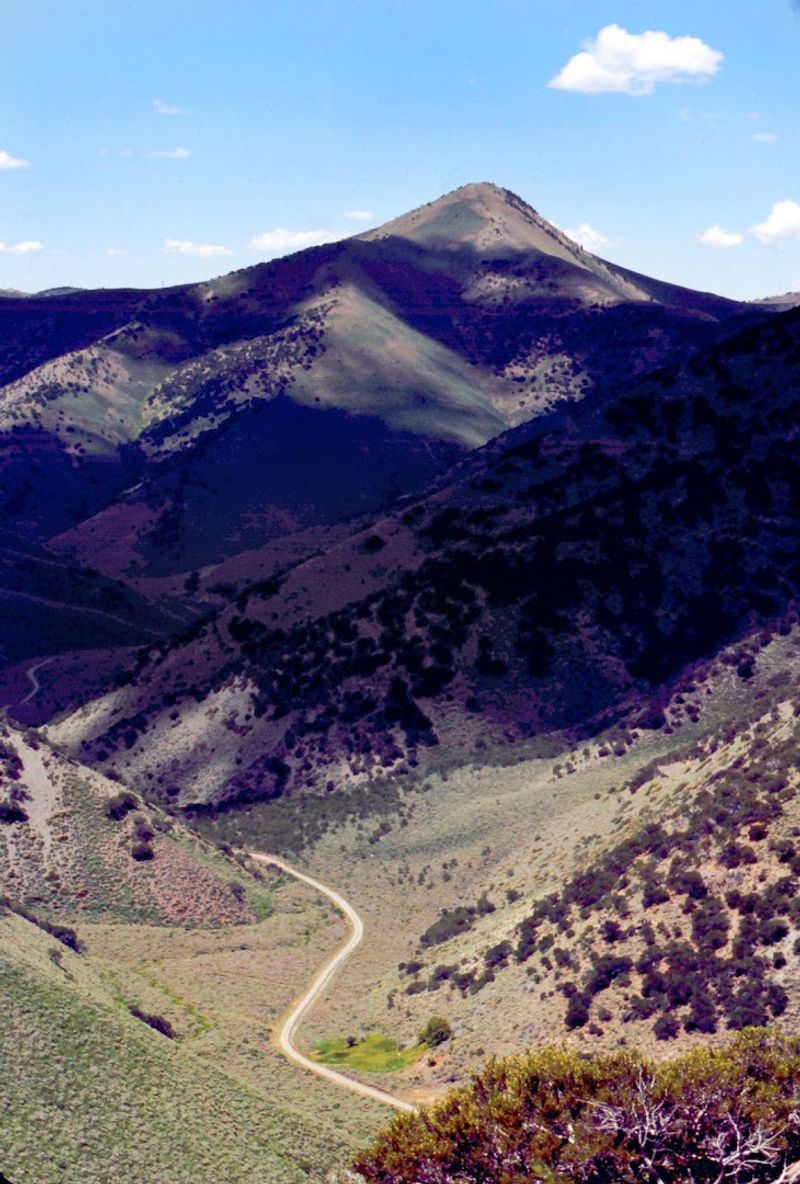
The Toiyabe Range stretches roughly 120 miles, making it the second-longest mountain range in Nevada. Austin sits at its base, which means serious outdoor adventure begins practically at the edge of town.
The Humboldt-Toiyabe National Forest surrounds the area and offers trails for hiking, mountain biking, and backcountry exploration. Elevation gains are significant, and the views from the upper ridgelines are genuinely staggering.
Winter visitors with the right equipment can find backcountry skiing in the higher terrain. The snow-covered peaks above town create a dramatic contrast with the desert valleys below.
Wildlife in the surrounding wilderness includes mule deer, bighorn sheep, sage grouse, and rabbits. Hunters visit seasonally, but photographers and wildlife watchers find equal reward in patient observation.
The forest also provides shaded canyon trails that offer relief from summer heat. Austin’s location makes it a practical base camp for multi-day explorations of this underappreciated mountain range.
Few places in Nevada offer this combination of accessible history and raw wilderness in such close proximity.
Ancient Rock Art Tells A Timeless Story
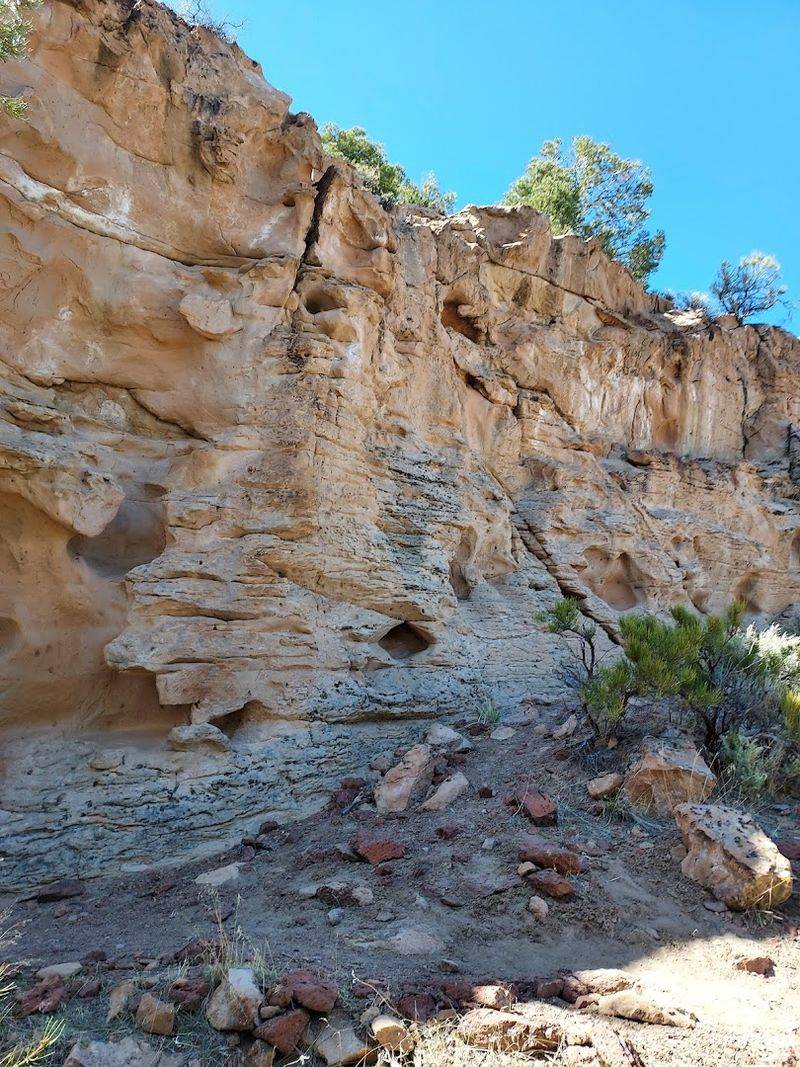
About 24 miles east of Austin, the Hickison Petroglyph Recreation Area offers one of the most accessible ancient art experiences in central Nevada. Drawings etched into volcanic rock by aboriginal hunters stretch back thousands of years.
A short interpretive trail winds past the carvings, giving visitors context without requiring expert knowledge. The site is free to visit and requires no advance reservation.
Toquima Cave adds another layer to the region’s prehistoric record. This archaeological site features pictographs painted by ancient Shoshone people, adding a different artistic tradition to the area’s ancient cultural landscape.
Standing in front of these markings, the scale of human history in this seemingly empty Nevada landscape becomes startling. People lived, hunted, and created art here long before silver or highways existed.
Both sites pair well with a day trip from Austin. They reward slow, attentive visitors far more than those who rush through.
The combination of ancient art and open sky makes these stops unlike anything found in a typical travel itinerary.
Hot Springs In The High Desert Are Pure Magic
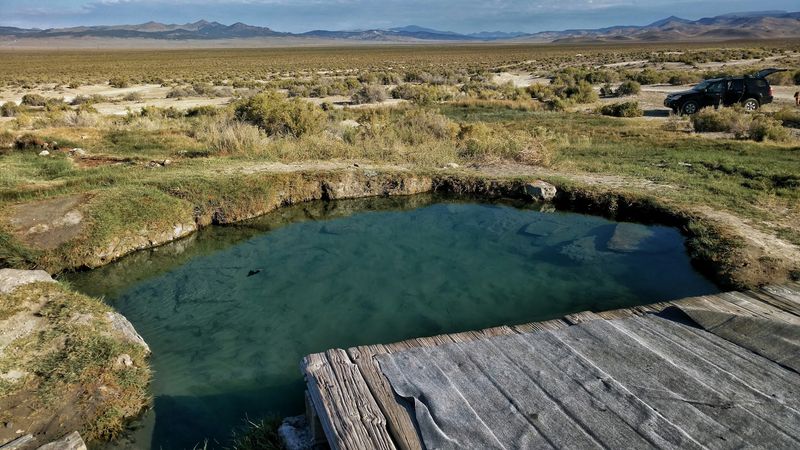
Spencer Hot Springs sits approximately 19 miles east of Austin, and the drive there is half the appeal. Open desert rolls out in every direction, the mountains frame the horizon, and then suddenly, steam rises from the ground ahead.
The natural pools offer warm, soothing water without any commercial development surrounding them. Visitors share the space with the sky, the wind, and occasionally a curious bird.
The springs are located on Bureau of Land Management land, which keeps them accessible and free of charge. No reservations, no entry fees, and no crowds on most weekdays.
Soaking in geothermal water while surrounded by Nevada high desert is a sensory experience that is difficult to describe accurately. The contrast between the warm water and the cool mountain air is particularly striking in autumn and early winter.
Sunrise visits are especially rewarding. The steam catches the early light in ways that feel almost theatrical.
Spencer Hot Springs is a reliable highlight for travelers who appreciate natural beauty without infrastructure getting in the way.
Turquoise Country Keeps The Mining Spirit Alive
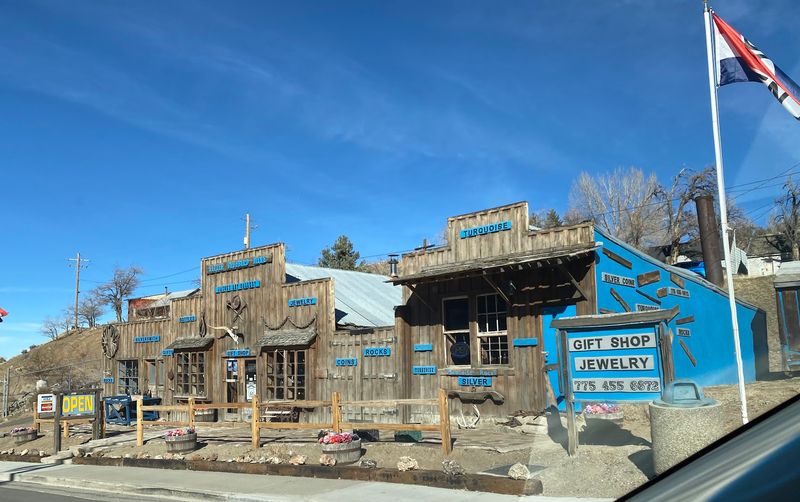
Silver put Austin on the map, but turquoise keeps it relevant today. The hills surrounding the town still yield high-quality turquoise in small quantities, maintaining a direct link to the region’s extractive past.
Local shops and galleries along Main Street showcase jewelry and art crafted from Nevada-mined stones. The pieces reflect real craftsmanship rather than mass production, which makes them meaningful souvenirs.
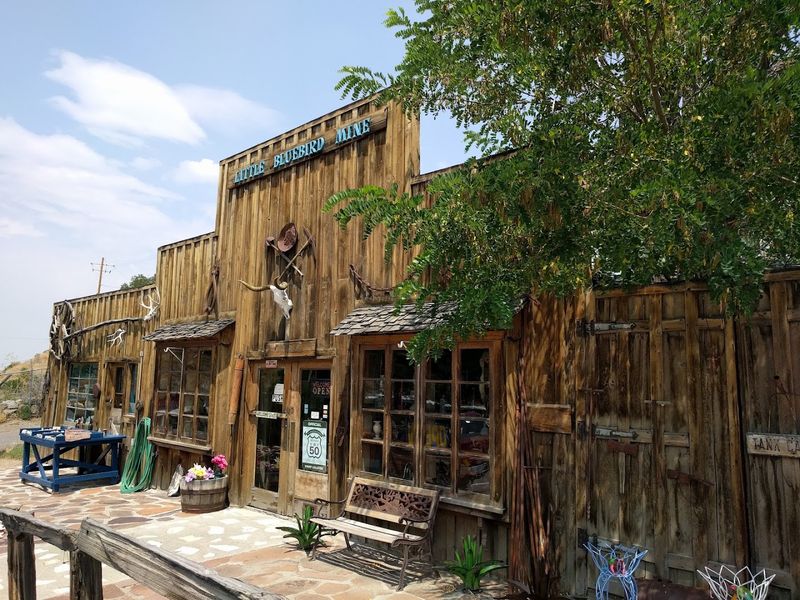
Jason’s Art Gallery, also known as Little Bluebird Turquoise, operates on Main Street and is a notable stop for anyone interested in authentic, locally sourced turquoise. The work on display reflects deep familiarity with the material.
Turquoise mining in central Nevada has a long history that predates European settlement. Native American communities valued the stone for centuries before miners arrived in the 1860s.
Buying a piece of Austin turquoise means carrying home something with genuine provenance. It is not a generic souvenir produced in a factory somewhere else.
For collectors and casual shoppers alike, the turquoise culture here adds a dimension to the visit that goes well beyond sightseeing.
Small Town Events With Big Community Heart
Austin runs a full calendar of community events that punch far above what a town of 167 people might be expected to produce. These gatherings are built for residents but visitors are always welcome to join.
Founder’s Day celebrations honor the town’s mining heritage with demonstrations of historical skills and traditional crafts. The atmosphere is relaxed, local, and refreshingly free of commercial pressure.
A small-town Christmas parade and community gathering bring the holiday season to life without the excess found in larger cities. The scale makes it feel personal rather than performative.
The Austin Historical Museum, located at 180 Main Street, Austin, Nevada 89310, anchors the town’s cultural identity year-round. Its displays cover mining, ranching, and Native American history in a format that is accessible to all ages.
Spending time in Austin during an event reveals something that most travel destinations cannot manufacture. The community genuinely enjoys its own town, and that energy is contagious.
Visitors leave with more than photographs. They leave with the memory of a place that still knows how to celebrate itself.
The Elevation Changes Everything About The Experience
Sitting at roughly 6,575 feet above sea level, Austin operates in a different climate zone than most of Nevada. The heat that bakes the lower desert rarely reaches this altitude with full intensity.
Spring arrives with wildflowers pushing through rocky soil on the hillsides. Summer brings afternoon thunderstorms that roll in fast and cool the air dramatically within minutes.
Autumn transforms the canyon vegetation into warm amber and gold tones that contrast sharply with the gray stone buildings below. Winter brings snow that settles on the old church rooftops and makes the town look like a scene from a European postcard.
That seasonal variety gives Austin a different personality depending on when visitors arrive. No two trips feel exactly the same.
First-time visitors often underestimate the temperature difference between the valley floor and town. Packing a layer is always a smart move, even in midsummer.
The elevation also means cleaner air and darker night skies than most places in the American West. Stargazing from Austin on a clear night is a genuinely memorable experience.
Why This Quiet Corner Of Nevada Stays With You
Most places that call themselves historic have modernized just enough to dilute the feeling. Austin, NV has not done that, and the restraint is its greatest asset.
The stone buildings still stand without decorative renovation. The streets are quiet enough to hear wind moving through the canyon.
The pace of daily life here has no urgency attached to it.
That combination creates something increasingly rare in American travel. An authentic place that has not been packaged for consumption.
Visitors who come expecting polished amenities will find Austin modest. Visitors who come expecting something real will find it in abundance.
The Loneliest Road lives up to its name, but Austin proves that loneliness and richness are not opposites. A town this small, with this much history and this much natural beauty surrounding it, earns its place on any serious traveler’s radar.
Nevada has no shortage of dramatic landscapes, but few places in the state combine history, architecture, wilderness, and atmosphere the way this mountain town does.
Austin stays with people long after the drive home ends.