
What To Know About Ticks Before You Explore This Maryland County
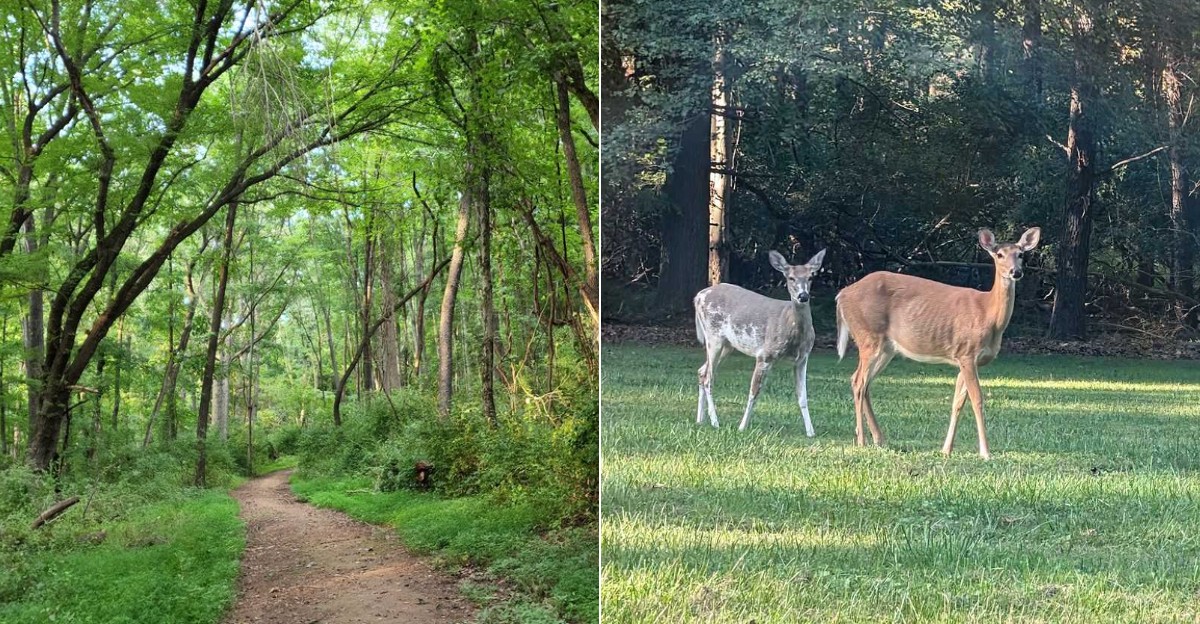
Cool mornings and stone farmhouses set the tone before you even park the car. Somewhere between the fields and the woods, though, this county keeps a small secret worth knowing.
Farmland rolls straight into forest edges here without much warning. That collision of habitats is gorgeous, and it also happens to be exactly where ticks like to wait.
A few small habits change everything here. Light-colored clothes and closed shoes handle most of the work before you even start walking.
None of this asks you to skip a single mile of trail. A fast shower and a quick check once you’re back at the car close the loop completely.
Maryland rewards travelers who pay a little attention. A two-minute check buys you the rest of a genuinely good day outdoors.
Rolling Hills With A Reputation

Central Maryland has a stretch of countryside that looks like a painting, and it also happens to be prime tick habitat. That place is Carroll County, home to Westminster, wide farm fields, and forest edges that seem to go on forever.
Ticks love what scientists call edge habitat. Simply put, that is the spot where mowed grass meets tall brush, or where a pasture bumps into the woods.
Carroll County has miles and miles of exactly that.
Do not let the warning scare you off, though. The same landscape that ticks enjoy is the reason travelers fall for this county in the first place.
Piedmont hills roll gently toward the horizon. Stone farmhouses sit at the end of long gravel lanes.
Creeks slip under old bridges without making a fuss.
Visitors often describe the drive alone as worth the trip. Add in the historic downtowns and you have a full weekend without trying very hard.
Knowing what to expect here does not shrink your plans. It just sharpens them a little, the way checking the weather does.
Trails Worth Every Single Step
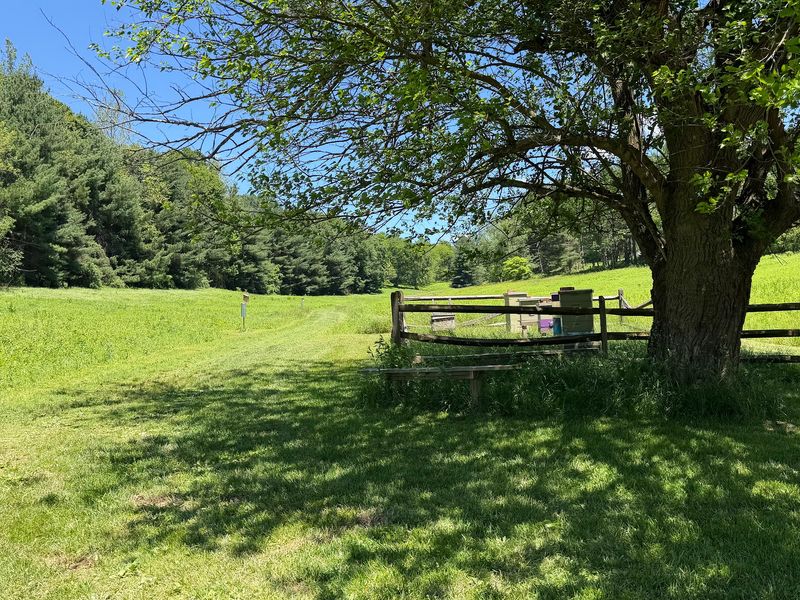
Ask outdoor lovers where to go around here and the Switchback Trail comes up fast. It runs through Patapsco Valley State Park, a long green ribbon of forest and river that stretches across this part of Maryland.
Hikers share the path with mountain bikers and, on some sections, horseback riders. Tall trees lean over the trail, and the river keeps you company with a steady rush of sound.
Then there is Lake Hashawha, a restored wetland that birdwatchers adore. Great blue herons stalk the shallows like they own the place.
Belted kingfishers dart across the water. Painted turtles stack themselves on sunny logs, completely unbothered by anyone watching.
Because trails cut right through brushy edges, this is prime tick territory. Staying in the center of the path makes a real difference.
Tall grass along the sides is where ticks wait, arms out, hoping something warm brushes past. Give that grass a wide berth and you skip most of the risk.
Pack water, wear closed shoes, and take your time. The scenery rewards slow walkers more than fast ones.
Trail maps are usually posted at parking areas, so grab a photo of one before you head in. Which sounds better to you, a shady forest hike or a quiet morning beside the water?
When Tiny Hitchhikers Get Busy

Timing matters more than most travelers expect. Across Maryland, the outdoor season really gets rolling from April through September, and that is exactly when ticks are busiest too.
Warm months bring wildflowers, thick green canopies, and long evenings on the trail. They also bring nymph ticks, which are about the size of a poppy seed and easy to miss.
Here is the part that surprises people. Adult black-legged ticks stay active on any day the temperature climbs to 40 degrees Fahrenheit or higher.
That means a mild January afternoon can still be a tick day in this state. Winter hikers should not assume they are automatically in the clear.
None of this should keep you home. Fall in central Maryland is glorious, with crisp air and hillsides turning copper and gold.
Spring might be even better, when farm fields wake up and everything smells like rain and new grass. Just match your habits to the season rather than the calendar.
Long sleeves in cooler weather are comfortable anyway. Repellent takes ten seconds to apply.
A quick check after your hike becomes second nature by the second trip. Do you plan trips around peak green season, or do you prefer quiet trails in the colder months?
Dress Smart, Explore Longer

Fashion advice from a tick expert sounds strange, but it works. Light-colored clothing makes tiny dark specks easy to spot before they find skin.
Long pants and long sleeves cover the most likely landing zones. Tucking pant legs into socks or boots looks a little goofy, and honestly, nobody on the trail cares.
That tuck keeps ticks on the outside of your clothes where you can see them. Ticks climb upward, so blocking the ankle entrance is a big win.
An EPA-approved insect repellent on exposed skin adds another layer. Read the label and follow the directions, especially for children.
Most of these products protect for several hours, which usually covers a full day of exploring. Reapply if you are out longer or sweating hard.
Local visitors often keep a small kit in the car. A repellent bottle, a spare pair of socks, and a light long-sleeve shirt cover almost every situation.
Sandals feel great in summer, but save them for the picnic table. Closed shoes belong on brushy trails.
The whole routine takes about two minutes and buys you a worry-free day outside. Are you the type who packs a preparation kit, or the one who grabs shoes and runs out the door?
Gear That Guards Your Adventure

Gear can do some of the work for you. Clothing and equipment treated with 0.5% permethrin give ticks a very unwelcoming surface to land on.
Boots, pants, socks, and even tents can be treated. The protection holds up through several washes, so one afternoon of prep covers many trips.
Prefer to skip the spray bottle? Pre-treated clothing is sold ready to wear, which is handy for anyone traveling from out of state.
One rule matters above all others. Permethrin goes on fabric, never directly on skin.
Skin gets a separate repellent, and the two work as a team. Treat gear outdoors, let it dry fully, then pack it away.
Campers in this part of Maryland swear by treating tent floors and the outside of sleeping bags. It is an easy step that pays off after a long day of hiking.
Day trippers can keep things simple with one treated pair of pants and socks. Toss them in the bag and you are set for the season.
Think of it as gear maintenance, the same as oiling boots or patching a pack. Would you treat your own gear at home, or buy clothing that arrives ready to go?
The Shower Rule Everyone Forgets
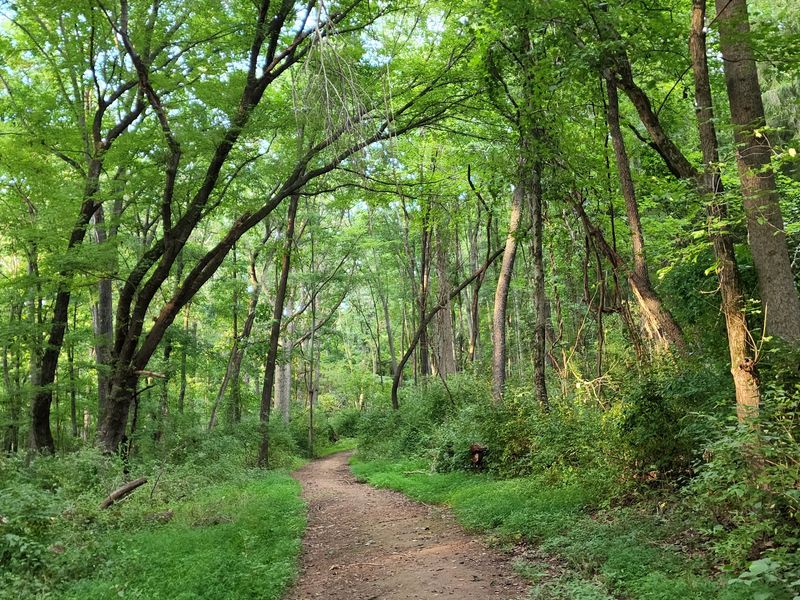
Here is the easiest habit on the whole list. Shower as soon as you get indoors after a day outside.
Water rinses off ticks that have not attached yet, which is most of them. Ticks often wander around for a while before settling, so timing works in your favor.
While you are at it, run a full-body check. Ticks pick sneaky spots, so look carefully rather than quickly.
Check underarms, in and around the ears, and through your hair. Behind the knees, between the legs, around the waistband, and the belly button all deserve attention.
A mirror helps for the spots you cannot see. Travel partners can check each other’s backs and shoulders.
Children need a hand with this, especially along the hairline and behind the ears. Pets need checking too, since dogs love brushing straight through tall grass.
Families exploring this corner of Maryland often turn the routine into a quick game with kids. Silly beats skipped, every single time.
The whole thing takes a few minutes and lets you relax for the rest of the evening. Once it becomes habit, you barely notice you are doing it.
Let The Dryer Do Work
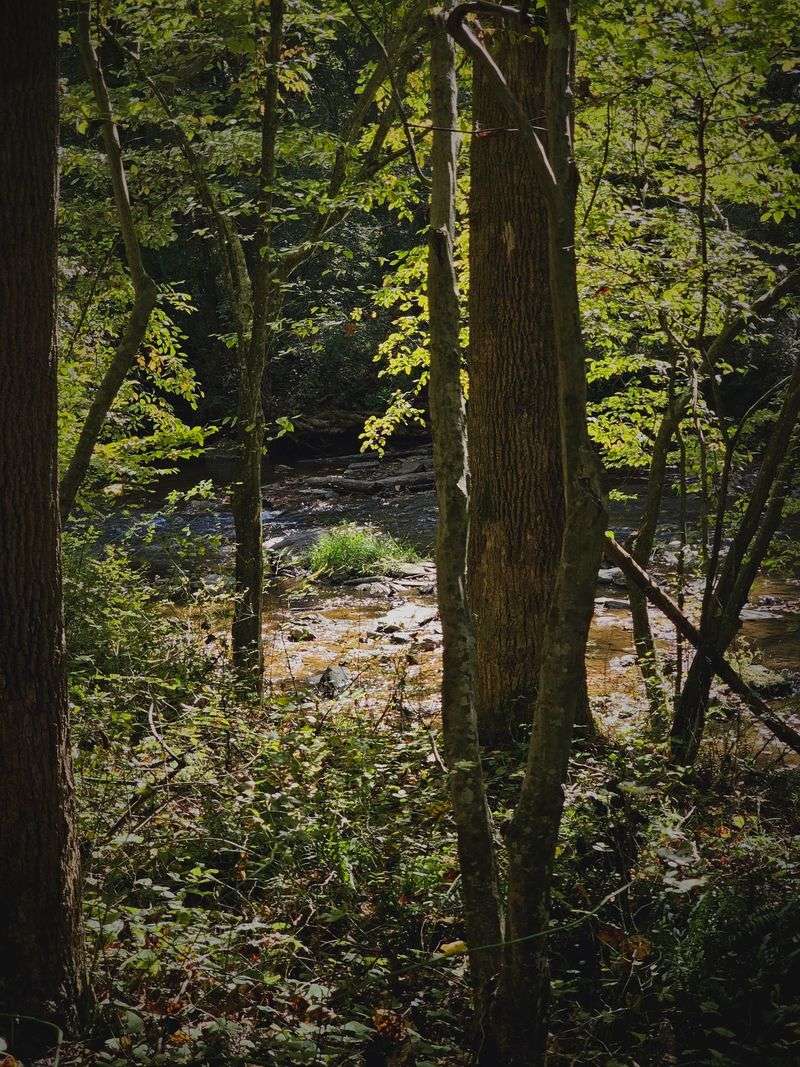
Laundry might be the last thing on your mind after a great hike. Give it ten minutes anyway.
Tossing your clothes into the dryer on high heat for at least ten minutes takes care of any ticks clinging to the fabric. Heat handles them far better than water alone.
Damp clothes need extra time. Let them tumble until they are fully warm and dry, then call it done.
Washing in hot water first works too, followed by that high-heat dry cycle. Either order gets the job done.
Cold water washing, on the other hand, is not reliable for this. Ticks are stubborn little things and shrug off a cool rinse.
Travelers staying in rentals or hotels can usually find laundry facilities nearby. Even a quick dryer run on the way out of town helps.
Backpacks and jackets sometimes get overlooked. Give them a shake outside and a quick visual check before they go in the car.
The point is not to be nervous. It is to close the loop so nothing rides home with you from your Maryland weekend.
One dryer cycle, one shower, one body check, and you are finished. How do you handle trail-dusty clothes after a big day outdoors?
Small Towns, Big Local Character

Trails are only half the story around here. The county’s small towns bring museums, historic homesteads, farm stands, and Main Streets built for wandering.
Westminster anchors the area with brick sidewalks and storefronts that have watched a lot of history go by. Antique shops, bakeries, and local markets fill the blocks.
History fans get plenty to chew on. Old farmsteads and preserved buildings show what life looked like when this part of Maryland ran on horses and hand tools.
Seasonal festivals pop up throughout the year, often tied to harvests and county traditions. Checking a local events calendar before you travel is a smart move.
Indoor attractions also make a nice pairing with trail days. Hike in the morning, then browse a museum while your legs recover.
Health and safety information for the area, including tick guidance, comes from the Carroll County Health Department, located at 290 South Center Street, Westminster, Maryland. Hours for attractions and offices shift by season, so a quick call or website check before visiting saves disappointment.
Between the countryside and the towns, this slice of Maryland gives you a genuinely full trip. Bring curiosity, bring good shoes, and bring that repellent.
What would you tackle first, the trails or the historic streets?