
Where To Spot Wild Horses And Desert Wildlife On Nevada Trails This Fall
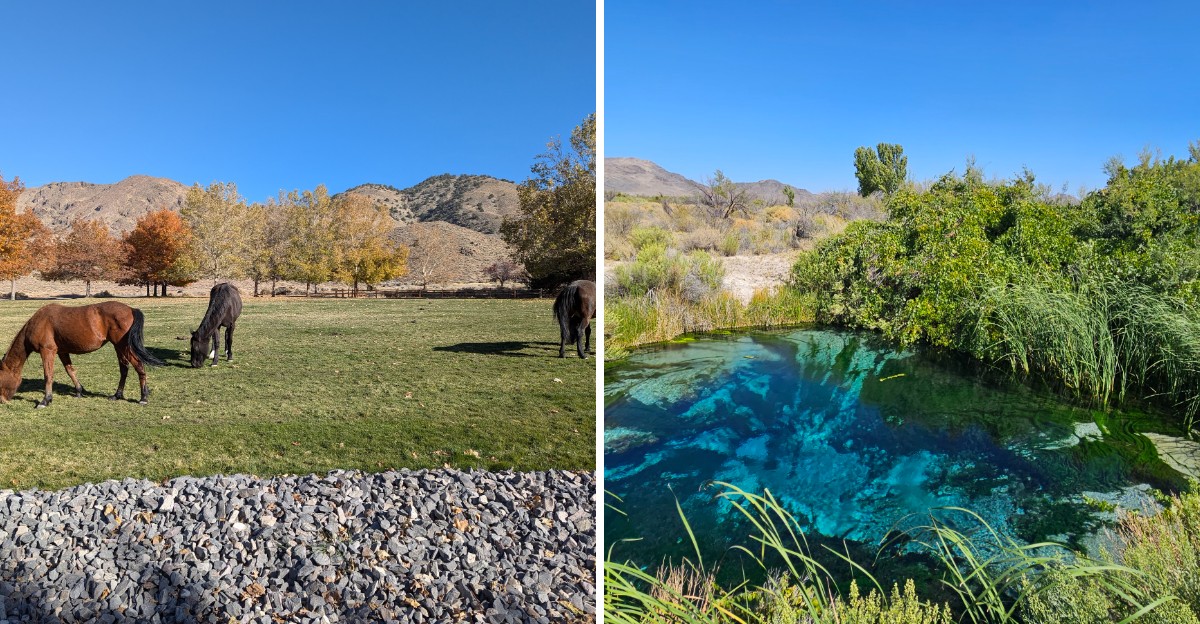
Wild manes flutter across golden hills while bighorn sheep balance on red rock ledges like tiny acrobats.
That scene plays out on Nevada trails every fall, and I cannot get enough of it. Cool air rolls in, the heat backs off, and the desert suddenly wakes up.
Mustangs graze in quiet foothills at dawn. Burros wander past sandstone cliffs as if they own the road, which, honestly, they kind of do.
Then the smaller stars show up. Pupfish flash electric blue in warm springs, while chipmunks found nowhere else on Earth dart through mountain pines.
Who knew the desert could feel this alive?
Binoculars, layers, and a little patience go a long way out here. Nevada saves its wildest shows for fall, and the front row seats are wide open.
Spring Mountains Visitor Gateway, Mt Charleston, Nevada
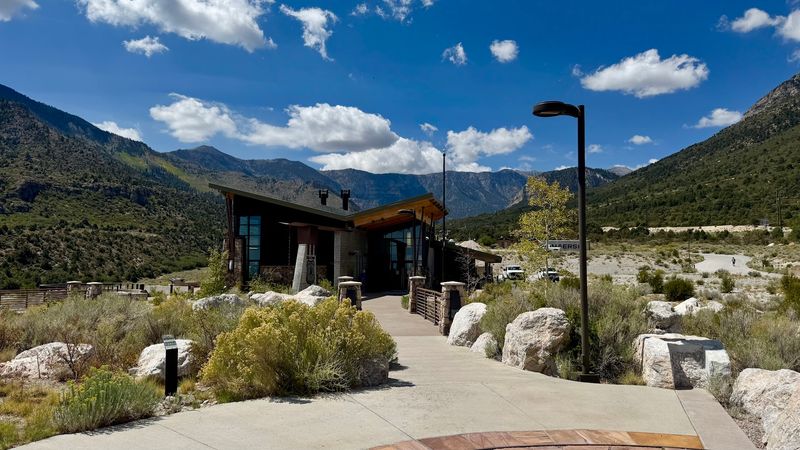
Craving sweater weather in the Mojave? Head up Kyle Canyon, and watch the desert scrub give way to tall pines.
The Spring Mountains Visitor Gateway sits in Mt Charleston, Nevada, a short drive northwest of Las Vegas. I love starting my mountain days here.
Pop into the visitor center first. The exhibits explain why locals call this range a sky island surrounded by desert.
That isolation matters. Some plants and animals here live nowhere else on Earth.
Keep an eye on the ground for the Palmer’s chipmunk. This little striped sprinter is found only in the Spring Mountains.
Butterfly fans should know about the Mount Charleston blue butterfly. It flies mostly in summer, so fall visitors can learn about it at the exhibits.
Look for larger wildlife too. Elk and mule deer sometimes wander through the canyon, especially near dawn.
Wild horses and burros also roam parts of the Spring Mountains. Sightings vary, so treat any encounter as a lucky bonus.
Pick a trail that fits your mood. Short loops near the Gateway suit families, while longer paths climb toward rocky viewpoints.
Fall brings crisp mornings and golden aspen patches higher up the mountain. Pack layers, because temperatures drop fast when the sun slips away.
Stay on marked paths to protect fragile habitat. Many rare plants grow close to the trail edges.
Snow can arrive early at this elevation. Check road and weather conditions before you leave town.
Bring a thermos of cocoa and find a bench with a view. The quiet up here feels earned.
Address: 2525 Kyle Canyon Rd, Mt Charleston, NV 89124
Historic Railroad Hiking Trail, Boulder City, Nevada
Choo-choo, meet chew-chew. Bighorn sheep munching on hillside shrubs might be the best surprise on this old rail line.
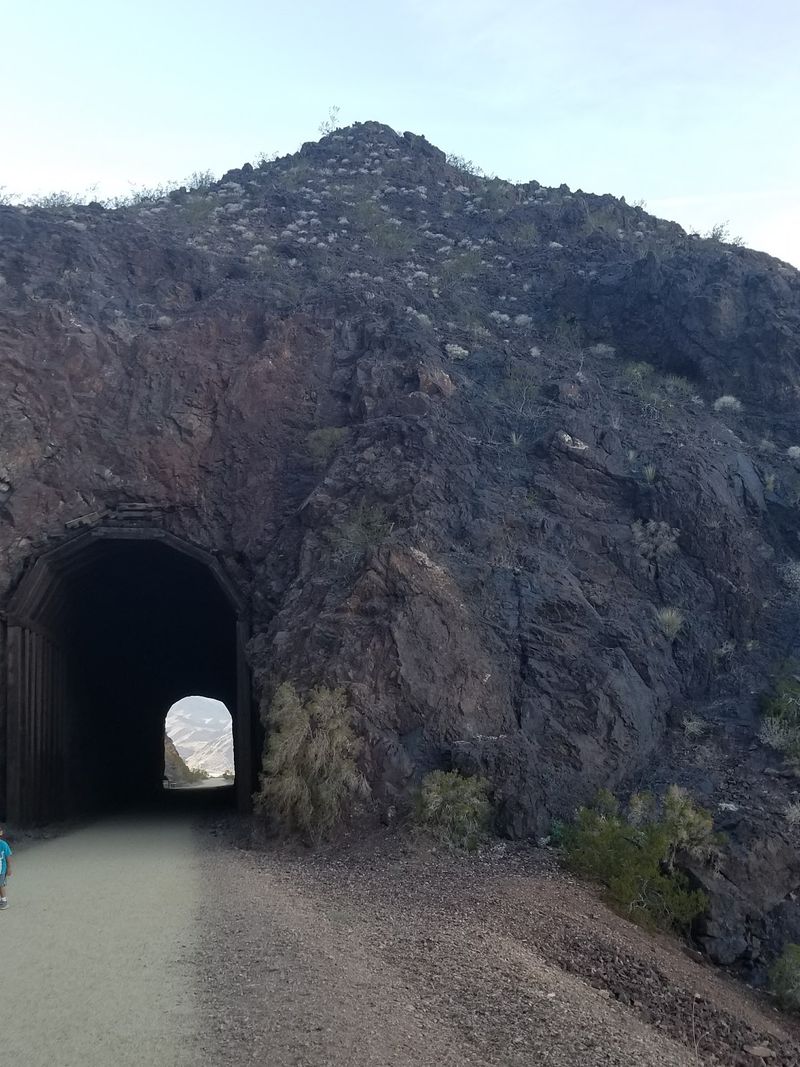
The Historic Railroad Hiking Trail runs near Boulder City, Nevada, inside Lake Mead National Recreation Area. Crews once hauled supplies along this route to build Hoover Dam.
Today, the wide gravel path feels easy on the legs. Mostly flat grades make it a solid pick for kids and casual walkers.
Several huge tunnels punch through the rocky hillsides. Step inside, and you will feel the air cool down right away.
Look up when you enter. Bats sometimes roost in the tunnel ceilings, so keep your voice low.
Now for the stars of the show. Desert bighorn sheep often roam the slopes around the trail and nearby Boulder City parks.
Scan the ridgelines slowly. Their sandy coats blend right into the rocks, so movement often gives them away.
Give them plenty of room if they wander close. Sheep can spook easily, and a startled herd may scatter down steep cliffs.
Lake Mead shimmers below for much of the walk. The blue water against the brown desert makes a striking photo backdrop.
Fall is my favorite time to go. Cooler temperatures let you enjoy the full out-and-back without baking in the sun.
Start in the morning for softer light and more active wildlife. Afternoons can still feel warm, even late in the season.
Cyclists love this route too. Stay to one side and listen for bells coming up behind you.
History buffs and critter chasers both leave happy here. Just remember to pack plenty of water.
Address: Boulder City, NV 89005
Corn Creek Visitor Center (Desert National Wildlife Refuge), Las Vegas, Nevada
Did you know one of the largest wildlife refuges in the continental United States sits just outside Las Vegas? I drove out on a whim and stayed all afternoon.
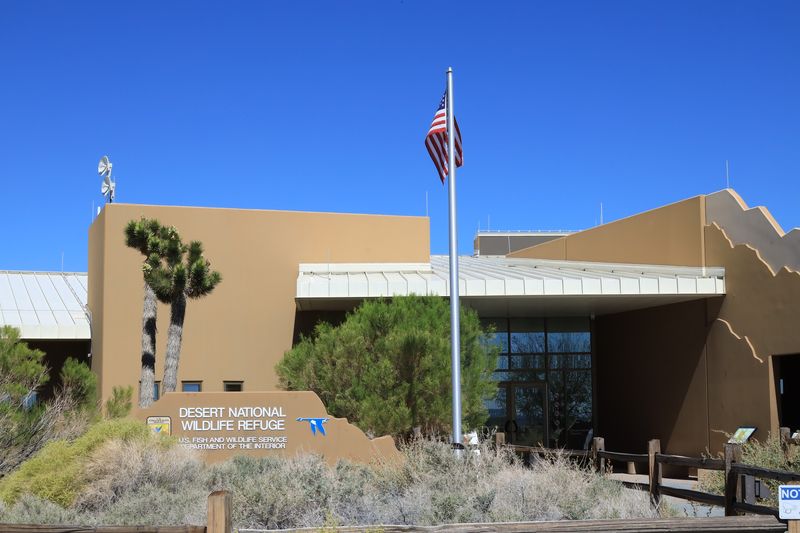
Corn Creek Visitor Center serves as the front door to the Desert National Wildlife Refuge near Las Vegas, Nevada. Start here to get your bearings.
The refuge was created to protect desert bighorn sheep. That mission still shapes how the land gets managed today.
Inside the center, exhibits explain the many habitats found across the refuge. Staff or volunteers can often point you toward the best trails for the day.
Head outside to the short trail loops around the Corn Creek oasis. Natural springs feed ponds and trees that feel wildly out of place in the Mojave.
Birds love that water as much as I do. Fall migration brings warblers, sparrows, and raptors passing through on their way south.
Pack binoculars and move slowly. Sit on a bench for a few minutes, and the trees start to come alive.
Peek into the small refugium pond near the trails. It shelters the endangered Pahrump poolfish, a tiny fish with a big survival story.
Bighorn sheep usually stay in the rugged mountains far from the visitor center. Spotting one takes luck, patience, and often a long drive on rough roads.
Keep your eyes open for smaller locals closer in. Lizards, rabbits, and coyotes all make appearances around the oasis.
Fall offers comfortable weather for lingering on the trails. Mornings bring the most bird chatter, so arrive early if you can.
Bring water and sun protection, since shade gets scarce beyond the trees.
Address: 16001 Corn Creek Rd, Las Vegas, NV 89124
Hidden Valley Regional Park, Reno, Nevada
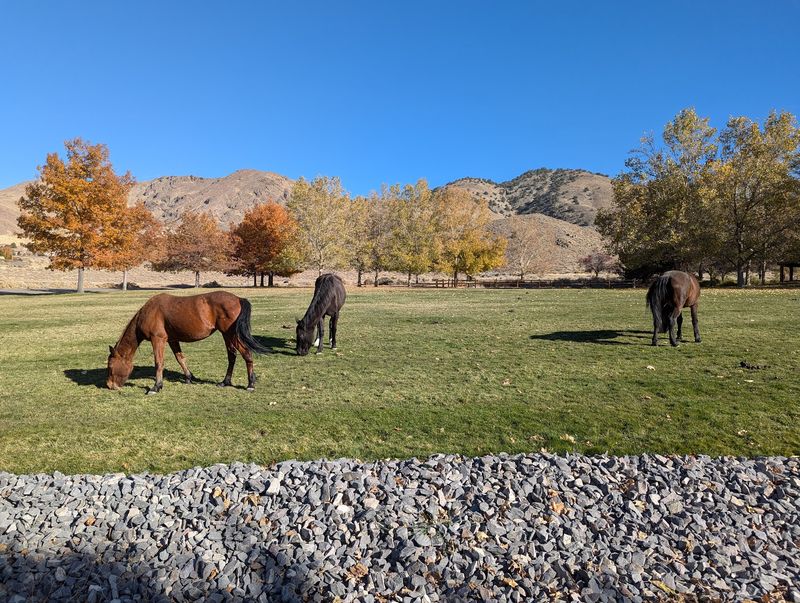
Who needs a safari when Reno has mustangs next door? I spotted my first wild band here on a chilly October morning, and I nearly dropped my coffee.
Hidden Valley Regional Park sits on the eastern edge of Reno, Nevada. It backs right up to the Virginia Range, where wild horses roam freely.
Start early for the best odds. Horses often graze in the open land near the park edges at dawn and dusk.
Lace up and follow the dirt trails that climb into the foothills. The paths get steep in spots, so wear shoes with solid grip.
Scan the washes and sagebrush flats as you hike. I found a small group resting in a dry gully, tails swishing in the breeze.
Keep your distance, though. These horses are wild, and the rule of thumb is to stay well back and never feed them.
Bring binoculars or a zoom lens for close-up shots. You get the photo, and the horses keep their peace.
Fall paints the hills in soft tans and golds. The cooler air makes the uphill push far more pleasant than a summer slog.
Turn around at the top and soak in the view. You can see across the Truckee Meadows toward the Carson Range on clear days.
Watch for other locals too. Jackrabbits, quail, and hawks often share the trails with the horse herds.
The park also has picnic spots near the main entrance. Pack a snack and linger after your hike to catch late-day grazing.
Mustang fans, consider this your warm-up lap for the rest of Nevada.
Address: 4740 Parkway Dr, Reno, NV 89502
Ash Meadows National Wildlife Refuge, Amargosa Valley, Nevada
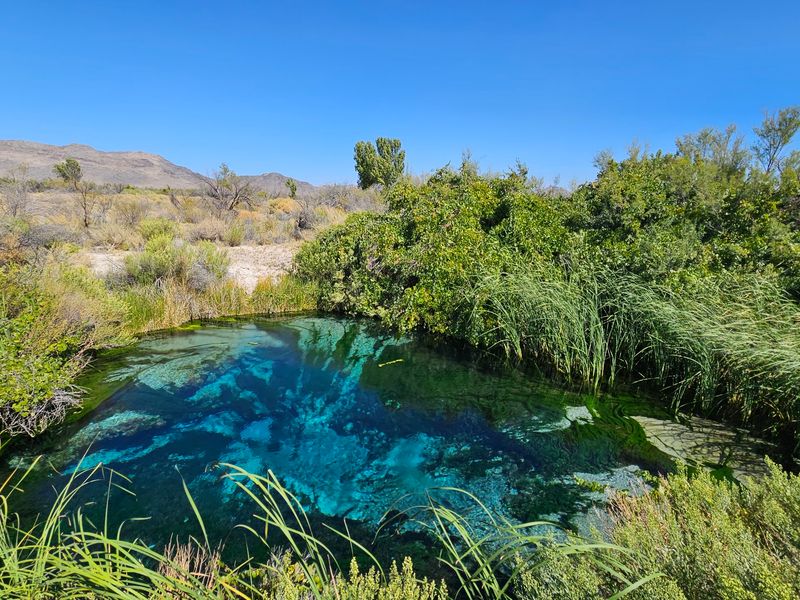
Fish in the desert? Yep, and they have been swimming here since long before any of us showed up.
Ash Meadows National Wildlife Refuge sits in Amargosa Valley, Nevada, close to the California border. Warm springs bubble up here and create a surprising wetland oasis in the Mojave Desert.
The refuge protects a remarkable number of plants and animals found nowhere else on the planet.
My top tip is to walk the Crystal Spring boardwalk first. The water glows an unreal shade of blue, and you can peer straight down.
Watch closely for tiny pupfish darting through the shallows. Males can flash a bright blue color, which makes them easier to spot.
Ever heard of the Devils Hole pupfish? It lives in just one rocky pool nearby, which makes it one of the rarest fish anywhere.
You cannot swim, wade, or touch the springs here. These waters shelter fragile species, so stick to the boardwalks and trails.
Birders will want extra time. Fall migration brings ducks, herons, and songbirds to the marshes and ponds.
Keep an eye out for roadrunners zipping across the dirt roads. Coyotes and jackrabbits also roam the surrounding desert.
Stop by the visitor center to learn how the refuge came to be. The exhibits tell the story of how people fought to save these springs.
Roads inside the refuge are mostly gravel. A regular car usually handles them fine, but drive slowly and watch for washboard bumps.
Fall weather here feels mild and friendly. Pack a picnic, and enjoy lunch surrounded by sparkling pools and quiet desert.
Address: 8757 Spring Meadows Rd, Amargosa Valley, NV 89020
Wetlands Park Nature Center, Las Vegas, Nevada
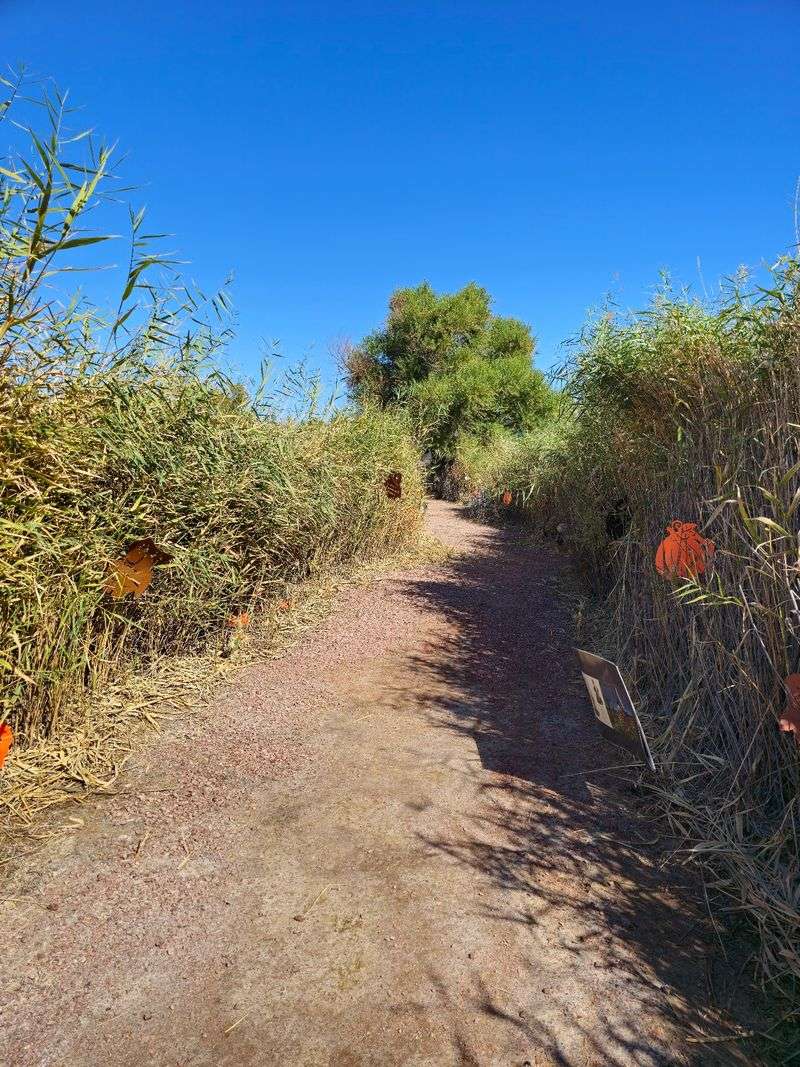
Beavers in the middle of the Las Vegas Valley? It sounds like a joke, but these busy builders call this wetland home.
Wetlands Park Nature Center anchors Clark County Wetlands Park on the east side of Las Vegas, Nevada. The park follows the Las Vegas Wash, a green ribbon of water cutting through the valley.
Begin at the Nature Center. Hands-on exhibits and big viewing windows help you learn what lives outside before you set off.
A network of paved and dirt trails fans out from there. Pick a short loop near the ponds, or wander farther along the wash.
Bring binoculars, because birds steal the show. Herons, egrets, ducks, and hawks often gather around the water.
Fall migration adds even more feathered visitors. Shorebirds and waterfowl stop here to rest and refuel on long trips.
Listen for rustling in the reeds. Raccoons, coyotes, and cottontail rabbits sometimes slip through the brush near dawn and dusk.
Turtles like to sunbathe on logs in the ponds. Count how many you can find stacked together on warm afternoons.
The cottonwoods and willows start turning gold as the season cools. That splash of color makes the wetlands a lovely place for photos.
Stay on designated trails to protect nesting areas and sensitive plants. Pet rules vary by area, so check posted signs first.
Families will appreciate the easy terrain and shaded benches. Kids can burn energy while you scan the water for movement.
Arrive early to beat the midday sun and catch the most active wildlife. The soft morning light also makes the ponds glow.
Address: 7050 Wetlands Park Ln, Las Vegas, NV 89122
Red Rock Canyon National Conservation Area, Las Vegas, Nevada
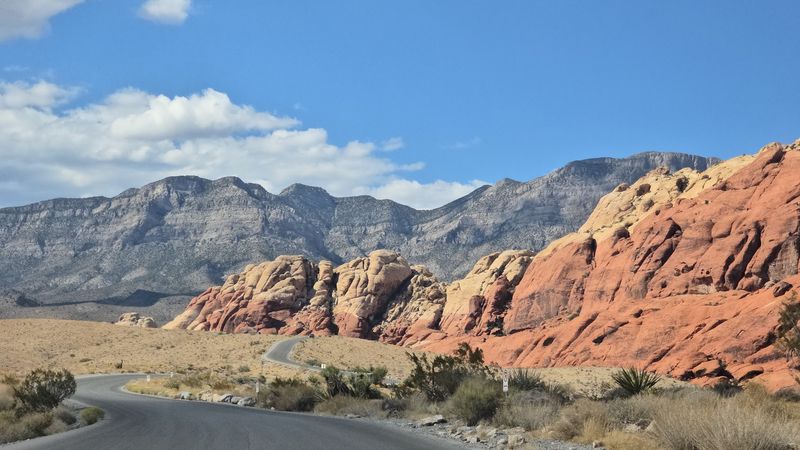
Hee-haw, neighbor. Wild burros have a habit of stealing the spotlight on the roads around this red rock wonderland.
Red Rock Canyon National Conservation Area sits just west of Las Vegas, Nevada. Towering sandstone cliffs glow in shades of red, orange, and cream.
Start at the visitor center to learn about the local plants and animals. The outdoor exhibits even include a desert tortoise habitat.
Wild burros roam this area, especially along the roads near the southern edge. Please never feed them, since human food harms their health and draws them into traffic.
Drive slowly and keep your camera ready. Wild horses also live in the region, though burros tend to show up more often.
Scan the high cliffs for desert bighorn sheep. They blend in well, so look for a sudden hop or a pair of curled horns.
Hit the trails for a closer look at smaller wildlife. Lizards, ground squirrels, and jackrabbits often dart across the paths.
Keep an eye on the sky too. Ravens and hawks ride the warm air currents above the canyon walls.
Fall ranks as one of the busiest times here. The weather feels comfortable, and hikers flock to the scenic loop.
Timed entry reservations are required for the scenic drive from October through May, so book a slot before heading out this fall.
Choose an easy stroll through desert washes or a rocky scramble up to high viewpoints. Every trail offers a different angle on those famous cliffs.
Carry more water than you think you need. The dry air sneaks up on you, even when temperatures feel mild.
Address: 1000 Scenic Loop Dr, Las Vegas, NV 89161
Valley Of Fire State Park, Overton, Nevada
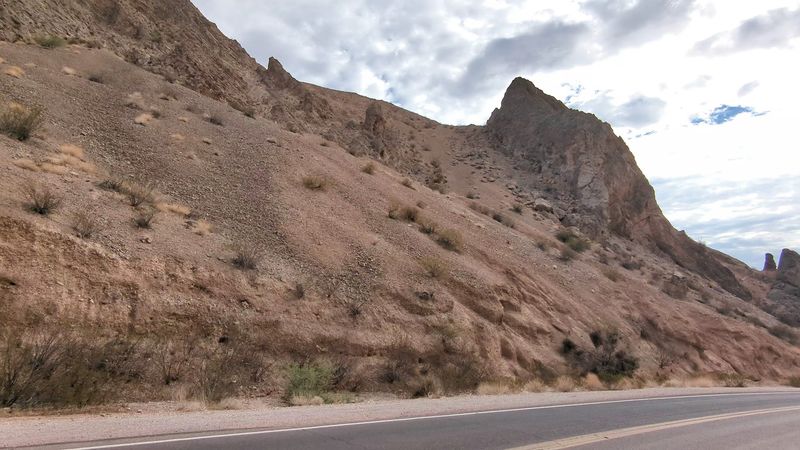
Grab your sunglasses, because the rocks here practically blaze. Bighorn sheep strolling across that fiery backdrop make the view even better.
Valley of Fire State Park sits near Overton, Nevada, northeast of Las Vegas. It holds the title of Nevada’s oldest state park.
Bright red Aztec sandstone shapes almost every view. Wind and water carved the rock into arches, domes, and wavy stripes.
Desert bighorn sheep often wander near the roads and rock formations. Early morning gives you the best shot at spotting a herd.
Pull over only in safe spots, and stay inside your car if animals come close. Sheep have the right of way here, always.
Look down, too. Antelope ground squirrels scurry between rocks with their tails curled over their backs.
Lucky visitors might spot a desert tortoise. Leave it alone if you do, since handling can stress this protected reptile.
History lovers should head to Atlatl Rock. A staircase leads up to ancient rock art left by early inhabitants of the area.
Fire Wave and White Domes rank among my favorite hikes. Each trail delivers swirling colors and plenty of chances to spot lizards basking on warm stone.
Fall brings much friendlier temperatures than summer. Midday can still feel toasty, so plan hikes for morning or late afternoon.
Stop by the visitor center for maps and exhibits on local geology and wildlife. It helps you decide which trails fit your time and energy.
Stay for golden hour, when the whole valley seems to glow brighter. It makes a perfect final chapter for a Nevada wildlife road trip.
Address: 29450 Valley of Fire Hwy, Overton, NV 89040