
Why Few Tourists Discover This Oregon Coastal Village (But Natives Love It)
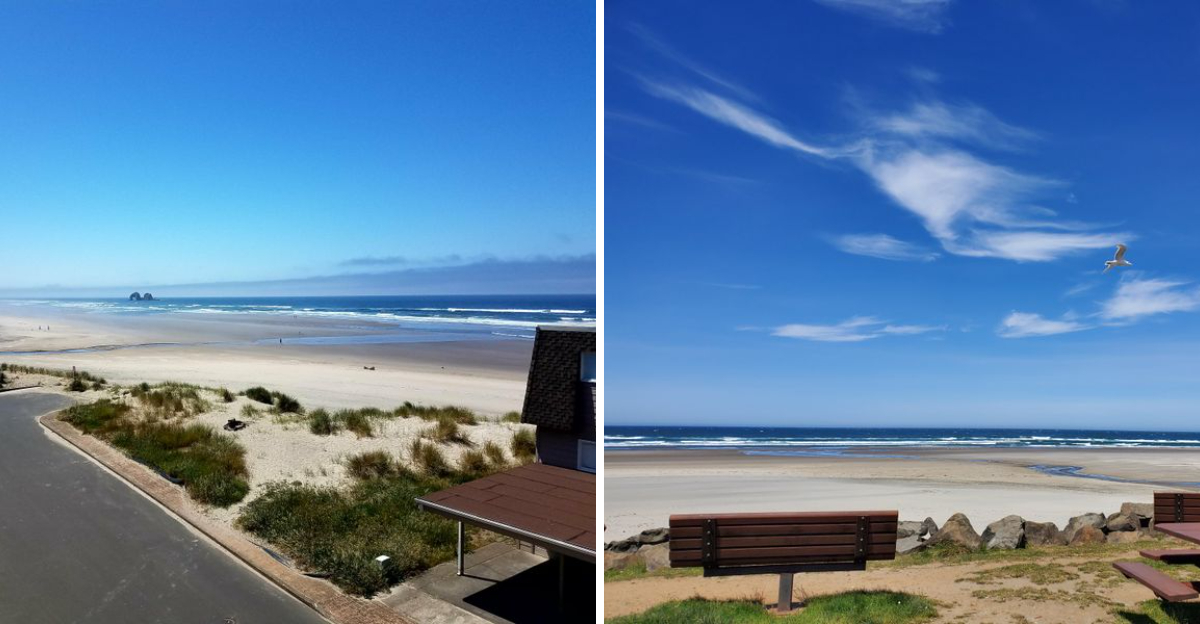
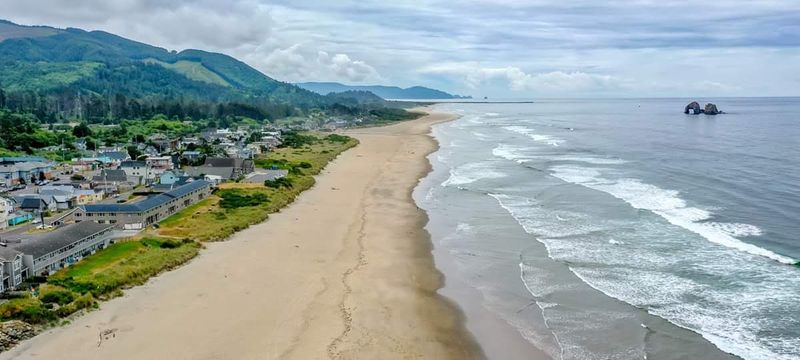
Rockaway Beach sits quietly along Oregon’s northern coast, a seven-mile stretch of sand and salt air that most travelers rush past on their way to busier destinations.
While crowds flock to nearby tourist towns, this unassuming village keeps its rhythm slow and its character intact.
Locals have known for decades what visitors are only beginning to discover: sometimes the best coastal experiences happen where the boardwalks end and the real Oregon begins.
A Hidden Coastal Haven With Miles Of Pristine Sand
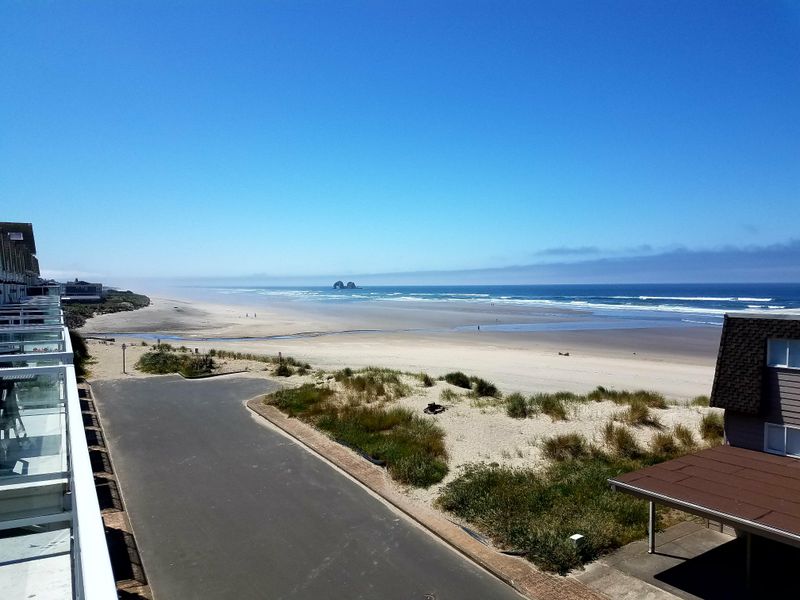
Seven uninterrupted miles of shoreline stretch along this coastal village, offering space that feels increasingly rare on Oregon’s popular coast.
The beach remains wide and walkable even during summer months, when other towns see their sands crowded shoulder to shoulder.
Driftwood scatters naturally across the upper reaches, and tide pools emerge at low water near the rocky outcrops.
Families spread blankets without negotiating for territory, and dogs run freely in designated areas where leash laws relax.
The absence of commercial development along most of the beachfront preserves a natural character that draws repeat visitors year after year.
Rockaway Beach: Where The Locals Go To Unwind
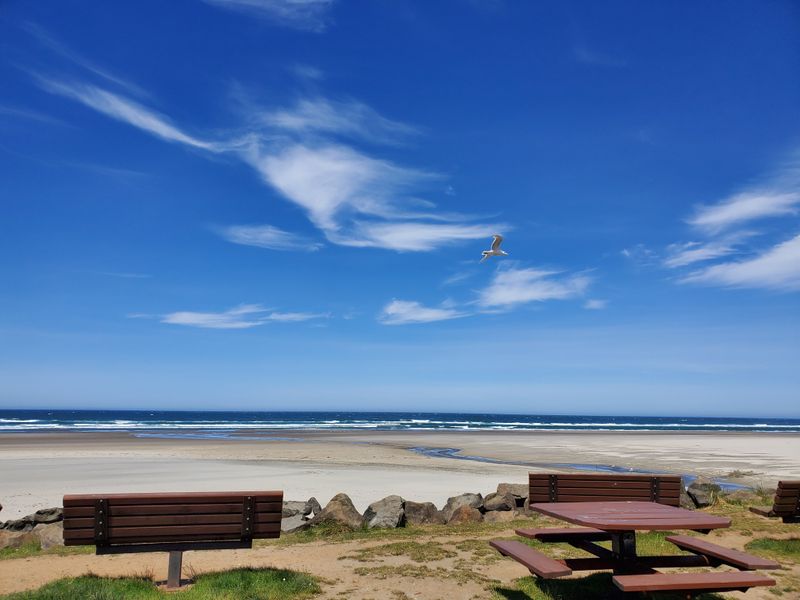
Portlanders make the ninety-minute drive west when they need to reset their internal clocks and breathe ocean air without the tourist circus.
The village operates at a pace that feels deliberately unhurried, with coffee shops that close when they feel like it and restaurants that run out of specials because they refuse to over-order.
Residents greet strangers on the street not out of performative friendliness but genuine small-town habit.
Weekend mornings see locals walking the beach with thermoses and dogs, claiming their favorite logs for contemplation.
This authenticity cannot be manufactured or marketed, which explains why it endures.
Seaside Charm With Small-Town Hospitality
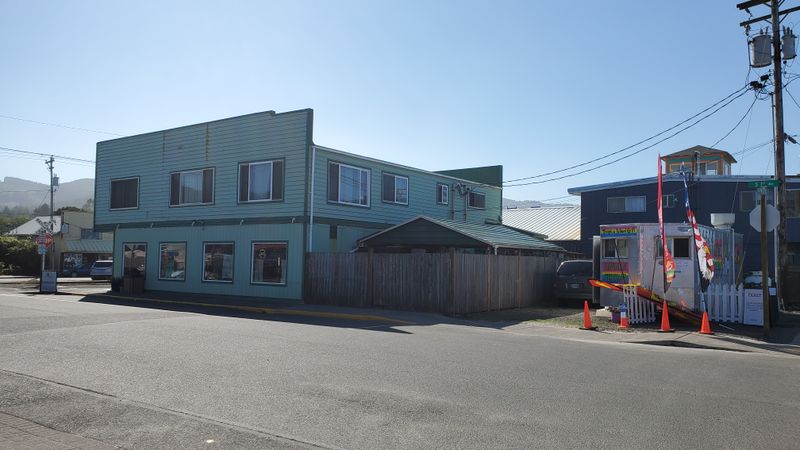
Storefronts along Highway 101 maintain a weathered dignity rather than the polished sheen of tourist traps.
Shop owners remember repeat customers and their preferences, offering recommendations based on actual knowledge rather than commission structures.
The local market stocks what residents need rather than what visitors expect, though travelers benefit from the same fresh provisions and reasonable prices.
Conversations at the post office run longer than strictly necessary, and restaurant servers genuinely want to know if the halibut met expectations.
This hospitality stems from community rather than commerce, creating experiences that feel personal rather than transactional.
Less Crowded, But Full Of Adventure: Hiking, Biking, And Kayaking
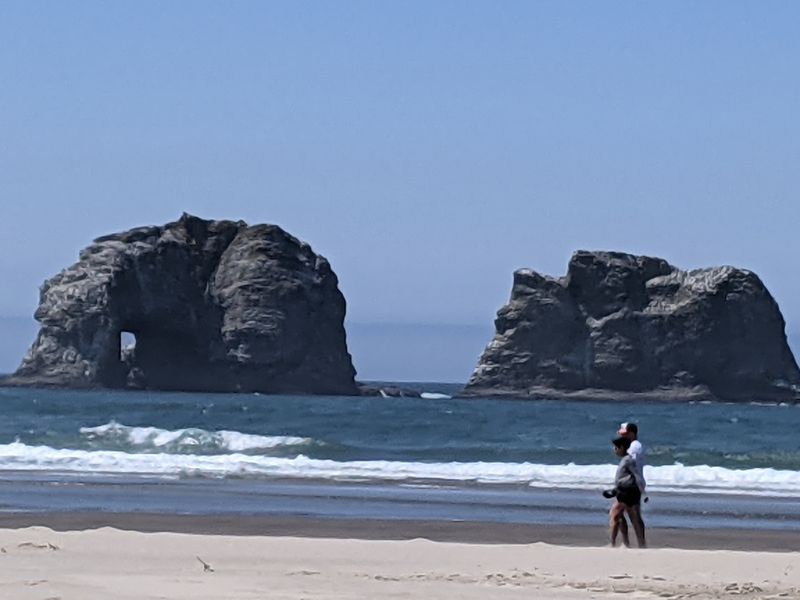
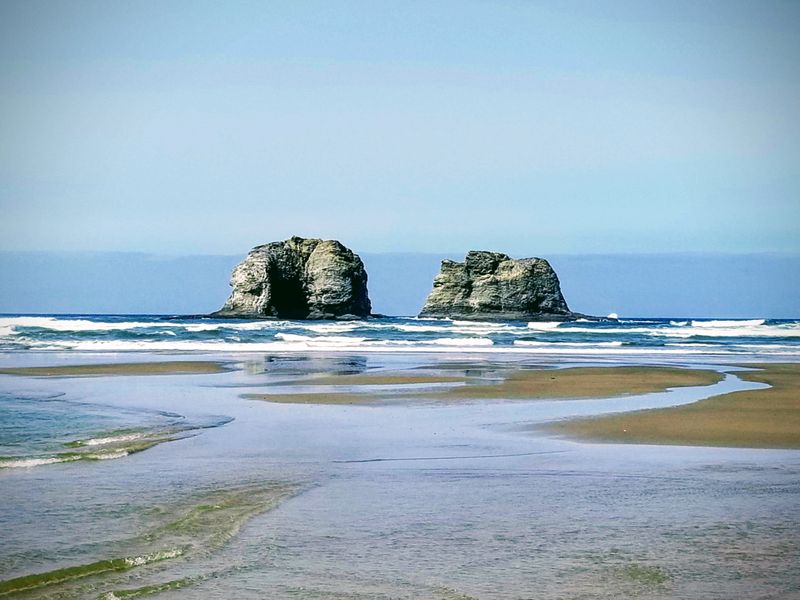
Twin Rocks stands just offshore, creating a natural landmark for kayakers who launch from the beach when conditions permit.
The Nehalem Bay State Park sits minutes south, offering trails through shore pine and protected waters for paddling when the ocean runs rough.
Mountain bikers find technical challenges in the surrounding Tillamook State Forest, where logging roads have evolved into recreational networks.
Beach cycling remains popular during low tide, when the packed sand provides miles of natural pathway.
Adventure here requires more self-direction and less hand-holding, which suits those who prefer discovery to guided tours.
A Quieter Alternative To Nearby Cannon Beach And Seaside
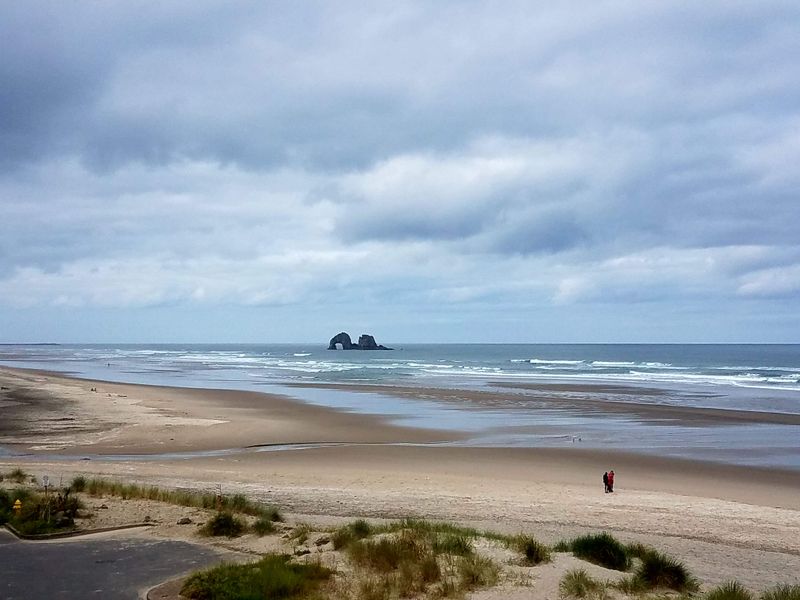
Cannon Beach draws photographers to Haystack Rock while Seaside packs its boardwalk with arcade lights and saltwater taffy vendors.
Rockaway Beach offers neither iconic rock formations nor amusement infrastructure, which proves precisely its appeal to those seeking neither.
The village sits equidistant between these tourist magnets, accessible yet overlooked, benefiting from their amenities without inheriting their congestion.
Parking remains free and abundant even during peak season, and restaurant waits rarely exceed reasonable patience.
Some travelers need spectacle and entertainment; others require only sand, surf, and solitude. Rockaway serves the latter.
Rockaway Beach’s Rich History And Maritime Heritage
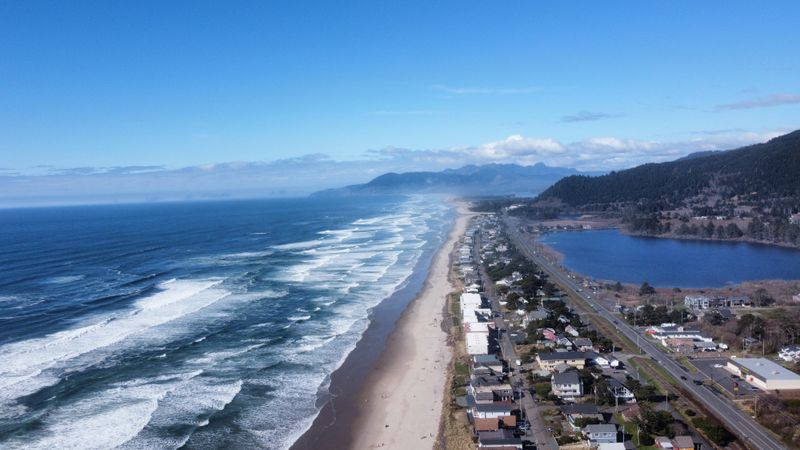
The community began as a resort destination in the early twentieth century, when Portland families arrived by train to escape summer heat.
Steamships once docked at the pier, and grand hotels hosted guests who stayed for weeks rather than weekends.
Fire and economics reshaped the village over decades, leaving a quieter town that remembers its past without romanticizing it.
The maritime heritage persists in fishing boats that still work from the beach and in residents whose families have pulled nets here for generations.
History here lives in practice rather than museums, embedded in the daily rhythms of coastal life.
A Perfect Spot For Fresh Seafood: Taste The Ocean
Commercial fishing operations still launch from the beach when conditions allow, bringing in catches that move directly to local restaurants and markets.
Dungeness crab, rockfish, and lingcod appear on menus with minimal journey between ocean and plate.
The village lacks pretentious seafood establishments with celebrity chefs and prix fixe menus, offering instead honest preparations that respect the quality of the catch.
Fish and chips come properly executed, with halibut that tastes like halibut rather than generic white fish.
Clam digging remains popular during appropriate tides, and locals willingly share techniques with visitors who ask respectfully.
Rockaway Beach’s Iconic 1,000-Foot Pier And Ocean Views
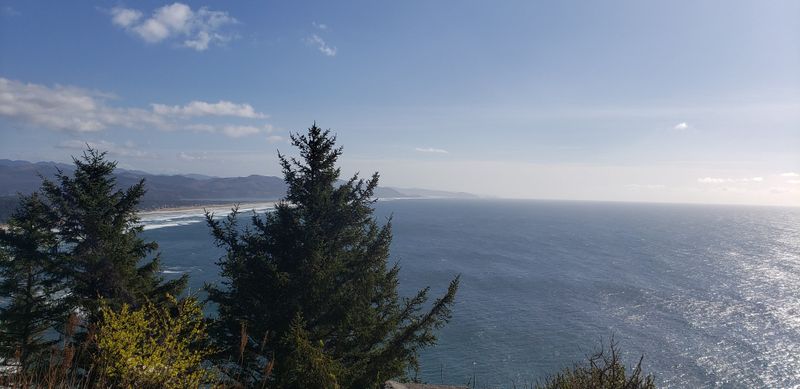
The pier extends into the Pacific, offering anglers a platform for rockfish and perch while providing walkers with perspective on the coastline’s sweep.
Constructed to withstand winter storms, the structure stands solid and unadorned, functional rather than ornamental.
Sunrise viewers gather at the pier’s end, watching light spread across the water without commentary or camera clicks.
The view encompasses the entire beach arc, from Neahkahnie Mountain north to the Tillamook Bay entrance south.
Located at the heart of the village, the pier serves as both landmark and gathering point for a community that values utility alongside beauty.
A Peaceful Retreat For Families And Nature Lovers
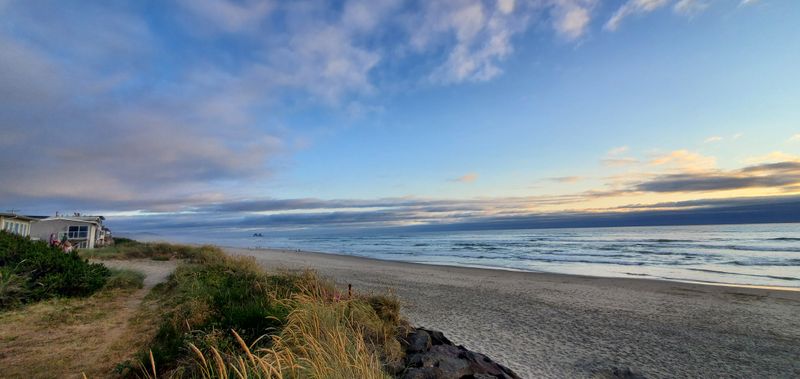
Children build elaborate sand structures without navigating crowds, and parents relax knowing the beach remains visible in both directions.
Tide pools offer natural classrooms where hermit crabs and anemones teach without curriculum.
Birdwatchers find abundant species along the shore and in nearby wetlands, including the Rockaway Beach Old Growth Cedar Preserve, a forty-six-acre sanctuary that opened in 2019.
The preserve protects ancient trees and provides trails through ecosystems that predate European settlement.
Families return annually not for novelty but for the comfort of familiar rhythms and spaces that accommodate rather than overstimulate.
Affordable Lodging Without Sacrificing Coastal Access
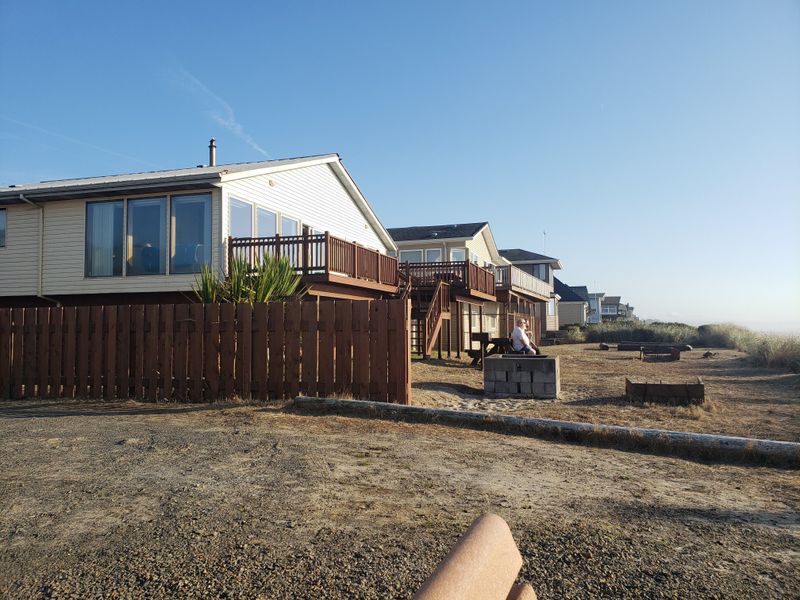
Vacation rentals and modest motels offer rates that reflect the village’s unpretentious character rather than inflated resort pricing.
Ocean views come standard rather than premium, and parking never requires validation or fees.
Properties range from vintage beach cottages with knotty pine interiors to newer homes with modern amenities, accommodating various budgets without the stark divisions found in more developed areas.
Many rentals sit steps from the sand, eliminating the shuttle buses and parking struggles that plague larger destinations.
Affordability here stems from authenticity rather than compromise, allowing longer stays and repeat visits that build genuine connections to place.
Easy Access From Portland But Worlds Away
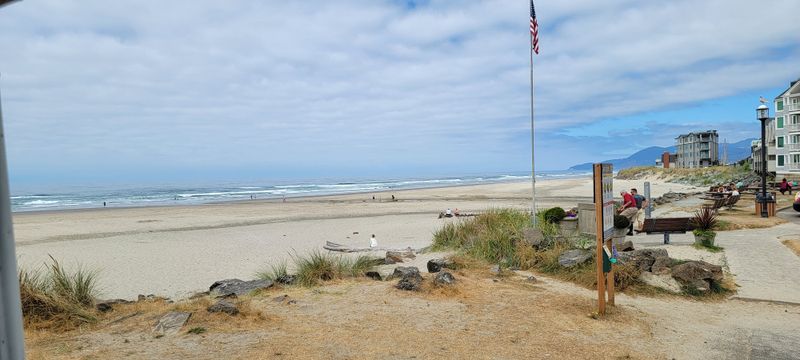
Highway 26 carries travelers from Portland’s urban density to coastal tranquility in roughly ninety minutes, passing through the Tillamook State Forest’s cathedral of Douglas fir.
The drive itself provides transition, allowing city stress to dissipate before arrival.
Weekend trips become feasible without requiring extensive planning or time off work, yet the village feels geographically and temperamentally distant from metropolitan concerns.
Cell service runs spotty in places, encouraging the disconnection that many seek but few achieve.
Proximity without proximity’s burdens creates the ideal escape for those needing regular doses of coast without major expedition logistics.
A Community That Protects What It Values
Development restrictions and community resistance have prevented the chain hotels and franchise restaurants that homogenize other coastal towns.
Residents actively participate in planning decisions, prioritizing character preservation over tax revenue from large-scale tourism infrastructure.
The population of approximately thirteen hundred maintains a delicate balance between welcoming visitors and protecting the qualities that make the village worth visiting.
Local organizations work to conserve natural areas like the cedar preserve while supporting small businesses that serve both residents and guests.
This intentional stewardship ensures that Rockaway Beach, located in Oregon 97136, remains the place locals love rather than becoming another destination they abandon.