
Why Locals In This West Virginia Village Avoid Talking About Its Hidden Secrets
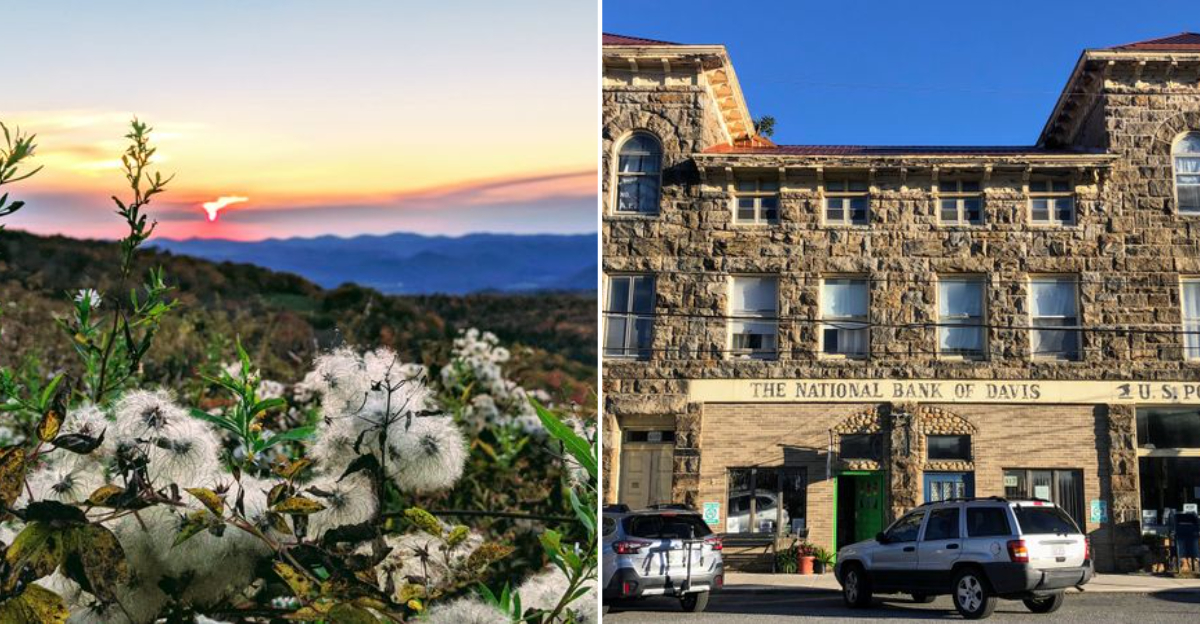
Tucked along the Blackwater River, Davis carries the quiet poise of a mountain town that understands the value of discretion.
You notice it first in the way shopkeepers nod—helpful yet measured—as if guarding a story that doesn’t like bright lights.
Curiosity takes the lead quickly, especially where trails slip into spruce thickets and the river murmurs like it has heard far too much.
Walk slowly, stay polite, and linger without expectation. In time, porches creak, paths open, and Davis loosens its collar just enough to let you listen.
Whispers Beneath The Blackwater Bridge
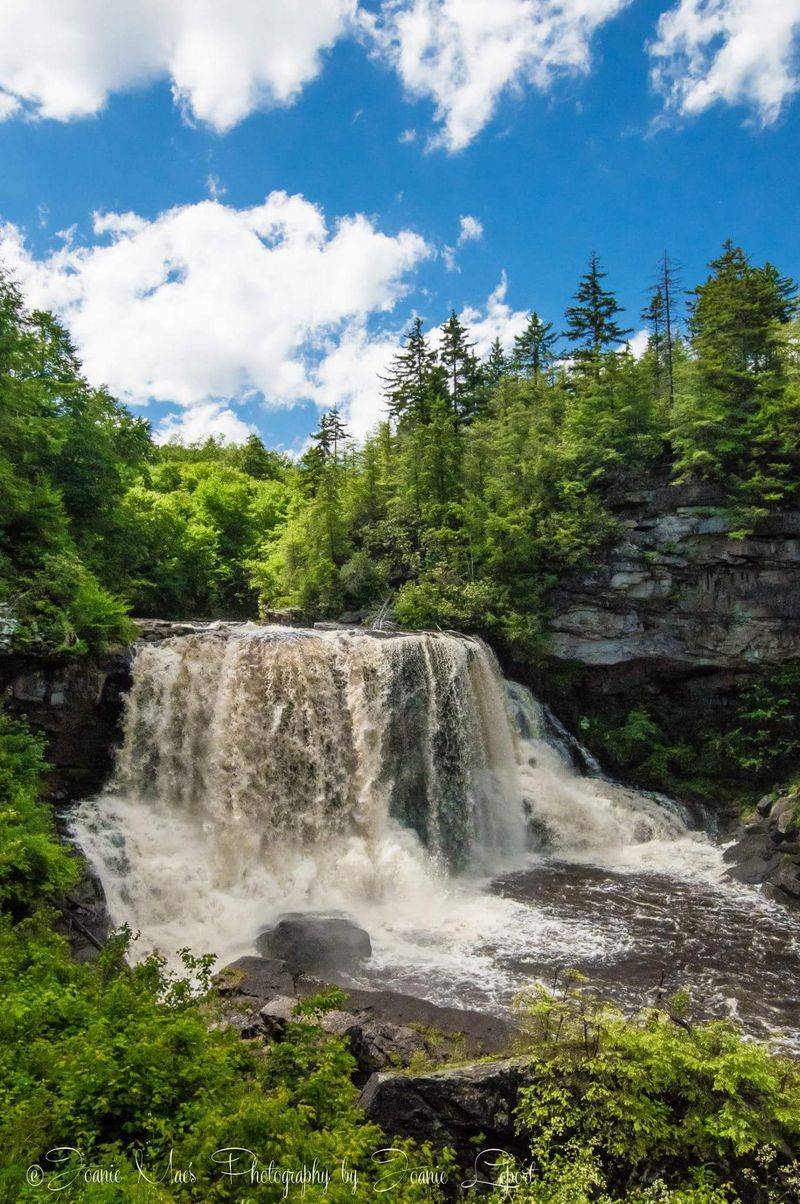
Late afternoons by the Blackwater River teach patience, especially near the old bridge where the water presses its shoulder against stone.
You linger on the sidewalk, hearing tires hum above you and the low rustle of spruce beyond the guardrail.
Locals pass with steady steps, offering a nod that feels friendly and final at the same time.
There is talk, if you listen long enough, of stashed logging relics and a forgotten ferry slip that once served the river’s narrower moods.
A few anglers swear the deepest pocket below the center span holds more than trout when spring runs high.
The current keeps its counsel, and no one feels the need to pry open a private door.
Evening draws out the color, shelving the valley in soft blue while swallows skitter above the surface.
You watch the town lamps bloom along William Avenue and feel the day settle without ceremony.
Secrets here are not theatrical, only practical, like jackets hung near the door in case weather turns.
Stand long enough and you begin to respect that pace, the way silence trusts you to behave.
There is comfort in boundaries that are not stern, merely well kept.
You can cross the bridge, admire the view, and leave the river’s quiet ledger unthumbed.
The Old Company Lines And Their Quiet Ledger
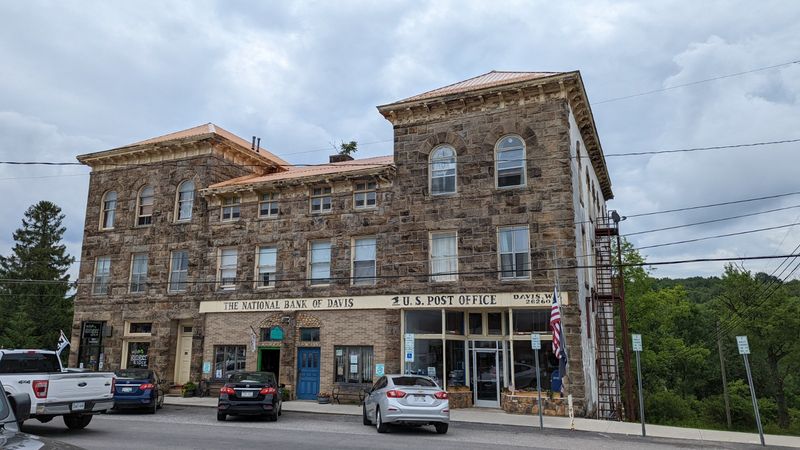
Walking the residential grid behind William Avenue, you can read history in the spacing between porches.
The company era left a neat ledger of houses that once lined up workers the way a foreman lined up shifts.
Siding has been replaced and paint brightened, yet proportions still whisper about long schedules and short pay.
Neighbors will share recipes, weather tips, and a good route to the falls, but their family ledgers stay folded.
A few names rise in conversation like shy fish, then slip under again.
You understand quickly that privacy and community are not enemies here, only partners that trade watches at dusk.
Look closely at the alleys, where stacked firewood sits with military modesty and bicycles lean against rails.
A quiet ingenuity survives from the timber days, proof that spare parts can be coaxed into service with patience and a steady hand.
No one brags about thrift because thrift is simply how homes breathe.
It helps to remember that small populations have long memories, and the town’s 26260 address keeps those pages close.
You can be welcomed without being briefed, a fair arrangement for visitors with decent manners.
The streetlights come on, a dog barks twice, and the evening ends without verdicts.
Back Rooms Of The Avenue And Their Careful Conversations
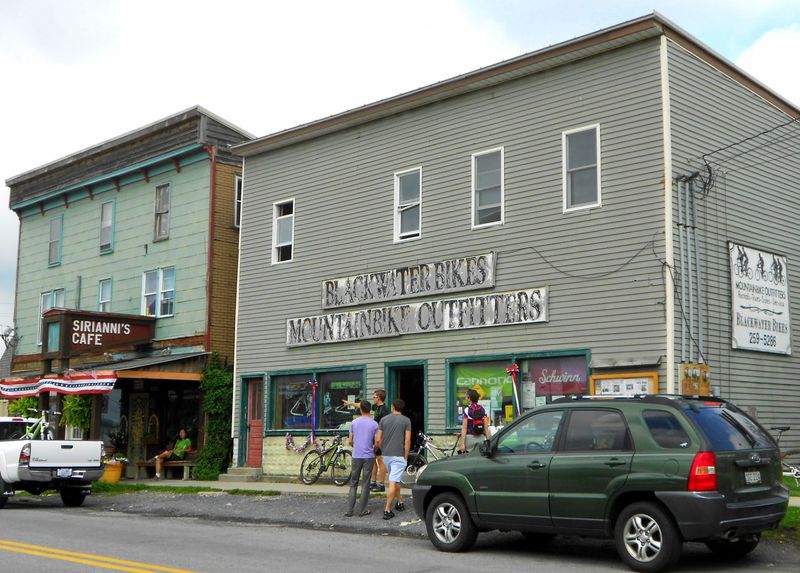
Small towns conduct their best negotiations behind the first door you see.
On William Avenue, back rooms carry the practical buzz of inventory, receipts, and stories that only make sense with a map nearby.
You hear laughter through a half wall and the clink of mugs being set down with friendly emphasis.
Shopkeepers in Davis respect your questions and answer what needs answering.
Directions to trails come readily, while the provenance of a curious saw blade on the wall does not.
There is no rudeness in the pause, just the sense that some objects belong to the shelf and the shelf belongs to the town.
Postcards by the register depict Blackwater Falls and Canaan’s high meadows, yet the most beloved scenes never found an illustrator.
Those are carried home in the pockets of regulars who know which snowfall begins the real winter.
You buy a snack, fold your receipt, and feel properly included at arm’s length.
Later, sunlight thins and catches dust motes that drift like quiet punctuation.
The bell over the door marks each departure as politely as a host.
You step out holding directions and leave behind the questions that were not yours to keep.
Footpaths That Dodge The Map
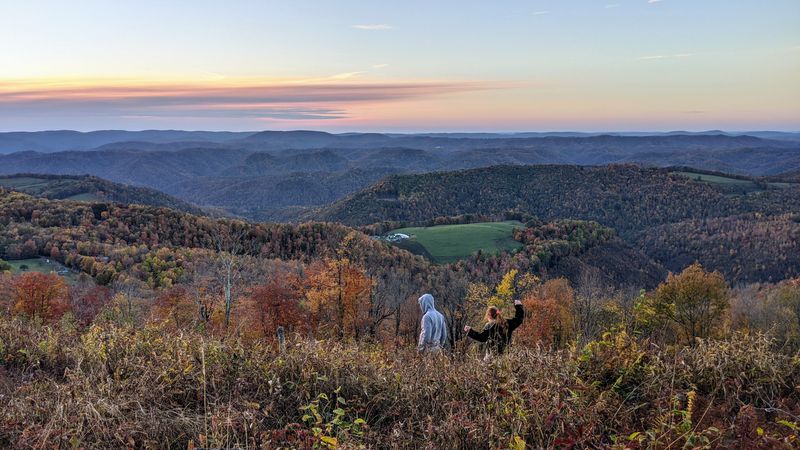
Trailheads around Davis start out official and then relax into habit.
A faint side path will peel away from blazes, as if remembering an errand it forgot to finish.
You weigh the invitation, hearing water somewhere to your left, and consider whether curiosity deserves new boots.
Locals shrug kindly when asked about these little dodges.
Some lead to shortcuts that save tired knees, while others dead end at a log used as a bench by those in the know.
No one wants extra signage because the forest already carries enough handwriting.
Moss softens the edges, and roots fold their arms over slick ground like patient teachers.
You keep an eye on the sky and make small promises about turning back at the ten minute mark.
The town rests nearby, but the hush of spruce can persuade even tidy minds to wander.
If you find a clearing with a view toward Canaan Valley, you will understand why restraint matters.
Scenery is generous, yet crowds are clumsy, and these paths prefer small footprints.
Step lightly, fold the moment like a postcard, and return to the main trail without applause.
Night Air And The Unsaid At 39.1287, -79.4648
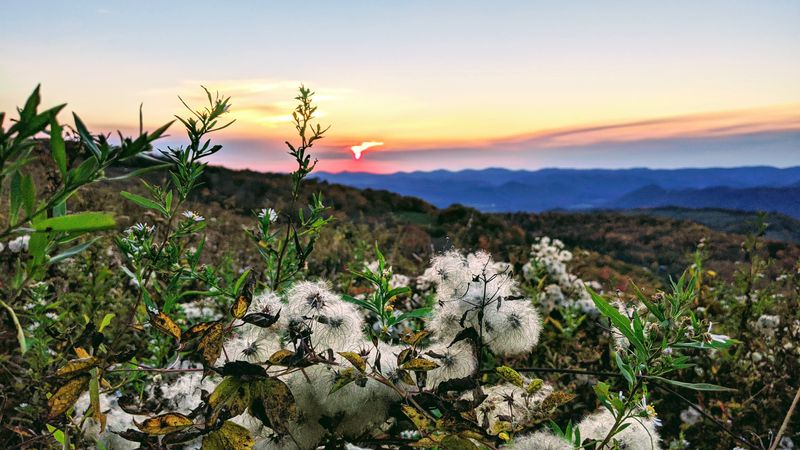
Night folds over Davis with a steady hand, turning conversation into a comfortable murmur.
On the main drag the lamps carry a soft amber that flatters old brick and steady signage.
You walk slowly because strolling at night is the best way to meet a town without intruding.
Some stories come alive only when the streets thin.
A retired logger mentions a winter of hard ice, then edits himself with a chuckle and a wave.
Another voice remembers a barn dance at the edge of town and lets the rest drift into the crickets.
Coordinates do not feel clinical here, just accurate: 39.1287, -79.4648 places you right where the air cools first.
From that simple mark you can hear the Blackwater whisper beyond the last house.
The river does not perform at night, it simply continues.
By the time you circle back toward West Virginia 26260 on the envelope of your notes, the hush has settled deeper.
You pocket a small truth about restraint that will travel better than souvenirs.
Sleep comes easily when a place trusts you to keep what you learned.
Old Tools, New Hands, And The Art Of Keeping Quiet
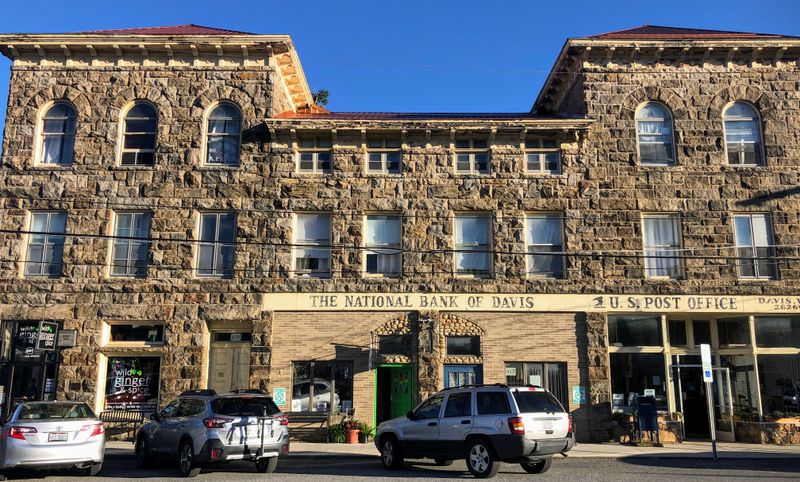
In garages behind neat fences, workbenches hold both heritage and present tense.
A cant hook leans beside a modern torque wrench, two tools that understand leverage in different dialects.
You notice the smell of oil and cedar, a patient perfume that suggests steady hours.
Conversations out here are precise, like measurements taken twice.
People speak about maintenance rather than miracles, a habit learned from long winters and short budgets.
An old sled runner becomes a shelf bracket, a chain becomes a curtain weight, and bragging never shows up for the shift.
Ask about the origin of a remarkable blade and the answer usually begins with a shrug.
You will get a year, maybe two, and a story that stops gently at the property line.
The point is not suspense, only respect for provenance that does not need a spotlight.
Later, when the door swings shut, you remember how calmly those hands moved.
The tools seemed to follow, as if loyalty were built into the grain of the handle.
You leave thinking that secrets can be sturdy, and the best ones help keep the roof sound.
The Blackwater’s Edge And What People Choose To Keep
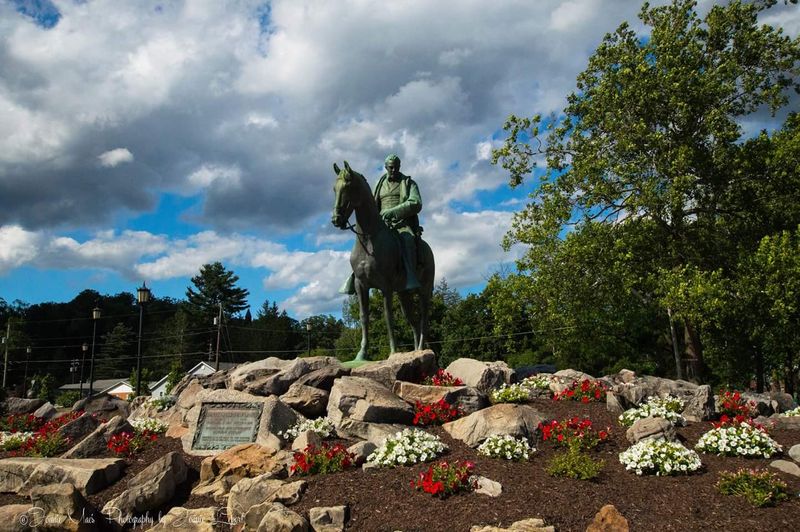
Mornings on the Blackwater’s edge make a straightforward argument for humility.
Stones carry a slick gloss that asks you to step with care, and the river keeps a steady, reasonable pace.
You listen because that is what the water requests, and listening is the currency that spends well in this town.
Anglers arrive with quiet gear and a practiced economy of motion.
A greeting is exchanged without fuss, and then everyone looks back to the water.
If someone knows a bend that fishes better, the knowledge rides home in the same truck that brought it.
Nearby, the spruce line deepens like a chorus that prefers harmony to solos.
You think about the population number from the 2020 census and how smaller communities understand stewardship in daily increments.
The bank holds coffee rings on flat rocks, proof that mornings have been earned here for years.
When the sun reaches the surface, the colors shift from pewter to something kindly.
You return to town along a path that keeps puddles on the left and wildflowers on the right.
Whatever secrets you heard become simple courtesies, and you carry them exactly that way.