
Why No One Talks About This Quiet Coastal California Town
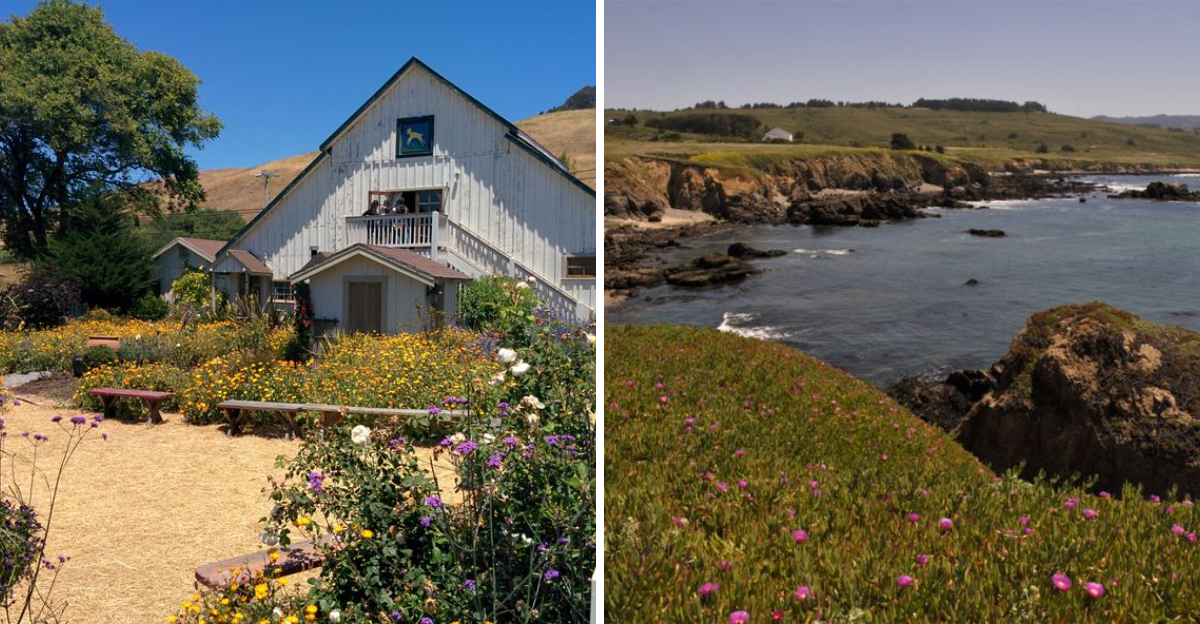
Pescadero sits along California’s coast like a secret someone forgot to share.
Only 595 people call this unincorporated town home, and most travelers speed past it on Highway 1 without a second glance.
While nearby beach towns burst with tourists and traffic, Pescadero remains stubbornly quiet, wrapped in fog and farmland.
Here’s why this small San Mateo County community stays off the radar—and why that might be exactly what makes it worth finding.
A Coastal California Town That Still Feels Untouched By Mass Tourism
Pescadero refuses to play the game most coastal towns embrace.
While Santa Cruz builds boardwalks and Carmel polishes its galleries, this unincorporated community maintains a population under 600 and shows no interest in expansion.
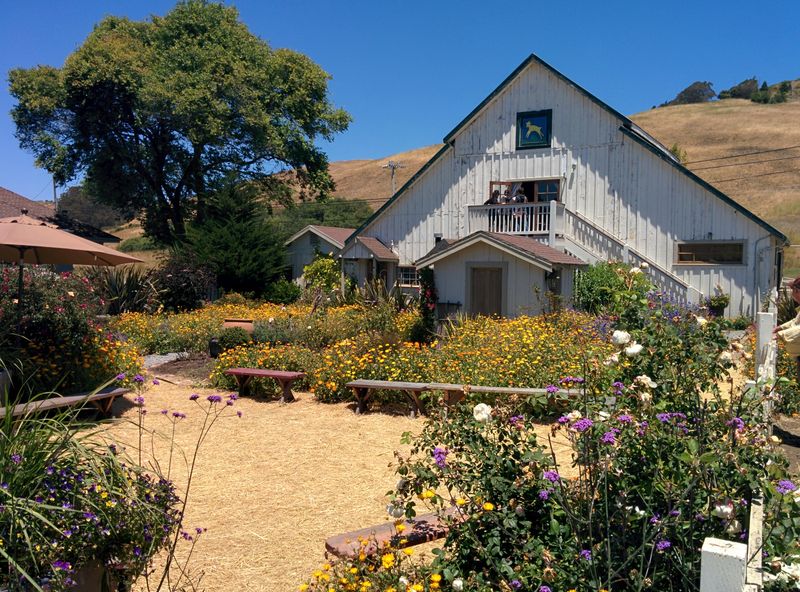
The main street holds a general store, a bakery, and a handful of buildings that look much as they did decades ago.
Visitors arriving here expecting boutique hotels or wine-tasting rooms will find dairy barns instead.
The town operates on its own rhythm, one dictated by agricultural cycles rather than tourist seasons.
There are no parking meters, no souvenir shops hawking branded sweatshirts, and no lines for overpriced lattes.
Where Farmland, Ocean Cliffs, And Small-Town Life All Meet
Geography here creates an unusual blend.
Drive two miles west from the town center and you hit Pescadero State Beach, where gray waves crash against dark sand.
Turn east and you’re surrounded by artichoke fields, pastures dotted with cattle, and roadside stands selling fresh vegetables.
This convergence shapes everything about the place.
Farmers wake before dawn to tend livestock, while surfers check the breaks at Pescadero Creek.
The town sits at 37.2551636, -122.3830152, positioned perfectly between agricultural tradition and coastal wilderness.
Neither side dominates; both coexist without much fuss or fanfare from the outside world.
Home To One Of The Quietest State Beaches On The California Coast
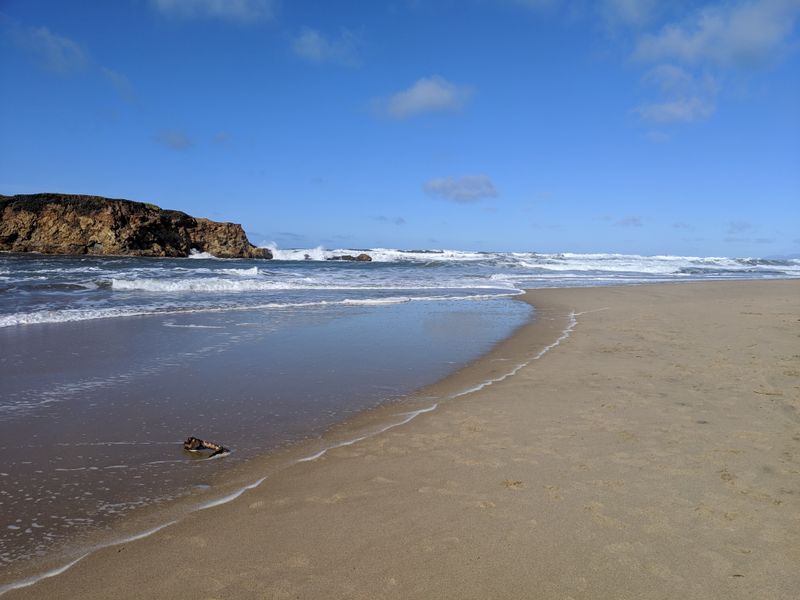
Pescadero State Beach sees a fraction of the foot traffic that floods nearby beaches.
On summer weekends when Half Moon Bay’s shores fill with umbrellas and volleyball nets, Pescadero’s stretch of coastline remains remarkably empty.
The beach runs long and wide, bordered by dunes and creek outflows that shift with the seasons.
Cold water and unpredictable currents keep casual swimmers away.
What remains are tide-poolers, bird-watchers, and the occasional surf fisherman casting into the break.
The parking lot rarely fills, even on holidays.
This isn’t a beach for sunbathing crowds; it’s a beach for people who prefer solitude over social scenes.
A Place Better Known For Dairy Farms Than Beach Resorts
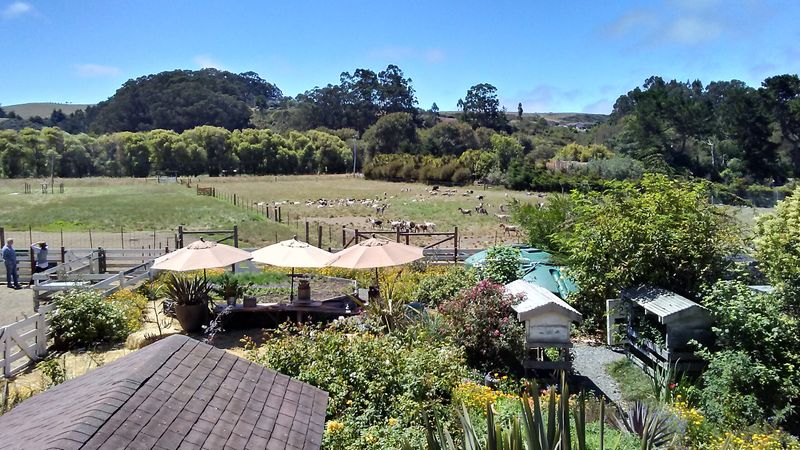
Agriculture defines this town more than tourism ever could.
Pescadero and the surrounding area have supported dairy operations for over a century, with family-run farms producing cheese, butter, and milk distributed throughout the Bay Area.
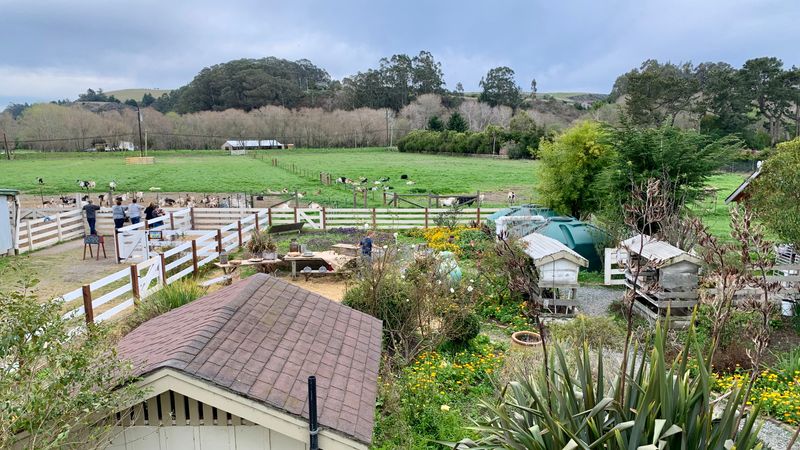
Harley Farms Goat Dairy offers tours, but even that feels low-key compared to Napa Valley’s polished vineyard experiences.
Driving through town means passing barns, not beach clubs.
The smell of manure mixes with salt air, a reminder that working land takes precedence here.
Visitors expecting coastal glamour will be disappointed.
Those who appreciate functional, unglamorous rural life will find Pescadero refreshingly honest about what it is.
Surrounded By Protected Nature Preserves Instead Of Hotels
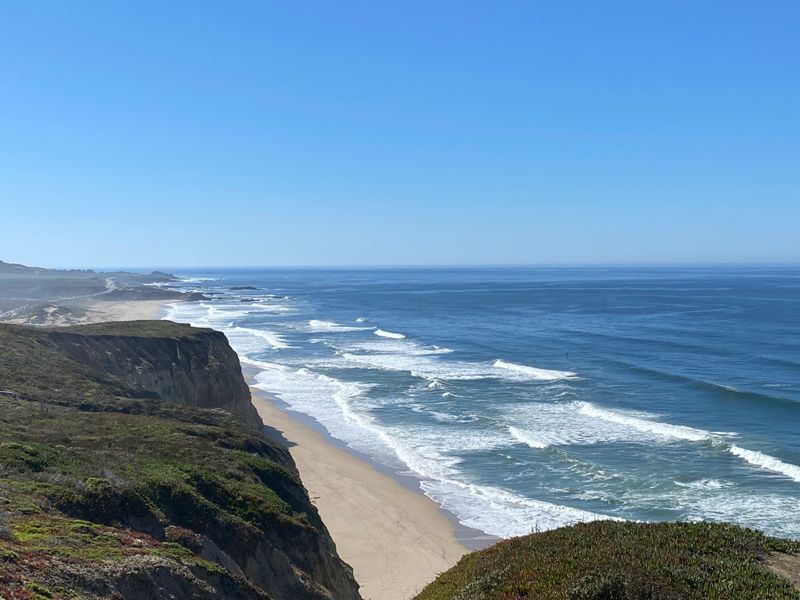
Development here runs into natural boundaries.
Pescadero sits within reach of several protected areas, including Butano State Park to the east and portions of the California Coastal Trail to the west.
These preserves limit expansion and keep the town small by design rather than accident.
Redwood groves, coastal scrubland, and wetland habitats create a buffer zone around the community.
Hikers and mountain bikers use these trails regularly, but few linger in town afterward.
The preserves serve dual purposes: protecting ecosystems and preventing the kind of resort construction that transforms quiet towns into crowded destinations.
Pescadero benefits from this arrangement, remaining tucked between wilderness rather than strip malls.
Just Minutes From Highway 1, Yet Somehow Easy To Miss
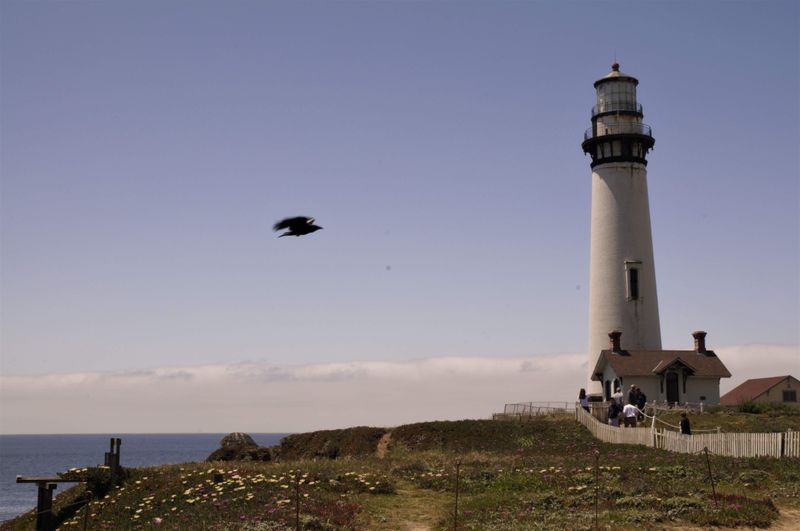
Pescadero Road connects the town to Highway 1, but most drivers never take the turn.
The intersection offers no dramatic signage, no billboard promising must-see attractions.
Located 14.4 miles south of Half Moon Bay, the town sits close enough to major routes yet far enough off the beaten path to remain overlooked.
Travelers heading toward Big Sur or returning to San Francisco rarely consider stopping.
GPS systems mention Pescadero as a reference point rather than a destination.
This invisibility protects the town from casual drop-ins and preserves its character.
Only those who know to look for it actually find it, which suits the locals just fine.
A Coastal Community That Prioritizes Preservation Over Development

Growth isn’t a goal here.
Pescadero remains unincorporated, meaning it lacks the formal city government structure that often drives commercial development.
Decisions about land use favor conservation and agricultural continuity over new construction or retail expansion.
This approach keeps the town small and functional but not stagnant.
Longtime residents appreciate the stability, while newcomers drawn to the area often share similar values about maintaining the status quo.
There’s no push for boutique inns or trendy restaurants.
The community’s identity rests on what it preserves rather than what it builds, a philosophy increasingly rare along California’s coast.
A Town That Feels Like A Detour—And That’s Exactly The Point
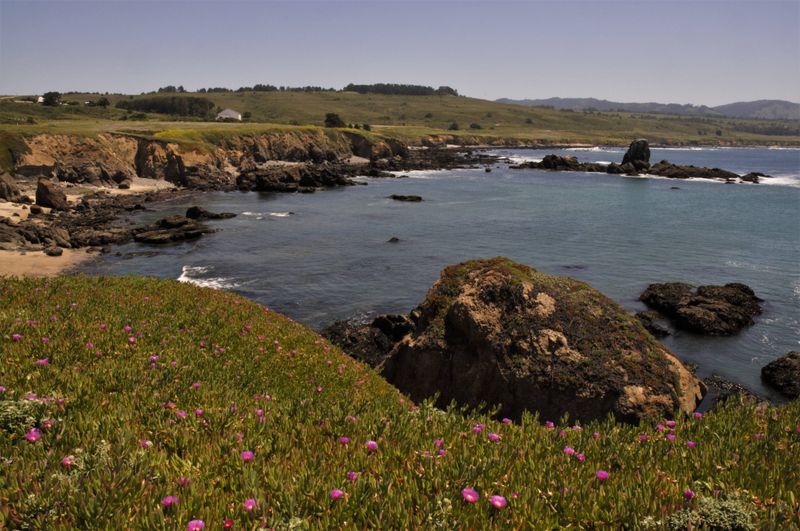
Pescadero doesn’t sit on the way to anywhere else.
Getting here requires intention, a deliberate choice to veer off the main route and explore something quieter.
The town rewards that choice with artichoke soup at Duarte’s Tavern, fresh-baked bread from Arcangeli Grocery, and coastal views earned through effort rather than convenience.
This detour quality filters the crowd.
Pescadero attracts people seeking alternatives to the typical California coastal experience, those willing to trade amenities for authenticity.
The town’s obscurity becomes its selling point, though no one here is actively selling anything.
It simply exists, patient and unhurried, waiting for those who care enough to find it.