
Why Residents Of Arizona’s Quiet Desert Outpost Say It’s Their Happy Place
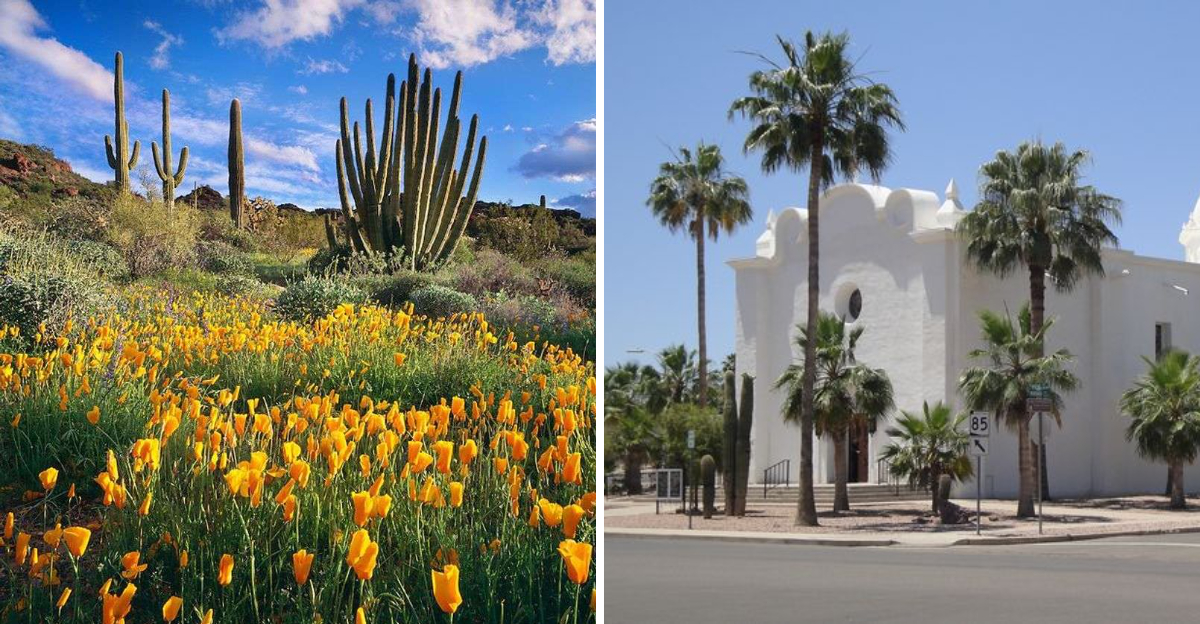
Tucked into the Sonoran Desert about forty-three miles north of the Mexican border, Ajo sits along State Route 85 like a secret someone forgot to share.
This unincorporated community in Pima County holds just over three thousand people, most of whom will tell you they wouldn’t trade their quiet outpost for any city skyline.
Copper built this town, but something deeper keeps folks rooted here, a rhythm that feels less rushed and more real.
Ajo Plaza: Slow-Town Heart Since 1917
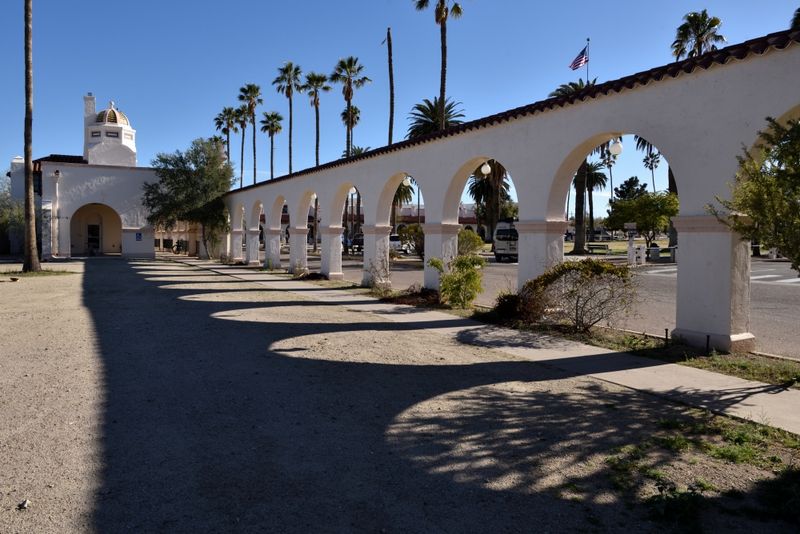
Built when copper was king, the plaza remains Ajo’s central gathering spot more than a century later.
White arches frame walkways that curve gently around a grassy square, where palm trees sway and benches invite lingering.
Locals stop by for morning coffee or evening strolls, greeting neighbors by name.
The plaza’s Spanish colonial revival design feels timeless rather than trendy, reflecting the mining company’s grand vision back in 1917.
Visitors often remark that time seems to move differently here, measured in conversations rather than appointments.
The Plaza Vibe: Shops, Snacks, And Hellos
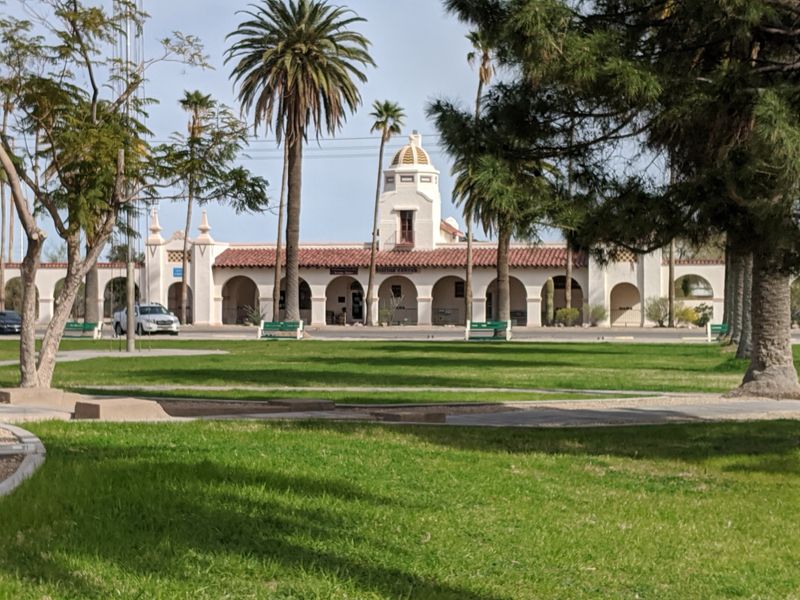
Around the plaza’s edges, small businesses operate at a pace that honors connection over transaction.
A handful of cafes serve breakfast burritos and strong coffee while shop owners chat with customers about everything except the weather.
You might find handmade jewelry, local art, or vintage curiosities depending on which door you push open.
The commercial activity feels unhurried, almost neighborly, as if profit takes second place to presence.
Residents appreciate this balance, where commerce exists without overwhelming the town’s essential quietness.
Curley School: From Campus To Creative Hub
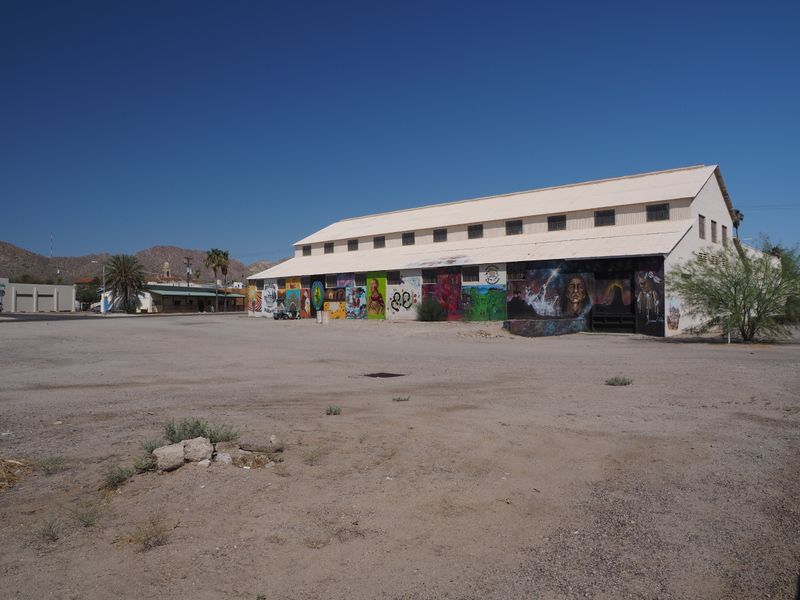
Once the pride of the Phelps Dodge mining operation, Curley School educated generations of Ajo children before closing its doors.
Rather than let the handsome building decay, the community transformed it into studio space for artists, writers, and makers seeking affordable rent and desert inspiration.
The conversion preserved much of the original architecture while adapting classrooms into working spaces.
Creative residents now occupy halls where algebra lessons once echoed, proving that buildings can have second acts as meaningful as their first.
Desert Quiet: Why Ajo Feels Like A Reset
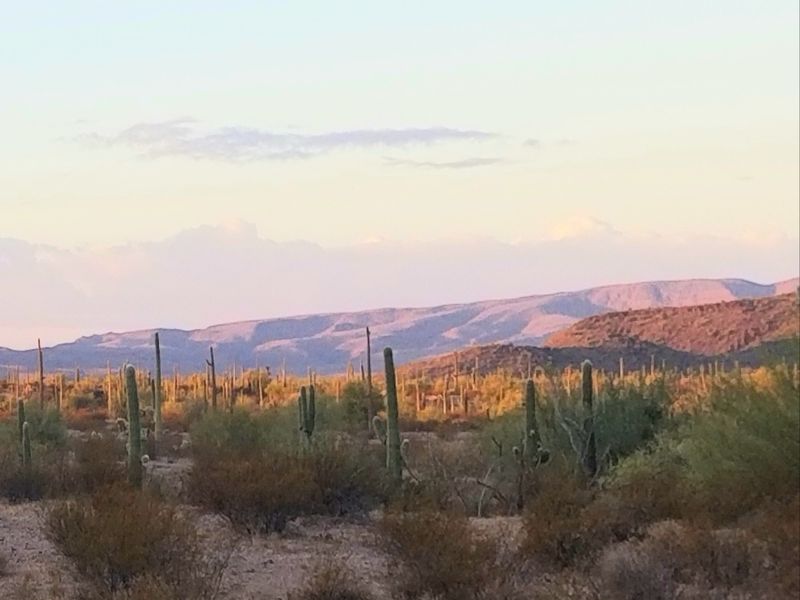
Miles separate Ajo from anything resembling urban sprawl, creating a silence that residents describe as medicinal.
Without highway noise or constant traffic, the desert’s own sounds become audible—wind through ocotillo, bird calls at dawn, coyotes at dusk.
Newcomers often notice they sleep more soundly here, as if the town’s remoteness grants permission to rest deeply.
The nearest city of any size sits over an hour away, which locals consider a feature rather than a flaw.
Gateway To Organ Pipe: Big Nature, Small Base
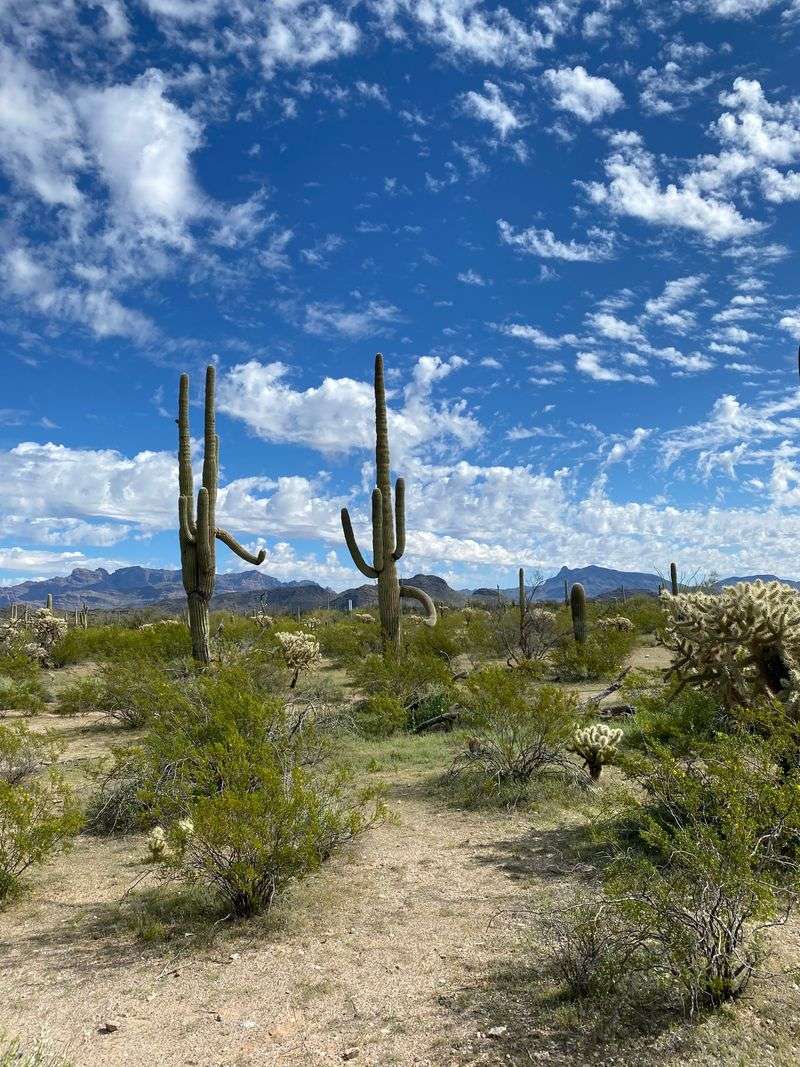
Organ Pipe Cactus National Monument sprawls just south of town, protecting over five hundred square miles of pristine Sonoran wilderness. Ajo serves as the practical launching point for visitors exploring this UNESCO Biosphere Reserve, offering the last gas stations, grocery stores, and lodging before the monument’s wild heart.
Residents take pride in living beside such protected beauty, often hiking or driving the scenic loops on weekends. The monument’s presence shapes local identity, reminding everyone why this patch of desert deserves protection.
Puerto Blanco Drive: Pure Sonoran Scenery
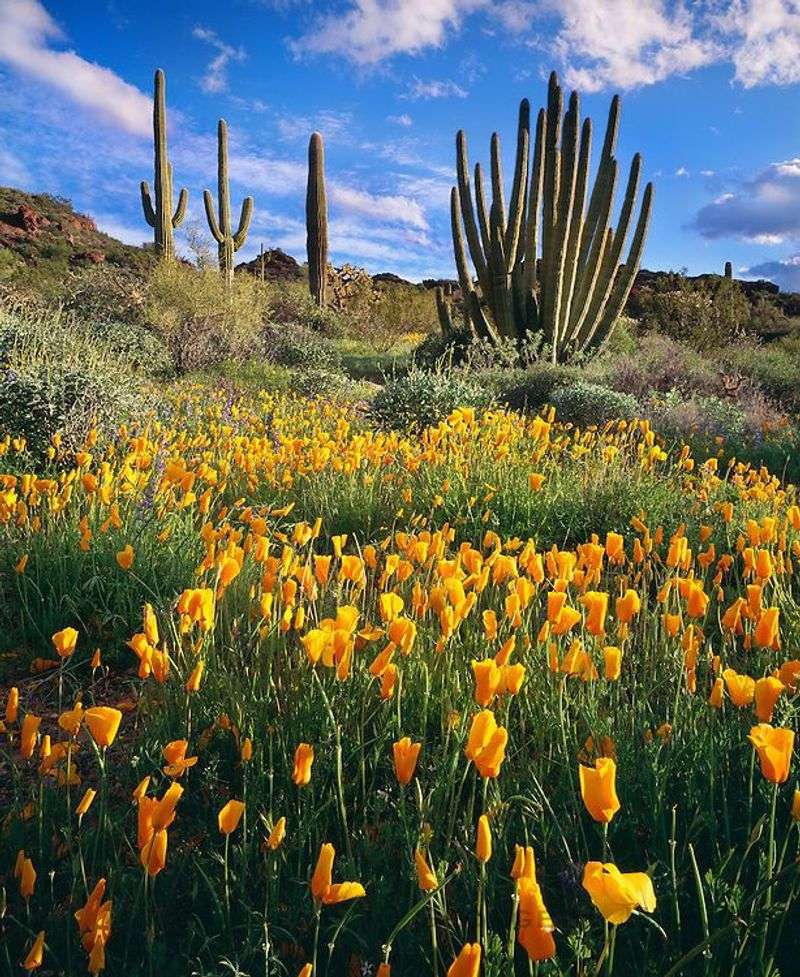
This fifty-three-mile loop through Organ Pipe rewards patient drivers with landscapes that feel almost prehistoric in their untouched grandeur. Rocky peaks rise suddenly from bajadas covered in saguaro, organ pipe, and teddy bear cholla, while the road itself remains unpaved in sections, demanding attention and slow speeds.
Ajo residents recommend starting early to avoid midday heat and carrying extra water regardless of season. The drive takes four hours minimum, longer if you stop to photograph every jaw-dropping vista.
Cabeza Prieta HQ: Wildlands Start Here
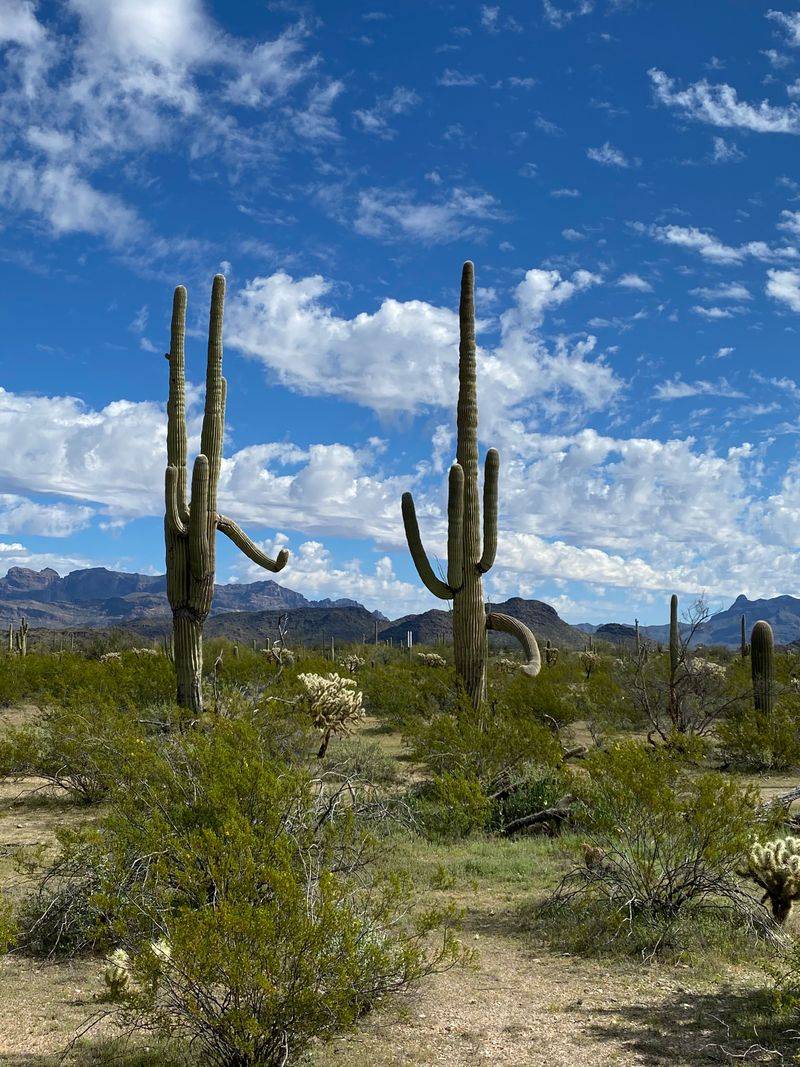
West of town, the Cabeza Prieta National Wildlife Refuge protects some of the most unforgiving terrain in North America across more than eight hundred thousand acres. The refuge headquarters in Ajo at 1611 North Second Avenue provides permits, maps, and stern warnings about the challenges awaiting those who venture inside.
Rangers stress that this refuge welcomes only prepared visitors, as summer temperatures exceed one hundred fifteen degrees and water sources remain nonexistent. Locals respect Cabeza Prieta’s harshness, viewing it as wilderness in its truest, most demanding form.
Permit-Only Desert: Truly Off-The-Map
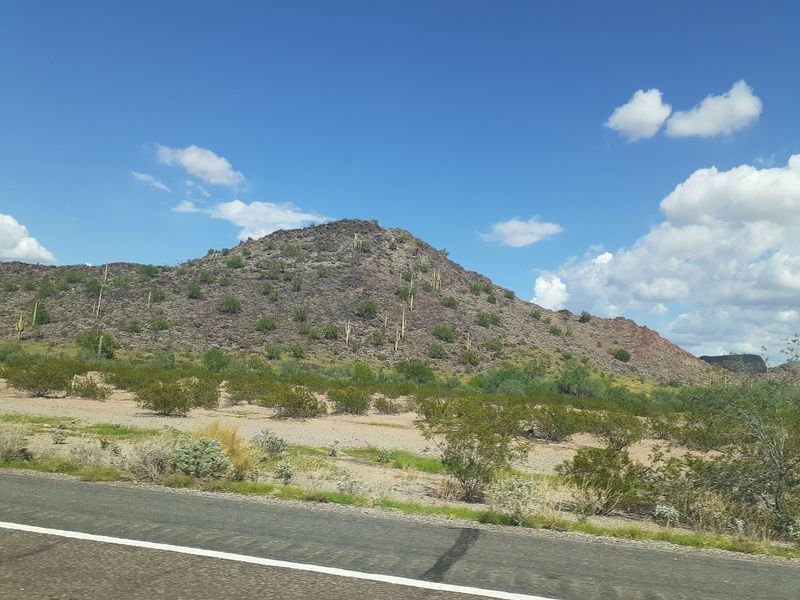
Unlike national parks with visitor centers and paved roads, Cabeza Prieta requires advance permits and accepts no casual drop-ins.
The refuge’s remoteness and danger level keep crowds away, preserving an experience of solitude increasingly rare in public lands.
Ajo residents occasionally venture in during cooler months, always traveling in groups with GPS devices and emergency supplies.
The permit system ensures that only serious desert travelers enter, which locals believe protects both the land and unprepared visitors from costly mistakes.
The Giant Mine View: Ajo’s Copper Story
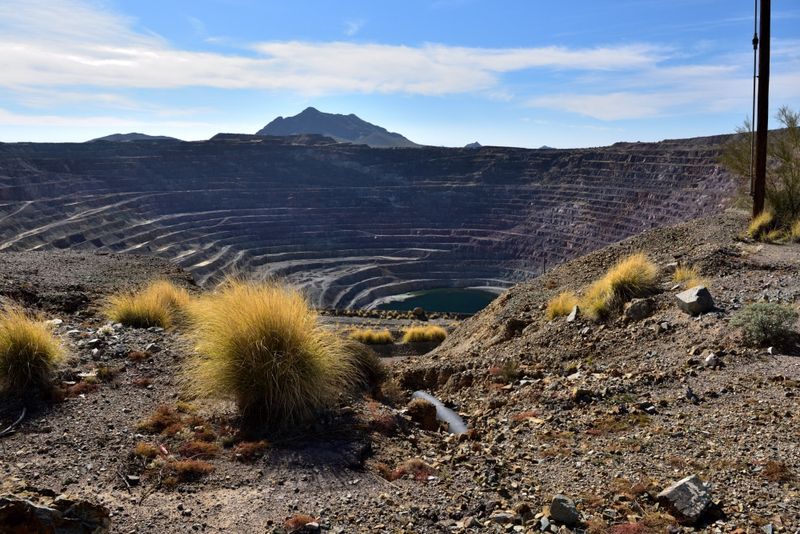
North of the plaza, the New Cornelia Mine’s terraced pit descends nearly eight hundred feet, a rust-colored monument to the copper boom that birthed modern Ajo.
Operations ceased in 1985, leaving behind this dramatic scar that residents view with complicated pride—evidence of both prosperity and environmental cost.
A viewpoint allows visitors to grasp the mine’s staggering scale while interpretive signs explain the extraction process.
Longtime residents remember when the pit hummed with activity, employing hundreds and defining the town’s entire purpose.
Immaculate Conception: Ajo’s 1927 Beauty
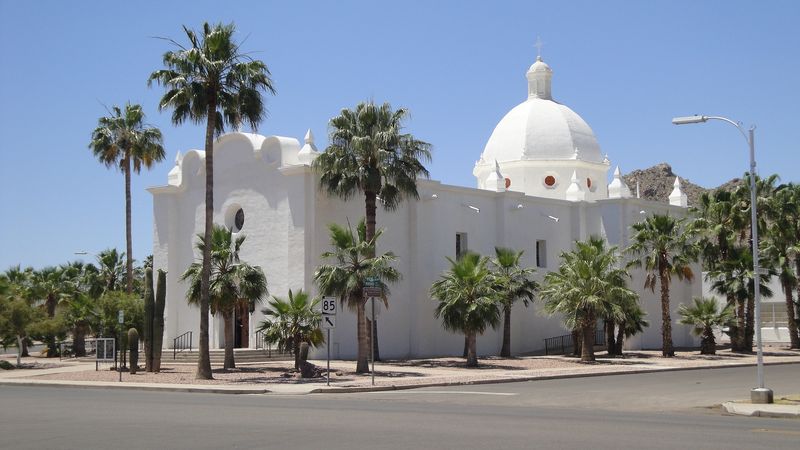
Rising gracefully near the plaza, this Spanish mission-style church has anchored Ajo’s spiritual life since the mining boom’s height.
Its white stucco walls and bell tower stand out against the desert browns and blues, visible from nearly every corner of town.
The building’s elegant proportions reflect the mining company’s investment in creating a complete community rather than a rough camp.
Services still draw faithful parishioners each Sunday, many from families who have worshiped here across four generations, maintaining traditions as enduring as the desert itself.