
Why This 2,680-Acre State Park In Indiana Remains Unknown To Most Residents
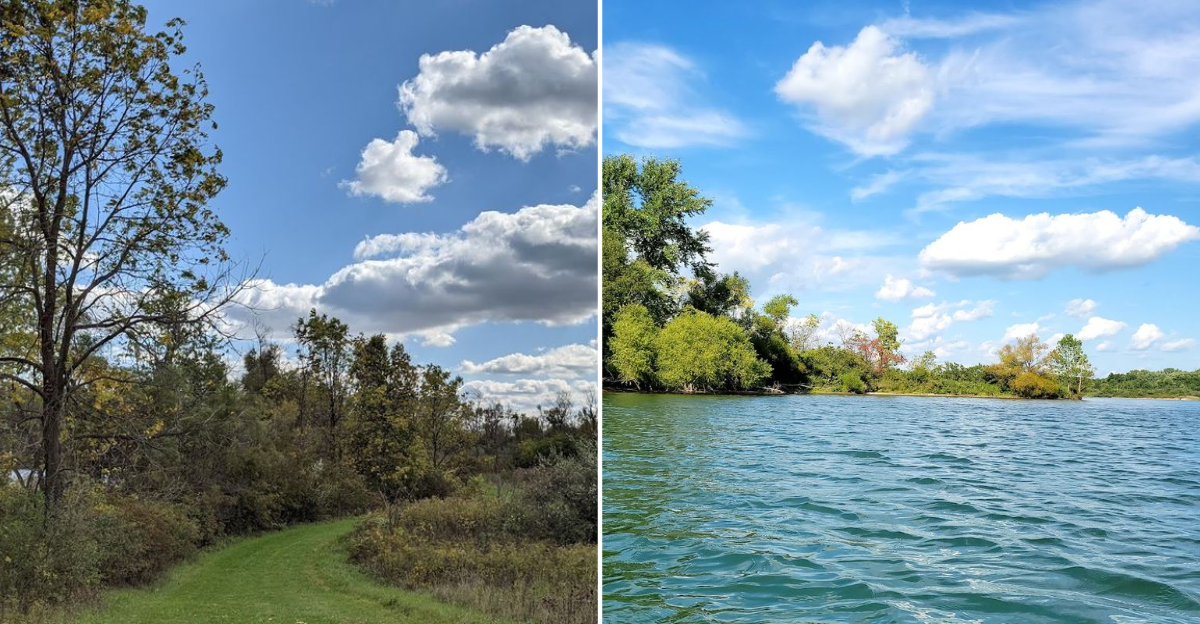
Indiana has a state park the size of a small city that most residents have never visited. Not because it is hard to reach.
Not because it is not worth the trip. Simply because nobody told them it was there.
That changes today. two thousand six hundred eighty acres sitting quietly in a state that tends to underestimate what it has. Trails that do not get crowded because the crowds never found out about them.
A landscape that takes longer to explore than most people budget for a day trip and rewards every extra hour they give it. Indiana has a habit of keeping its best outdoor spaces at a comfortable distance from public attention.
This park took that habit further than most. It grew to a size that should have made it impossible to miss and somehow remained off the radar of the very people who live closest to it.
The parking lot is rarely full. The trails are rarely busy.
The park does not mind. It has been here long enough to be patient about being discovered.
Flora Variety In Indiana State Parks
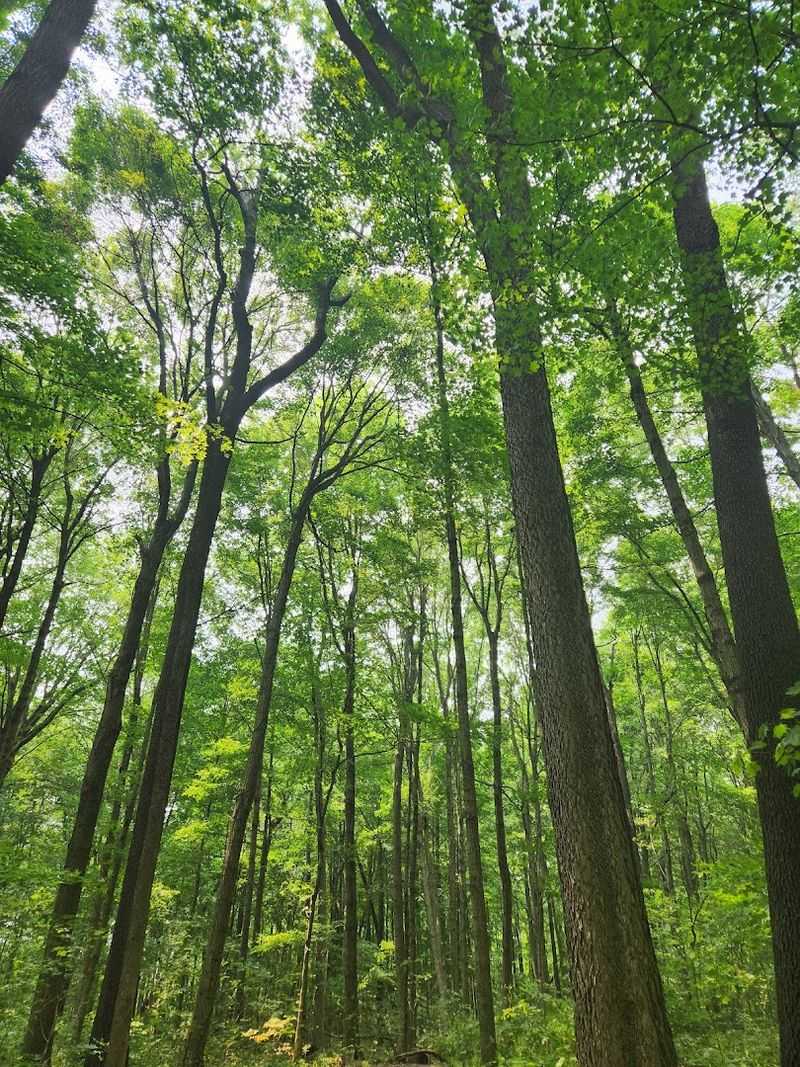
This state park is home to a surprisingly wide range of plant life. The park covers 2,680 acres of mixed habitats, including woodlands, wetlands, old fields, and restored prairie areas.
That variety means you get to see very different plant communities all in one visit.
The prairie restoration zones are especially worth noting. Native grasses and wildflowers have been carefully reintroduced here.
You will spot plants like big bluestem, goldenrod, and coneflowers swaying in the breeze.
The wetland edges support cattails, sedges, and water-loving shrubs. These areas act as natural filters for the lake and provide dense cover for wildlife.
Walking through them feels like stepping into a living science textbook.
The woodland sections feature oak, hickory, and maple trees. Understory plants like wild ginger and trillium pop up along shadier trails.
Spring is honestly the best time to catch the full floral show.
Zeigler Woods Nature Preserve, the only dedicated nature preserve in Henry County, sits right inside the park. It protects some of the most undisturbed plant communities in the region.
That alone makes Summit Lake stand out from most Indiana parks.
The park is located at 5993 N Messick Rd, New Castle, IN 47362. Open daily from 7 AM to 11 PM, it is easy to plan a full-day plant and nature walk without any rush.
Wildlife Species Found Across Acres
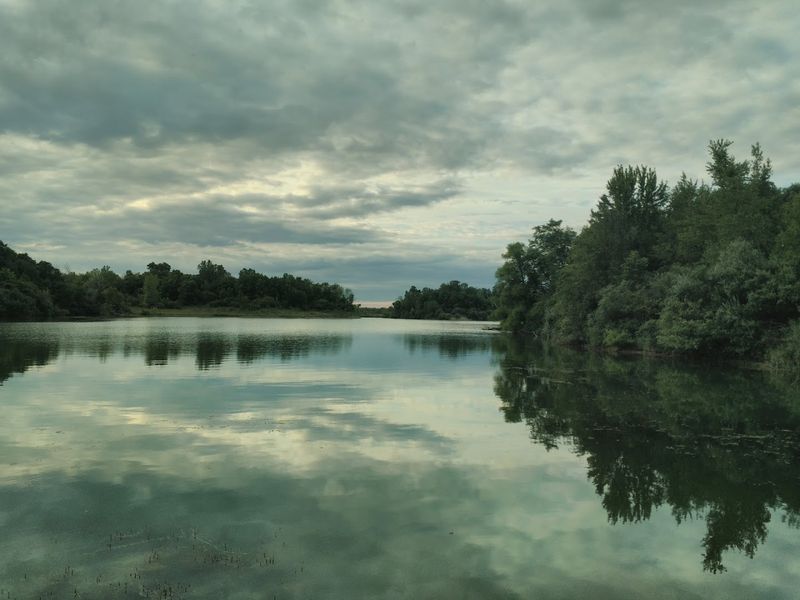
Summit Lake State Park supports over 100 bird species, and that number alone should have more people packing binoculars. Bald eagles, great blue herons, wood ducks, and even American white pelicans have all been spotted here.
That is a bird list that serious birders dream about.
The north side of the lake is a particularly good spot for eagle sightings. Deer are also commonly seen along wooded edges, especially in the early morning.
Minks have been spotted near the islands closest to the campground, which is a fun surprise for most visitors.
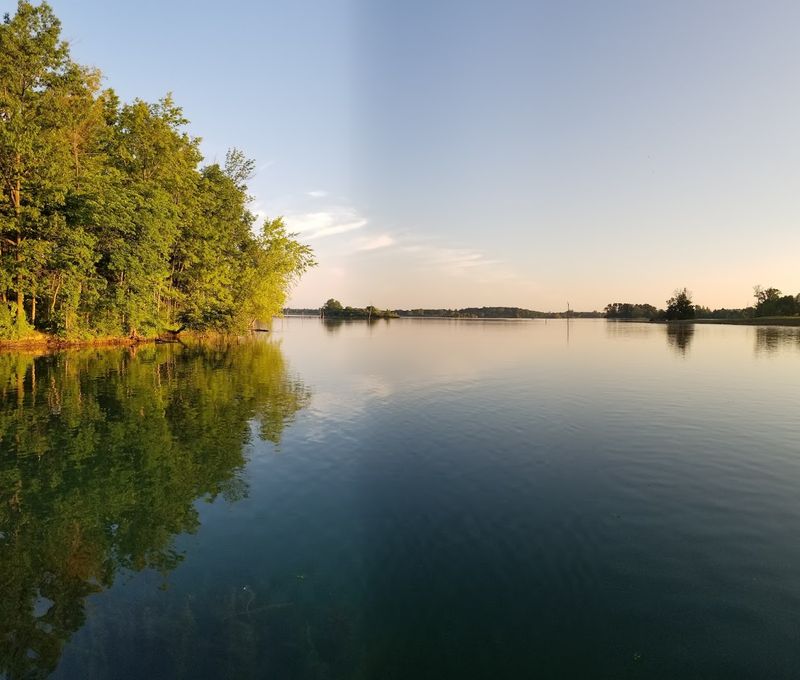
The lake itself is remarkably clear. You can actually see fish moving through the water, almost like watching an aquarium.
Walleye and perch are among the fish species that thrive here.
The mix of habitats is what drives this biodiversity. Wetlands, woodlands, open fields, and the lake all connect to create a rich ecosystem.
Each zone attracts different species, so wildlife encounters change depending on where you walk.
Migrating birds use the lake as a stopover during spring and fall. October is a particularly active month for birdwatching.
Cormorants, loons, blue-winged teals, and coots all pass through during migration season.
The beaver den near the lake is another highlight. Spotting a beaver going about its business in the wild is genuinely exciting.
This park delivers those moments more often than most people expect.
Recreational Activities To Engage Visitors
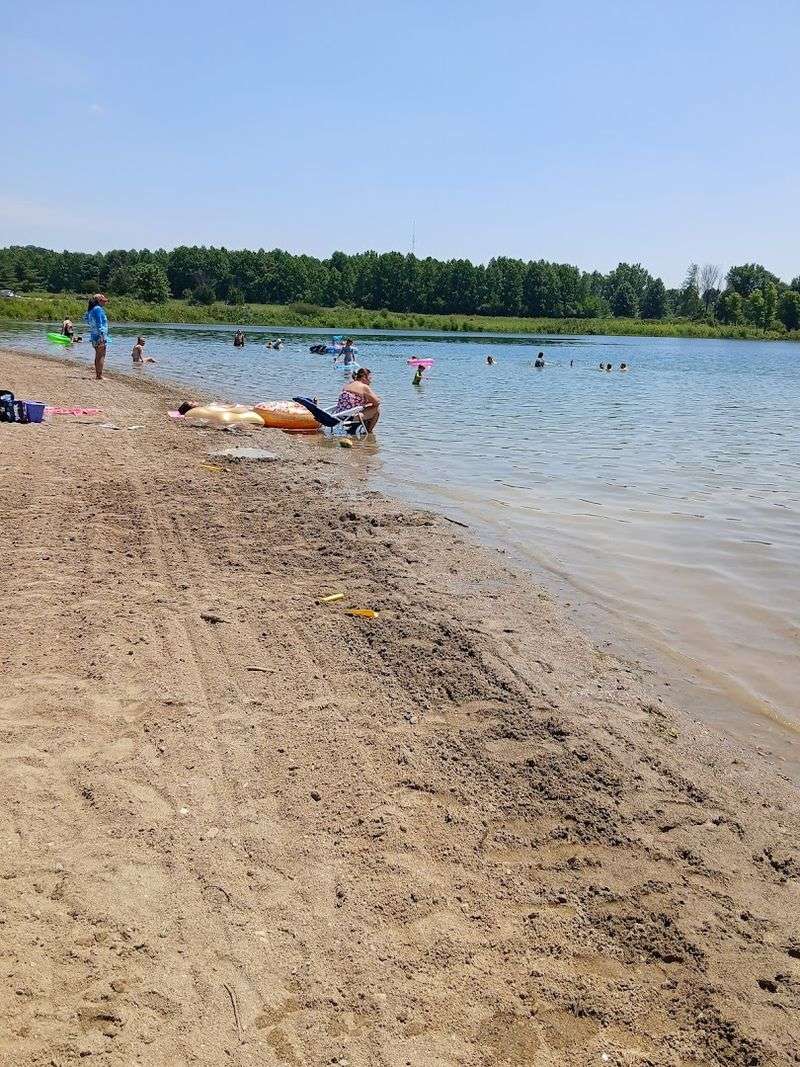
There is no shortage of things to do at Summit Lake State Park, which makes it even more puzzling that it stays so under the radar. The 800-acre lake is the centerpiece of most activities.
Boating is allowed, but the idle speed only rule keeps the water calm and safe for everyone.
Three boat ramps give easy access to the lake for fishing, kayaking, and canoeing. Kayak rentals are available on site, so you do not need to bring your own gear.
Paddling out to one of the small islands in the lake is a popular adventure, especially with kids.
The beach area is a real draw in summer. Swimming is available, and the water is known for being clear and clean.
Families regularly spend entire afternoons here without feeling rushed or crowded.
Fishing is arguably the park’s biggest draw. Walleye, perch, and other species make the lake well-stocked and rewarding.
You can fish from the shore, the docks, or a boat, depending on your preference.
Camping is another huge option, with 120 electric sites available. Some sites sit right on the water, giving you direct lake access from your campsite.
A bait shop and boat rental facility on site make it easy to gear up without leaving the park.
Picnic shelters and grills are scattered throughout the grounds. Whether you want a quiet lunch by the water or a full family cookout, the setup here works well for both.
Seasonal Changes And Their Impact
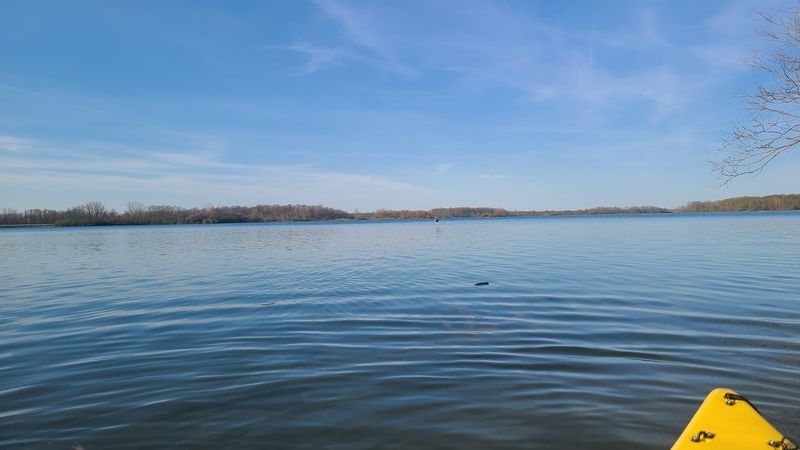
Each season transforms Summit Lake State Park into a completely different experience. Spring brings wildflower blooms, migrating birds, and fresh green growth across every habitat.
The lake fills with activity as fish become more active and wildlife returns from winter hiding.
Summer is peak season for obvious reasons. The beach gets busy, boats fill the lake, and campgrounds book up fast.
Even at its busiest, the park feels far less crowded than places like Brown County or Indiana Dunes.
Fall is genuinely one of the best times to visit. October birdwatching is outstanding, with migrating species stopping at the lake in impressive numbers.
The foliage around the shoreline turns brilliant shades of orange, red, and gold, making every trail walk feel like a painting.
Winter visits are quiet and surprisingly rewarding for those who enjoy solitude. The park stays open, and the bare trees give you cleaner sightlines for spotting wildlife.
Bald eagles are actually easier to see in winter when the leaves are gone.
The seasonal shifts also affect the prairie restoration areas. Summer showcases native wildflowers in full bloom, while fall turns the grasses to warm amber tones.
Even in winter, the dried seed heads of native plants add texture to the landscape.
Planning your visit around the season you enjoy most is easy here. The park runs from 7 AM to 11 PM daily, giving you plenty of daylight hours across all four seasons to explore at your own pace.
Conservation Efforts For Natural Preservation
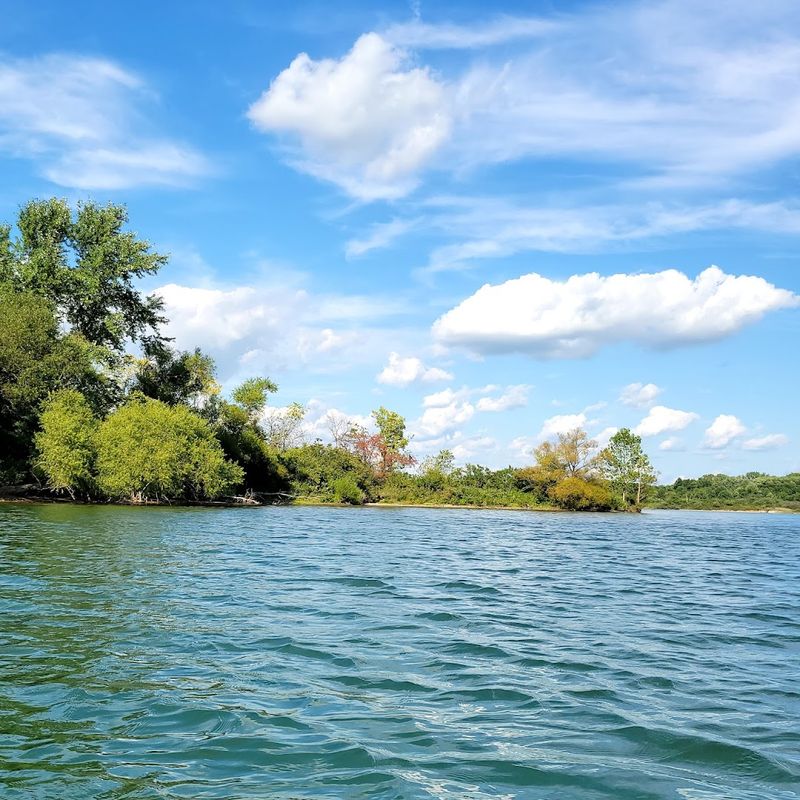
Summit Lake State Park takes conservation seriously, and that commitment shows in how the park looks and feels. The shoreline has intentionally been kept free of vacation homes, marinas, and commercial development.
That decision alone preserves the natural character that most lakeside parks have long since lost.
Zeigler Woods Nature Preserve, located within the park boundaries, is Henry County’s only dedicated nature preserve. It protects undisturbed woodland habitat and serves as a baseline for what native Indiana ecosystems look like without heavy human interference.
Visiting it feels like stepping into a protected pocket of the past.
Prairie restoration is an active and ongoing project here. Native plant species have been reintroduced to old field areas, replacing invasive plants with grasses and wildflowers that belong in this region.
This kind of restoration work takes years of effort and careful management.
The idle speed rule on the lake is a conservation measure as well as a safety measure. Slower boat speeds reduce shoreline erosion and minimize disturbance to nesting birds and aquatic life.
It is a small rule that makes a big difference over time.
Wetland areas within the park act as natural water filtration systems. They trap sediment and nutrients before they reach the lake, helping maintain the remarkable water clarity that visitors notice immediately.
That clarity is not accidental. It is the result of deliberate habitat management.
The park’s relatively low visitor numbers also help preserve its natural state. Less foot traffic means less soil compaction, less trail erosion, and more undisturbed wildlife habitat across all 2,680 acres.
Water Bodies And Their Role In Ecosystems
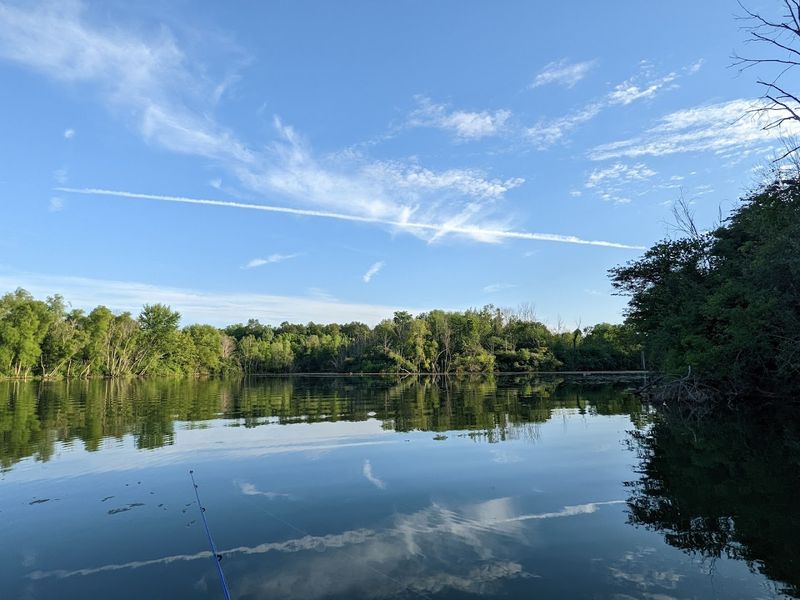
The 800-acre lake at the center of Summit Lake State Park was created in 1980 for flood control and recreation.
That origin story is interesting because the lake was man-made, yet it has developed into a rich and thriving natural ecosystem over the past four decades. Nature has a way of claiming its space back.
The water clarity here is one of the most talked-about features of the park. You can see through to the bottom in shallow areas, and fish are visible moving through the water column.
That level of clarity reflects genuinely healthy water quality managed through surrounding wetlands and careful park stewardship.
Wetlands along the lake edges play a critical supporting role. They slow water runoff, filter pollutants, and provide habitat for amphibians, birds, and aquatic insects.
Without those wetland buffers, the lake would look and function very differently.
The lake also supports a diverse fish population. Walleye and perch are the headline species, but other fish thrive here too.
The combination of clear water, proper depth, and aquatic vegetation creates ideal conditions for a healthy fishery.
Small islands within the lake add another layer of ecological value. They provide undisturbed nesting and resting spots for waterfowl and other wildlife.
Paddling out to those islands is a popular activity that puts you right in the middle of that ecosystem.
The lake serves as a migration stopover for waterbirds moving through Indiana. American white pelicans, loons, and cormorants all use it seasonally.
A single lake doing that much ecological work is genuinely impressive.
Walking Trails And Hiking Opportunities
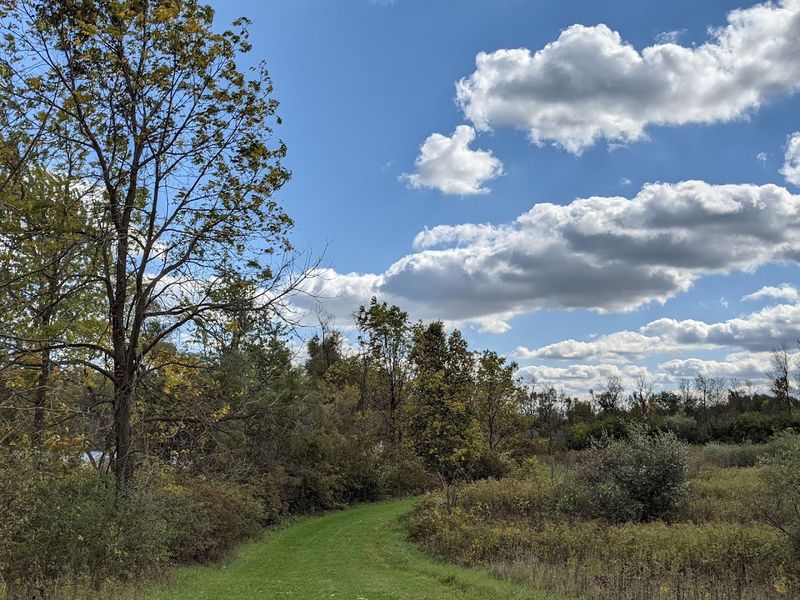
Summit Lake State Park has around five to six hiking trails covering a mix of terrain and scenery. The trails are generally short and easy, making them accessible for families, beginners, and casual walkers.
That accessibility is actually a strong selling point rather than a weakness.
Trail surfaces vary between gravel and grass paths, and all are well-marked. You will not need a compass or advanced navigation skills to get around.
Clear signage keeps things simple and stress-free for first-time visitors.
Some trails wind through wooded areas where oak and hickory trees create a cool canopy overhead. Others pass through open prairie restoration zones where native grasses and wildflowers line the path.
The variety keeps each walk feeling distinct from the last.
Trails near the lake offer some of the best views in the park. You get unobstructed sightlines across the water, especially in fall and winter when the trees are bare.
Those lake views are genuinely worth the short walk to reach them.
Birdwatching along the trails is exceptional. Over 100 species have been recorded in the park, and many are visible right from the trail without needing to venture off-path.
Bring binoculars, and you will not be disappointed.
The trails are short enough that you can cover the entire trail system in a few hours. That makes Summit Lake a great option for a half-day outing when you want nature without a full-day commitment.
Educational signs along some paths add extra context to what you are seeing.
Educational Programs And Community Involvement
Summit Lake State Park is not just a place to play outdoors. It actively works to connect visitors with the natural world through educational programming and community engagement.
That effort is easy to overlook when you are focused on the lake and trails, but it adds real depth to a visit.
Educational signage has been updated along trails and near key natural features. New signs help visitors identify native plants, understand prairie restoration goals, and learn about the wildlife species that call the park home.
Reading them turns a casual walk into something more meaningful.
The park hosts seasonal programs and guided activities that cover topics like birdwatching, fishing basics, and habitat ecology. These programs are designed to be approachable for all ages, not just kids on school field trips.
Adults regularly find them just as engaging.
Community involvement plays a role in how the park is managed and improved over time. Local volunteers participate in restoration projects, trail maintenance, and cleanup efforts.
That hands-on engagement builds a sense of ownership and pride in the park among nearby residents.
The park’s connection to Zeigler Woods Nature Preserve also creates opportunities for more focused natural history education.
The preserve represents a rare and protected ecosystem, making it a valuable outdoor classroom for schools and nature groups in the region.
Visitor programs are available year-round, not just in summer. Attending a fall birdwatching program or a spring wildflower walk is a completely different experience from a summer beach day.
The park rewards repeat visitors who want to keep learning something new each time.