
Why This Charming Minnesota College City Is Considered One Of The Most Livable In The Midwest
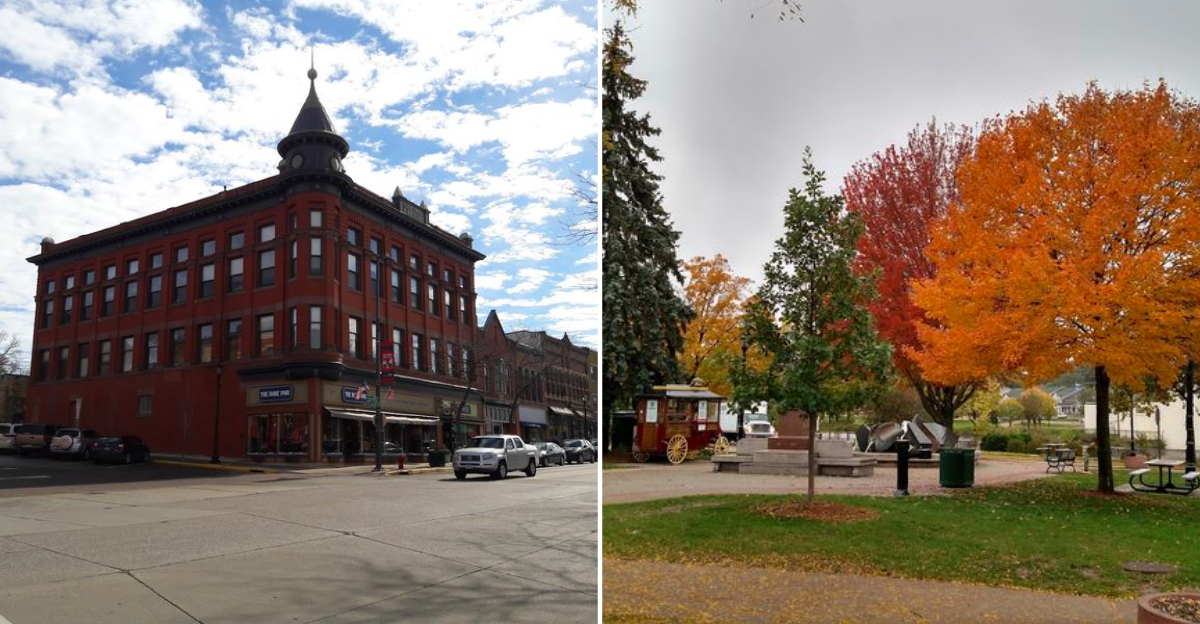
Graduation day comes and a significant number of students quietly decide not to leave. That pattern has been shaping this city for long enough to become its defining characteristic.
Minnesota college cities follow a predictable arc in most cases. This one diverged from that arc and built something that functions well beyond the academic calendar.
Restaurants and coffee shops operate at a pace that suggests a permanent population with real preferences. Parks and trails get used by people who live here, not just people passing through.
A downtown that stays alive year round and a cost of living that makes staying feel reasonable rather than like a compromise. A college city that grew into something the students didn’t expect to want and the longtime residents never wanted to leave.
Community Engagement And Social Activities
This place has a community vibe that is hard to fake. People here actually show up for each other.
The annual Defeat of Jesse James Days is a prime example. It draws thousands of visitors and celebrates local history through live re-enactments every September.
The event is quirky, fun, and completely Northfield. Beyond that big event, the city runs a steady calendar of neighborhood gatherings, farmers’ markets, and arts showcases.
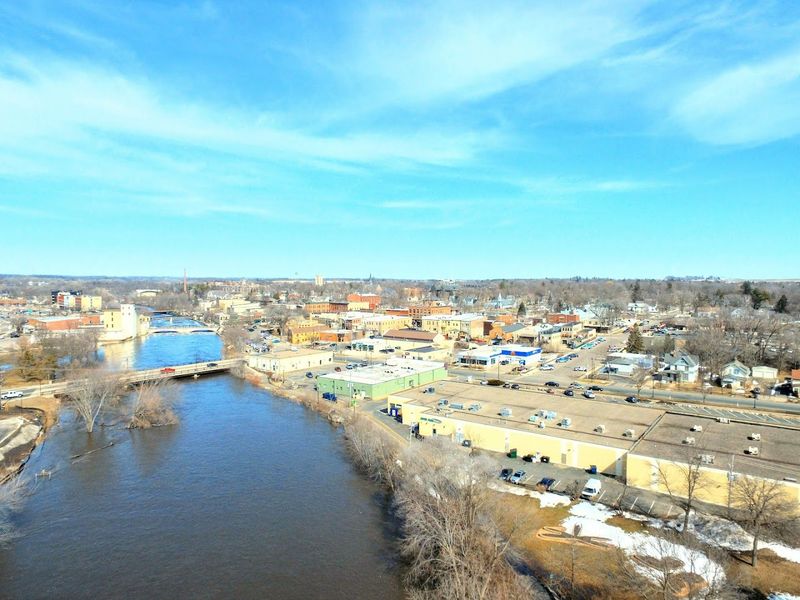
There is always something happening downtown near the Cannon River.
Local theater groups stay active year-round. Art galleries rotate fresh exhibits regularly.
Community boards welcome new voices and new ideas without much fuss.
Northfield also has a strong volunteer culture. Residents pitch in at food shelves, youth programs, and city planning meetings.
That kind of civic energy makes the city feel alive and connected.
Social clubs, book groups, and outdoor meetups pop up constantly. You rarely hear people say they are bored here.
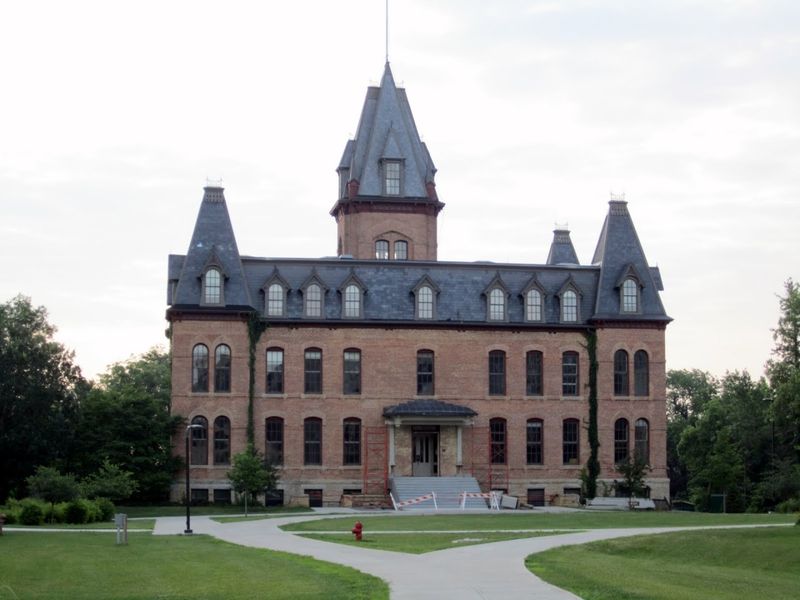
The college presence from Carleton and St. Olaf adds cultural programming that most small cities simply do not have access to.
Concerts, lectures, and film screenings happen regularly on both campuses and are often open to the public. Northfield is more than a zip code.
It is a place where showing up matters and people genuinely notice when you do.
Affordable Housing Options For Residents
Housing in Northfield is more reasonable than most people expect from a college city. The market offers a real range of options.
You can find older historic homes near downtown, newer builds on the city’s edges, and rental units close to campus.
Compared to the Twin Cities, prices here feel grounded. Families, young professionals, and retirees all find something that fits their budget.
That flexibility is one reason the population stays stable and growing.
The city has also backed affordable housing projects in recent years. Local government has worked with developers to keep entry-level homes available.
That kind of planning keeps Northfield from pricing out the people who make it work.
Rental inventory exists for students and newcomers who are not ready to buy. Apartments and smaller units are scattered throughout the city.
Many are within walking distance of shops, parks, and services.
Property taxes in Rice County are manageable compared to metro areas. Homeowners here often cite value for money as a top reason they chose Northfield.
The neighborhoods feel safe, clean, and well-kept without carrying a premium price tag.
Long-term residents build real equity here. The housing market holds steady even when broader trends shift.
For anyone weighing where to plant roots in Minnesota, Northfield makes a solid and practical case.
Access To Quality Educational Institutions

Two nationally ranked liberal arts colleges call Northfield home. Carleton College and St. Olaf College both sit within the city and consistently earn top marks in national rankings.
That is a rare thing for a city this size.
Both schools bring intellectual energy to everyday life here. Public lectures, art shows, and academic events spill out beyond campus walls.
Residents benefit from that culture without paying tuition.
The Northfield public school system is equally impressive. Graduation rates run about 15 percentage points above the Minnesota state average.
Around 85 percent of graduating seniors go on to post-secondary education after finishing high school.
That stat is not an accident. The schools here are well-funded, well-staffed, and genuinely committed to student outcomes.
Programs range from advanced academics to career and technical education tracks.
Elementary and middle schools in the district have strong community support. Parent involvement rates are high.
Teachers tend to stay, which keeps institutional knowledge intact and classrooms consistent.
For families moving to Northfield, the school question is usually the easiest one to answer. The system performs well across income levels and backgrounds.
It is one of the most cited reasons people choose this city over comparable options nearby.
Education here is not just a service. It is part of the city’s identity.
Northfield takes learning seriously at every age level.
Availability Of Recreational Facilities
Northfield has over 35 parks and open spaces spread across the city. That number is impressive for a city under 21,000 people.
Green space here is not an afterthought. It is built into the city’s layout and culture.
The trail system covers 22 miles and connects neighborhoods, parks, and natural areas. Biking, jogging, and walking routes are accessible year-round.
Maintenance stays consistent even through Minnesota winters.
The Cannon Riverwalk is one of the most popular spots in the city. It follows the river through downtown and offers a peaceful break from daily life.
Kayaking and canoeing are popular when the water is up.
The Mill Towns Trail extends well beyond city limits and connects Northfield to neighboring communities. It draws cyclists from across the region.
Long weekend rides along this route are a local tradition.
Winter does not slow things down here. Ice skating, cross-country skiing, and snowshoeing keep residents active when temperatures drop.
The city maintains several facilities specifically for cold-weather activities.
Carleton College’s Cowling Arboretum is open to the public and offers hundreds of acres of natural landscape. It is a favorite spot for hikers, birders, and anyone who needs quiet.
The arboretum feels like a hidden reward for living here.
Recreation in Northfield is accessible, varied, and genuinely enjoyable across every season.
Economic Opportunities And Job Market Trends
Unemployment here runs low. The workforce is highly skilled, partly because of the two colleges producing graduates who often stay in the area after finishing school.
The local economy blends education, healthcare, retail, and manufacturing. That mix keeps the city from being too dependent on any single sector.
Diversification is one reason Northfield weathers economic shifts better than many comparable towns.
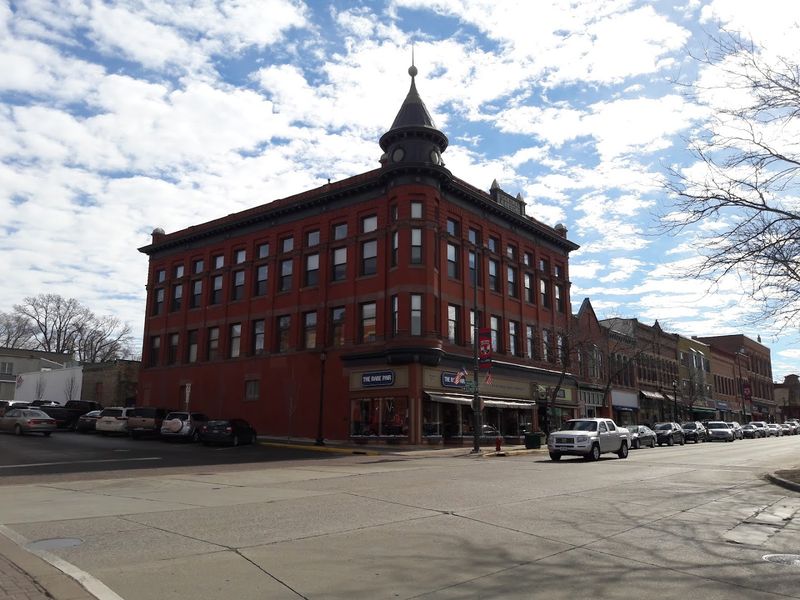
Small businesses line the downtown district and stay busy year-round. Local ownership is strong here.
Residents tend to shop local, which keeps money circulating within the community.
Healthcare is a growing sector in the region. Proximity to the Mayo Clinic in Rochester and major Twin Cities hospitals gives Northfield residents access to world-class medical careers nearby.
Some commute, while others find positions locally.
Remote work has also changed the picture here. More professionals are choosing Northfield for its quality of life while working for companies based in Minneapolis or elsewhere.
Fast internet and affordable workspace options support that trend.
Entrepreneurship gets real support in Northfield. Local organizations help new businesses get started.
The city government takes economic development seriously and works to attract employers that fit the community’s values.
Job seekers here find a market that rewards skill and education. The economic floor feels stable and the ceiling keeps rising.
Public Safety And Emergency Services
Northfield has a reputation for being one of the safer cities in Minnesota. Violent crime rates here sit well below the national average.
That is not a talking point. It shows up consistently in the data year after year.
The Northfield Police Department is community-oriented in its approach. Officers are visible downtown and in neighborhoods.
That presence builds trust rather than tension, which is something not every city gets right.
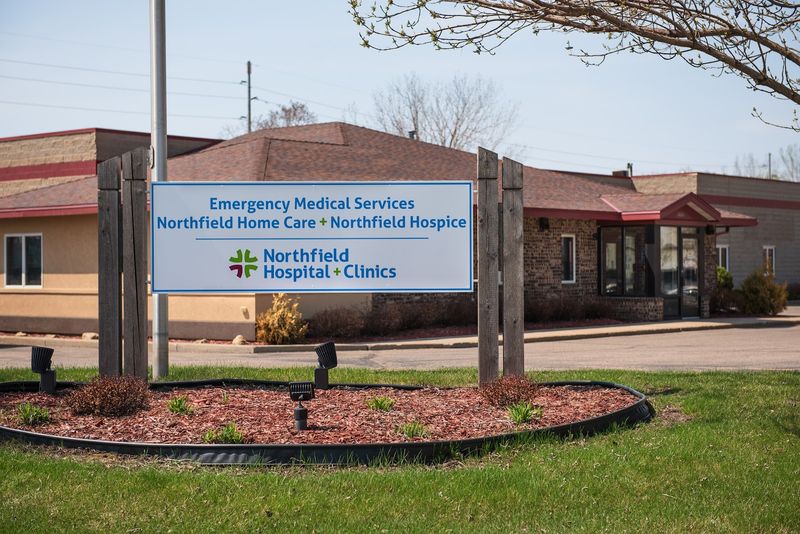
Emergency response times in Northfield are solid for a city of its size. The fire department and EMS teams are well-trained and well-equipped.
Residents rarely feel far from help when something goes wrong.
Community policing programs connect officers with schools, local organizations, and neighborhoods. That relationship-building pays off.
Crime prevention works better when people actually know and trust the people responding to calls.
The city also invests in mental health response resources. Crisis intervention training helps officers handle situations that need care rather than force.
That approach reflects a more modern understanding of public safety.
Neighborhood watch groups operate in several parts of the city. Residents take some ownership of their own safety.
That shared responsibility keeps things calm without making the city feel over-policed.
For families and individuals considering a move, safety ranks high on the priority list. Northfield consistently delivers on that front.
It is one of the most frequently cited strengths of living in this city.
Sustainability Initiatives And Green Spaces
The city has adopted sustainability goals that guide land use, energy, and transportation planning. These are not vague promises.
They show up in real policy decisions and visible projects.
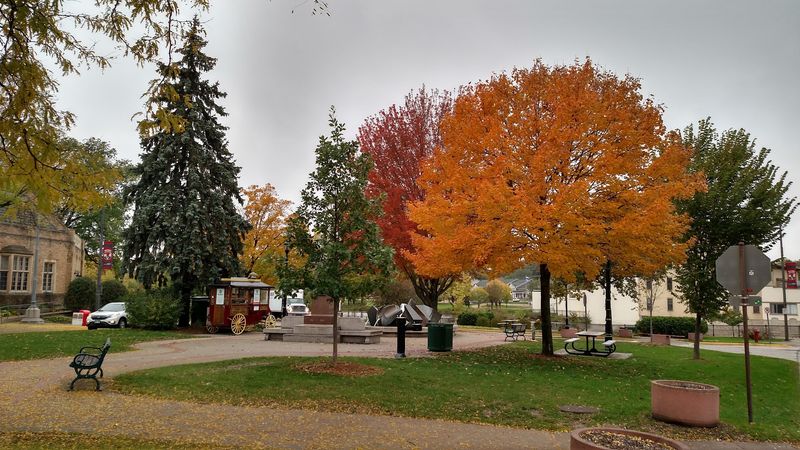
Green spaces are woven throughout the city. Parks, natural corridors, and the arboretum at Carleton College give residents regular access to nature.
That access is good for mental health, physical activity, and the local ecosystem.
The Cannon River corridor receives ongoing protection and restoration attention. Native plantings along the riverbanks help filter runoff and support wildlife.
The river itself is a community asset that the city actively works to preserve.
Both Carleton and St. Olaf colleges have strong sustainability programs. Campus initiatives often spill into the broader community through partnerships and shared resources.
The college models environmental responsibility, and Northfield follows that lead.
Composting and recycling programs operate citywide. Residents have access to drop-off sites and curbside options.
Participation rates are higher than average because the infrastructure actually makes it convenient.
Solar energy adoption has grown steadily in Northfield. Homeowners and businesses have taken advantage of state and local incentives.
The city encourages that shift as part of its longer-term energy goals.
Tree canopy coverage is maintained and expanded through city planting programs. Northfield understands that green infrastructure is not decoration.
It is a functional part of a healthy, livable city.
Transportation Infrastructure And Connectivity
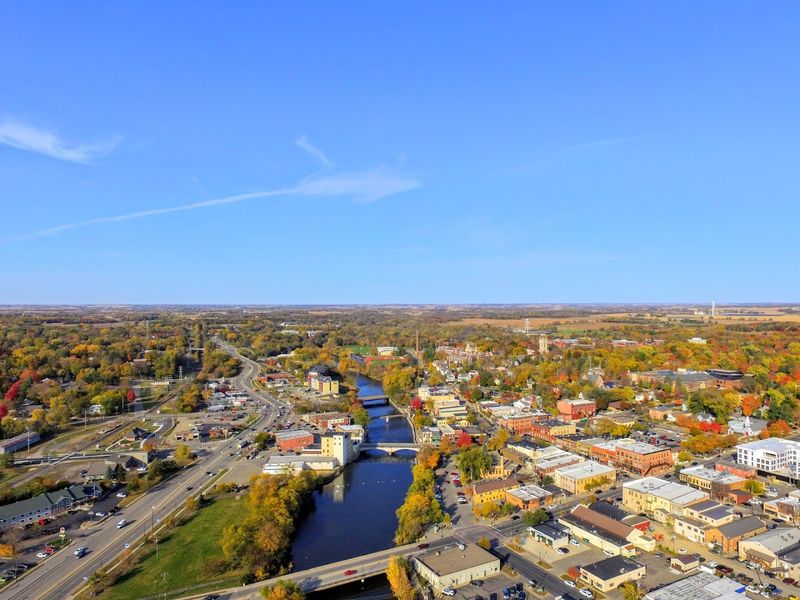
Northfield sits about 40 miles south of Minneapolis and St. Paul along Highway 3 and Interstate 35. That location makes commuting to the Twin Cities realistic for many residents.
The drive typically takes under an hour in normal traffic conditions.
The city’s internal street network is well-maintained and easy to navigate. Northfield is compact enough that most destinations are reachable in under 15 minutes by car.
That simplicity is something metro residents genuinely miss when they move away.
Bike infrastructure has improved steadily over the years. Dedicated lanes and paved trails connect neighborhoods to downtown and beyond.
Cycling here is a real transportation option, not just a weekend hobby.
Pedestrian-friendly design is built into the downtown core. Sidewalks are wide, crosswalks are marked, and the streetscape encourages walking.
Many residents run daily errands entirely on foot.
Public transit options exist through regional connections. Commuter services link Northfield to the broader metro area.
For car-free residents or those wanting to reduce driving, those connections matter.
The Mill Towns Trail connects Northfield to Faribault and other nearby communities by bike. That regional trail network expands transportation options beyond city limits.
It also supports tourism and local businesses along the route.
Road maintenance in Northfield is generally reliable. Winter plowing keeps major routes clear quickly.
Infrastructure investment here reflects a city that understands mobility as a quality-of-life issue.