
Why This Forgotten Oklahoma Bathhouse Still Makes Visitors Uneasy
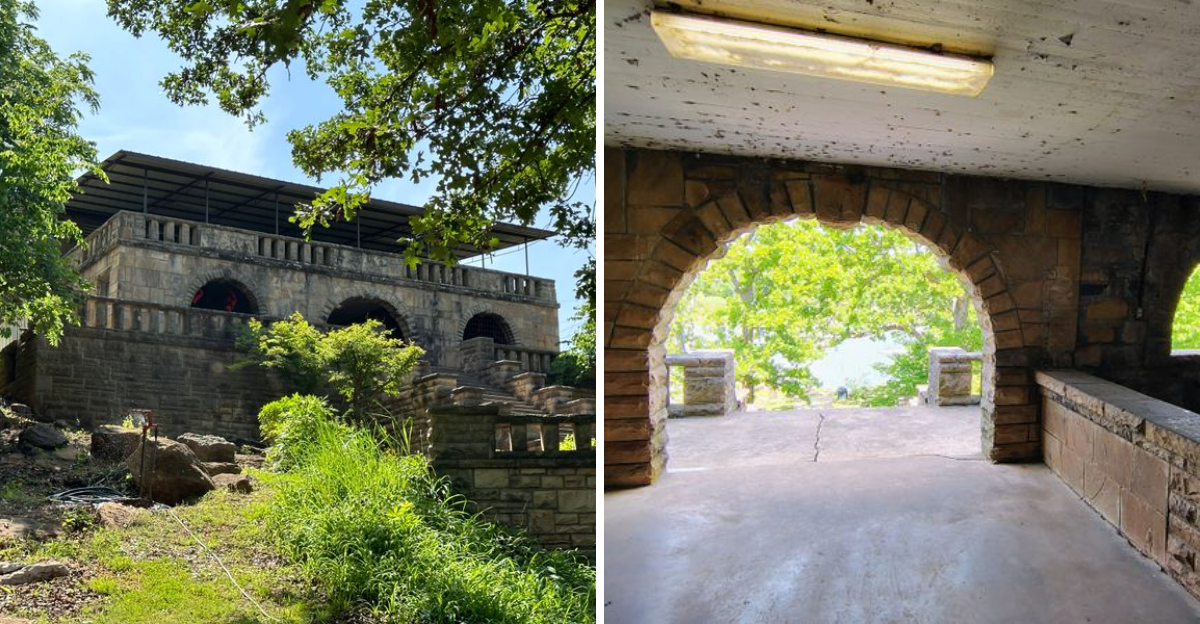
The Pawnee Municipal Bathhouse stands along the shores of Pawnee Lake like a relic from another era, its stone walls holding memories of simpler times and summer afternoons. Built during the Great Depression, this structure has welcomed generations of swimmers, yet something about its quiet halls and empty corridors can make even seasoned visitors pause.
The bathhouse operates today much as it did decades ago, but when the crowds thin and shadows lengthen across the water, an unmistakable atmosphere settles over the grounds that defies easy explanation.
The Forgotten Bathhouse On Pawnee Lake
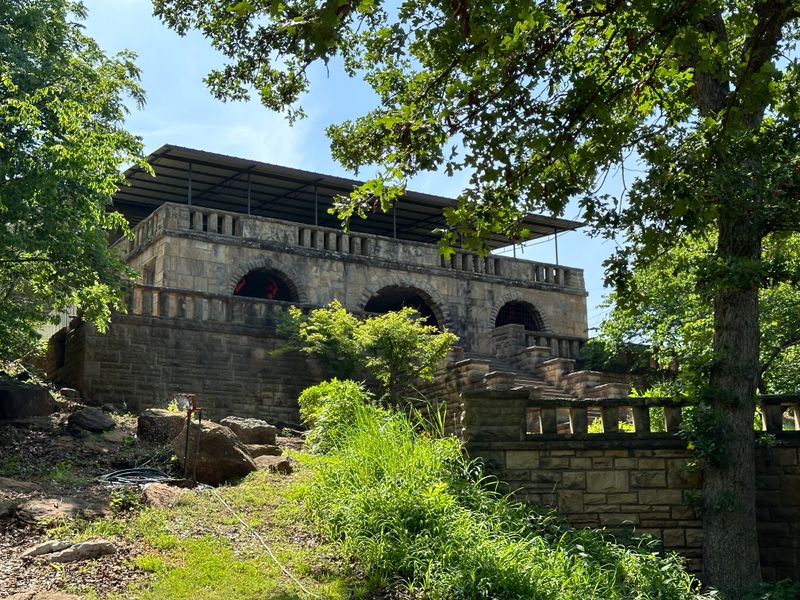
Located at 801 Pawnee Lake Road, the bathhouse sits in a landscape that time seems to have treated gently but not kindly. Visitors arriving for the first time often remark on the building’s solitary presence, standing apart from the modern world with an air of dignified neglect.
The structure overlooks water that reflects both sky and stone, creating a mirror image that can feel disorienting during certain hours of the day.
Families arrive throughout the summer months, drawn by affordable admission and lifeguarded swimming areas. Yet even on busy afternoons, there are corners of the property that remain stubbornly quiet, spaces where conversation seems to fade without reason.
The contrast between lively beach areas and silent stone corridors creates an experience that many find memorable for reasons they struggle to articulate.
Operating hours run from noon until six in the evening, seven days weekly during warmer months. The schedule itself contributes to the building’s mysterious quality, as mornings belong entirely to the structure and its history, undisturbed by human presence.
The WPA’s Role In Building The Pawnee Bathhouse
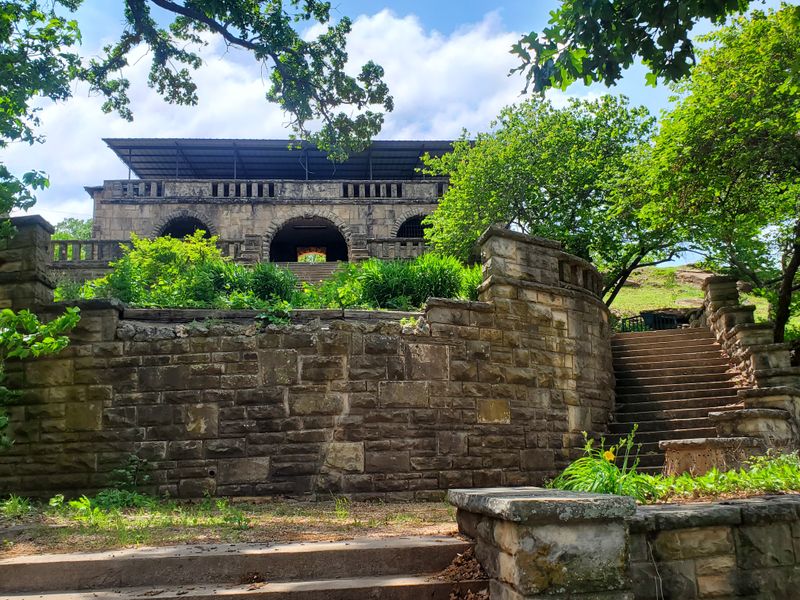
Construction began in 1939 under the Works Progress Administration, a federal program designed to provide employment during the Depression. Skilled craftsmen and laborers worked together to transform raw materials into something that would serve the community for generations.
The project represented hope during difficult years, a tangible promise that better days would arrive and that public spaces mattered even when private fortunes had collapsed.
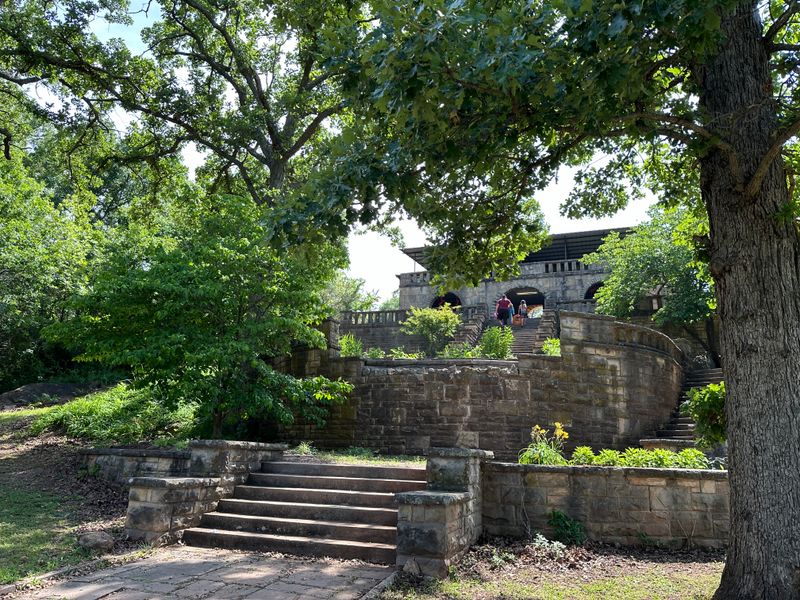
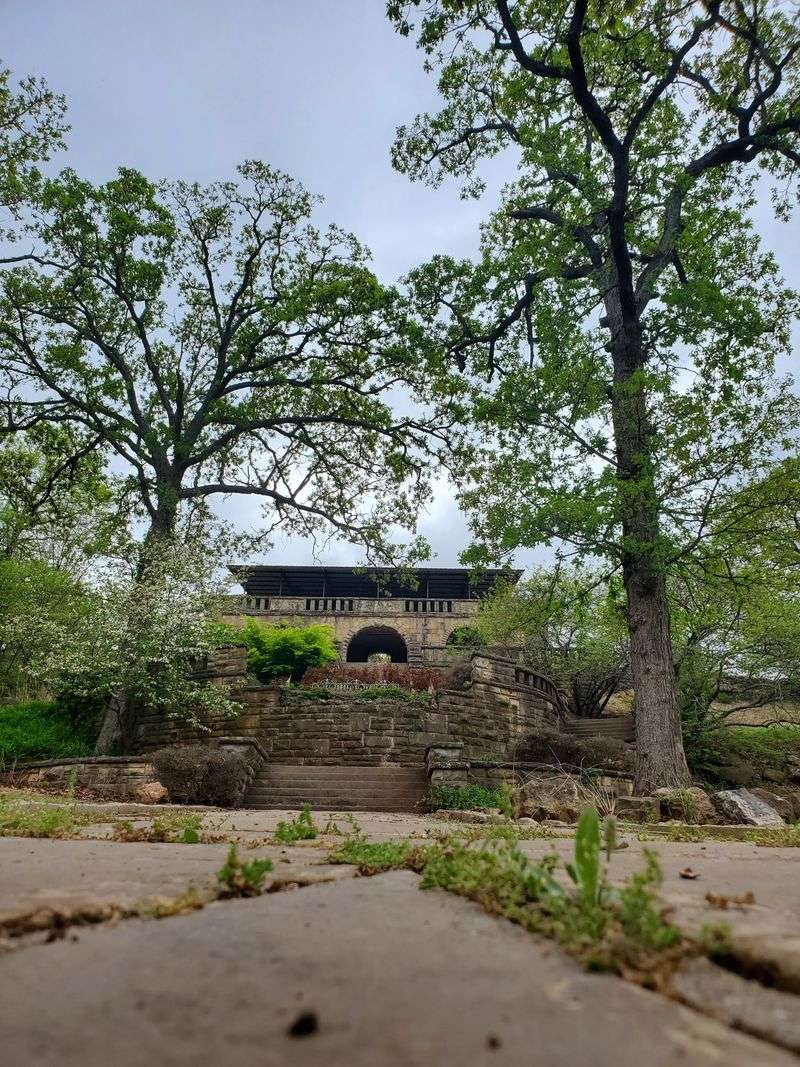
Records indicate that local stone was quarried and shaped on site, with workers taking pride in details that modern construction often overlooks. Each archway was carefully measured, every staircase planned to accommodate crowds that organizers hoped would come.
The building was designed not merely for function but as a statement about civic pride and the value of shared spaces.
Today, visitors who understand this history often report feeling the weight of those years pressing against them as they walk through the structure. The bathhouse stands as testimony to an era when labor meant something different, when public works were built to last centuries rather than decades.
Stone Craftsmanship: Pawnee Bathhouse’s Lasting Legacy
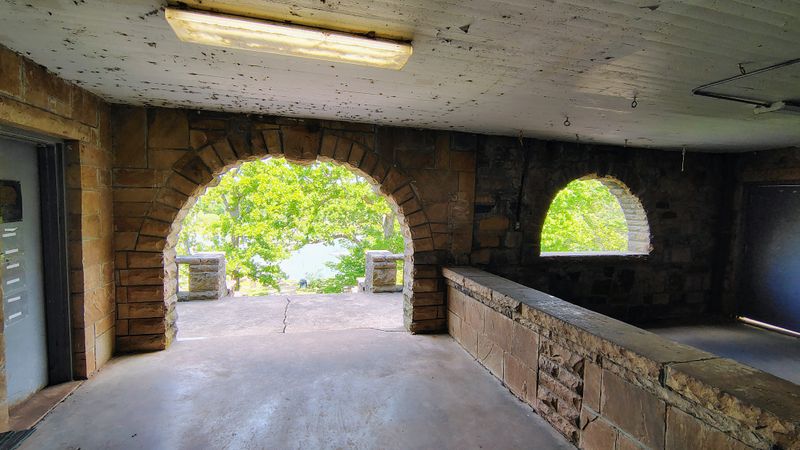
The stonework at Pawnee speaks to skills that have largely vanished from modern construction practices. Walls rise in patterns that demonstrate both structural understanding and aesthetic sensibility, with individual stones selected and placed according to principles that go beyond mere engineering.
Curved arches frame doorways and windows, their shapes holding steady after more than eight decades of weather and use.
Visitors with backgrounds in construction or architecture often spend considerable time examining these details, noting how the joints remain tight and the surfaces relatively smooth despite exposure to Oklahoma’s variable climate. The stone itself carries color variations that change with moisture and light, creating subtle shifts in appearance throughout the day.
Some describe an almost living quality to the walls, as though the building breathes with temperature changes.
This craftsmanship contributes to the uneasy feeling many report, as the quality of work suggests a permanence that modern structures rarely claim. The bathhouse was built to outlast its creators, and that reality becomes apparent in every carefully fitted stone.
Why The Pawnee Bathhouse Feels Uneasy In Silence
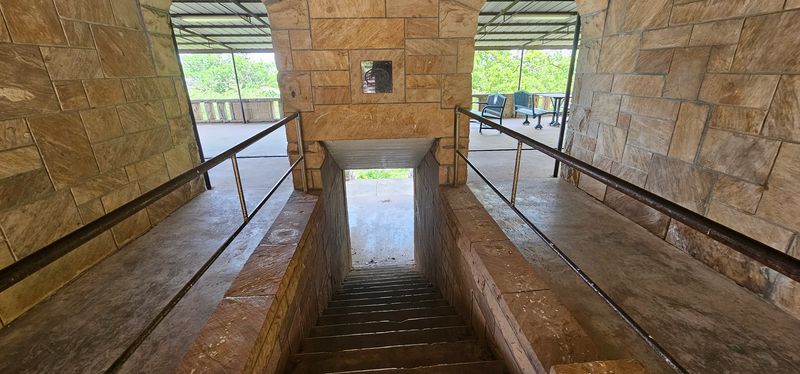
Silence at the bathhouse carries a particular quality that differs from ordinary quiet. Visitors arriving before opening hours or lingering after closing often mention how sound behaves strangely within the stone walls, with echoes arriving delayed or not at all.
Footsteps seem to carry further than they should, while voices sometimes fall flat against surfaces that should reflect them.
The building’s design creates pockets of shadow even during bright afternoon hours, spaces where light fails to penetrate fully despite open doorways and windows. These areas draw attention without offering explanation, corners where eyes are pulled repeatedly as though something just moved beyond peripheral vision.
Rational minds dismiss these sensations, yet they persist across different visitors and seasons.
Temperature variations add to the unsettling atmosphere, with cool air pooling in unexpected locations while other areas remain warm. The stone holds cold in ways that seem disconnected from weather patterns, creating microclimates within the structure that defy simple explanation.
Many visitors find themselves hurrying through certain sections without understanding why urgency suddenly feels necessary.
A Peek Into 1930s Oklahoma Through The Bathhouse
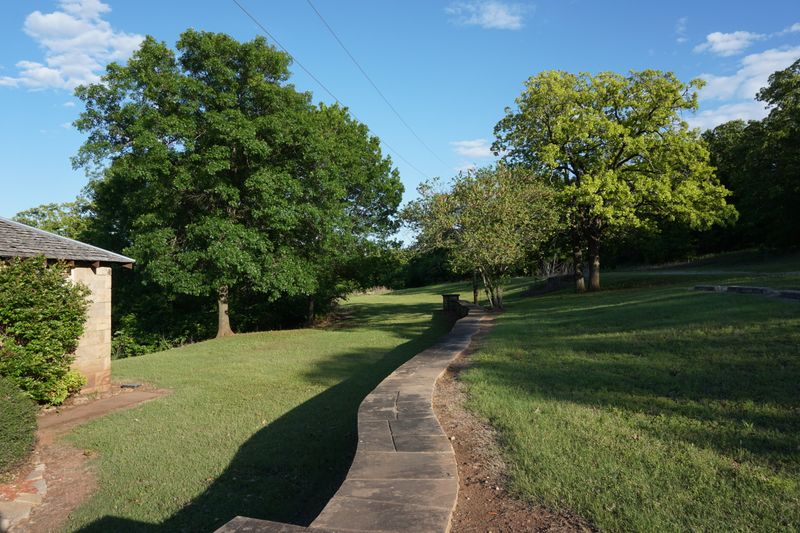
Understanding the bathhouse requires imagining Oklahoma during years when public swimming facilities represented luxury rather than expectation. Communities rallied around these projects, seeing them as symbols of progress and civilization in regions still finding their identity.
The Pawnee facility offered residents something beyond survival, a place where leisure became possible even for families with limited means.
Design elements reflect the era’s aesthetics and values, with spaces planned for modesty and order. Separate changing areas, wide staircases to accommodate crowds, and viewing areas for those who preferred to watch rather than swim all speak to social structures that have since evolved.
The building preserves these patterns in stone and space, creating a physical record of how communities once organized themselves around recreation.
Walking through the bathhouse today means moving through a time capsule that still functions. Children splash in waters their grandparents once enjoyed, following paths worn smooth by decades of wet feet.
This continuity creates odd moments of temporal displacement, particularly in quieter hours when the past feels uncomfortably present.
The Hushed Halls Of Pawnee’s Historic Bathhouse
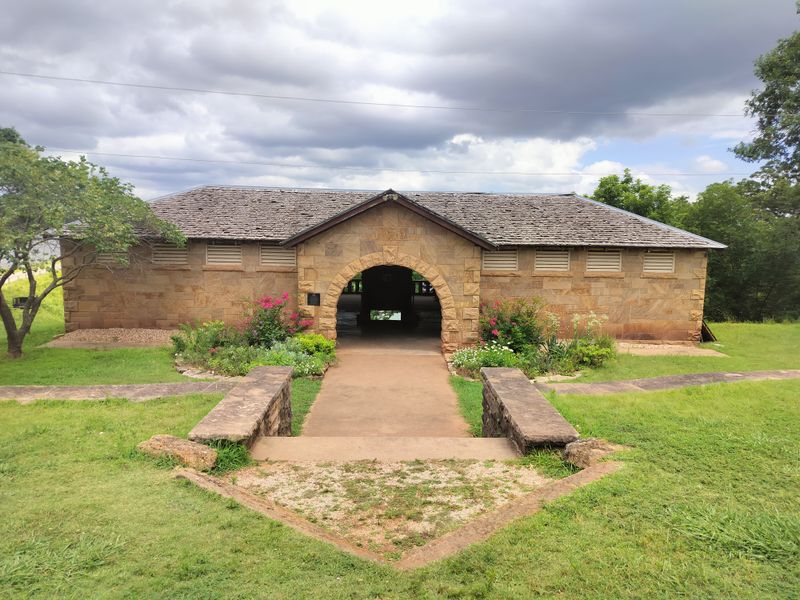
Interior corridors at the bathhouse maintain an atmosphere that resists the cheerful noise of summer crowds. Stone absorbs sound in ways that create dead zones where conversation requires effort, where laughter seems to dissipate before reaching its full volume.
Staff members working regular shifts report becoming accustomed to the acoustic peculiarities, learning which areas amplify sound and which swallow it entirely.
The hallways connect changing rooms to outdoor areas through passages that feel longer than their actual measurements suggest. Lighting remains uneven despite efforts at improvement, with bulbs seeming dimmer within the stone structure than they appear outside.
Visitors moving through these spaces often quicken their pace without conscious decision, responding to something felt rather than seen.
Maintenance workers and lifeguards who spend entire seasons at the facility develop familiarity with the building’s moods, learning to distinguish between ordinary quiet and the heavier silence that occasionally settles over the grounds. Most decline to elaborate on this distinction, offering only knowing glances when pressed for details about their experiences during early morning preparations or late evening closings.
The Architecture That Makes Pawnee Bathhouse Eerie
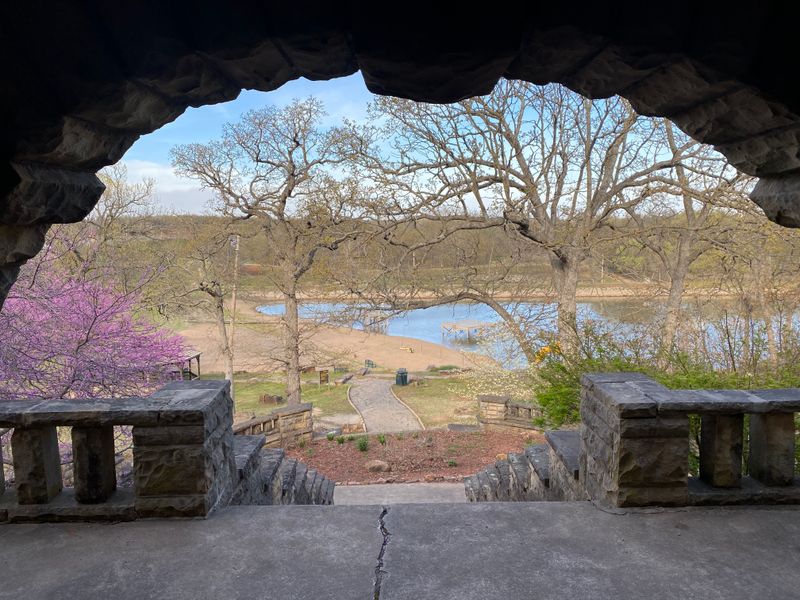
Multiple staircases descend from parking areas toward the water, their wide steps lacking handrails along outer edges. This design choice, practical in 1939, now contributes to a sense of exposure that many find unsettling.
The stairs seem to invite missteps, particularly when wet, creating anxiety that heightens awareness of the drop toward the lake below.
Arched openings frame views of water and sky in ways that feel deliberately composed, almost theatrical. The building positions visitors as audience members to a natural stage, yet the arrangement sometimes creates the opposite sensation, as though those within the structure are being observed rather than observing.
Windows and doorways align in patterns that create sightlines through multiple rooms, allowing unexpected glimpses of movement that may be other visitors or simply tricks of light.
The overall design balances mass and void, solid stone walls punctuated by openings that seem calculated to specific proportions. Architecture scholars might recognize classical influences, but most visitors simply register an impression of intentionality that goes beyond function, a sense that every angle serves purposes not immediately apparent.
Local Legends And Tales Of The Pawnee Bathhouse
Stories circulate among longtime residents about incidents and experiences that official records fail to capture. Some recall evenings when lifeguards refused to remain alone for closing duties, requesting partners for tasks that should require only one person.
Others mention patterns in the water itself, movements that suggest presence beneath the surface beyond the expected aquatic life.
Snake sightings appear regularly in visitor reviews, with water moccasins noted frequently enough to warrant attention. While these encounters have rational explanations rooted in habitat and behavior, they contribute to an atmosphere where the natural world feels closer and less controlled than modern recreational facilities typically allow.
The lake remains wild despite human structures imposed upon its shore.
Older stories, passed through generations, hint at events predating the bathhouse construction, suggesting the location held significance long before the WPA arrived. These tales remain vague, more feeling than fact, yet they persist with remarkable consistency.
Visitors occasionally report sensations of being unwelcome in specific areas, as though trespassing on ground that tolerates rather than welcomes human presence.
Why History Buffs Still Visit Pawnee’s Forgotten Bathhouse
Preservation of Depression era public works attracts researchers and enthusiasts interested in understanding how communities functioned during challenging periods. The Pawnee facility offers intact examples of construction techniques, design philosophies, and social planning that have largely disappeared from the American landscape.
Photographs and measurements taken at the site contribute to broader studies of WPA projects and their lasting impacts.
Beyond academic interest, the bathhouse appeals to those seeking tangible connections to the past. Standing within spaces that have changed little since 1939 provides perspective that books and photographs cannot match.
The building allows visitors to physically inhabit history, walking paths worn by decades of feet, touching stones placed by hands long stilled.
Many return repeatedly, drawn by something they struggle to name. The facility operates as intended, serving families and swimmers throughout summer months, yet it simultaneously exists as monument and memorial.
This dual nature creates unusual experiences where recreation and reflection occur simultaneously, where children play in the shadows of a structure that has witnessed profound changes in American life.