
Why This Free Vermont Mountain Route Is A Must-Do For Road Trip Lovers
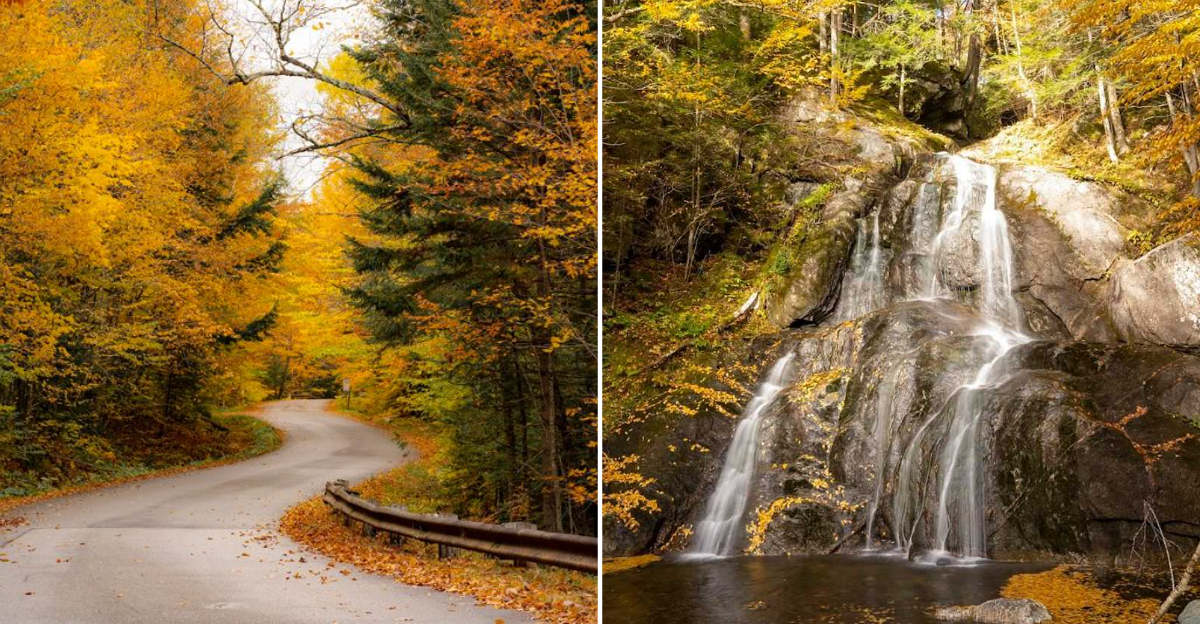
You settle into the seat, press play on Take It Easy by the Eagles, and just like that the journey begins. Vermont has a road that earns its reputation mile by mile.
The kind of drive where you forget you were ever in a hurry. Trees line both sides like they have been waiting for you.
The color changes as you move, and every bend reveals something worth slowing down for. Fill the tank before you leave.
Pack the snacks. Bring more than you think you need because stopping at a gas station is not the point of a drive like this.
The real decision is which places to pull over for. And there are plenty.
Small towns appear without warning. Viewpoints open up when you least expect them.
This road does not rush you. It simply shows you what happens when nature and a good song share the same moment.
Scenic Overlooks Along The Mountain Route
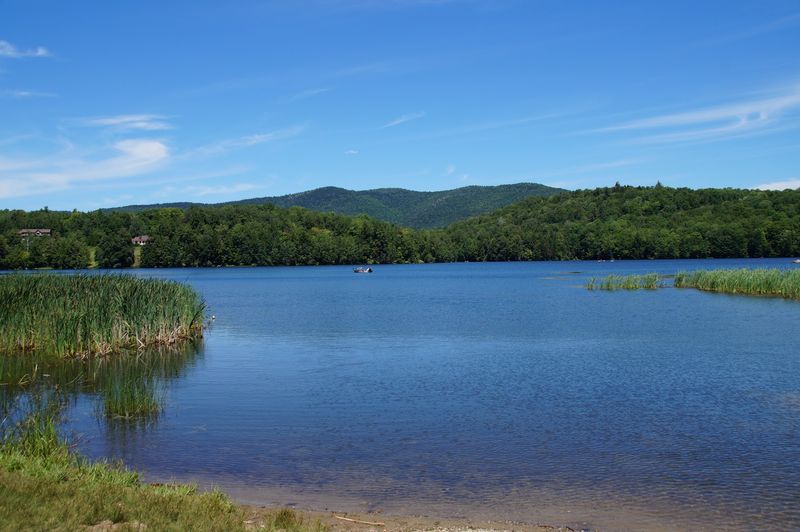
This route does not ease you into its beauty. It hits you fast, with mountain views that show up before you even realize you have climbed.
The Green Mountains run alongside the route for most of its 216 miles.
Some of the best overlooks appear near Granville Gulf Reservation. The road narrows there, and the forest closes in around you.
Then suddenly, a clearing opens, and the view stretches for miles.
Near Stowe, you can pull over and see Mount Mansfield looming in the distance. It is Vermont’s highest peak, and it looks like something painted on a postcard.
The mountain backdrop never really disappears on this drive.
Wilmington offers lakeside views of Harriman Reservoir that feel almost unreal. The water reflects the hills perfectly on calm mornings.
You will want to stop the car and just stare for a while.
Mad River Valley, near Waitsfield and Warren, delivers wide valley views framed by rolling farmland. The landscape there feels open and alive.
It is the kind of scenery that makes you forget about wherever you were headed.
This route runs through Vermont, and every overlook along the way earns its reputation for being genuinely breathtaking.
Wildlife Spotting Opportunities In Vermont
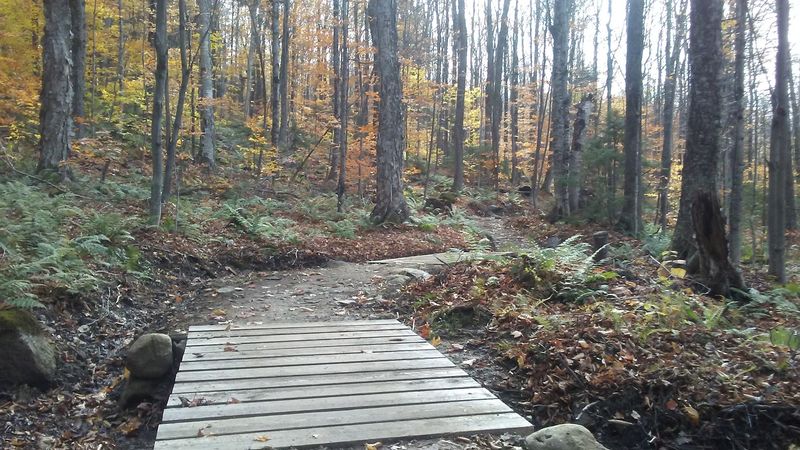
Vermont Route 100 passes through some seriously wild territory. The forests and wetlands along this corridor support a surprising range of animals.
Keep your eyes open and your camera ready at all times.
White-tailed deer are almost guaranteed sightings, especially at dawn and dusk. They graze near the road’s edge without much concern for passing cars.
Slow down in those moments because moose sometimes follow the same patterns.
Moose sightings happen most often in the northern stretches of the route. These animals are massive and unpredictable near roads.
Seeing one up close is thrilling, but maintaining a safe distance is non-negotiable.
Black bears also live throughout the Green Mountain region. You probably will not spot one from your car, but hiking trails off the route increase your chances.
Early morning hikes near wooded areas are your best bet.
Bird watchers find plenty to celebrate along Route 100. Bald eagles, ospreys, and great blue herons patrol the rivers and lakes.
The Mad River and West River corridors are especially productive for birding.
Wild turkeys strut across rural roads like they own the place. Red foxes dart through fields near farm stands.
The wildlife variety here makes every mile feel like a nature documentary unfolding in real time.
Local Flora And Fauna To Discover
Spring along Route 100 brings wildflowers that pop up everywhere almost overnight. Trillium, trout lilies, and bloodroot carpet the forest floor by April.
The roadsides turn into informal wildflower gardens without anyone planting a single seed.
Moss Glen Falls in Granville Gulf is surrounded by ferns and mossy rocks that look ancient. The plant life there feels dense and layered, like nature stacked everything on purpose.
Walking near the falls gives you a close look at how lush Vermont’s understory really gets.
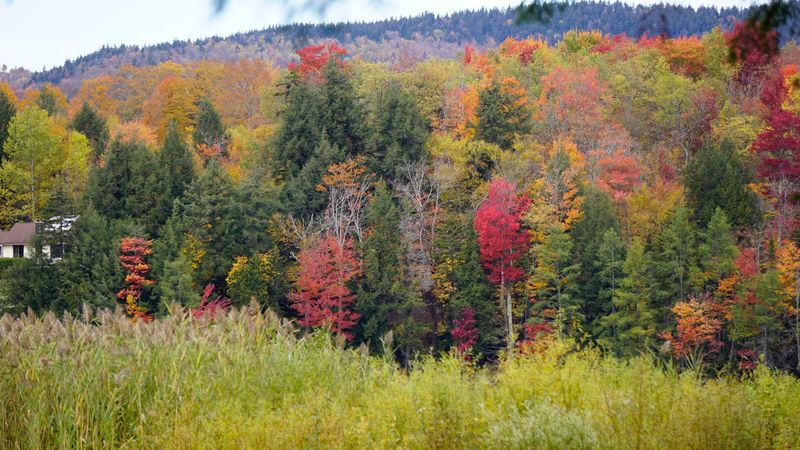
Sugar maple trees dominate the landscape and define Vermont’s identity. Their leaves fuel the fall foliage craze that draws visitors from across the country.
In spring, those same trees produce the sap that becomes maple syrup at roadside sugarhouses.
Beavers have shaped many of the wetlands visible from the route. Their dams create ponds that attract herons, ducks, and muskrats.
Spotting a beaver lodge near the water’s edge is a small but satisfying discovery.
Wildflower meadows near Warren and Waitsfield burst with goldenrod and Queen Anne’s lace in late summer. The color contrast against the green hills is genuinely striking.
Vermont’s natural palette changes every single month, which makes repeat visits feel completely different each time.
Best Times Of Year To Experience The Route
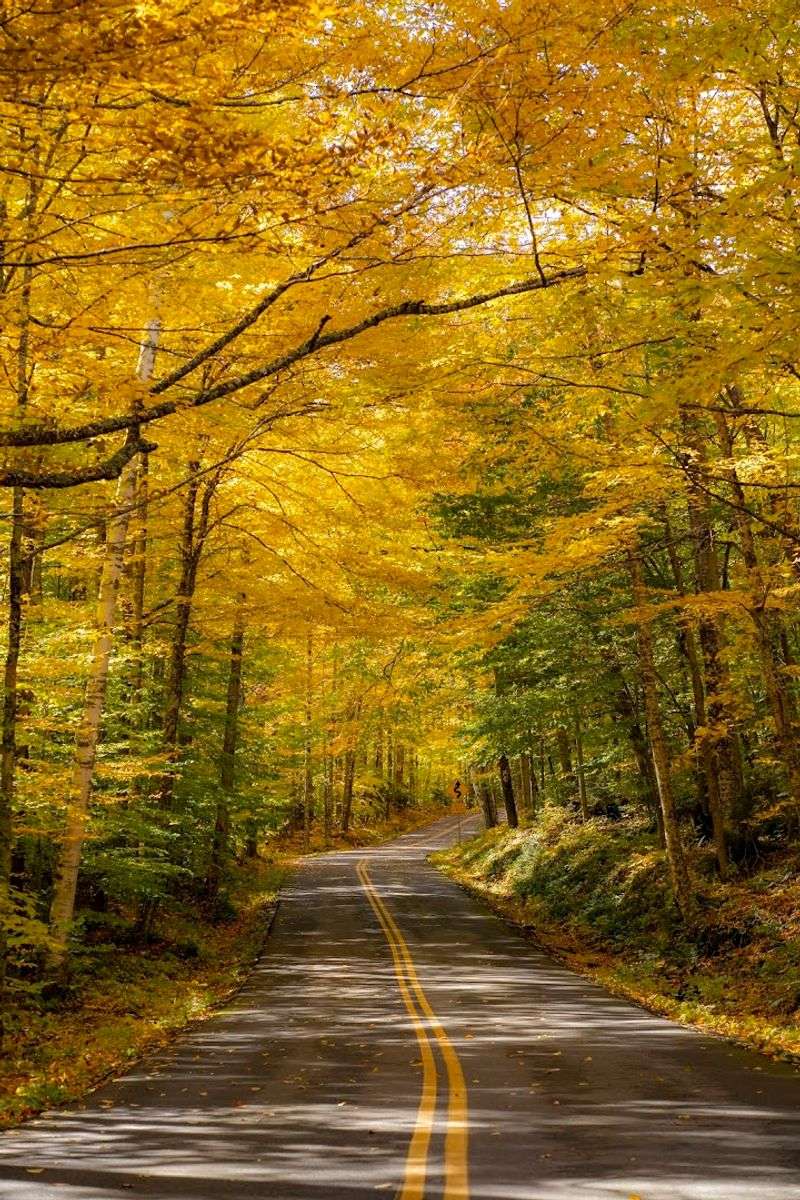
Fall is the undisputed champion season on Route 100. Late September through mid-October brings foliage so vivid it looks digitally enhanced.
The whole route turns into a tunnel of red, orange, and gold that photographers chase every year.
Summer is underrated on this drive. The mountains stay green and cool, and every town along the route buzzes with outdoor activity.
Hiking trails, swimming holes, and mountain biking trails become fully accessible from June through August.
Winter transforms Route 100 into a ski corridor. Killington, Sugarbush, Okemo, and Mount Snow all sit along or just off the highway.
Driving between ski resorts on a snowy morning with fresh powder on the pines is its own kind of beautiful.
Spring gets overlooked, but it rewards patient visitors. Waterfalls run fast and loud after snowmelt.
Wildflowers start appearing by late April, and the mud season crowds have mostly cleared out.
Weekdays are always better than weekends, regardless of the season. Fall weekends near peak foliage can get genuinely congested.
Planning your drive for a Tuesday or Wednesday means fewer cars and more pullover space at viewpoints.
Early mornings offer the best light and the least traffic. The route feels entirely different at 7 a.m. than it does at noon.
Start early and stop often for the full experience.
Hidden Gems And Small Town Charms
Weston is one of those towns that makes you stop the car and wonder if time actually moves more slowly there. The Vermont Country Store sits right on the main road, selling everything from penny candy to cast-iron pans.
The Weston Playhouse Theatre Company has been performing since 1937, which is a remarkable run for a town this small.
Plymouth Notch is easy to miss, but skipping it would be a mistake. President Calvin Coolidge was born there, and the entire site is preserved as a state historic site.
The village looks almost exactly as it did in the early 1900s.
Ludlow has the Green Mountain Sugarhouse, where maple products line every shelf. Nearby Buttermilk Falls is a short walk and completely worth it.
The combination of sweet stops and natural beauty in one small town is hard to beat.
Warren is tiny but punches above its weight. The Warren Store is a local institution with a deli, a bakery, and a personality all its own.
The covered bridge just outside town is one of the most photographed spots in the Mad River Valley.
Waterbury deserves a stop for Ben and Jerry’s Ice Cream Factory alone. The Cold Hollow Cider Mill is right down the road.
Two iconic Vermont stops in one stretch of highway is a genuinely good deal.
Outdoor Activities Accessible From The Route
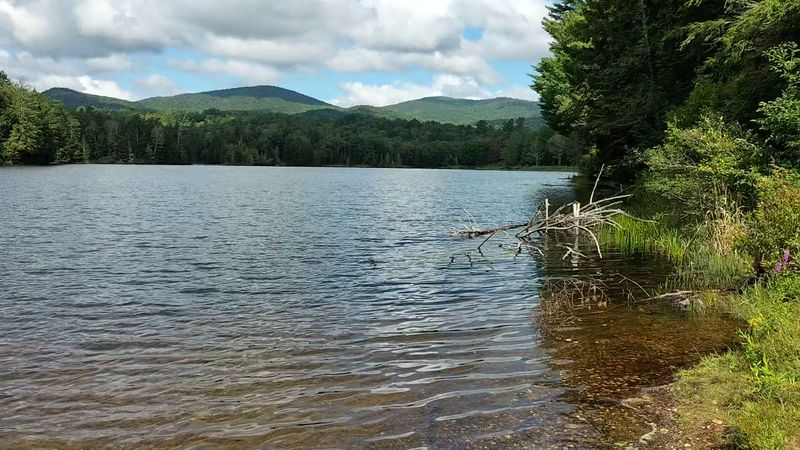
Route 100 is basically a launchpad for outdoor adventure. Trails branch off the highway at regular intervals, leading to waterfalls, summits, and river valleys.
You never have to drive far to find something worth exploring on foot.
Mount Mansfield near Stowe is Vermont’s highest peak and one of the most rewarding hikes in New England. The summit trail offers views that stretch into New Hampshire and New York on clear days.
It is a serious hike, so proper footwear is not optional.
The Stowe Recreation Path runs 5.3 miles along the river and is perfect for cycling and walking. It connects the village to the mountain without requiring a car.
Families use it constantly, and the scenery makes every step easy.
Kayaking and canoeing access points appear along the West River and Mad River corridors. Both rivers offer calm stretches suitable for beginners and more technical sections for experienced paddlers.
Rentals are available in several nearby towns.
Mountain biking trails near Sugarbush and Killington attract serious riders from across the Northeast. The terrain is challenging and varied, with both cross-country and downhill options.
Trail maps are available at local outfitters along the route.
Swimming holes tucked near roadside pullouts offer spontaneous relief on hot summer days. Many are free and easy to access.
Vermont’s rivers run cold and clear, which makes them ideal for a quick, refreshing dip.
Tips For A Safe And Enjoyable Drive
Cell service along Route 100 disappears in several stretches, especially through Granville Gulf and rural northern sections. Downloading offline maps before you leave is not just a suggestion; it is practically a requirement.
Google Maps and Maps.me both work well without a signal.
Allow at least two to three days for the full 216-mile route. Rushing through it misses the entire point.
The towns, the overlooks, and the farm stands all reward slow travel.
Wildlife crossings happen frequently, especially at dawn and dusk. Moose in particular are dangerous on roads because they are tall enough to come through a windshield on impact.
Reduce speed in wooded and low-light areas without hesitation.
Gas stations are not always conveniently spaced, particularly in the northern sections. Fill up whenever your tank drops below half in rural areas.
Running low on gas in Vermont’s backcountry is a fixable problem that nobody wants to deal with.
Road conditions in winter require snow tires or all-wheel drive. Even when the main road is clear, side roads and parking areas can be icy.
Check the Vermont Agency of Transportation website for road conditions before heading out in cold months.
Pack layers regardless of season. Mountain weather shifts quickly and dramatically.
What starts as a warm morning can turn cold and rainy by afternoon, especially at higher elevations along the route.
Photography Hotspots For Capturing Vermonts Beauty
Covered bridges are among the most photographed subjects in Vermont, and Route 100 delivers several excellent ones. The covered bridge near Warren in the Mad River Valley frames perfectly in morning light.
Water reflections beneath the bridge add a natural symmetry that photographers love.
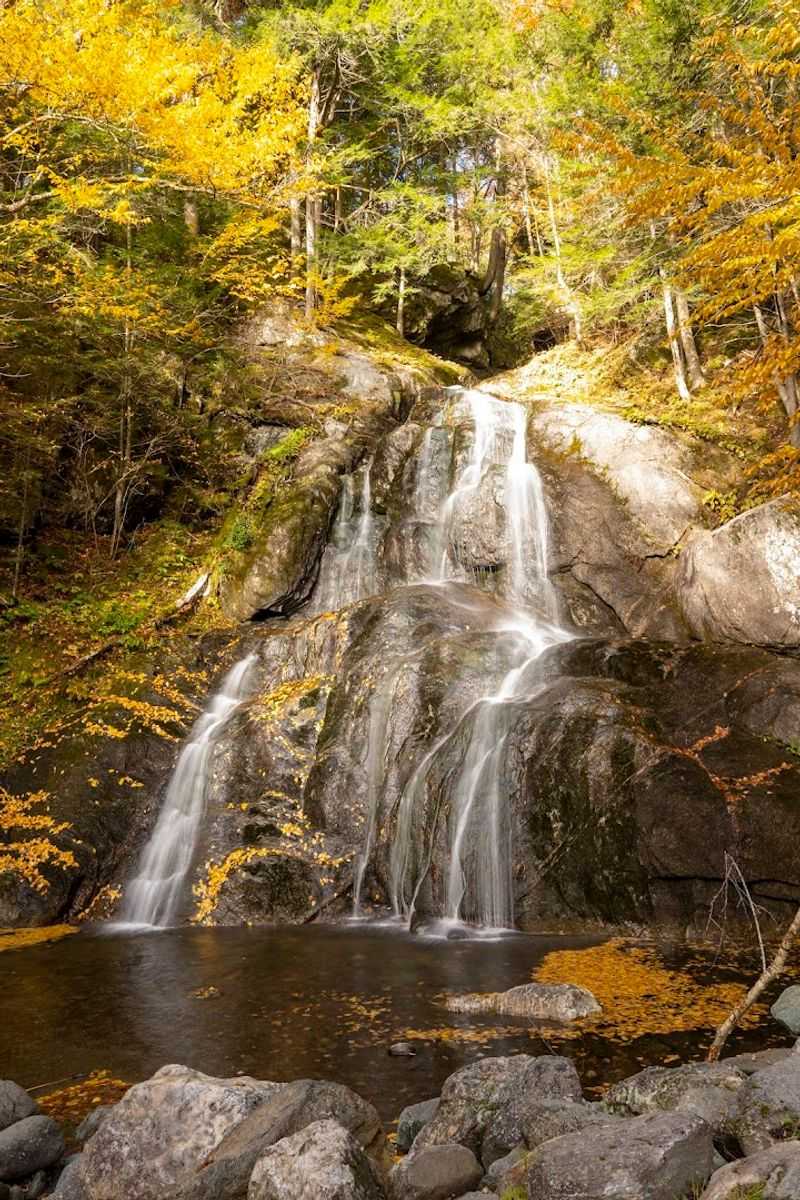
Moss Glen Falls in Granville Gulf is a waterfall that looks like it belongs in a fantasy novel. The ferns and mossy rocks surrounding it create a layered, green composition.
Early morning visits before other cars arrive give you clean shots without distractions.
Stowe’s village center, with its white church steeple, is one of the most iconic Vermont compositions available. Mount Mansfield, looming behind the village, creates a natural depth that works beautifully in wide-angle shots.
The scene changes character completely between seasons.
Harriman Reservoir near Wilmington offers mirror-flat water reflections on calm mornings. Sunrise there produces dramatic color combinations that reward early risers.
A simple tripod and patience are your only real requirements.
Farm stands and old barns along the rural sections of the route make compelling subjects in any season. Red barns against fall foliage or spring green fields create a strong color contrast.
These roadside scenes represent Vermont in its most honest and unposed form.
Golden hour light along the open valley sections near Waitsfield is reliably spectacular. The soft light wraps around the hills and meadows in a way that requires very little editing afterward.