
Why This Montana Ghost Town Is Slowly Becoming A Historic Gem
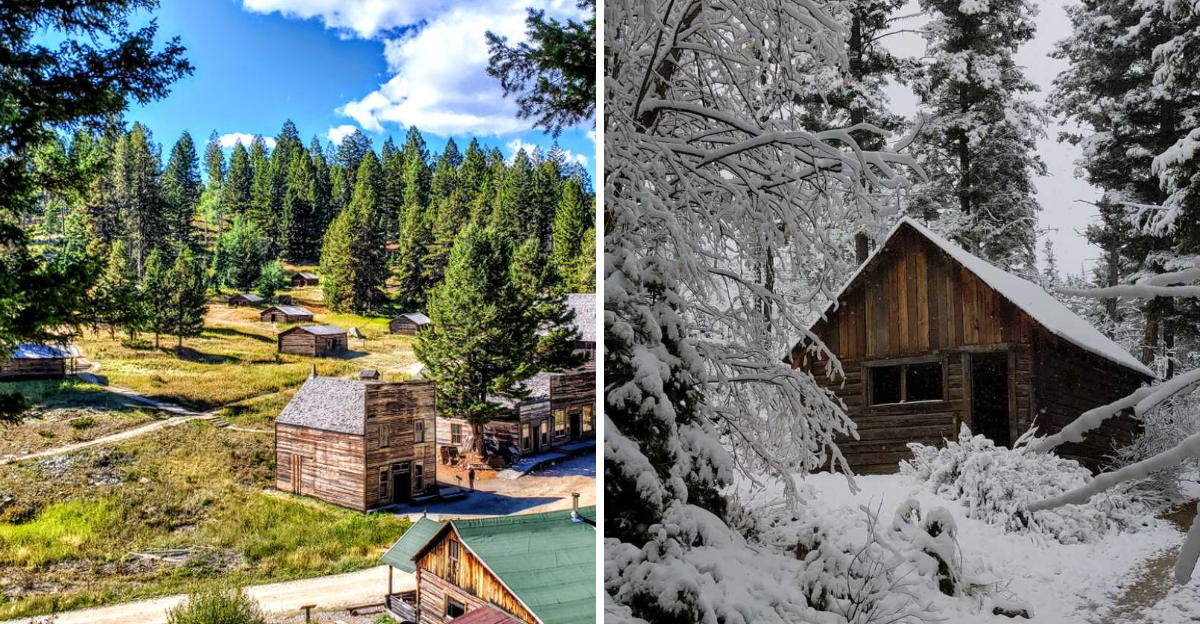
Garnet Ghost Town sits tucked in the mountains of western Montana, a place where wooden cabins still lean against the wind and dust settles on century-old glass.
Once a thriving gold mining camp in the 1890s, it was abandoned when the ore ran dry and families moved on.
Now, careful preservation efforts are turning this quiet collection of log buildings into something remarkable—a living lesson in history that people can walk through and touch.
Garnet Is One Of The Best-Preserved Ghost Towns In The American West
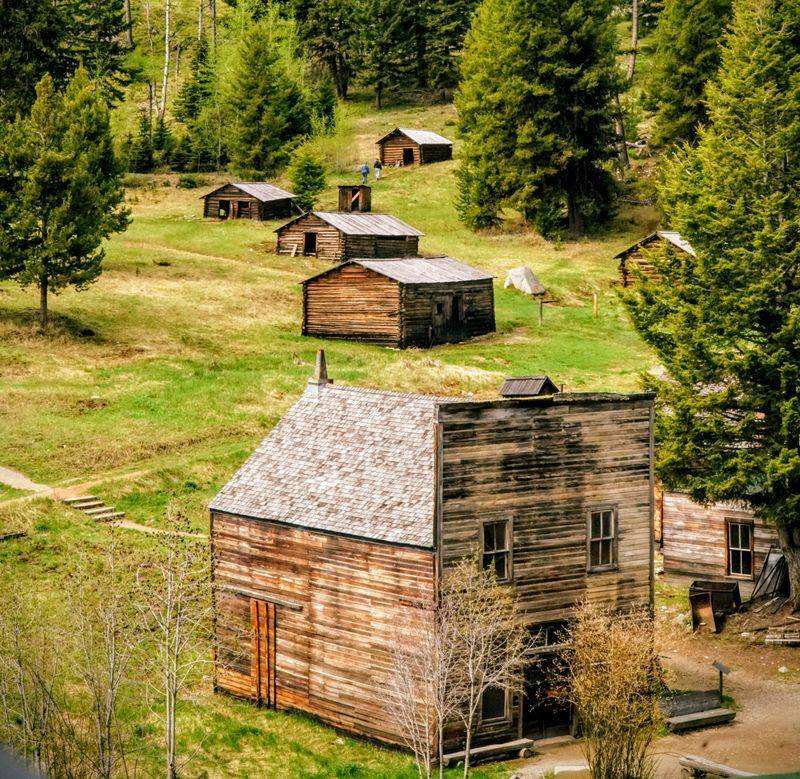
Most ghost towns crumble into piles of rotting timber and rusted nails, but Garnet has managed to keep its shape.
More than thirty structures remain standing, complete with walls, roofs, and windows that still frame the Montana sky.
Walking down the main dirt road feels like stepping onto a film set, except everything here is genuine.
The saloon, hotel, and miners’ cabins weren’t rebuilt for tourists—they simply never fell apart.
Preservation work has been steady but respectful, keeping original materials wherever possible and allowing the town to age with dignity rather than vanish altogether.
Federal Protection Has Prevented Garnet From Becoming A Ruin
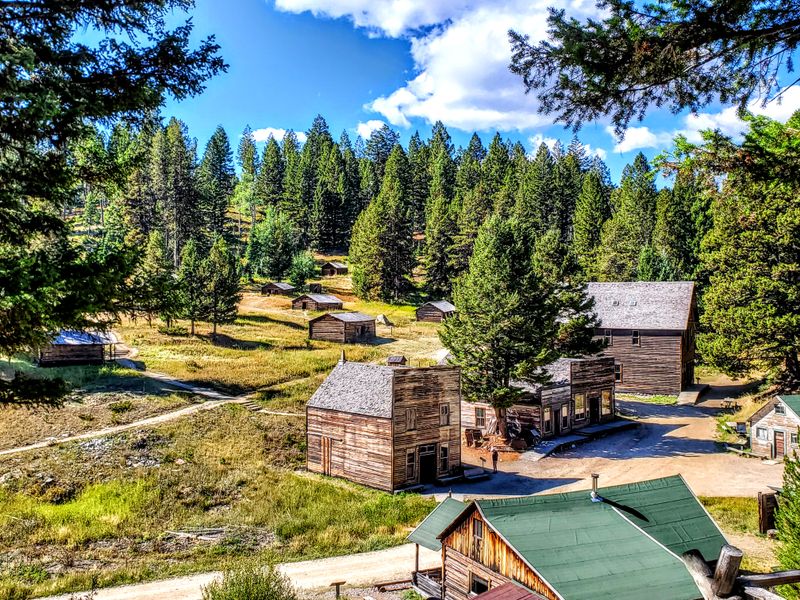
Garnet earned a spot on the National Register of Historic Places in 1970, which gave it legal protection and funding for upkeep.
The Bureau of Land Management oversees the site, working alongside a local preservation group to maintain structures without erasing their character.
This arrangement keeps developers and souvenir hunters at bay.
Federal oversight means no one can haul away logs for firewood or knock down walls to build vacation homes.
Instead, trained volunteers repair foundations, replace rotted beams, and document changes so future generations can understand what was saved and why it mattered enough to protect.
A Rare Fire Saved Garnet Instead Of Destroying It

Fire usually spells the end for wooden mining towns, but Garnet’s experience was different.
A blaze in the early 1900s burned through some structures but prompted residents to clear brush and create firebreaks that still protect the remaining buildings today.
That early disaster taught the community lessons about spacing and fuel management.
Modern caretakers continue those practices, trimming vegetation and monitoring conditions during dry months.
Ironically, the threat of fire made people more careful, and that vigilance has kept Garnet intact when so many similar towns turned to ash and memory.
Garnet’s Buildings Still Stand Where They Were Originally Built
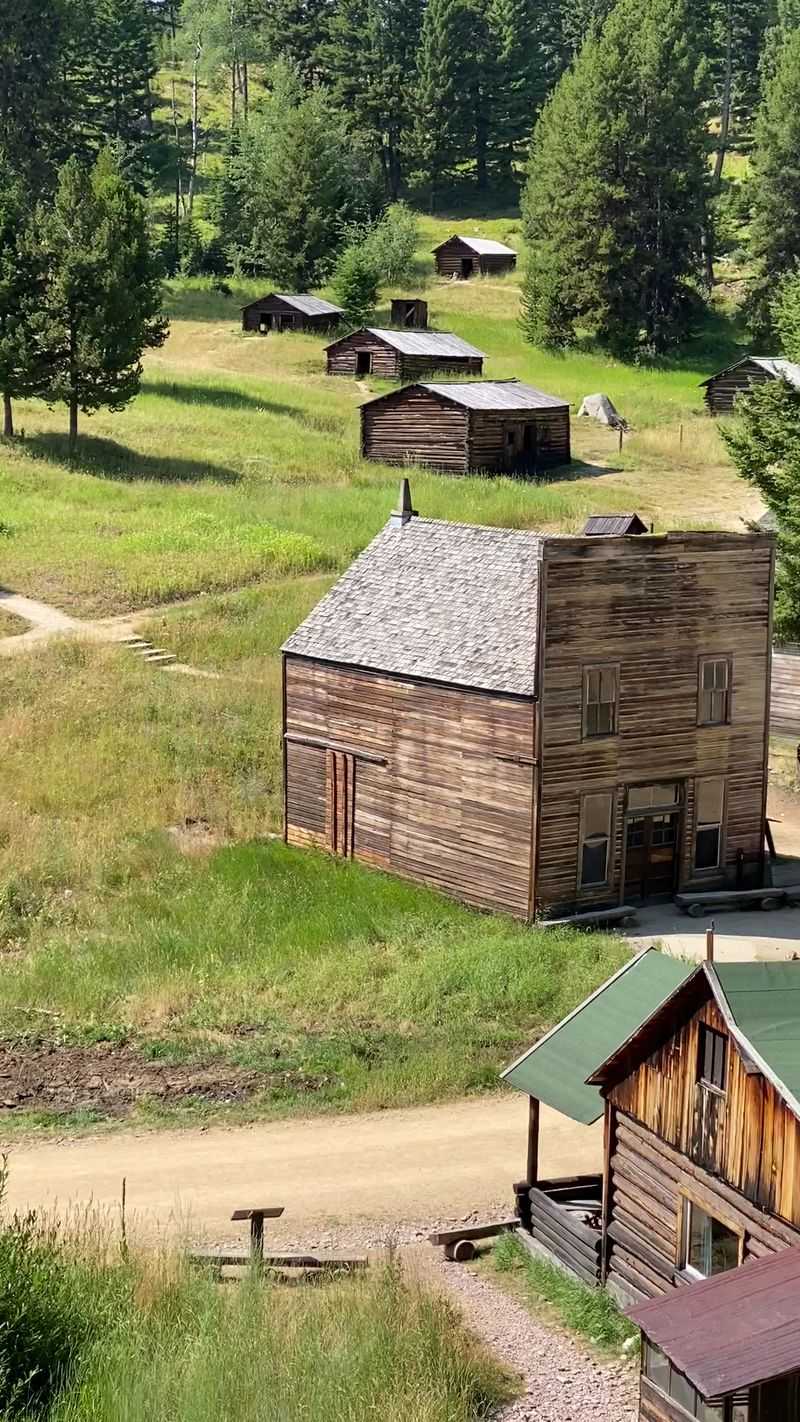
Nothing at Garnet has been moved to make the site more photogenic or easier to manage.
Each cabin, store, and shed occupies the exact patch of ground where miners hammered it together over a century ago.
This authenticity matters because it preserves the town’s natural layout and reveals how people actually lived.
You can see which buildings faced the morning sun, which ones huddled close for warmth, and where the main road carried ore wagons down to the mill.
Walking through Garnet means following the same footpaths that children and miners wore into the dirt generations ago.
The Town Shows Everyday Life, Not Just Mining History
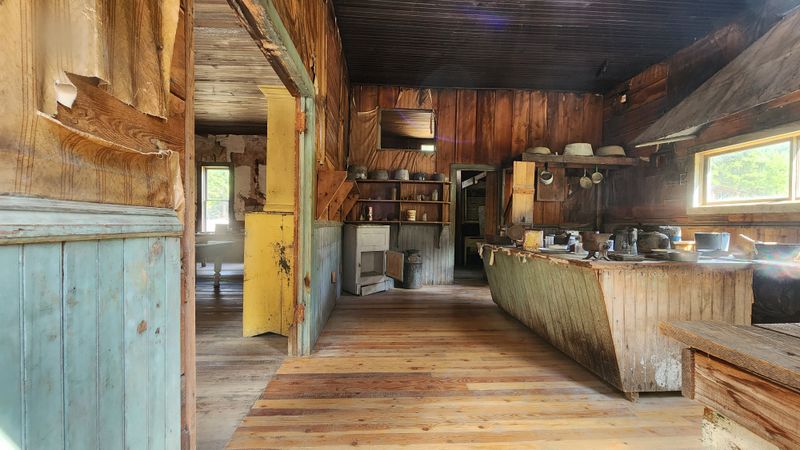
Many mining museums focus on drills, dynamite, and gold pans, but Garnet tells a broader story.
Inside the cabins, you’ll find iron bed frames, kitchen utensils, and children’s toys—reminders that families cooked meals, celebrated birthdays, and argued over chores here.
The general store displays shelves stocked with replica goods.
These details humanize the experience and help visitors imagine the mundane rhythms of frontier life.
Mining brought people to Garnet, but it was laundry, gossip, and Saturday dances that made it a community worth remembering.
Seasonal Access Has Helped Protect Garnet’s Authenticity
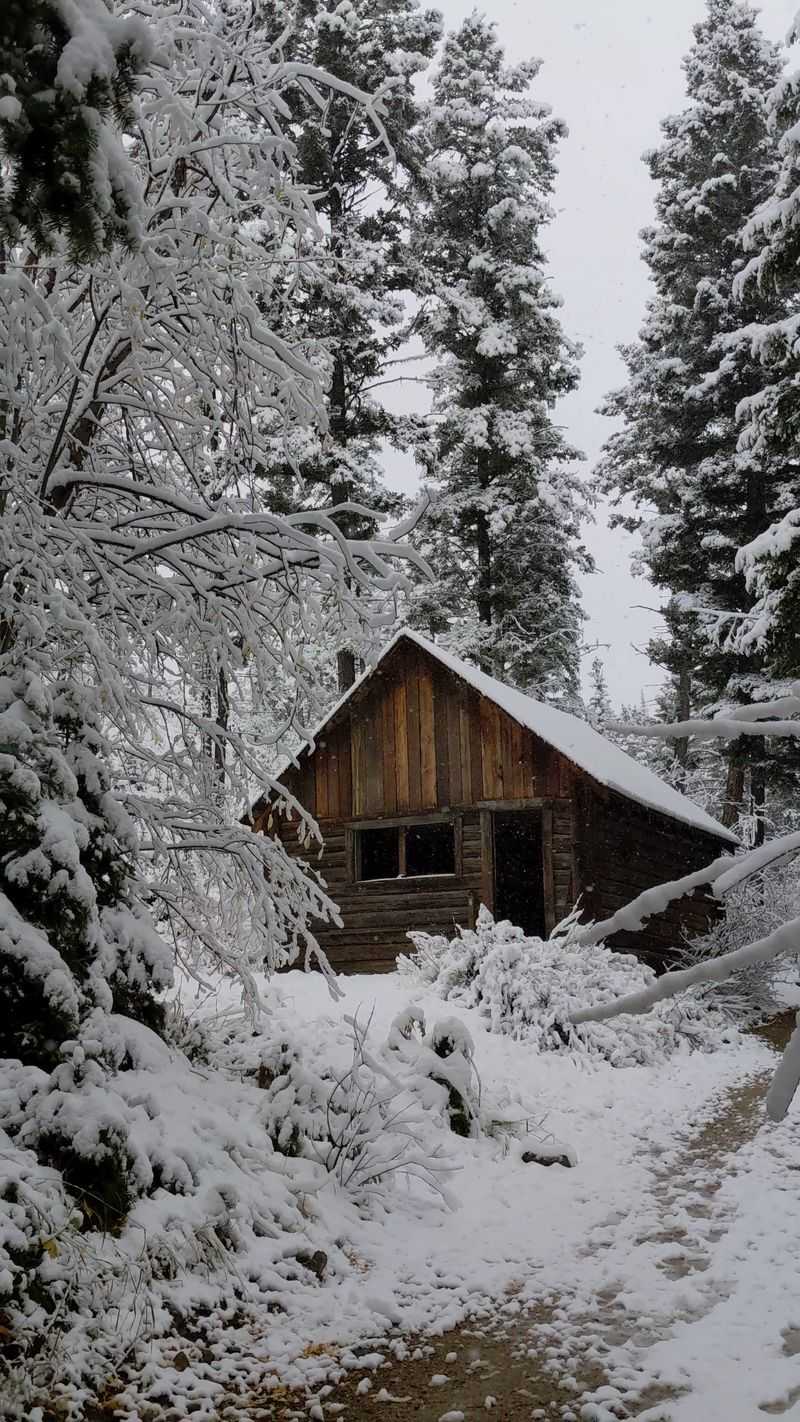
Garnet sits at the end of a rough dirt road that becomes impassable when snow piles up.
From late fall through early spring, most visitors can’t reach the town, which gives the site a chance to rest and limits wear on fragile structures.
This natural barrier has discouraged the kind of heavy tourism that can strip a place of its soul.
There are no paved parking lots or gift shops selling keychains.
The road itself filters out casual visitors, ensuring that those who make the trip are genuinely interested.
Summer access runs daily from 9:30 AM to 4:30 PM, but winter isolation has been Garnet’s quiet guardian.
Winter Cabin Rentals Create A Rare Immersive History Experience
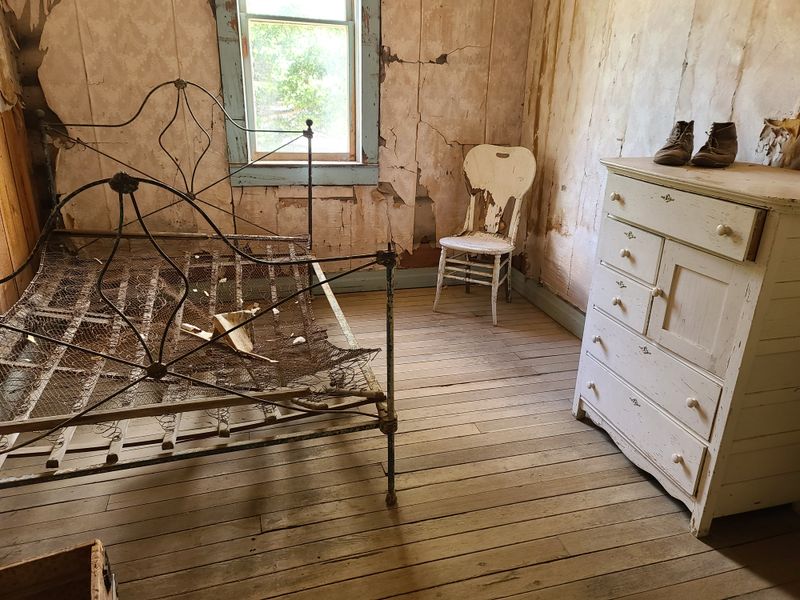
For those willing to embrace the cold, Garnet offers overnight stays in two restored cabins during winter months.
Guests haul in their own supplies, light wood stoves for heat, and sleep in the same rooms where miners once thawed frozen boots.
There’s no electricity, no running water, and no cell service—just kerosene lamps and the creak of old floorboards.
It’s uncomfortable in the best way, stripping away modern conveniences and forcing you to reckon with what frontier life actually demanded.
Few historic sites offer this level of immersion, and fewer still attract people willing to endure it for the sake of understanding.
Archaeological Research Continues To Shape What Visitors See
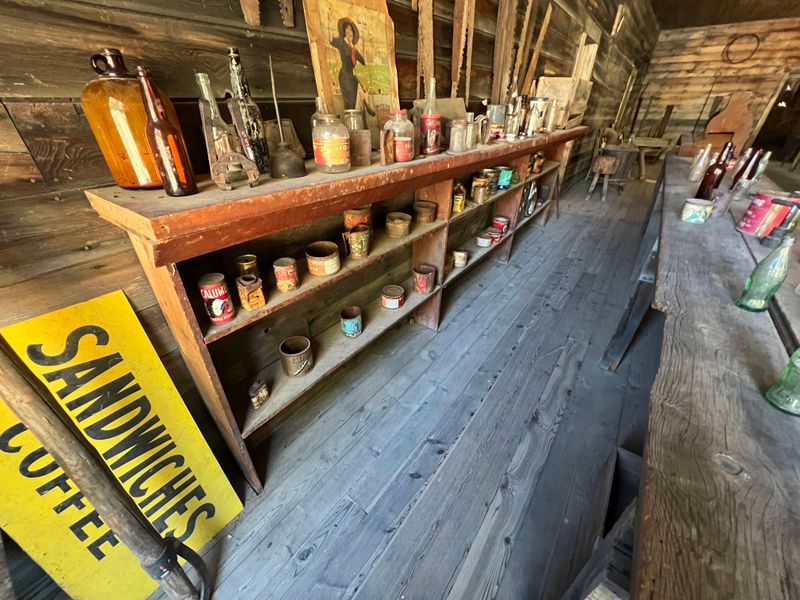
Garnet isn’t frozen in time—it’s an active research site where historians and archaeologists regularly uncover new information.
Excavations around old foundations turn up bottles, tools, and personal items that fill gaps in the town’s story.
These discoveries influence how caretakers present the site.
When researchers found evidence of a Chinese laundry, interpretive signs were updated to reflect the diverse population that lived here.
Ongoing scholarship ensures that Garnet’s narrative evolves as knowledge deepens, making each visit potentially different from the last.
History here is treated as a living conversation, not a finished exhibit locked behind glass.
Garnet Avoided Commercialization That Changed Other Ghost Towns

Drive through some western ghost towns and you’ll find staged gunfights, saloons serving overpriced burgers, and actors in period costumes.
Garnet has none of that, which makes it feel oddly honest.
There’s no admission fee, no guided tours with rehearsed jokes, and no pressure to buy anything.
Visitors explore at their own pace, reading signs or simply standing in doorways and imagining.
This restraint comes from deliberate choices by the Bureau of Land Management and local volunteers who believed that authenticity would attract the right kind of attention.
So far, they’ve been proven correct.
Montana’s Harsh Climate Accidentally Preserved The Town
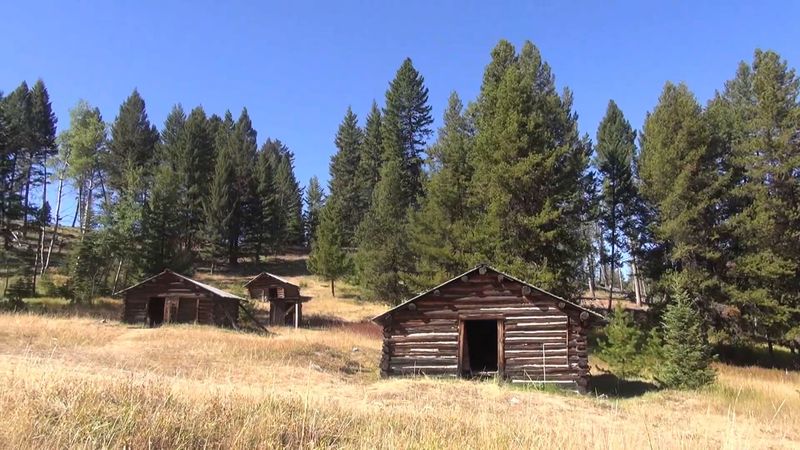
Cold, dry winters and low humidity slow the decay of wood, which explains why Garnet’s log cabins haven’t rotted into mulch.
The high-altitude climate also discourages termites and other pests that devour abandoned buildings in warmer regions.
Snow acts as insulation, protecting roofs from temperature swings that crack shingles and warp boards.
Even the isolation helped—fewer people meant less vandalism and theft.
Nature can be brutal in Montana, but in Garnet’s case, that brutality came with unexpected benefits.
The same weather that drove residents away ended up safeguarding what they left behind, creating a museum without walls or curators.
Interpretive Signs Let Visitors Explore At Their Own Pace
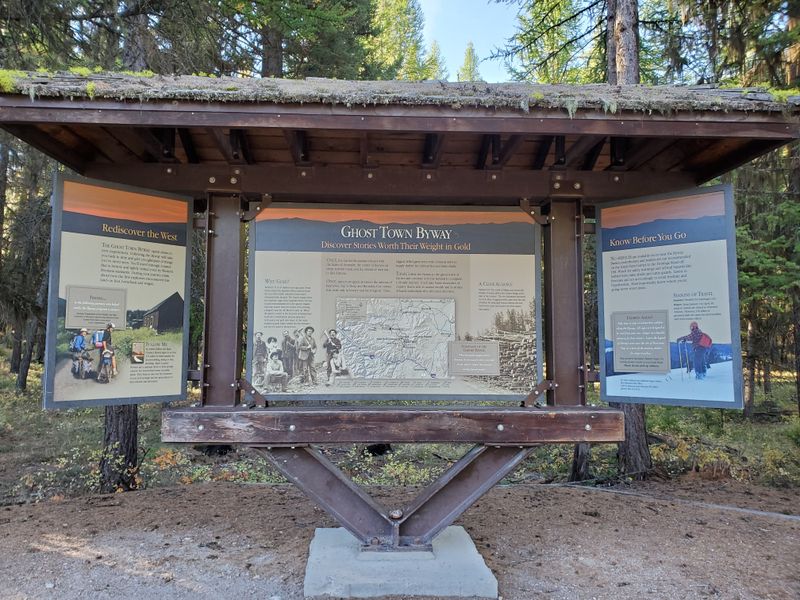
Garnet doesn’t require a guide or a ticket booth attendant to make sense.
Well-placed signs outside each building explain its purpose, share anecdotes from former residents, and offer historical context without overwhelming visitors with text.
This self-guided approach respects different learning styles and attention spans.
Some people read every word; others prefer to wander and absorb the atmosphere.
The signs are written clearly, avoiding academic jargon, and often include old photographs that show how spaces looked when families still lived here.
Located at RMG7+PF, Garnet, MT 59832, the site trusts visitors to be curious and thoughtful without constant supervision.
Garnet Is Becoming A Model For Sustainable Heritage Tourism
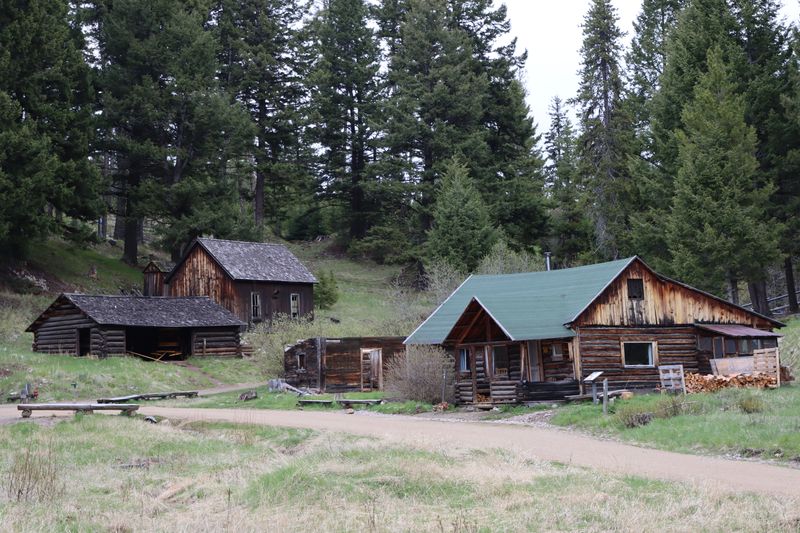
Other historic sites watch Garnet closely because it demonstrates how to welcome visitors without destroying what makes a place special.
Limited access, volunteer stewardship, and minimal infrastructure keep costs low and authenticity high.
The model works because it prioritizes preservation over profit.
Revenue comes from modest donations and winter cabin rentals rather than ticket sales or concession stands.
This approach won’t make anyone rich, but it ensures Garnet can survive another century without becoming a theme park.
Heritage tourism done right means leaving a place better than you found it, and Garnet proves that philosophy can actually work in practice.
Visitors Can Reach Garnet Year-Round With Proper Planning
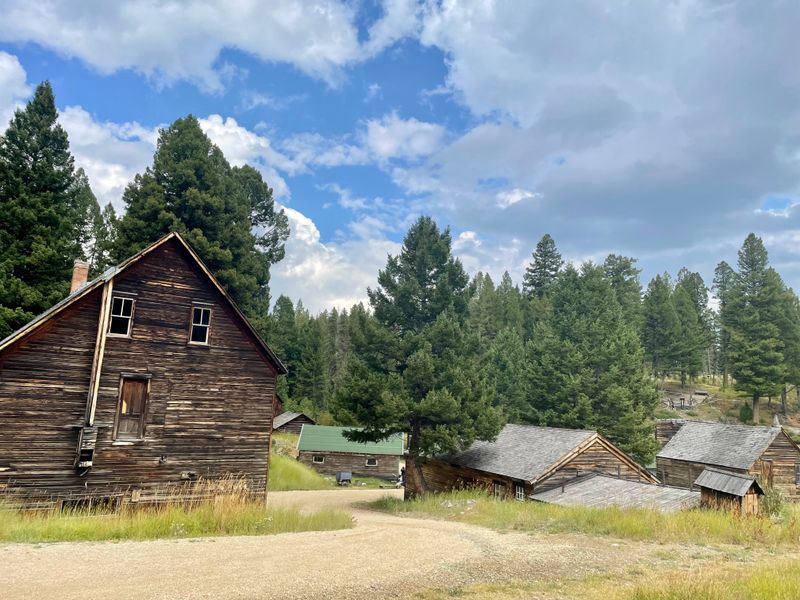
Summer visitors can drive directly to Garnet along a maintained dirt road, arriving between 9:30 AM and 4:30 PM daily.
The route is rough but manageable for most vehicles, though high clearance helps when ruts deepen after rain.
Winter access requires snowmobiles or cross-country skis, turning the journey into an adventure that filters out casual tourists.
Those who make the effort are rewarded with solitude and a town blanketed in silence.
Planning ahead ensures you arrive prepared for whichever season you choose to experience this remarkable place.