
Why This New Hampshire Seafood Spot Has Lobster Rolls Worth Traveling For
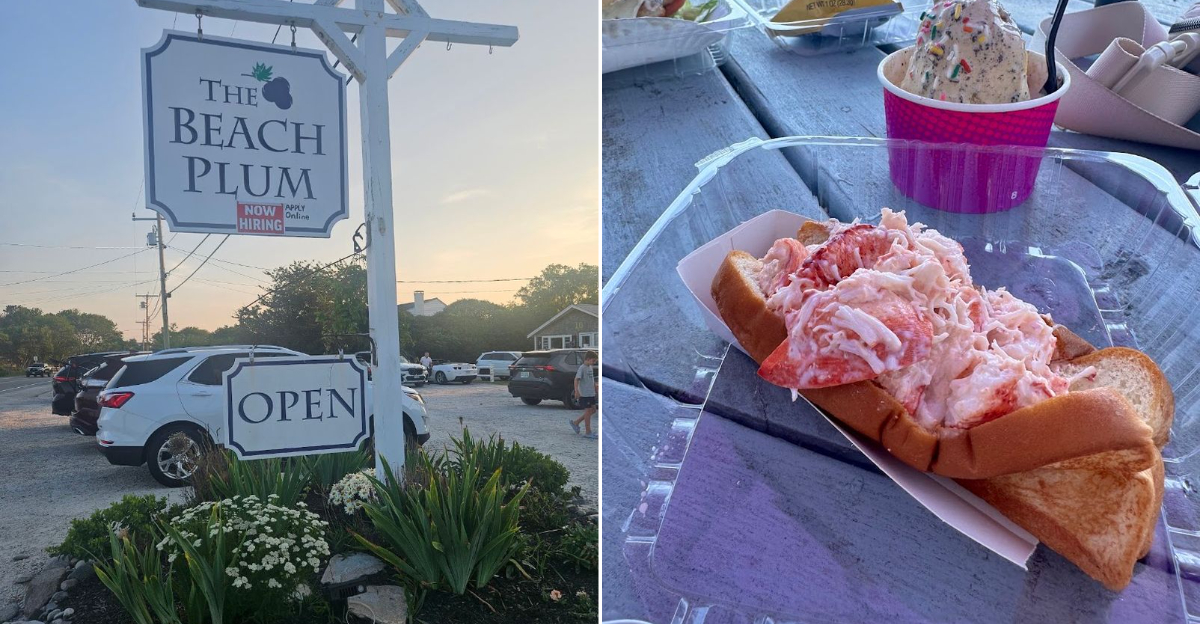
Lobster rolls worth traveling for require a kitchen that understood the assignment before the first claw ever hit the cutting board. New Hampshire delivered one, and the drives getting longer every season confirm that understanding was never in question.
The roll here carries the particular generosity that separates a serious lobster operation from everything else competing for the same summer dollar. That generosity shows up before the first bite confirms it.
Regulars who make the trip describe the experience with the casual certainty of people who stopped considering alternatives a long time ago. The lobster roll made that decision on their behalf.
A seafood spot earning travel worthy status on the strength of a single menu item made a confident bet. The drives getting longer every season are the most honest evidence that the bet was never seriously in doubt.
History Of Lobster Rolls In New England
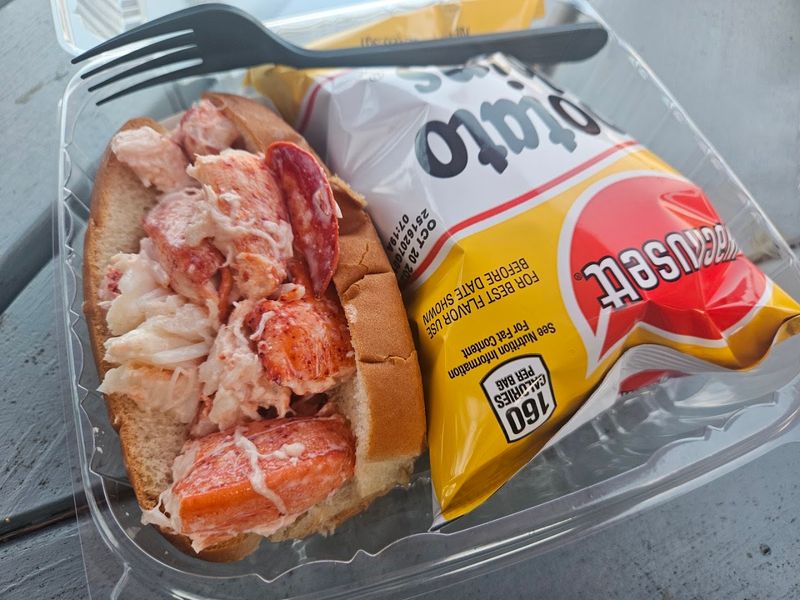
Lobster was not always a luxury. Back in the 1600s, it was so common that colonists used it as fertilizer.
Servants in Massachusetts reportedly had contracts limiting how often they could be fed lobster. Nobody wanted it.
By the 1800s, railroads changed everything. Fresh lobster could travel farther, faster.
Suddenly, people in cities were paying real money for it. The lobster roll itself showed up in the late 1920s.
Perry’s restaurant in Milford, Connecticut, is widely credited with the first version. Harry Perry served warm lobster in a buttered roll for a regular customer who needed something portable.
From there, the dish spread across New England like a summer rumor. Maine put its cold mayo spin on it.
Connecticut kept it warm and buttery. Both camps are passionate.
Both are correct. The Beach Plum sits right in the middle of this long, delicious history.
Located at 16 Ocean Blvd, North Hampton, NH 03862, it carries that tradition proudly. Every roll served there is a nod to nearly a century of coastal cooking.
New Hampshire may have a small coastline, but it holds its own in this story.
Freshness And Quality Of Local Seafood
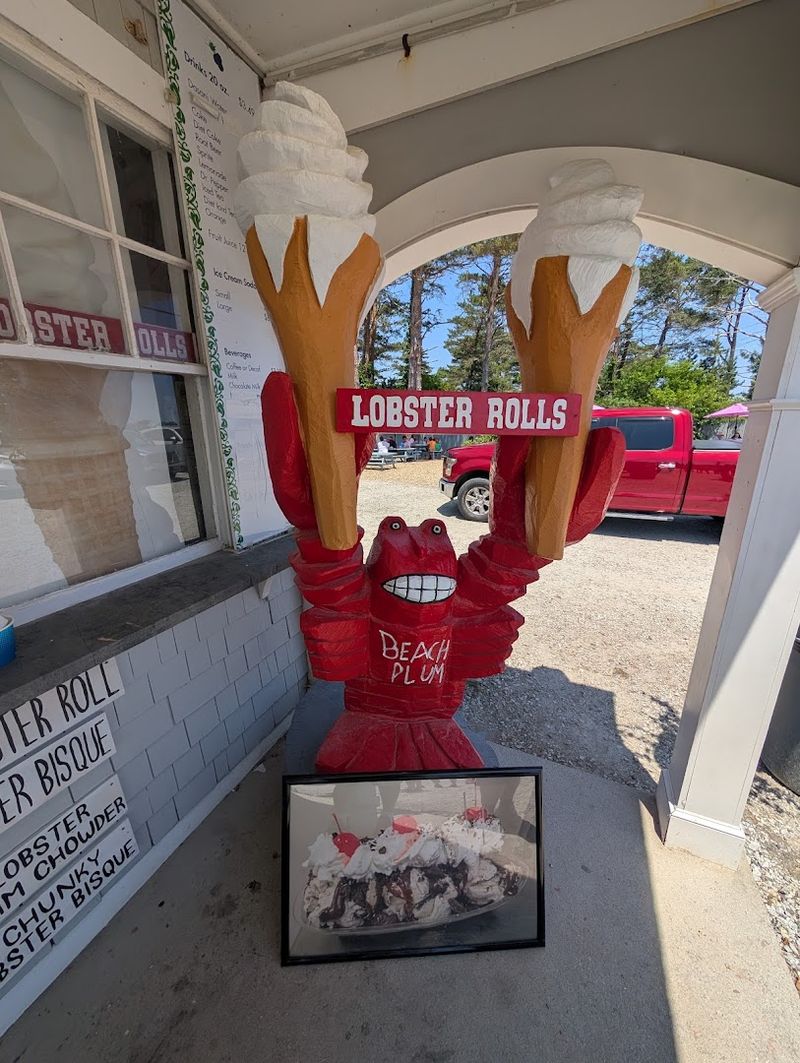
Fresh seafood is not a marketing phrase at The Beach Plum. It is the actual point.
New Hampshire has a real commercial lobster industry. Boats go out regularly off the Seacoast.
The catch comes in fast, and the best spots know how to use it.
Hard-shell lobsters are the standard here. They have more meat than soft-shell lobsters.
The texture is firmer, and the flavor is cleaner. No fillers get added to the roll.
It is just lobster. That matters more than most people realize.
When you eat a lobster roll made with fresh, local meat, the difference is obvious. The sweetness is natural.
Nothing tastes rubbery or reheated. The Beach Plum keeps it honest.
The sourcing is straightforward, and the result is a roll that tastes exactly like where it came from. Right next to the ocean.
That proximity is not just atmosphere. It is a direct line between the water and your plate.
Fresh seafood travels a short distance here. That short trip makes a long difference in quality.
You can taste it in every single bite. No exaggeration needed.
Traditional Recipes Versus Modern Twists
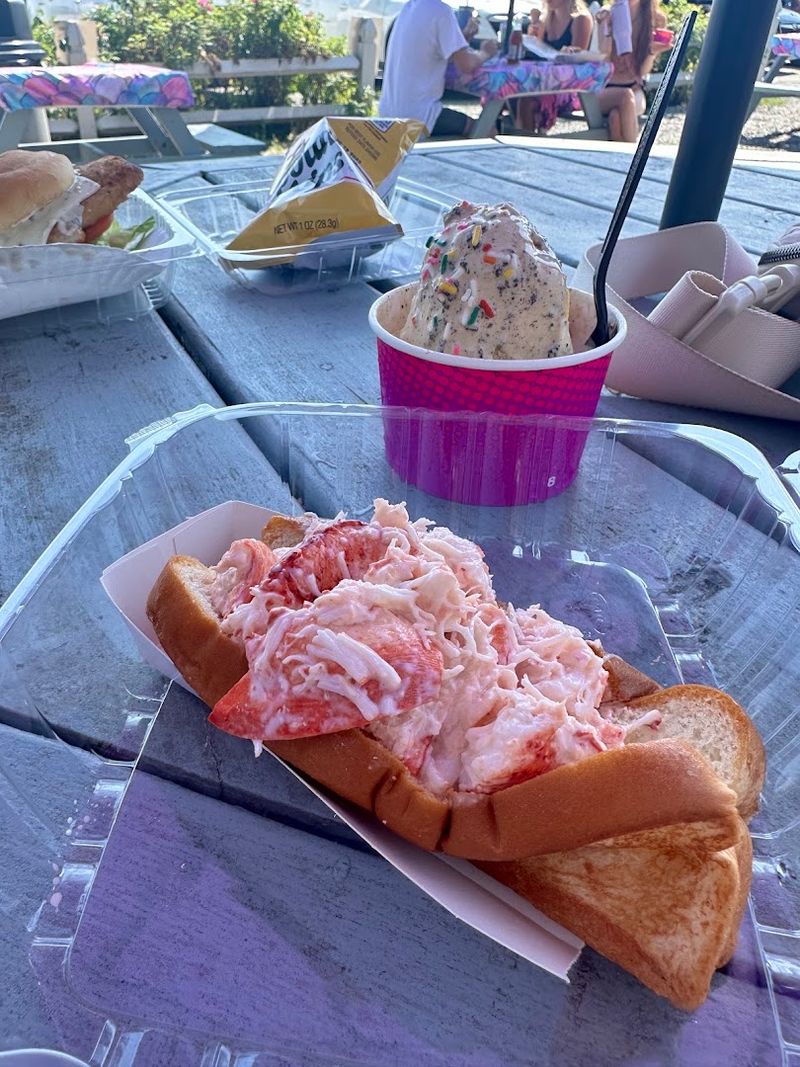
There are two camps in the lobster roll world, and people take sides seriously. Maine-style means cold.
Chilled lobster meat, a little mayo, maybe some celery. Connecticut-style means warm.
Melted butter, no mayo, served hot. Both are correct. Both are worth trying.
Modern versions have started playing with those foundations. Some kitchens infuse the butter with garlic or tarragon.
Others fold herbs into the mayo. A few add a dusting of spice on top.
The roll itself sometimes goes brioche or potato-style instead of the classic split-top hot dog bun.
The Beach Plum respects the original while staying aware of what people want now. The classic approach still leads the menu.
But the kitchen understands that a little creativity keeps things interesting. You do not have to reinvent a dish to make it memorable.
Sometimes you just have to execute it perfectly. The lobster roll here walks that line well.
It feels familiar and satisfying without being boring. That balance is harder to hit than it sounds.
Most places fall one way or the other. Getting both right at once is what separates a good lobster roll from one worth driving two hours for.
Choosing The Perfect Roll For The Sandwich
The bun is not just a vehicle. It is a decision.
The classic New England split-top hot dog bun is the standard for a reason. It has flat sides that toast evenly in butter.
The result is a golden, slightly crispy exterior with a soft middle. That contrast matters.
Brioche rolls have become popular too. They are richer and a little sweeter.
They hold up well to a heavy filling. Potato rolls are softer and more neutral.
Each choice changes the experience of the whole sandwich. The wrong bun can overpower the lobster. The right one lets it shine.
At The Beach Plum, the bun gets proper attention. It is toasted right.
The sides are golden without being crunchy. The inside stays soft enough to absorb a little butter without falling apart.
That texture balance is what makes the first bite satisfying. You want structure, but not resistance.
You want softness, but not sogginess. It sounds simple.
Executing it consistently is not. The bun choice and preparation at this spot reflect a real understanding of what makes the whole sandwich work.
It is one of those small details that separates a forgettable roll from a craveable one.
Seasonality And Sustainable Lobster Harvesting
Lobster season in New Hampshire runs year-round, but peak activity happens from late June through early December. During those months, lobsters move closer to shore.
They are easier to trap and more active. That means fresher catches and better availability for restaurants nearby.
Sustainable harvesting is not optional here. State regulations set strict size limits on what can be kept.
Egg-bearing females are protected and must be returned to the water. All traps must be hauled at least every 30 days.
These rules exist to protect the population for future seasons.
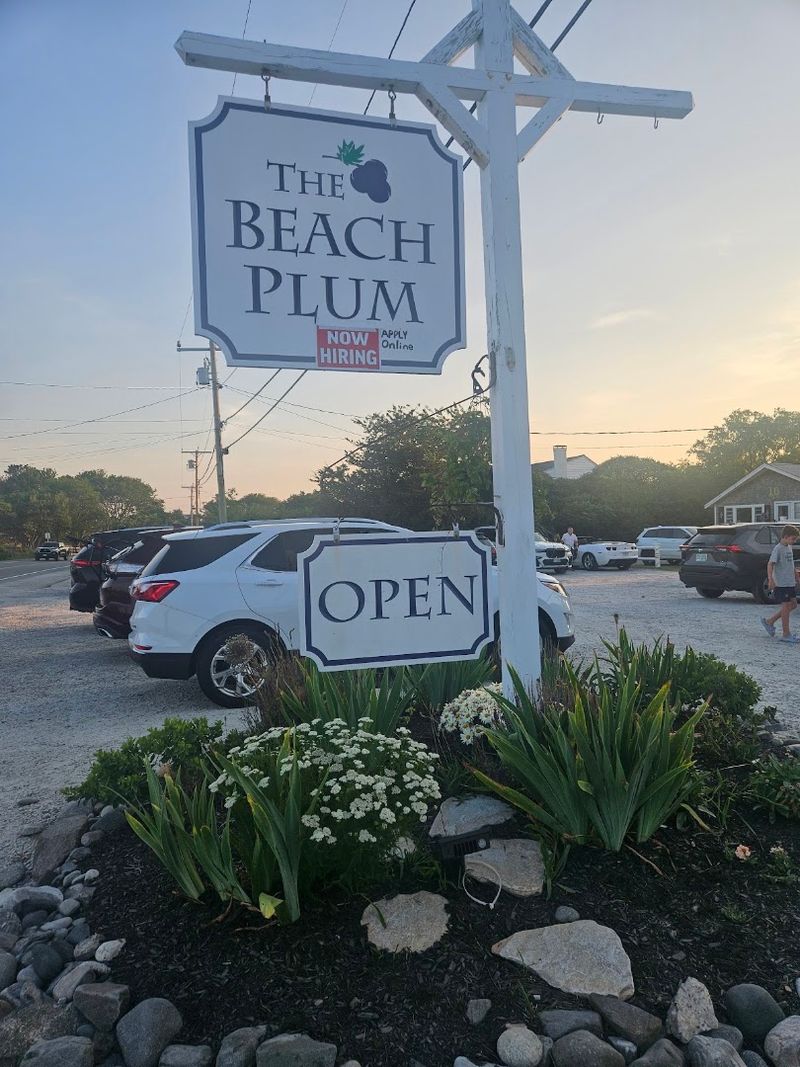
The Beach Plum benefits directly from this system. North Hampton sits right on the coast.
The supply chain is short. The regulations keep the quality consistent over time.
Eating a lobster roll here is not just a meal. It is part of a longer story about responsible fishing and coastal stewardship.
That might sound heavy for a lunch order, but it is worth thinking about. When the fishery is healthy, the lobster is better.
When the lobster is better, the roll is better. It all connects.
The spot across from the beach is a small but real part of keeping that cycle going season after season.
Pairing Lobster Rolls With Complementary Sides
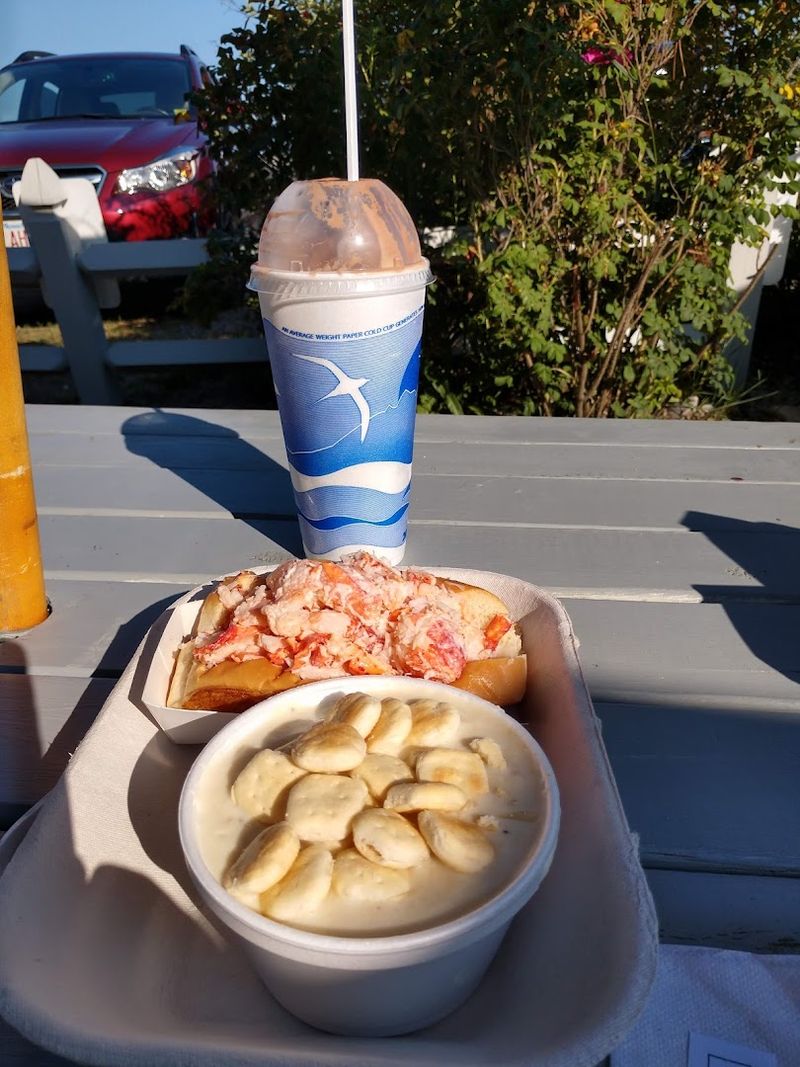
A lobster roll is the star, but the sides matter more than people admit. French fries are the classic move.
Crispy, salty, hot. They give you something to crunch between bites of soft, sweet lobster. The contrast works every time.
Coleslaw is another strong choice. A creamy, slightly tangy slaw cuts through the richness of the lobster and any butter on the bun.
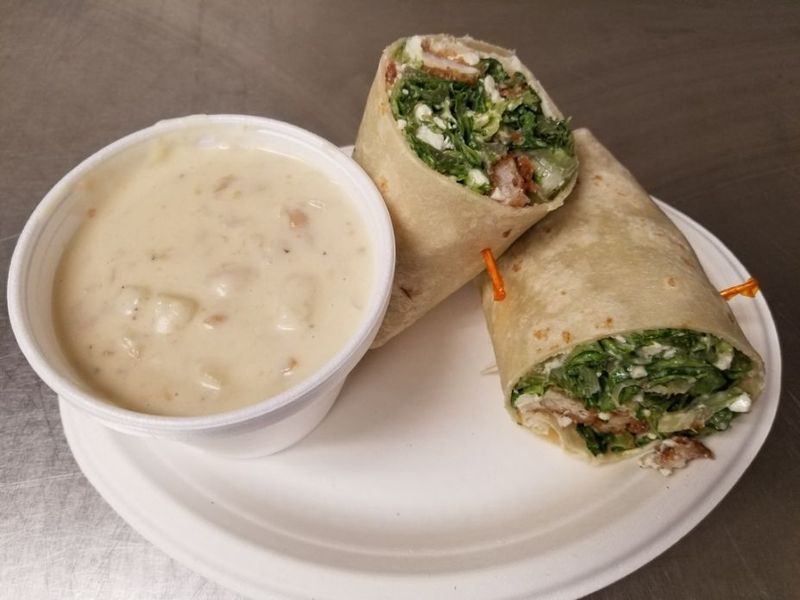
Corn on the cob fits the beach-day energy perfectly. A light Caesar salad keeps things from feeling too heavy.
Potato salad adds a familiar, comforting note.
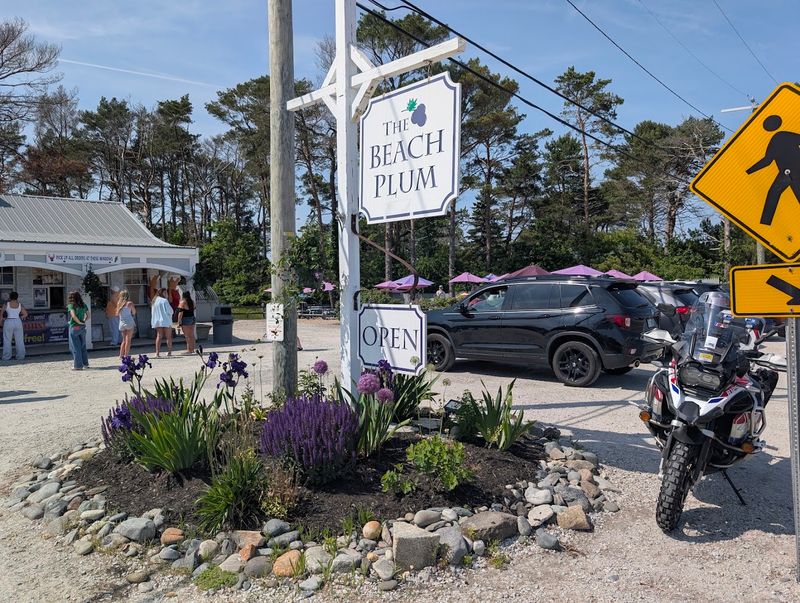
At The Beach Plum, the outdoor seating makes the side dish experience even better. Picnic tables with umbrellas line the area.
The ocean is right across the street. Eating fries with a view of the Atlantic is a different experience than eating them indoors.
The setting becomes part of the meal. Good sides served in a good spot elevate the whole thing.
You stop thinking about individual items and start thinking about the full picture. That combination of food, air, and view is what makes people come back.
It is not complicated. It is just well done.
Techniques For Achieving The Ideal Texture
Overcooked lobster is the enemy. It turns rubbery fast.
The window between perfectly done and overdone is surprisingly small. Getting it right every time requires attention and technique, not luck.
The process starts with cooking the lobster just until the meat turns opaque. No more.
Immediately after cooking, the lobster goes into an ice bath. That stops the cooking process instantly.
The meat stays juicy. The texture stays delicate. Then it gets cut into clean, bite-sized pieces. No shredding. No pulling, just clean cuts that keep the texture intact.
The Beach Plum applies this kind of care consistently. The lobster in the roll is not an afterthought.
It is the whole point. When the texture is right, you notice it immediately.
The meat gives just slightly when you bite. It does not bounce back or fall apart.
That moment is what people are chasing when they order a lobster roll. Achieving it requires real kitchen discipline.
It is easy to rush. It is easy to let a batch go a minute too long.
The spots that get it right every service are the ones that treat the technique as non-negotiable. That is the difference between a good roll and a great one.
How Local Culture Influences Seafood Preparation
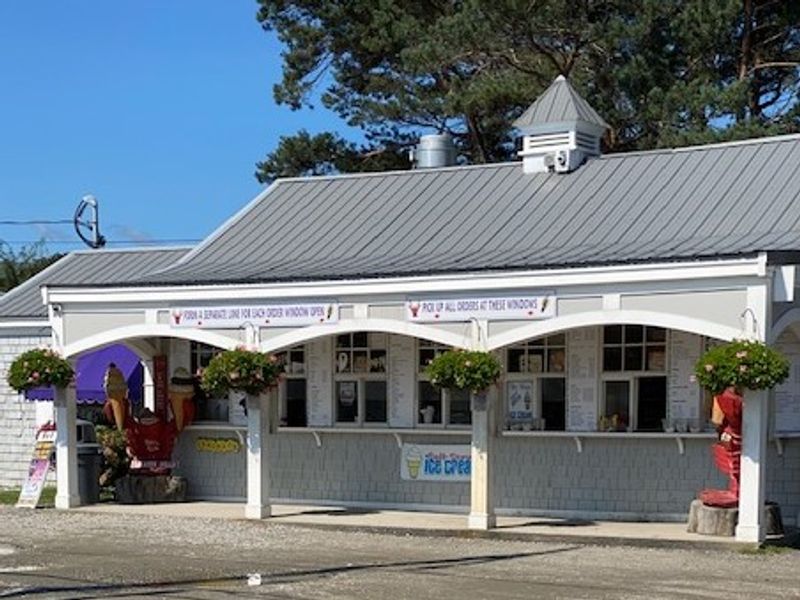
New England’s relationship with the ocean is old and personal. Fishing families built towns along this coastline.
The sea was not a backdrop. It was a livelihood.
That history shows up in how seafood gets cooked here.
The cultural preference is for letting the ingredient speak. Heavy sauces are not the move.
Complicated preparations are not the point. Fresh lobster, a good bun, a little butter or mayo.
That philosophy comes from generations of people who knew exactly what they had and did not want to cover it up.
The Beach Plum reflects that mindset completely. The location helps.
You are steps from North Hampton Beach. The ocean is visible from the picnic tables.
That environment shapes how people eat and what they expect. Casual, relaxed, unpretentious.
Nobody is showing off here. The food does not need to perform.
The local culture around seafood preparation is not about trends. It is about consistency and respect for the ingredient.
That attitude, passed down through coastal communities for generations, is exactly why a simple lobster roll at this spot can feel like something special. Culture cooked into every bite.