
Why This New York Buffet Has Become A Neighborhood Favorite
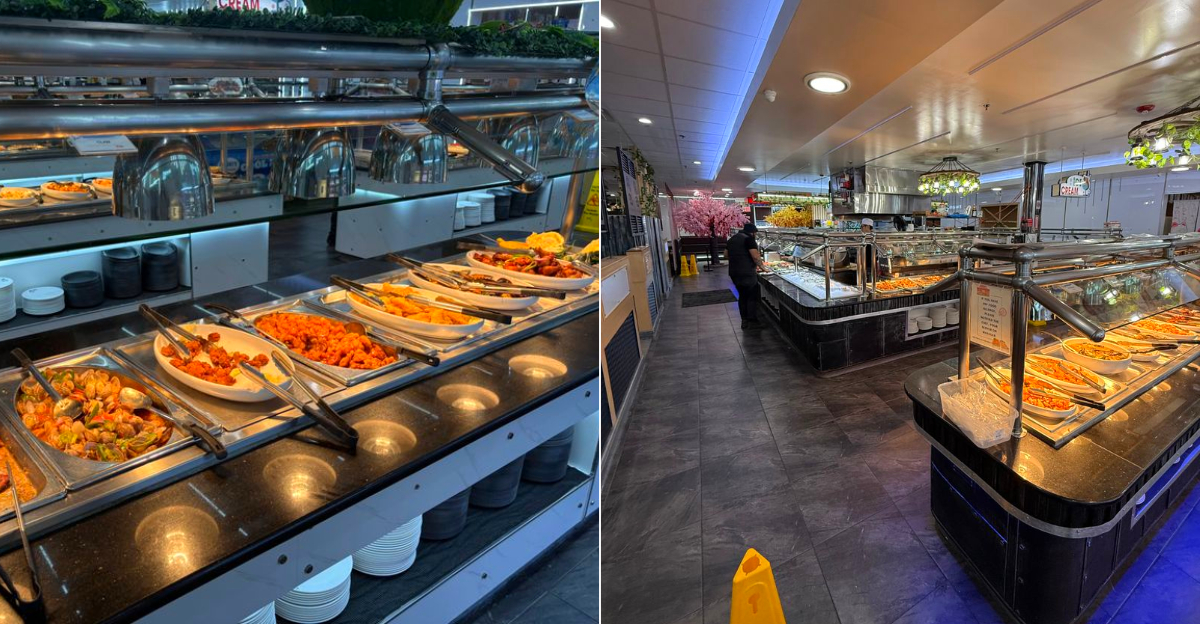
Certain neighbourhood restaurants slip so naturally into daily life that you stop thinking of them as destinations at all. On a steady stretch of Eighteenth Avenue in Bensonhurst, this buffet functions more like a dependable extension of the block, lights glowing at the right hour, doors swinging open to familiar faces, the rhythm of dinner unfolding without urgency or fuss.
People arrive tired from work, families settle in without ceremony, and plates begin filling in a way that feels reassuring rather than indulgent. The appeal isn’t novelty or spectacle, it’s the comfort of knowing exactly what the evening will deliver and how smoothly it will move along.
Over time, that predictability becomes its own kind of luxury, one that quietly explains why neighbours keep returning without needing a special occasion.
A Dining Room Built For Real Life
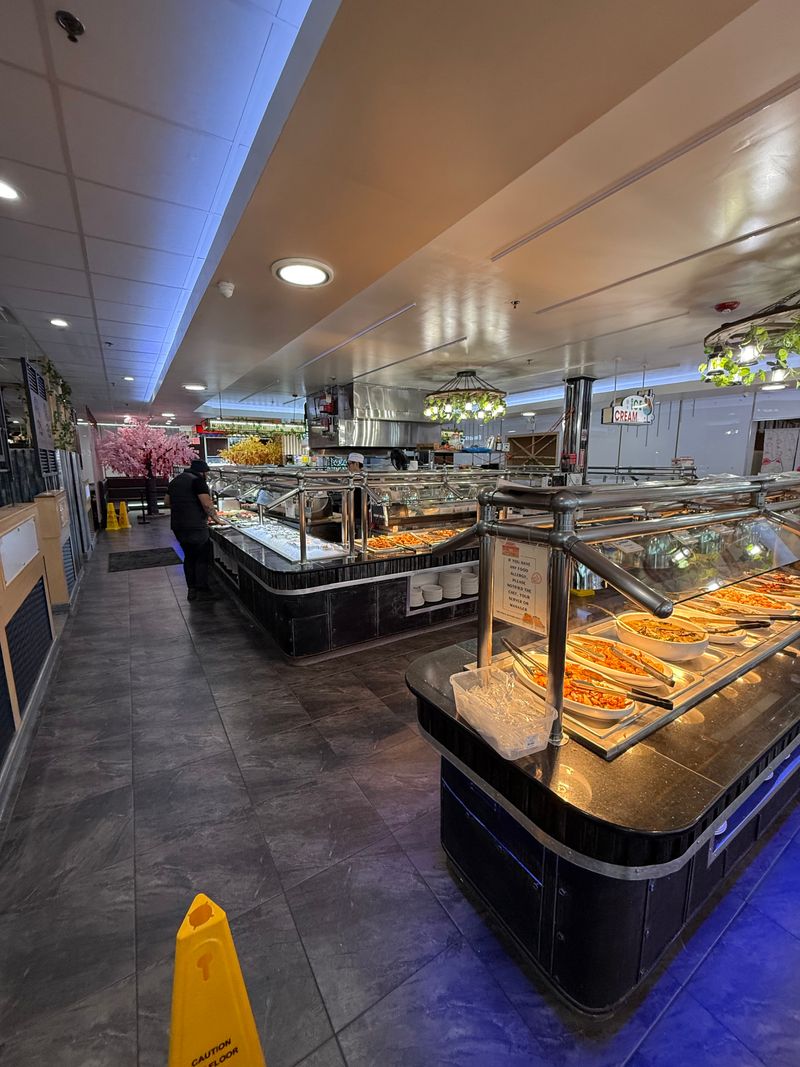
First impressions here are refreshingly pragmatic, the kind you appreciate more with each visit. A clean, well lit dining room spreads out sensibly, designed for groups without turning into a maze.
Families settle in smoothly while staff weave through the aisles with practiced ease. Later in the evening, when the crowd thickens, the intuitive flow between stations keeps everything from bunching up.
Somewhere between the sushi bar and the hot trays you notice the small decisions that make dining easier. Seating allows strollers and mobility aids to pass without awkward detours, and conversation hums at a comfortable volume.
You might not remark on the brightness until you realize you can read the buffet labels without squinting. The address sits firmly in memory after a few visits as 6209 18th Avenue, Brooklyn, NY 11204, embedded into routine.
Comfort arrives not as spectacle but as steadiness. Chairs feel sturdy, tables are wiped promptly, and traffic lanes remain clear even during birthday sing alongs.
That practical choreography reduces friction so you can focus on food and company. You leave thinking less about decor and more about how easy the experience felt from door to dessert.
The Meaning Of A Neighborhood Favorite
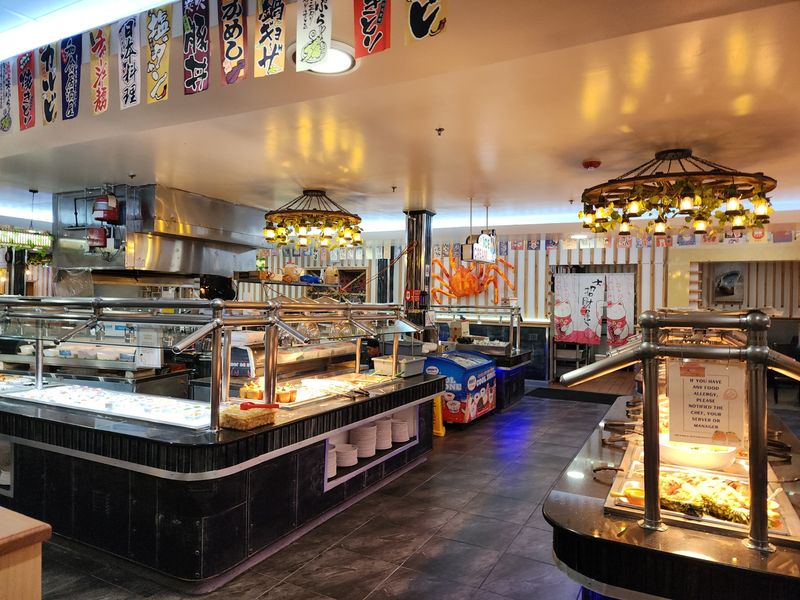
Popularity in a residential pocket looks different than hype across town. Here, loyalty accumulates one ordinary Tuesday at a time, when dinner needs to be predictable and friendly.
You notice nods between staff and regulars, the hello that lands somewhere between a greeting and a check in. Expectations are met without ceremony, which is precisely the point.
Consistency becomes the quiet promise that keeps people returning. Plates look familiar, prices make sense, and the pacing stays steady even when it is busy.
There is a relief in knowing the sushi will be replenished and the soups will not simmer into oblivion. It is dependable hospitality rather than theatrics, and the neighborhood responds accordingly.
That dependability is not dullness, though. It is a rhythm of competence that lets celebrations blend with the weekly routine.
Guests bring out of town friends, then those friends show up on their own the next month. Over time, the restaurant becomes part of the area’s mental map, a default answer when someone asks where to meet for an easy meal.
A Buffet That Prioritizes Balance
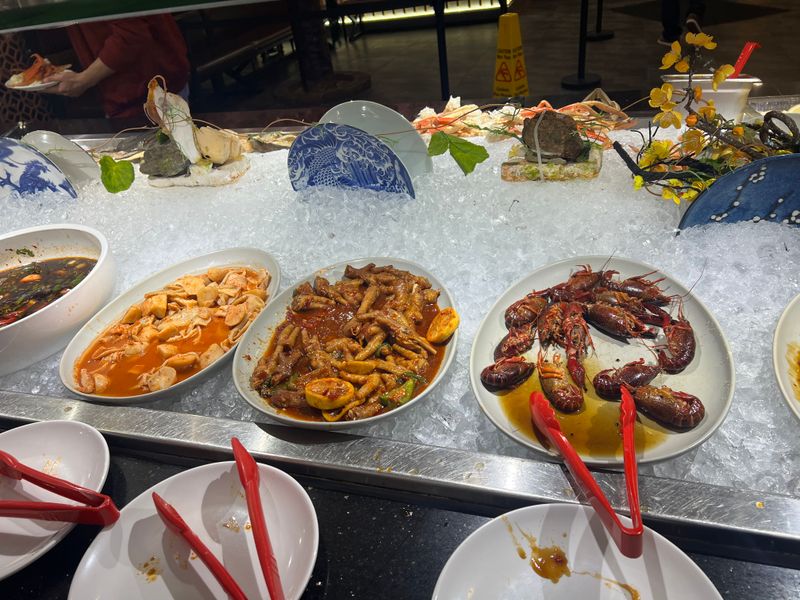
Balance shows up first in the way choices share space respectfully. Sushi rolls sit near simple salads, while steamed seafood does not overshadow a tray of quietly excellent greens.
The kitchen avoids a carnival of novelty, leaning instead on well executed staples. That approach means fewer peaks and valleys, more consistent altitude across the meal.
You can build a seafood focused plate, then pivot to noodles and a vegetable medley without whiplash. Fried items arrive crisp rather than heavy, and the soup ladles deliver broth that tastes cared for.
Rice stays seasoned but not sugary, supporting fish rather than competing with it. This is the difference between variety and distraction, a distinction diners feel immediately.
Parents appreciate the flexible options, and kids find familiar flavors alongside mild adventures. The buffet stations encourage browsing without pressure, with staff refilling trays before scarcity sets in.
Over the course of a visit, that equilibrium keeps energy calm and appetites engaged. It is a well tuned spread, designed to serve different tastes gracefully within the same table.
Freshness As A Quiet Priority
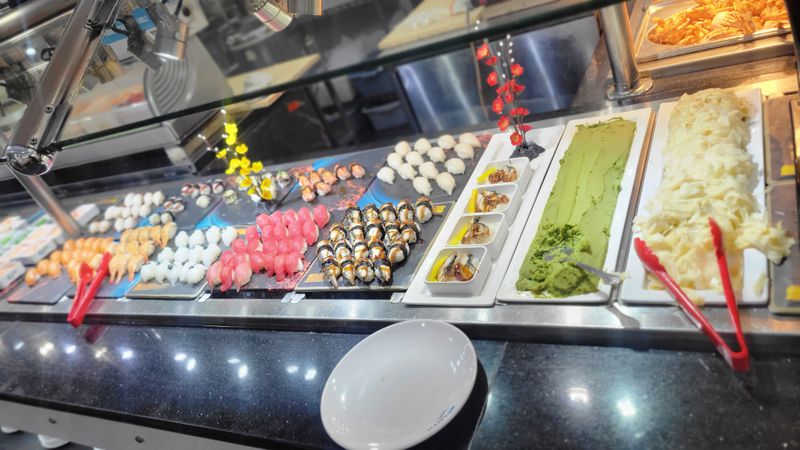
Freshness here announces itself softly through turnover and color. Trays cycle before edges dry out, and sushi platters are swapped rather than patched.
Vegetables keep their snap, and broth stays bright on the palate. Nothing is fussy, yet the care is evident in the way each station feels alive rather than staged.
Regulars notice those cues, even if they do not comment on them outright. Fish tastes clean, rice holds its texture, and tempura breaks with a gentle shatter.
Staff circulate with a timing that suggests habit rather than urgency, catching dips before they become gaps. The effect is calm confidence, and you taste it across the plate.
Freshness also extends to the small things, like lemon wedges that still gleam and herbs that are aromatic rather than tired. It keeps a buffet feeling present tense instead of yesterday’s news.
That quiet reliability earns trust over repeat visits, which matters more than a flashy flourish ever could. You leave satisfied by steadiness, not spectacle.
Choice Without The Stress
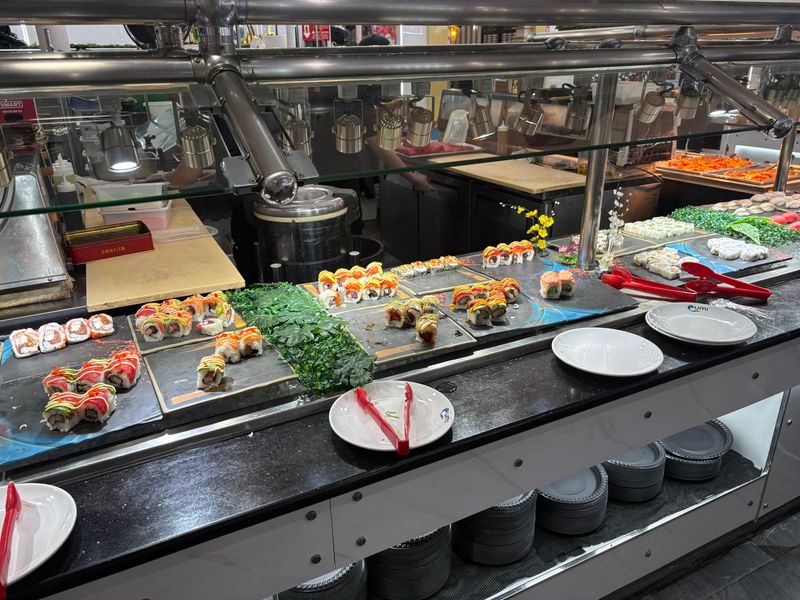
Decision fatigue disappears when a room understands flow. Stations are spaced so you can scan calmly, plate in hand, without jockeying for position.
Replenishment arrives on cue, removing the fear of missing out that can sour a buffet line. The result is a browsing tempo that invites curiosity rather than competition.
Children try new bites because nobody hovers impatiently behind them. Adults compose plates in chapters, tasting a few things, then returning thoughtfully for the next round.
Conversations continue even while choosing because the environment never shouts. You feel shepherded by design rather than rules.
Freedom works best when the boundaries are gentle and clear. Here, signage is legible, paths make sense, and the staff’s presence is reassuring without being intrusive.
That combination lets choice become pleasure, not labor. You finish your meal with the feeling that you navigated options gracefully, which is rare and absolutely delightful.
Families As The Backbone
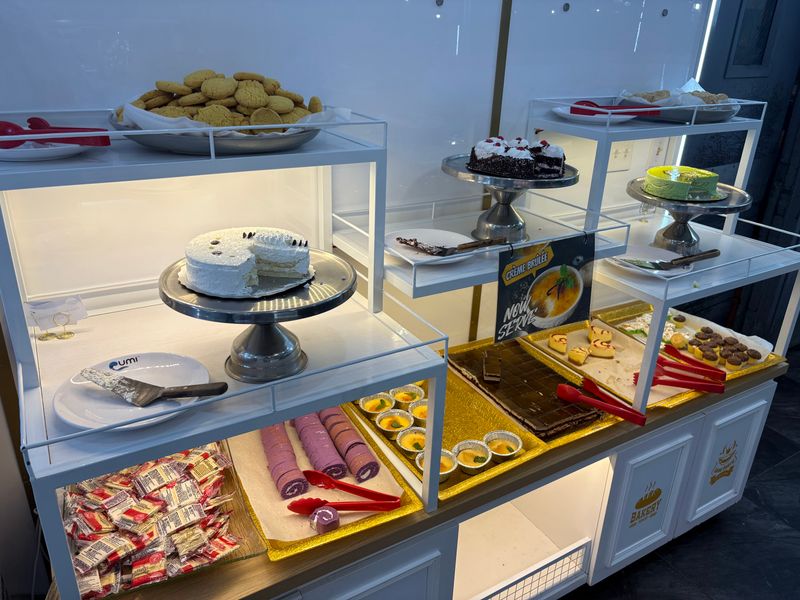
Community shows up most clearly at large tables where ages and appetites mix. Grandparents settle into comfortable chairs while kids trade discoveries from the dessert station.
Parents appreciate clear pricing and a menu that can satisfy cautious eaters alongside adventurous cousins. Birthdays appear without fuss, a candle, a song, and plenty of smiles.
The space lends itself to gatherings that do not need scripts. You can host a small celebration on a weeknight and still get everyone home on time.
Staff recognize returning groups and anticipate routines, from extra napkins to a quiet corner for the baby. That familiarity becomes an amenity more valuable than any decor flourish.
Over many visits, memories stack gently rather than grandly. A favorite soup, a reliable noodle dish, the roll that always disappears first, all of it becomes part of family shorthand.
Neighborhood restaurants thrive on that kind of continuity. This one clearly understands its role and performs it with steady affection.
A Place That Supports Routine
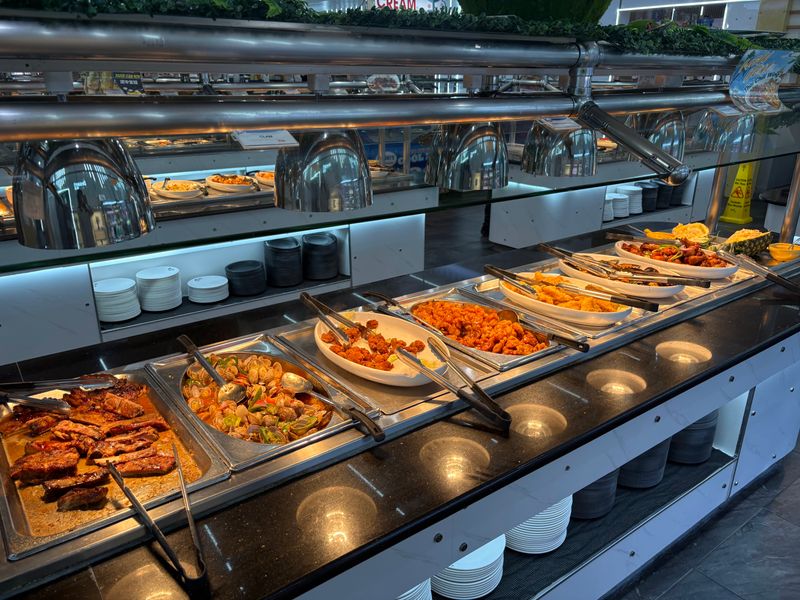
Habit is underrated until a restaurant respects it. You come on Wednesdays after practice, or Sundays before errands, and the cadence always feels right.
Doors open on time, favorites appear where you expect them, and the staff’s pace matches the neighborhood’s pulse. Predictability lowers the temperature of a long day.
Locals adjust their timing around the gentle waves of busier and quieter hours. Early birds know which trays land first, and late diners catch the final replenishment without feeling rushed.
That coordination happens behind the scenes, yet the ease is unmistakable at the table. Reliability becomes hospitality’s most practical gift.
Over time, routine turns into comfort. You develop a path through the room, a preferred seat, a first stop for soup or salad.
The ritual takes pressure off decision making, which leaves more attention for conversation. It is an everyday luxury that costs nothing and adds up beautifully.
Cultural Comfort Without Performance
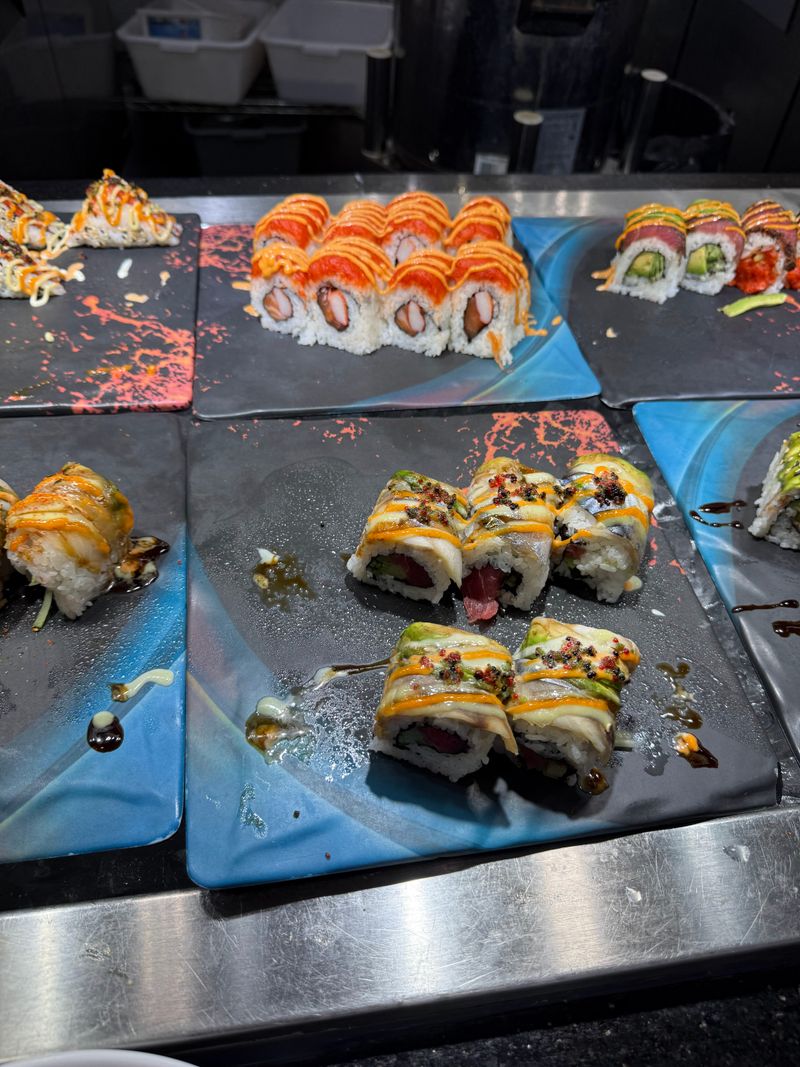
Diversity here feels lived in rather than advertised. The menu bridges familiar Chinese American comforts, straightforward Japanese sushi, and gentle seafood preparations that welcome cautious palates.
Nothing screams for attention, yet plenty satisfies with quiet assurance. You taste balance rather than bravado, which keeps the room inclusive.
Seasoning tends toward clarity over shock value, so herbs and aromatics read cleanly. The result is food that travels well across generations at the same table.
Someone explores sashimi while another leans into steamed fish and greens, and both feel equally considered. It is a generous approach that sidesteps theatricality.
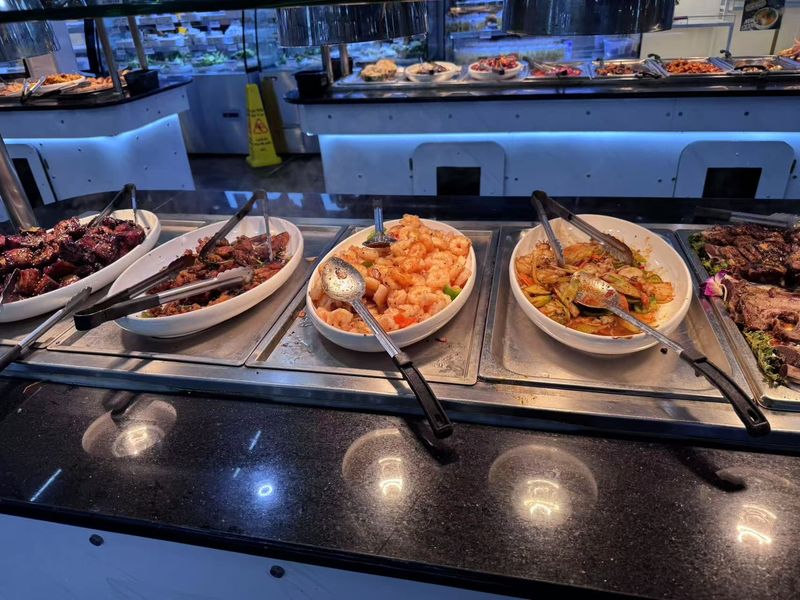
Because the tone stays grounded, small details register more fully. A properly warmed chafing tray, a respectful garnish, a soup that smells inviting before you even lift the ladle.
Those touches add up to cultural comfort without a performance backdrop. People return because the experience fits daily life with grace.
Staff As Familiar Faces
Service here favors steadiness over showmanship. You see the same hosts and servers week after week, greeting families by memory.
Plates vanish quietly before clutter builds, and drinks reappear as if on cue. The room runs on practiced rhythm, the kind that only comes from time.
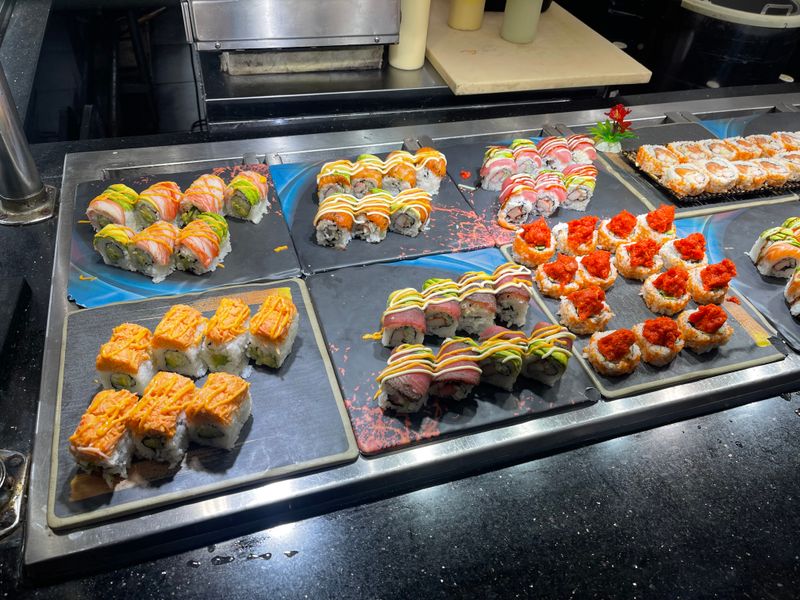
Staff learn preferences without making a production of it. Someone remembers your seltzer habit, another points to a fresh batch of salmon rolls.
These are modest gestures, yet they accumulate into comfort. Recognition takes the edge off dining with kids, elders, or a long workday still clinging to your shoulders.
That continuity also anchors trust when occasional hiccups happen. A delayed tray or a wilted garnish is noticed and corrected rather than defended.
Guests respond to that accountability with patience. In a neighborhood setting, those relationships matter as much as the menu, and this team seems to understand the assignment.
Why It Endures Without Hype
Longevity in a dense city often favors the steady over the flashy. This address hums along because it solves a daily problem gracefully: feed everyone well, quickly, and affordably enough to return.
Word travels through school chats, workplace conversations, and weekend errands. Marketing becomes the polite echo of lived experience.
Visitors arrive with modest expectations and leave with plans to come back. The menu hits the middle of the Venn diagram where families coexist happily.
Service keeps momentum without pressure, which lowers the barrier to entry next time. That cycle powers itself, and the dining room reflects it every evening.
Even as trends swirl elsewhere, the essentials hold. Modest signage, warm light, regular faces, and food that tastes freshly made shape the reputation.
You do not need drama when you have reliability. In Bensonhurst, that is often the truest compliment a restaurant can earn.