
Why This North Carolina Town Is A Secret Escape For Nature Lovers
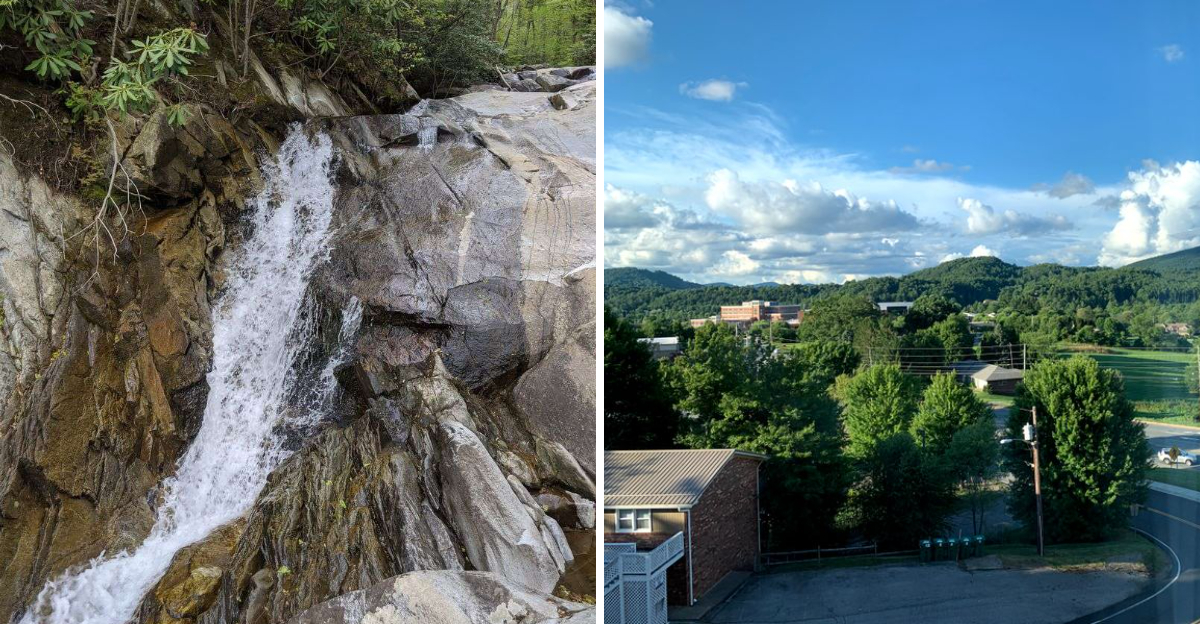
Boone sits high in North Carolina’s Blue Ridge Mountains, where the air stays cool even when the rest of the South swelters under summer heat.
This small mountain town offers something rare: easy access to wilderness without the hassle of fighting crowds or driving hours down unmarked roads.
For anyone who craves forests, trails, rivers, and wildlife, Boone delivers all of it within minutes of downtown, making it one of the region’s best-kept secrets for outdoor lovers.
Tucked High In The Blue Ridge Mountains, Yet Easy To Reach
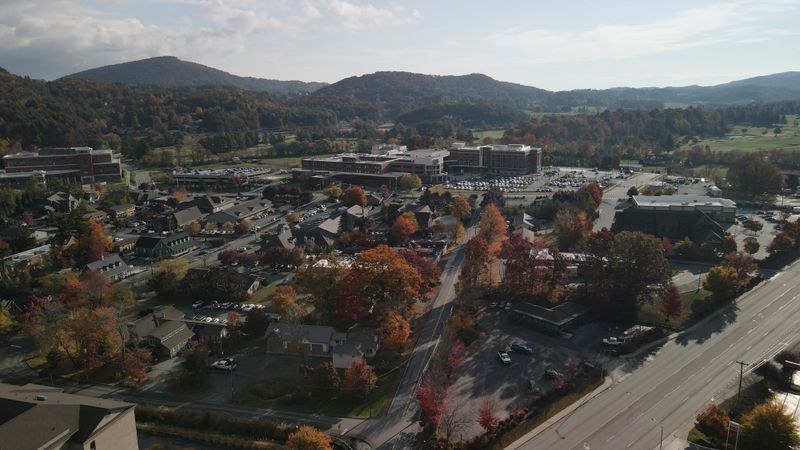
Boone rests at an elevation of over 3,300 feet, which means you get mountain views and fresh alpine air without the isolation that usually comes with high-altitude towns.
The drive in follows well-maintained highways that curve through forests and valleys, bringing you straight into the heart of the Blue Ridge.
Unlike remote mountain escapes that require hours of white-knuckle driving, Boone sits just off major routes, making it accessible for weekend trips or longer stays.
You can leave the flatlands in the morning and be hiking a ridgeline by lunch.
The town itself spreads across rolling terrain, with neighborhoods tucked into hillsides and main streets that feel grounded rather than touristy.
It’s a place where elevation works in your favor, offering cooler weather and sweeping views without cutting you off from the rest of the world.
Surrounded By Protected Forests And Public Lands
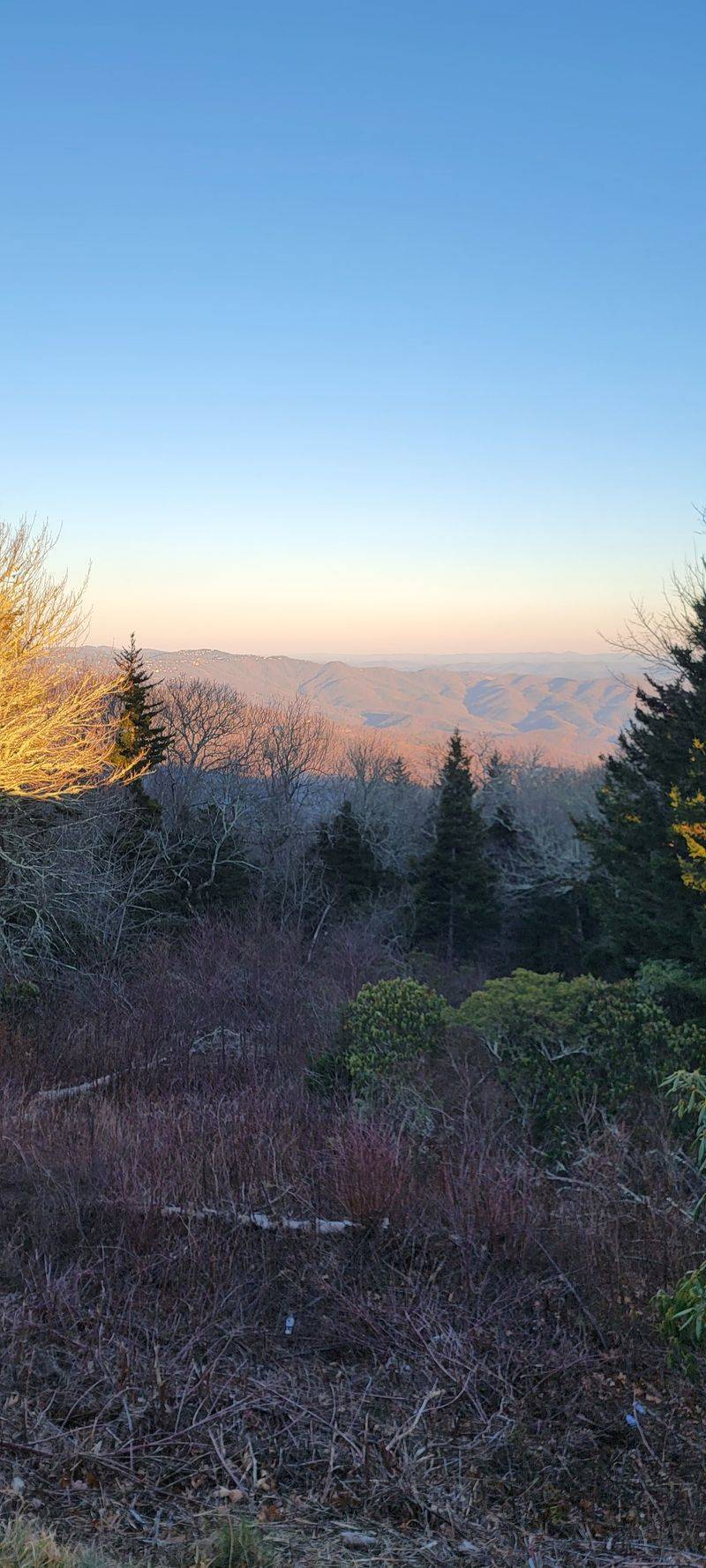
Pisgah National Forest and other public land preserves wrap around Boone like a natural fortress, ensuring that development stops where wilderness begins.
These protected areas cover thousands of acres, offering everything from old-growth hardwoods to rocky outcrops and hidden waterfalls.
Because so much land remains under conservation, the wildlife populations stay healthy and the trails stay quiet.
You won’t find strip malls creeping into the forest or subdivisions carving up ridgelines.
The proximity of these public lands means you can step out of town and into true backcountry within minutes, no special permits or long drives required.
It’s a setup that benefits both the ecosystem and anyone looking to explore without barriers.
Boone’s location at 36.2181951, -81.6830378 places it right in the middle of this protected corridor.
A Gateway To The Blue Ridge Parkway’s Most Scenic Sections
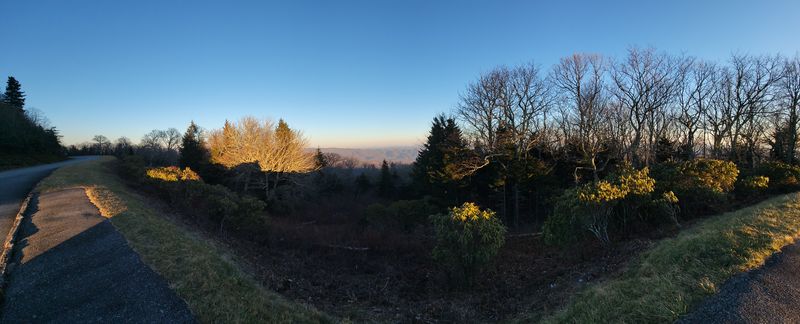
The Blue Ridge Parkway runs just outside Boone, offering some of the most photographed stretches of mountain road in the entire eastern United States.
This 469-mile scenic byway winds along ridgelines and through valleys, with overlooks that open onto layer after layer of blue-tinted peaks.
Boone sits near milepost 291, where the road reaches some of its highest elevations and most dramatic views.
You can pull off at dozens of overlooks within a short drive, each one offering a different perspective on the mountains below.
In autumn, the Parkway becomes a magnet for leaf-peepers chasing peak color, but spring and summer bring wildflowers and cooler temperatures that make driving a pleasure.
Because Boone serves as a natural basecamp, you can explore the Parkway in sections, returning to town for meals and rest between drives.
Miles Of Hiking Trails Right Outside Town
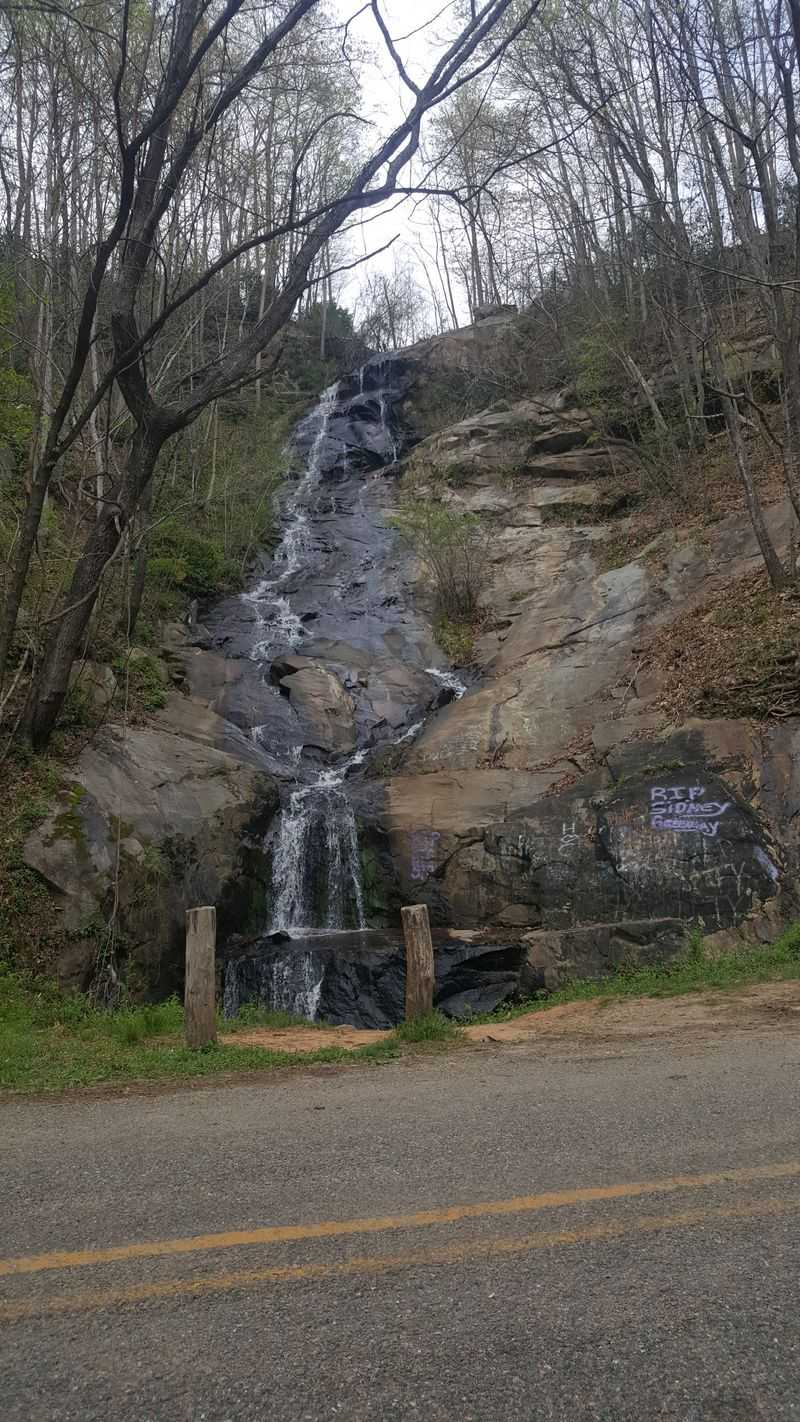
Boone’s trail network spreads out in every direction, offering everything from easy riverside walks to steep climbs that reward effort with panoramic views.
The town sits near the Appalachian Trail, which means serious hikers can access one of the most famous long-distance routes in the country without leaving the area.
Shorter trails loop through nearby parks and forests, many of them starting just minutes from downtown.
You’ll find paths that follow creeks, climb ridges, or cut through rhododendron thickets so dense they block out the sun.
Because the terrain varies so much, you can choose your difficulty level based on mood and fitness, from flat greenways to challenging ascents.
The trails stay busy enough to feel safe but never so crowded that you lose the sense of solitude that makes hiking worthwhile.
Rivers And Streams That Attract Kayakers And Fly Fishers
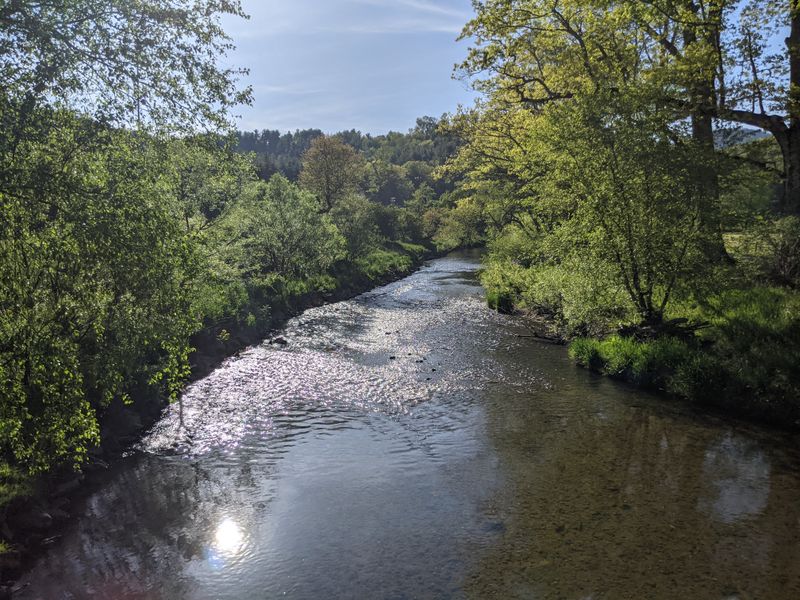
Cold, clear streams tumble down from the high country around Boone, feeding rivers that support healthy populations of trout and draw anglers from across the region.
The New River, one of the oldest rivers in the world, flows through the area, offering calm stretches perfect for kayaking and canoeing.
Fly fishing here requires patience and skill, but the reward is pulling native brook trout from pools shaded by hemlocks and rhododendrons.
Local outfitters offer guided trips and gear rentals, making it easy to get on the water even if you’re new to the sport.
Kayakers appreciate the variety, with everything from gentle floats to Class II rapids depending on the season and recent rainfall.
The water stays cold year-round, a reminder that you’re paddling through true mountain country where snowmelt feeds the streams well into spring.
Cooler Summer Temperatures Compared To Much Of The South
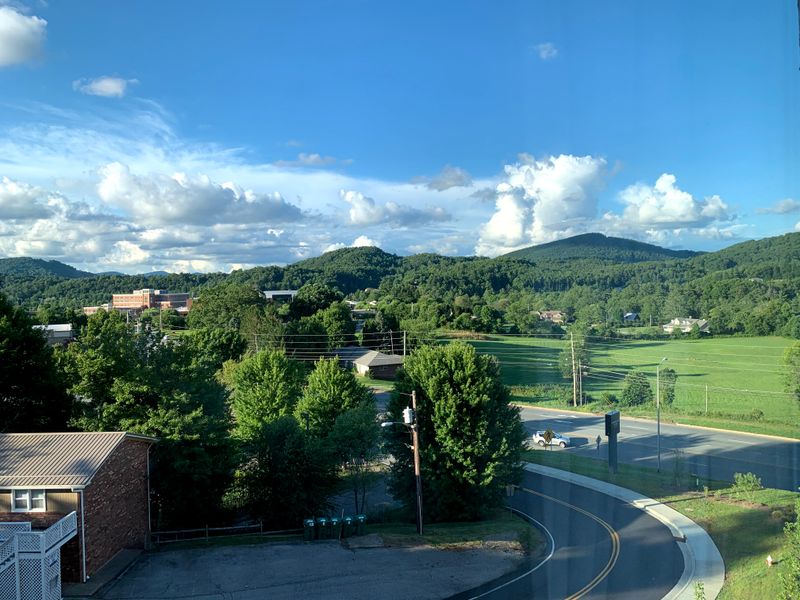
While cities across the South bake under humidity and heat, Boone enjoys summer highs that rarely push past the low 80s.
The elevation creates a natural air conditioning system, pulling cooler air down from the mountains and keeping nights comfortable enough for sleeping with the windows open.
This climate difference makes Boone a popular summer escape for families looking to avoid the oppressive heat of lower elevations.
You can hike midday without feeling like you’re melting, and evenings often require a light jacket even in July.
The town’s weather feels more like New England than the Deep South, with crisp mornings and afternoons that invite outdoor activity rather than forcing you indoors.
It’s a climate that supports year-round recreation without the extremes that make summer unbearable or winter dangerous in other mountain towns.
Wildlife Viewing Opportunities Throughout The Seasons
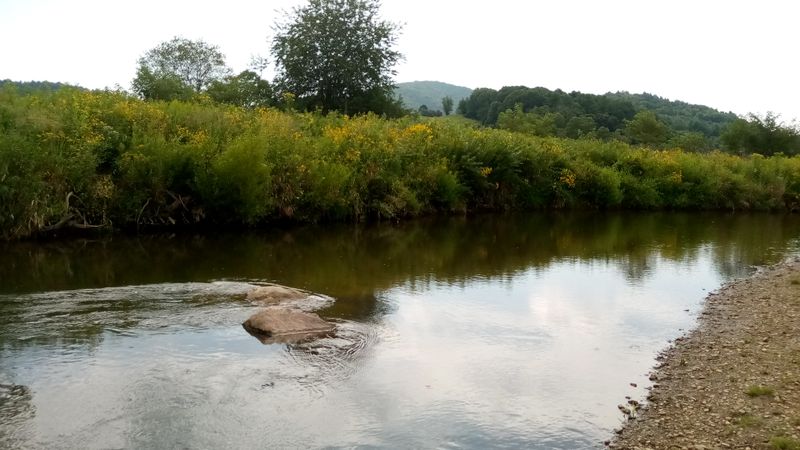
Black bears roam the forests around Boone, along with white-tailed deer, wild turkeys, and an impressive variety of songbirds that migrate through the mountains each spring and fall.
The protected lands surrounding the town create corridors that allow wildlife to thrive without constant human interference.
Early morning and late evening offer the best chances for sightings, especially along quiet roads and trailheads where animals feel comfortable venturing into the open.
Birders come to Boone specifically for warblers and other species that nest at higher elevations.
Salamanders, including rare and colorful species, inhabit the damp forests and streambeds, making this area a hotspot for herpetologists and curious hikers alike.
The changing seasons bring different wildlife behaviors, from spring courtship displays to autumn feeding frenzies as animals prepare for winter, ensuring that every visit offers something new to observe.
Four Distinct Seasons That Constantly Change The Landscape
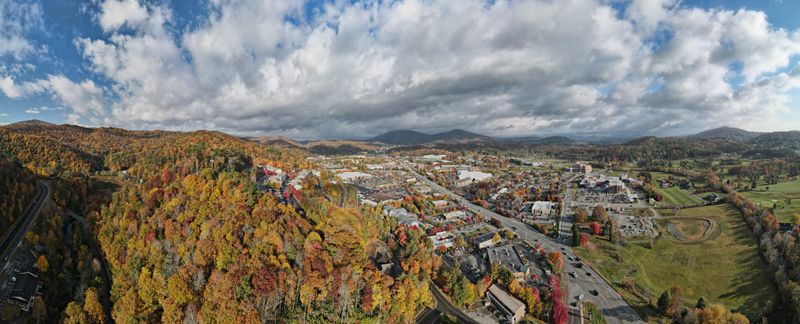
Spring arrives late in Boone, with wildflowers blooming well into May as the last frost retreats up the mountainsides.
Summer brings dense green canopies and afternoon thunderstorms that cool the air and fill the streams.
Autumn turns the hillsides into a patchwork of reds, oranges, and golds, drawing visitors who time their trips to catch peak foliage.
Winter blankets the highest elevations in snow, transforming Boone into a quieter, more contemplative version of itself.
Each season offers distinct advantages for outdoor lovers, whether you’re chasing waterfalls in spring, escaping heat in summer, photographing leaves in fall, or enjoying rare Southern snowfall in winter.
The seasonal shifts keep the landscape from feeling static, ensuring that repeat visitors always find something different to appreciate.
This variability makes Boone feel alive and dynamic rather than frozen in time.
Outdoor Recreation Without The Crowds Of Larger Destinations
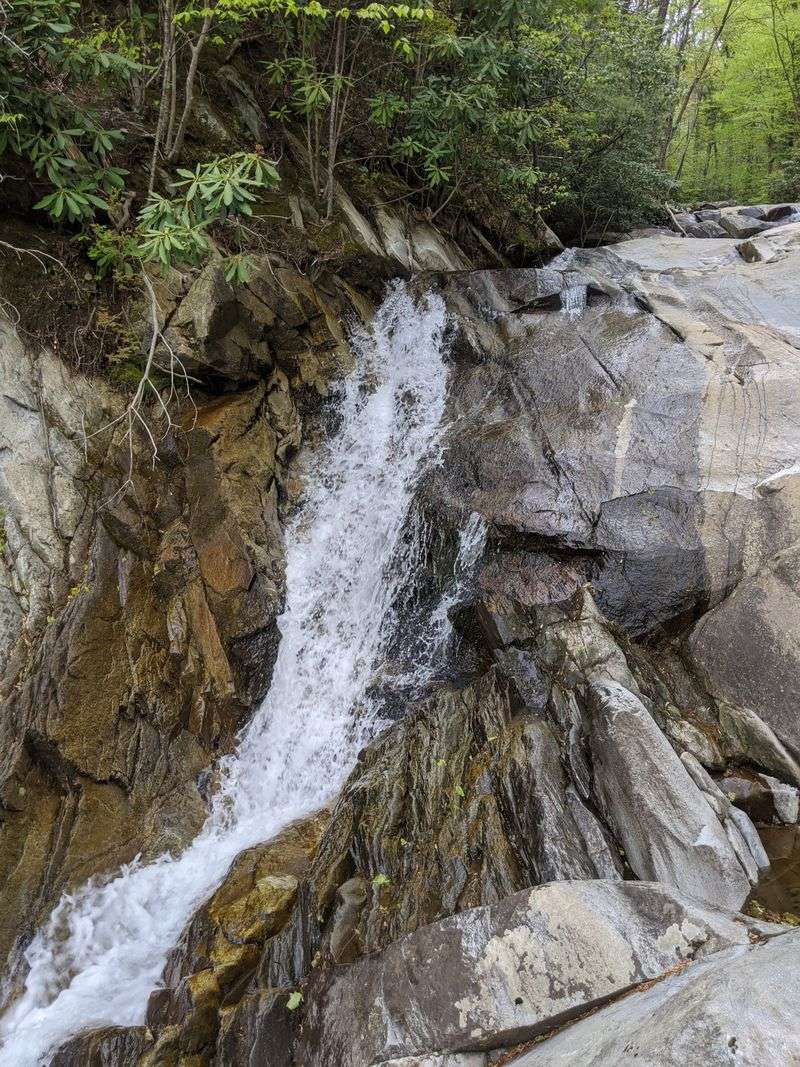
Unlike national parks that require timed entry or popular mountain towns where parking lots fill by dawn, Boone offers outdoor access without the stress of competing for space.
The sheer number of trails and waterways means crowds disperse naturally, leaving plenty of room for everyone.
You can find solitude on a Saturday morning hike or paddle a river without getting stuck behind a flotilla of other boats.
This accessibility without congestion makes Boone ideal for people who want adventure without the logistical headaches that come with more famous destinations.
Local knowledge helps, but even first-time visitors can find quiet spots by venturing just a bit farther from the main trailheads.
The town’s relative obscurity compared to places like Asheville or Gatlinburg works in its favor, preserving the peaceful atmosphere that drew nature lovers here in the first place.
A Town That Blends Nature Access With Everyday Convenience
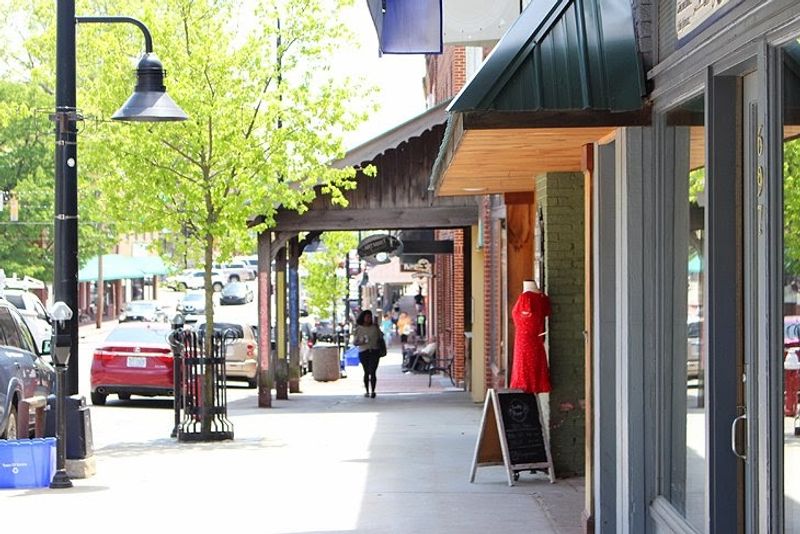
Boone manages to feel like a real town rather than a resort destination, with grocery stores, hardware shops, and everyday services mixed in among outdoor outfitters and coffee shops.
This balance means you can stock up on supplies, grab a good meal, and still be on the trail within twenty minutes.
The presence of Appalachian State University adds energy and culture to the town, bringing live music, art galleries, and a younger demographic that keeps things lively without overwhelming the mountain atmosphere.
You’ll find breweries and farm-to-table restaurants alongside bait shops and gear rental outlets.
The town’s website at townofboone.com offers practical information for visitors planning longer stays who need more than just trail maps.
This combination of wilderness access and urban convenience makes Boone functional for both weekend warriors and full-time residents who refuse to choose between nature and comfort.
Quiet Backroads And Scenic Drives In Every Direction
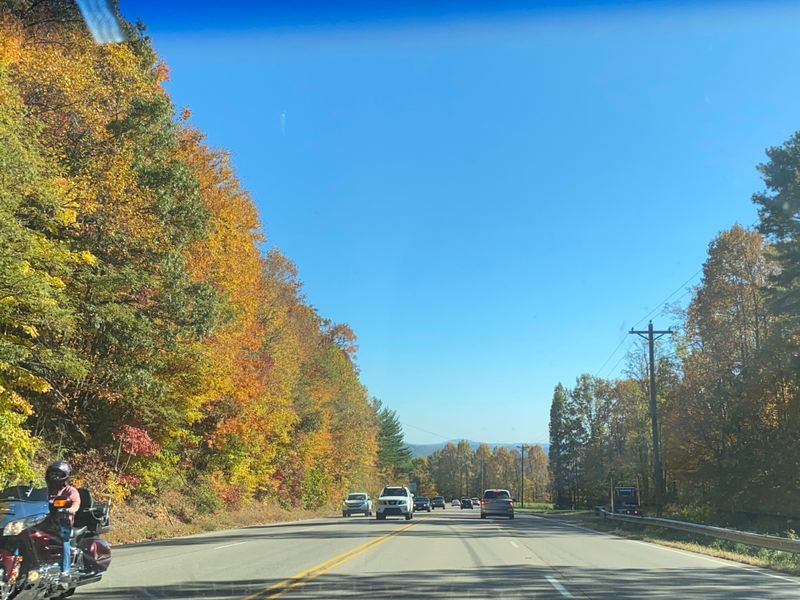
Beyond the main highways, Boone’s surrounding countryside unfolds along narrow roads that twist through farmland, forest, and mountain hollows where time seems to move slower.
These backroads connect small communities and hidden landmarks, offering a different kind of exploration for those who prefer windshield views to boot-on-ground hiking.
You’ll pass old barns, roadside produce stands, and overlooks that never made it onto tourist maps but offer views just as stunning as the official stops.
Many of these roads see little traffic, making them perfect for leisurely drives or cycling routes for those comfortable with hills.
Spring brings blooming apple orchards and roadside wildflowers, while autumn transforms the drives into rolling waves of color.
These quiet routes remind you that Boone’s beauty extends far beyond the designated trails and parks, revealing itself to anyone willing to wander without a strict itinerary.