
Why This North Carolina Town Still Feels Like A Step Back In Time
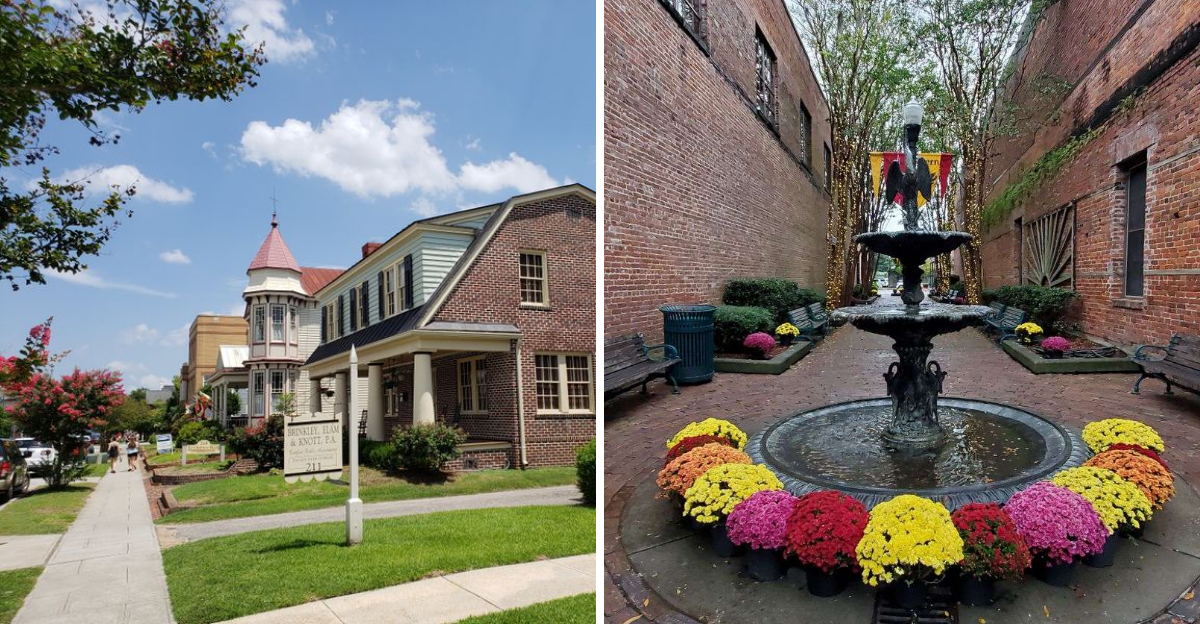
Nestled where the Neuse and Trent Rivers meet, New Bern captivates with its timeless charm, standing as one of North Carolina’s most captivating historic towns.
Established in 1710 by Swiss and German settlers, this riverside gem has held steadfast to its colonial roots, preserving its old-world architecture and traditions.
As you stroll along its cobblestone streets, you’ll find yourself transported to a bygone era, where the slow pace of life and centuries-old stories echo through the air, inviting you to step back into America’s earliest chapters.
Tryon Palace Stands As A Monument To Colonial Grandeur
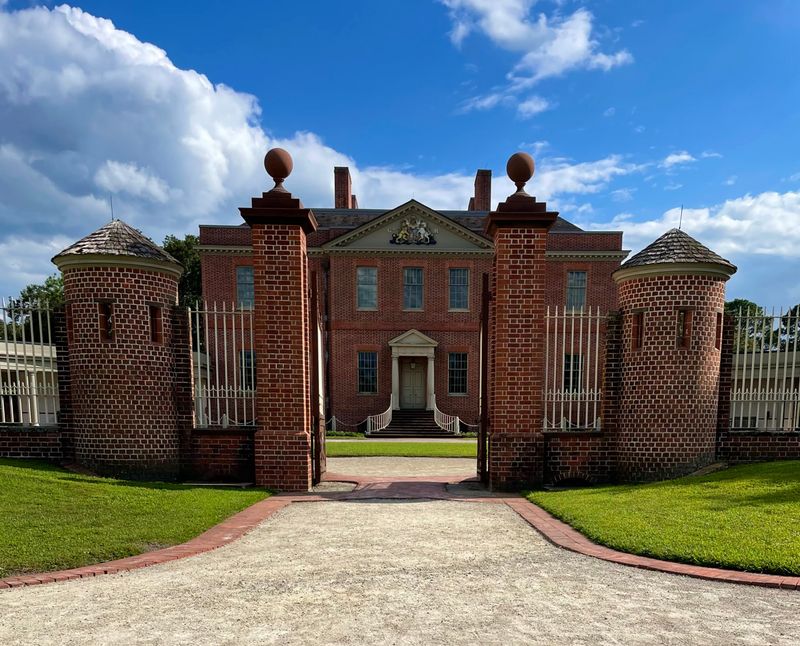
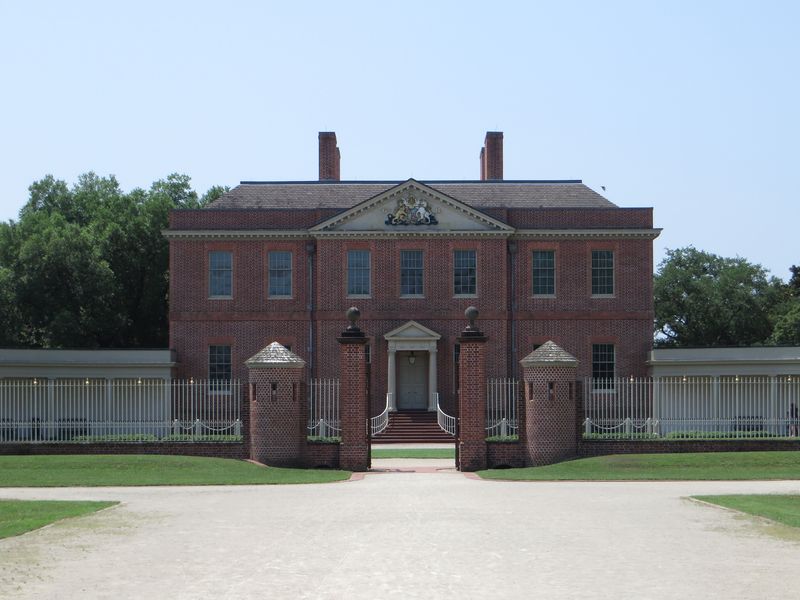
Governor William Tryon’s residence, completed in 1770, served as North Carolina’s first permanent capitol and remains the crown jewel of New Bern’s historic landscape.
Reconstructed with painstaking accuracy in the 1950s, the palace complex showcases Georgian architecture at its finest, complete with period furnishings, formal English gardens, and costumed interpreters who bring the 18th century vividly to life.
Visitors can explore the governor’s private chambers, the grand council room, and the kitchens where meals were prepared using colonial methods.
The palace grounds extend across several acres, offering walking paths through manicured gardens that bloom with heirloom varieties.
The Birthplace Of Pepsi Preserves A Sweet Slice Of Americana

Caleb Bradham invented his famous cola recipe right here at his pharmacy on Middle Street in 1898, originally calling it Brad’s Drink before renaming it Pepsi-Cola.
The restored drugstore now operates as a museum and gift shop, complete with an old-fashioned soda fountain where visitors can sample the beverage that would eventually become a global phenomenon.
Original artifacts, vintage advertisements, and photographs chronicle the drink’s evolution from local tonic to international brand.
The building itself retains its Victorian-era charm, with wooden floors and antique fixtures transporting guests back to the turn of the century.
Historic District Architecture Tells Stories In Brick And Timber

More than 150 structures dating from the 18th and 19th centuries line the streets of New Bern’s protected historic district, creating an architectural museum without walls.
Federal, Georgian, and Victorian styles stand shoulder to shoulder, their facades meticulously maintained by preservation-minded residents who understand the value of their inheritance.
Walking tours reveal hidden details: hand-forged ironwork, original glass panes with their telltale ripples, and foundation stones laid by colonial craftsmen.
Many homes display historical markers that recount the lives of their original inhabitants, from merchants and ship captains to Revolutionary War officers and their families.
Riverfront Views Connect Past Maritime Commerce To Present Tranquility

Union Point Park sits at the confluence of the Neuse and Trent Rivers, where colonial traders once loaded tobacco and timber onto ships bound for Europe.
Today this waterfront green space offers sweeping views of the same waters that shaped New Bern’s economy and identity for centuries.
Wooden boardwalks and benches invite contemplation, while interpretive signs explain the port’s historical significance.
Sailboats and fishing vessels glide past, maintaining the maritime character that defined the town since its founding.
The riverfront remains largely undeveloped, preserving sightlines that would be recognizable to 18th-century residents.
Church Steeples Punctuate Skylines Unchanged Since The 1800s
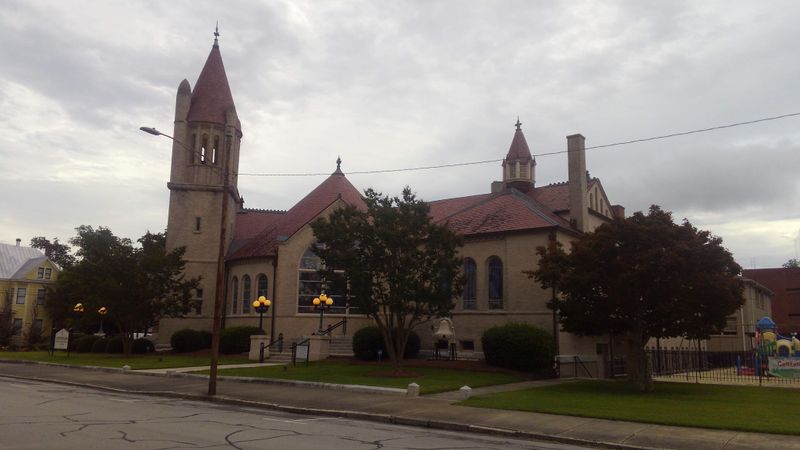
Christ Episcopal Church, established in 1715, remains an active congregation housed in a stunning Gothic Revival building completed in 1875.
Its soaring spire serves as a navigational landmark visible throughout downtown, just as it has for nearly 150 years.
First Presbyterian Church and Centenary United Methodist Church add their own architectural voices to the sacred landscape, their bells marking the hours as they have for generations.
These houses of worship anchor neighborhoods and preserve traditions of community gathering that predate the American Revolution.
Services still follow liturgical patterns established centuries ago, maintaining spiritual continuity alongside architectural preservation.
Local Shops Resist Chain Store Homogenization

Independent merchants still occupy the storefronts along Middle Street and Pollock Street, offering goods and services with personal attention that disappeared from most American towns decades ago.
Hardware stores, bookshops, and antique dealers operate from buildings that housed similar businesses a century past.
Shopkeepers know their customers by name and maintain inventory based on local preferences rather than corporate directives.
Window displays change with the seasons but retain a handcrafted quality absent from franchise operations.
This resistance to commercial standardization preserves not just aesthetic character but also economic relationships rooted in community rather than quarterly earnings reports.
Festivals Honor Traditions Rather Than Manufacture Spectacle
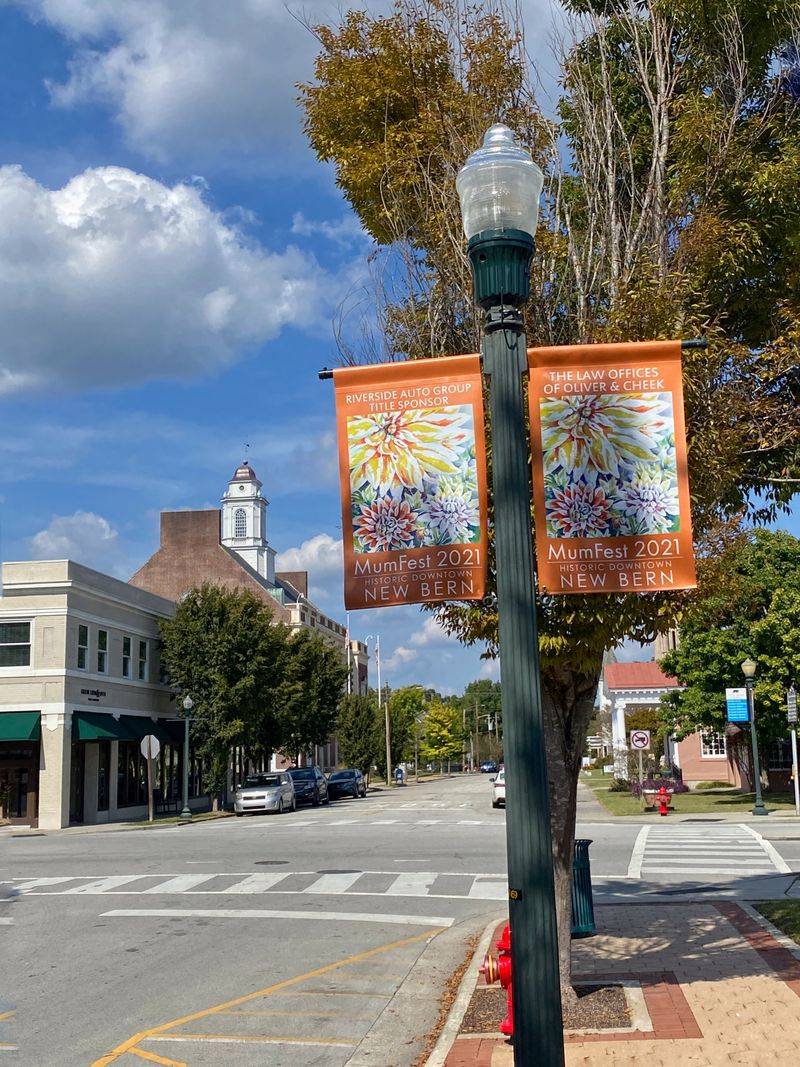
Mumfest, held each October since 1983, celebrates chrysanthemums and autumn harvest traditions with craft demonstrations, period music, and locally produced foods rather than carnival rides and corporate sponsors.
The event draws its character from genuine community participation instead of entertainment industry formulas.
Spring brings the New Bern Historical Society’s annual tour of private homes, opening rarely-seen interiors to visitors interested in preservation and architectural history.
These gatherings emphasize education and cultural continuity over commercial exploitation, maintaining connections to the past that feel authentic rather than manufactured for tourist consumption.
Residential Streets Maintain Human Scale And Pedestrian Pace
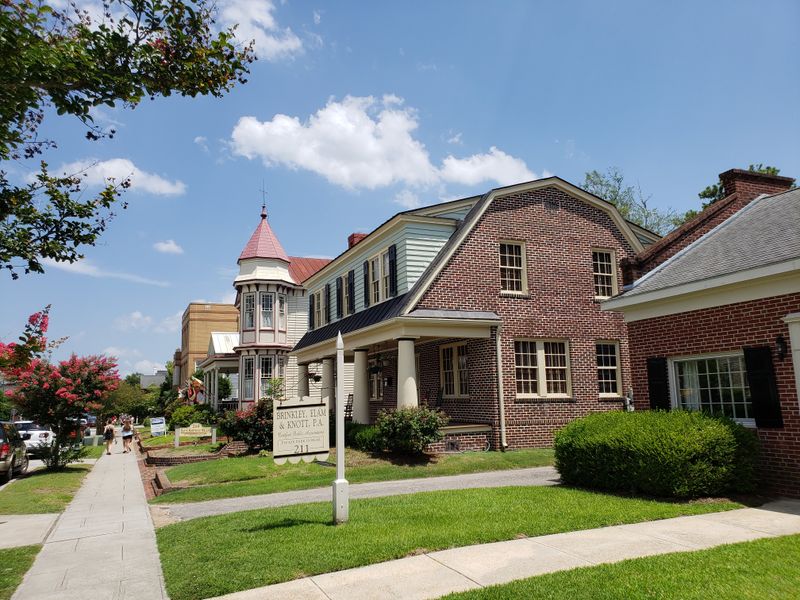
Sidewalks shaded by mature trees connect neighborhoods where front porches remain active social spaces rather than decorative afterthoughts.
Residents still walk to church, to the market, and to visit neighbors, maintaining patterns of daily life that automobile dependence erased in most American communities.
Street widths date from an era when carriages rather than SUVs determined dimensions, naturally slowing traffic and encouraging eye contact between drivers and pedestrians.
This infrastructure from another century enforces a tempo of life that allows for conversation, observation, and the small courtesies that build social fabric.
Culinary Traditions Favor Recipes Over Reinvention

Local restaurants serve eastern North Carolina barbecue with vinegar-based sauce, fried seafood caught from nearby waters, and vegetables prepared according to generations-old methods.
Menus change with seasonal availability rather than culinary trends, reflecting an agricultural calendar that governed eating habits long before industrial food systems.
Family-owned establishments maintain recipes passed through multiple generations, treating food preparation as cultural inheritance rather than commercial product.
Dining rooms occupy historic buildings where meals have been served for decades, sometimes centuries, creating continuity between past and present through the simple act of sharing food prepared with respect for tradition.
Civic Spaces Encourage Gathering Rather Than Transit
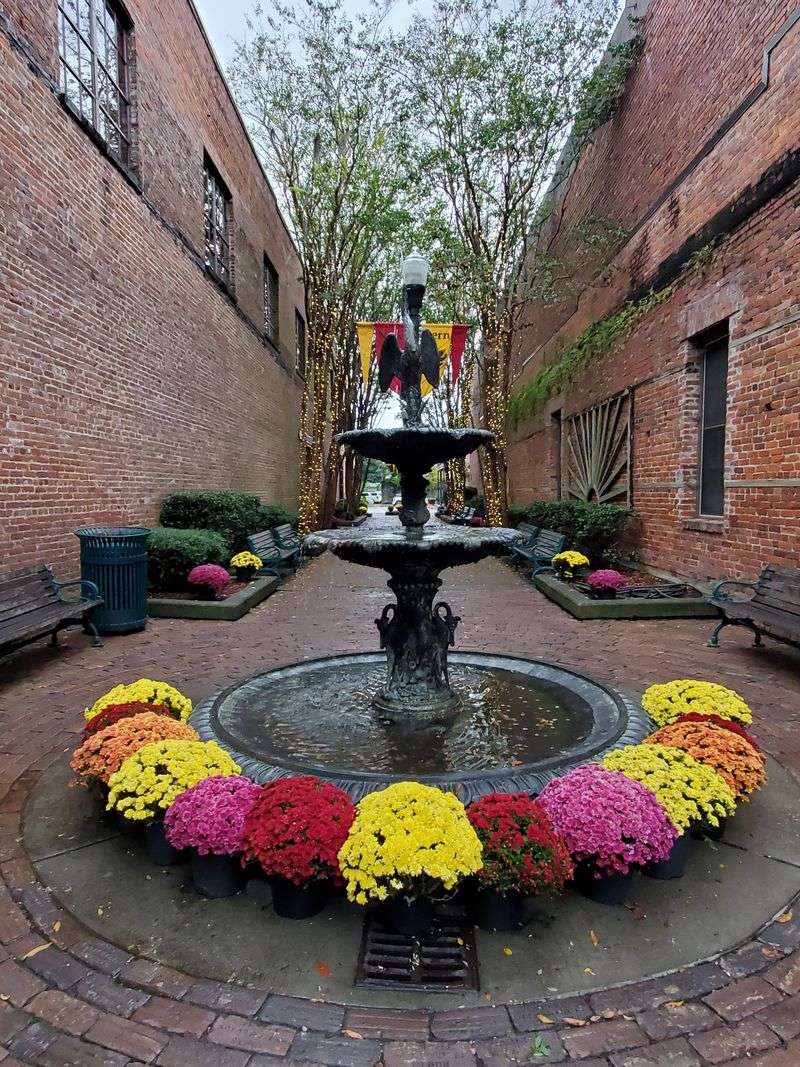
Union Point Park, the grounds surrounding Tryon Palace, and numerous pocket parks throughout the historic district provide places for lingering rather than hurrying through.
Benches face inward toward fountains, gardens, or river views, inviting contemplation and conversation.
These public spaces follow design principles from an era when towns served as social centers rather than bedroom communities.
People actually use them, gathering for concerts, picnics, and casual encounters that build the networks of acquaintance essential to genuine community.
Modern developers abandoned such spaces as economically unproductive, but New Bern maintains them as investments in quality of life measured differently than profit margins.
Restoration Efforts Prioritize Authenticity Over Convenience
Homeowners and businesses undertake renovations using period-appropriate materials and techniques, even when modern alternatives would prove cheaper and easier.
Historic preservation guidelines enforced by the city and embraced by residents ensure that additions and repairs respect original design intent.
Craftspeople specializing in traditional methods find steady work replacing deteriorated elements with faithful reproductions.
This commitment to authenticity extends beyond visible facades to structural systems, maintaining buildings as functional artifacts rather than themed stage sets.
The result preserves not just appearance but also the construction knowledge and material culture that modern building practices have largely abandoned.
Museums And Archives Make History Accessible Rather Than Abstract
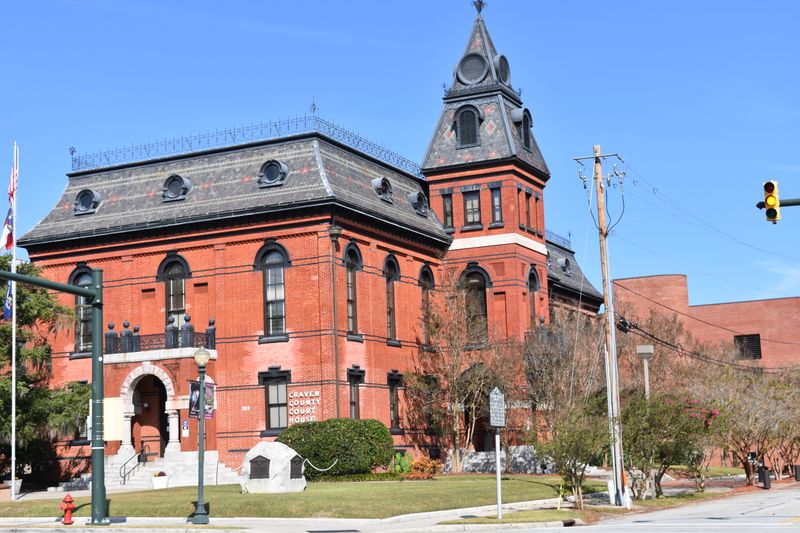
The New Bern Historical Society maintains extensive collections of documents, photographs, and artifacts available to researchers and curious residents alike.
Unlike institutions that warehouse materials for specialists only, these archives welcome community members exploring family histories or satisfying personal curiosity about local stories.
The New Bern Firemen’s Museum chronicles the devastating 1922 fire that destroyed much of the business district, displaying equipment and photographs that connect present safety to hard-won lessons from catastrophe.
The North Carolina History Center at Tryon Palace offers interactive exhibits grounding state history in the specific events and people of this riverside town.