
Why This Quiet Alabama River Town Is A Dream For Slow Travelers
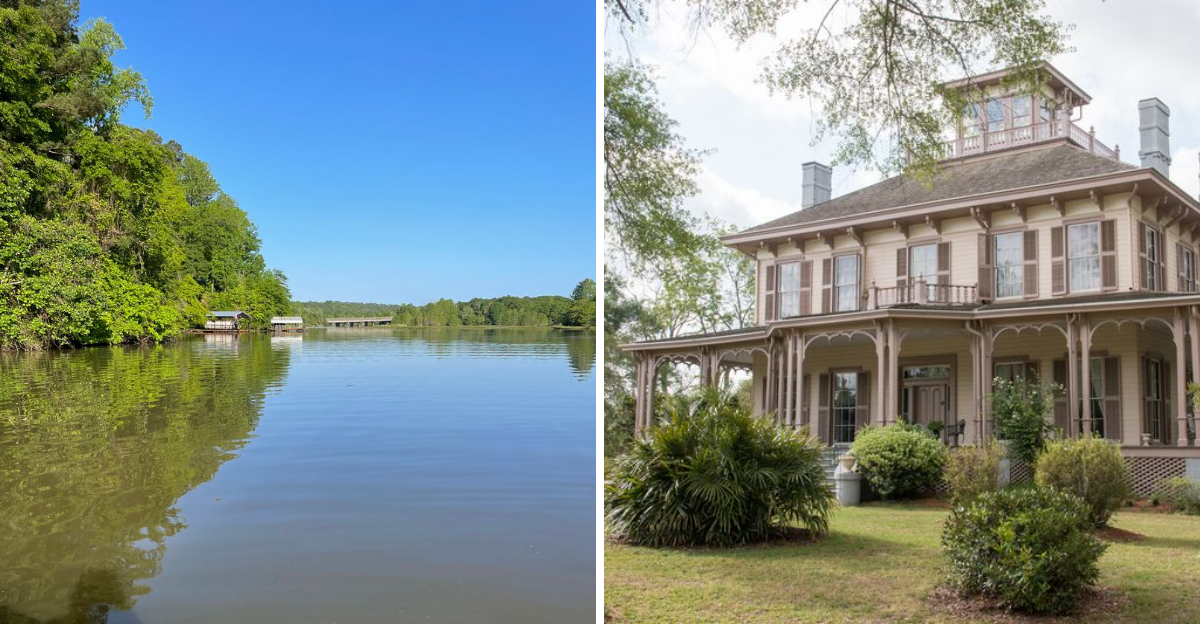
Eufaula sits along the Chattahoochee River in southeastern Alabama, a town where antebellum homes stand proudly and the pace of life seems to have forgotten the rush of modern times.
For travelers tired of checking off tourist traps and racing through itineraries, this riverside community offers something increasingly rare: permission to slow down.
With one of the largest collections of historic architecture in the state and a waterfront that invites contemplation rather than commotion, Eufaula has become a refuge for those who prefer lingering over hurrying.
A River Town Where Life Moves At An Unhurried Pace
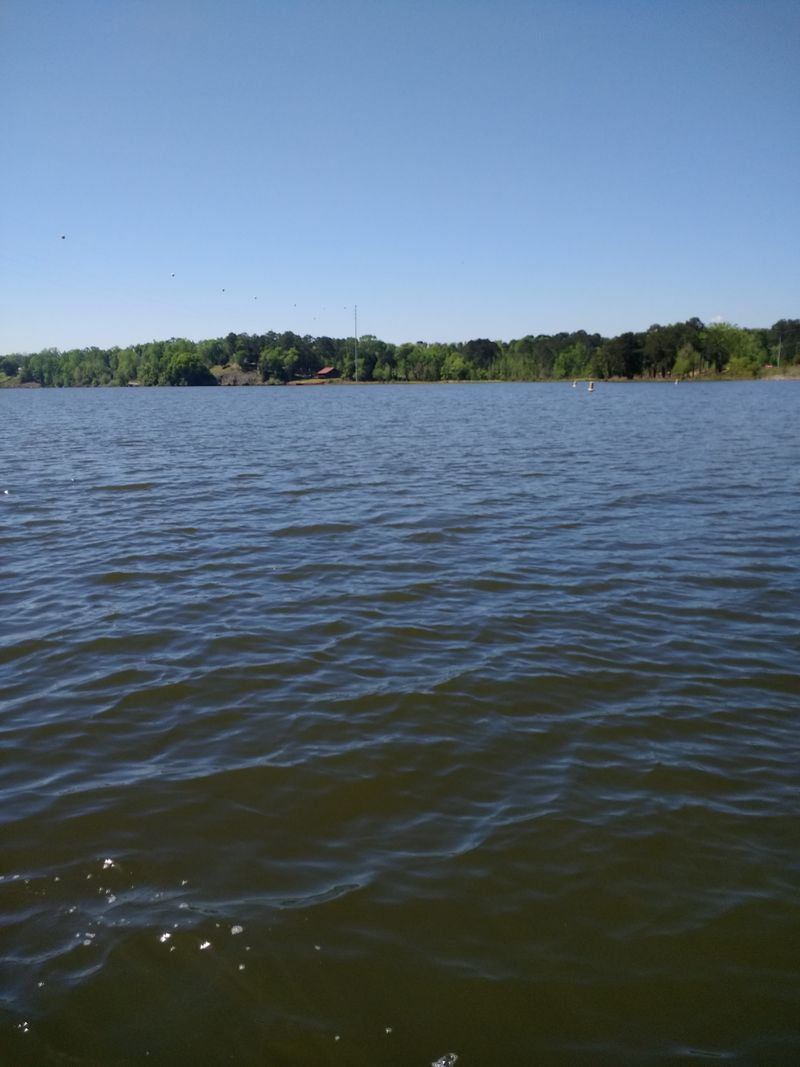
Eufaula operates on a different clock than most American cities, one that seems calibrated to the gentle current of the Chattahoochee rather than the frantic tick of productivity.
Mornings here begin with unhurried coffee on wraparound porches, not alarm clocks and commuter traffic.
The rhythm of daily life follows patterns established generations ago, when relationships mattered more than schedules.
Locals greet strangers on sidewalks without suspicion, and conversations unfold without anyone glancing at their phone.
Shops open when they open and close when the owner feels ready, a flexibility that would cause chaos elsewhere but here simply feels right.
Restaurants serve meals meant to be savored, not photographed and abandoned.
This measured approach to existence extends beyond business hours into the very character of the community.
People walk instead of rushing, observe instead of scrolling, and genuinely seem present in their own lives.
For visitors accustomed to constant stimulation, the adjustment can feel startling at first, then deeply restorative.
One Of Alabama’s Largest And Best-Preserved Historic Districts
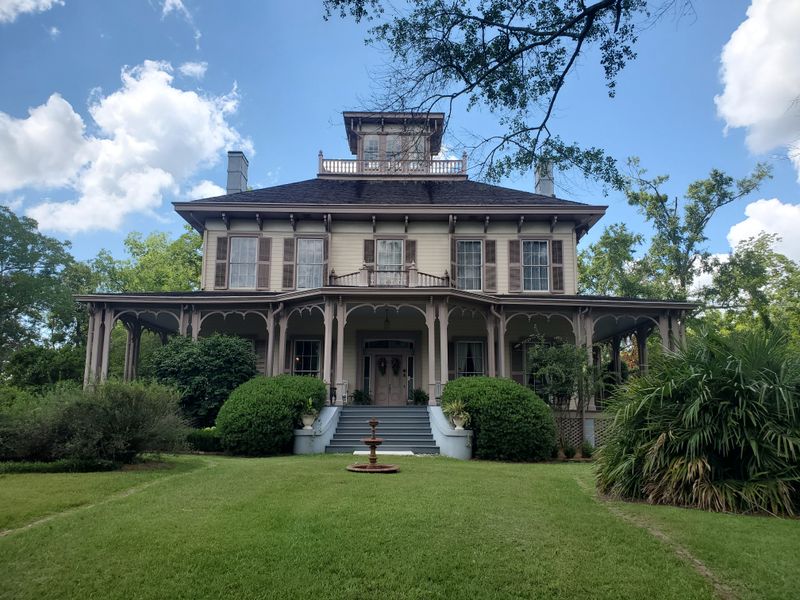
Over seven hundred structures within Eufaula’s historic district have earned placement on the National Register of Historic Places, creating an architectural time capsule that spans much of the nineteenth century.
The sheer concentration of preserved buildings transforms entire neighborhoods into living museums, though without the ropes and placards that make actual museums feel sterile.
Walking these blocks feels less like touring and more like stepping sideways through time.
Greek Revival mansions stand alongside Italianate cottages and Victorian confections, each style representing a different chapter in the town’s prosperous past.
Many remain private residences, their owners committed to maintaining original details despite the expense and effort involved.
This dedication to preservation extends beyond individual property lines into a collective civic identity.
The district’s boundaries encompass both grand estates and modest workers’ cottages, presenting a more complete picture of historical life than collections focused solely on wealth.
Architecture enthusiasts can spend days identifying cornices and columns.
Even casual observers find themselves drawn into the stories these structures whisper about ambition, taste, and endurance.
Tree-Lined Streets Made For Long, Leisurely Walks

Ancient live oaks arch overhead throughout Eufaula’s older neighborhoods, their branches meeting across streets to form natural tunnels that filter Alabama sunlight into dappled patterns.
These trees predate many of the historic homes they shade, silent witnesses to generations of human drama played out beneath their leaves.
Walking under their canopy on a summer afternoon feels ten degrees cooler and several decades removed from contemporary concerns.
The town’s grid layout and modest scale make navigation intuitive, with most destinations reachable on foot within fifteen minutes.
Sidewalks remain in good repair, a detail that seems minor until you visit places where pedestrian infrastructure has been abandoned in favor of car culture.
Bench placement appears thoughtfully planned, offering rest stops at intervals that suggest someone actually tested the routes.
Different streets reveal different charms depending on time of day and season.
Morning walks catch the river mist still clinging to low-lying areas.
Evening strolls coincide with residents emerging onto porches, creating opportunities for spontaneous conversation with strangers who somehow don’t feel strange for long.
A Waterfront Setting That Encourages Lingering, Not Rushing
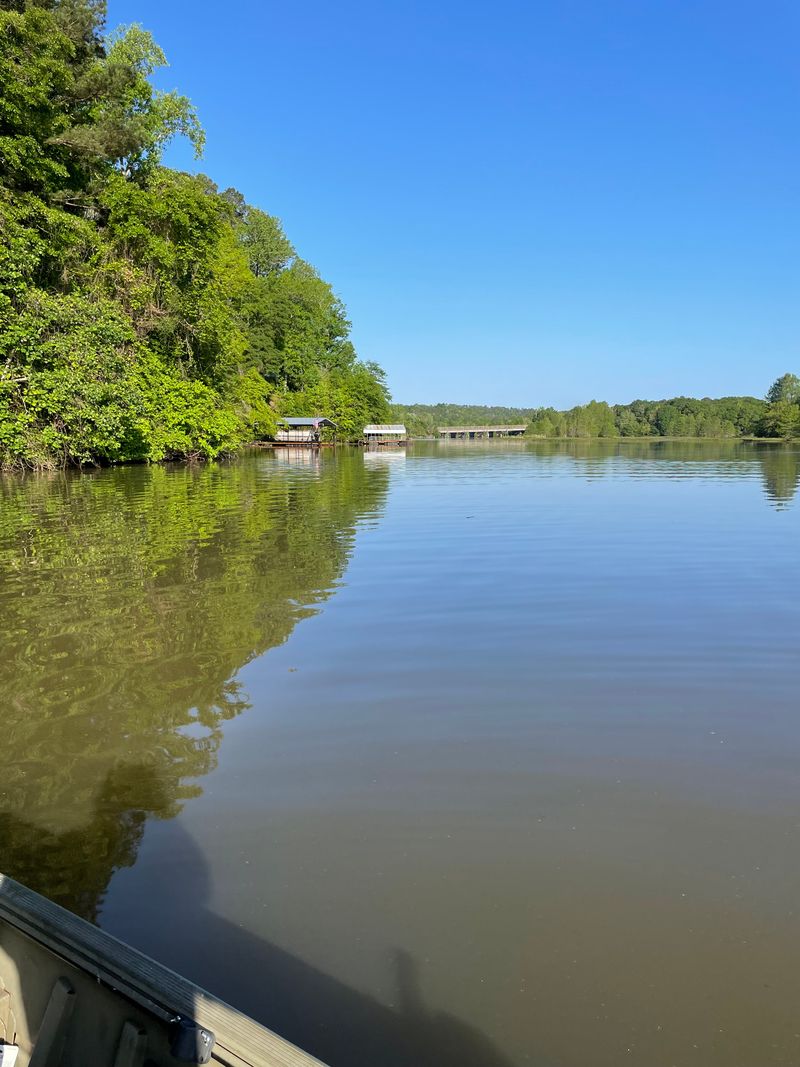
The Chattahoochee River forms Eufaula’s eastern boundary, creating a natural edge that defines the town’s geography and psychology.
Unlike waterfront developments designed to maximize commercial density, Eufaula’s riverside areas retain an undeveloped quality that prioritizes access over exploitation.
Public spaces along the water feel generous rather than calculated, with room to spread a blanket or cast a fishing line without negotiating crowds.
Lake Eufaula, actually a reservoir created by damming the Chattahoochee, stretches for miles beyond the town limits, offering countless coves and inlets for those with boats.
From shore, the water appears calm most days, its surface reflecting whatever mood the sky happens to be wearing.
Birds work the shallows with patient efficiency, demonstrating the hunting technique that slow travelers might profitably adopt.
Benches positioned along the waterfront face the river rather than the town, a design choice that suggests contemplation over people-watching.
Sunsets here unfold without competition from neon or skyscrapers, just water and sky negotiating the day’s end.
Many visitors find themselves returning to the same spot multiple evenings, drawn by something harder to name than beauty.
Grand Historic Homes That Tell The Town’s Story

Shorter Mansion anchors the northern end of the historic district, its Neoclassical Revival columns visible from several blocks away and its interior open for tours that reveal how Alabama’s cotton wealth translated into domestic grandeur.
Built in 1906, the house represents a later chapter in Eufaula’s prosperity, when fortunes rebuilt after the Civil War demanded architectural expression.
The docents who guide visitors through its rooms speak with the authority of genuine research rather than memorized scripts.
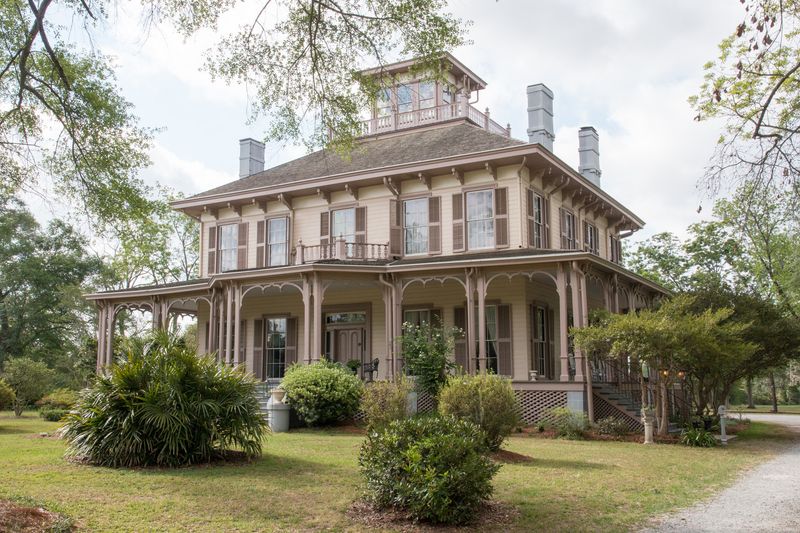
Fendall Hall, completed in 1860 just before the war that would transform everything, showcases the Italianate style at its most confident.
Its rooms contain original furnishings and personal effects that make the past feel inhabited rather than merely displayed.
Standing in its parlor, you can almost hear the rustle of skirts and the murmur of conversations about topics that seemed urgent then and quaint now.
Dozens of other historic homes remain privately owned, visible from the street but closed to casual tourists.
This mix of accessibility and privacy keeps the district feeling authentic rather than theme-park artificial.
The homes that open for the annual pilgrimage tour offer rare glimpses into preservation efforts that continue quietly year-round.
A Downtown Built For Browsing, Not Binge Touring
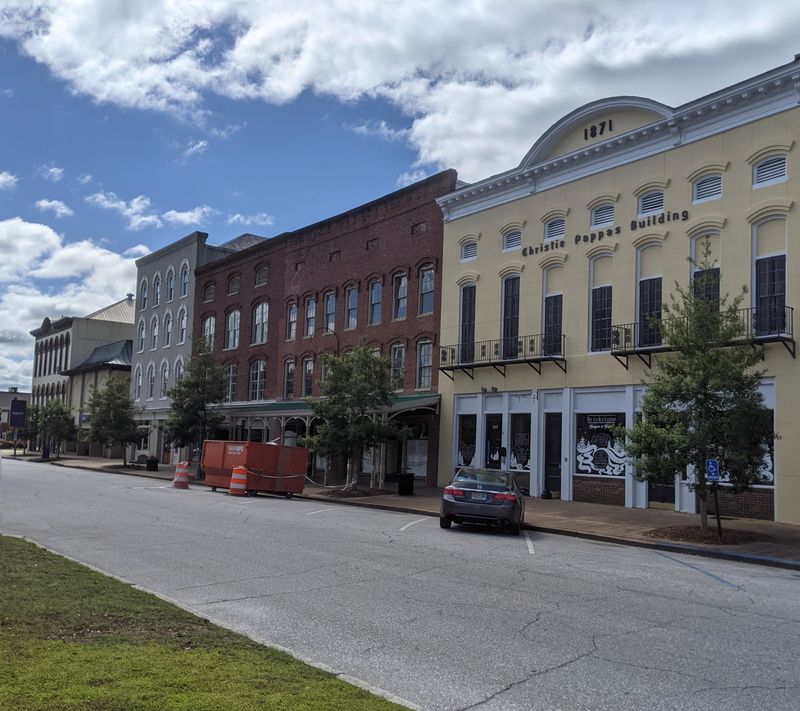
Eufaula’s commercial district spans perhaps six blocks, a concentration that makes exhaustive exploration possible in a single morning yet rewards return visits with details previously overlooked.
Storefronts occupy buildings that date back a century or more, their pressed-tin ceilings and original woodwork lending character that new construction cannot fake.
The mix of businesses skews toward antiques, gifts, and practical services rather than tourist tchotchkes, suggesting a downtown that serves residents first and visitors second.
Several antique shops deserve the label “curated” rather than “cluttered,” their inventory reflecting genuine knowledge of furniture periods and decorative arts.
Owners tend to be present and conversational, happy to discuss provenance or direct you toward better examples elsewhere if they don’t have what you seek.
This collegial approach extends across the business community, where competition seems less important than collective success.
Cafés and lunch counters offer seating that invites lingering over a second cup of coffee or an unrushed sandwich.
Service operates at a pace that might frustrate the perpetually hurried but suits the town’s overall tempo perfectly.
Window shopping between meals reveals architectural details and seasonal decorations that change the district’s appearance throughout the year.
Quiet River Views Instead Of Crowded Attractions
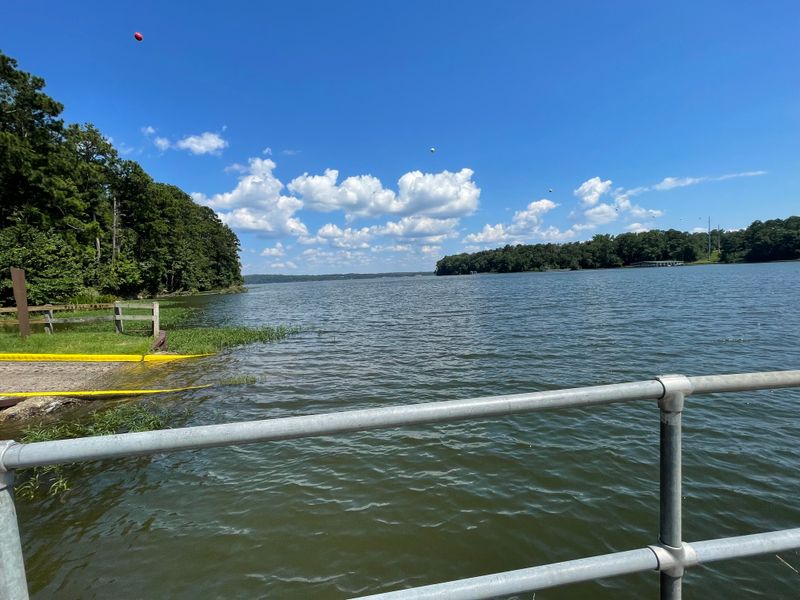
Eufaula offers no theme parks, no manufactured attractions demanding admission fees and patience for queues.
What it provides instead are vantage points along the river where the only entertainment comes from watching water move and birds hunt and clouds drift past at their own unhurried pace.
For travelers accustomed to itineraries packed with must-see stops, this absence of programmed activity can initially feel disorienting, then liberating.
Several public access points along the waterfront provide different perspectives on the river’s character.
Some overlook wider expanses where the water appears lake-like in its calm.
Others focus on narrower channels where current becomes visible and the sense of the river as a living, moving entity grows stronger.
None require tickets or reservations or arrive-by times.
The lack of crowds at these viewing spots reflects both the town’s modest tourist numbers and its generous distribution of river access.
You can often claim an entire stretch of shoreline to yourself, a luxury increasingly rare in America’s more discovered destinations.
Bringing a book or sketchpad or simply your own thoughts becomes the day’s agenda, and somehow that proves sufficient.
The river neither demands nor judges, just continues its ancient work of flowing south.
A Town That Prioritizes Preservation Over Development
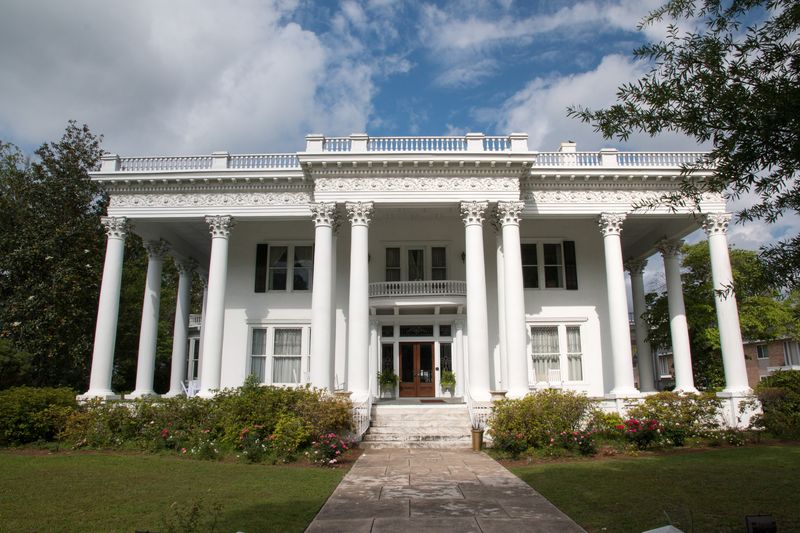
Eufaula has resisted the temptation to modernize itself into generic prosperity, choosing instead the harder path of maintaining its historic character despite economic pressures that have transformed similar towns into outlet mall suburbs.
Strict design guidelines govern what property owners can and cannot do to structures within the historic district, regulations that some might find restrictive but that have preserved an architectural coherence increasingly precious.
The result feels authentic rather than reconstructed, lived-in rather than staged.
This commitment to preservation extends beyond building facades into broader questions about growth and change.
The town has avoided the chain restaurants and big-box retailers that homogenize so many American communities, maintaining a commercial landscape dominated by local ownership.
While this limits certain conveniences, it creates an environment where walking downtown feels genuinely different from walking downtown anywhere else.
Preservation here functions not as nostalgia but as practical resistance to the erasure that development so often brings.
Residents understand that their town’s appeal lies precisely in what it has not become, not in chasing trends that will date badly.
Visitors benefit from this long-term thinking, encountering a place that knows its own value and refuses to compromise it for short-term gain.
Seasonal Beauty That Rewards Simply Slowing Down
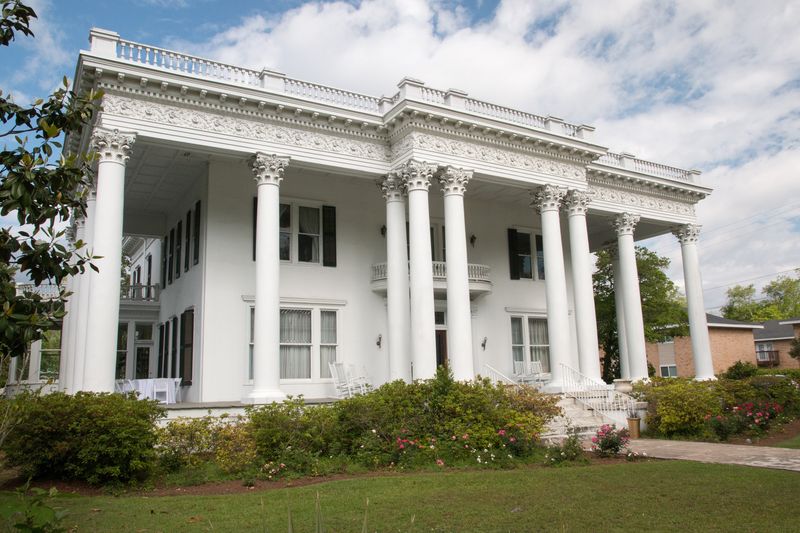
Spring arrives in Eufaula with an explosion of azaleas and dogwoods that transform the historic district into a botanical show requiring no admission fee.
The antebellum homes provide stately backdrops for this floral excess, their formal architecture creating pleasing contrast with nature’s abundance.
Timing a visit for peak bloom means joining the annual pilgrimage tour, when private homes open their doors and gardens reveal careful planning that pays dividends in April color.
Summer brings the thick heat that Alabama is famous for, slowing everything to an even more languid pace.
The live oaks earn their keep during these months, providing shade that makes afternoon walks feasible rather than foolish.
Evenings cool enough for porch sitting, that most southern of activities, when conversations unspool without agenda and fireflies begin their patient courtship displays.
Fall delivers more subtle transformations, with hardwoods adding rust and gold to the persistent green of pines and oaks.
The river reflects these changes, its surface becoming a moving canvas of seasonal color.
Winter strips away the softening effects of foliage, revealing architectural bones and allowing longer views through neighborhoods.
Each season offers different rewards for those willing to observe rather than merely pass through.
Local Shops And Cafés That Invite You To Stay Awhile
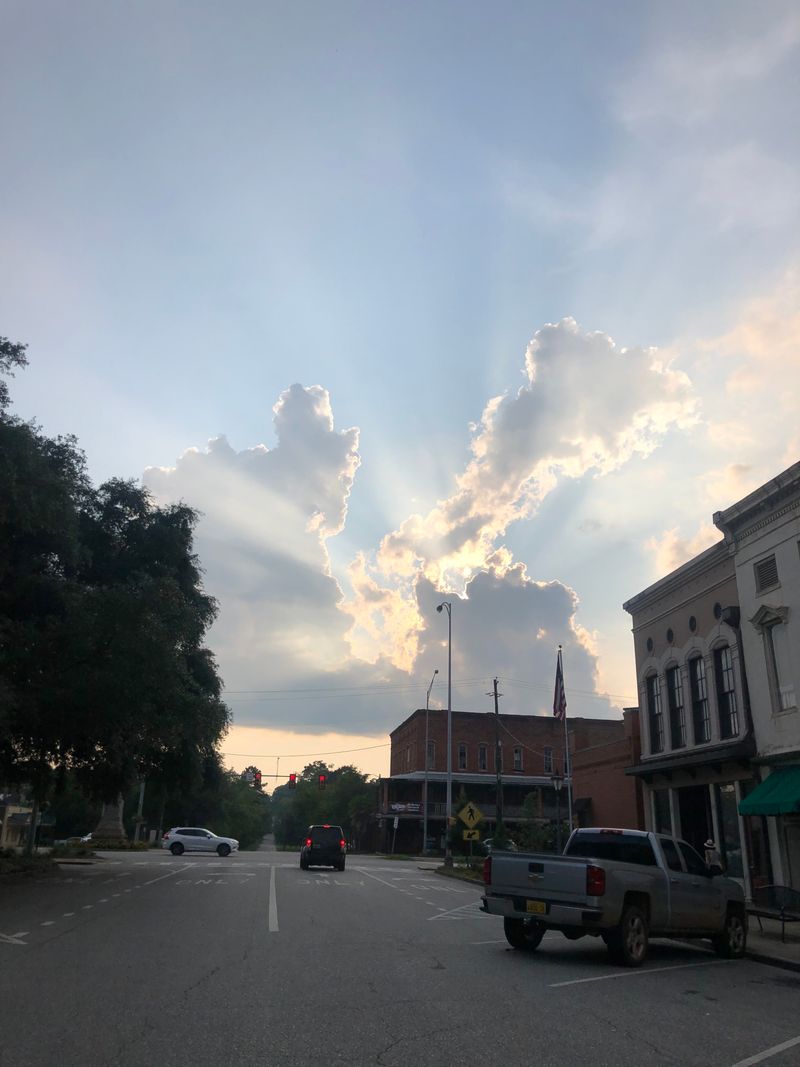
The Cajun Corner occupies a modest storefront on Broad Street, serving lunches that draw locals and informed visitors for gumbo and po’boys that respect Louisiana traditions while accommodating Alabama tastes.
Seating is limited, which means sharing tables with strangers who quickly become sources of local intelligence about what else deserves your attention.
The owner works the room between cooking duties, remembering repeat customers and making newcomers feel like regulars by their second visit.
Antique stores throughout downtown encourage browsing without pressure, their owners understanding that serious buyers need time to consider and compare.
Many shops feature comfortable seating areas where companions can wait while the enthusiast examines another case of Depression glass or sterling silver.
Conversations about pieces for sale often expand into broader discussions of local history, family stories, and the economics of small-town retail.
The coffee shop near the courthouse offers strong brew and reliable wifi, serving as informal office space for freelancers and meeting spot for friends catching up.
Its atmosphere splits the difference between efficiency and ease, accommodating both the person who needs to work and the one who needs to waste time productively.
Pastry quality exceeds what you might expect in a town this size, suggesting a baker who takes pride in craft.
Why Eufaula Never Feels Overrun, Even In Peak Seasons
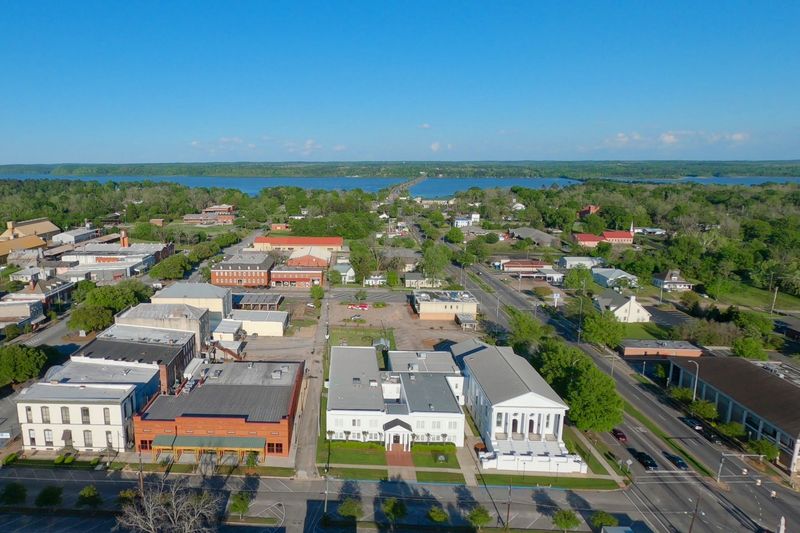
Eufaula lacks the single marquee attraction that draws tour buses and cruise ship crowds, a deficiency that proves to be its greatest asset for travelers seeking authentic experience over photo opportunities.
The town’s appeal lies in its cumulative effect rather than any single sight, which means visitors self-select for patience and appreciation rather than checklist completion.
This natural filtering keeps crowds manageable even during the April pilgrimage when tourism peaks.
The geographic location also works in Eufaula’s favor, positioned far enough from major highways that reaching it requires intention rather than impulse.
You don’t stumble upon this town while heading somewhere else.
The journey here becomes part of the experience, a gradual transition from faster-paced regions into a place operating on different principles.
Local tourism infrastructure remains modest by design, with limited hotel rooms and no pressure to expand capacity beyond what the town can absorb without losing character.
This self-imposed limitation on growth ensures that even successful tourism seasons don’t overwhelm the community or transform it into a theme park version of itself.
Visitors experience a functioning town that happens to welcome guests, not a destination that exists primarily for tourist consumption.
The difference matters more than you might initially suspect.
How The River Shapes Daily Life In This Peaceful Alabama Town
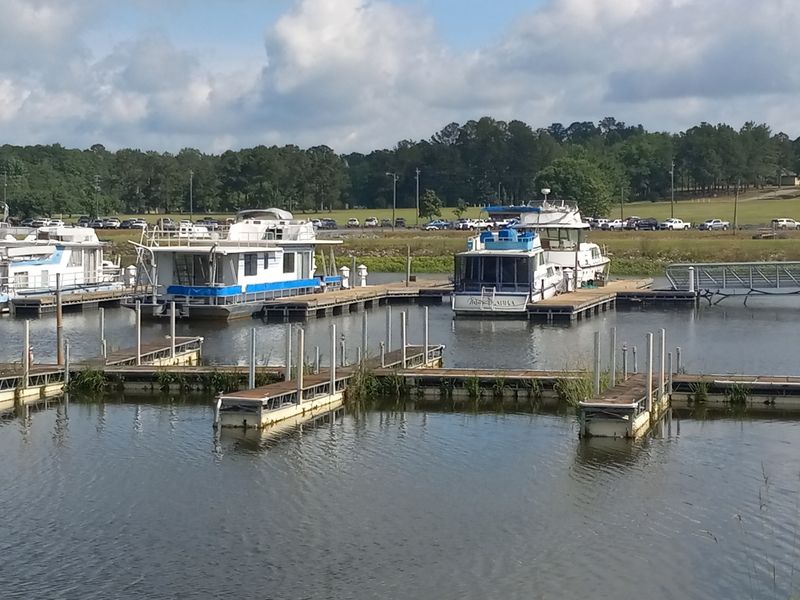
The Chattahoochee River functions as more than scenic backdrop in Eufaula, serving as recreational resource, economic asset, and psychological boundary that defines the community’s sense of itself.
Local fishermen work its waters with the confidence of long familiarity, knowing which structures hold bass and which coves produce crappie depending on season and water level.
Their presence along the banks provides a measure of the day, early morning and late evening being prime times when serious anglers appear.
Boating culture here skews toward fishing and casual cruising rather than the performance watersports that dominate some reservoir communities.
You see more johnboats and pontoons than jet skis, more coolers than stereo systems.
This quieter approach to recreation suits the town’s overall character and keeps the waterfront peaceful rather than raucous, even on summer weekends when usage peaks.
The river also provides a natural limit to growth, with the Georgia state line running down its center and development constrained by geography.
This physical boundary has helped preserve the town’s scale and prevented the sprawl that consumes so many American communities.
Residents orient themselves in relation to the water, using it as directional reference and gathering place, its constant presence shaping daily rhythms in ways both obvious and subtle.
Where Southern Hospitality Feels Genuine Rather Than Performed
Strangers in Eufaula quickly notice the frequency of greetings from passing locals, nods and hellos offered without apparent motive beyond basic civility.
This reflexive friendliness could feel forced or suspicious in some contexts, but here it registers as authentic, the natural behavior of people raised with certain expectations about how humans should treat each other.
Conversations with shopkeepers and restaurant staff unfold without the performative enthusiasm that characterizes service in tourist-dependent economies, just genuine interest in where you’re from and what brought you to town.
The hospitality extends beyond commercial transactions into casual encounters on sidewalks and park benches.
Locals offer directions without being asked, recommend restaurants based on what you seem to be looking for rather than what pays the highest commission, and share stories about the town with the pride of ownership rather than the polish of rehearsal.
This willingness to engage with strangers reflects both small-town culture and a community confident enough in its own identity to welcome outside perspectives.
What makes the hospitality feel particularly genuine is its lack of expectation for reciprocation or reward.
People are kind because that’s how they were raised, not because they’re working an angle or fishing for tips.
For travelers accustomed to the transactional nature of most tourist interactions, this baseline decency can feel almost disorienting, then deeply refreshing.
A Place Where History Lives In Present Tense
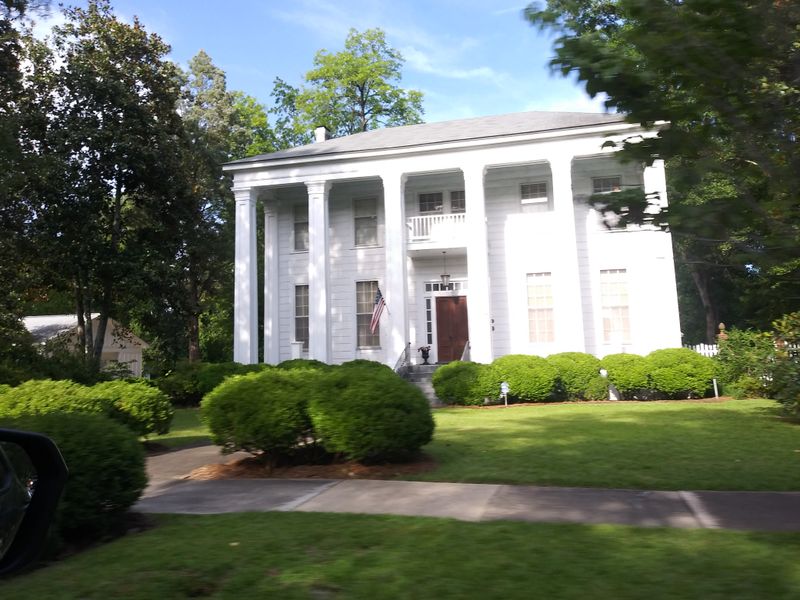
History in Eufaula functions not as museum exhibit but as daily context, the buildings and landscapes that witnessed previous centuries continuing to shape contemporary life in tangible ways.
Children walk the same streets their great-grandparents walked, attending schools in structures that have educated multiple generations.
This continuity creates a different relationship with time than most Americans experience, where past and present occupy the same physical space rather than being separated into distinct zones.
The stories locals tell about their town mix personal memory with inherited knowledge, creating a layered narrative that reaches back beyond living memory into the realm of family legend and community mythology.
These stories get shared casually, prompted by walking past particular houses or mentioning certain names, offered as context rather than performance.
Listening to them provides access to the town’s interior life, the meanings and associations that residents carry which visitors cannot perceive without guidance.
Preservation efforts here aim not to freeze the town in amber but to maintain continuity while allowing necessary adaptation.
Historic structures house contemporary businesses and modern families, their usefulness ensuring their survival more effectively than any protection designation could.
This practical approach to history keeps it relevant rather than purely nostalgic, a living inheritance rather than a burden to be maintained at great cost and little benefit.