
Why This Stunning Coastal Trail In Rhode Island Remains One Of The States Best Kept Secrets
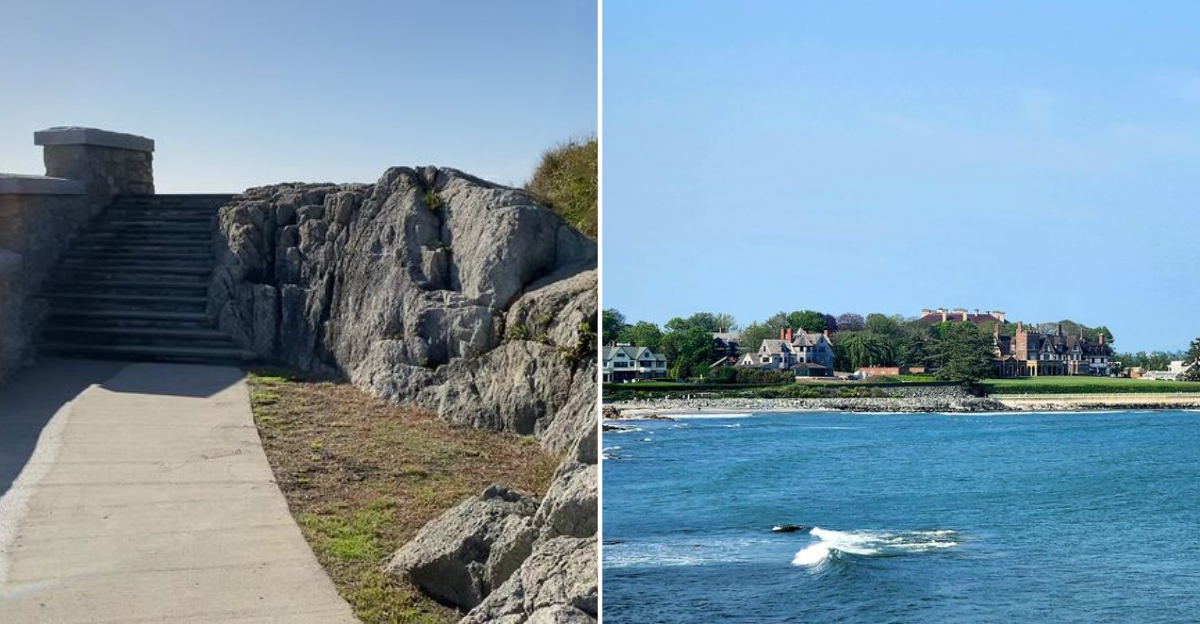
Rhode Island packs more coastline character into its geography than most states manage with ten times the shoreline. This trail sits at the finest end of that concentration.
Elevated paths, open Atlantic views, and a route that stays quiet enough to feel like a private discovery even on a clear weekend afternoon. The trail moves through dramatic cliff edges and sheltered coves without ever losing momentum.
It never repeats itself either. Rhode Island has invested heavily in its coastal identity.
This particular stretch has stayed off the mainstream circuit longer than its quality would seem to allow. Locals who walk it regularly describe a possessiveness that is easy to understand once the views open up and the crowds fail to materialize.
The secret has held well enough that the experience still delivers what more publicized trails stopped offering years ago.
Discovering it feels less like finding a trail and more like finding an argument for why this state deserves more attention from the outdoor community.
Breathtaking Ocean Views Along The Path
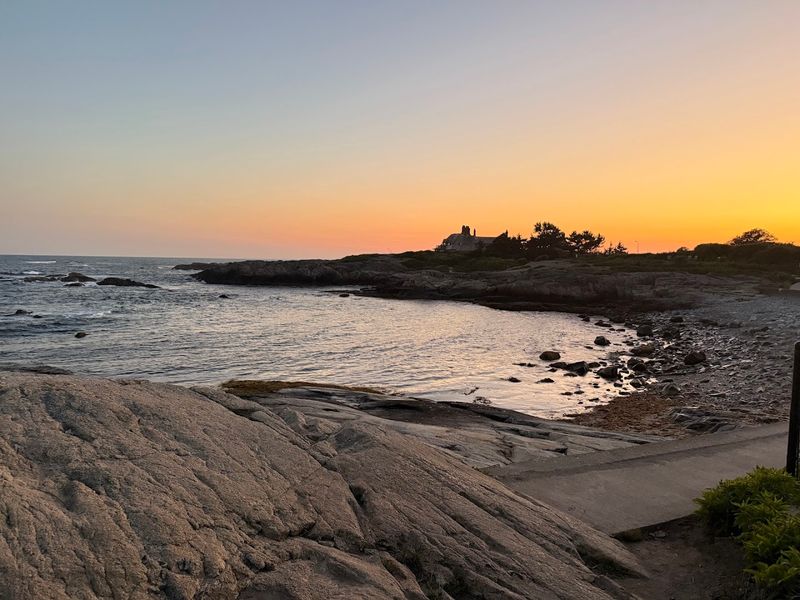
Standing at the edge of the Cliff Walk South End, the Atlantic Ocean stretches out endlessly before you. The water changes color depending on the light.
Some days it is deep navy blue, and other days it shifts to a brilliant turquoise green.
The trail runs right along the cliff edge for most of its length. You get unobstructed views of the open ocean on one side.
On the other side, enormous Gilded Age mansions sit behind iron fences like silent giants watching you walk by.
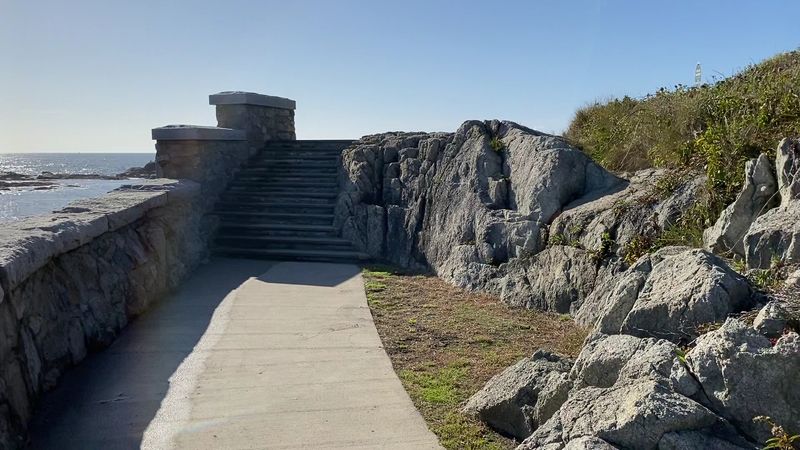
The southern section is where the views get truly dramatic. The paved path gives way to raw, uneven rock.
You are standing on ancient stone with nothing between you and the horizon. It feels wild and open in a way that few places do.
Morning light hits the water at an angle that makes everything glow. Afternoon visits bring long shadows and golden reflections across the waves.
Every hour of the day offers a completely different scene along this stretch of coastline.
The wind is really out here. It comes off the water fast and steady.
Bring a light jacket even in summer because the breeze does not care what season it is. You can find this coastal spot at 34 Ocean Ave, Newport, RI 02840, United States.
Unique Geological Features Sculpted By Nature
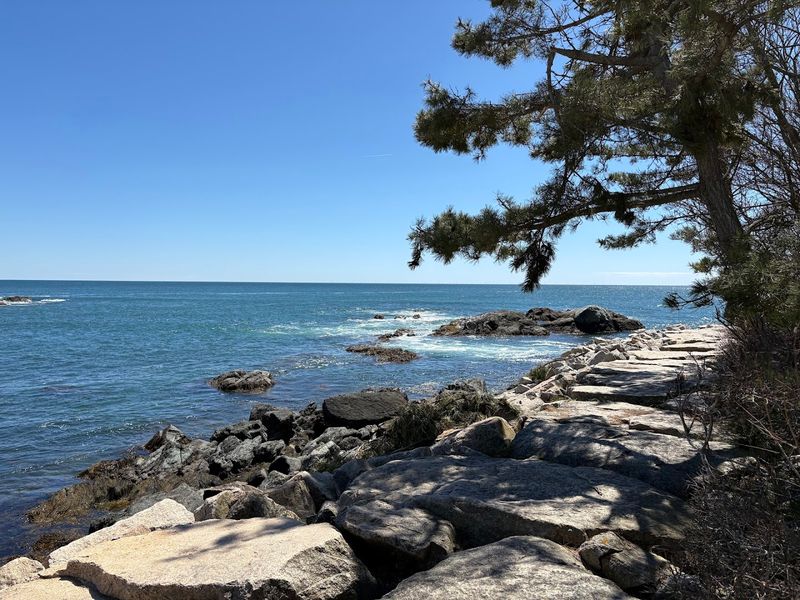
The rocks beneath your feet along the South End are not just rocks. They are some of the oldest geological formations in New England.
You are literally walking on Precambrian bedrock that formed hundreds of millions of years ago.
Newport granite runs through this section of the trail. You can spot bright white quartz veins cutting through darker stone.
The contrast is striking and looks almost like nature drew its own map across the cliff face.
Metasedimentary rocks appear throughout the southern stretch. These formed from ancient seafloor sediments compressed over enormous spans of time.
The layering and folding visible in the rock walls tell a story that no museum exhibit can fully replicate.
Ochre-colored rocks show up in certain spots along the path. That warm rust and amber tone comes from iron minerals oxidizing over centuries.
It gives the trail a painterly quality that photographers absolutely love to capture.
QR code trail markers were installed in 2015 at key geological points. Scanning them pulls up detailed information about the formations around you.
It is a clever way to learn without cluttering the landscape with bulky signs. The geology here is genuinely fascinating once you start paying attention to what is underfoot rather than just the view ahead.
Diverse Wildlife Habitats To Observe
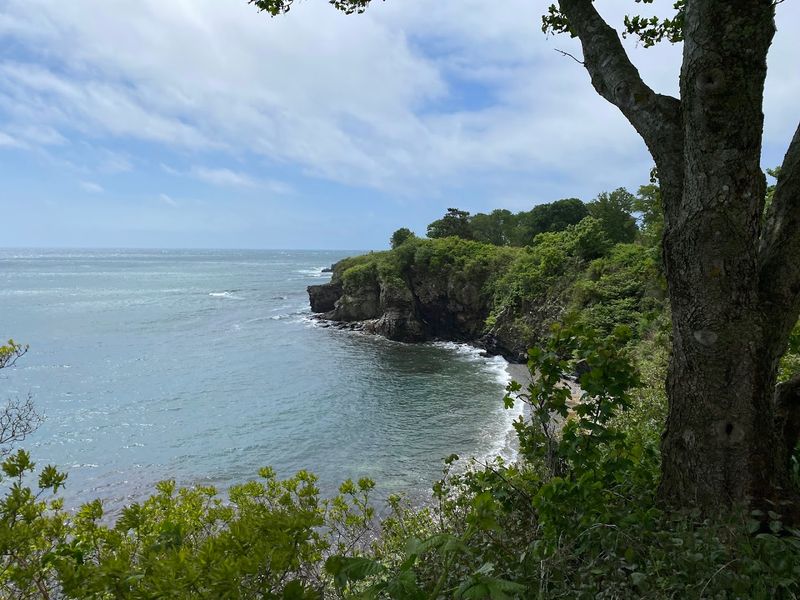
Wildlife shows up when you least expect it along the Cliff Walk South End. Ospreys have been spotted carrying fresh fish in their talons right over the trail.
Watching one cruise overhead is the kind of moment that makes you stop mid-step.
Bird diversity here is genuinely impressive. The mix of open ocean, rocky shoreline, and coastal vegetation creates multiple habitat types in one short stretch.
Shorebirds, songbirds, and raptors all use this corridor throughout the year.
Wildflowers bloom along the trail edges during spring and summer. They grow right out of the rocky soil in patches of yellow, purple, and white.
The contrast between delicate blooms and massive stone cliffs is one of those quiet surprises the trail keeps offering.
The rocky tidal zones below the cliffs support their own ecosystems. Seaweed, barnacles, and small marine creatures cling to the exposed stone.
At low tide, natural pools form in the rock hollows and become little windows into coastal marine life.
Monarch butterflies have been seen in impressive numbers during fall migration. They gather along the cliff edge before continuing their journey south.
It is one of those bonus experiences you did not plan for but will absolutely remember. Keep your eyes open and your phone ready because the wildlife here does not announce itself.
History And Culture Reflected In Coastal Landmarks
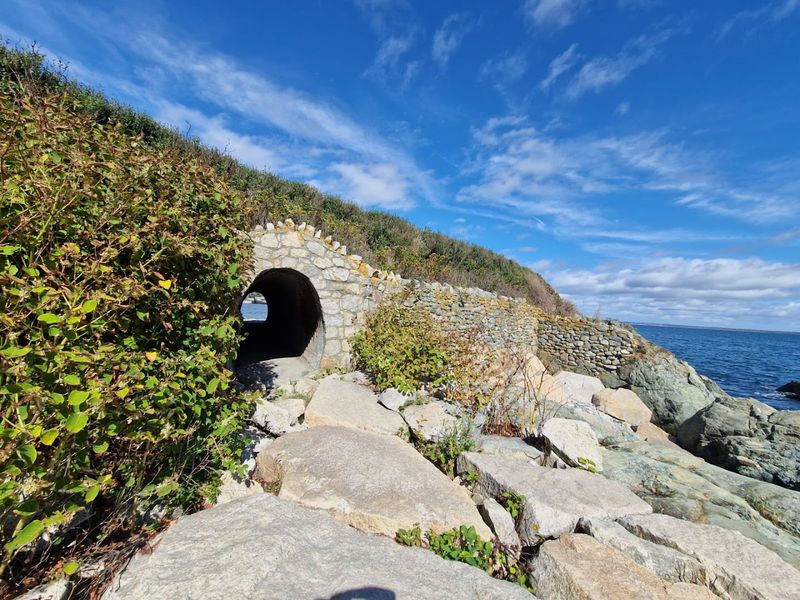
The Cliff Walk has history layered into every section of the trail. Long before wealthy families built their summer mansions here, the Narragansett people used these paths for fishing.
Colonials followed later, walking the same shoreline routes for access to the sea.
Public access to this coastline is actually protected by a 1663 royal charter and the Rhode Island state constitution. Wealthy estate owners tried for years to close off the path.
The public fought back and won, which is why you can walk freely past these private properties today.
The Forty Steps is one of the most historically layered landmarks along the route. Originally built by a Gilded Age family for their children to reach the beach, it became a social gathering spot for estate workers.
Those steps carry a completely different story than the mansions above them.
Mansions like The Breakers, Marble House, and Ochre Court line the inland side of the trail. These were called summer cottages by the Vanderbilts and Belmonts, who built them.
Calling a 70-room marble palace a cottage is either genius or deeply out of touch. Probably both.
The trail was designated a National Recreation Trail and sits within a National Historic District. That dual designation is unique in the country.
History is not just nearby here. It is built into the ground you are walking on.
Secluded Beaches Perfect For Quiet Reflection
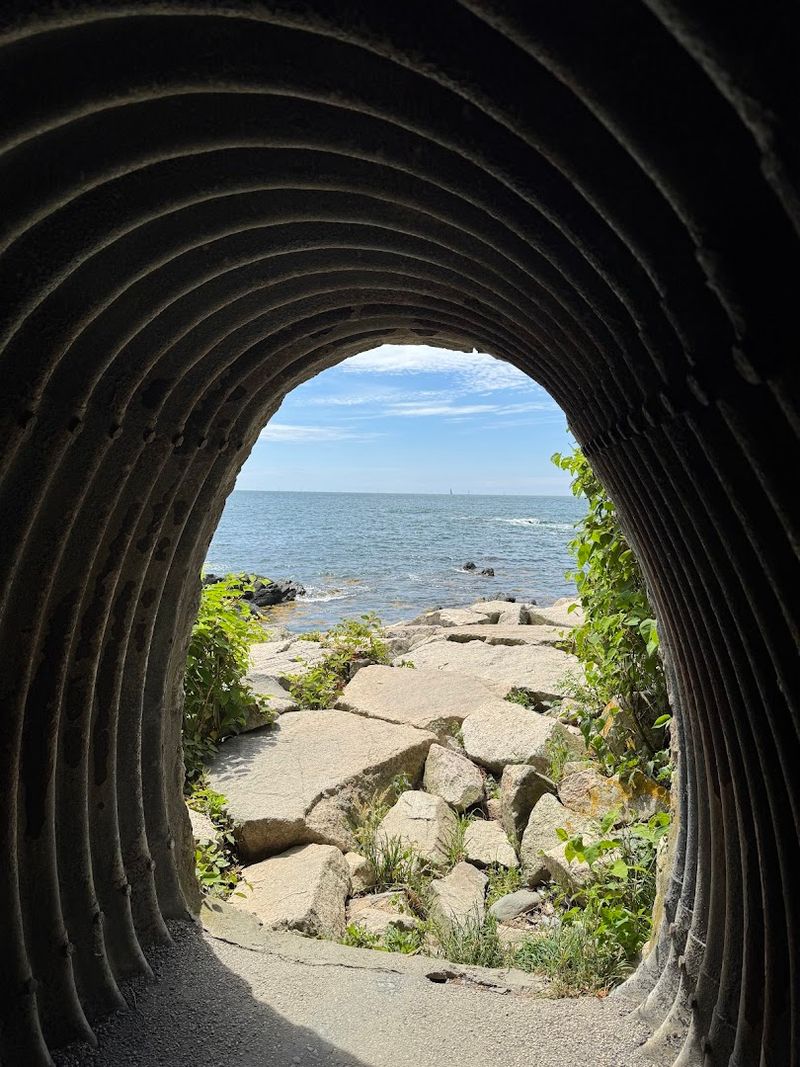
The South End of the Cliff Walk hides small beach pockets that most visitors never reach. The crowds thin out fast once the pavement ends.
By the time you get deep into the rocky southern section, the trail feels almost private.
These beach spots are not sandy paradise stretches. They are raw, rocky, and honest about what they are.
The sound of waves hitting stone is different from the sound of waves hitting sand. It is louder, more percussive, and somehow more satisfying.
Sitting on a flat boulder above the waterline with nothing around you but open ocean is a rare experience. There are no vendors, no music, no noise except wind and water.
That kind of quiet is hard to find on the East Coast without serious effort.
Early morning visits unlock the most solitude. Most people arrive mid-morning or later.
If you show up at sunrise, you may have entire sections entirely to yourself. The light at that hour is also extraordinary and worth the early alarm.
The southern portions are less accessible for casual visitors due to the rocky terrain. That natural filter keeps the crowds away without any signage needed.
The trail rewards people who push through the easy paved section and keep going. What waits at the far end is worth every careful step over uneven rock and sea-slicked stone.
Trail Accessibility For All Fitness Levels
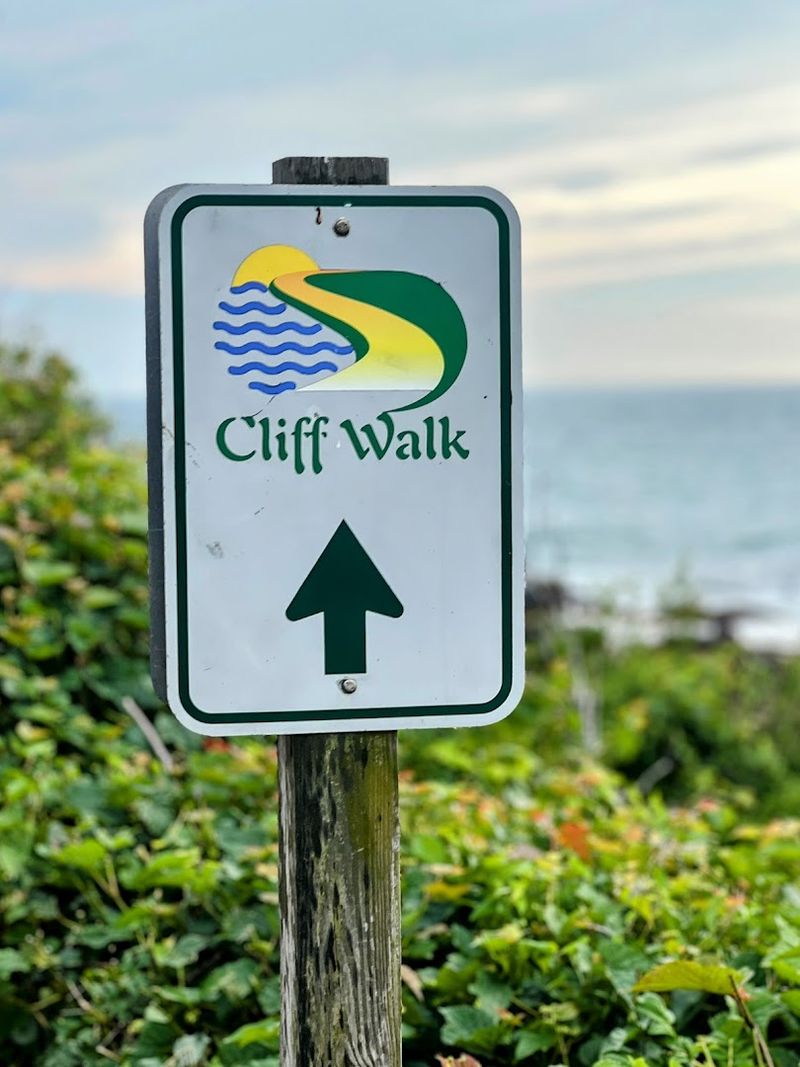
About two-thirds of the Cliff Walk is paved and genuinely easy to walk. The northern section near Easton’s Beach is smooth, flat, and manageable for almost anyone.
Families with strollers, older adults, and casual walkers all handle it without trouble.
The South End changes the equation. Once the pavement ends, the trail becomes a genuine rock scramble in sections.
You are hopping between boulders, navigating uneven surfaces, and watching your footing carefully. It is not extreme, but it does require attention.
Proper footwear makes a massive difference on the southern stretch. People in flip-flops get into trouble fast out here.
Sneakers with grip or light hiking shoes are the minimum you need. The rocks get slippery when wet, and the trail does not forgive poor shoe choices.
There are multiple entry and exit points along the 3.5-mile path. Major exits sit at Narragansett Ave, Webster St, Ruggles Ave, and Marine Ave. This means you can choose how much trail you take on and exit before the terrain gets too demanding.
The full round trip totals around seven miles if you walk back the way you came. That takes most people between two and three hours.
A local bus option exists at the end for those who prefer a one-way adventure. Plan your distance before you start so the return trip does not catch you off guard.
Seasonal Changes Enhancing The Scenic Experience
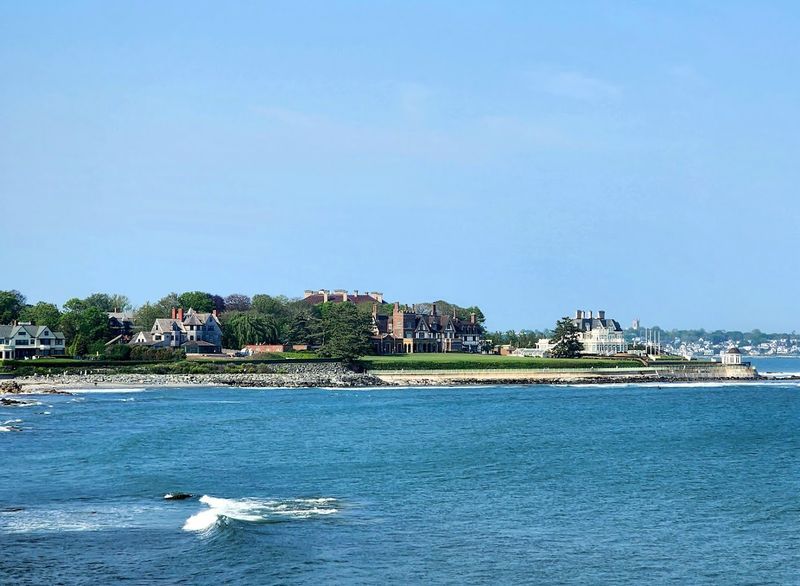
Every season on the Cliff Walk South End delivers a completely different experience. Summer brings full foliage, warm ocean air, and longer daylight hours for extended walks.
The wildflowers are in bloom, and the water takes on that deep summer blue that photographs beautifully.
Fall is when this trail becomes genuinely spectacular. Foliage color frames the mansions and cliff edges in amber and red.
Monarch butterflies migrate through during October. The crowds drop off after Labor Day, which makes autumn arguably the best time to visit.
Winter visits are underrated, and almost nobody talks about them. The trail is open year-round from sunrise to sunset.
Cold weather keeps casual visitors away, and the raw winter ocean has a dramatic energy that summer simply cannot match. Storm watching from the cliff edge is an experience entirely its own.
Spring brings returning birds and fresh wildflower growth along the trail edges. The ocean is still cold and choppy in early spring, which makes the cliff views feel powerful and alive.
Fog rolls in regularly during spring mornings and creates a moody atmosphere over the water.
Each season shifts the color palette, the crowd levels, and the overall mood of the trail. Coming back in different months means you are essentially walking a new trail each time.
The bones are the same, but the atmosphere changes completely with the calendar.
Tips For Safe And Responsible Trail Enjoyment
Safety on the South End is not something to take casually. Some cliff faces drop more than 70 feet, and vegetation sometimes hides the edge from view.
Staying on the marked trail is not just a suggestion. It is genuinely important for your well-being.
Wear sturdy shoes with real grip before you set foot on this trail. The rocks get slippery fast when wet or covered in sea spray.
Sandals and dress shoes have caused real problems for real people out here. Proper footwear is the single most effective safety upgrade you can make.
Bring water and sunscreen regardless of the season. The ocean breeze masks how much the sun is working on you.
The trail heats up quickly in summer, and there are no vendors or water stations along the southern stretch. Pack more than you think you need.
Dogs are welcome on the trail but must stay on a leash at all times. Some sections are narrow, and encounters with other dogs can get complicated fast.
Clean up after your pet because the trail community genuinely cares about keeping this place clean.
Bikes are not allowed on the Cliff Walk. Some sections currently have detours due to structural damage between Narragansett Avenue and Webster Street.
Check conditions before you go and respect any closures you encounter. The ocean has been slowly winning its battle with this trail for centuries, and current repairs reflect that ongoing reality.