
Wisconsin’s Overlooked Ice Caves Where Silence Takes Over
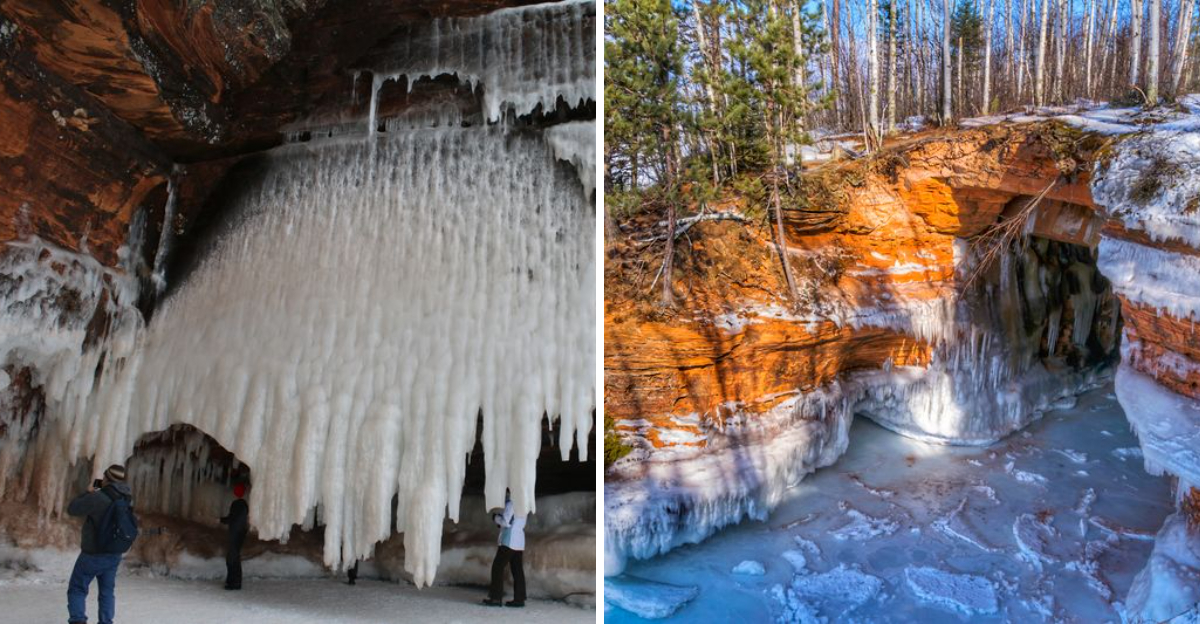
Along Wisconsin’s frozen shores, winter creates something rare: ice caves shaped by wind, waves, and deep cold.
Step inside, and the noise of the world fades into an almost unreal silence that feels both thrilling and eerie.
These caves, however, are never guaranteed or risk-free.
Ice conditions change quickly, and what looks solid can be dangerous without warning.
Safe visits depend on the right weather, stable ice, and knowing when to admire from a distance.
That balance of beauty and caution is what makes Wisconsin’s overlooked ice caves so special.
When conditions align, they offer a quiet, unforgettable winter experience where silence truly takes over.
1. Chequamegon Bay Ice Formations
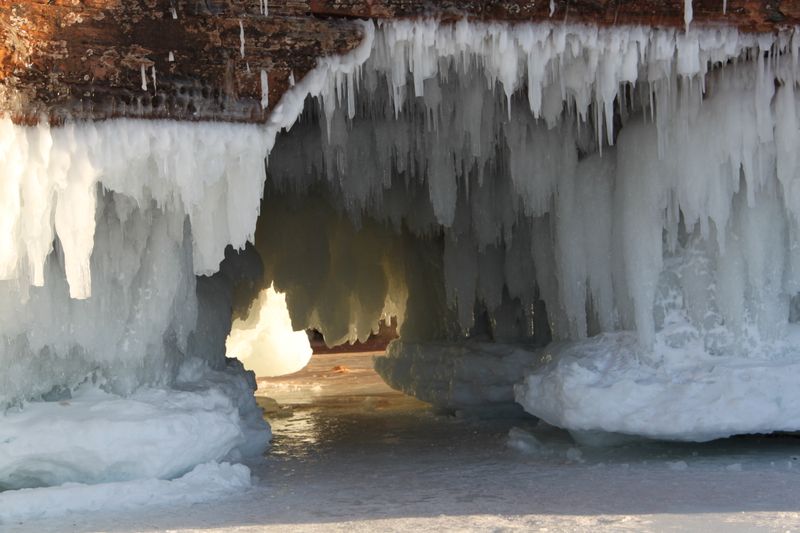
Between Washburn and Bayfield, Chequamegon Bay develops its own unique ice personality each winter.
Pressure ridges push ice sheets upward, creating jagged walls and miniature mountain ranges right on the bay surface.
Walking among these formations feels like exploring an alien planet made entirely of frozen water.
Wind plays sculptor here, carving smooth curves into some ice chunks while leaving others rough and geometric.
The bay’s shallower depths mean ice forms earlier and thicker than out on Lake Superior proper.
Local ice fishers set up shacks nearby, their presence actually reassuring since they know ice safety better than anyone.
Sunset transforms this area into something from a fantasy novel.
Orange and pink light reflects off countless ice facets, creating a glittering wonderland that shifts with every step you take.
The silence gets interrupted occasionally by the bay ice groaning and settling—eerie sounds that remind you this frozen world stays very much alive and changing.
Respect the ice, watch for cracks, and you’ll experience something truly unforgettable.
2. Apostle Islands Mainland Sea Caves
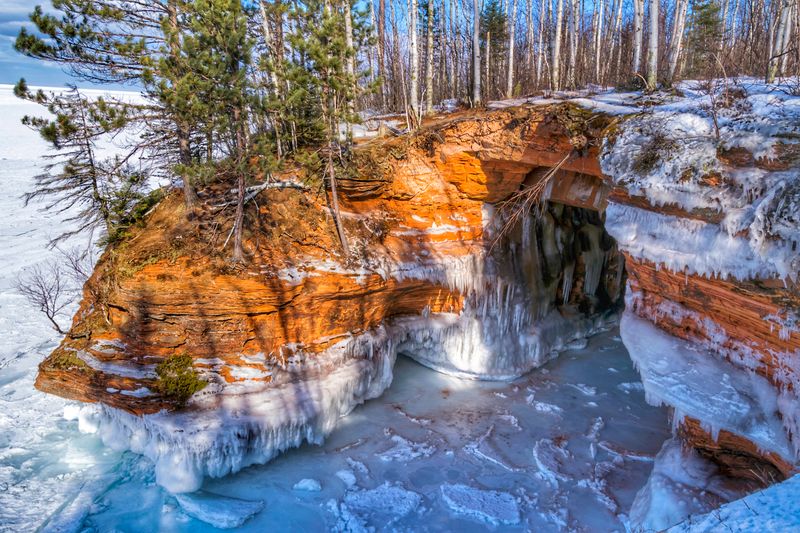
Meyers Beach serves as your gateway to one of nature’s most breathtaking winter displays.
Frozen waterfalls cascade down rust-colored sandstone cliffs, creating icicle chandeliers that sparkle when sunlight hits them just right.
The silence here feels almost sacred, broken only by the occasional crack of shifting ice.
Getting there requires a trek across frozen Lake Superior, which sounds scary but becomes totally doable when conditions are safe.
Park rangers monitor ice thickness constantly and share updates online.
Bundle up in layers because that lake wind cuts right through you, even on sunny days.
What makes this spot special is how the sandstone formations create natural amphitheaters.
Your voice bounces back at you in weird, wonderful ways.
Early morning visits reward you with golden light filtering through ice columns, painting everything amber and blue.
Weekday mornings mean fewer footprints disturbing the pristine snow, giving you that true wilderness feeling most people only dream about.
3. Meyers Beach Sea Caves
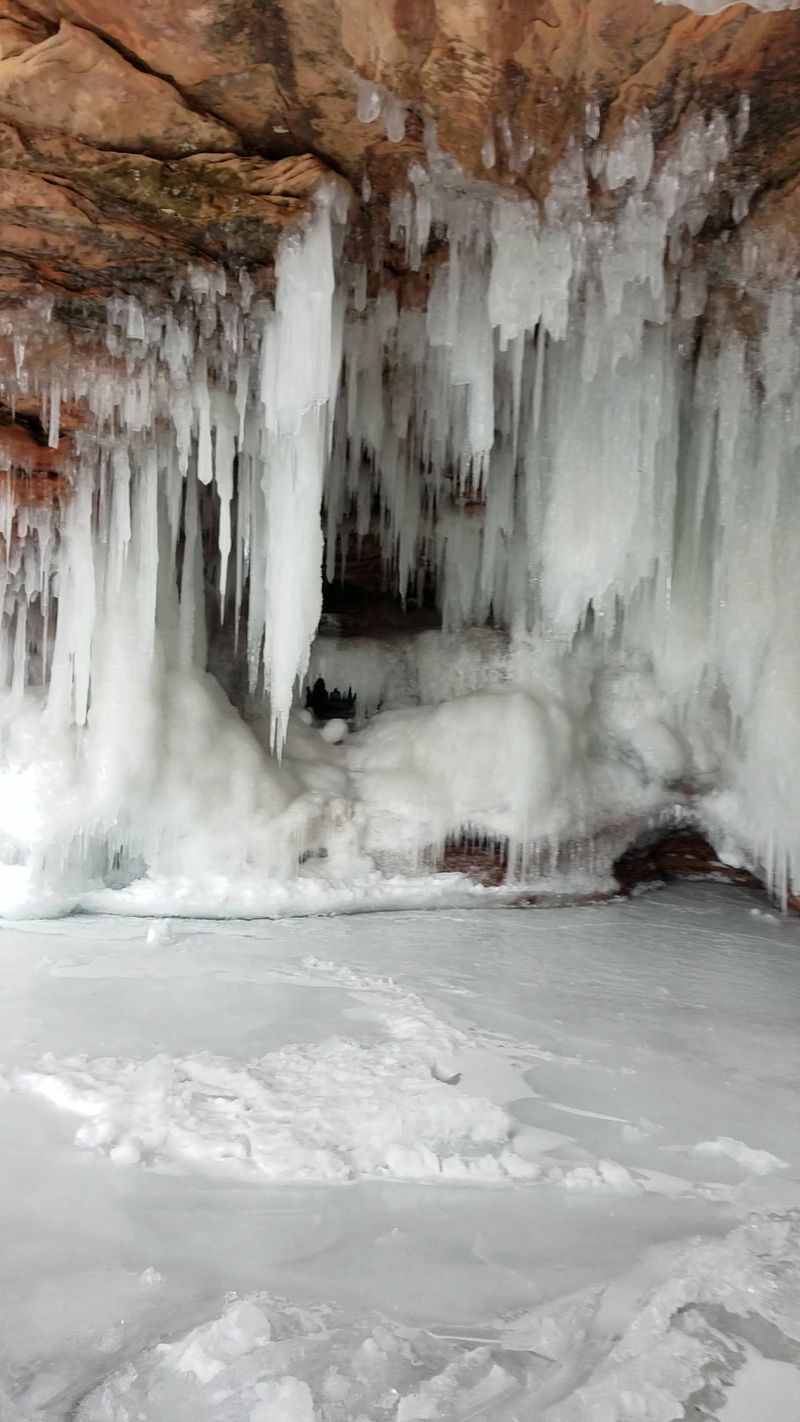
Yes, there’s a difference between the mainland caves and Meyers Beach proper, though they’re neighbors.
This specific section features smaller alcoves and intimate ice grottos that feel like secret hideaways.
Families love this area because the walking distance is shorter and the terrain stays relatively flat.
Photographers go absolutely nuts here during late afternoon when shadows stretch long across the ice.
The smaller cave openings frame Lake Superior’s frozen expanse perfectly, creating natural picture frames that make every shot look professional.
Blue ice dominates the color palette, ranging from pale sky tones to deep sapphire shades that seem almost artificial.
Local guides recommend visiting after fresh snowfall when everything gets a clean white blanket.
The contrast between pristine snow and ancient rock formations becomes striking.
Kids especially enjoy exploring the smaller nooks and crannies, though parents should keep them close since ice conditions change.
Bring hot chocolate in a thermos—sipping something warm while surrounded by frozen beauty hits different than any coffee shop experience ever could.
4. Apostle Islands Lakeshore Trail Overlooks

Sometimes the best views come from above rather than inside.
The Lakeshore Trail offers elevated perspectives of ice caves stretching along the Bayfield Peninsula coastline.
Snow-packed paths wind through evergreen forests before opening onto dramatic cliff-top vistas that’ll make your jaw drop.
Snowshoeing becomes essential here since trails don’t get plowed.
The rhythmic crunch of snowshoes creates a meditative soundtrack for your hike.
Every quarter mile or so, overlook points let you pause and scan the frozen shoreline below, where ice formations look like abstract sculptures from this height.
Bring binoculars if you’ve got them—spotting eagles soaring over frozen bays adds another layer of magic.
The solitude up here feels more profound than down at beach level.
Fewer people make the effort to hike these trails, meaning you might go hours without seeing another soul.
That kind of quiet lets your thoughts settle and your stress melt away faster than spring ice.
Pack snacks and take your time; rushing through this landscape feels criminal.
5. Bayfield Peninsula Sandstone Shore Ice Caves
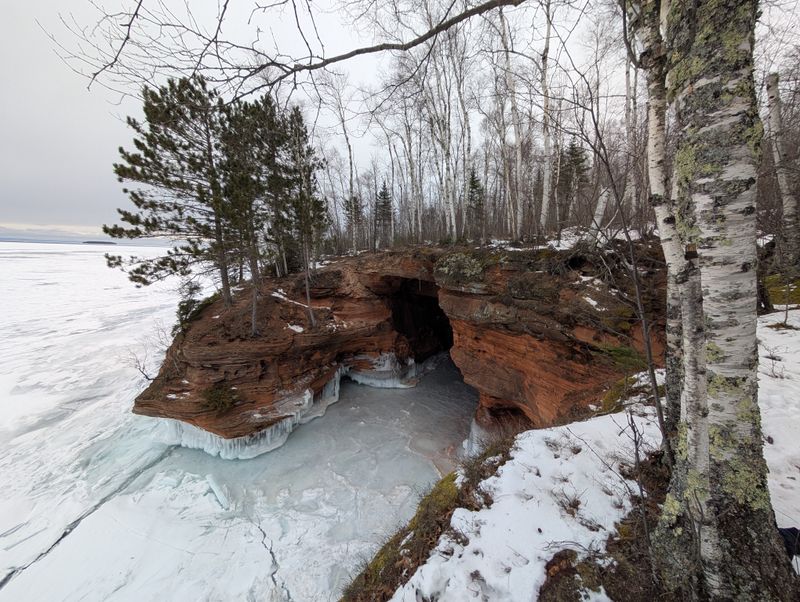
Stretching beyond the famous spots, the peninsula’s sandstone shores hide countless smaller cave systems that most tourists miss completely.
These overlooked gems require more exploration effort but reward you with private encounters with winter’s artistry.
No crowds, no selfie sticks, just you and the ice.
Each cave system develops its own character depending on wave patterns and cliff angles.
Some feature thin ice curtains that glow when backlit by sun.
Others showcase massive frozen waterfalls that took weeks of cold weather to build layer by layer.
The sandstone’s iron content gives everything a warm undertone, making the blue ice pop even more dramatically.
Navigation gets trickier here since established paths don’t exist.
GPS devices and fully charged phones become essential safety tools.
Tell someone your plans before heading out, and never go alone if you can help it.
The adventure factor increases significantly, but so does the payoff.
Finding your own secret ice cave feels like discovering treasure, and the bragging rights last forever.
Just remember—leave no trace and respect these fragile formations.
6. Sand Island Sea Caves
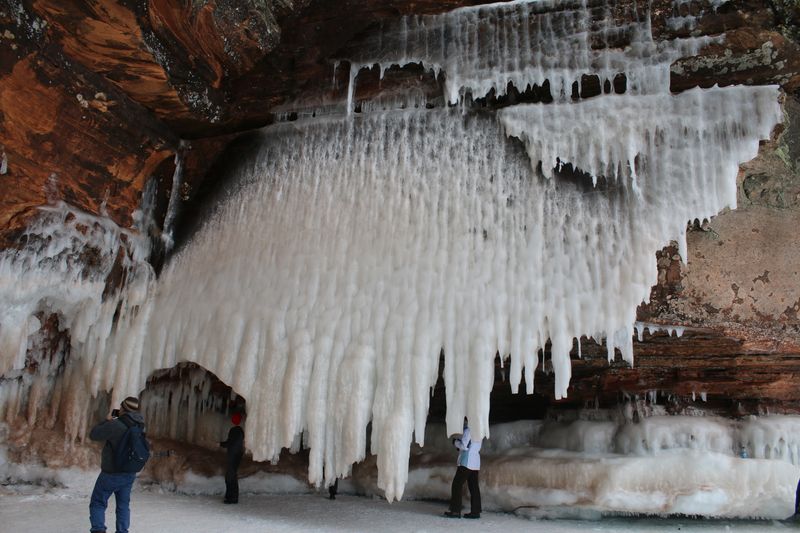
Reaching Sand Island requires commitment since it sits offshore in the Apostle Islands archipelago.
Winter access means either a long snowmobile ride across frozen lake or chartering a boat during brief ice-free periods.
That isolation keeps visitor numbers low and the experience wonderfully pristine.
The island’s sea caves rival anything on the mainland but feel wilder somehow.
Maybe it’s the extra effort required, or perhaps the knowledge that you’re truly out there, surrounded by frozen lake in every direction.
Ice formations here grow undisturbed by foot traffic, developing intricate patterns and structures that seem too perfect to be natural.
Wildlife sightings happen more frequently on Sand Island.
Foxes leave delicate tracks across snow-covered beaches.
Eagles nest in old-growth trees nearby.
The silence becomes so complete you can hear your own breathing echo inside the caves.
Pack everything you need because there’s no running back to the car for forgotten items.
That self-reliance adds to the adventure, making every successful visit feel like a genuine achievement worth celebrating over dinner back in Bayfield.
7. Cornucopia Shoreline Ice Formations
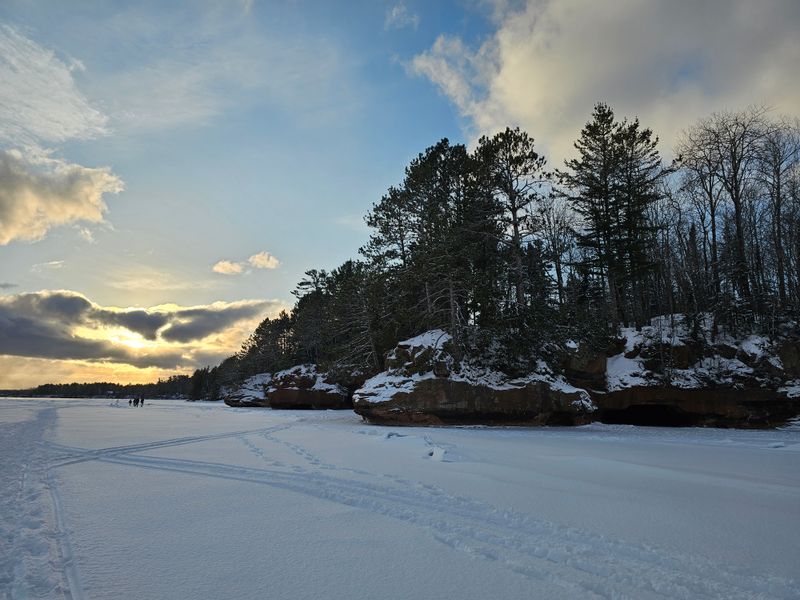
Up in Wisconsin’s northernmost corner, Cornucopia offers a completely different ice cave experience.
This tiny fishing village sits where Lake Superior’s waves hammer the shore relentlessly, creating dynamic ice formations that change almost daily.
What you see Monday might be completely transformed by Friday after a storm rolls through.
Local character defines this spot.
Cornucopia residents know their shoreline intimately and often share insider tips about current conditions.
The village’s laid-back vibe means you can grab a warm meal and local advice before heading out to explore.
Community matters here, and visitors who respect that get welcomed warmly.
Ice formations tend toward the dramatic—towering frozen wave splashes and spray ice that coats everything in crystalline armor.
The exposed location means wind chill factors heavily, so dress warmer than you think necessary.
Watching waves crash against ice shelves during partially frozen conditions provides spectacular shows of nature’s power.
Time your visit right, and you’ll witness the transition between liquid and solid, chaos and stillness, that makes ice caves possible in the first place.
8. Apostle Islands National Lakeshore Winter Sea Cave Views
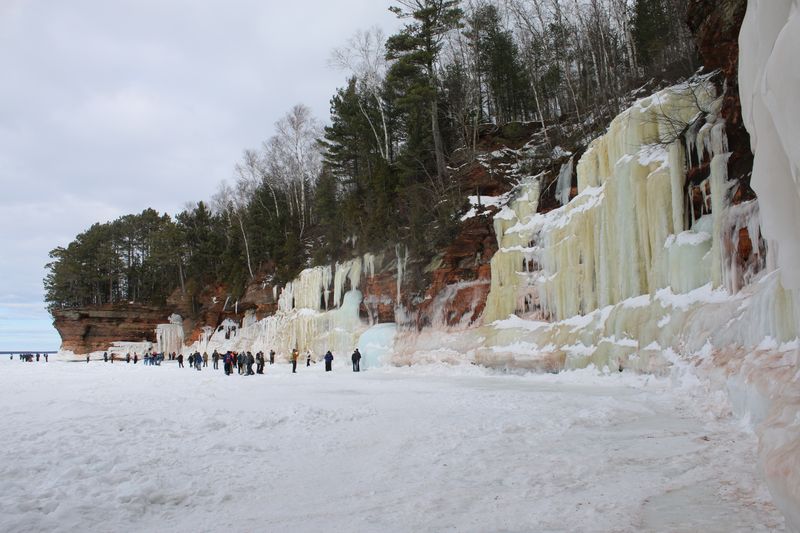
Beyond specific beaches and islands, the National Lakeshore designation protects miles of coastline where ice caves develop each winter conditions allow.
Rangers lead interpretive hikes during peak season, sharing geology lessons and safety protocols that enhance your understanding and appreciation.
Their knowledge transforms a pretty walk into an educational adventure.
Various access points along the lakeshore mean you can explore different sections depending on your fitness level and available time.
Some spots require serious hiking while others offer easy walks from parking areas.
Check the National Park Service website before visiting since ice conditions determine which areas stay open and safe for public access.
What ties all these locations together is the profound quiet.
Standing inside an ice cave, surrounded by frozen beauty that took months to form and will vanish in weeks, creates perspective.
Our busy lives shrink down to proper size.
The lake’s power becomes obvious.
Nature’s patient artistry humbles you.
That silence isn’t empty—it’s full of everything that matters, stripped of everything that doesn’t.
That’s the real treasure these overlooked caves offer: not just pretty pictures, but moments of genuine peace.