
With Over 500 Miles Of Shoreline, This Massive South Carolina Lake Offers Gorgeous Scenic Views
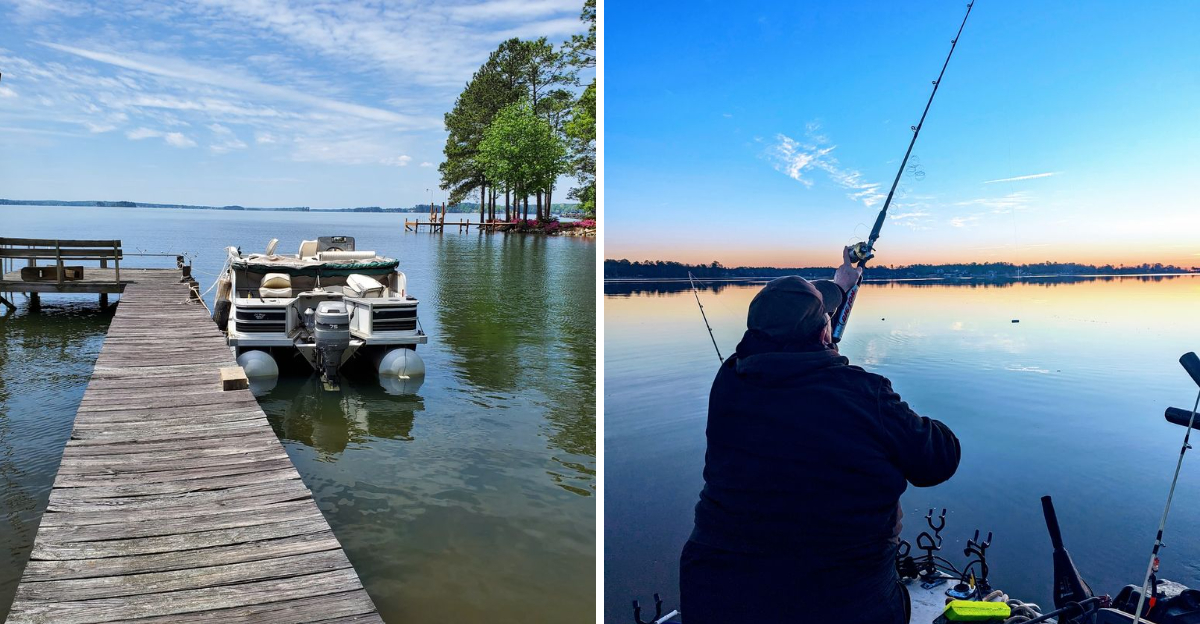
Fifty thousand acres of open water spread across the heart of South Carolina, and the scale still catches first-time visitors off guard.
Engineers dammed a river nearly a century ago and built one of the boldest reservoirs around.
Boats scatter across quiet coves while anglers chase striped bass before sunrise, and paddlers hug the shady edges where the water turns glassy.
One small island turns into a living storm of wings every summer, pulling boatloads of visitors out at dusk.
A walkway crosses the massive dam with views toward the state capital skyline, and South Carolina packs real adventure into this stretch of water.
Curious which cove holds the calmest water, or where the birds gather thickest? That much shoreline deserves more than a single afternoon.
How A River Became An Inland Sea

Ambition built this lake. In the late 1920s, engineers dammed the Saluda River to generate hydroelectric power for a growing South Carolina.
The work was brutal and mostly done by hand. Crews cleared trees, farms, and roads across the future lakebed before the water ever arrived.
The result was Dreher Shoals Dam, completed around 1930. At the time, it ranked as the largest earthen dam in the world.
The structure runs roughly 1.5 miles long and stands about 220 feet tall. Numbers like that still turn heads nearly a century later.
The lake carries the name of the project’s chief engineer. That single detail explains why maps read Lake Murray instead of Saluda Reservoir.
Old foundations, chimneys, and roadbeds reportedly remain beneath the surface. Divers and anglers occasionally find traces of the communities that once stood here.
Public access to the dam area, including the popular walkway, sits off S.C. Highway 6 in Lexington, South Carolina.
Knowing the backstory changes the view completely. What looks like natural scenery is actually one of the boldest engineering projects the region has ever attempted.
Fifty Thousand Acres Of Open Water
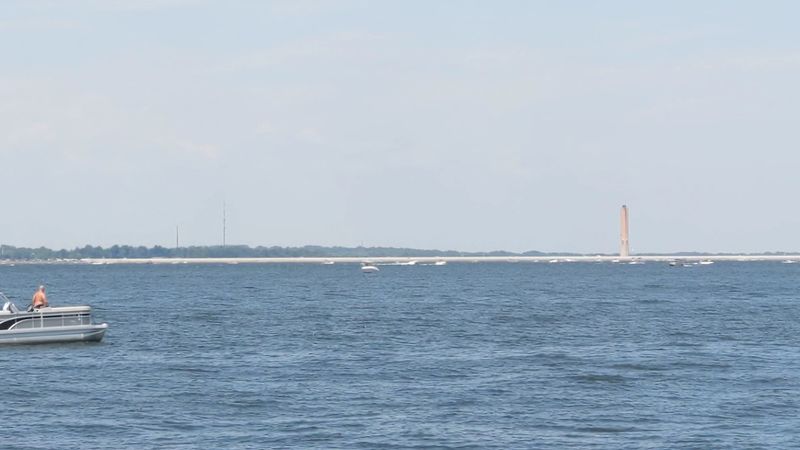
Big does not quite cover it. The lake spreads across roughly 50,000 acres, with a shoreline that winds for hundreds of miles past coves and inlets.
Depths reach around 200 feet in places. That volume keeps the water refreshing even during a sticky Carolina August.
Pontoon boats drift through the quieter fingers. Jet skis and ski boats stick to the wide-open middle, where wakes have room to fade.
Kayakers and paddleboarders tend to hug the shallow edges. Sheltered coves stay glassy on mornings when the main channel gets choppy.
Multiple public boat ramps and marinas ring the lake. That spread of access points keeps launch lines shorter than you might expect on a busy weekend.
Sandy pull-up spots dot the shoreline, and families claim them early for swimming and picnicking.
Visitors often underestimate the scale. One afternoon barely scratches the surface of what Lake Murray holds.
Planning a full weekend makes far more sense. Pick two or three areas, explore slowly, and let the size of the place sink in.
Striper Country And Bass Bragging Rights

Anglers talk about this lake with real affection. Clear water and a healthy food chain make Lake Murray one of the better-known fishing spots in South Carolina.
Striped bass headline the list. Largemouth bass run a close second, drawing tournament crowds through much of the year.
Catfish, crappie, bluegill, and redear sunfish round out the mix. Kids with simple rods often have the best luck on bream near docks.
Boat fishing opens up the deeper humps and points. Shoreline and dock fishing still produce plenty of action without any special gear.
Local bait shops know what the fish are hitting that week. Guided trips exist for anyone who would rather skip the guesswork.
Early mornings and late evenings usually beat midday heat. Fish move shallower when the sun sits low and boat traffic thins out.
A valid South Carolina fishing license is required, so check current rules before casting.
Tournaments appear on the calendar regularly. Even watching the weigh-ins gives a decent sense of what these waters can produce.
The Island Where The Sky Fills With Wings
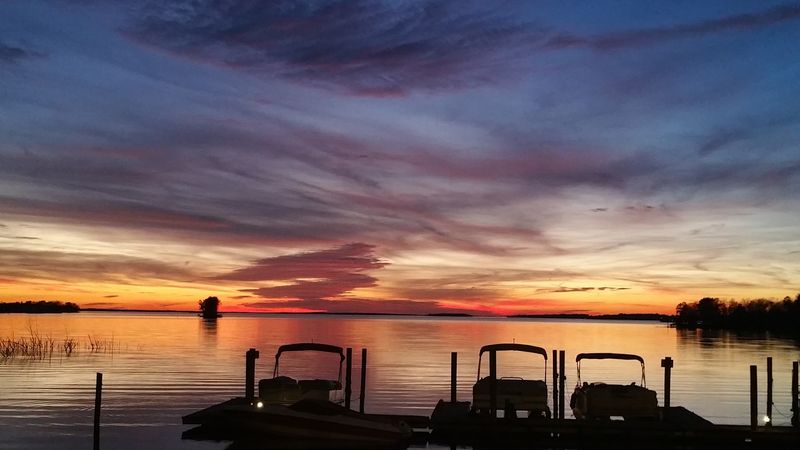
One small island steals the show every summer. Bomb Island, also called Doolittle Island, covers about twelve acres in the middle of Lake Murray.
It hosts what is described as North America’s largest purple martin roost. Hundreds of thousands of birds gather there from late June into early August.
July usually brings the heaviest numbers. As daylight fades, the birds return in swirling waves that darken the sky above the water.
Boaters anchor well back and watch quietly. Keeping a respectful distance matters, since the island is a protected sanctuary.
The nickname comes from World War II. Military pilots used the island for bombing practice during training exercises.
Now the only thing filling the air is feathers. That flip in the island’s story makes the spectacle even better.
Guided sunset boat trips run during peak weeks. Booking ahead is smart, because seats fill quickly once word spreads.
Bring binoculars and a jacket for the ride home. The show ends in near-darkness, and the return trip across Lake Murray turns surprisingly cool.
Three Islands And A State Park
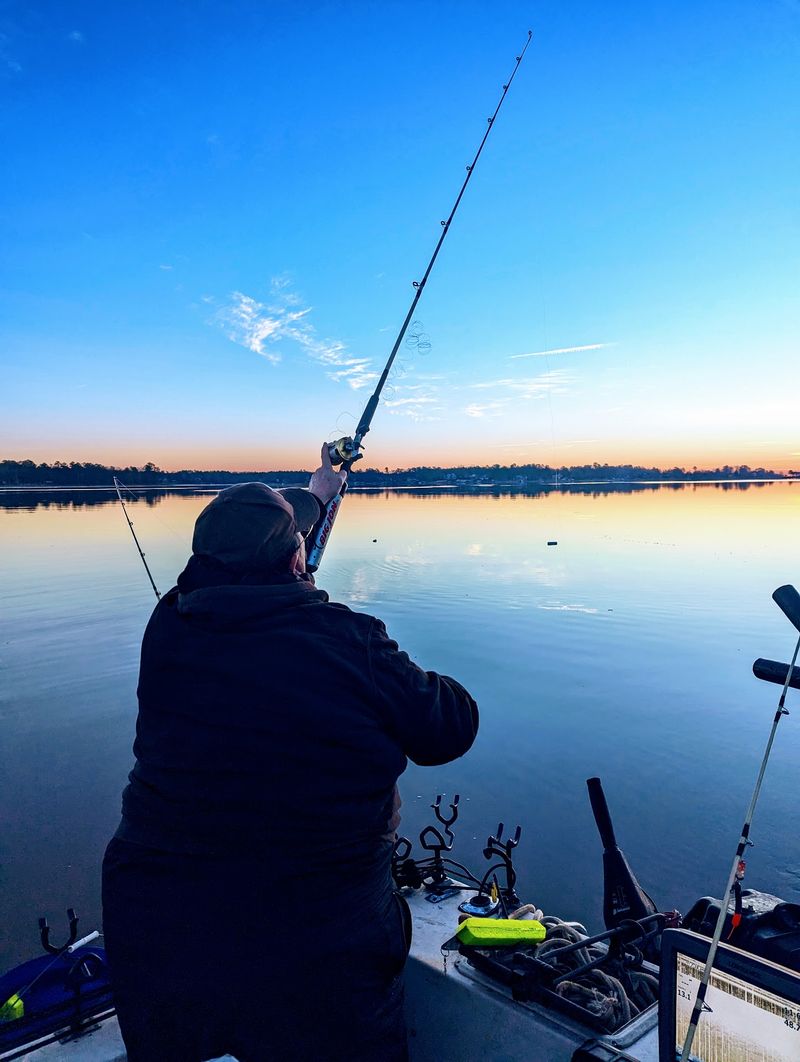
Camping fans have a clear favorite here. Dreher Island State Park sits right on Lake Murray, spread across three islands linked by causeways and bridges.
Wooded trails trace the shoreline. Openings in the trees reveal wide water views that stretch farther than most visitors expect.
Shoreline fishing spots are plentiful. Some anglers never bother launching a boat at all.
Lodging options range from tent and RV sites to lakeside villas. Waking up steps from the water changes the whole feel of a trip.
Kayak rentals let paddlers slip into quiet coves. Herons, jumping fish, and turtles show up often on those routes.
Covered picnic tables and grills make family days easy. Pack a cooler and claim a shady table early on weekends.
Evening boat traffic tends to calm down near the park. Paddlers appreciate that unwritten courtesy.
Reservations for cabins and campsites fill fast in warm months. Anyone hoping for a summer weekend should plan well in advance.
The park captures the lake’s split personality nicely, part recreation hub, part quiet woodland retreat.
A Walkway Perched Atop The Dam
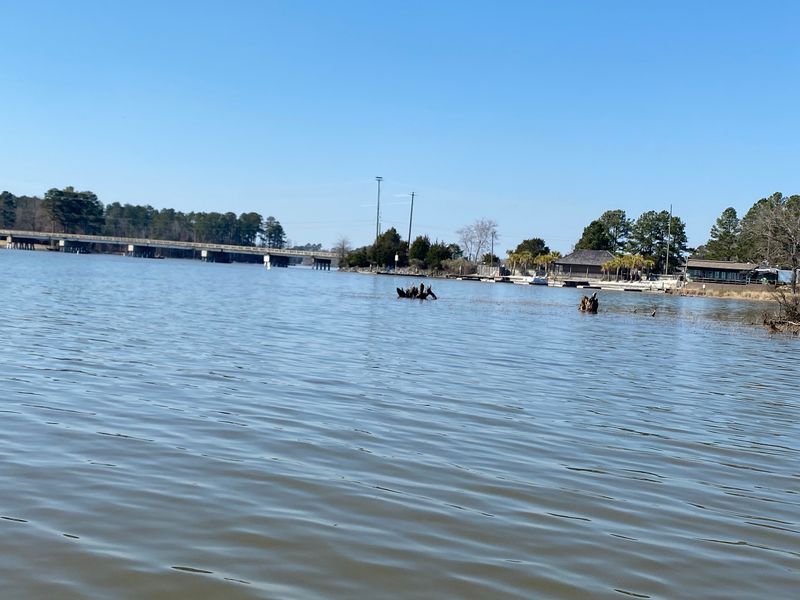
Few walks come with a view this wide. The Lake Murray Dam Walkway runs about 1.7 miles across the top of Dreher Shoals Dam.
The paved surface suits walkers, runners, and cyclists. Strollers roll easily, which makes it friendly for families with small children.
Water stretches out on one side. The valley drops away on the other, giving a real sense of the dam’s height.
Sunrise and sunset draw the biggest crowds. Color spills across the water and reflects back toward the shoreline.
Locals treat it as a regular fitness route. Visitors treat it as a photo stop, and both groups seem happy sharing the path.
Parking areas sit at either end off Highway 6. Arriving early on pleasant evenings helps avoid a full lot.
Shade is scarce up there. Water, sunglasses, and a hat make summer walks far more comfortable.
Couples have been known to leave love locks along the railings. Small human touches like that soften all that concrete and earth.
Crossing on foot remains one of the simplest ways to appreciate the scale of Lake Murray.
Towns That Live By The Water
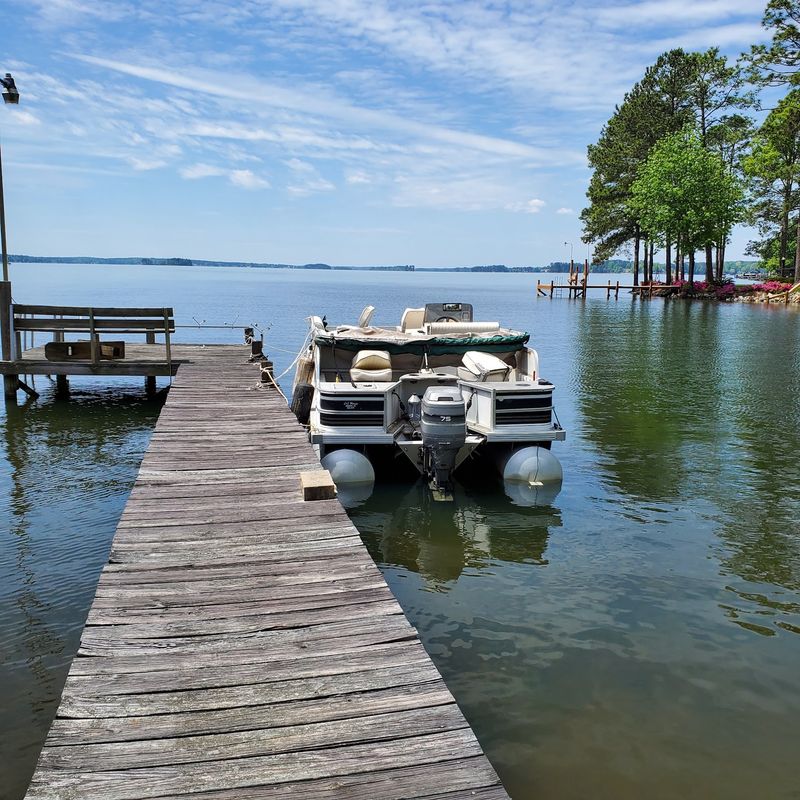
The lake touches four counties, and the culture shows it. Lexington, Richland, Newberry, and Saluda all share a piece of Lake Murray.
Chapin proudly bills itself as the Capital of Lake Murray. Irmo and Lexington keep their own lake-focused identities.
Boats on trailers are a normal sight in grocery store lots. Weekend plans here usually involve water in some form.
Waterfront homes often include private docks. Neighbors trade fishing reports the way other communities trade weather talk.
Columbia, the state capital, sits close by. That proximity means shops, hospitals, and airport access stay convenient.
Residents on the Saluda end often mention quieter water and lighter traffic. The Lexington side moves faster, with more restaurants and services.
Community events cluster around the shoreline through spring and summer. Fishing tournaments and holiday boat gatherings pull big crowds.
Visitors sense that rhythm quickly. Conversations at marinas tend to start with a question about where you launched.
Spending an afternoon in one of these towns adds context to the scenery, showing how completely daily life here bends toward the water.
Herons, Osprey, And Sunbathing Turtles
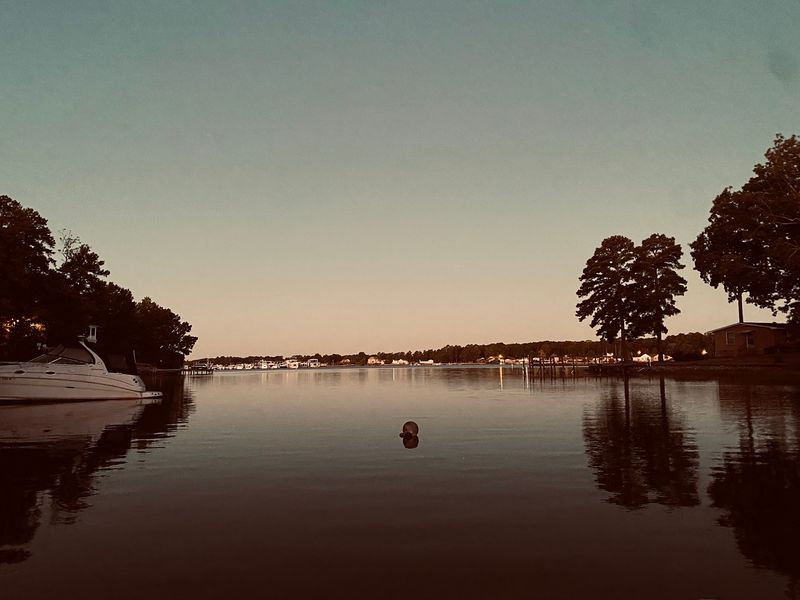
Wildlife watchers rarely leave disappointed. The varied habitats around Lake Murray support birds, mammals, and reptiles in steady supply.
Osprey circle above the open water. Their dives are quick and dramatic, and they happen more often than you would guess.
Great blue herons stalk the shallows on long legs. Egrets join them in quieter coves, standing motionless for minutes at a stretch.
White-tailed deer browse the wooded shores at dawn and dusk. Grey squirrels chatter through the pines all day long.
Turtles line up on fallen logs to soak up sun. Paddlers often drift close before the whole row slides into the water.
Healthy fish populations feed the entire chain. That abundance explains why so many birds stick around.
Kayaks and canoes make the best viewing platforms. Quiet approaches beat noisy engines every time.
Binoculars and a long lens earn their space in the dry bag. Wildlife here does not pose on command.
Early mornings reward patient watchers most, when mist still hangs low and the shoreline belongs almost entirely to the animals.
Dock, Tie Up, And Eat
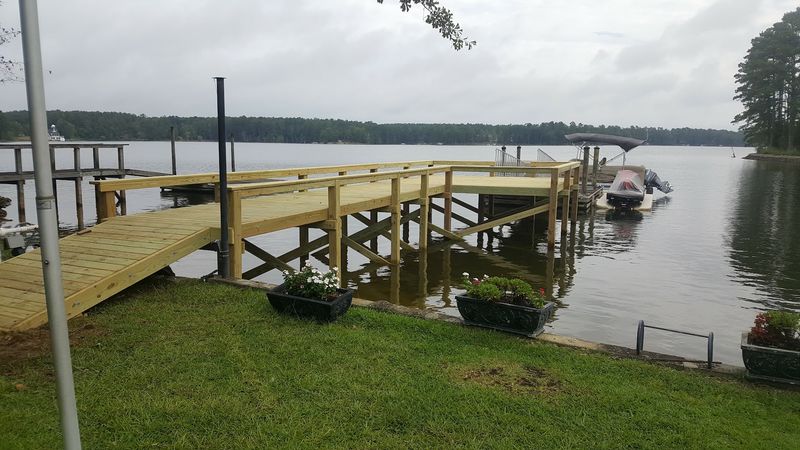
Hungry after a day on the water? Lake Murray has built a real dock-and-dine tradition along its shoreline.
Several restaurants sit directly on the water. Many keep courtesy docks so boaters can tie up and walk straight to a table.
Outdoor decks catch the breeze. Sunset seating tends to go first, so early arrivals have the advantage.
Fried catfish, shrimp, and Southern sides appear on plenty of menus. Live music shows up on warm-weather weekends.
Spots such as Rusty Anchor and Catfish Johnny’s draw regular crowds along the shoreline. Menus and offerings can change, so checking ahead helps.
Marinas nearby handle fuel and supplies. Combining a fuel stop with dinner saves a second trip across the lake.
Landlubbers can drive to most of these places. Parking lots fill up on holiday weekends, though.
Kids usually love the boat-watching as much as the food. Tables near the docks turn into free entertainment.
Ending a long day this way feels natural here, with tired legs, salty skin, and a wide view of the water going gold.
Picking The Right Month To Go
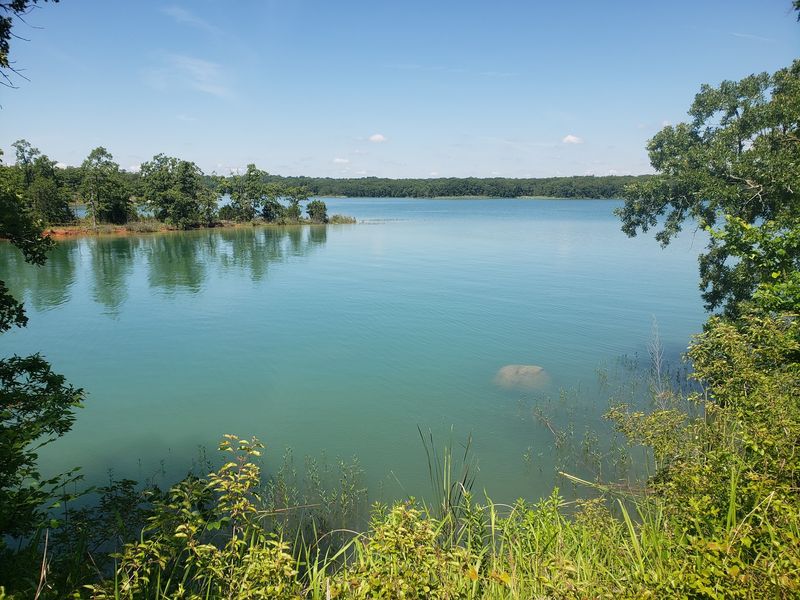
Timing shapes the whole trip. Each season around Lake Murray delivers something different, and matching the month to your plans pays off.
Late April through early June brings warm days without peak crowds. Spring greenery makes hiking and paddling especially pleasant.
Summer runs full throttle. Swimming, tubing, and watersports dominate, and the purple martin roost peaks in July.
Late August into mid-October cools things off again. Boat traffic thins while the water stays warm enough for swimming.
Fall foliage frames the shoreline through October and November. Scenic drives and dam walks shine in that light.
Winter turns quiet and contemplative. Birdwatching improves, and the walkway stays open for brisk, uncrowded strolls.
Holiday weekends anywhere in South Carolina mean busier ramps and marinas. Weekday visits solve most of that.
Afternoon thunderstorms pop up in summer. Watching the forecast and heading in early keeps outings safe.
Water levels can fluctuate seasonally, which affects ramps and shoreline access.
Checking current conditions before loading the boat is simply good practice, and it prevents an early morning drive from ending in disappointment.
National Nods For Watersports
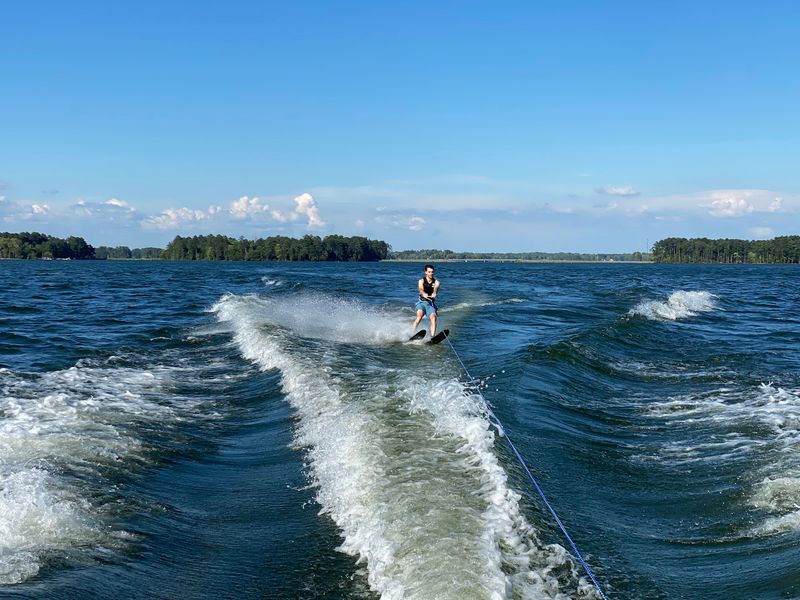
Recognition has followed the fun. Lake Murray was named the top lake in the United States for water sports by USA Today in 2025, after placing second in 2024.
Reader-voted awards are not science. Still, they reflect how many people rate this water highly.
Sheltered coves stay smooth for skiing and wakeboarding. Wide-open stretches give tubers and wakesurfers room to play.
Sailors also take advantage of the space. Sailboats appear regularly, catching breeze across the main body.
Rental operations and boat clubs serve visitors without their own gear. Options include pontoons, ski boats, and paddle craft.
Life jackets are required for children under South Carolina boating rules. Checking current regulations before launching is worth the minute it takes.
Mornings usually offer the flattest water. Wind and wakes build as the day goes on.
Courtesy carries weight here. Slowing near docks, swimmers, and anchored boats keeps everyone comfortable.
Watersports culture runs deep across the region, and it shows in how casually locals talk about spending an entire Saturday behind a boat.
Practical Notes Before Heading Out
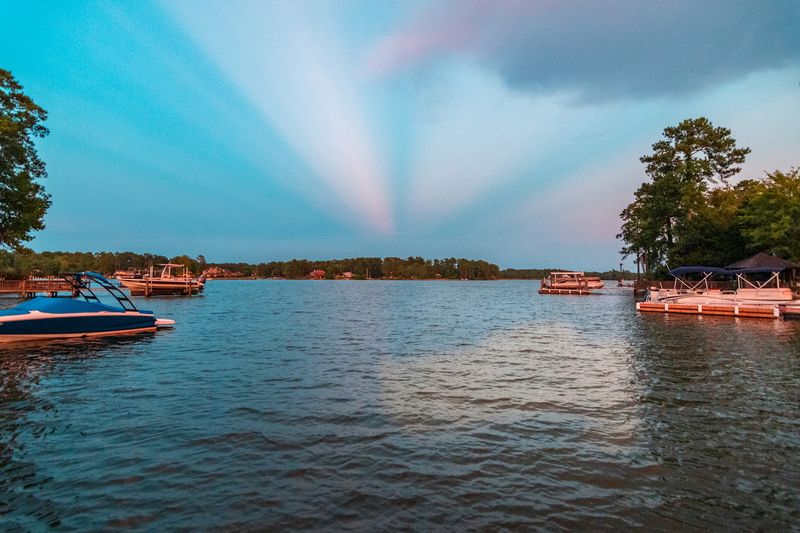
A little preparation goes a long way. Multiple public boat ramps and marinas ring Lake Murray, and each one serves a different section of shoreline.
Picking a launch close to your destination saves fuel and time. Maps of access points help enormously on a first visit.
Weekend mornings get busy at popular ramps. Arriving early or choosing a smaller launch reduces waiting.
Swimmers should stick to designated areas when available. Watching for boat traffic matters near open channels.
Warm freshwater carries small health risks, as with any lake, so following posted advisories is sensible.
Shade is limited on the water. Sunscreen, hats, and extra drinking water belong in every cooler.
Cell service can dip in remote coves. Telling someone your route is a simple safety habit.
Restrooms and picnic facilities cluster around parks and marinas rather than along the open shoreline.
Trash bags help keep coves clean, and locals genuinely notice the effort.
Anyone who plans loosely, packs sensibly, and leaves room for wandering tends to come away understanding why this South Carolina reservoir keeps pulling visitors back season after season.