
You Can Meet Real Elephants Up Close At This Hidden Zoo Experience In New York
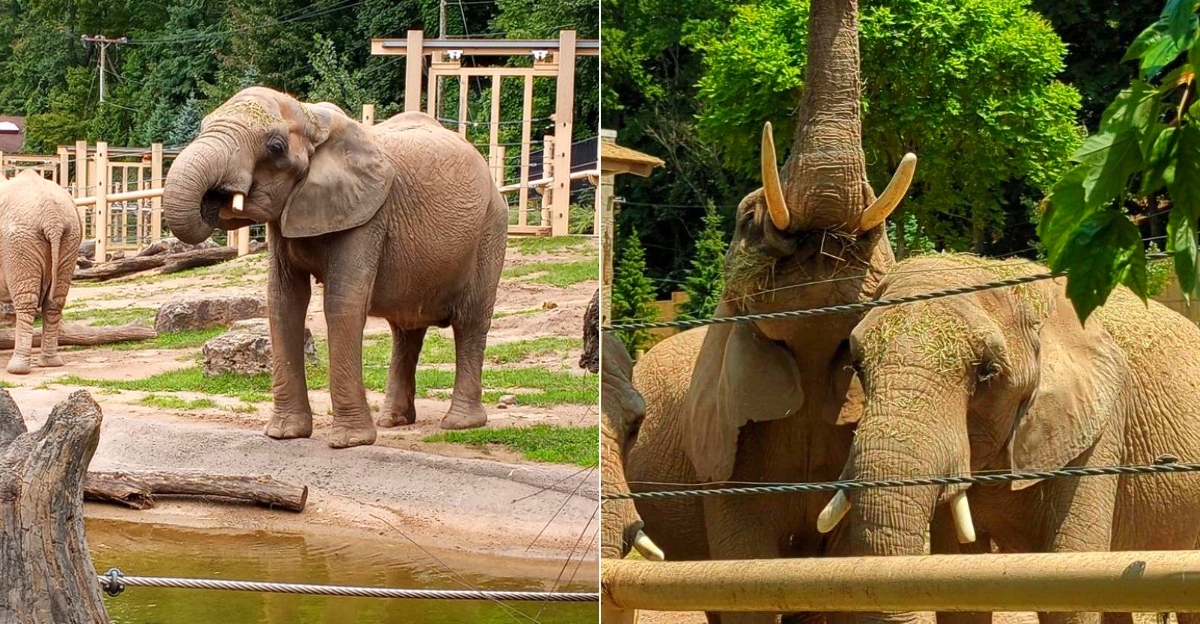
There are zoo visits… and then there are moments that make you stop and whisper, “Wait, is this real?” This hidden New York experience lets you see elephants up close in a way that feels surprisingly personal and calm. You’re close enough to notice the details. The slow movements.
The curious eyes. It’s powerful without being overwhelming.
The setting feels thoughtful and peaceful, not crowded or rushed. You actually get time to take it in. And honestly, New York still has wildlife experiences like this that most people don’t even realise exist.
You can meet real elephants in New York, and it’s way more special than you think.
Go curious. Leave slightly in awe.
Meeting The African Elephants Up Close
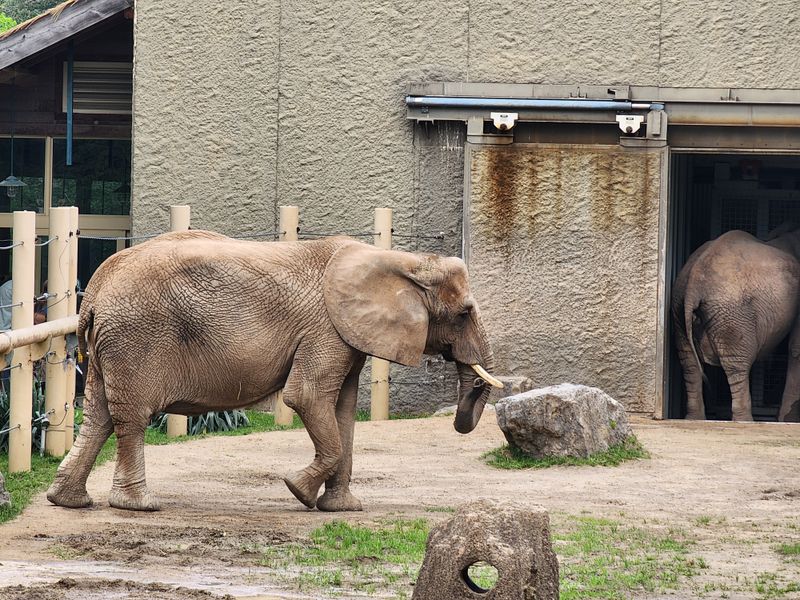
A measured hush rolls over the group when the barn door slides back and you first see the elephants. The air carries a gentle mix of hay and warm earth, and there is a quiet rhythm to their steps that settles the room. Keepers introduce personalities with crisp detail, describing a preference for certain brushes, a fondness for scratches behind the ear, or an opinionated pause before a target cue.
You watch ears fan and trunks curl, noting their attention moving between keepers and visitors with calm curiosity.
Conversations with the care team reveal how trust is built through consistency rather than theatrics. Protected contact keeps everyone safe while still allowing precise health checks, and the training wall becomes a stage for small, telling moments. A trunk reaches for a treat held behind mesh and then waits, patient, for the verbal bridge.
You hear how body condition is recorded, how diet is adjusted by season, and why hooves get so much regular attention. These details add weight to what you see.
Time feels slower in here, trimmed of clutter. You will leave with a handful of clear impressions, like the warmth of breath across the barrier and the gentle hush that follows a keeper’s cue. The encounter feels neither rushed nor staged, more like a visit to a well run workshop.
Questions are encouraged, and answers arrive without fuss. Later, when you step outside, the sightlines of the savanna take on a newly sharpened shape.
Keeper Q And A With Practical Wisdom
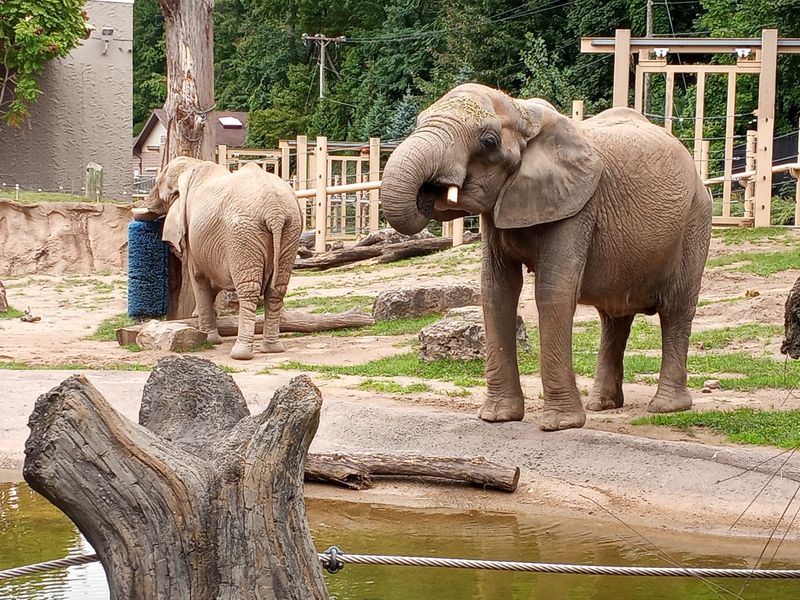
Good answers start with good questions, and the keepers here seem to invite both. They explain how training sessions work in short intervals that respect attention spans, and how each elephant teaches the team as much as the reverse. You hear about target sticks, bridges, and the way routine builds reliability.
The conversation never turns showy; it remains grounded in daily practice and the careful patience that keeps everyone safe.
The Q and A drifts from diet to sleep, then wanders toward social dynamics and shifting seasons. Keepers describe the barn layout and talk through the logic of stalls, gates, and access points. You learn why some tasks need extra hands and how the team plans for snow.
The explanations are clear without feeling clinical, and the tone remains warm. These are people who like their work and know it matters.
There is usually a question about career paths, and the advice is both practical and kind. Volunteer early, study broadly, and get comfortable with the quiet grind of daily care. Another guest asks about conservation, and a keeper shows how facility routines tie to field outcomes.
By the end, you carry a short list of insights that feel earned rather than packaged. It is a rare thing to leave a Q and A with both clarity and calm.
Elephant Encounter Tour Details And Timing
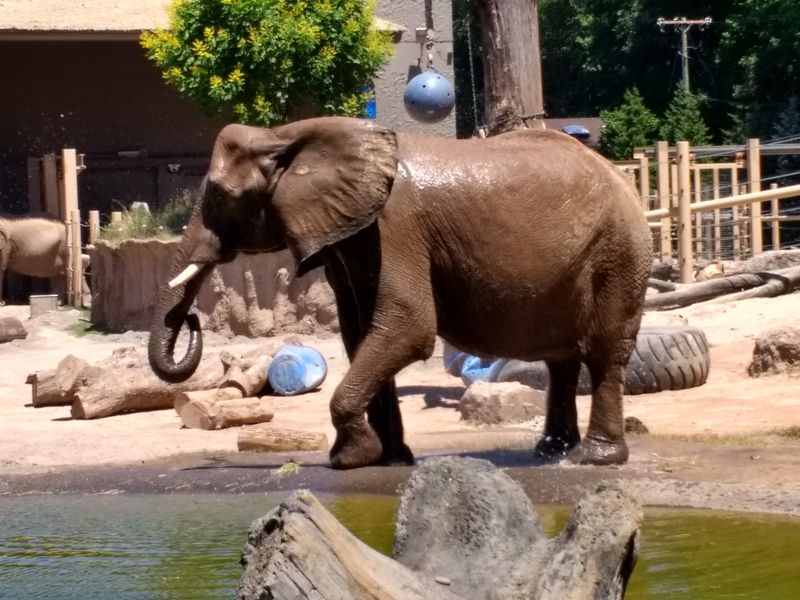
Early planning sets the tone for a smooth day, and the zoo makes that work straightforward. The Elephant Encounter Tour runs Sundays with seasonal timing, shifting to 2:45 p.m. from April through October and 1:45 p.m. from November through March. Tickets currently sit at 150 dollars per person, which includes a donation that supports conservation, and standard zoo admission is required.
Spaces are limited, so booking in advance prevents a scramble and keeps the day uncluttered. Staff confirm details by email and greet you at the designated check in, which helps everyone arrive calm.
The experience begins with a short orientation, a reminder about closed toed shoes, and a quick review of safety commonsense. A keeper escorts the group to the barn, sets expectations about distance, and walks through each elephant’s history. You will hear their names, quirks, and the roles they play in the herd’s daily rhythm.
The tone is relaxed and informative, with room for questions and respectful pauses. Photography guidelines are explained, allowing time for a few moments without screens.
Timing is your quiet ally here, especially in colder months when the barn becomes the heart of activity. Tours stay compact, so attention never drifts and you never feel rushed. You move between viewing points with purpose and gather details that stick, like how weights are recorded and feet are checked.
If weather shifts, the team adapts with unfussy steadiness. The afternoon then opens for a slow walk through the rest of the zoo.
Address, Hours, And Quiet Logistics
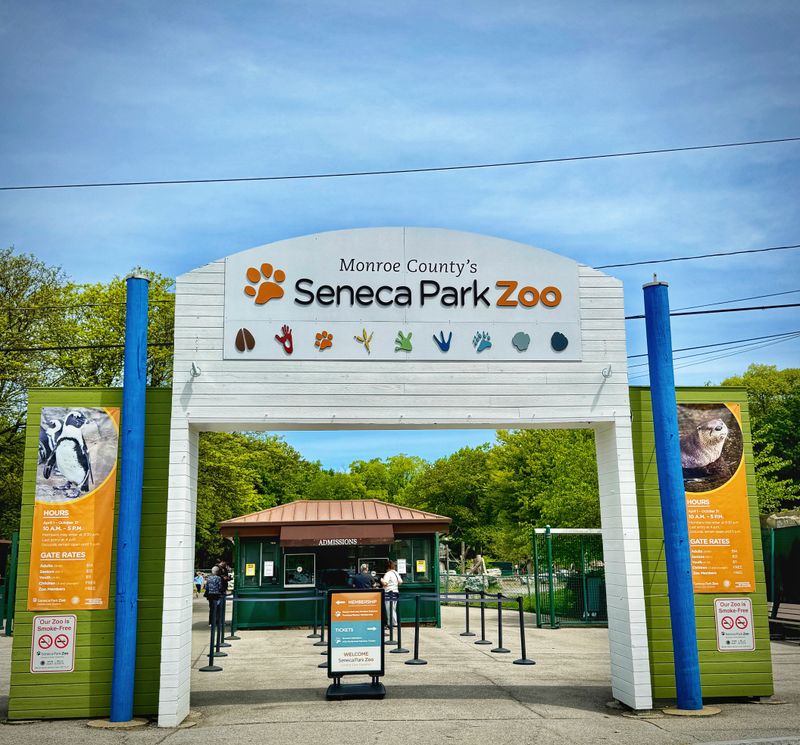
Practicalities deserve a clean corner of your plan, and this place rewards a tidy checklist. Seneca Park Zoo sits at 2222 St Paul Street in Rochester, with gates opening at 10 a.m. most days. Current posted hours run to 5 p.m., though seasonal adjustments can apply, so a quick website check the night before pays off.
The phone line is responsive, and staff handle questions with steady patience. Parking is straightforward and close enough to keep transitions short.
Arrive a little before opening if you like quiet paths, then build toward the Elephant Encounter Tour later in the day. Lines move quickly when you have tickets squared away in advance. The tram helps on the return leg, especially for families or anyone managing sore knees.
Restrooms are placed sensibly, and cleanliness holds up well even during busier afternoons. Signs steer you without chatter.
There is a certain relief in finding a zoo that runs on simple, reliable systems. You can focus on the animals rather than logistics, which is exactly how a visit should feel. Rochester’s river gorge adds a touch of breeze that helps in summer.
If you keep plans flexible and shoes comfortable, the day coasts along with admirable ease. Leave a few minutes for the gift shop at the end and you will avoid backtracking.
Photography Without Losing The Moment
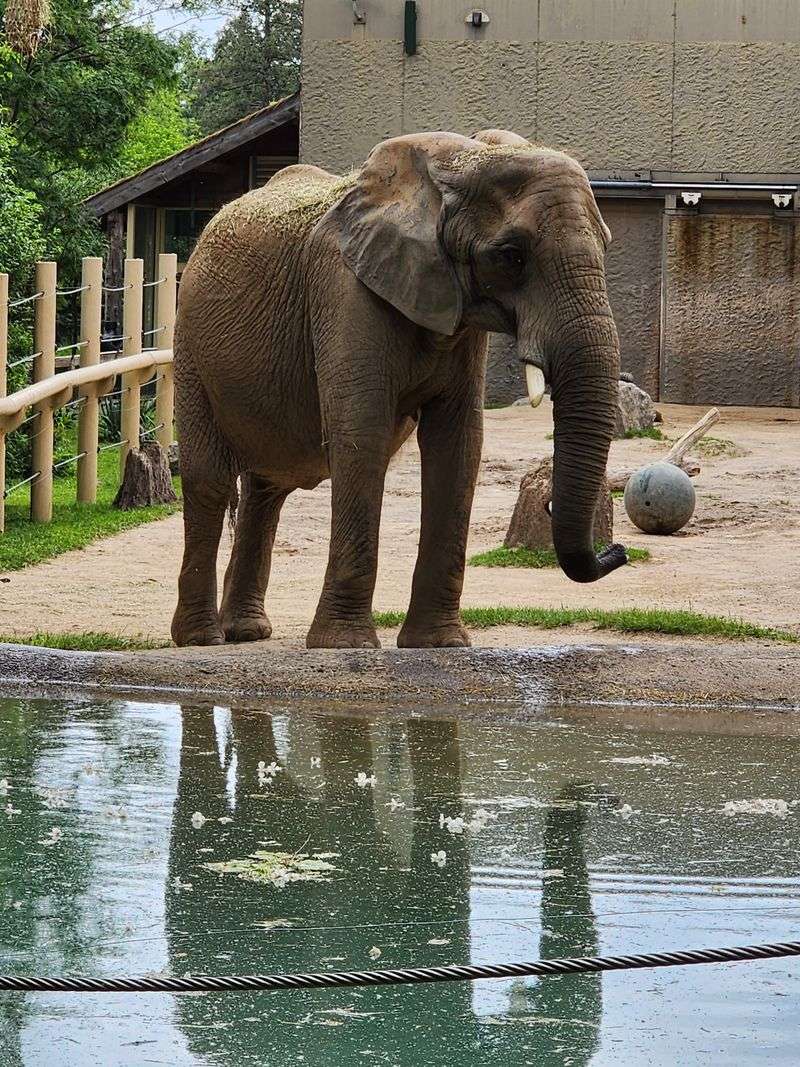
Modern visits often live or die by the camera roll, but this tour steers you toward balance. The staff outline simple guidelines, usually no flash and no intrusive movements near the barrier. You will have time for a few carefully framed shots, and then the experience encourages you to pocket the phone and watch.
There is a quiet dignity in seeing small movements unmediated by screens.
Angles indoors can be forgiving if you find a clean line past the beams. Step to the side, lower the camera slightly, and let the trunk or cheek curve fill the frame. Natural light in the barn reads warmer than you expect, which flatters detail on skin and ears.
Outdoors, the savanna gives you a softer palette with grass and sky smoothing harsh contrasts. Clouds help, so do patient hands.
Consider one wide photo for context, one medium for posture, and one close detail of skin or tusk wear. Then set the camera down, breathe, and listen. You will notice the rumble of fans, a scuff of straw, and the comfortable shuffle of keepers at work.
The best souvenir becomes a handful of small textures stored in memory. Later, those images on your phone will feel truer because they were not asked to carry everything.
Seasonal Rhythm And When To Go
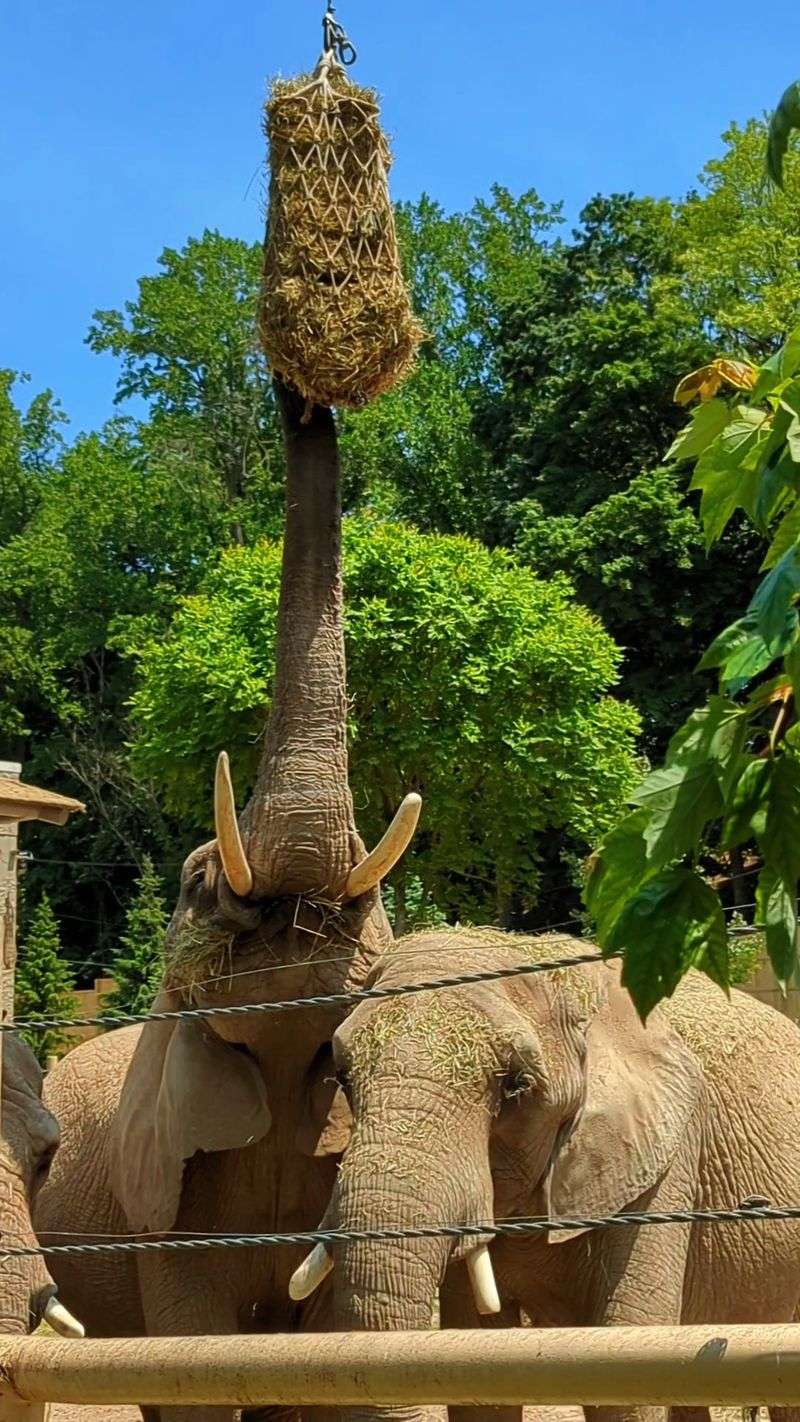
Weather shapes a visit more than most people expect, and Rochester keeps you on your toes. Winter tightens the focus indoors, where the barn tour feels especially intimate and clear. Spring brings softened light and quieter crowds, with new foliage filtering sound along the paths.
By summer, the grounds get lively, and an early start helps you stay ahead of heat and lines. Autumn earns extra points with crisp air and the easy satisfaction of steady color.
The Elephant Encounter Tour follows its seasonal schedule, and that small shift in time sets a different cadence for the day. In cooler months, plan your general admission earlier, then slide into the tour with a warm layer still on your shoulders. Warm months invite a slower lunch followed by the later slot.
Either way, the rhythm works if you keep margins generous. Rochester weather rewards flexibility and sensible shoes.
Outside the barn, other habitats respond to season in subtle ways. Sea lions get frisky in cooler air, while the savanna reads softer in angled autumn light. Shade structures and indoor viewing keep things manageable on hot days.
There is no bad month here, only different moods. If you like fewer people and deliberate pace, late fall weekdays are quietly excellent.
Costs, Donations, And Good Value
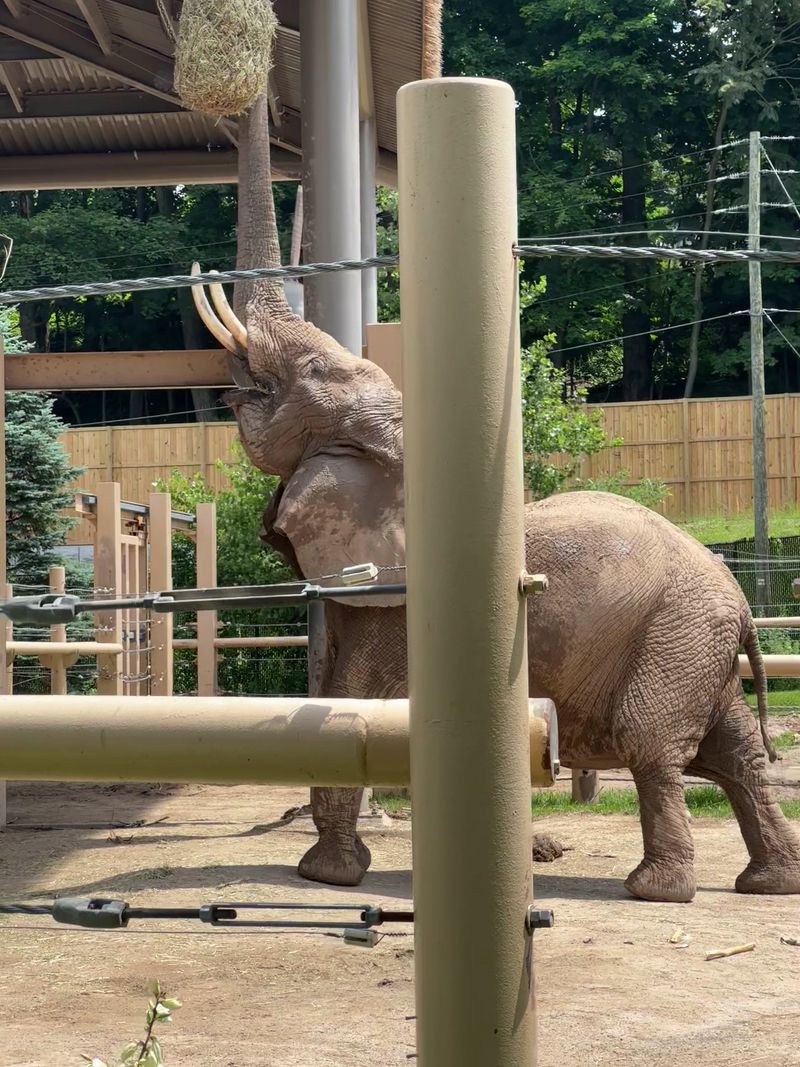
Budgets appreciate clarity, and this place lays out costs without fuss. The Elephant Encounter Tour runs 150 dollars per person and quietly funnels 25 dollars toward species survival efforts. General admission is separate, so factor that into your plan and avoid surprise at the gate.
Food and souvenirs can escalate totals, a reality at most attractions, but there are ways to keep spending measured. Pack a water bottle and set a simple snack strategy.
Value, though, is not only arithmetic. What you receive here is time with experts and a vantage that rarely appears on ordinary itineraries. The barn visit leaves you with working knowledge you can carry into conversations about conservation and care.
That lingers longer than a novelty cup. The donation element feels honest rather than decorative.
For families, consider picking one paid add on and letting the rest of the day flow at a gentler cost. The tram is a small indulgence that also saves energy. Members will find the math improves quickly across a year, especially for repeat afternoons.
If you measure worth in clarity and calm rather than volume, this experience earns its keep. Plan, commit, and leave room for unhurried minutes.
What To Wear And Bring
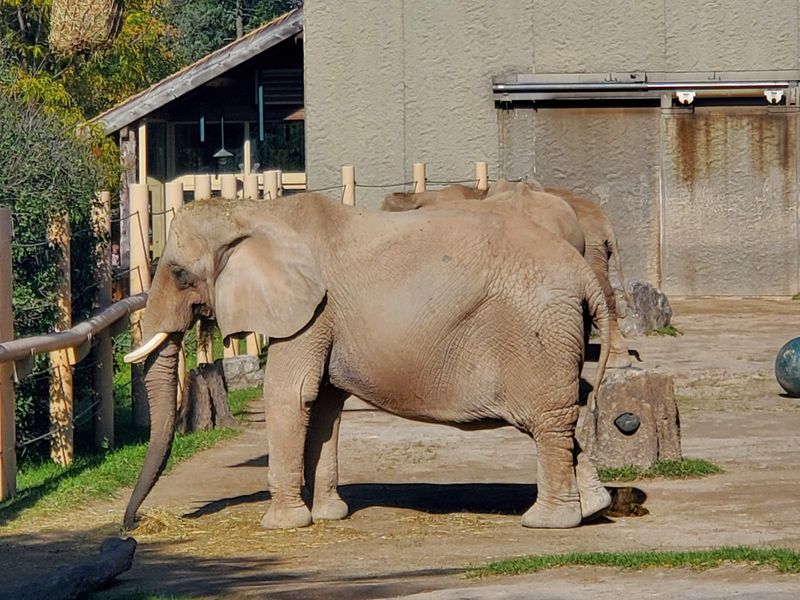
Comfort starts at your feet, so closed toed shoes are more than a guideline here. The barn floor is tidy but practical, and secure footwear lets you focus on the elephants rather than your step. Layers help with shifting temperatures between indoor spaces and the open paths.
A light jacket and a simple hat do more than you think, especially when the breeze rides up from the gorge. Keep pockets uncluttered and hands free.
Bring a reusable water bottle, and you will avoid inflated beverage prices while staying steady through the afternoon. A small notebook sounds quaint, yet it gives you a place to trap names and numbers you want to remember. Phones deserve their moment, but remember to silence notifications before the tour begins.
Flash stays off by default. A compact bag keeps everything tidy without crowding your reach.
For families, a quiet snack strategy prevents hasty purchases and restless energy. Sunscreen sits well under the hat, and hand wipes prove their worth after railings and maps. If rain threatens, a plain umbrella beats a last minute souvenir splurge.
Comfort breeds attention, and attention is the point of a behind the scenes visit. With basics sorted, the day holds together smoothly.
A Calm Walk Through The Savanna
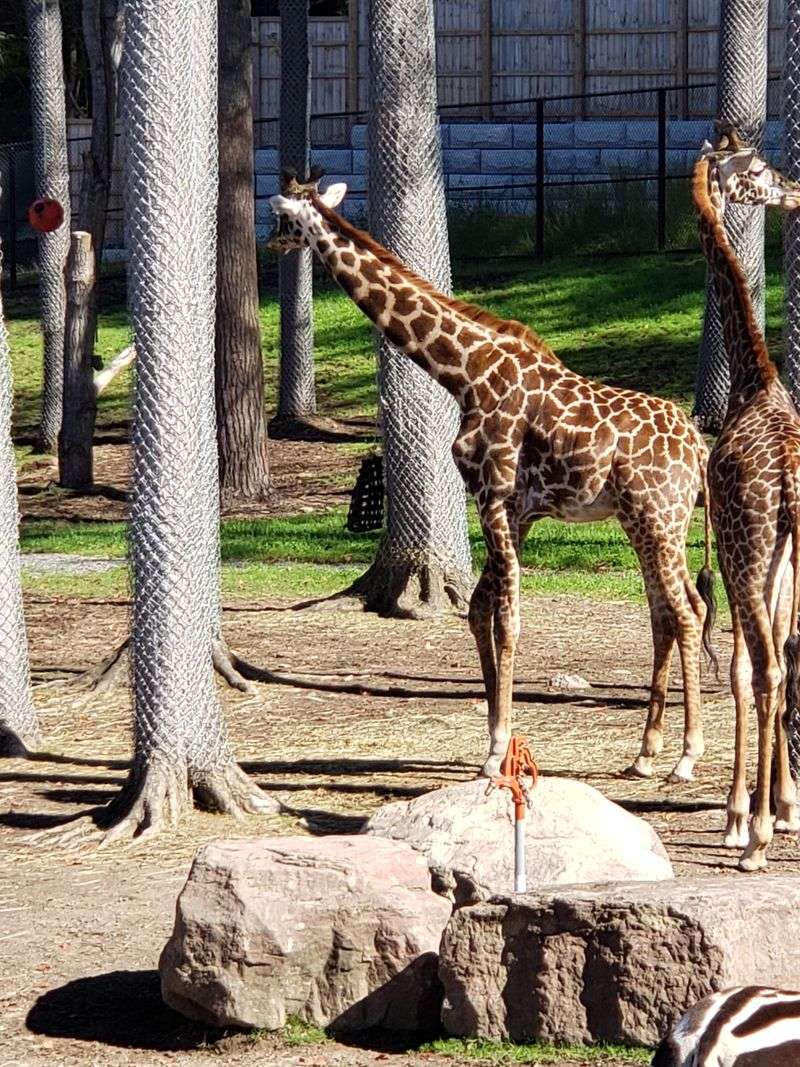
After the barn, the outdoor savanna reads differently, almost like a second chapter. The path opens toward broad grass and clean sightlines, and your eyes settle into the slower rhythm of animals moving at distance. Giraffes browse, zebras idle, and the elephants draw a gentle arc along the edge of the habitat.
The scene feels thoughtfully scaled for Rochester, generous without theatrical flourish. You can stand and watch without feeling in the way.
Interpretive signs favor useful facts over clever slogans, and those brief notes hold up well after the keeper talk. You start to recognize behaviors that once blurred together. A flap of ears, a dusting pause, a quick trunk check at a log.
The viewing areas are well placed, which helps families manage time without bargaining for better angles. Shade finds you when you need it.
Patience brings small rewards here. Wait a few minutes, and lines of motion resolve into a pattern that makes quiet sense. The distance respects the animals and gives your own thoughts room to settle.
If the light turns golden, you may feel a nudge to linger and let the day’s noise fall away. That is the steady virtue of this space.
Conservation Threads You Can Follow Home
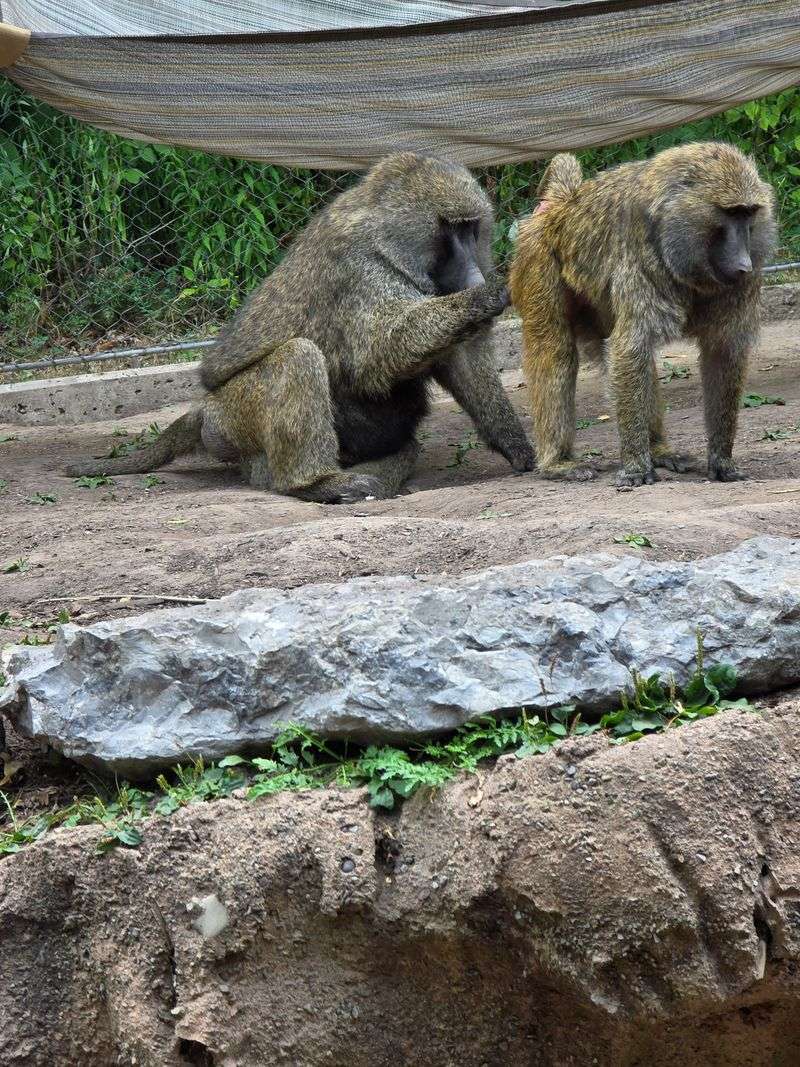
Encounters are most valuable when they carry forward into the week, and this one does. The built in donation within the tour fee links your memory to ongoing work for species survival. Keepers point you toward reputable organizations and simple habits that shift outcomes, from sustainable choices to informed advocacy.
The zoo’s messaging favors clarity over alarm, which makes it easier to act and easier to keep acting. That steadiness stays with you.
On the grounds, conservation notes appear in measured ways that avoid clutter. You will find panels explaining habitat loss, field research, and the practicalities of moving funds where they matter. The explanations do not crowd the animals; they frame them with context.
A small postcard or brochure slips nicely into a pocket and later becomes a prompt at home. Commitment grows by inches, not by spectacle.
Back in daily life, the experience improves how you talk about elephants with friends who were not there. You can describe training, diet, and medical care with a touch of authority. That kind of accuracy moves conversations past rumor and toward respect.
If you choose to support further, memberships and recurring gifts stretch effort into the long term. In the end, the tour’s quiet impact becomes the point.