
You Can Tour This Former Tennessee Prison And Hear Stories From The People Who Were There
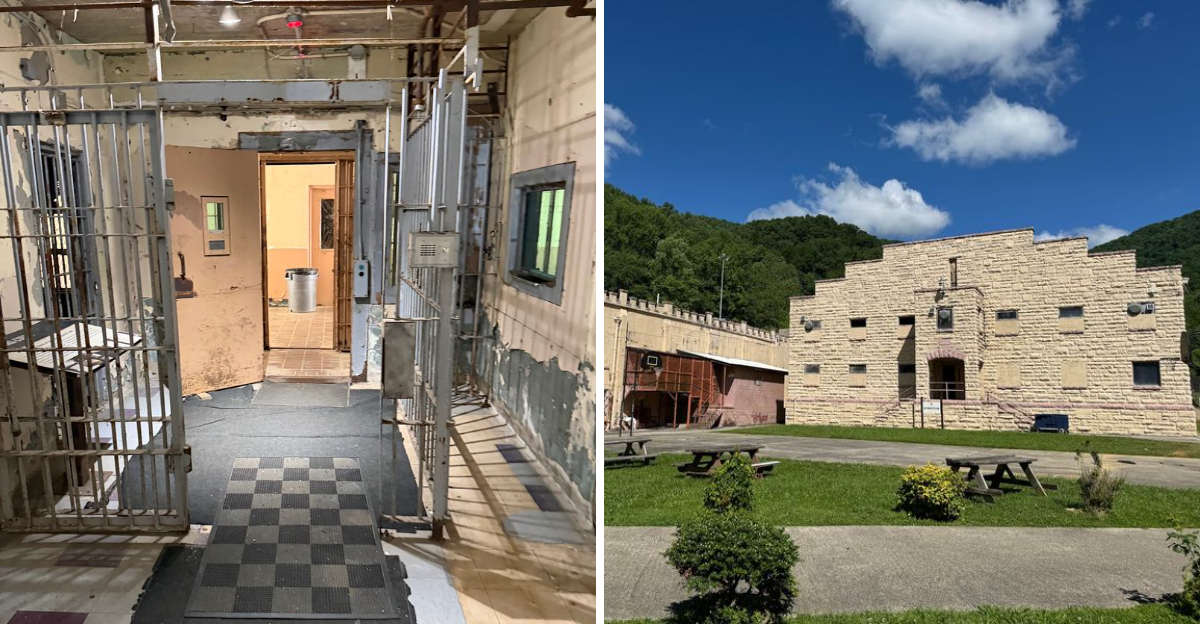
What would it feel like to walk through a prison where the cells, walls, and stories are all still close enough to touch?
Tennessee offers that chance at a former penitentiary with a past that can feel heavy the moment you enter. Stone buildings, narrow corridors, old cellblocks, and the exercise yard reveal what daily life once looked like behind the walls.
Then the stories make everything feel even more real.
Former inmates and people connected to the prison have shared memories about routines, punishment, escape attempts, violence, and survival. Those personal accounts add something a standard history lesson never could.
The setting is stark, and the stories can be difficult to hear, but that is exactly what makes the experience so memorable.
You leave with a clearer sense of the people who lived and worked there, along with a deeper understanding of Tennessee history that still feels remarkably close.
A Stone Fortress Built By The Men Inside It
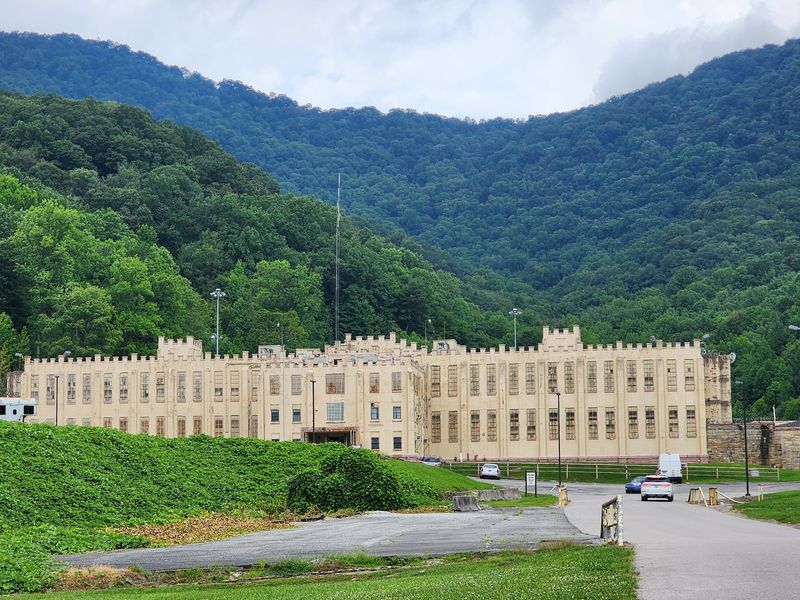
Castles in Tennessee sound like a tall tale, yet here stands one made of hand-cut stone. The building looks more like something from a European hillside than a mountain hollow in East Tennessee.
Construction began in 1896, when the state moved away from convict leasing after the Coal Creek War. The first structures were wooden, and inmates built them themselves.
Then came the 1920s and a much grander plan. Prisoners quarried stone from the property and raised the castle-like facility you see today, block by heavy block.
Historic Brushy Mountain State Penitentiary holds one especially odd distinction. The Guinness Book of World Records recognized it as the only prison in the United States using a natural bluff as part of its wall.
Nature did half the work of containment. The mountain rises straight up behind the yard, steep and thickly wooded, a barrier no ladder could beat.
Coal mining and stone quarrying filled the daily schedule for generations of inmates. Their labor fed both the state and the surrounding communities on the Cumberland Plateau.
Standing in the yard, the scale hits you. Thick walls, narrow windows, and iron everywhere, all framed by green ridgelines that seem impossibly peaceful by comparison.
Few historic sites let you touch the actual handiwork of the people the building was made for.
The Self-Guided Audio Tour With Real Voices
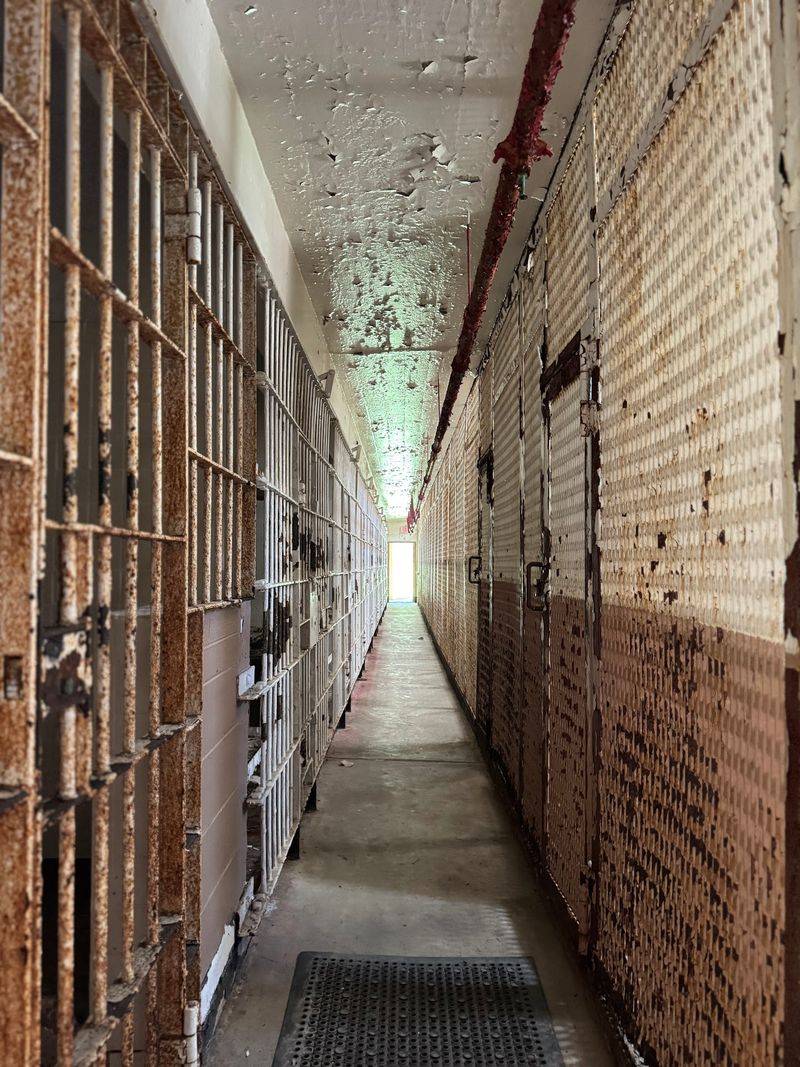
Handheld tablets replace tour guides here, and the swap works beautifully. You get audio and video, then set your own pace through the whole complex.
The route covers roughly 22 to 30 numbered stations. Each stop unlocks a new piece of the story, from cell blocks to the cafeteria to the yard.
What makes the narration special is who is speaking. Former inmates, former guards, and other employees recorded their own accounts of life behind these walls.
They describe ordinary things, which somehow land the hardest. Meal routines, family days, the sounds at night, the unwritten rules among the men housed there.
Most people spend about two to two and a half hours moving through it all. Photographers and history buffs tend to linger even longer.
Tickets are purchased on site rather than online, so plan for a stop at the gift shop first. Grab them before driving up the hill to the main building.
Signs mark the path clearly, though a couple of transitions can puzzle you briefly. Backtracking a few steps usually solves it.
Going at your own speed means you can skip ahead or replay a segment. That flexibility turns a walk-through into a genuine conversation with the past. Comfortable shoes matter. Stairs and uneven stone floors show up often.
Former Guards Who Answer Your Questions
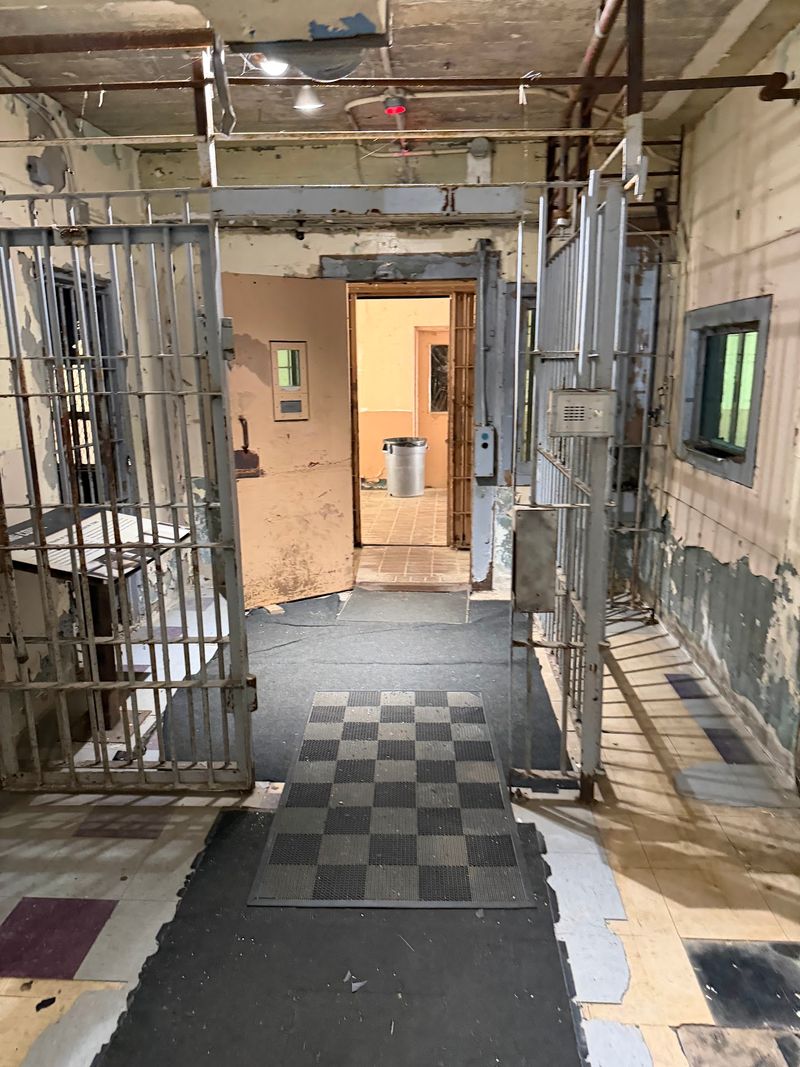
Ask a question here and you might get an answer from someone who worked the shift. Former guards are often on the grounds, ready to talk.
Their perspective fills gaps no plaque ever could. They explain how doors were controlled, how counts were taken, and how the mood shifted through a long night.
Public guided tours led by a retired guard run at certain times and stretch about two and a half hours. The talks stay family friendly throughout.
Larger groups sometimes get access to a guide as well, depending on scheduling.
Something clicks when the storyteller actually stood in that hallway. Details become specific instead of general, and the building stops feeling like a movie set.
After a guided walk, you are free to roam the grounds again. Revisiting a cell block with fresh information changes how you see it entirely.
Retired staff also carry plenty of lighter memories. Nicknames, jokes, unexpected friendships, and the small routines that made 12-hour days bearable.
Historic Brushy Mountain State Penitentiary keeps these voices central rather than decorative. That choice is exactly why the site feels honest instead of gimmicky. Bring your curiosity. They genuinely enjoy the questions.
Former Inmates Who Became Tour Guides
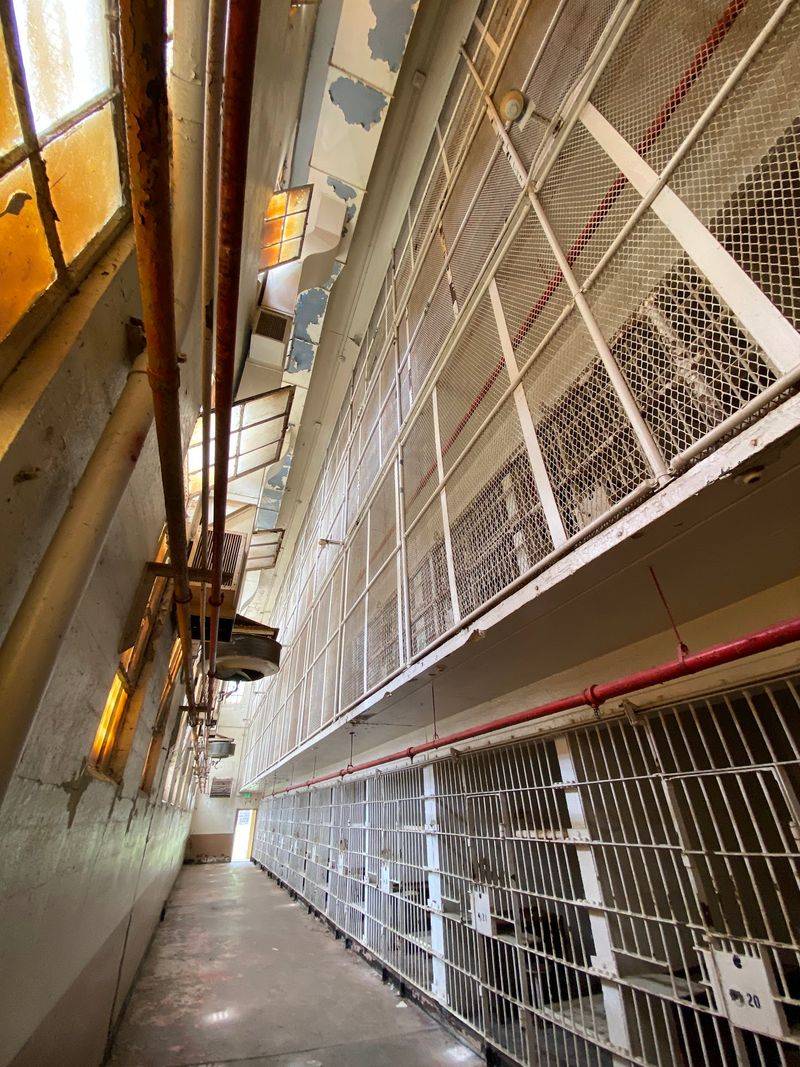
Imagine returning to the place you were once held, this time holding a microphone. A few former inmates have done exactly that at this site.
George Wyatt Jr. is among those who came back as a guide. His firsthand account of daily life inside carries a weight no textbook matches.
Hearing both sides in one afternoon is unusual. Guards describe the system from the outside of the bars, inmates from the inside, and the contrast is fascinating.
The stories cover practical survival more than drama. How you passed time, what you traded, which routines kept your mind steady through long stretches.
Family visits come up often in these accounts. Loved ones drove winding mountain roads for a short window of conversation, and the memory clearly stuck.
Nicknamed the End of the Line, this facility held Tennessee’s most dangerous offenders until 2009. That reputation shaped the culture inside in ways the guides explain plainly.
Respect flows both directions during these talks. There is no showmanship, just people telling you what happened where you happen to be standing.
The museum on site adds another layer. A documentary there explores how local families in Petros were tied to the prison for generations.
Few attractions anywhere trust their history to the people who lived it.
The 1977 Escape That Started A Famous Race
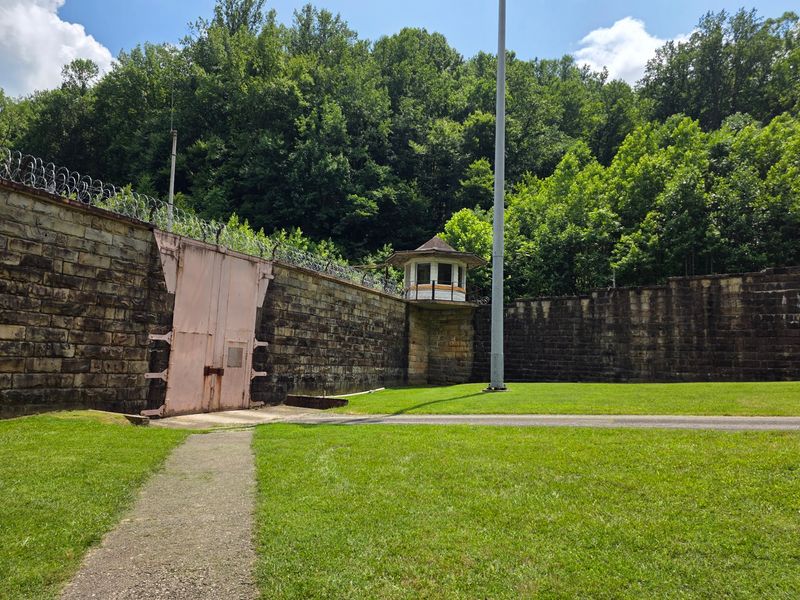
An escape attempt in 1977 accidentally invented one of the toughest races on earth. That is not an exaggeration.
James Earl Ray, convicted assassin of Martin Luther King Jr., was the facility’s most famous inmate. He was held here for years. In 1977 he and six other men went over the wall using a makeshift ladder.
The mountains beyond were steep, thick, and unforgiving. Authorities recaptured the group within 58 hours. Ray had covered just over eight miles of ground in all that time.
That detail struck a local runner as absurd. Only eight miles in more than two days? He figured he could do far better, and the Barkley Marathons were born.
The race now runs in nearby Frozen Head State Park, which sits right beside the prison property. Very few competitors ever finish it.
Standing at the base of that bluff explains everything. The terrain rises fast and the brush swallows any sense of direction.
Byron Looper was another notable name housed at the facility over the years. The roster reflected its End of the Line nickname.
Ultrarunners now make pilgrimages here for the connection. History and endurance sport rarely overlap this neatly, and the story never gets old on the tour.
Flashlight And Overnight Paranormal Investigations
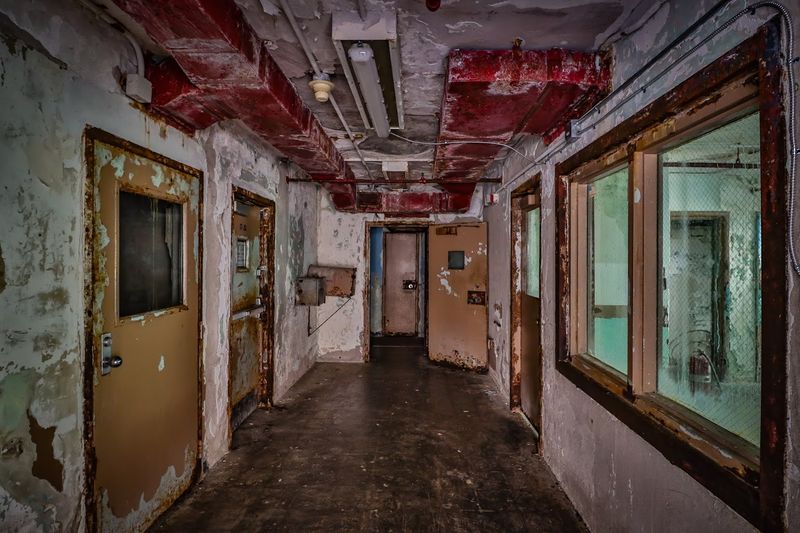
Daylight softens this place. After dark, the stone corridors take on a very different personality.
Special evening programs include flashlight tours and full overnight investigations. Groups spread out through cell blocks with equipment and a lot of nerve.
Guests have reported unusual phenomena over the years. Sounds, cold spots, and equipment behaving strangely all come up in the retellings.
Whether you believe any of it hardly matters. Wandering a 1920s cell block by flashlight is memorable either way.
Autumn brings additional special events, and October fills up quickly. Checking the official site at tourbrushy.com before you plan is wise.
Overnight options let you stay inside the walls until sunrise. That is a rare offer among historic buildings in Tennessee.
Practical advice for evening programs: dress in layers and bring a reliable flashlight. Mountain nights get cool even in warmer months.
Footing deserves attention too. Stairs, thresholds, and worn stone floors are everywhere, and shadows hide them well.
Small children are better suited to the daytime tour. Dark areas and stairwells make supervision tricky after hours.
Historic Brushy Mountain State Penitentiary treats these events as an extension of its history rather than a haunted house act. The atmosphere does the work all on its own. Book early. Word travels.
Southern Plates At The Warden’s Table
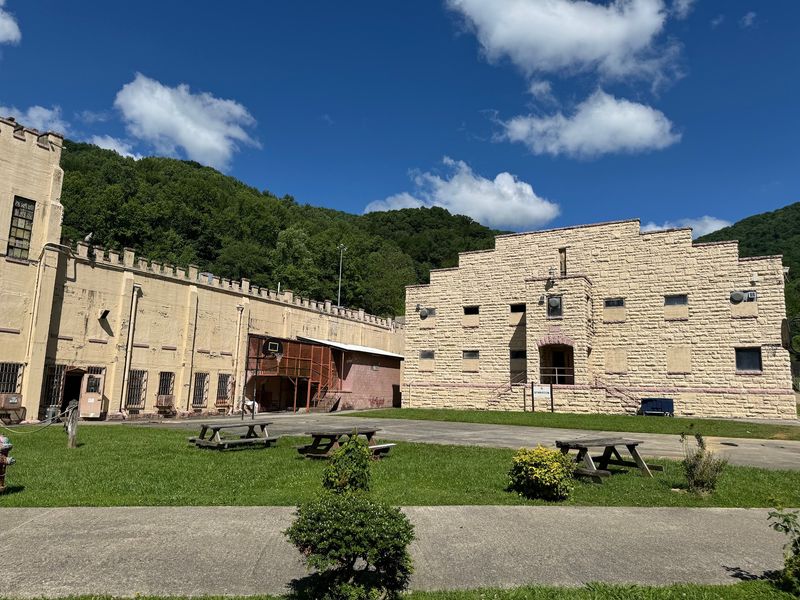
Food served on prison-style trays should not taste this good. Somehow it does.
The Warden’s Table Restaurant sits on the property and leans into Southern cooking. Barbecue, brisket sandwiches, comfort food classics, and fried pickles all make appearances.
Portions run generous, and prices stay reasonable. Indoor and outdoor seating means large groups fit without much fuss.
Just outside the gates you will find Parolee’s Restaurant and Store. Pizzas, sandwiches, and quick bites make it an easy stop before or after your walk.
Brushy Mountain Distillery also operates on the grounds and produces End of the Line moonshine. Tastings are offered for those who want to try before buying.
The gift shop doubles as the ticket counter, which makes the first stop simple. Shirts, mugs, and souvenirs line the shelves in quantity.
Eating lunch on the grounds turns a tour into a proper half-day outing. Most people finish the route hungry and grateful the kitchen is close.
The address to plug into your navigation is 9182 TN-116 in Petros, Tennessee. Doors open daily at 10:30 in the morning.
Arriving before noon leaves plenty of time for the tour, the museum, and a slow meal afterward. That order works best.
Concerts, Mountain Roads And The Devil’s Triangle
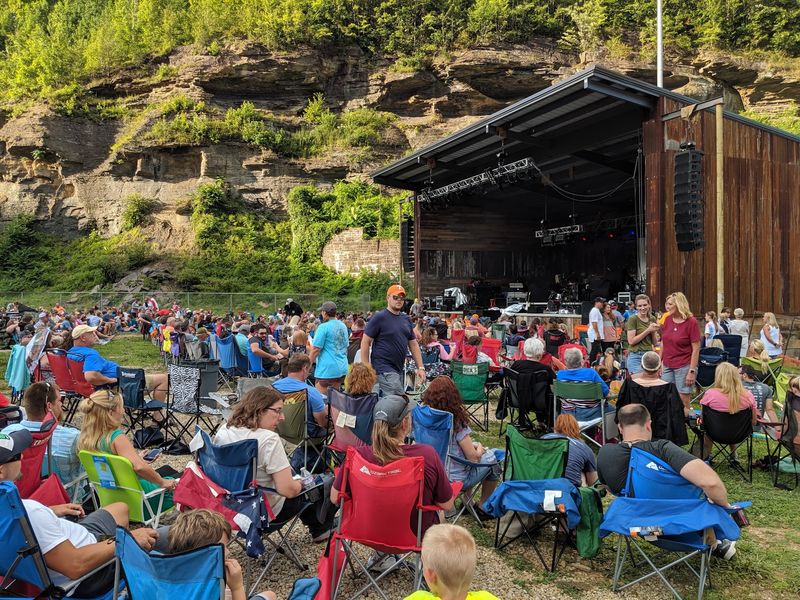
Getting there is genuinely part of the fun. The roads through this corner of the Cumberland Plateau twist and climb through thick forest.
Motorcyclists know the loop around the property as the Devil’s Triangle. Completing it takes roughly two hours of tight curves and long views.
Car drivers enjoy it just as much. The scenery shifts constantly, from creek bottoms to open ridgelines.
The grounds also host a concert venue with an outdoor stage. Shows run rain or shine, so checking the lineup and the forecast pays off.
Parking is plentiful, though the walk to the stage is long and uphill. Golf carts ferry anyone who needs a lift.
An RV park now operates on site with level concrete pads and clean facilities. ATV and side-by-side riders use it as a base for nearby trails.
Frozen Head State Park sits next door for hiking. Pairing a morning tour with an afternoon trail makes a full and varied day.
Nearby Oak Ridge offers hotels and restaurants if you want to stay two days. Many people catch a concert one evening and tour the following morning.
Historic Brushy Mountain State Penitentiary rewards a slow visit rather than a quick photo stop. Give it the time it deserves.