
You Can’t Really Call Yourself A Massachusetts Nature Lover Until You’ve Visited These 10 State Parks
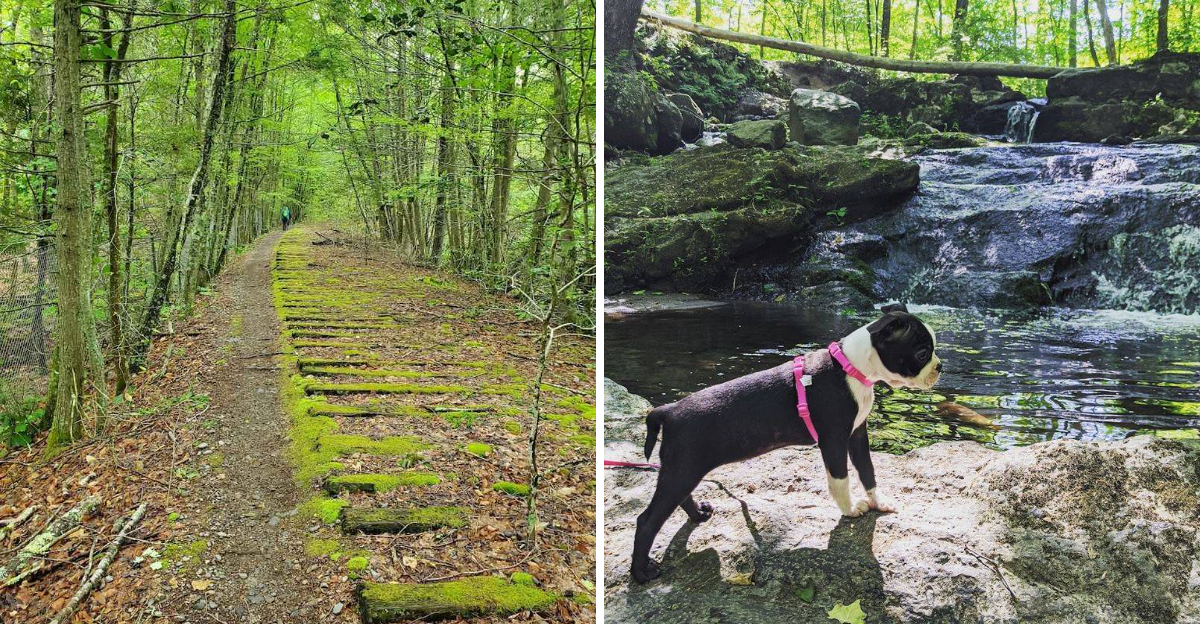
Not everyone who loves nature has actually seen the best of it.
Massachusetts is full of people who hike on weekends, walk the trails near their house, and call themselves outdoor enthusiasts. Fair enough. But the state parks on this list are something different.
They cover glacial landscapes, old-growth forests, wild Atlantic shorelines, and valleys so quiet you can hear the wind change direction. Massachusetts rewards the people who go looking.
Ten parks, ten reasons to get in the car and drive somewhere new. If you have checked all of these off your list, you have earned the title. If you have not, now you know what to do.
1. Bash Bish Falls State Park
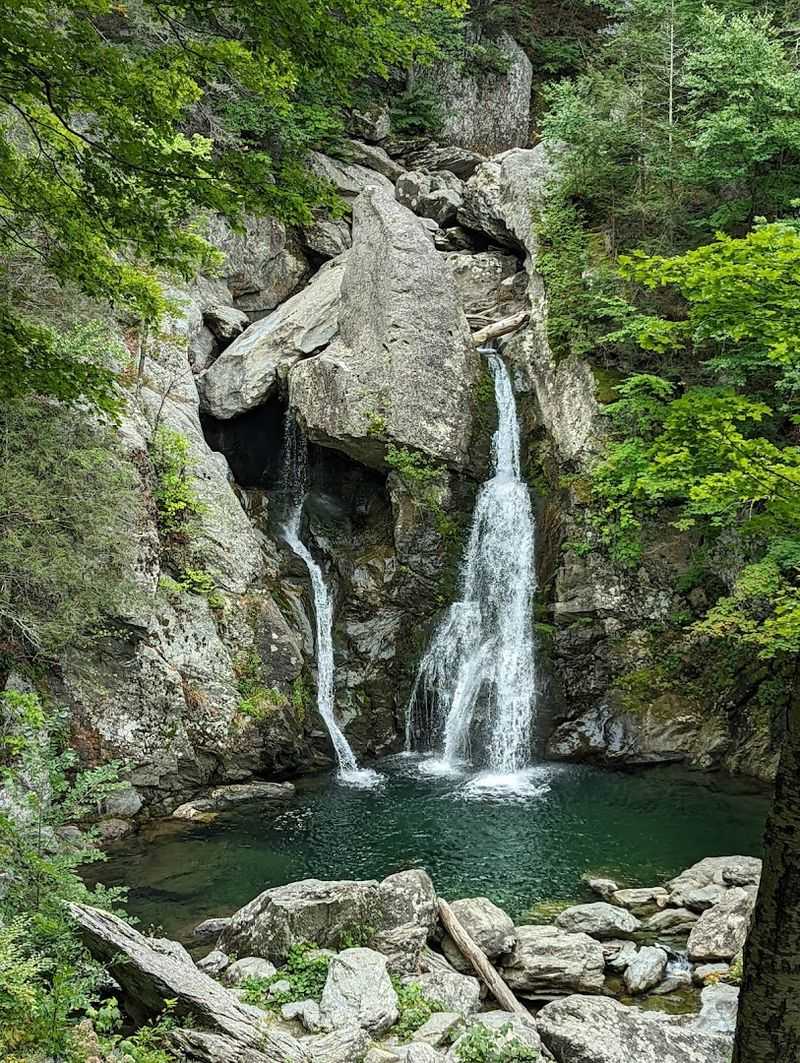
Standing at the base of Massachusetts’ tallest waterfall is one of those moments that genuinely stops you in your tracks.
Bash Bish Falls sends a 60-foot rush of water crashing into a glittering emerald plunge pool below.
The hike to reach the falls winds through a dramatic gorge flanked by old-growth forest, and the trail earns a moderate-to-challenging rating that makes the payoff feel well-deserved.
Biodiversity is a real highlight here, with the surrounding habitat supporting a wide range of plant and animal species that thrive in the cool, shaded microclimate carved out by the gorge.
The park connects directly to Mount Washington State Forest on the Massachusetts side and New York’s Taconic State Park just across the border, so ambitious hikers can extend their adventure considerably.
Fall foliage season transforms the gorge into something that looks almost too colorful to be real.
Parking is limited, so arriving early on weekends is a smart move. Swimming in the plunge pool is officially prohibited for safety reasons, but the view alone is worth every step of the trail.
Few places in New England deliver this level of raw, dramatic scenery in such a compact and accessible package.
2. Halibut Point State Park
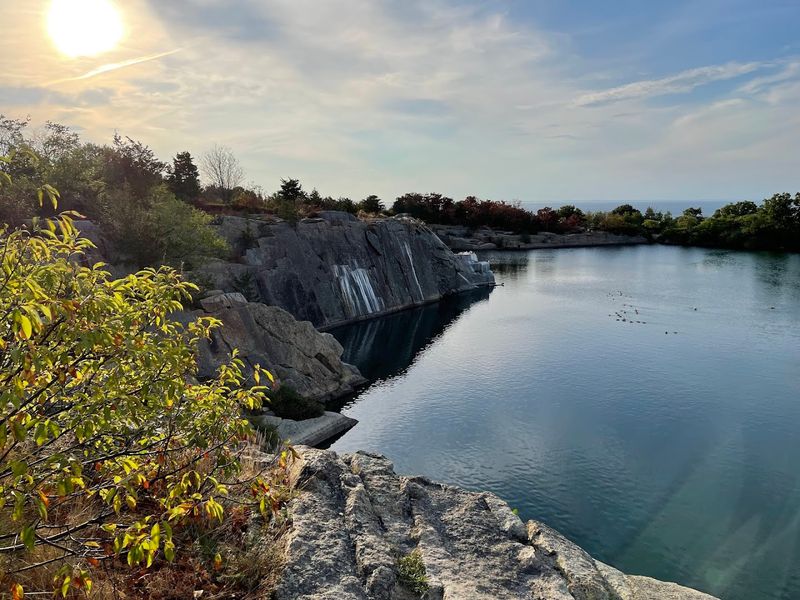
Rocky, windswept, and endlessly photogenic, Halibut Point State Park sits right at the tip of Cape Ann in Rockport, Massachusetts, where the land juts boldly into the Atlantic.
The centerpiece of the park is a massive granite quarry that was actively worked from the 1840s until 1929, and its still, reflective water surrounded by cut stone walls makes for a surprisingly beautiful sight.
Trails from the quarry lead through a mixed oak and conifer forest before opening onto a dramatic rocky headland where the ocean crashes against ancient granite slabs.
The tidepools here are rich with marine life, and spending an hour exploring them at low tide feels like flipping through a living field guide.
Birdwatchers have good reason to visit specifically in fall and winter, when seabirds including eider ducks, gannets, and various species of gulls gather offshore in impressive numbers.
The park’s World War II fire control tower still stands and offers a small but worthwhile history lesson.
Bring sturdy footwear because the uneven rock surfaces demand it, and pack a light jacket since the coastal wind picks up fast.
Sunrise at Halibut Point, with the quarry catching the first light and the ocean glowing orange beyond the rocks, is the kind of morning that makes you glad you set an early alarm.
3. Nickerson State Park
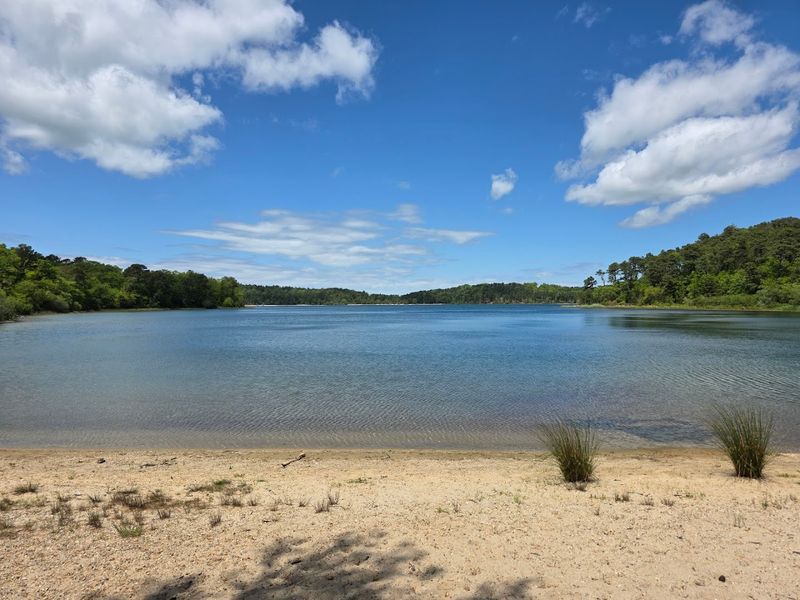
Cape Cod has no shortage of beautiful spots, but Nickerson State Park in Brewster stands out as one of the most complete outdoor destinations on the entire peninsula.
Covering roughly 1,900 acres of pine and oak forest, the park is built around eight freshwater kettle ponds, most of which were formed thousands of years ago when massive chunks of glacial ice melted into the sandy soil.
Several of the ponds are stocked with trout, making this a favorite among anglers who prefer a quiet morning on the water over fighting the crowds at the beach.
Canoes, kayaks, and paddleboards are available for rent, so even visitors who arrive without gear can get out on the water without any hassle.
A paved bike path runs through the park and connects directly to the famous 25-mile Cape Cod Rail Trail, giving cyclists access to a route that winds through some of the most scenic stretches of the Outer Cape.
Hikers will find trails looping around the ponds and through the woods at a relaxed pace.
Camping here is extremely popular, and sites book up fast during summer, so reserving well in advance is genuinely necessary.
Nickerson is the kind of place where a planned two-hour visit somehow stretches into a full, sun-soaked day you won’t forget anytime soon.
4. South Cape Beach State Park
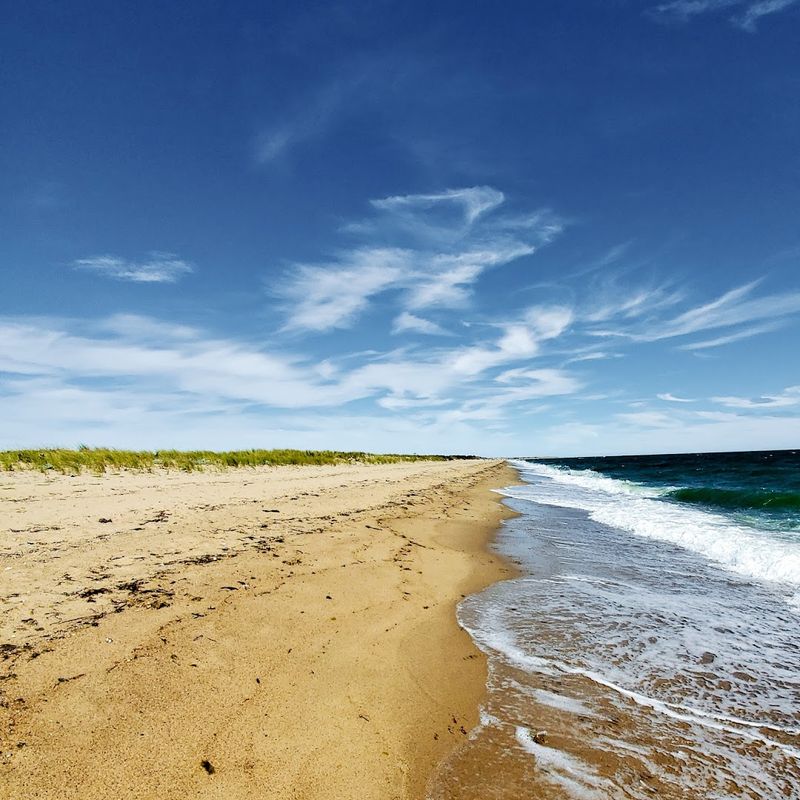
Not every great state park experience requires a strenuous hike or a dramatic waterfall.
South Cape Beach State Park in Mashpee makes a strong case for the simple pleasure of a long, uncrowded beach backed by coastal heathland and salt marsh.
The beach itself stretches for about two miles, and because it sits within a state park rather than a town beach, it tends to feel quieter than many of the more famous Cape Cod shores nearby.
The water here is relatively calm and warmer than the ocean-facing beaches, which makes it genuinely inviting for swimming during the summer months.
Beyond the beach, the park contains a network of trails that wind through diverse habitats including shrub oak, pitch pine barrens, and wetlands.
These varied ecosystems support a rich mix of bird species, and the park is part of the larger Waquoit Bay National Estuarine Research Reserve, adding ecological significance to what already feels like a special place.
Fishing, kayaking, and wildlife watching are all popular activities here.
The park sits adjacent to the Mashpee National Wildlife Refuge, so the natural experience extends well beyond the park’s official boundaries.
Arriving mid-morning on a weekday practically guarantees you a stretch of beach all to yourself.
5. Borderland State Park
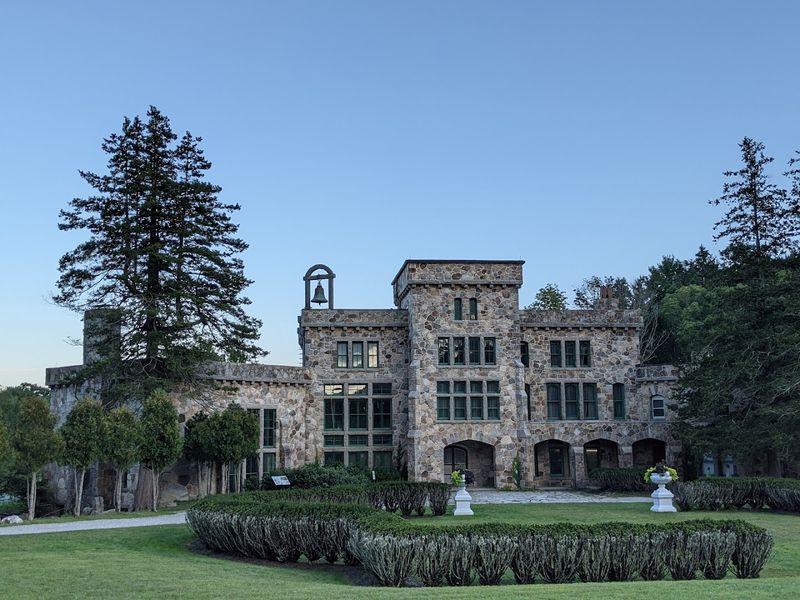
History and nature make an unusually good team at Borderland State Park, which straddles the towns of Easton and Sharon in southeastern Massachusetts.
The park was once the private estate of Oakes and Blanche Ames, and their impressive stone mansion still stands near the center of the property, giving the whole place a slightly mysterious, storybook quality.
The estate’s ponds, which were originally built for the family’s personal use, now serve as gorgeous focal points for the park’s trail network.
More than 20 miles of trails loop through the property, ranging from easy lakeside walks to rockier paths that climb through forested ridges and past old stone walls left over from the estate’s farming days.
Fishing, swimming, and non-motorized boating are all permitted on the ponds during the warmer months.
The park draws a steady crowd of kayakers and canoeists looking for a peaceful morning on the water. Mountain bikers also use the wider carriage roads that crisscross the property.
Winter visits have their own appeal, with snowshoeing and cross-country skiing popular when conditions allow.
The combination of natural beauty, interesting architecture, and a rich human history layered over the landscape makes Borderland feel unlike most other state parks in the region.
It rewards slow exploration more than any quick in-and-out visit.
6. Bradley Palmer State Park
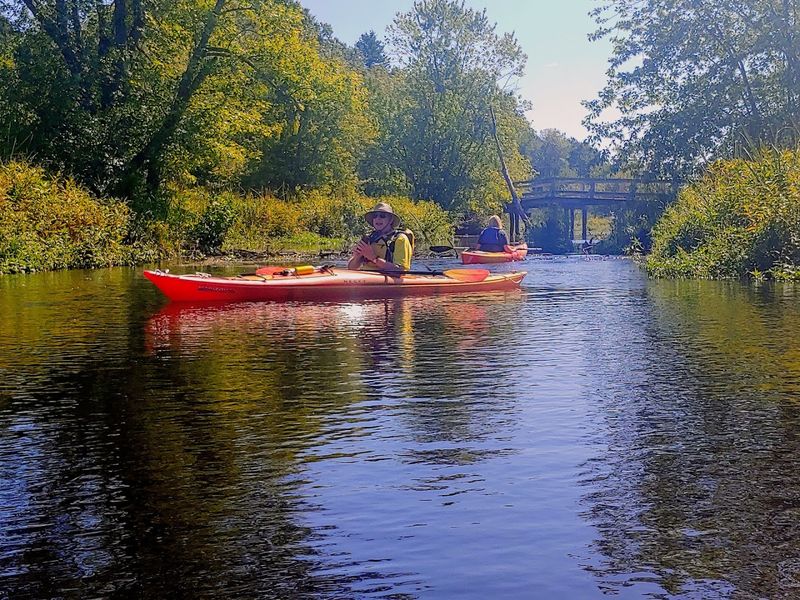
Tucked into the town of Topsfield in Essex County, Bradley Palmer State Park has a quiet confidence about it that rewards visitors who take time to slow down and pay attention.
The park covers about 720 acres and is built around the former country estate of Bradley Webster Palmer.
He was a prominent attorney who shaped the landscape with carriage paths, open meadows, and ornamental plantings during the early twentieth century.
The Ipswich River runs along the park’s southern edge, and the combination of riverbank habitat, open meadows, and mature hardwood forest creates a genuinely diverse environment for wildlife.
Bird activity here is consistently strong, and the open fields attract species that forest-only parks simply cannot offer.
Horseback riding is one of Bradley Palmer’s signature activities, and the park maintains a network of equestrian trails that wind through some of its most scenic sections.
Hikers and trail runners also make good use of the well-maintained path system.
The park connects to neighboring Willowdale State Forest, effectively doubling the available trail mileage for anyone willing to cross the boundary.
Picnic areas near the parking lots make this an easy choice for a family outing that combines a proper nature walk with a relaxed outdoor lunch.
The meadow section in late spring, when wildflowers are up and the grass is a deep, vivid green, is particularly worth seeking out.
7. Hopkinton State Park
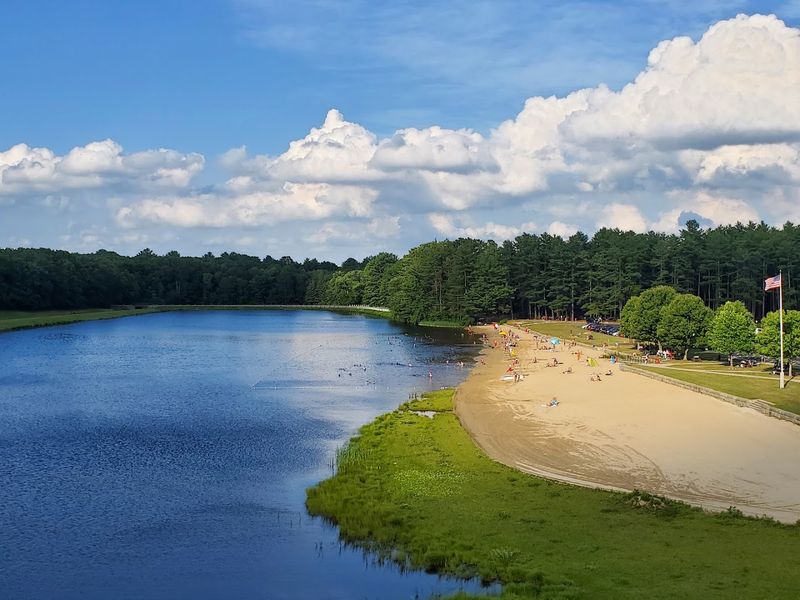
Just about 30 miles west of Boston, Hopkinton State Park offers a refreshing escape that feels far more remote than its proximity to the city would suggest.
The park centers on the Hopkinton Reservoir, a large body of water that draws swimmers, anglers, and boaters throughout the warm season and creates a genuinely relaxing atmosphere from the moment you arrive.
The swimming beach is one of the park’s most popular features, with a lifeguarded area that makes it a practical and safe choice for families with young children.
The water tends to warm up nicely by midsummer, and the sandy beach area is spacious enough that it rarely feels overcrowded even on busy weekends.
Fishing on the reservoir is productive, with bass and perch among the species that anglers regularly pull in.
Non-motorized boats are permitted, and the flat, open water makes for easy paddling without the stress of currents or waves.
The park also contains hiking trails that loop through the surrounding forest and along the reservoir’s shoreline, offering pleasant views of the water through the trees.
Hopkinton is also famous as the starting point of the Boston Marathon, and the park sits very close to that iconic starting line.
That small detail adds a fun layer of context to an already enjoyable outdoor destination worth visiting more than once.
8. Wompatuck State Park
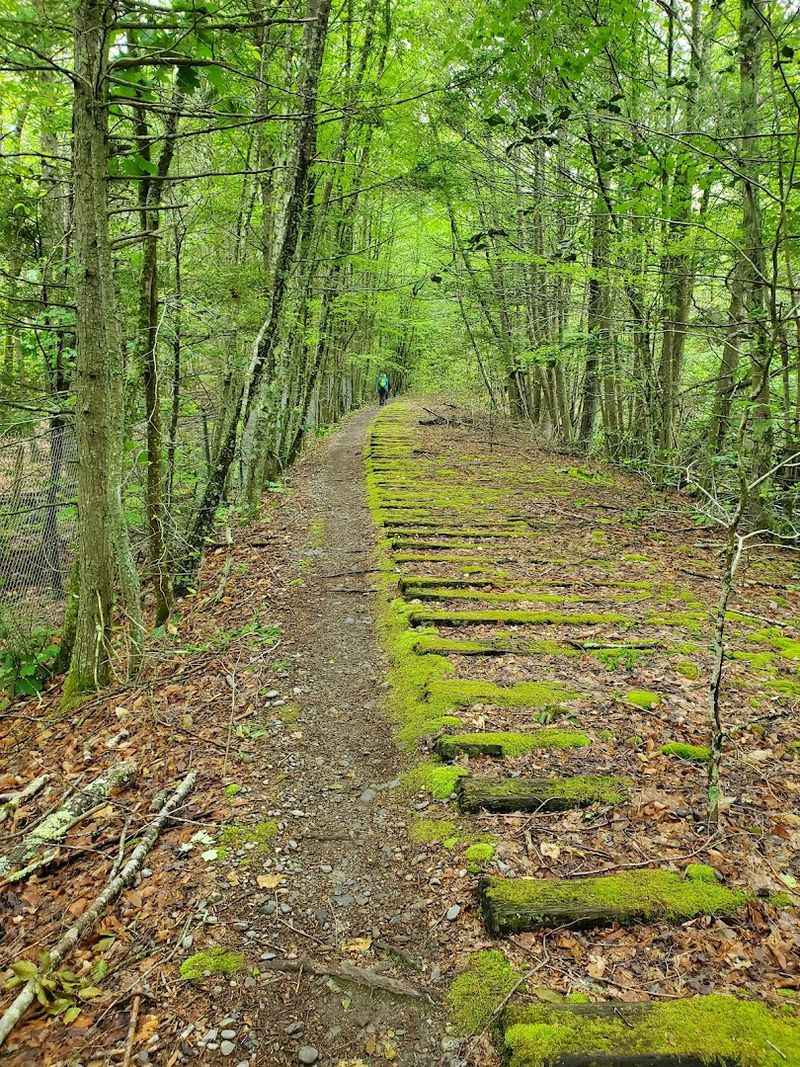
Few state parks within easy reach of Boston can match Wompatuck State Park for sheer trail variety, and that alone makes it worth a dedicated visit.
Covering over 3,500 acres in Hingham on the South Shore, Wompatuck feels genuinely expansive once you step away from the main parking areas and push deeper into its network of forested paths.
The park has a fascinating backstory rooted in its former life as the Hingham Naval Ammunition Depot, and remnants of that history appear unexpectedly along certain trails.
Nature has reclaimed most of it gracefully, draping vines and moss over concrete walls in a way that feels almost cinematic.
Cyclists are particularly well served here, with roughly 12 miles of paved roads and additional unpaved trails weaving through the forest.
Mountain biking, horseback riding, and trail running all have a strong following among regular visitors.
The park also contains campgrounds, ponds for fishing, and open areas that attract birds throughout the year.
Fall is arguably the best season to visit, when the hardwood canopy turns the trails into tunnels of orange and red.
Wompatuck manages to feel like a true wilderness experience while remaining just 25 miles from downtown Boston, which is a combination that is genuinely hard to find.
9. Wells State Park
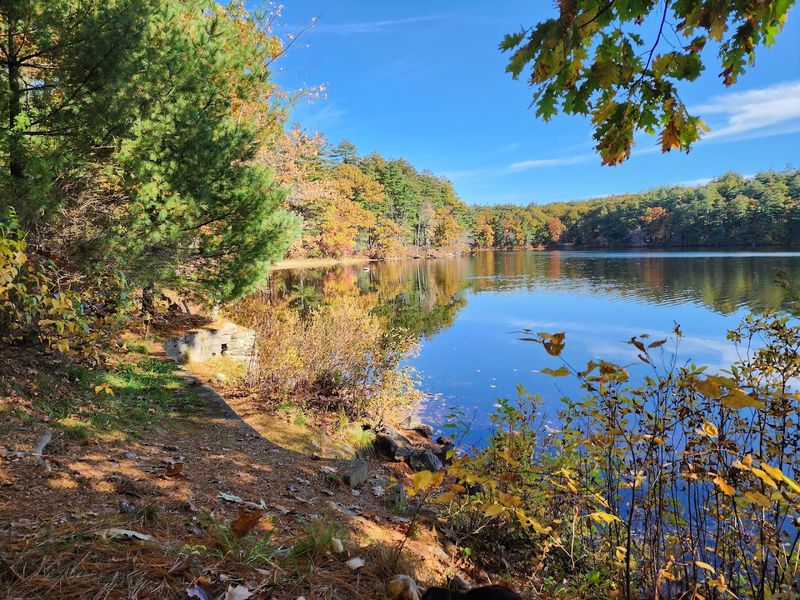
Central Massachusetts does not always get the attention it deserves from outdoor enthusiasts, but Wells State Park in Sturbridge makes a compelling argument for exploring the middle of the state.
The park sits on the shore of Walker Pond and covers about 1,400 acres of mixed forest that feels wonderfully quiet compared to many of the more heavily visited parks closer to the coast.
Walker Pond is the clear centerpiece of the experience, offering swimming from a sandy beach, fishing for bass and pickerel, and paddling through calm water ringed by forest.
The reflections on the pond on a still morning are genuinely striking, and the area around the water is peaceful in a way that makes it easy to linger far longer than planned.
The trail network extends well beyond the pond, climbing through rocky terrain and passing through a variety of forest types that shift noticeably as you move across the park.
Birding is rewarding throughout the year, and the forest edges near the campground tend to be particularly active in spring migration season.
Wells State Park also offers one of the better camping setups in central Massachusetts, with wooded sites that provide real privacy rather than the close-packed arrangements.
Sturbridge itself is worth exploring after a day in the park, with Old Sturbridge Village just a short drive away adding a cultural bonus to the trip.
10. Robinson State Park

Robinson State Park in Agawam, located in the Pioneer Valley of western Massachusetts, is the kind of place that regular visitors treat almost like a personal secret.
The park runs along the Westfield River, and the combination of moving water, rocky riverbanks, and dense forest creates an atmosphere that feels both adventurous and deeply calming.
The river is the main draw, and on a warm summer day the rocky shores fill with families cooling off in the clear water while kids scramble over the smooth granite boulders that line the banks.
It has a classic, old-fashioned New England swimming hole quality that is increasingly rare to find in a maintained public park setting.
Hiking trails climb away from the river into the surrounding forest, offering elevated views down into the valley and a chance to see the landscape from a completely different perspective.
The forest here is predominantly hardwood, and autumn transforms the whole park into a canvas of deep reds, oranges, and golds that is worth a special trip just to see.
Mountain biking and fishing are also popular activities, and the park’s location makes it an accessible option for urban residents craving a genuine nature fix without a long drive.
Robinson may not be the most famous park on this list, but it consistently delivers one of the most satisfying experiences in the entire western part of the state.